FG Challenges Young Nigerians to Turn Confab Deliberations into Action

Maryam Aminu

The Federal Government has challenged young Nigerians to ensure that the National Youth Confab 2026 does not end with speeches and resolutions, but produces practical ideas that can translate into opportunities and measurable improvements in their lives.
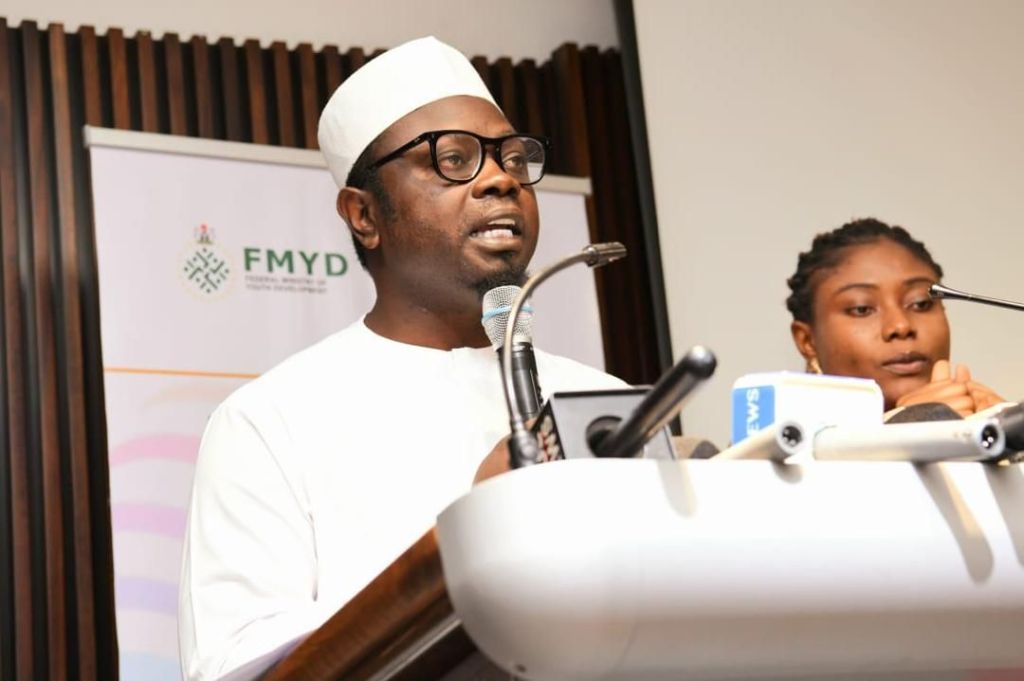
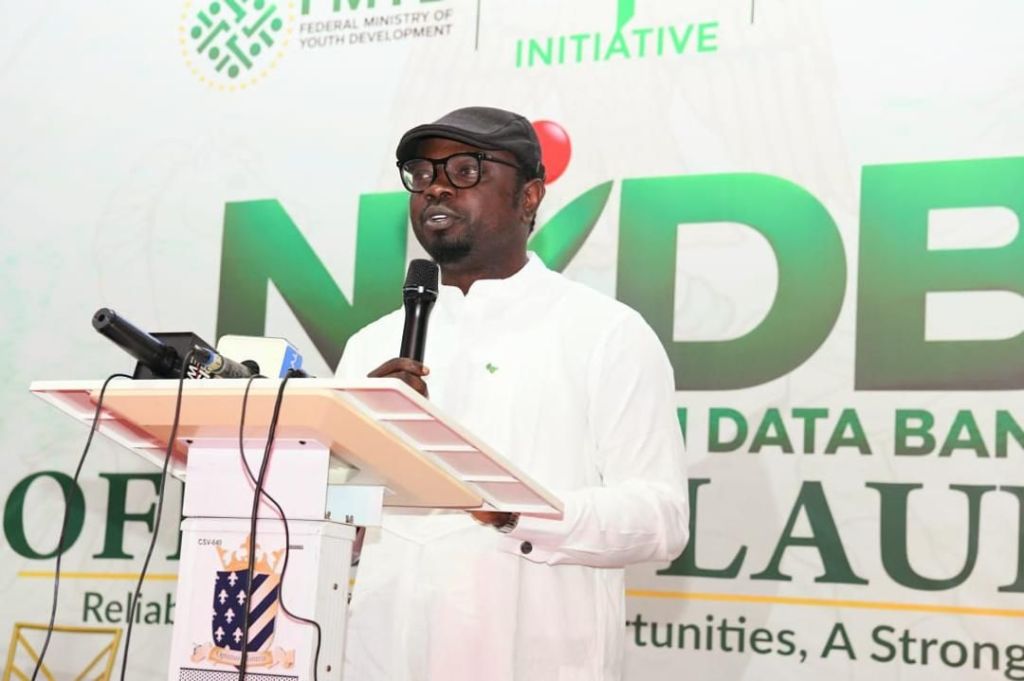
The Minister of Youth Development, Comrade Ayodele Olawande, gave the charge on Friday while declaring the 2026 National Youth Confab open at the National Counter Terrorism Centre (NCTC) Auditorium in Abuja.

Olawande said the gathering should serve as a working platform where young Nigerians could openly examine the issues affecting them, propose solutions and contribute to policies and programmes that shape their future.

He acknowledged that young people continue to face challenges ranging from unemployment and inadequate skills to limited access to finance, education, digital opportunities and entrepreneurship, as well as concerns around peace and security.

Rather than simply listing these challenges, the minister urged delegates to come up with realistic recommendations, partnerships and clear actions that government and other stakeholders can implement.

He also called for stronger collaboration among government, the private sector, development partners, civil society organisations and youth-led groups to widen opportunities for young Nigerians across the country.

According to him, the Federal Ministry of Youth Development would continue to create platforms that give young people a voice in policies and programmes affecting their lives.

He therefore urged delegates to take ownership of the Confab by speaking up, asking difficult questions, proposing workable solutions and building partnerships, expressing confidence that the discussions would produce outcomes capable of moving from the conference hall into action.
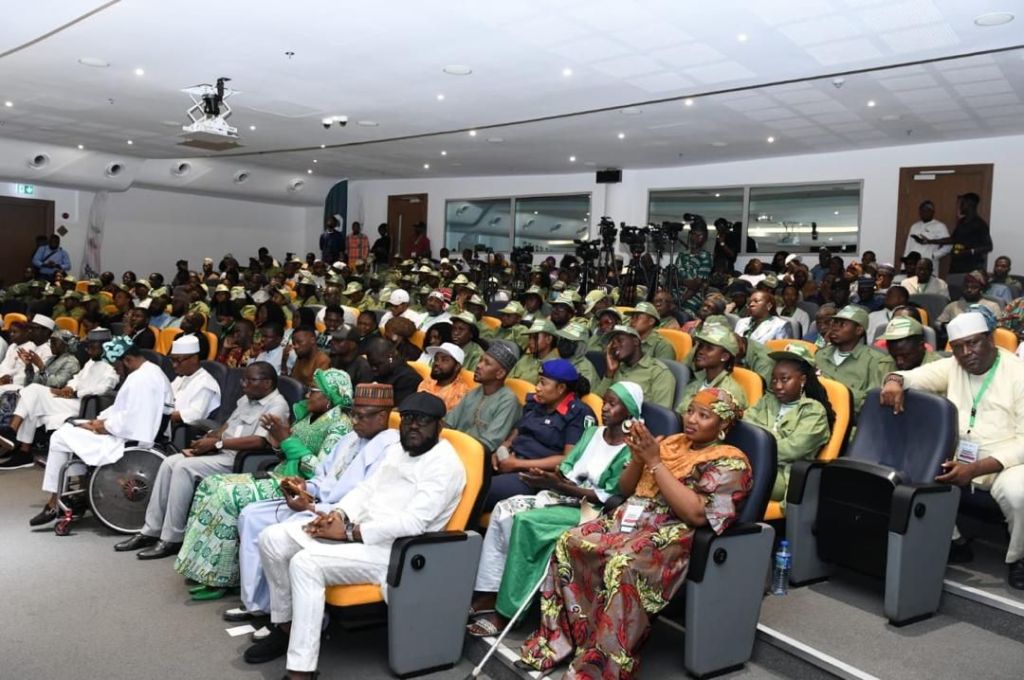
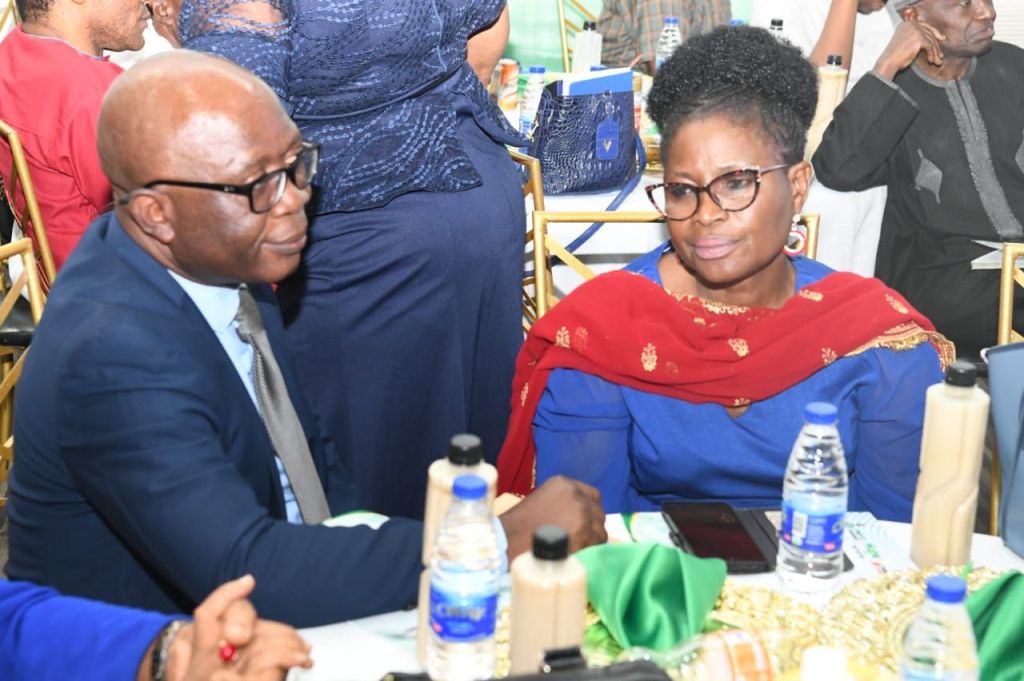
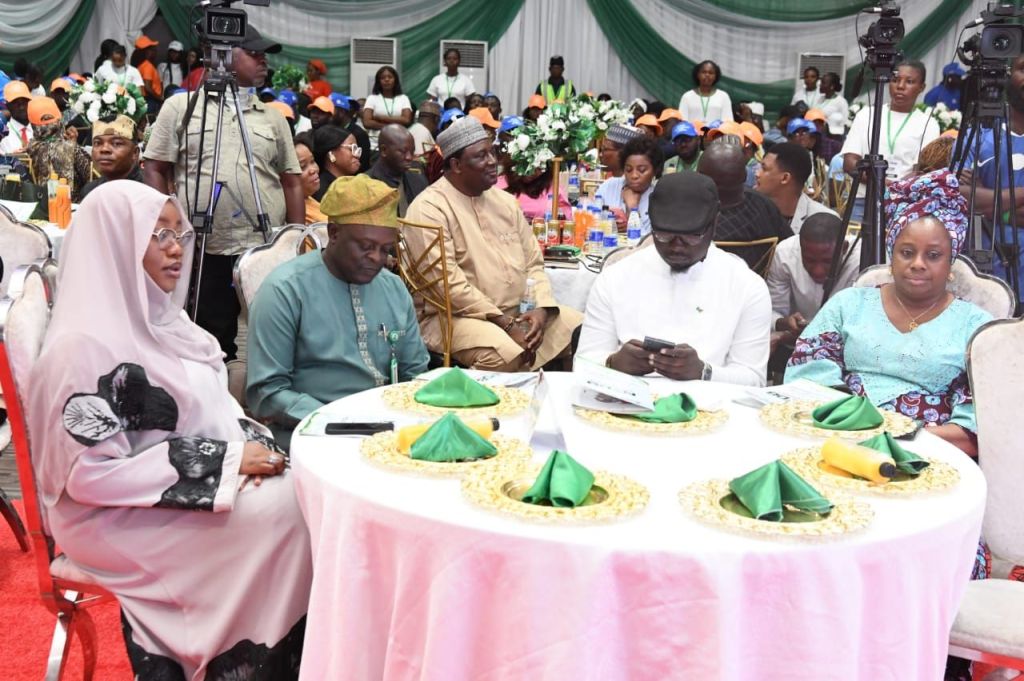
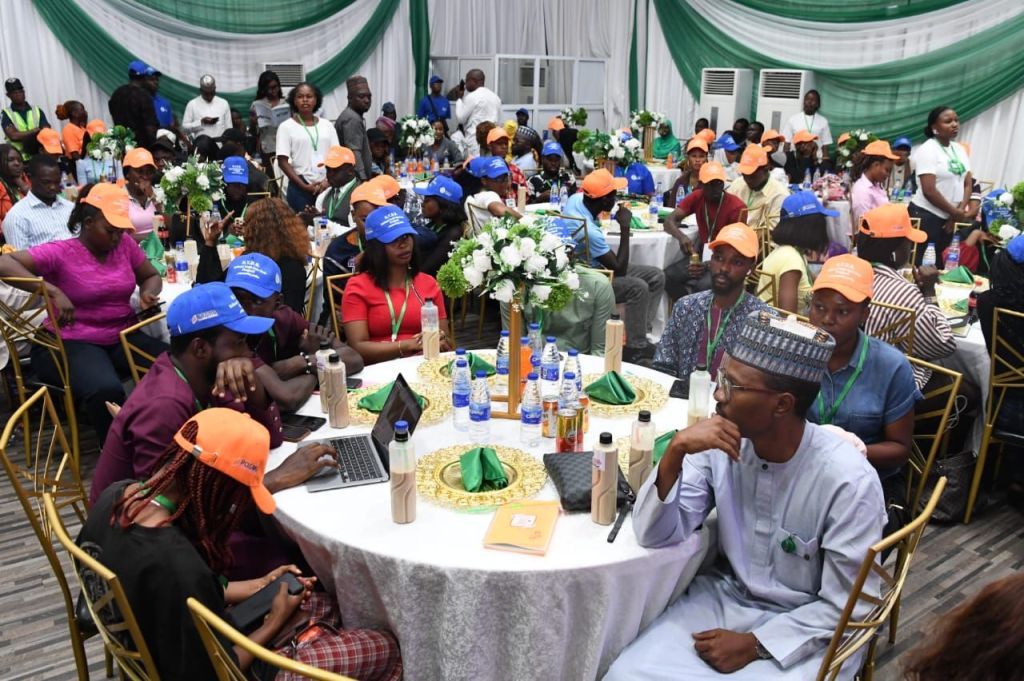
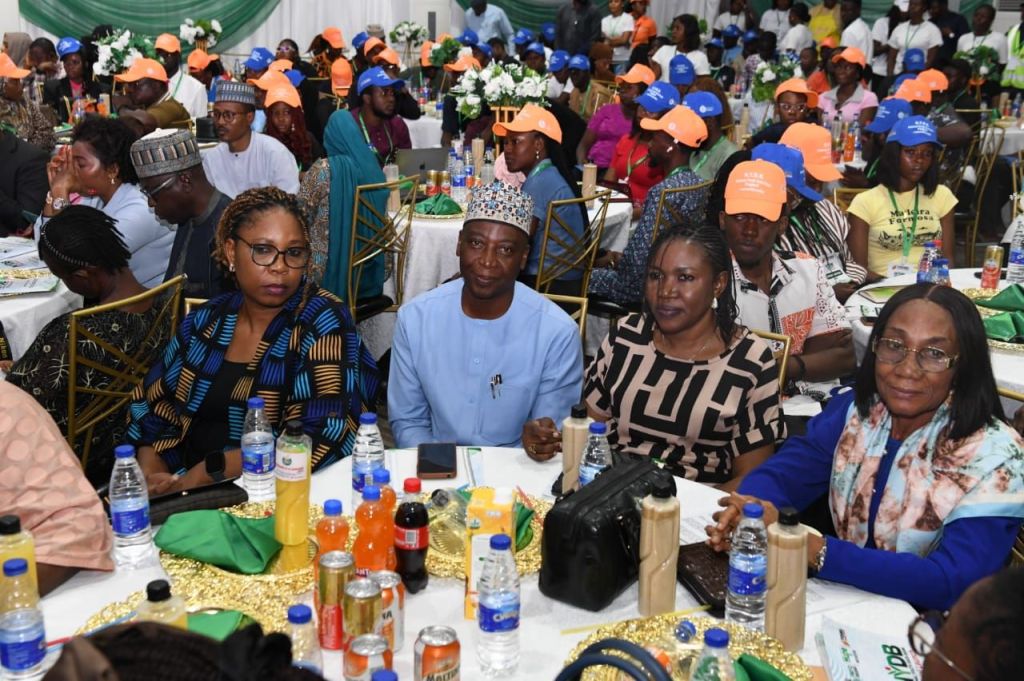
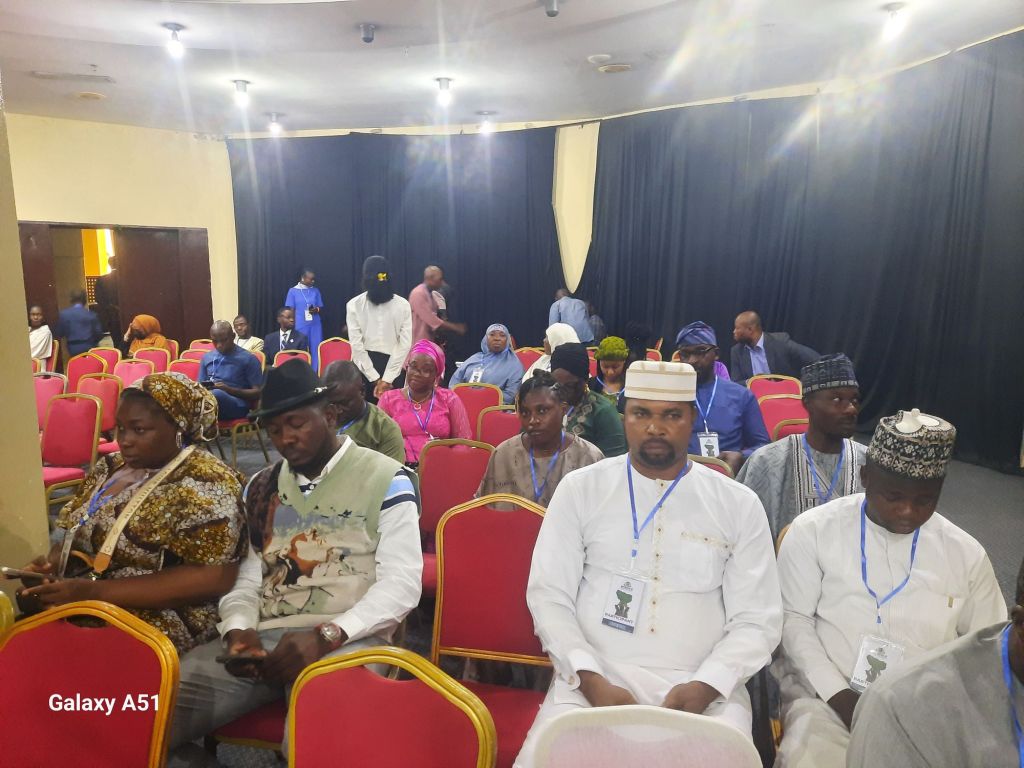
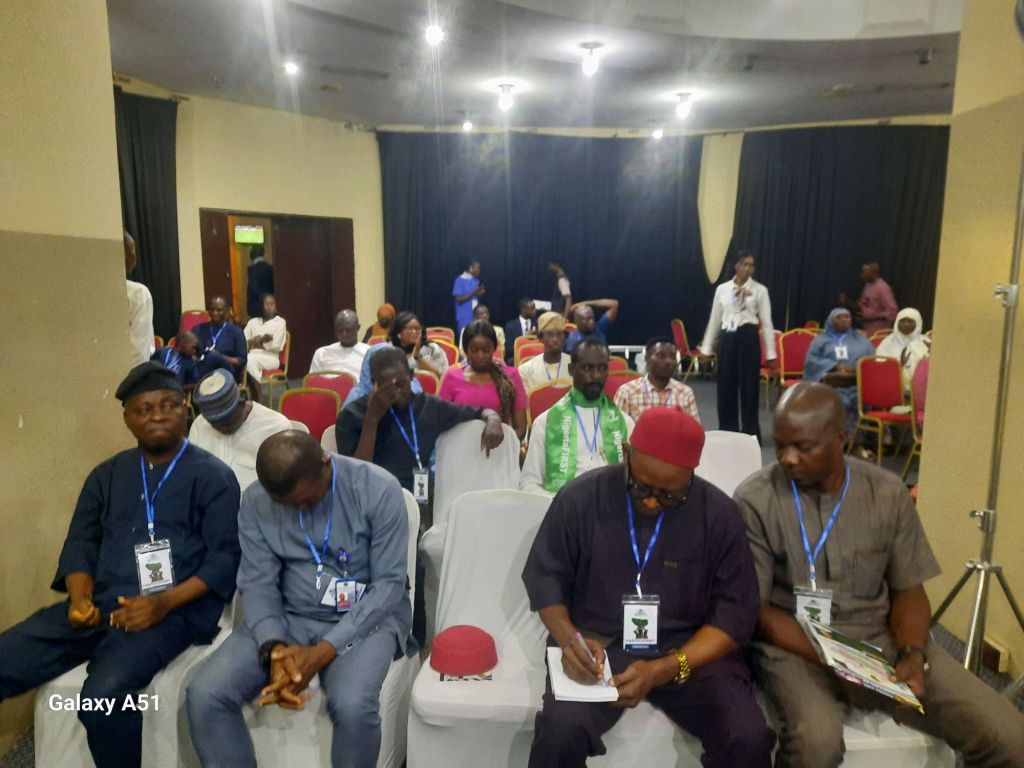
Cross-section of participants and dignitaries at the Opening Ceremony of the National Youth Confab 2026 at the National Counter Terrorism Centre (NCTC) Auditorium, Abuja.

The Permanent Secretary of the ministry, Dr. Maryam Ismaila Keshinro, reinforced the call for meaningful youth participation, saying young Nigerians must have a role in shaping conversations around leadership, governance, jobs, entrepreneurship, education, digital skills, peacebuilding and national unity.

Keshinro urged participants to ensure that their ideas were not left as conference resolutions but were developed into practical and measurable actions.

The Director-General of the National Youth Service Corps (NYSC), Brigadier General Olakunle Olaseye Nafiu, commended the Federal Government for bringing young Nigerians together, describing the Confab as an opportunity to harness their energy, ideas and potential for national development.

He noted that the large youth population in Nigeria made their inclusion in national conversations and decision-making essential to the country’s progress.

Technology is also playing a role in the effort to capture the voices emerging from the Confab.

The Director-General of the National Information Technology Development Agency (NITDA), Kashifu Inuwa Abdullahi, said technology and Artificial Intelligence (AI) were being used to capture, analyse and categorise ideas and concerns raised by young Nigerians.

He said the process would provide evidence that could help policymakers better understand the priorities of young people and develop policies that reflect their aspirations.

For Dr. Hardwick Tchale, Lead Agricultural Economist for West and Central Africa at the World Bank, the focus should remain on recognising young people as an important national asset and creating avenues for their skills and potential to contribute to Nigeria’s development.

He wished the Ministry and other stakeholders successful deliberations.

Prof. Magdalene Igbolo, Director, Centre for Gender Studies and Youth Advancement, University of Abuja, meanwhile, highlighted the role of the revived Commonwealth Youth Programme in strengthening the capacity of professionals working in youth development.

She said the postgraduate programme would equip practitioners with the knowledge and skills required to engage young people effectively and contribute to the professionalisation of the youth development sector.

The Speaker of the Nigerian Youth Parliament, Hon. Aliyu Idris Zakari, called for a shift in how young Nigerians are viewed in national affairs, arguing that they should not be treated only as leaders of tomorrow but as partners in development today.

Also speaking, the President of the National Association of Nigerian Students (NANS), Dist. Comr. Akinteye Babatunde Afeez, called for greater attention to education, employment, skills development, digital innovation and entrepreneurship, alongside meaningful youth participation in governance.

Afeez stressed that the real test of the Confab would be whether its outcomes eventually translate into policies and programmes that make a tangible difference in the lives of young Nigerians.
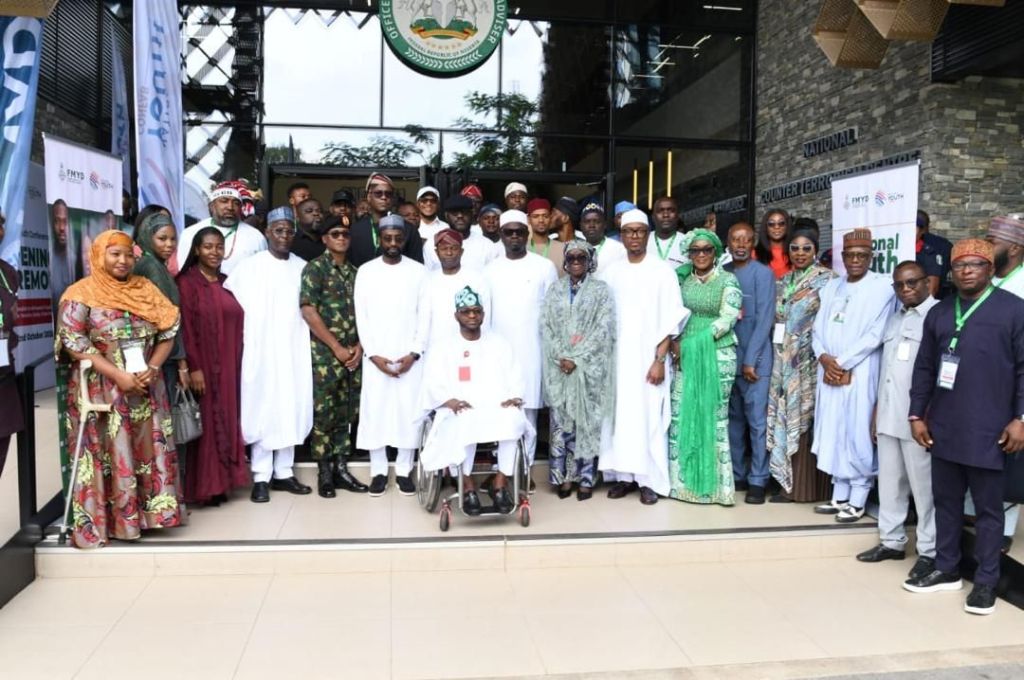
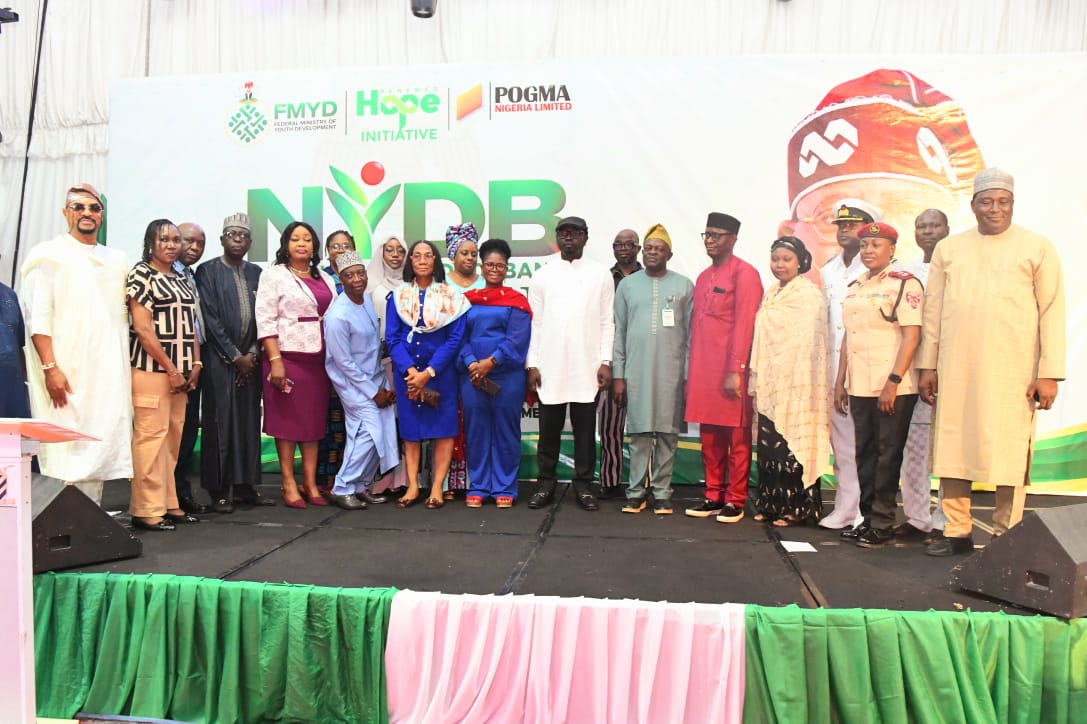
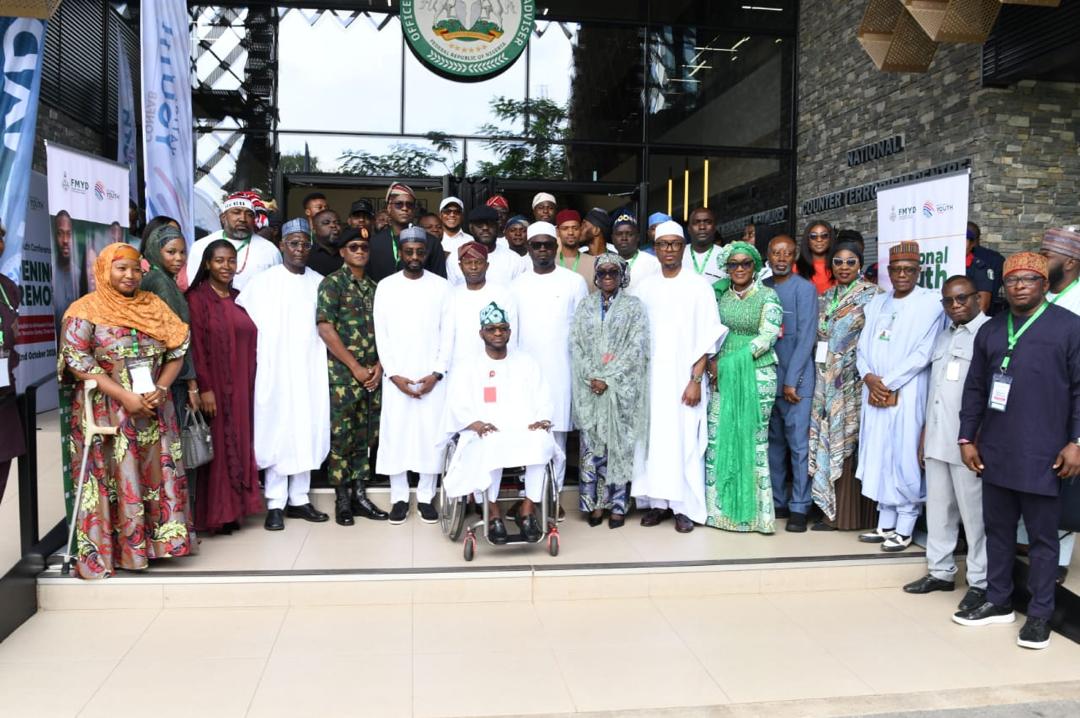
Group photograph of the Honourable Minister of Youth Development, Comrade Ayodele Olawande, and other stakeholders at the opening ceremony of the National Youth Confab 2026 in Abuja.

Nigeria @66: CONYSSA Urges Political Leaders to Invest in Youths, Fix Roads to Curb Insecurity

Maryam Aminu

The Coalition of Nigeria Youths on Security and Safety Affairs (CONYSSA) has urged political leaders to invest more in young Nigerians with ideas, skills and leadership potential rather than creating incentives that make thuggery and violence appear more rewarding.

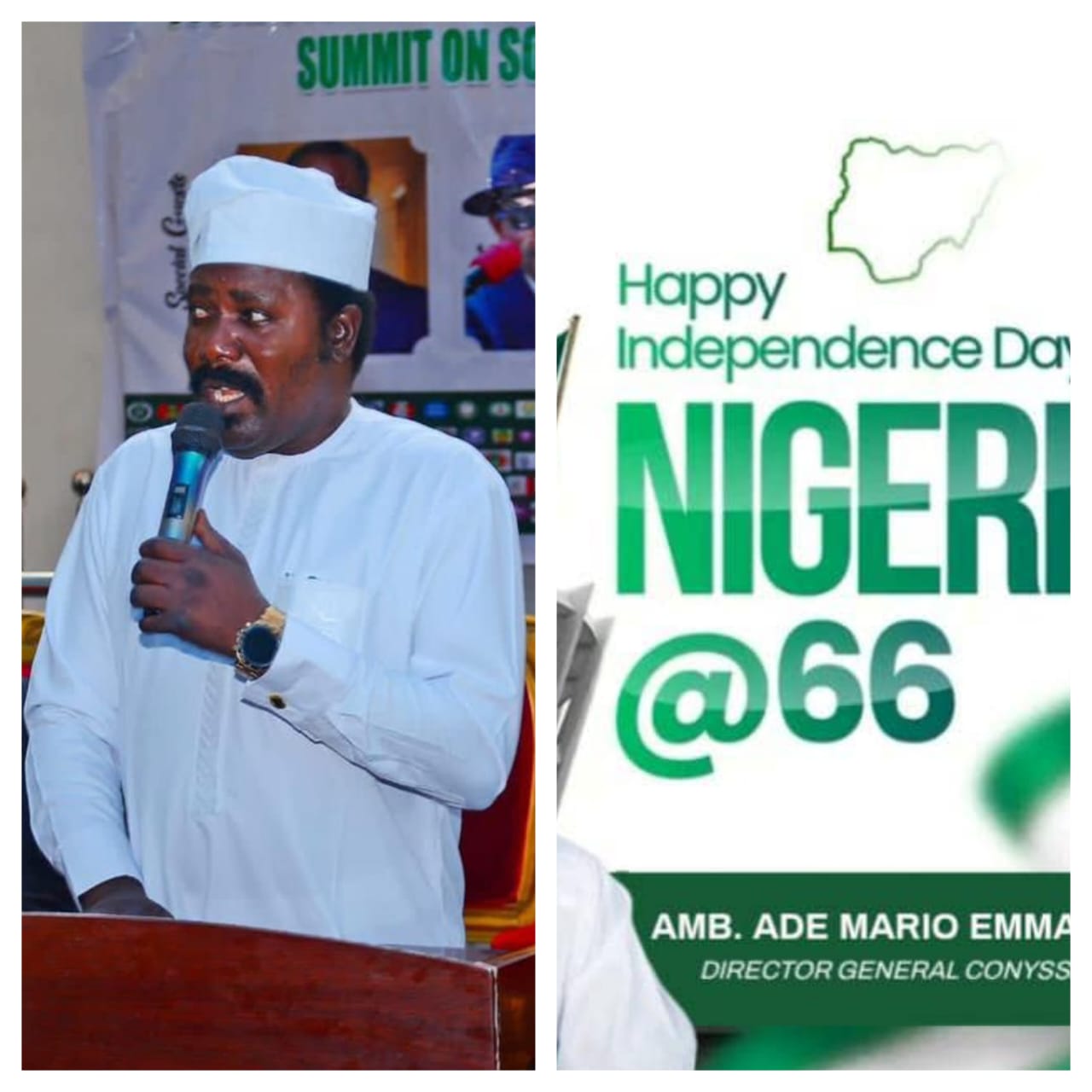
The call was made by the Director-General of CONYSSA, Ambassador Ade-Mario Emmanuel, as Nigeria marks its 66th Independence Anniversary, with the coalition stressing that insecurity requires more than security operations and must be tackled by addressing the social, economic and infrastructural conditions that enable crime.

Ade-Mario expressed concern over what he described as a disturbing disparity in the way some political actors reward youths involved in thuggery compared with those who use their intellect and skills productively.

He noted that while some politicians could give as much as ₦1 million or more to thugs, youths with constructive ideas and intellectual capacity could struggle to receive even a fraction of such support.

According to him, such a pattern risks sending the wrong message to young Nigerians by creating the impression that thuggery, violence and other anti-social activities offer a faster route to financial rewards than education, hard work, patriotism and legitimate enterprise.

He therefore called on local government representatives, state chairmen, traditional rulers, community leaders, civil society organisations and other stakeholders to work together to develop practical and community-based solutions to insecurity.

Ade-Mario also drew attention to the country’s deteriorating road infrastructure, urging the government to urgently rehabilitate dilapidated roads, which he identified as potential enablers of kidnapping, robbery and other crimes.

He noted that poorly maintained and isolated roads can expose travellers and communities to greater security risks, stressing that road rehabilitation should therefore be viewed not only as an infrastructure or economic issue but also as part of the country’s broader security strategy.

CONYSSA commended the Inspector-General of Police, IGP Ridwan Disu, for promoting intelligence-led and preventive policing, including community engagement, dialogue and collaboration with relevant stakeholders.

The coalition said modern policing must go beyond responding to crimes after they occur, stressing the importance of stronger community intelligence, early-warning mechanisms and cooperation between citizens and security agencies.

Ade-Mario also commended President Bola Ahmed Tinubu for endorsing the Youth Confab and supporting the participation of young Nigerians within the 18-to-35 age bracket.

He described the President’s support as an important opportunity for young Nigerians to participate meaningfully in national affairs and begin preparing for leadership responsibilities.

According to him, the Youth Confab provides an avenue for young Nigerians to contribute ideas, engage one another and develop the leadership capacity required to take greater responsibility for the country’s future.

He said Nigeria must deliberately begin preparing its young population for leadership, using 2031 and subsequent political cycles as templates for building a new generation of competent, patriotic and responsible leaders.

DG CONYSSA stressed that youth development should go beyond political appointments and elections to include education, leadership training, entrepreneurship, skills development, professional growth and meaningful participation in community decision-making.

The coalition also commended the sacrifices of Nigeria’s security agencies and urged citizens to support lawful security efforts by providing credible information and cooperating with relevant authorities.

It maintained that sustainable security should ultimately be measured by whether Nigerians can travel, farm, work, worship and conduct their businesses without living in constant fear.

CONYSSA therefore called for greater investment in youth empowerment, employment, education, infrastructure and community-based security initiatives, stressing that government institutions, security agencies, traditional leaders, political actors and citizens must work together to address insecurity.

As Nigeria celebrates 66 years of independence, the coalition urged Nigerians, particularly young people, to embrace patriotism, peace and responsible citizenship.

CONYSSA reaffirmed its commitment to promoting youth inclusion, community safety and constructive partnerships with security agencies, stressing that Nigeria’s future depends on creating an environment where young people are encouraged to use their intellect, skills and energy positively.

It said the Nigeria of the future must be one where young Nigerians are prepared for leadership, communities are made safer and basic infrastructure is developed to support both economic activity and national security.

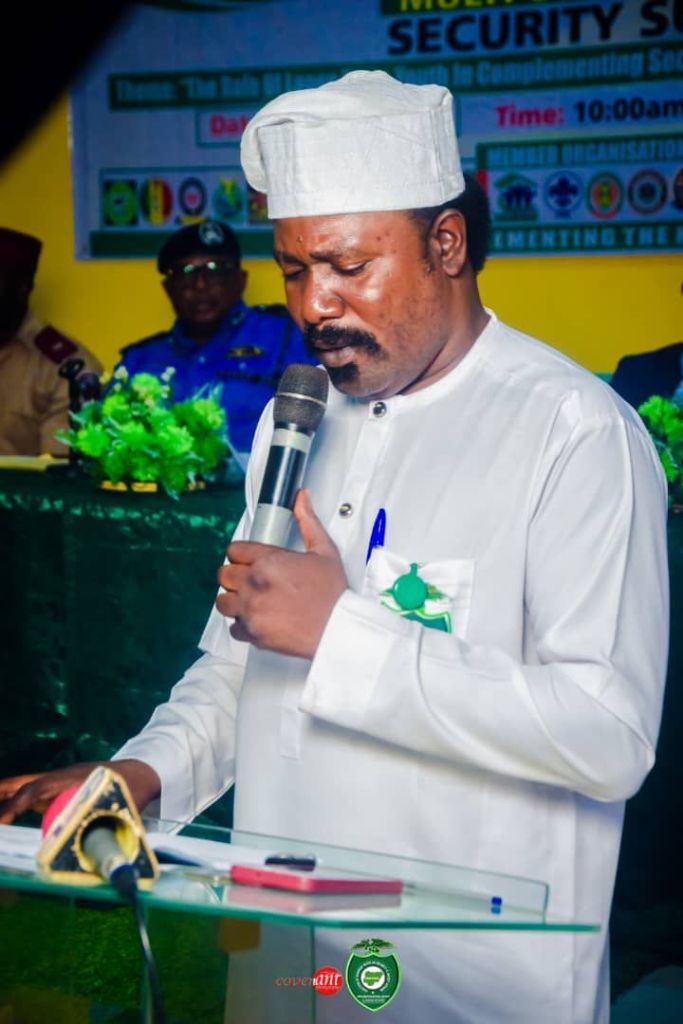
Amb. Ade-Mario Emmanuel, Director General,  Coalition of Nigeria Youth on Security and Safety Affairs

Military Neutralises 52 Terrorists, Arrests 350, Rescues 655 Kidnap Victims in September

By Emmanuel Daudu

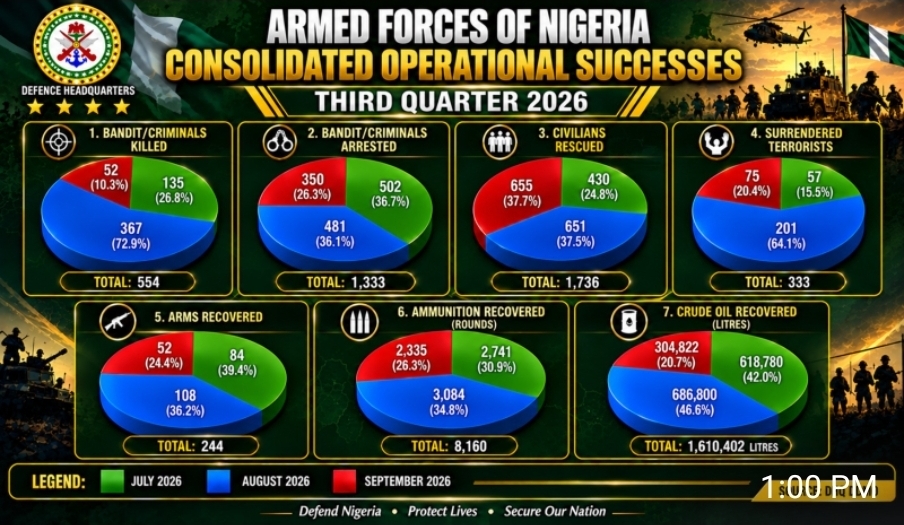
The Armed Forces of Nigeria (AFN) says its troops neutralised 52 terrorists and criminals, arrested 350 suspects and rescued 655 kidnapped civilians across the country in September 2026.

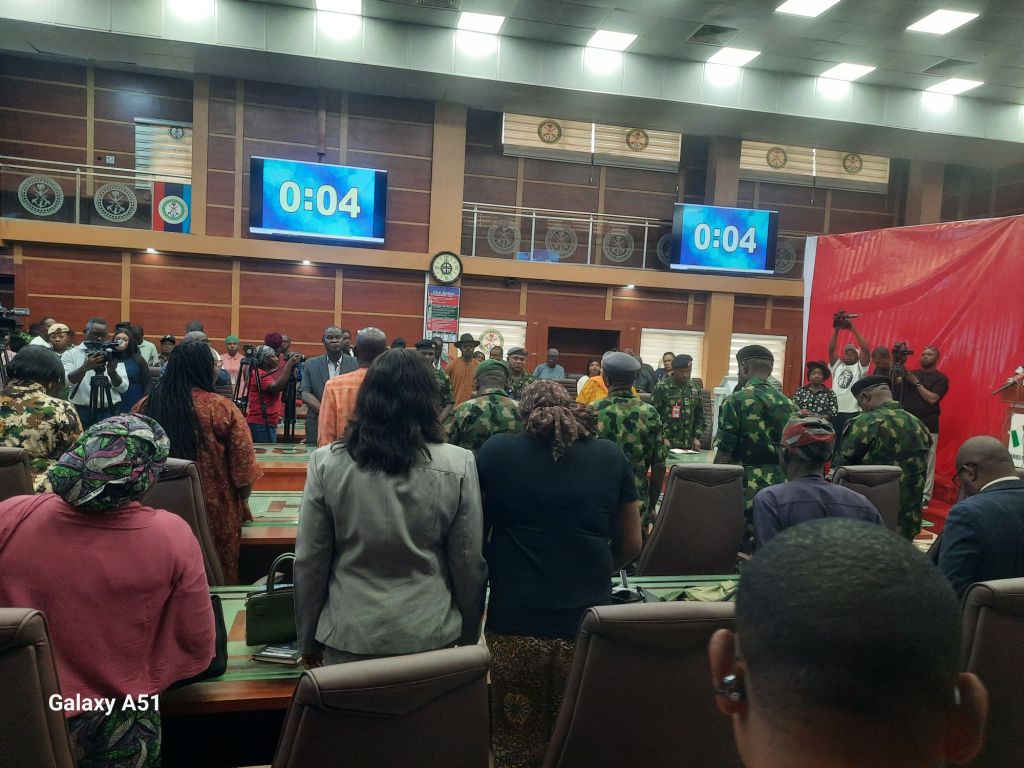
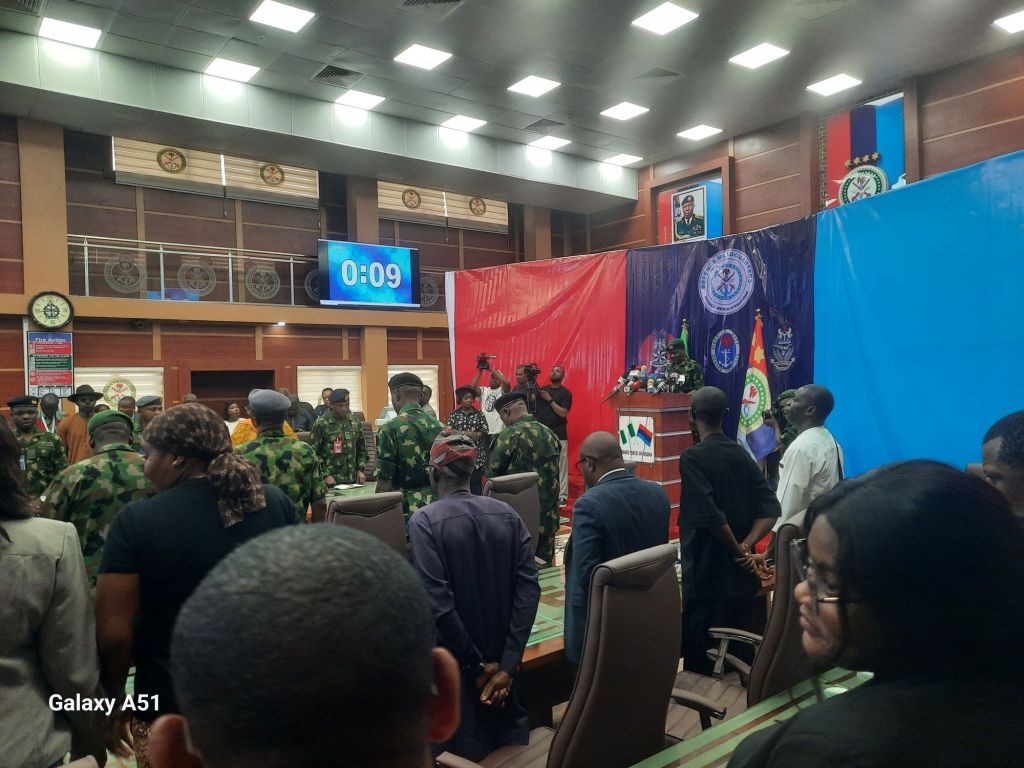
The Defence Headquarters disclosed this on Wednesday in its combined monthly and third-quarter media briefing on ongoing military operations nationwide.

According to the briefing, troops also facilitated the surrender of 75 insurgents, recovered 52 arms and 2,335 rounds of ammunition, dismantled eight illegal oil-refining sites and recovered more than 304,822 litres of stolen petroleum products during the month.

The military said the operations were conducted across the various theatres as part of sustained campaigns against terrorism, banditry, kidnapping, oil theft and secessionist activities.

In the North-East, troops under Operation Hadin Kai neutralised 27 terrorists, arrested 49 and rescued 103 kidnapped victims during September. The operation also facilitated the surrender of 73 insurgents and their family members.

One of the major developments in the theatre was the rescue of 44 terrorist family members, including 13 women and 31 children, in Konduga, Bama Local Government Area of Borno State, after they fled their enclaves amid clashes between rival terrorist factions.

The military also reported a wave of surrenders in Borno State, with more than 70 terrorist fighters and family members surrendering at different locations. Some of those who surrendered reportedly cited hunger, harsh living conditions and lack of basic provisions inside terrorist enclaves as reasons for abandoning the groups.

In the North-West, Operation Fansan Yamma recorded the arrest of 26 terrorists, neutralisation of seven and rescue of 171 kidnapped victims across Kaduna, Katsina, Kebbi, Sokoto and Zamfara states.

Among the notable operations was an air operation in Kebbi State on September 17, during which more than 60 kidnapped victims escaped after a Nigerian Air Force jet intercepted terrorists moving with the captives.

In the North-Central, troops under Operation Whirl Stroke rescued 320 kidnapped victims and arrested 57 suspects across Benue, Kogi, Nasarawa and Taraba states.

Troops also rescued 18 passengers abducted from a bus along the Jos–Akwanga Road in Nasarawa State and arrested a suspected kidnap kingpin in Lafia, where they recovered a locally made revolver, military-style uniforms, a luxury vehicle and cash.

Similarly, Operation Enduring Peace, covering Bauchi, Kaduna and Plateau states, arrested 155 suspects, rescued 28 kidnapped victims and neutralised nine terrorists during the month. In Bauchi State, troops working with Forest Guards ambushed suspected kidnappers at Kudu Yamma in Ningi Local Government Area, killing three and rescuing six victims.

In the Niger Delta, Operation Delta Safe arrested 33 criminals, destroyed eight illegal refining sites and recovered more than 304,822 litres of petroleum products during September.

The military said troops recovered approximately 87,000 litres of suspected stolen crude oil at Aworkiri and another 182,000 litres at Bethel Creek in Rivers State.

In the South-East, Operation Udo Ka neutralised three criminals, arrested 28 suspects and rescued six kidnapped victims across Anambra, Enugu and Imo states. Troops also dismantled an illegal bunkering site and arrested a suspected explosives fabrication expert linked to secessionist activities.

Beyond kinetic operations, the Armed Forces said it continued civil-military initiatives, including skills acquisition programmes, educational support and anti-drug awareness campaigns.

In Enugu, beneficiaries of a Nigerian Army Officers’ Wives Association skills programme received start-up materials after training in fashion designing, baking and catering. School bags and books were also distributed to pupils and students in military schools under a Back-to-School initiative.

The military further disclosed that more than 300 students in Yobe State participated in an anti-drug awareness campaign focused on education, discipline, responsible citizenship and the dangers of substance abuse.

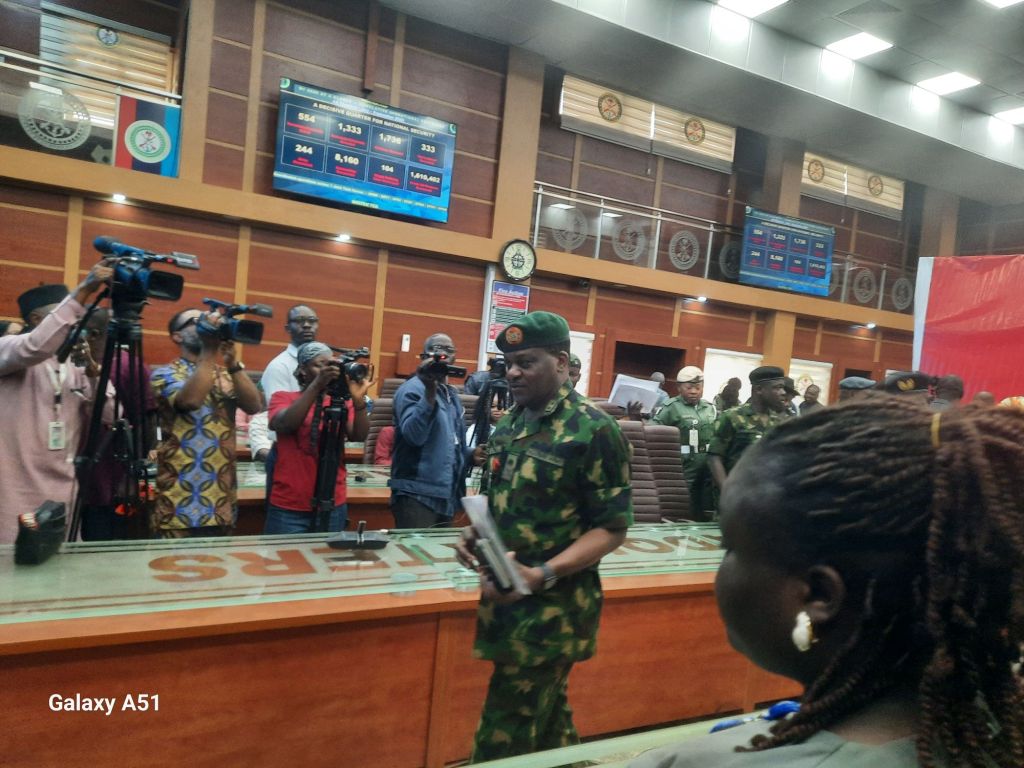
According to the Defence Headquarters, the broader third-quarter figures showed that troops neutralised 554 terrorists and criminals, arrested 1,333 suspects, rescued 1,736 kidnapped civilians and facilitated the surrender of 333 insurgents.

The military also reported the recovery of 244 arms and 8,160 rounds of ammunition, dismantling of 104 illegal refining sites and recovery of more than 1.61 million litres of stolen petroleum products during the quarter.

The Defence Headquarters said troops recorded 367 attacks across the various theatres during the period, but responded with operations aimed at disrupting terrorist and kidnapping activities, protecting communities and securing critical infrastructure and major supply routes.

Chief of Defence Staff, General Olufemi Olatubosun Oluyede, commended personnel for their professionalism and sacrifices, while also acknowledging the support of other security agencies, local security groups and communities.

He urged members of the public, traditional rulers and community leaders to provide credible information to the nearest military formation or through the toll-free line 193, stressing that national security remains a shared responsibility.

The Defence Headquarters also commended Zinox Group for partnering with the Armed Forces to establish an online discount store for serving and retired military personnel and their families, describing the initiative as support for personnel welfare.

Nigeria, US Deepen Military Ties to Combat Terrorism

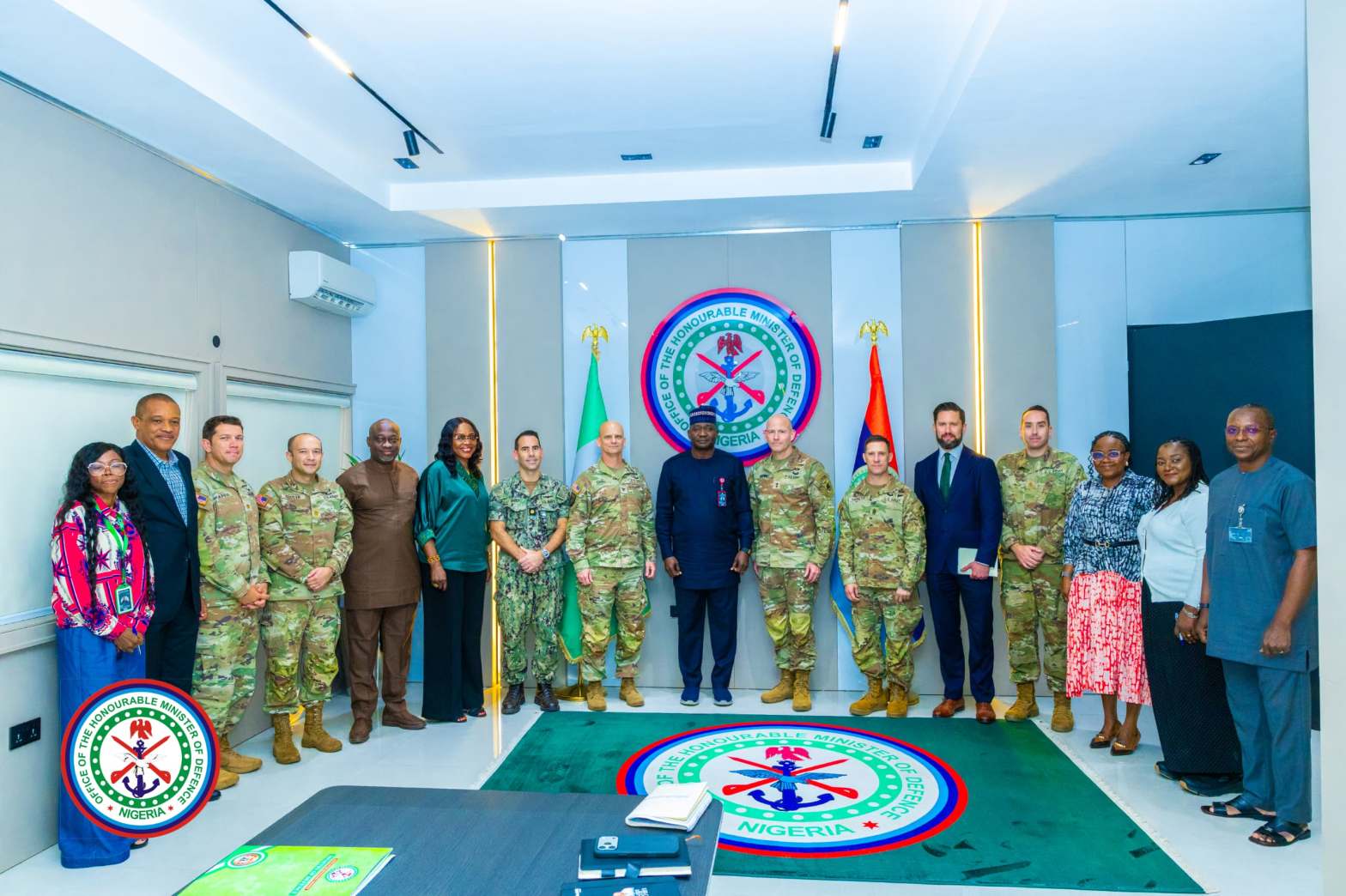
ABUJA, September 30, 2026 — Nigeria and the United States have reaffirmed their commitment to deepening military cooperation, particularly in the fight against terrorism and other regional security threats.

According to a statement signed by Leah Katung-Babatunde, Special Assistant (Media) to the Honourable Minister of Defence, the Minister of Defence, General Christopher Gwabin Musa (Rtd), OFR, made the commitment on Wednesday in Abuja when he received Major General Matthew Brown, Commander of the U.S. Army Southern European Task Force, Africa (SETAF-AF), on an official working visit.

The statement said the meeting focused on reviewing ongoing joint security initiatives and developing a more result-oriented strategic framework for future defence collaboration between Nigeria and the United States.

General Musa expressed appreciation to the U.S. Government for its sustained partnership, noting that collaborative security operations in the North-East, particularly around the Lake Chad Basin, had significantly boosted troop morale.

The Minister identified key areas for enhanced cooperation, including specialised joint training for Special Forces, intelligence sharing and capacity building, enhanced border surveillance and security, counter-improvised explosive device (C-IED) support, and modernisation of defence infrastructure.

In his remarks, Major General Brown extended early Independence Day felicitations to Nigeria and expressed appreciation for the decades-long military-to-military relationship between both countries.

He highlighted successful counter-terrorism engagements against ISIS-affiliated groups in Africa and commended the troops involved.

The U.S. commander also clarified that U.S. military activities in Nigeria are temporary and focused primarily on institutional support and collaboration, following the departure of personnel who formed part of the Combined Special Task Force that operated in the Bauchi area.

According to the statement, Brown described the bilateral relationship as strategic and founded on mutual trust, adding that the primary objective of his visit was to gain a direct understanding of Nigeria’s defence priorities.

He said the understanding would help align broader U.S. support with Nigeria’s security needs and strengthen ongoing bilateral intelligence-sharing efforts.

Military Pressure Forces 73 Insurgents, Families To Surrender In September

Maryam Aminu

Sustained military operations across Nigeria forced 73 insurgents and their family members to surrender in September, while hundreds of kidnapped victims were rescued and criminal networks disrupted in different parts of the country.

The Defence Headquarters said the month-long operations also resulted in the neutralisation of 52 terrorists and other criminal elements and the arrest of 350 suspects between August 31 and September 30.

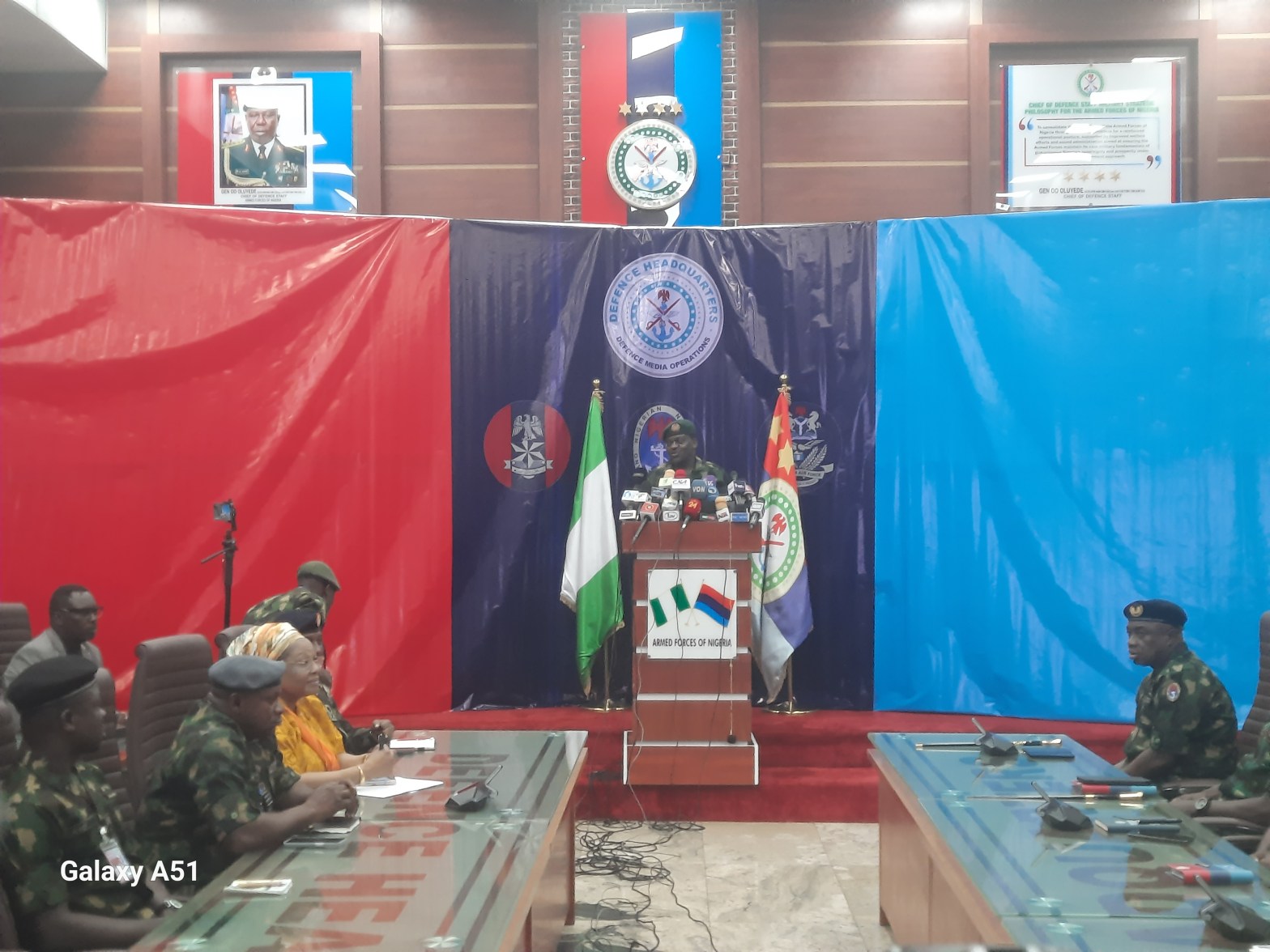
Director, Defence Media Operations, Micheal Onoja, disclosed the figures on Wednesday during the Defence Headquarters Combined Monthly and Third Quarter Media Briefing on military operations across the country.

In the North-East, where troops have continued to put pressure on terrorist enclaves, Operation HADIN KAI rescued 103 kidnapped victims, neutralised 27 terrorists and arrested 49 suspects during the period.

But beyond the battlefield, the military also recorded a significant number of insurgents and their families abandoning the terrorist groups.

On September 24, troops rescued 44 members of terrorist families, including 13 women and 31 children, at Konduga and Bama in Borno State.

The Defence Headquarters also reported that more than 70 insurgents and their family members surrendered at different locations during the month, with some reportedly citing hunger, harsh living conditions and shortages of basic supplies within the enclaves.

The pressure was also felt in the North-West, where Operation FANSAN YAMMA rescued 171 kidnapped victims, arrested 26 suspects and neutralised seven terrorists.

In one of the month’s notable operations, a Nigerian Air Force jet intercepted terrorists moving with more than 60 kidnapped victims around Bazama in Sakaba Local Government Area of Kebbi State on September 17. The disruption allowed the victims to escape.

In the North-Central, Operation WHIRL STROKE rescued 320 kidnapped victims, arrested 57 suspects and neutralised one terrorist.

Among those rescued were 18 passengers abducted from a commercial bus at Andaha Community along the Jos-Akwanga Road in Nasarawa State on September 26.

Other theatres also recorded gains. Operation SAVANNAH SHIELD rescued 27 victims, while Operation ENDURING PEACE rescued another 28.

In the South-South, the military turned its attention to illegal oil activities, with Operation DELTA SAFE arresting 33 suspects, destroying eight illegal refining sites and recovering more than 304,822 litres of petroleum products.

Operation UDO KA in the South-East rescued six victims, arrested 28 suspects and neutralised three criminal elements. Troops also destroyed an illegal bunkering site and arrested a suspected improvised explosive device fabrication expert.

Micheal said the operations were part of the Armed Forces’ continued efforts to protect civilians, disrupt terrorist and criminal networks and secure critical national assets.

He said the military would sustain its operations while strengthening intelligence gathering, cooperation with other security agencies and engagement with communities to address security threats across the country.

NiMet Backs AGROW Digital Agriculture Strategy to Strengthen Food Security

The Nigerian Meteorological Agency (NiMet) has reaffirmed its commitment to strengthening weather and climate information services for farmers as part of efforts to build a more productive, resilient and food-secure agricultural sector in Nigeria.

The Director General/CEO of NiMet, Prof. Charles Anosike, stated this in his goodwill message at the *National Strategic Dialogue on the Preparation of the AGROW Component 2.2 – National Implementation Strategy and Digital Agriculture Architecture, organised by the Federal Ministry of Agriculture and Food Security under the World Bank-supported Nigeria Sustainable Agricultural Value Chain (AGROW) Project.

The dialogue, held under the theme, “Building a Unified, Inclusive and Future-Ready Digital Agriculture Ecosystem for a More Productive, Resilient and Food-Secure Nigeria,” brought together key stakeholders to deliberate on strengthening Nigeria’s digital agriculture ecosystem.

Prof. Anosike said the dialogue was important to NiMet given its mandate to provide weather and climate information that protects lives, supports livelihoods and enables informed planning across climate-sensitive sectors. According to him, climate variability, changing rainfall patterns and extreme weather events are increasingly affecting agriculture, making timely and reliable climate information critical to agricultural planning and decision-making.

Prof. Anosike noted that NiMet provides Seasonal Climate Predictions, regular weather updates, agrometeorological services and impact-based advisories to help farmers make informed decisions on planting, water and input management, while reducing avoidable losses.

Prof. Anosike emphasized the importance of digital agriculture as a critical pathway for translating climate information into practical, farm-level action and also highlighted NiMet’s partnerships with Tomorrow.io and MTN on the Digital Climate Advisory Services (DCAS) System, which is designed to deliver location specific weather advisories to farmers through mobile SMS, as well as its partnership with the Agricultural Innovation Mechanism for Scale (AIM for Scale) to strengthen the integration of AI-based weather forecasting with digital advisory systems.

He stressed the need for digital agricultural services to reach farmers through accessible and trusted channels, noting that collaboration with extension services, technology providers, telecommunications companies, community radio and farmer organisations would be essential for effective last-mile delivery.

The NiMet DG|CEO also emphasised the importance of making such services responsive to farmers’ realities, including language, literacy, connectivity, affordability and gender inclusion, while involving farmers in the development of climate services.

Prof Anosike commended the Minister of Agriculture and Food Security, Senator Abubakar Kyari, CON, for his efforts towards promoting climate-smart agriculture and challenged stakeholders at the dialogue to develop a practical, inclusive and measurable roadmap for integrating weather and climate services into decision-making across the agricultural value chain and concluded his remark by expressing optimism that the dialogue would advance climate-smart, digitally enabled and farmer-centred agriculture, while reaffirming NiMet’s readiness to provide the technical leadership needed to strengthen climate services, support food security and build resilient livelihoods in Nigeria.

FG Launches Youth Data Bank To Link Young Nigerians With Jobs, Skills, Opportunities

Maryam Aminu

The Federal Government has launched a National Youth Data Bank designed to give it a clearer picture of Nigeria’s young population and help connect young Nigerians with jobs, skills training, internships, entrepreneurship and other opportunities.

The initiative, launched by the Federal Ministry of Youth Development on Tuesday, is expected to provide a central platform for information on the educational backgrounds, skills, employment status, entrepreneurial interests, locations and aspirations of young Nigerians.

Speaking at the launch, Minister of Youth Development, Comrade Ayodele Olawande, said the success of the National Youth Data Bank would depend on sustained collaboration among government ministries and agencies, state governments, educational institutions, development partners, the private sector, civil society organisations and youth groups.

The Honourable Minister of Youth Development, Comrade Ayodele Olawande delivering his keynote address

Olawande said the initiative was not simply about collecting and storing information, but about using reliable data to identify young Nigerians and connect them with opportunities suited to their skills, circumstances and aspirations.

He stressed the need for inclusion, privacy and responsible management of the information, noting that young Nigerians have different experiences based on factors including location, gender, education, economic circumstances, disability and access to infrastructure.

According to the Minister, the platform is expected to improve the visibility of young people who may be missing from existing datasets, particularly those living in rural and underserved communities.

He said the initiative would also strengthen government’s ability to identify emerging needs, design targeted programmes and assess how effectively youth interventions are reaching their intended beneficiaries.

The Permanent Secretary of the Ministry, Dr. Maryam Ismaila Keshinro, represented by the Director, Human Resources, Olaniepekun Akinwumi Adebayo, described the initiative as an important step towards improving youth development planning.

She said credible information on the education, skills, employment status, entrepreneurial interests, locations, aspirations and vulnerabilities of young Nigerians would help government and other stakeholders better understand and respond to the needs of the country’s youth population.

Keshinro added that the Data Bank would support evidence-based policymaking, programme targeting, monitoring and evaluation, as well as better coordination among institutions working on youth development.

The Chairman, Senate Committee on Youth Development, Senator Adeyemi Raphael Adaramodu, represented by the committee’s Clerk, Dr. Ijeoma Chilean, also described the initiative as a significant development for youth-focused planning.

He said reliable information on Nigeria’s young population could support legislation, policy formulation, resource allocation and the design of targeted interventions.

The Ministry said the National Youth Data Bank is intended to serve as a central platform for youth-related information and provide stakeholders with better insight into the needs, skills, aspirations and opportunities of young Nigerians.
The initiative is part of the government’s broader youth development agenda covering skills development, employment, entrepreneurship, digital transformation and human capital development. The ministry’s stated vision is to “Know the Youth, Understand the Youth, Connect the Youth and Empower the Youth.”

The launch also builds on earlier federal government plans for a Youth Data Bank. In 2024, the Presidency said the proposed bank would help provide more inclusive data to guide government decisions and youth-focused investments.

Nigeria’s Nationhood: Kogo, Idakwo Call for Renewed Commitment to Nation-Building

By Maryam Aminu

Chairman of the Code of Conduct Tribunal, Hon. Justice M. N. Umaru Kogo, has called on Nigerians to reflect deeply on the country’s historical journey, democratic development and continuing responsibility to build a united and progressive nation.

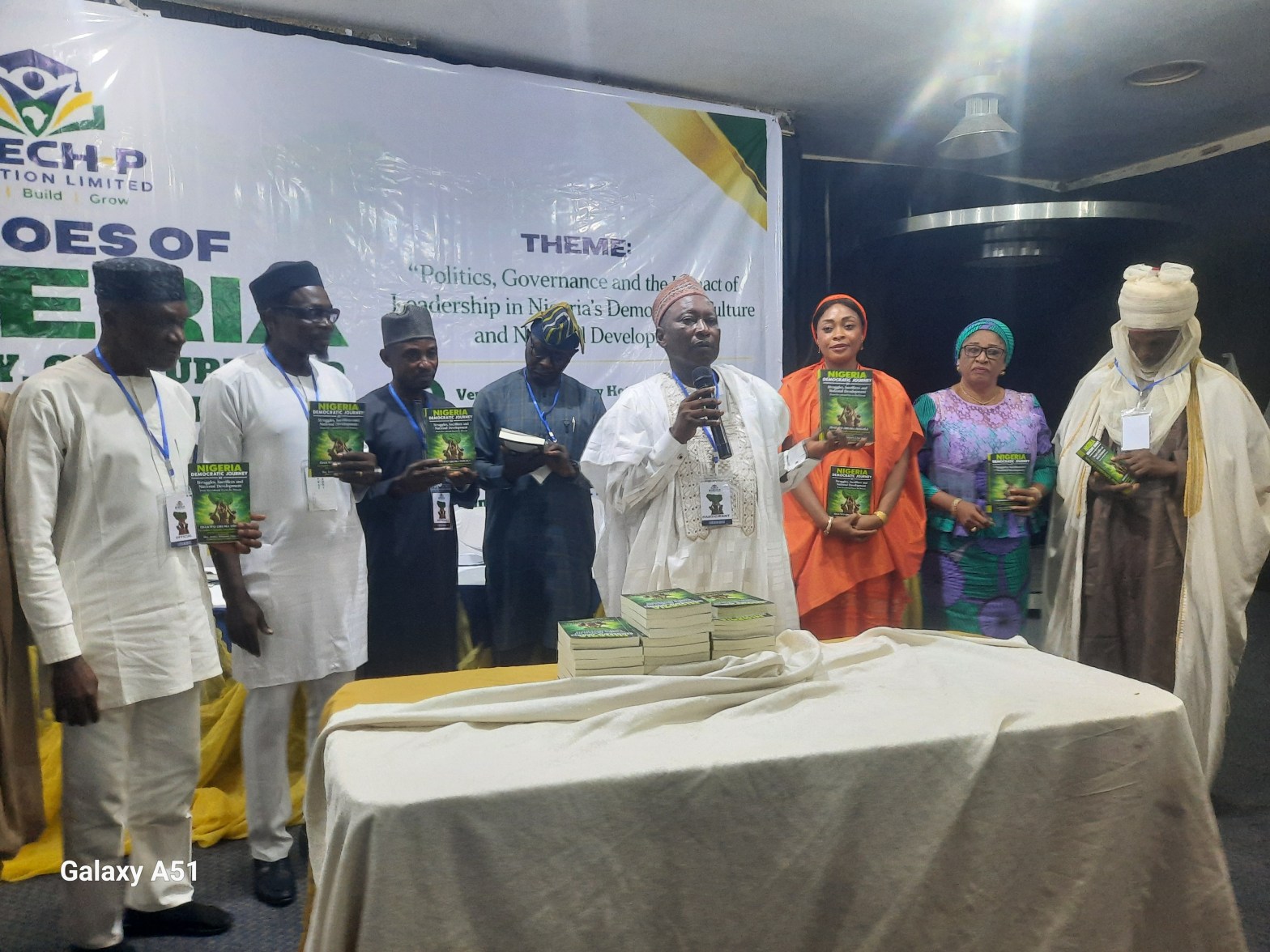
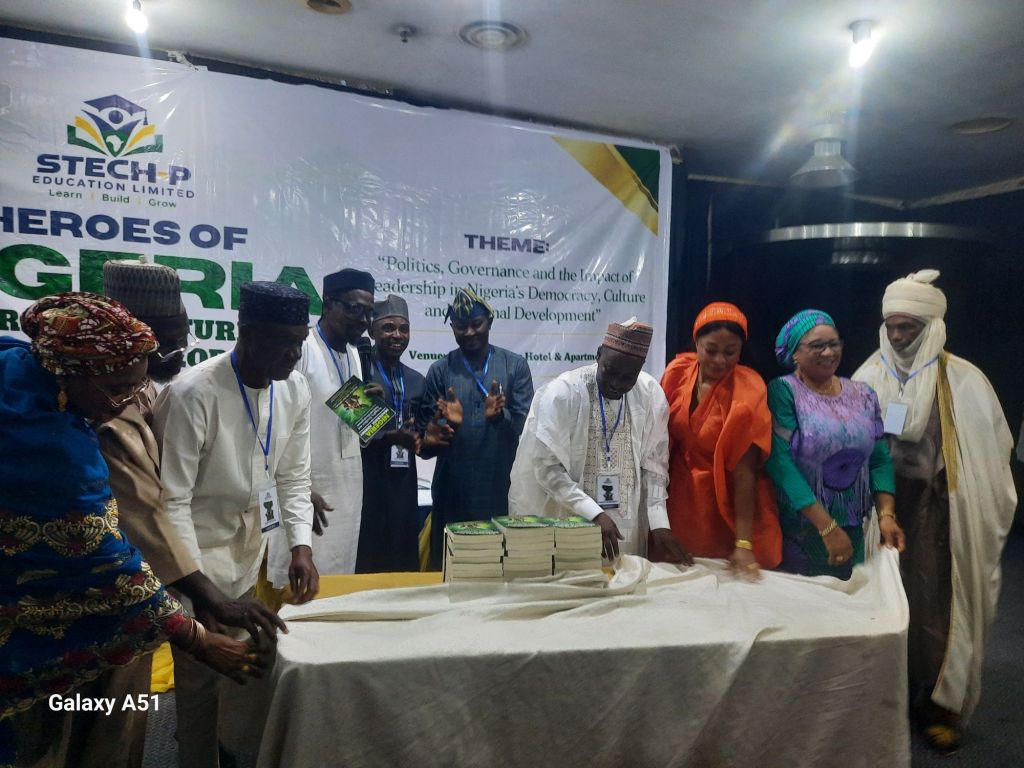
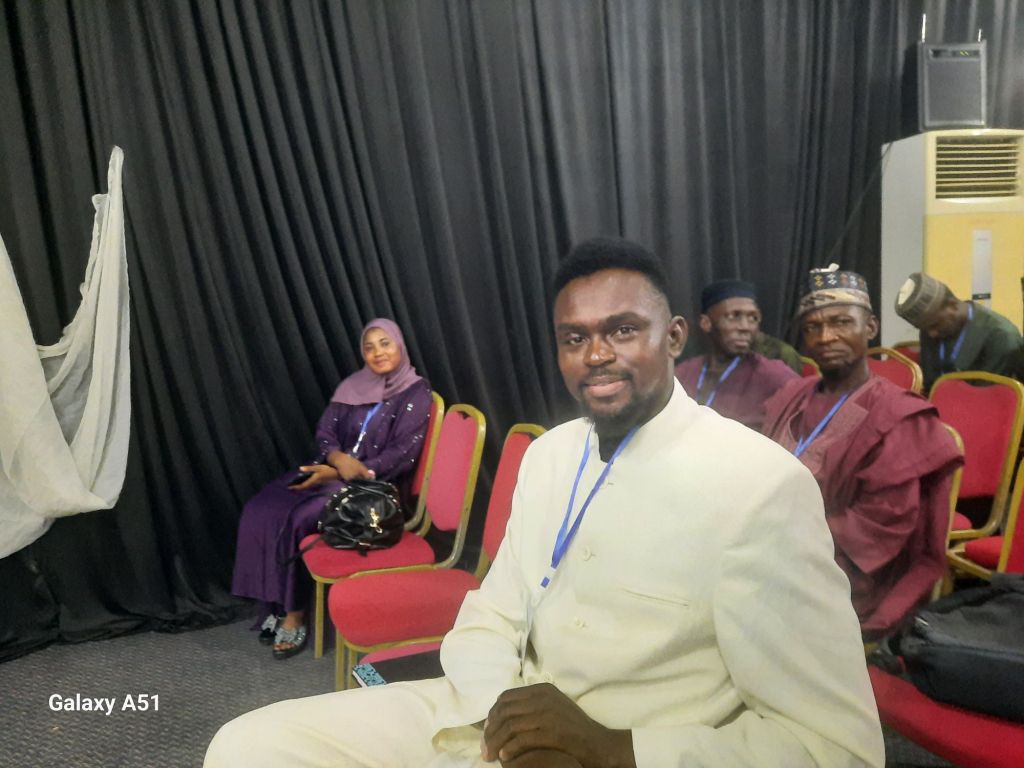
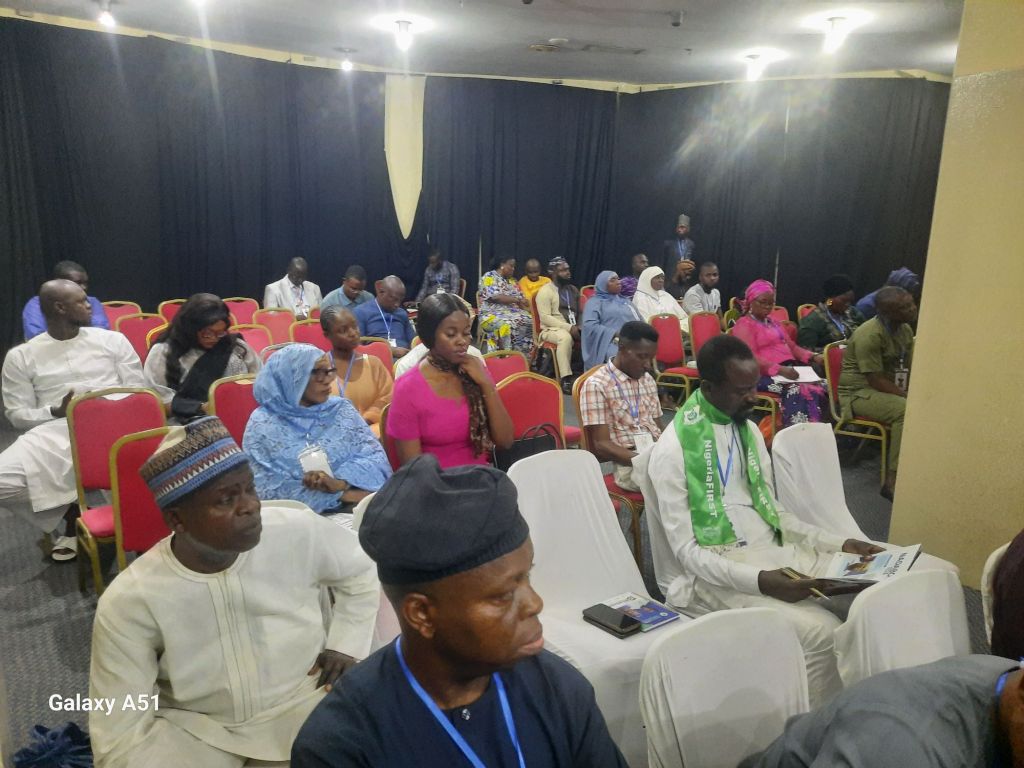
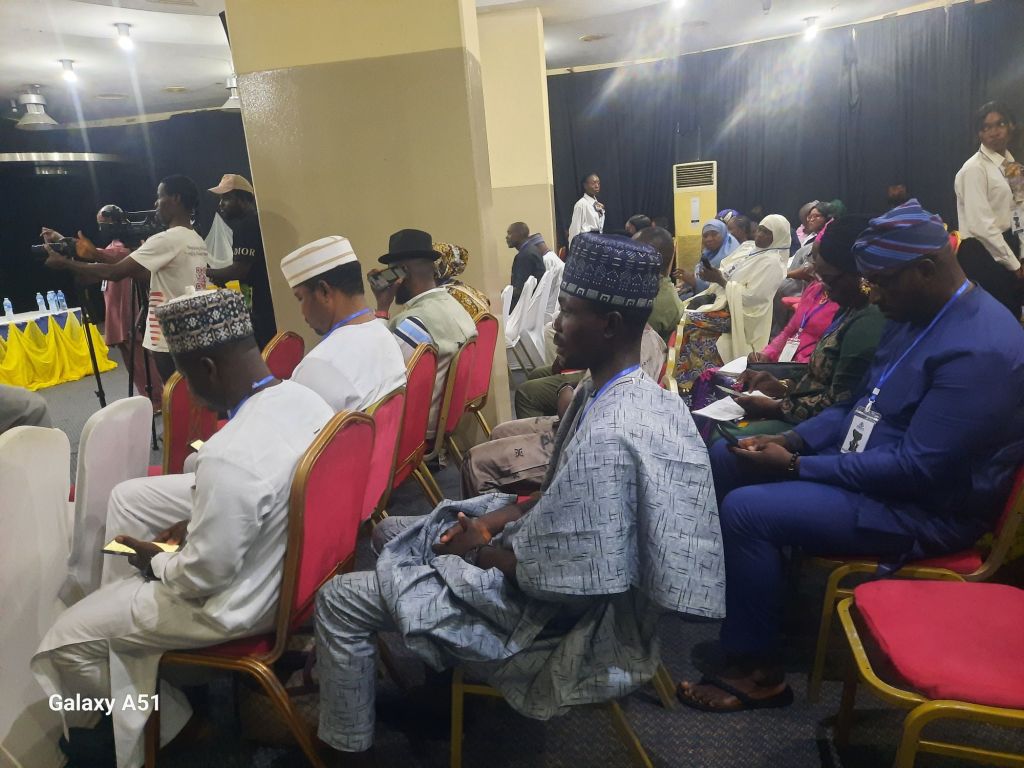
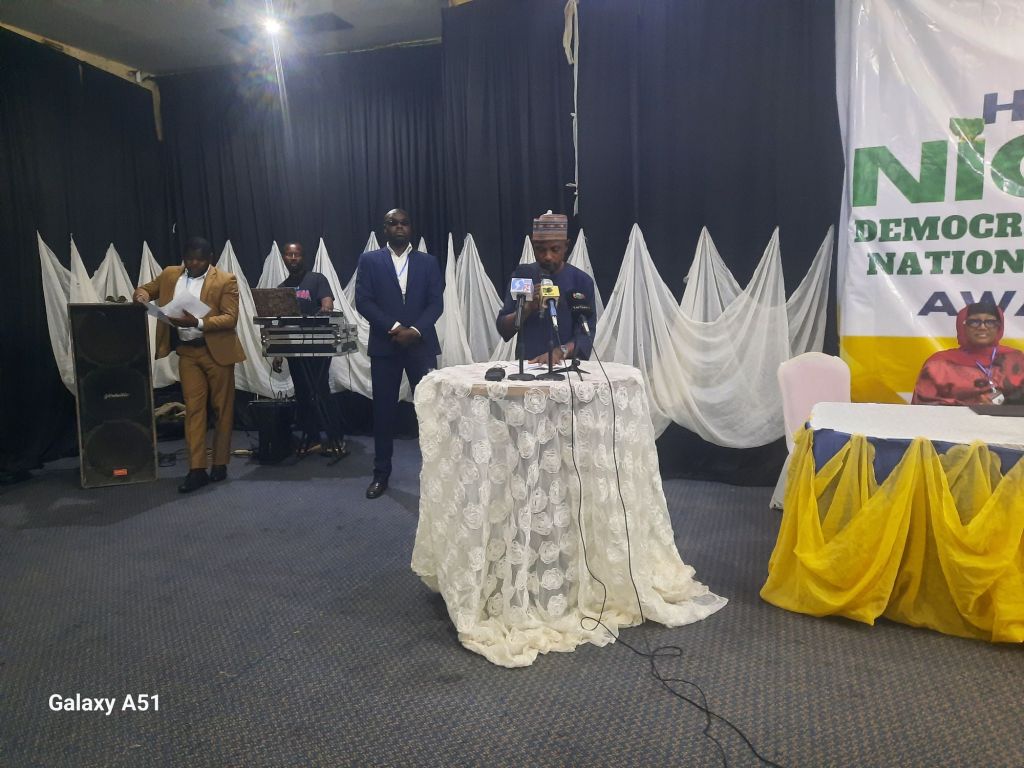
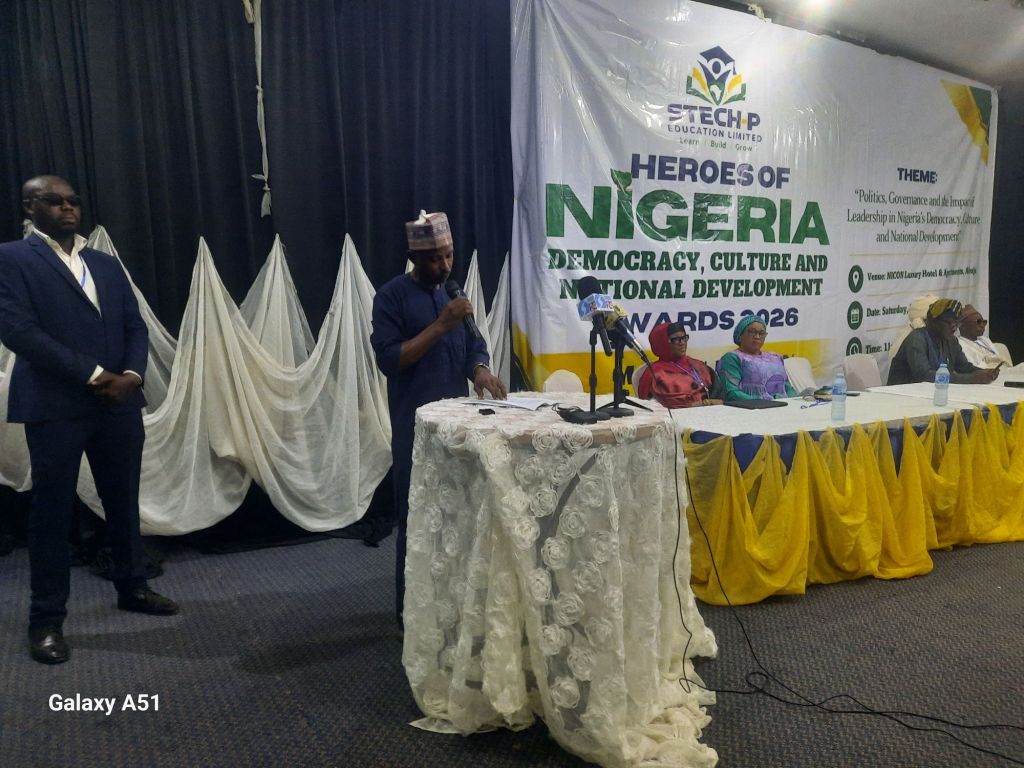
Kogo made the call while delivering a keynote address titled “Nigeria’s Nationhood: How Far So Far?” at an event in Abuja marking the presentation of Nigeria Democratic Journey: Struggles, Sacrifices and National Development from Pre-Colonial Era to the Present.

The Tribunal Chairman said Nigeria’s story could not be properly understood by looking only at the 66 years since independence, stressing the need to examine the historical experiences, indigenous systems of governance, colonial encounters and political developments that shaped the country.

According to him, Nigeria’s nationhood evolved from a complex history involving different kingdoms, empires, cultures, religions and systems of governance before the emergence of the modern Nigerian state.

He traced the country’s historical development through pre-colonial societies, the spread of Islam and Christianity, the colonial period, the amalgamation of Northern and Southern Nigeria in 1914 and the eventual struggle for independence.

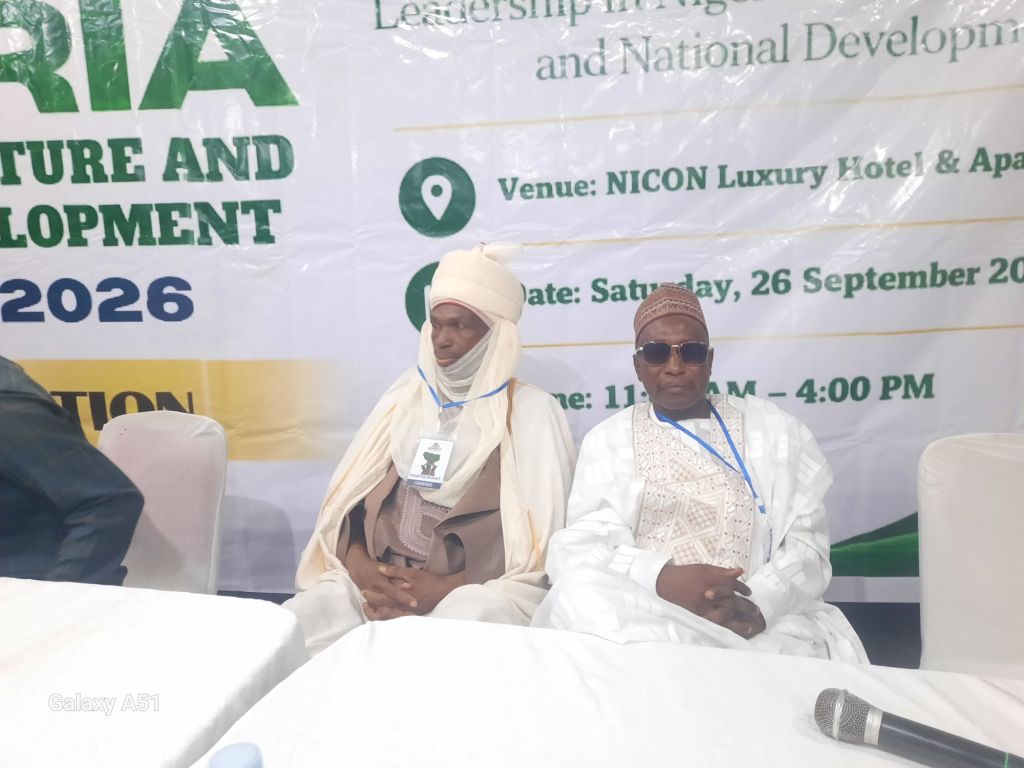
Chairman, CCT, Hon. Justice M. N. Umaru Kogo and Hakimi of Galadimawa District, HRH Musa Barde

Kogo also reflected on the different developmental trajectories of the Northern and Southern parts of the country, particularly in relation to Western education, traditional institutions and the influence of trans-Saharan trade and Christian missionary activities.

He said Nigeria’s diversity made unity, peaceful coexistence and respect for differences essential to the survival and progress of the country.

The Chairman further examined Nigeria’s transition from colonial rule to independence, highlighting the political choices and leadership considerations that shaped the emergence of the First Republic.

He recalled the contributions of nationalist leaders including Sir Ahmadu Bello, Abubakar Tafawa Balewa, Dr Nnamdi Azikiwe and Chief Obafemi Awolowo, while reflecting on the political circumstances surrounding the choice of leadership at independence.

Kogo argued that Nigeria’s early political leaders were confronted with the difficult task of managing a country characterised by significant ethnic, religious, regional and cultural differences.

He also raised questions about the character of Nigeria’s contemporary democracy, urging Nigerians to examine whether the principles of national interest, integrity, cohesion and responsible leadership that informed earlier political discussions remain sufficiently reflected in the country’s democratic practice.

He said the journey of nation-building should not be viewed merely as a contest for political power, but as a continuing responsibility to protect national unity and promote development.

In his welcome address, the convener, Idakwo Oruma Ishiaka, said the publication of Nigeria Democratic Journey formed part of a broader effort to encourage Nigerians to understand their history and take greater responsibility for the country’s future.

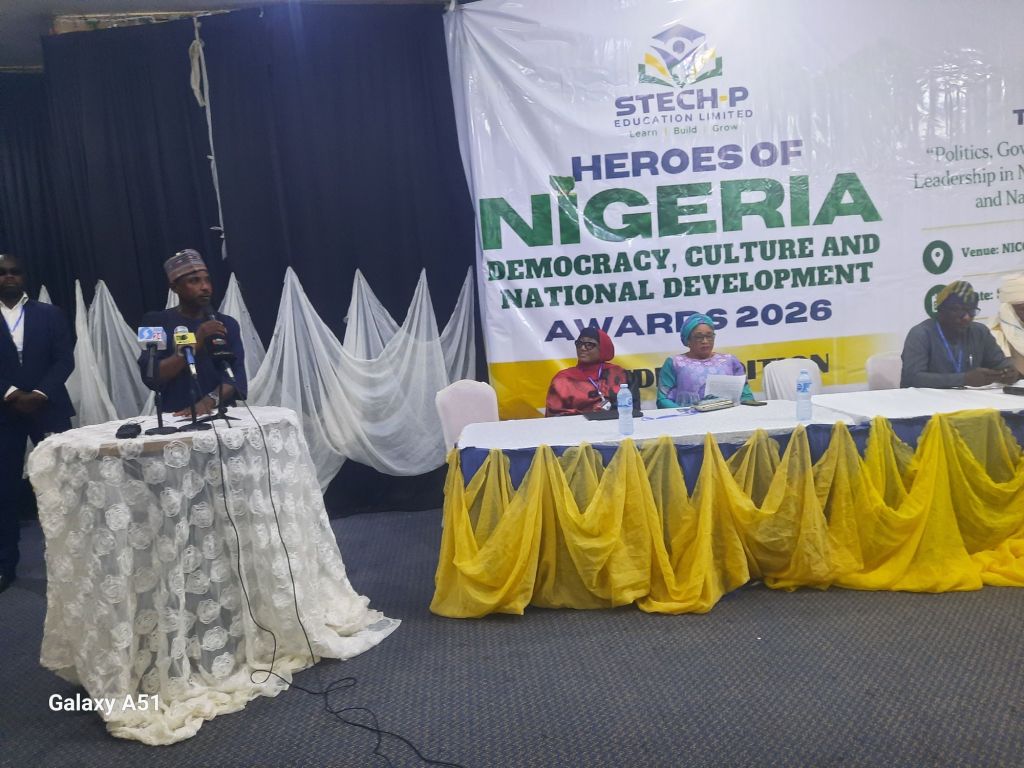
The Convener, Idakwo Oruma Ishiaka delivering welcome remarks

He said the book was intended to document important experiences, struggles and sacrifices in Nigeria’s democratic journey while stimulating conversations about where the country had come from, where it was presently and the responsibilities that lay ahead.

Ishiaka also encouraged Nigerians to serve their communities and the country at large, stressing the importance of responsible citizenship and collective contribution to national development.

He expressed appreciation to the keynote speaker, Hon. Justice M. N. Umaru Kogo, the book reviewer, invited dignitaries, partners, members of the organising committee, media organisations and volunteers whose contributions made the occasion possible.

He also congratulated the award recipients, describing their recognition not merely as an honour but as a reminder of the responsibility that comes with public recognition.

Addressing young Nigerians, the convener urged them to see themselves not merely as leaders of tomorrow but as important stakeholders in Nigeria today.

He said the future of the country’s democracy and national development would depend greatly on the knowledge, character, creativity, courage and commitment of young Nigerians.
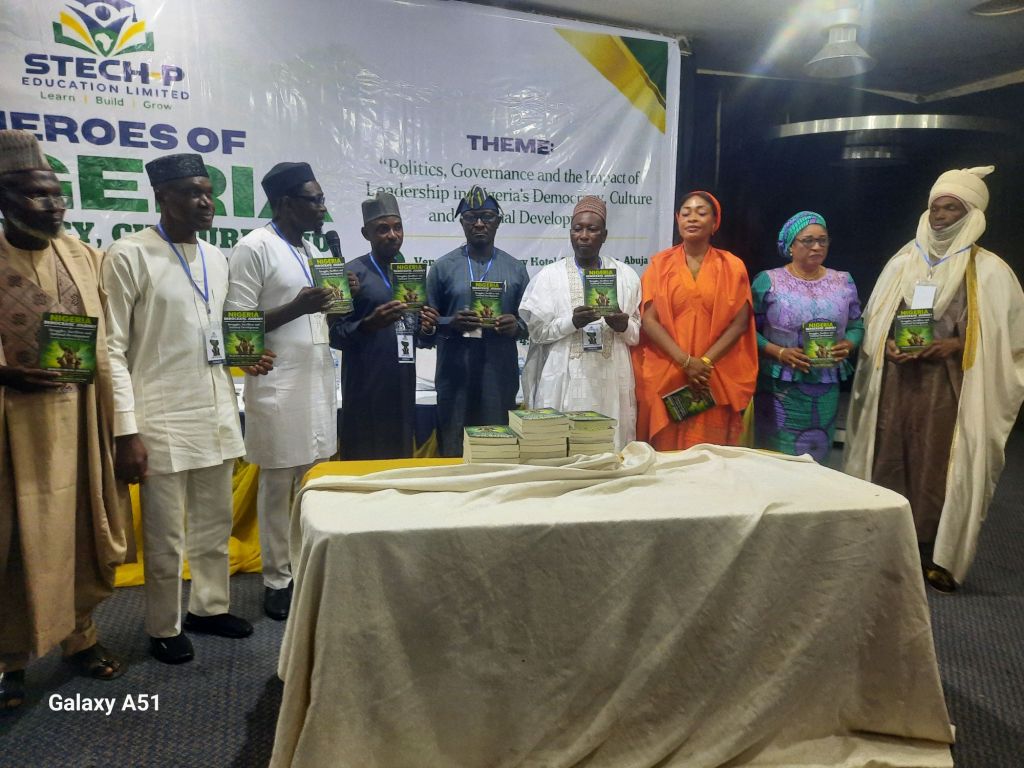
Ishiaka urged participants to make the gathering more than a celebration, but a moment of reflection, dialogue and renewed commitment to the Nigeria they desire.

Reviewing the book, Dr. Isah Husein Adagiri, Lecturer, Department of Economics, FCT College of Education, Zuba, described Nigeria Democratic Journey as an important attempt to preserve Nigeria’s political and historical memory.

Adagiri said the 14-chapter book, divided into five parts, traces Nigeria’s journey from pre-colonial societies and indigenous governance through colonialism, the 1914 amalgamation, nationalism and independence, the First Republic, military rule, the Civil War, the Second Republic, the June 12 struggle and the emergence of the Fourth Republic.

He said the book also examines contemporary political developments, including the 2023 elections, youth mobilisation and social-media politics, while linking democracy to culture and national development.

The reviewer commended the author for documenting the contributions of ordinary Nigerians, including farmers, teachers, workers, traders, women and young people, rather than focusing exclusively on presidents and political office holders.

He, however, suggested areas for enrichment in a subsequent edition, including greater attention to the contributions of women such as Margaret Ekpo and Funmilayo Ransome-Kuti, as well as electoral reforms involving technologies such as the Bimodal Voter Accreditation System and the INEC Result Viewing Portal.

Adagiri described the publication as a textbook, reference work and civic resource capable of helping students, researchers, journalists and young Nigerians better understand Nigeria’s democratic journey.

Also speaking, the Hakimi of Galadimawa District, HRH Musa Barde, endorsed the initiative, describing the gathering as a worthwhile effort to promote reflection on Nigeria’s democratic journey, national development and the values required to strengthen society.

The traditional ruler also emphasised the importance of recognising individuals whose contributions have made a positive impact in their communities and the country at large, noting that such recognition can encourage others to follow their example.

He encouraged those whose service deserves national recognition to remain committed to making meaningful contributions to society, stressing that initiatives of this nature can help inspire younger Nigerians while reinforcing the values of patriotism, responsible citizenship, peaceful coexistence and service to humanity.

By endorsing the event, HRH Musa Barde also underscored the role of traditional institutions in encouraging civic values, preserving collective memory and supporting initiatives that promote responsible citizenship and national cohesion.

AAAU, ABU Sign Landmark MOU: Strengthen the Establishment of the Faculty of Aeronautical and Space Engineering, Explore Online Distance Learning Academic Collaboration

Thursday, 24 September 2026

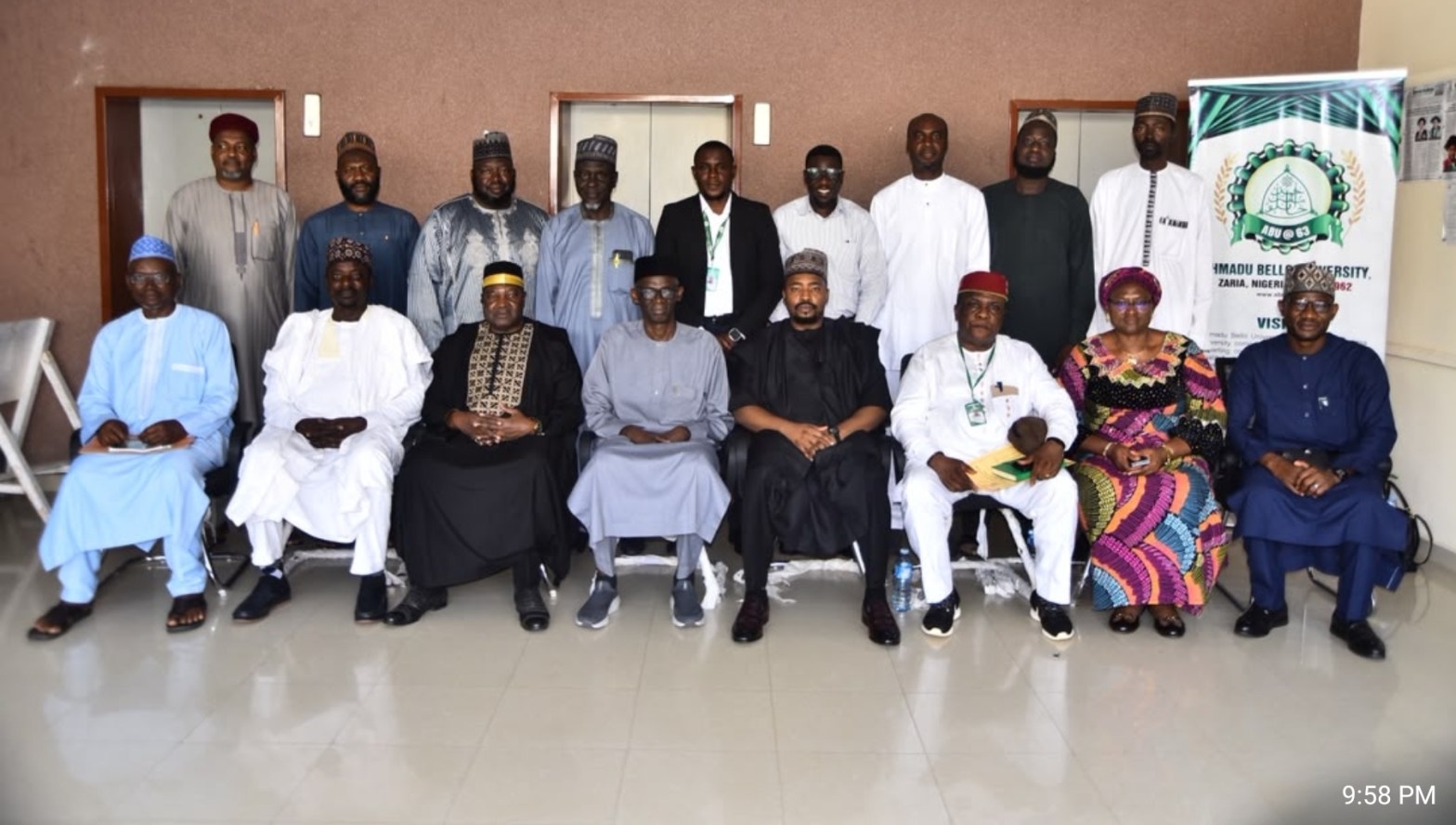
The African Aviation and Aerospace University (AAAU), Abuja, and Ahmadu Bello University (ABU), Zaria, have signed a Memorandum of Understanding (MOU) to strengthen the establishment of the Faculty of Aeronautical and Space Engineering and explore Online Distance Learning (ODL) academic collaboration between the two institutions.

The visit represents a follow-up to an earlier engagement between AAAU and ABU Zaria in May 2026, with discussions focusing on areas of mutual academic and institutional interest.

In his presentation, the Ag. Vice-Chancellor of AAAU, Dr. Mustapha Sheikh Abdullahi, Ph.D., said the engagement was aimed at seeking the mentorship and expertise of ABU Zaria towards the establishment of the Faculty of Aeronautical and Space Engineering and exploring opportunities for ODL collaboration.

He noted that the growing demand for specialised manpower in the aviation and aerospace sector makes the establishment of the Faculty increasingly important. He added that ABU Zaria was a strategic partner, given its experience in engineering education, ODL administration, and its pool of experienced academics in the Faculty of Engineering.

He explained that the proposed collaboration would enable AAAU to accommodate international students and aviation professionals, particularly those whose professional commitments may require flexible learning options.

Responding, the Vice-Chancellor of ABU, Zaria, Prof. Adamu Ahmad, welcomed the AAAU delegation and congratulated the Ag. Vice-Chancellor for pioneering a specialised university dedicated to aviation and aerospace education. He assured AAAU of ABU’s commitment, particularly through its Faculty of Engineering, to supporting the University’s manpower development drive and the establishment of the Faculty.

The engagement culminated in the formal signing of the MOU by representatives of both institutions, marking a significant step towards deepening academic cooperation.

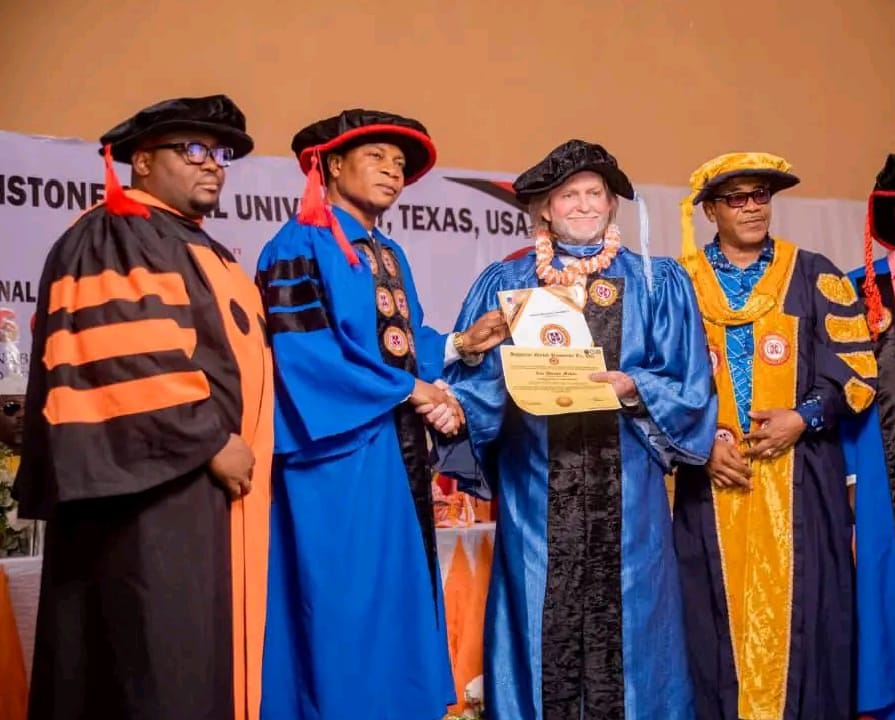
Highstone Global University To Bring Research Experts Together In Lagos

Maryam Aminu

For many postgraduate researchers, writing a strong proposal is only the beginning; defending the work before examiners can be just as challenging. That gap is set to take centre stage in Lagos on September 25, as Highstone Global University USA hosts an international research conference for academics, researchers and professionals.

The conference, which begins at 9:00am at the Lagos State University Resource & Conference Center, will focus on practical skills in research methodology, academic writing and thesis and dissertation defence, alongside discussions on climate change.

One of the sessions, “Research Methodology in the Proposal: Choosing and Justifying Your Approach, Design, and Methods,” will take participants through qualitative, quantitative and mixed-methods approaches, as well as sampling, data collection, validity and reliability, research ethics and integrity.

For postgraduate researchers struggling with how to turn their research into a well-structured academic document, another session, “Writing for Academic Excellence: Structure, Style, and Scholarly Conventions in Thesis and Dissertation Writing,” will focus on thesis and dissertation structure, academic writing styles and citation methods, including APA, Harvard and MLA.

The session will also address plagiarism prevention and some of the common challenges researchers encounter while writing their academic work.

Attention will also be given to one of the moments many postgraduate students find most demanding defending their research.

Through a session titled “Defending Your Work: Mastering the Thesis/Dissertation Presentation and Viva Voce,” participants will learn about effective presentation techniques, slide design, responding to questions from examiners, managing presentation anxiety and presenting research findings with confidence.

Climate change will form another major part of the conference, with experts expected to examine current research findings, the implications for society and possible approaches to tackling the challenges associated with a changing climate.

According to the organisers, the conference is designed to give participants practical knowledge they can apply to their research proposals, theses and dissertations while creating an opportunity to meet and exchange ideas with other researchers and professionals.

Participants will also receive Executive Diploma Certificates, which are scheduled to be presented on September 26, 2026, at the Lagos Theatre, Lagos State.

The organisers said the conference is open to members of the research and academic community who want to strengthen their research capacity and engage in discussions on issues of global importance.

For registration and further information, interested participants can contact Highstone Global University USA via highstoneuniversityus@gmail.com or WhatsApp on (+1) 234-288-1373.