GODWIN OBLA FOUNDATION: Makes Donation To Support Child’s Surgery

RESTORING HOPE, SAVING LIVES.

The Godwin Obla foundation has made a generous donation to support a young child’s urgent surgery.

According to the statement released by the foundation “Every child deserves a chance to live, grow, and experience a brighter future. At Godwin Obla Foundation, we believe that financial challenges should never stand in the way of a child’s access to life-saving medical care”.

And “in a heartwarming act of compassion, Godwin Obla Foundation has donated ₦250,000 to support a child who was scheduled for surgery in Jos, Plateau State, after the child’s parents faced financial difficulties and struggled to meet the medical expenses”.

“Recognising the urgency of the situation, the Foundation stepped in to support the The Family Mr Idoko Amedu and Mrs Christie Amedu Idoko during this challenging moment, bringing hope and relief when they needed it most”.

“This is what humanity is all about — showing love, extending a helping hand, and standing with families in their most difficult moments. Every life matters, and every act of kindness makes a difference”

“At Godwin Obla Foundation, our commitment remains to touch lives, support vulnerable families, and bring hope to those who need it most”.

“Together, we can make a difference, one life at a time”.

Humanitarian Ministry affirms FG’s Commitment to Poverty Reduction

The Hon. Minister of Humanitarian Affairs and Poverty Reduction, Dr. Bernard M. Doro, has reaffirmed the Federal Government’s commitment to sustainable poverty reduction through the One Humanitarian–One Poverty Response System (OHOPRS), which seeks to connect humanitarian assistance with social protection, economic inclusion and sustainable pathways out of poverty.

Speaking at the 2026 International Day for the Eradication of Poverty in Abuja, the Minister emphasised the need to move from temporary relief to lasting solutions that empower vulnerable Nigerians to become resilient and economically independent.

The event, themed “United for Peace and Human Rights: Safe Homes for All,” brought together government officials, development partners and other stakeholders to strengthen collective efforts towards poverty eradication.

Military rescues 18 kidnap victims, arrests suspects in nationwide operations

By Emmanuel Huleji Daudu

The Armed Forces of Nigeria have rescued 18 kidnapped victims in Kwara State, arrested suspected terrorists and criminal collaborators, and recovered weapons and ammunition in coordinated operations across the country.

The operations, conducted between October 9 and 15, also led to the rescue of other abducted persons, the surrender of suspected terrorists and their family members, and the neutralisation of suspected terrorists and kidnappers in various theatres of operation.

Director, Defence Media Operations, Maj.-Gen. Michael Onoja, disclosed this in a statement detailing the military’s operational activities during the period under review.

In Kwara State, troops of Operation Savannah Shield, working with local security groups, rescued 18 residents abducted from their farmlands in the Eruku–Egbe–Koro Forest area of Ekiti Local Government Area.

Onoja said the troops responded to a distress call on October 10 and pursued the abductors, who abandoned their victims and fled into the forest.

The troops also recovered two AK-47 magazines containing four rounds of 7.62mm special ammunition.

In Edo State, troops of Operation Delta Safe rescued two abducted persons in separate operations. The victims, identified as Mrs Halima Ibrahim and Prince Michael Akao, were rescued along the Okene–Okpella Road and in Sasaro Forest, Akoko-Edo Local Government Area, respectively.

Three suspected kidnappers were neutralised during the operation in Sasaro Forest, while three locally fabricated firearms, nine cartridges and other items were recovered.

In the North-East, troops of Operation Hadin Kai sustained offensive operations against terrorist groups and their logistics networks in Borno and Adamawa states.

The military said several suspected terrorist collaborators and logistics suppliers were arrested in Monguno, Gubio and Benisheikh, while individuals associated with terrorist groups surrendered to troops at different locations.

Among those who surrendered was Abacha Akura, who reportedly escaped from a terrorist camp at Tumbunma Village, near Bukar Meriam in Marte Local Government Area of Borno State. He surrendered to troops in Monguno on October 13 with an AK-101 rifle and 31 rounds of 5.56mm ammunition.

Another individual, Abba Bukar, surrendered in Monguno on October 15 after escaping from the same location.

The statement added that troops received two suspected terrorist fighters and their spouses at Bama Local Government Area on October 14, alongside two AK-47 rifles, four magazines and 14 rounds of ammunition. Eight additional terrorist family members also surrendered at Banki Junction in the same local government area.

In Adamawa State, troops repelled an attack by terrorists approaching from the Lar axis in Hong Local Government Area, neutralising one of the attackers.

A subsequent search of the area yielded a PKT machine gun, six AK-47 rifles, 11 magazines, ammunition, a 60mm mortar bomb and other military equipment. Four additional terrorist bodies were discovered during patrols.

The troops also rescued two abducted persons, identified as Bello Ibrahim and Ibrahim Adamu, around the Kuranabasa axis of Gwoza Local Government Area of Borno State on October 15.

In the North-West, troops of Operation Fansan Yamma intensified operations against kidnapping networks and armed groups in Kaduna and Sokoto states.

According to Onoja, troops operating around Galadimawa on October 9 forced three suspected terrorists to abandon a kidnapped person as they fled from advancing soldiers.

In another operation in Kaduna State, troops recovered an AK-47 rifle and 15 rounds of ammunition following an attack on a resident travelling from Dogon Dawa to Takama Village in Birnin Gwari Local Government Area.

A suspect, Yusuf Iliya Sani, was subsequently arrested at Maraban Kakini over alleged involvement in kidnapping, extortion, sexual assault and killings in the area.

In Sokoto State, troops responding to a distress call at Soruro Village, Tangaza Local Government Area, neutralised one suspected terrorist and recovered an AK-pattern rifle, a magazine and 27 rounds of ammunition.

A separate clearance operation in Waria Forest, also in Tangaza, resulted in the neutralisation of another suspected terrorist and the recovery of two AK-47 rifles and two magazines.

In Plateau State, troops of Operation Enduring Peace arrested a suspected arms fabricator and three other suspects during operations in Mangu and Barkin Ladi local government areas.

Items recovered included a locally fabricated revolver rifle, a fabricated pistol, an AK-47 barrel, a magazine and 42 rounds of 7.62mm x 54mm rimmed ammunition.

The troops also arrested a suspect, Yusuf Suleiman, at Barkin Ladi Main Market over alleged links to the September 24 attack on Kassa community, as well as suspected involvement in kidnapping, armed robbery and the killing of a resident identified as Mr Gyang.

Two additional suspects were arrested during a raid on a suspected kidnappers’ hideout in Bassa Local Government Area.

In Niger State, troops of Operation Savannah Shield received the surrender of Sidi Kamaki at Audu Fari, Borgu Local Government Area.

The individual reportedly claimed to have spent about two years with an armed group he described as part of Darul Salam associated with the Shekau faction, and to have participated in six operations in Borgu and the Republic of Benin.

Meanwhile, in the South-East, troops of Operation Udo Ka arrested three suspects in Atan–Ihechiowa Village, Arochukwu Local Government Area of Abia State, on October 14.

The suspects were identified as Ozioma Mark, described by the military as a suspected IPOB kingpin, Kalu Obasi and Kamba Igwu Ogbonna. Two motorcycles and cash were recovered during the operation.

A suspected IPOB member was also handed over to troops by local security volunteers at Lilu, Ihiala Local Government Area of Anambra State.

The Chief of Defence Staff, Gen. Olufemi Olatunbosun Oluyede, commended troops for their resilience and urged them to sustain the operational tempo while remaining vigilant against threats to national security.

He called on security agencies to strengthen intelligence sharing and cooperation, while urging traditional rulers, community leaders and other stakeholders to support military operations by providing credible information on criminal activities.

The Defence Chief also appealed to the media to ensure accurate and patriotic reportage, stressing that national security required collective responsibility and sustained collaboration among security agencies and communities.

Onoja, who signed the statement on October 16, said the Armed Forces remained committed to protecting lives and property, disrupting criminal networks and restoring security across the country.

Referral Gaps, High Medicine Costs Undermine Coordinated Healthcare in Nigeria

By Adejoh Bilkisu

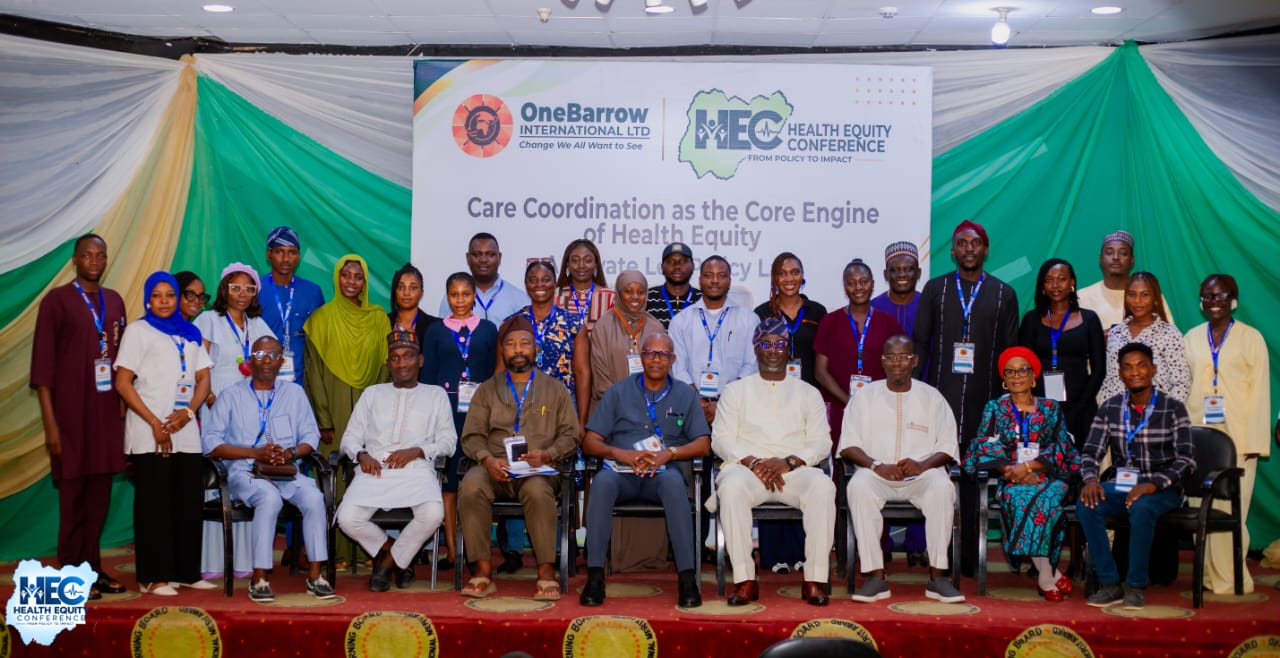
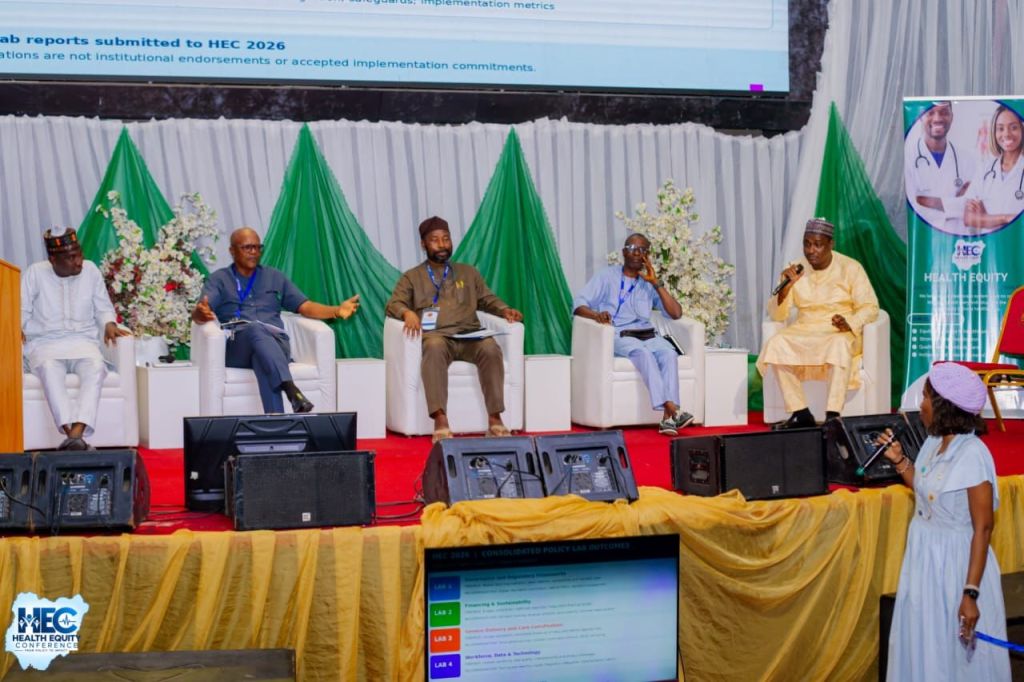
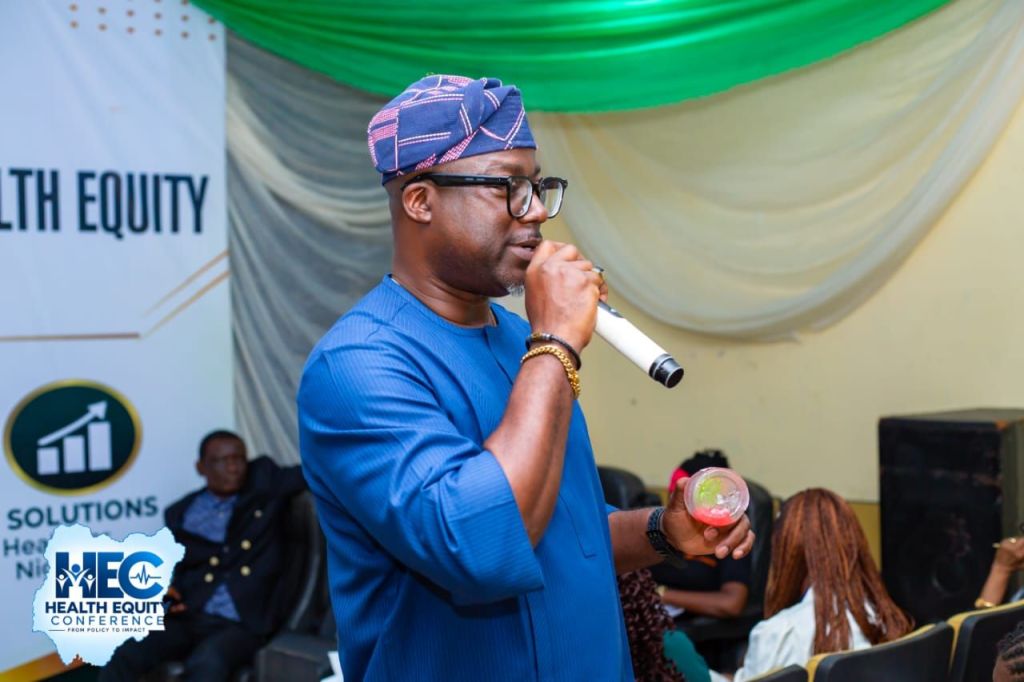
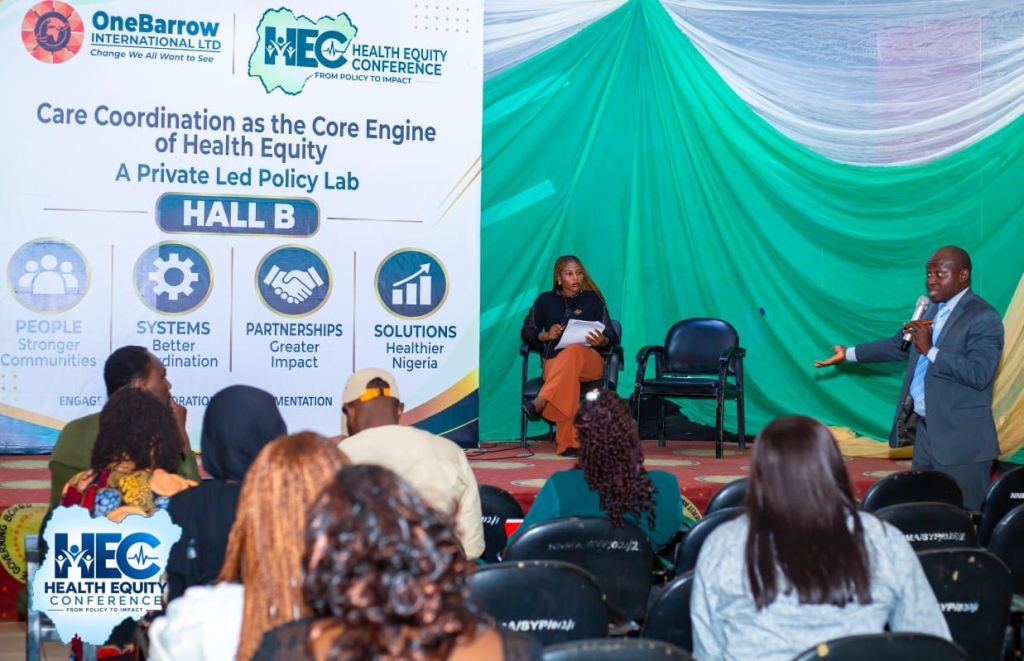
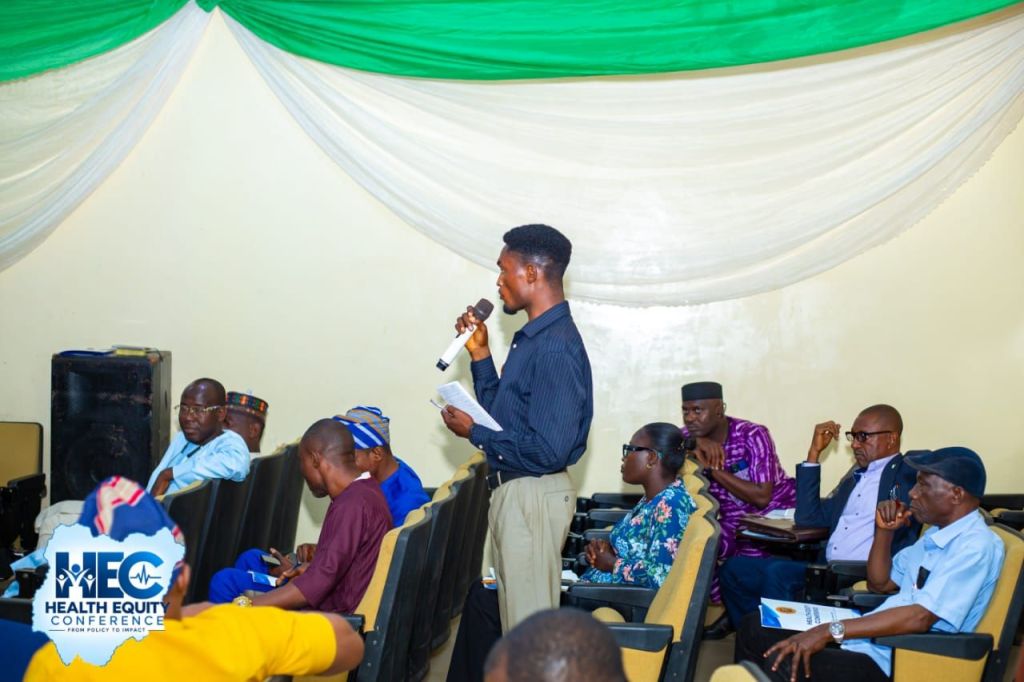
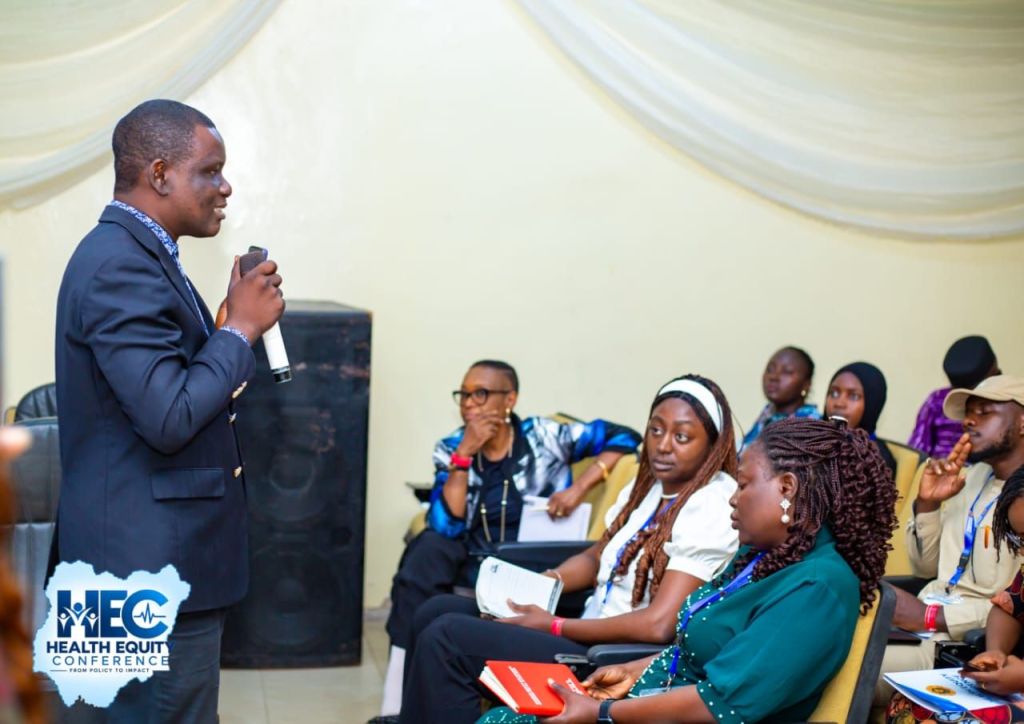
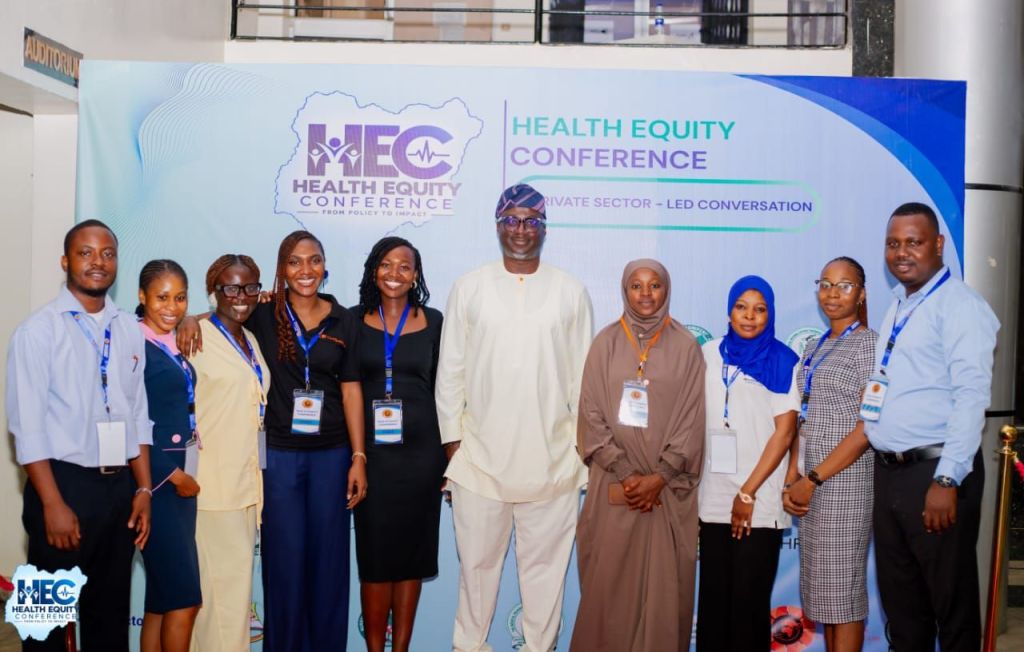
Poor communication between healthcare facilities, high medicine costs and difficulties completing referrals have emerged as major challenges affecting continuity of patient care in Nigeria, according to discussions at the 2026 Health Equity Conference in Abuja.

Stakeholders at the two-day conference, held on October 13 and 14, examined how financial constraints, inadequate health-information sharing, workforce shortages and weak follow-up arrangements can prevent patients from receiving timely and appropriate treatment.

The conference, convened by OneBarrow International Limited under the theme, “Care Coordination as the Core Engine of Health Equity,” brought together government representatives, healthcare regulators, professional bodies, healthcare providers and private-sector stakeholders.

Discussions centred on the challenges patients encounter when moving between primary healthcare centres, diagnostic laboratories, pharmacies, specialist services and hospitals.

Stakeholders noted that a referral does not necessarily guarantee access to further treatment, particularly when patients face transportation costs, unavailable personnel, poor communication between facilities or difficulties obtaining essential medical records.

They also examined how limited access to affordable medicines and diagnostic services could interrupt treatment, while inadequate discharge planning and follow-up arrangements could leave patients without the support needed to continue their recovery.

A fictional patient, Amina, provided a common framework for examining these challenges. Her hypothetical journey enabled participants to consider potential gaps from the first point of contact with the healthcare system through diagnosis, treatment, referral, hospital admission, discharge and follow-up.

The exercise highlighted the need for healthcare providers to share relevant information, establish clear referral pathways and ensure that patients understand the next steps in their treatment.

Other concerns identified during the discussions included diagnostic quality assurance, inadequate interoperability between digital health systems, patient privacy, rural access to healthcare and weaknesses in complaints management.

Delivering the keynote address on behalf of the Federal Ministry of Health and Social Welfare, Mrs Adijah Elijah, Population Programme Officer, called for stronger collaboration among stakeholders to translate health policies into measurable improvements in healthcare delivery.

She reaffirmed the Federal Government’s commitment to an accessible, affordable, equitable and responsive health system, highlighting Nigeria’s goal of achieving Universal Health Coverage by 2030 in line with Sustainable Development Goal 3.

Elijah identified the Nigeria Health Sector Renewal Investment Initiative and the Sector-Wide Approach as frameworks for improving coordination, aligning investments and strengthening accountability across the health sector.

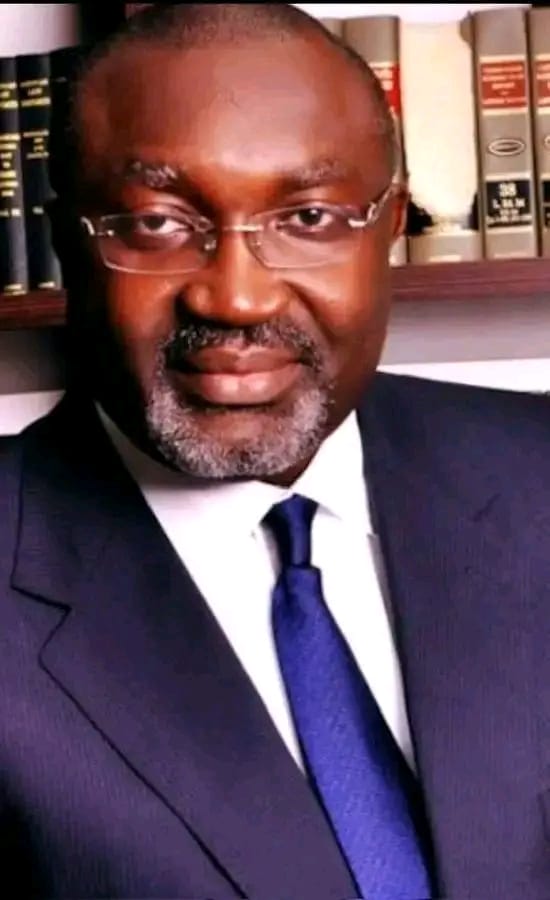
CEO, OneBarrow International Limited, Dr Yemi Ajao

The Chief Executive Officer of OneBarrow International Limited and conference convener, Yemi Ajao, said patients should not be left to coordinate their own treatment because healthcare institutions and professionals failed to communicate effectively.

According to him, patients and their families often bear the burden of navigating separate services when medical information is not transferred properly or responsibilities for the next stage of care are unclear.

Ajao said the conference was intended to bring stakeholders together to examine such gaps and develop practical proposals for improving coordination across the healthcare system.

Also speaking, Kamilu Abdullahi, who represented the Registrar of the Nursing and Midwifery Council of Nigeria, Mr Ndagi Alhassan, said regulatory agencies were pursuing a more coordinated approach to healthcare delivery through an initiative involving 14 regulatory bodies.

Abdullahi, who said he had been appointed focal person for the health equity initiative, highlighted the council’s efforts to expand nursing and midwifery training, strengthen accreditation and ensure that practitioners remained competent and properly licensed.

He also cited expanded computer-based examinations, improved processing of students’ results and stronger supervision of professional licences as measures being pursued to maintain standards.

The conference’s deliberations produced ten recommendation areas and a proposed Joint Communiqué Implementation Matrix intended to connect identified healthcare challenges with potential solutions, institutional responsibilities and indicators for monitoring progress.

The recommendations cover referral systems, diagnostic quality, workforce development, financing accountability, health-information exchange, community access and patient follow-up. Their implementation will depend on consideration and any necessary approvals by the relevant institutions.

Cross-section of participants at Policy Lab

The conference also emphasised the importance of measuring healthcare progress by whether patients can obtain appropriate treatment when needed, rather than focusing exclusively on policies, facilities or institutional activities.

Its central message was that improving healthcare outcomes requires stronger connections between services, so that patients can move through diagnosis, treatment and follow-up without avoidable interruptions.

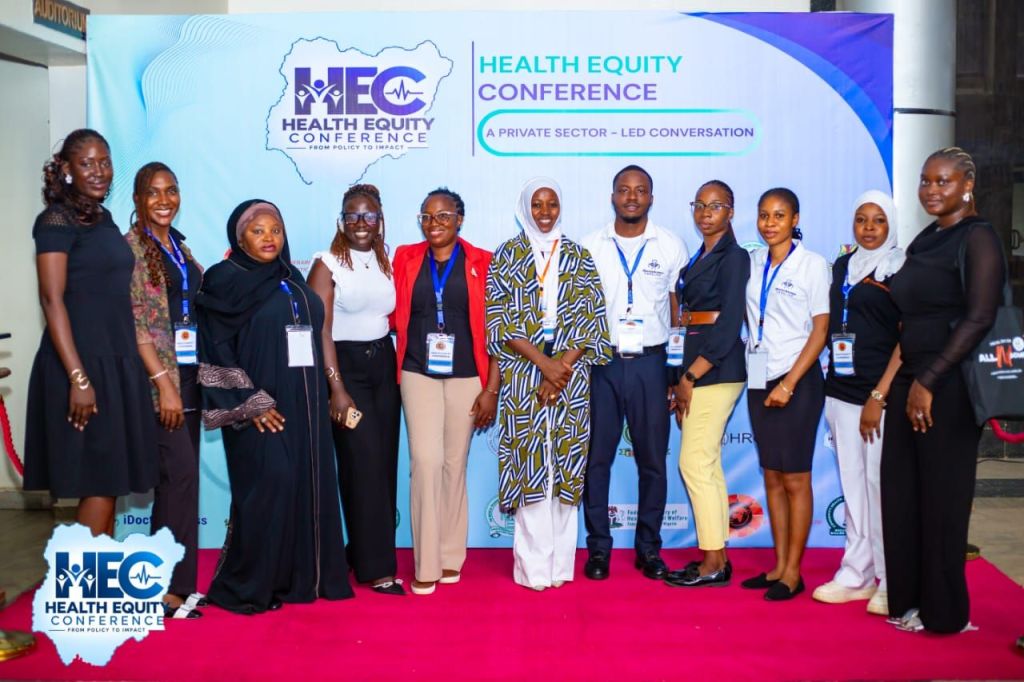
OneBarrow Team

Defence Minister Charges Army War College Graduands to Intensify Operations Against Insecurity

The Minister of Defence, General Christopher Gwabin Musa (Rtd), OFR, has charged graduands of the Army War College Nigeria (AWCN) to translate the knowledge acquired during their intensive professional military training into decisive operational action to end insecurity across the country.
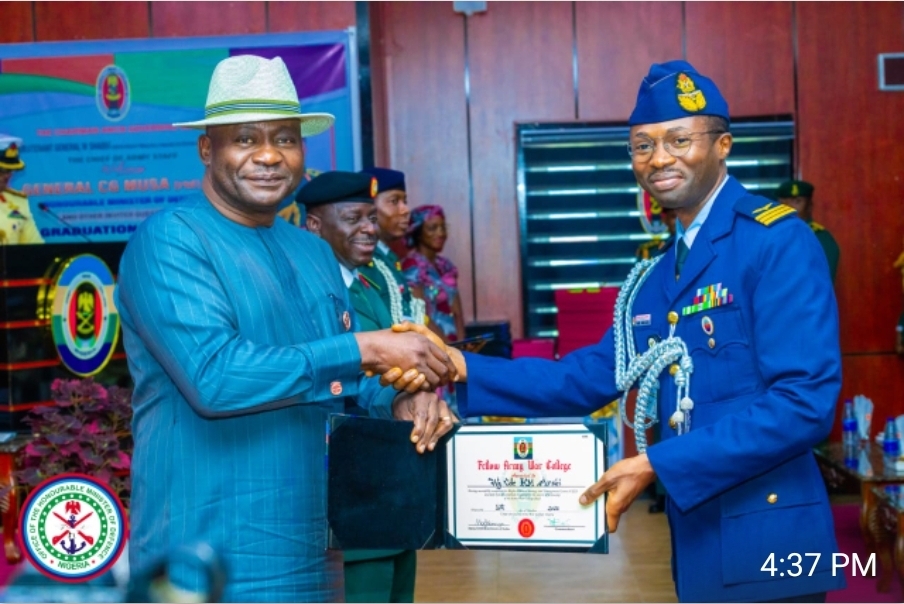
General Musa gave the charge on Friday, October 16, 2026, at the graduation ceremony of 99 participants of Course 10/2026 of the Army War College Nigeria in Abuja, where he served as the Special Guest of Honour.

The Minister stressed that the success of the nine-month training programme would ultimately be measured by the graduands’ ability to deliver tangible results on the battlefield and strengthen national security.

“Go out to the field and make the difference,” he charged the graduating officers.

Reiterating President Bola Ahmed Tinubu’s directive at the recently held National Security Council meeting that the fight against insecurity must not extend into a third decade, General Musa urged the officers to demonstrate the discipline, commitment and operational effectiveness required to achieve lasting peace and security.

He reaffirmed that the Armed Forces of Nigeria remained a highly professional and committed force, capable of confronting the country’s security challenges.

The Defence Minister further emphasised that hard work, dedication, integrity and proven performance must remain the basis for career advancement in the military. According to him, officers entrusted with higher responsibilities must demonstrate genuine commitment to service and the capacity to deliver results.

He cited the career progression of the Chief of Army Staff, Lieutenant General Waidi Shaibu, as an example of the importance of professionalism and merit in military service.

General Musa also called on the Armed Forces to embrace technological innovation, noting that modern warfare is no longer determined solely by the possession of expensive military equipment.

Drawing attention to ongoing conflicts around the world, he stressed the need for all departments of the Armed Forces to adapt to emerging technologies and innovative approaches to improve operational effectiveness.

He noted that innovation should not be regarded as the exclusive responsibility of engineers, but as a collective obligation across the military.

On electoral security, the Minister urged the Armed Forces to support peaceful, safe and credible elections through effective collaboration with the Independent National Electoral Commission (INEC), the Nigeria Police Force and other relevant security agencies.

He emphasised the need to protect citizens from intimidation and prevent individuals or groups from undermining the electoral process.

Earlier, the Commandant of the Army War College Nigeria, Major General Umar Alkali, reaffirmed the institution’s commitment to producing competent military leaders equipped to address contemporary security challenges.

Major General Alkali disclosed that participants of Course 10/2026 had completed 37 weeks of intensive professional military education, recording significant milestones in the history of the institution.

These included the participation of the first female officers and the highest number of allied participants since the establishment of the College.

The Commandant highlighted indigenous technological innovation and inter-agency cooperation as critical elements in strengthening military effectiveness.

He charged the graduands to uphold professionalism, integrity and sound judgment in the discharge of their responsibilities, while contributing meaningfully to the achievement of Nigeria’s national security objectives.

Highlights of the ceremony included the presentation of Fellowship Awards to the 99 graduands by the Minister of Defence, alongside certificates and other honours.

A special souvenir and a cash token of ₦5 million were also presented to a wounded officer among the graduands in recognition of his courage and sacrifice.

The Chief of Army Staff presented Merit Awards to deserving participants, while the President of the Alumni Association of the Army War College Nigeria (AAAWCN), Brigadier General O.A. Ogunleye (Rtd), formally inducted the graduates into the association.

The ceremony also featured the official unveiling and launch of the Army War College Nigeria Journal, Magazine and books, as well as the presentation of awards to Distinguished Eminent Fellows and souvenirs to the Special Guest of Honour and the Minister of Defence.

Among the graduating participants were allied officers from African countries, including South Africa and Cameroon, underscoring the College’s contribution to professional military education and cooperation among African armed forces.

The event was attended by the Director, Army, Ministry of Defence; senior military officers; members of the diplomatic corps; and other distinguished dignitaries.

NiMet, TomorrowNow strengthen climate advisories for Nigerian farmers

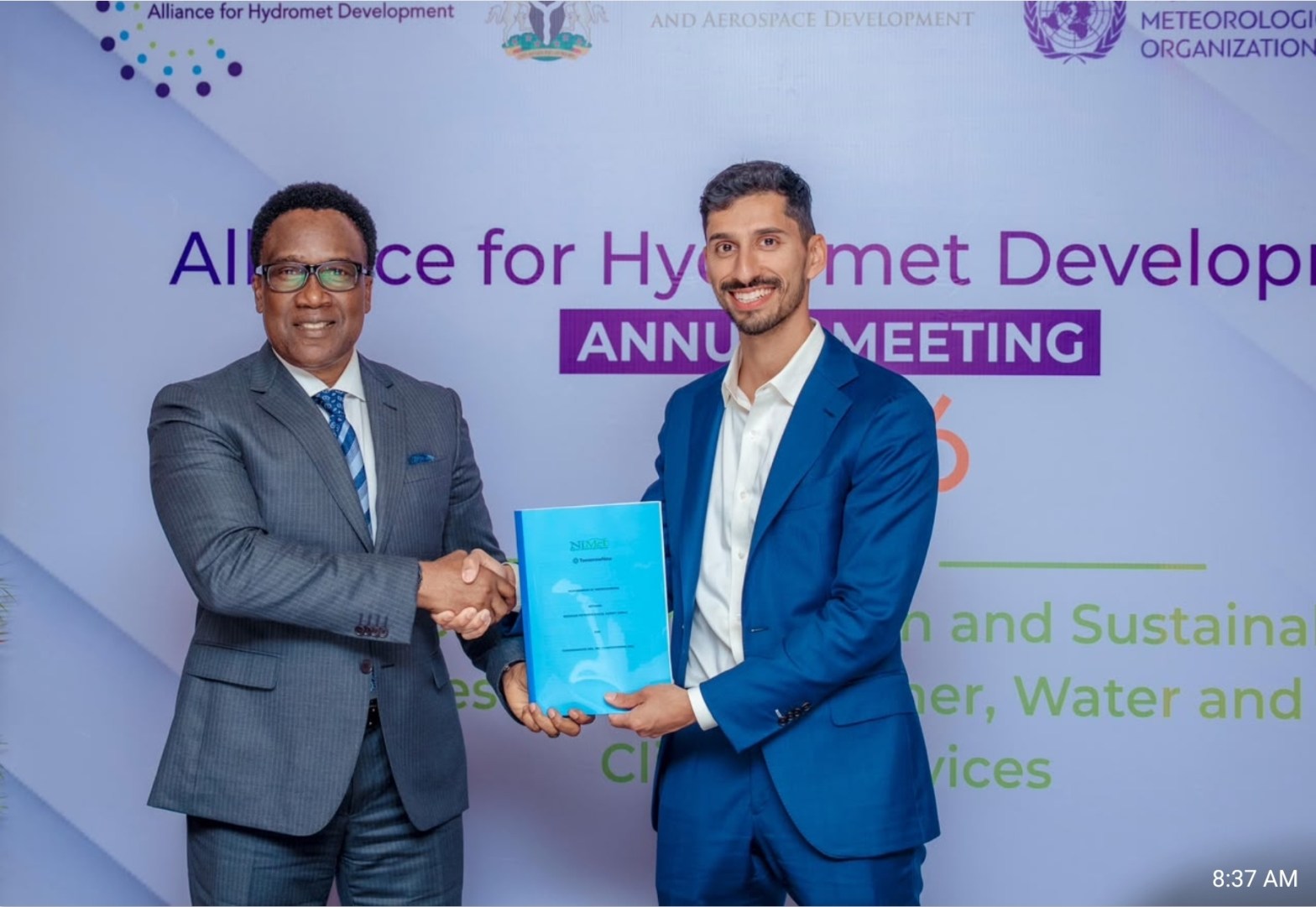
The Nigerian Meteorological Agency (NiMet) and TomorrowNow have entered into a partnership to improve the delivery of climate advisories to farmers across Nigeria. The collaboration was highlighted during a sideline event on the third day of the Alliance for Hydromet Development Annual Meeting in Lagos, Nigeria.

The initiative aims to provide farmers with clearer and more timely climate information to support agricultural planning and informed decision-making.

NiMet’s Director-General and Chief Executive Officer, Prof. Charles Anosike, at the event stressed the need to standardise climate information produced for stakeholders across the agricultural value chain. He said the agreement must be results-based and deliver practical benefits to farmers.

In his remarks, TomorrowNow Chief Executive Officer Brian Miranda assured NiMet’s leadership of the organisation’s commitment to delivering climate advisory services at scale for Nigeria’s agriculture and livestock sectors.
The partnership is expected to strengthen access to actionable weather and climate guidance, helping producers make better-informed decisions and improve resilience across the country’s agricultural value chain.

NiMet, China Meteorological Administration Deepen Strategic Partnership on EW4ALL

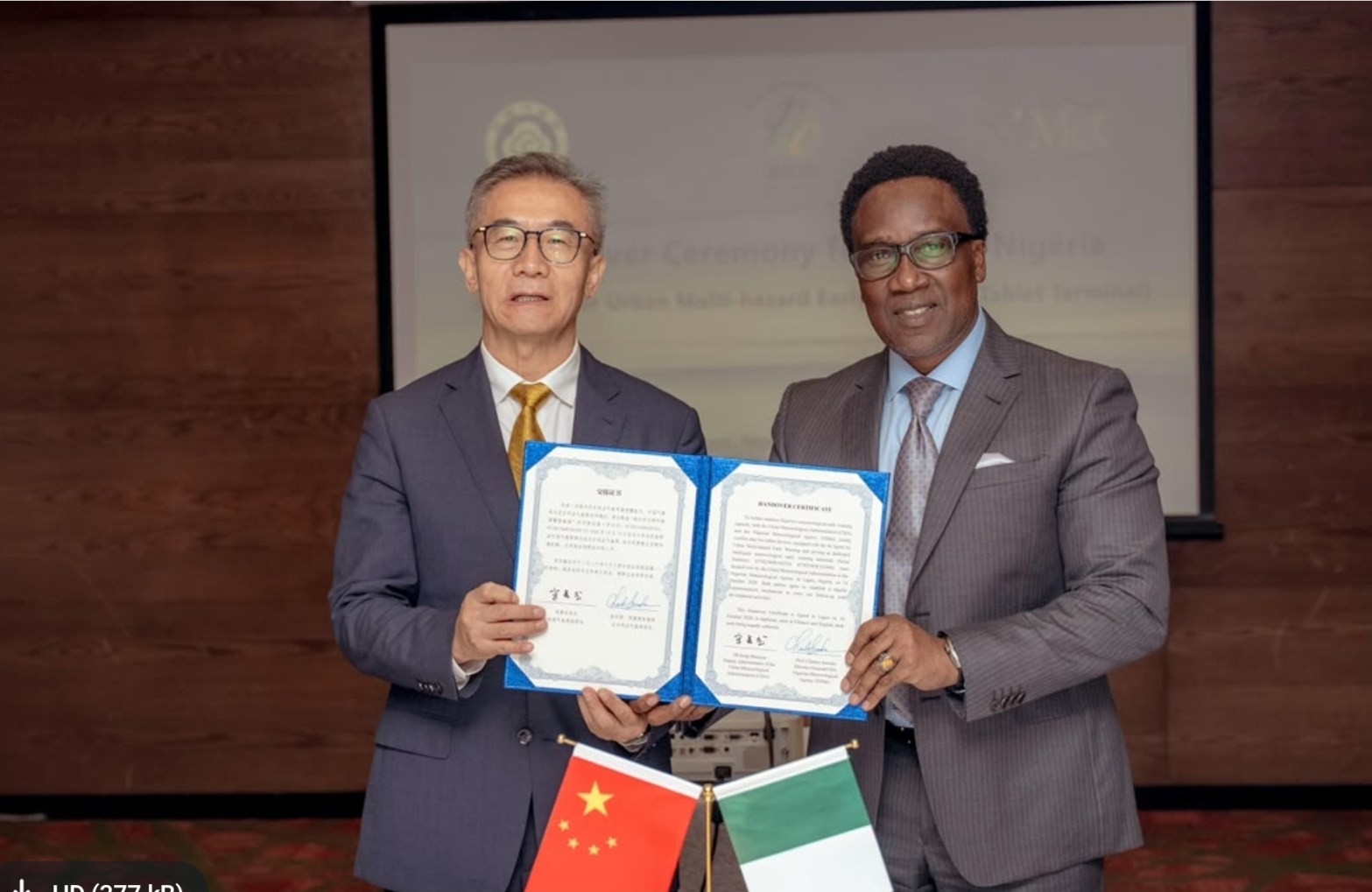
The Nigerian Meteorological Agency (NiMet) and the China Meteorological Administration (CMA) have held a strategic partnership engagement on the sidelines of the 2026 Alliance for Hydromet Development Annual Meeting, with both institutions committing to stronger cooperation in early warning, satellite applications, and institutional development.

In his opening remarks, CMA Deputy Administrator Mr Song Shanyun expressed appreciation to NiMet’s Director-General and Chief Executive Officer, Prof. Charles Anosike, and congratulated the Nigerian Government on hosting the annual meeting. He said Nigeria, through NiMet, had demonstrated strong leadership and affirmed CMA’s readiness to support the strengthening of meteorology in Nigeria and beyond.
Mr Shanyun described cooperation between the two countries as important and outlined three priority areas for engagement:

  1. Joint development of the MAZU operational platform for Nigeria;
  2. Expanded use of Fengyun satellite technology to strengthen meteorological observation; and
  3. Deeper capacity-building and institutional development.

Responding, Prof. Anosike thanked CMA and the Chinese Government for sending a six-member delegation to the meeting, describing the participation as a demonstration of strong commitment to meteorological development worldwide. He called for NiMet and CMA to formalise their collaboration through a memorandum of understanding guided by Nigeria’s social and economic needs and its practical meteorological requirements.

At the close of the engagement, CMA presented NiMet with two tablet devices equipped with the MAZU artificial intelligence agent for urban multi-hazard early warning. The devices will serve as dedicated intelligent terminals for the delivery of meteorological early-warning information.
Both parties also agreed to establish a regular communication mechanism to coordinate joint development activities and sustain progress on the proposed areas of cooperation.

OPINION

Public accountability: Finally, the Senate vindicates SEDC

By Emmanuel Nzomiwu

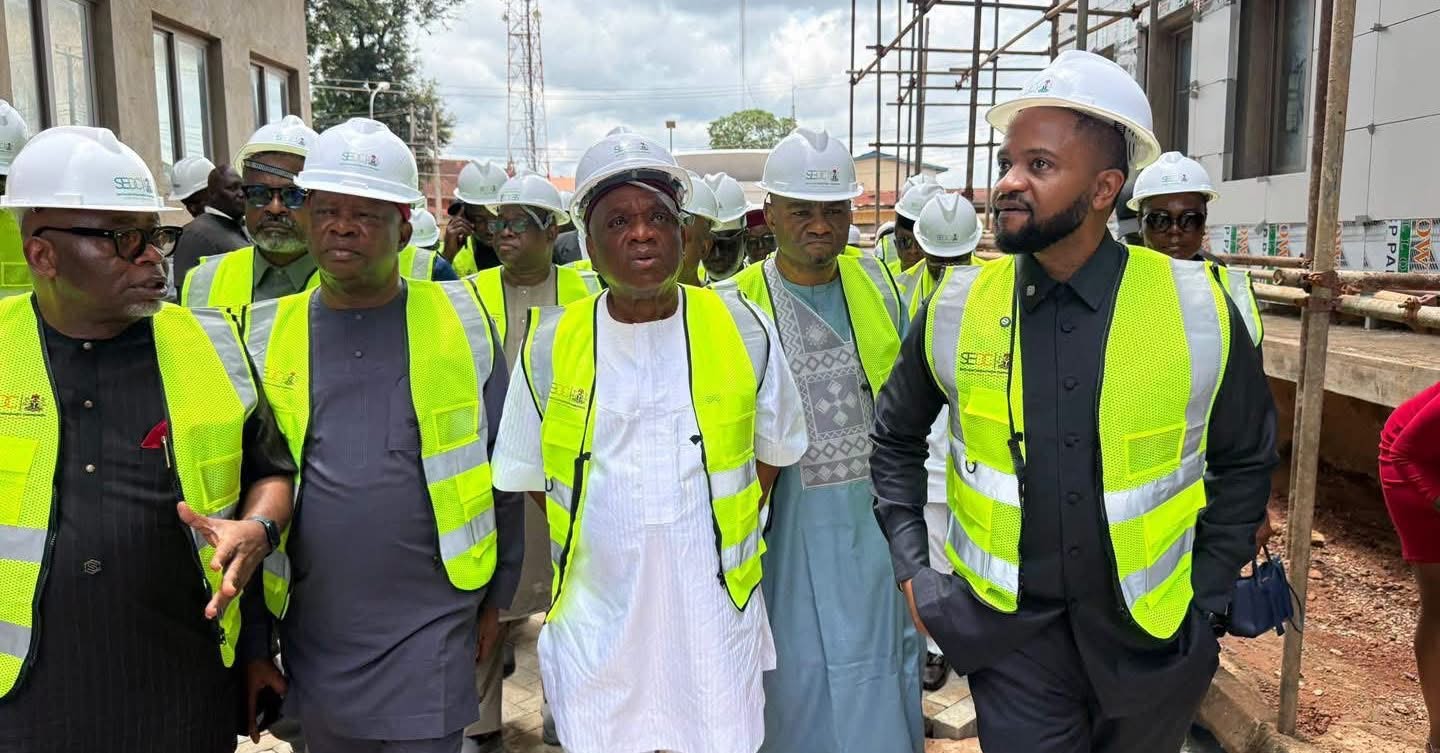
On Monday, October 12, 2026, Senator Orji Uzor Kalu led the Senate Committee on the South East Development Commission (SEDC) on an oversight visit to inspect the ongoing construction of the commission’s headquarters in Enugu. After the inspection, Senator Kalu who is the Chairman of the Committee, delightfully posted a terse message on his official Facebook account.

Quoting him: As the Chairman of the Senate Committee on the South East Development Committee (SEDC), I led members of the committee on an oversight visit to inspect the ongoing construction of the commission’s headquarters in Enugu, Enugu State.

“I am impressed with the level of work and progress recorded so far on the project. I commend the leadership of the commission for its commitment and efforts towards ensuring the successful execution of this important project.

“We will continue to provide necessary legislative oversight and support to ensure that the commission deliver’s on its mandate for the development of the South East geo-political zone.”

What makes this message posted by the Senator representing Abia North senatorial district remarkable? In June this year, the same Senate Committee led by Kalu announced a probe of alleged accountability issues in SEDC. Let me not go into the details because it may not be of much use any longer.

What matters today is that SEDC has been vindicated by no less a person than Senator Kalu himself. The confession of the former Abia State Governor on Facebook is significant for two reasons. One, it speaks volumes about the high level of accountability in the commission. Secondly, it is an indication that the management of the commission led by Mark Okoye (jnr.) has been very prudent in the utilisation of resources.

The commission did not award a new contract for the completion of its permanent headquarters donated by the Enugu State Government. Rather, it brought back the original contractor that handled the four-storey building to do an assessment of what it would cost to make the building ready for use.

Based on the assessment done by the contractor, the Management decided to fund the completion of the headquarters from federal government disbursements to the commission. As of the time of writing this article, the building is nearing completion. The management has been doing everything possible to conserve the resources of the commission.

Prior to now, SEDC had received series of endorsements for its planned, systematic, purpose-driven and result-oriented approach to regional development. Many stakeholders, including the South East Governors and the Federal Ministry of Regional Development, have commended the 25-year roadmap of the commission.

The strategic objectives of the roadmap include collaboration with state governments, private sector, development partners and development finance institutions, among others, to pursue transformative high-impact projects in different sectors for catalyzing regional development. The commission’s target is to achieve a $200 billion economy for the South East by 2035, leveraging on key sectors, such as agriculture, agro-business, infrastructure, energy, technology and creative economy.

The initiatives of the commission align with the priority areas of the Renewed Hope Agenda of President Bola Ahmed Tinubu, which includes strengthening national security, boosting agriculture, diversification of the economy through industrialisation and unlocking natural resources. The Minister of Regional Development, Abubakar Momoh has severally recommended SEDC’s coordinated approach, strategic planning and partnerships as the blueprint for transforming other geo-political zones in the country.

Beyond rhetoric, the efforts of the commission have started yielding tangible fruits across the South East region. On September 22, 2026, the commission took a giant stride towards restoring Eastern Nigeria’s agro-economy with the flag-off of a 200 hectare pilot integrated model farm at Nomeh Unateze in Nkanu East Local Government Area of Enugu State.

The agro-development programme aims at boosting agricultural productivity, strengthening food security and stimulating agro-industrialisation. The flag-off in Enugu State marks the roll out of the programme across the South East. This historic achievement is seen as a giant stride towards restoring the lost glory of Eastern Nigeria.

The project is part of the South East Agro-Development Programme (SEADP) of the SEDC. The agro-development programme is a major component of the 25-year roadmap of the commission to transform the South East through investments, public-private sector partnership and innovative financing.

The programme is the first regional, multi-state, commission-led integrated agro-development programme in Nigeria since the end of the Nigerian civil war in 1970. Until setback of the civil war, the Eastern Region under Okpara ranked among the fastest growing economies in the world. Okpara leveraged on the abundant agricultural potential of Eastern Region to accelerate economic growth in the region in the 1950s and early 60s. The defunct Eastern region covered the current states of South East and South South Nigeria.

Speaking at the flag-off of the pilot integrated farm at Nomeh Unateze, the Executive Director, Natural Resources, Agriculture and Rural Development (NRARD), Dr. Cliff Ogbede reiterated the commitment of the commission towards reviving the agro-industrial revolution that once placed the Eastern Region among the fastest growing economies in the world between 1954 and 1966. According to Ogbede, the facilitator of the programme, at the conception stage the commission retrieved Okpara’s blueprint from the archives, cleaned it up and brought experts to bring the document up to date, before projecting into the future.

Besides Agriculture, SEDC is also set to roll out community social impact programmes targeting rural communities in the South East. The commission has commenced sensitization and awareness campaigns across the South East for the social impact programmes, to identify areas where the intervention will have the greatest impact.

One of the campaigns took place at Ngbo, Ohaukwu Local Government of Ebonyi State recently. The participants included traditional rulers, town union executives, religious leaders and other stakeholders across the South East. The programmes are going to be rolled out under Renewed Hope Community Advancement Programme (REHCAP).

To conclude, the vindication of SEDC by the Senate Committee is a welcome development. The commission needs all the necessary political support it can muster, to achieve its mission of correcting decades of infrastructure decay, economic marginalisation and environmental degradation in the South-East region.

Nzomiwu, a public affairs analyst, writes from Enugu.

RMAFC Commissioner Nduka Awuregu Celebrates 50th Birthday

By Maryam Aminu

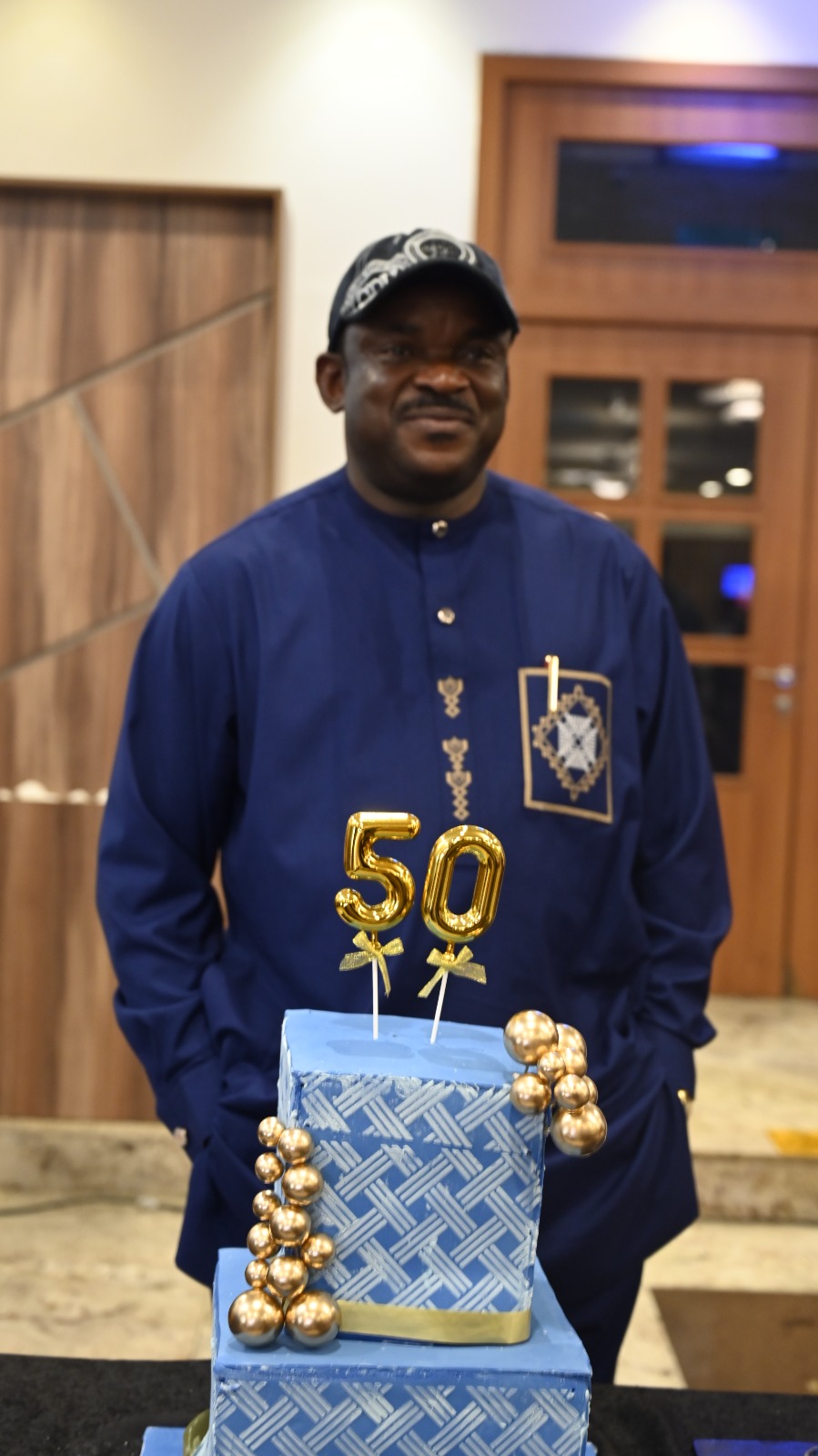
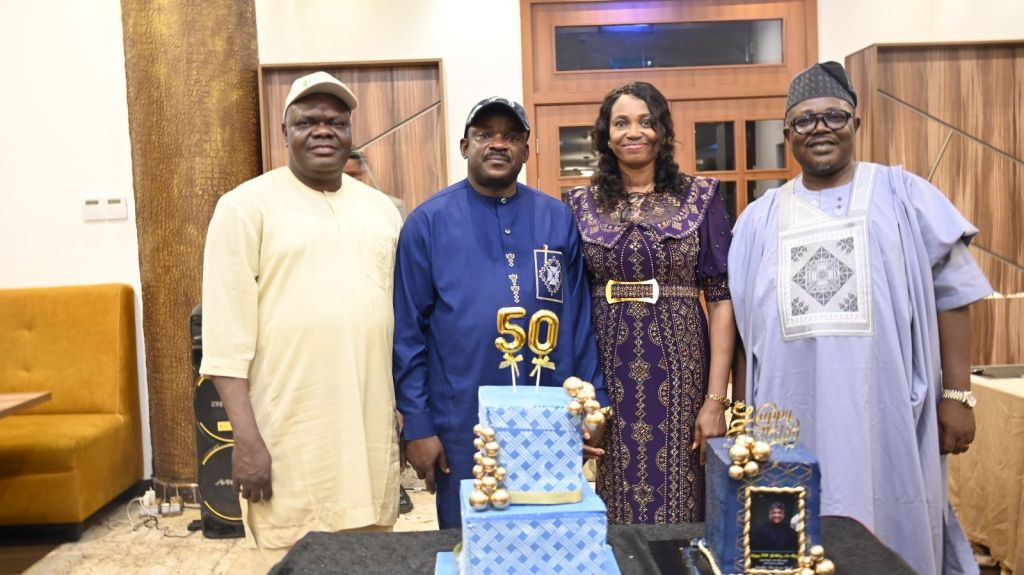
The Federal Commissioner representing Ebonyi State at the Revenue Mobilisation, Allocation and Fiscal Commission (RMAFC), Hon. (Engr.) Nduka Henry Awuregu, has celebrated his 50th birthday, marking a significant milestone in the presence of colleagues, family members, friends and well-wishers.

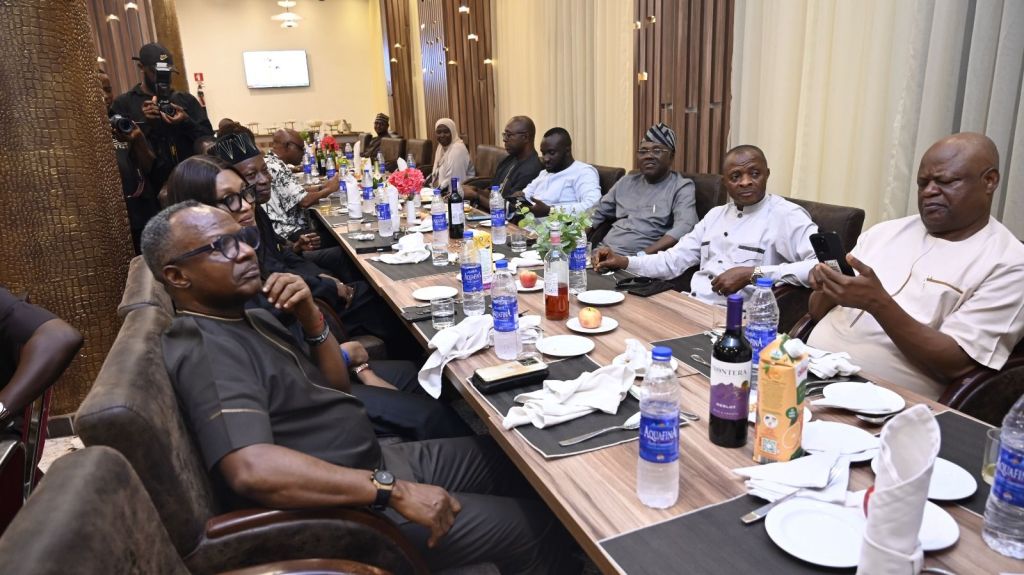
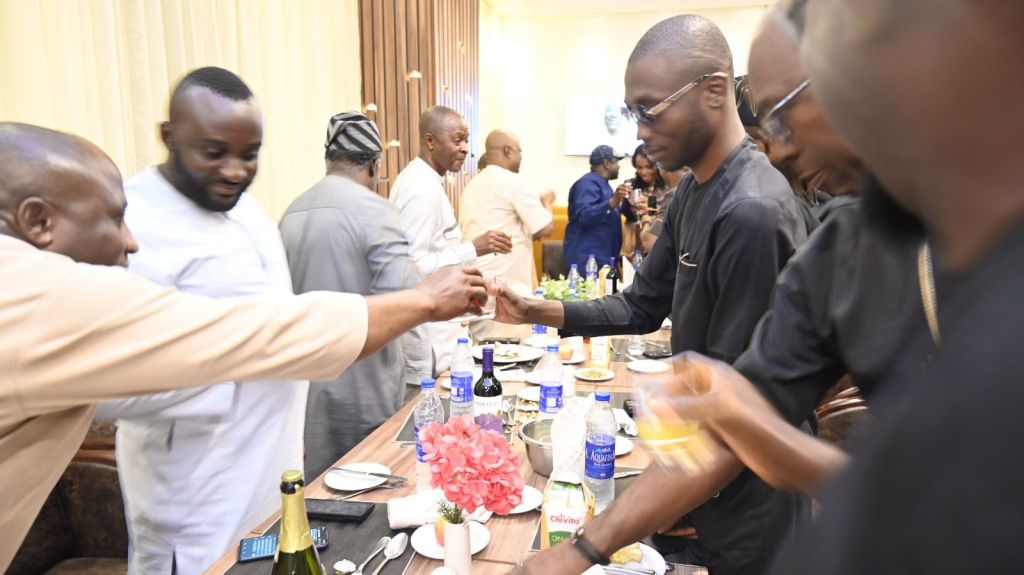
The golden jubilee celebration took place on Tuesday, October 13, 2026, bringing together dignitaries from the commission and other guests from the political, academic and business communities to celebrate the commissioner.

Among the RMAFC officials who attended were Amb. Desmond Akawor, Federal Commissioner representing Rivers State; Amb. (Prof.) Steve Ugba, Federal Commissioner representing Benue State; Hon. Ayuba Ngbako, Federal Commissioner representing the Federal Capital Territory; and Hon. Hauwa Umar Aliyu, Federal Commissioner representing Jigawa State.

Others included Hon. Oti Linda Nkechi, Federal Commissioner representing Abia State; Hon. Akpan Effiong, Federal Commissioner representing Akwa Ibom State; Hon. Hadizatu Mustapha, Federal Commissioner representing Borno State; Hon. Ahmed Waziri Hassan, Federal Commissioner representing Adamawa State; and the Secretary to the Commission, Comrade Tosin Adeyanju.

The gathering provided an opportunity for colleagues and loved ones to celebrate Awuregu’s milestone birthday and reflect on his achievements while wishing him continued success in his personal and professional endeavours.

Guests at the celebration wished the celebrant many more years of good health, fulfilment and impactful service to the nation.

The event underscored the importance of fellowship and professional relationships among members of the commission, as colleagues and associates joined the Ebonyi State representative in marking his golden jubilee.

Defence Ministry Reaffirms Commitment to Technology, Innovation

Minister identifies three operational pillars, highlights Dell Technologies partnership

The Ministry of Defence has reaffirmed its commitment to strengthening Nigeria’s defence capabilities through technological innovation, intelligence-driven operations and strategic partnerships with credible private-sector organisations.

The Honourable Minister of Defence, General Christopher Gwabin Musa (rtd), OFR, stated this during a Dell Technologies programme themed “Innovate with Data,” held on Tuesday, October 13, 2026, at the Transcorp Hilton, Abuja.

According to a press release issued by the Ministry of Defence and signed by its Deputy Director of Information and Public Relations, Enderline Chukwu, the minister was represented at the event by his Senior Special Adviser on Technology and Innovation, Air Vice Marshal Bulus.

The minister explained that the ministry’s vision was anchored on three operational pillars: enhancing joint operational synergy among the Armed Forces, improving the welfare and morale of military personnel, and promoting intelligence-driven, technology-enabled defence operations.

He described the third pillar as particularly critical to positioning Nigeria’s defence sector for the future, noting that contemporary security challenges require the effective integration of technology, intelligence and innovation.

General Musa said the ministry was taking deliberate steps to harness emerging technologies through partnerships with relevant stakeholders, including its collaboration with Dell Technologies to organise a two-day technology workshop.

He noted that the partnership demonstrated the ministry’s commitment to working with credible private-sector organisations with proven global expertise and a strong commitment to local content development.

The minister further emphasised that local participation and indigenous capacity building remained essential to achieving sustainable growth in Nigeria’s defence industry.

He expressed optimism that the knowledge acquired, partnerships established and outcomes generated through the workshop would contribute significantly to strengthening the ministry’s capabilities and advancing the country’s national security objectives.

The programme featured a presentation by Dell Technologies on its solutions and areas of collaboration with the Ministry of Defence.

The presentation highlighted the company’s integrated technology offerings, including unified solutions and end-to-end platforms designed to enable the ministry to respond more swiftly and effectively to operational missions.

The initiative underscores the Ministry of Defence’s commitment to leveraging technological innovation and strategic partnerships to improve operational efficiency and strengthen Nigeria’s capacity to address evolving security challenges.