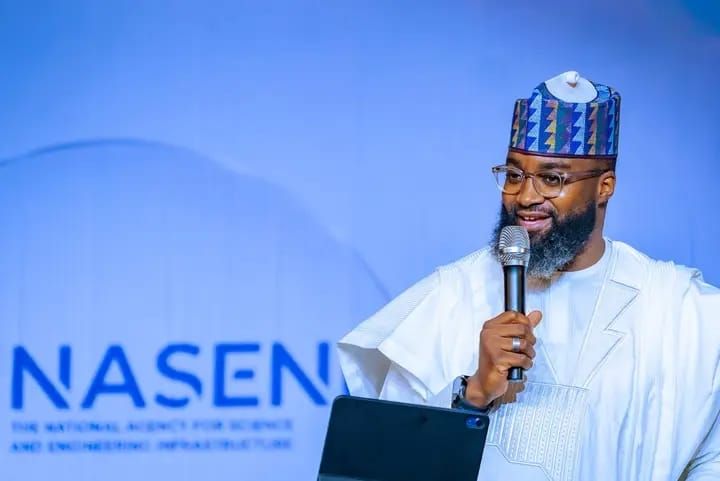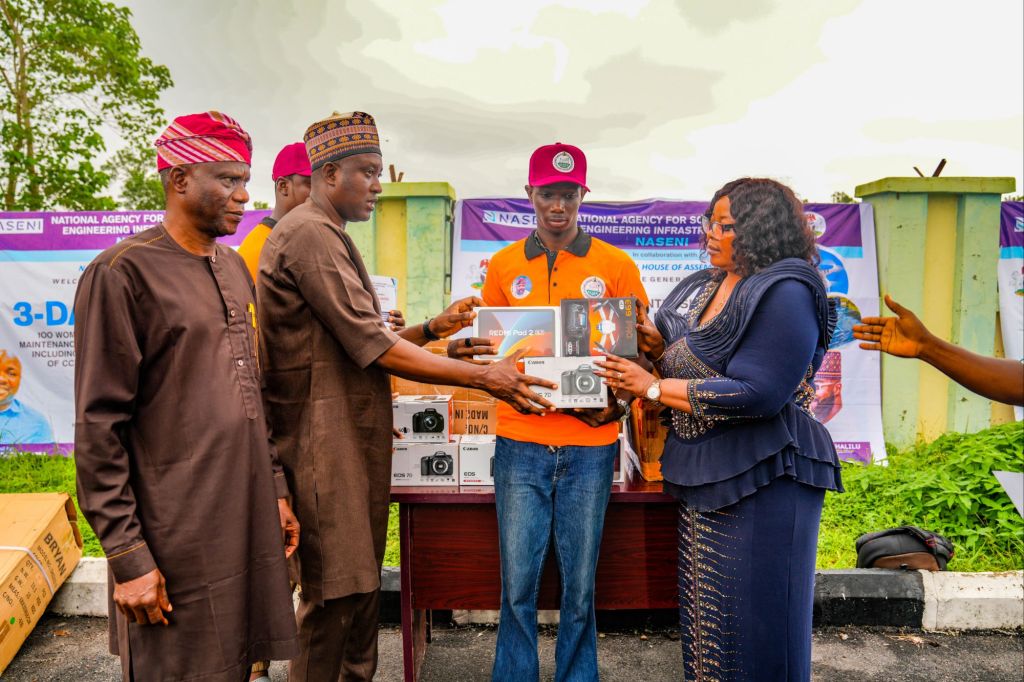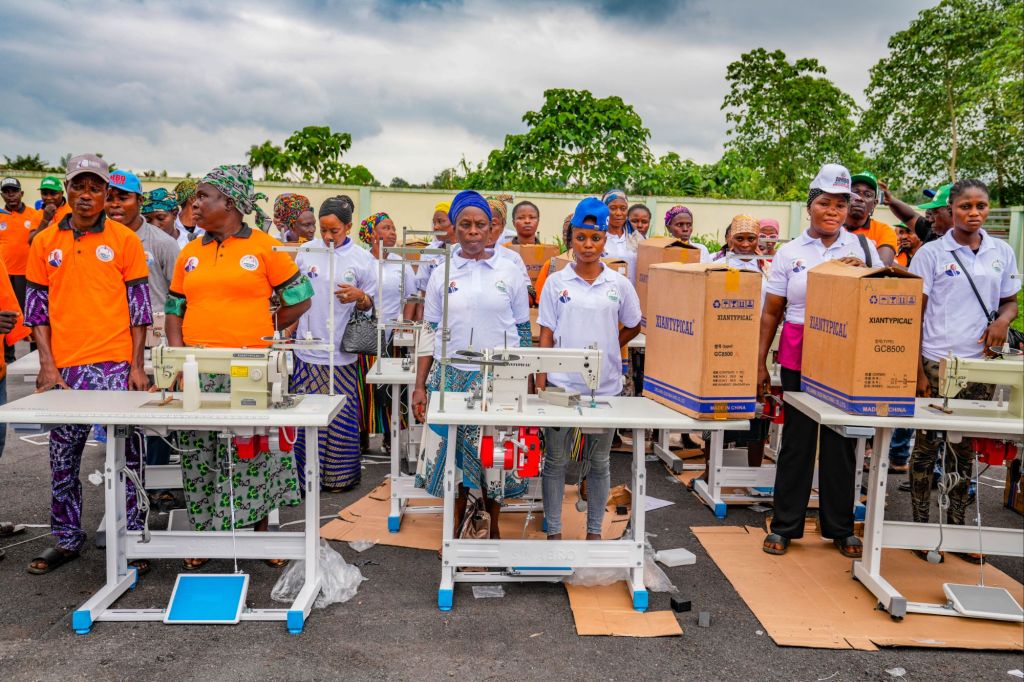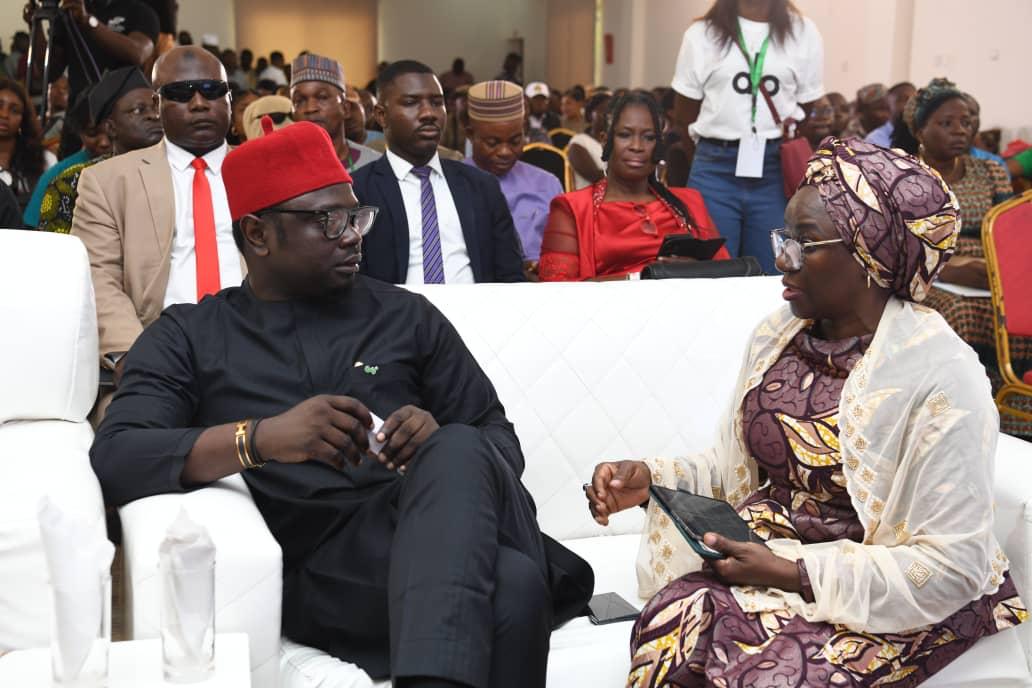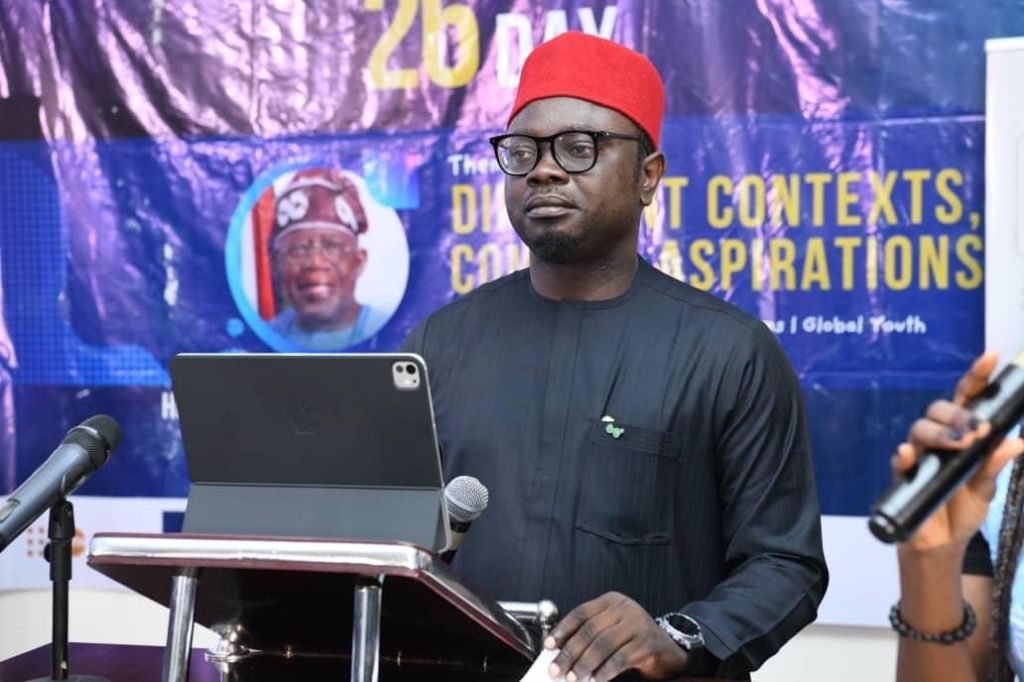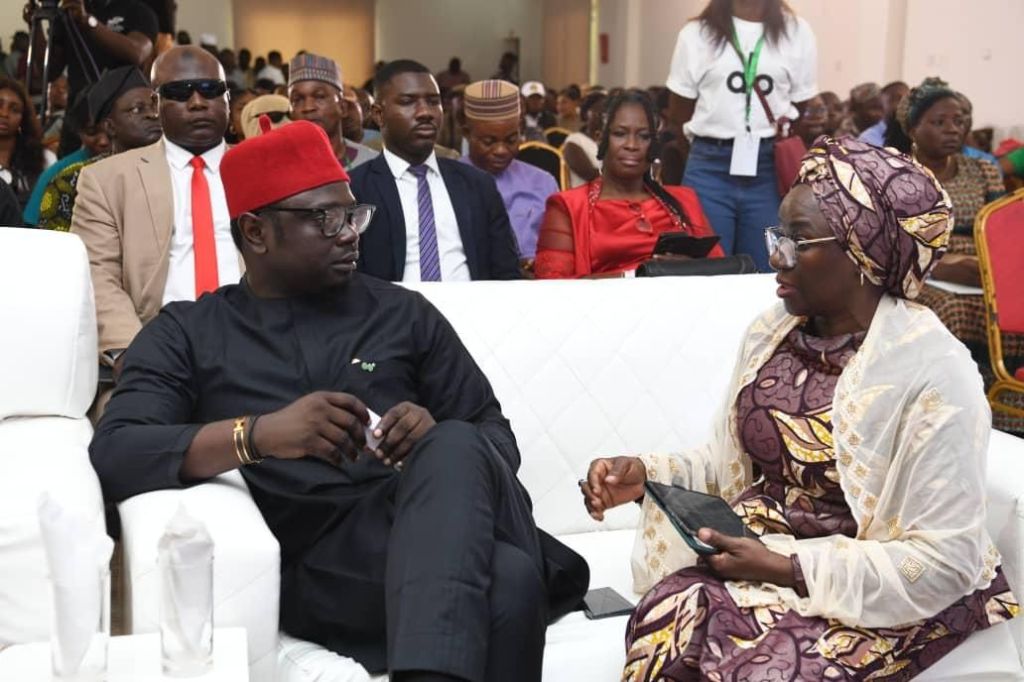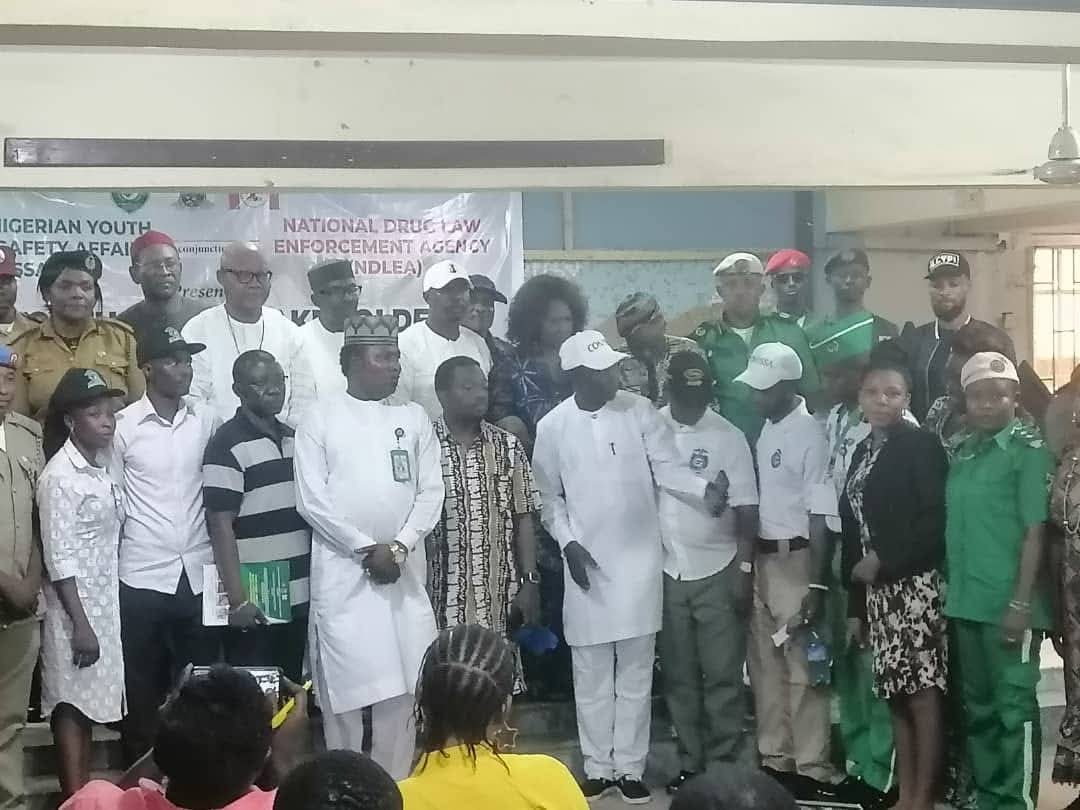
Renowned businessman and philanthropist, Charles Chima Chukwu, has been honoured with the Youth Empowerment & Community Development Leadership Award of Excellence by the Coalition of Nigerian Youth on Security and Safety Affairs (CONYSSA) in recognition of his outstanding contributions to youth development, entrepreneurship and humanitarian service.
The award, presented during the North-East Youth Multi-Stakeholders’ Security Summit on April 2, 2026, celebrated Chukwu’s consistent efforts in creating opportunities for young people, supporting vulnerable communities and driving grassroots development across Nigeria.
Charles Chima Chukwu, a native of Okposi, Ohaozara Local Government Area of Ebonyi State, was born on January 15, 1995. He began his educational journey at Jehovah Shammah Nursery and Primary School, Ojo, before proceeding to Kristal Secondary School, Ojo for his secondary education.
Driven by a passion for learning and excellence, he later gained admission into Tansian University, Umunya, Anambra State, where he studied Accounting.
He also furthered his academic pursuit in 2017 by studying Economics at the University of Nigeria, Nsukka (UNN).
Today, Charles Chima Chukwu is a thriving entrepreneur with interests in furniture production, home interior designs and importation business. He is the Founder and Chief Executive Officer of Shiptanec Ventures Furniture Company and also serves as the Vice President of GSP @ Horeb Constructions Limited, a leading engineering and construction company in Nigeria.
Beyond business, Chukwu has earned admiration for his generous philanthropic footprint, especially in Ebonyi State and Lagos State, where he resides. In his hometown of Isikerenu, Okposi, and within communities in Alimosho, Lagos, he has spearheaded several impactful projects.
These include road rehabilitation, construction of boreholes, installation of streetlights and community support programmes aimed at improving living standards.
He is also known for providing yearly assistance to the poor and less privileged, extending support to orphanage homes around Iba Local Government Area, and offering employment opportunities to youths to help them become financially independent.
Many residents and beneficiaries describe him as a man with a heart for service whose actions continue to transform lives and inspire hope.
With this latest recognition from CONYSSA, Charles Chima Chukwu has further cemented his reputation as a business leader committed not only to profit, but to people, progress and community advancement.
Nigeria has launched a new youth-driven roadmap for transparency and accountability, as the Federal Government unveiled National Action Plan IV (NAP IV) under the Open Government Partnership (OGP), marking the end of the leadership tenure of Minister of Youth Development, Comrade Ayodele Olawande.
The unveiling took place during the 22nd National Steering Committee Meeting in Abuja, where Olawande formally handed over as State Actors Co-Chair of the Nigeria OGP National Steering Committee after overseeing key reforms aimed at promoting openness in governance.
Describing the moment as one of gratitude, reflection and renewed hope, the minister praised stakeholders across government institutions, civil society organisations, the private sector, academia, development partners and citizens for supporting the open governance agenda.
He noted that since 2024, broad consultations were carried out across Nigeria and beyond, giving citizens greater opportunities to shape governance processes.
According to him, the implementation of National Action Plan III recorded notable gains in transparency, accountability, access to information and citizen participation, while also strengthening Nigeria’s voice on the global OGP platform.
Olawande said the newly launched NAP IV represents the aspirations of a younger generation demanding more trust, openness and responsive governance.
The plan contains 12 commitments spread across six strategic areas, including digital governance, justice and human rights, anti-corruption, civic space and climate action.
Group Picture: The Honourable Minister, Federal Ministry of Youth Development, Comrade Ayodele Olawande, the Honourable Minister for Budget and Economic Planning, Senator Abubakar Atiku Bagudu, and members of the Steering Committee, during the handover ceremony at the 22nd Meeting of the Nigeria Open Government Partnership (OGP) National Steering Committee held in Abuja on Friday, 17th April, 2026.
He, however, stressed that the success of the initiative would depend on collective commitment and effective implementation by all stakeholders.
The outgoing co-chair also commended his counterpart, Obialunanma Nnaobi-Ayodele, as well as members of the OGP Secretariat and the 3rd National Steering Committee for their support and dedication.
In his inaugural remarks, the new State Actors Co-Chair and Minister of Budget and Economic Planning, Senator Abubakar Atiku Bagudu, pledged to consolidate on the achievements already recorded.
Bagudu reaffirmed the government’s commitment to stronger collaboration between state and non-state actors, adding that OGP reforms must translate into better governance and improved service delivery for Nigerians.
He identified fiscal transparency, anti-corruption, access to information and efficient public service delivery as priority areas requiring sustained momentum.
Also speaking, the incoming Non-State Actors Co-Chair, Olusoji Apampa, hailed progress made in financial transparency, open contracting, open budgeting and access to information.
He described the reforms as proof that openness in governance delivers practical benefits to citizens and promised to work with the new leadership to deepen reforms nationwide.
The Revenue Mobilisation Allocation and Fiscal Commission (RMAFC) and the Federal Ministry of Interior on Thursday opened high-level talks in Abuja aimed at unlocking fresh investment opportunities, strengthening revenue generation and improving Nigeria’s business environment.
The strategic meeting, led by RMAFC Chairman, Dr. Mohammed Bello Shehu, and Minister of Interior, Dr. Olubunmi Tunji-Ojo, focused on collaboration in investment facilitation, migration governance and national development.
Dr. Shehu said the visit was to seek stronger partnership with the ministry in attracting foreign investors into the country, disclosing that the commission was planning a major oil and gas summit to draw investments into the upstream and downstream sectors.
He noted that RMAFC, as one of the 14 constitutional commissions, is mandated to monitor revenue inflows into the Federation Account, ensure lawful disbursement of funds, review revenue allocation formulas and determine remuneration for political, executive and judicial office holders.
According to him, all legitimate revenue due to the Federation must be properly accounted for and distributed in line with the law.
The chairman also commended agencies under the Ministry of Interior for their support during inter-agency verification exercises and other official assignments, describing such cooperation as vital to accountability and effective governance.
He further praised the reforms being implemented by the ministry, particularly in immigration, civil defence and related agencies.
Responding, Tunji-Ojo welcomed the delegation and described inter-agency collaboration as essential to national progress. “Collaboration is the soul of governance. No institution can succeed in isolation, and our doors remain open to every agency committed to national development,” the minister said.
A cross-section of the RMAFC Members together with the Hon. Minister during the meeting.
He explained that the ministry had prioritised migration management and immigration documentation as tools for economic growth, investor confidence and ease of doing business.
According to him, key processes have been digitised, visa systems simplified, transparency improved and bottlenecks reduced to make Nigeria more attractive to investors.
The minister added that while citizenship matters are strictly guided by the Constitution, investor-friendly residency pathways and long-term lawful stay options could be explored within existing legal provisions to support economic growth.
Earlier, Chairman of RMAFC’s Investment Monitoring Committee and Federal Commissioner representing Anambra State, Hon. Enefe Ekene, said the committee was responsible for oversight of government investments and initiatives targeted at attracting foreign direct investment.
He stressed that a stable, transparent and investor-friendly environment was critical to attracting investors, noting that the Ministry of Interior remained central to efficient migration, residency and business entry systems capable of boosting confidence and national revenue.
Other members of the RMAFC delegation included Hon. Kolade Daniel Abimbola, Federal Commissioner representing Oyo State and Chairman, Inland Revenue Monitoring Committee, as well as Hon. Hauwa Umar Aliyu, Federal Commissioner representing Jigawa State and member of the Investment Committee.
Permanent Secretary of the Ministry of Interior, Dr. Magdalene Ajani, alongside senior officials of the ministry, also attended the meeting.
Both institutions ended the talks with a commitment to deepen cooperation and pursue innovative policies aimed at enhancing revenue generation, attracting investment and advancing national development priorities.
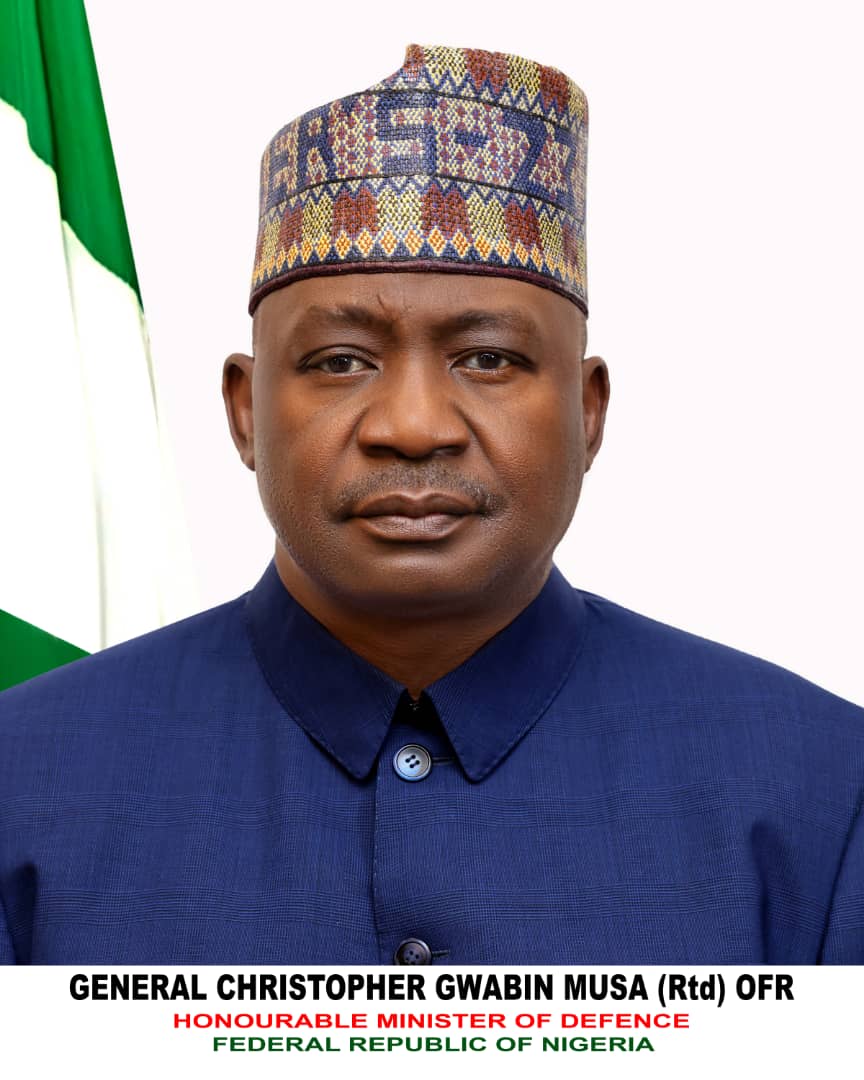
At a time when public opinion is increasingly shaped by viral headlines and fragmented reports, Nigeria’s Armed Forces find themselves battling not only security threats, but also a growing tide of negative perception. In the court of public opinion, isolated incidents are often magnified, while sustained efforts and hard-earned gains fade quietly into the background. The result is a narrative that risks being incomplete and, at times, unfair.
Yet, beyond the criticism and controversy lies a force that continues to shoulder one of the most complex security burdens in Africa. Across multiple theatres of operation, Nigeria’s military remains actively engaged in counterinsurgency, anti-banditry, maritime security, and peace support roles. These are not abstract assignments; they are daily, high-risk engagements that demand courage, discipline, and endurance.
In the North-East, for instance, troops have recorded measurable progress in degrading insurgent capabilities. Several communities once under the control of extremist groups have been reclaimed, allowing displaced residents to begin the difficult journey back to normalcy. While attacks and security breaches still occur and rightly attract concern the broader trajectory reflects sustained pressure on terrorist networks and a gradual restoration of state authority.
Equally significant are the efforts in the maritime domain. The Nigerian Navy has intensified patrols and strengthened surveillance across the country’s territorial waters, contributing to a notable decline in piracy incidents in recent years. This has not only enhanced national security but also improved Nigeria’s standing in global maritime safety rankings an achievement with direct economic implications.
Air power has also become a critical component of Nigeria’s security architecture. The Nigerian Air Force has expanded its operational reach, conducting precision strikes and reconnaissance missions that support ground operations. Investments in new platforms and training have begun to yield results, enabling quicker response times and improved coordination across the services.
Still, these operational successes rarely dominate public discourse. Instead, narratives tend to focus on allegations, setbacks, or institutional challenges issues that, while important, do not represent the entirety of the Armed Forces’ performance. This imbalance has contributed to a perception that often overlooks context and progress.
It is important to be clear: scrutiny of the military is both necessary and healthy in a democratic society. Transparency, accountability, and respect for human rights must remain central to military conduct. However, there is a difference between constructive criticism and a narrative that consistently amplifies the negative while ignoring the positive. The former drives reform, the latter risks eroding trust and undermining morale.
Beyond the battlefield, the Armed Forces continue to play a vital role in supporting civil authorities. From disaster response to election security and public health interventions, military personnel are frequently called upon to assist in times of national need. Their presence in these situations often provides stability and reassurance, particularly in areas where civilian capacity is stretched.
There is also the human dimension one that is too often absent from public conversations. Military service in Nigeria comes with significant personal sacrifice. Soldiers operate in difficult terrains, endure long separations from their families, and face constant exposure to danger. For many, the line between duty and survival is razor-thin. Yet, their stories rarely make headlines unless tragedy strikes.
Internally, the Armed Forces have not remained static. Efforts to improve personnel welfare, upgrade training standards, and strengthen institutional accountability are ongoing. While challenges persist as they do in any large organization there is evidence of gradual reform and adaptation. Recognizing these efforts does not excuse shortcomings; rather, it provides a more balanced understanding of an institution in transition.
The role of the media in shaping perception cannot be overstated. In a fast-paced information environment, the pressure to break news often favours stories that are dramatic or controversial. While such reporting is essential, it should not come at the expense of depth and balance. A more rounded approach one that highlights both achievements and challenges would better serve the public interest.
Public trust in national institutions is not built on silence or blind praise, but on informed engagement. For the Armed Forces, this means telling a more complete story one that acknowledges failures, celebrates successes, and situates both within the broader context of national security realities.
As Nigeria continues to confront evolving threats, the importance of a capable and motivated military cannot be overstated. The men and women in uniform operate under intense pressure, often with limited resources, yet remain committed to their mandate. Their efforts, while not flawless, are far from insignificant.
Reframing the narrative is not about image management; it is about fairness. It is about ensuring that public discourse reflects the full spectrum of reality not just the most visible fragments. In doing so, Nigerians can foster a more constructive relationship with their Armed Forces one grounded in accountability, respect, and a shared commitment to national security.
In the end, the story of Nigeria’s Armed Forces is still being written. It is a story of challenge and change, of setbacks and strides. But above all, it is a story that deserves to be told in full.
In a bid to equip residents with critical emergency response skills, the Association of Nigerian Physicians in the Americas (ANPA) is set to host a STOP THE BLEED Training in Owerri, Imo State, aimed at reducing preventable deaths caused by severe bleeding.
The training, scheduled for April 16, 2026, at 9:00 AM, will take place at the Swiss International Beland Hotel, Owerri. It is designed to empower participants with practical knowledge on how to control life-threatening bleeding in emergency situations before professional medical help arrives.
According to organizers, uncontrolled bleeding remains one of the leading causes of preventable deaths in accidents and trauma cases. The STOP THE BLEED initiative teaches simple but effective techniques such as applying pressure, wound packing, and the use of tourniquets.
Participants will gain hands-on experience and confidence to act decisively during emergencies, potentially saving lives in their communities.
ANPA emphasized the importance of community involvement, urging residents, students, professionals, and community leaders across Imo State to take advantage of the training.
Interested participants are encouraged to register via http://www.anpa.org� as spaces are limited.
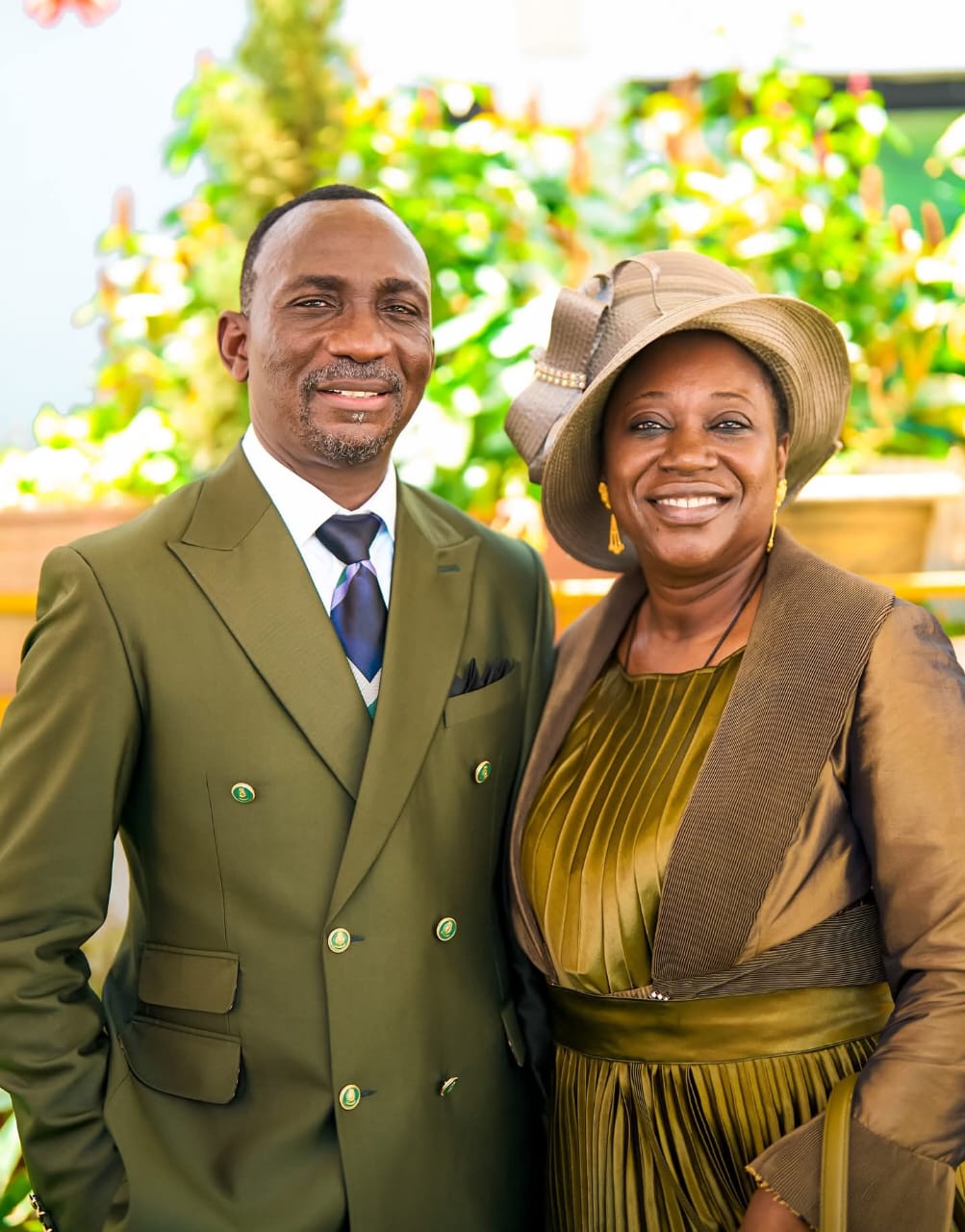
The Presiding Pastor of Master’s Place International, Korede Komaiya, has announced plans to open and dedicate a newly built worship complex, known as MasterCity Dreamland.
The development, described as a major milestone for the church, was disclosed via the cleric’s official platforms, generating excitement among members and partners.
MasterCity Dreamland, a mega structure, consists of two wings of four floors each, fitted with elevators and a central air conditioning system. At the heart of the facility is a 21st-century main auditorium designed to host large congregations.
The dedication ceremony is scheduled for Friday, July 17, 2026, at 11am.
Renowned revered clerics, including Bishop David Oyedepo and Pastor David Ibiyeomie are expected to lead the dedication alongside other ministers.
Speaking on the project, Komaiya said, “The Word of God works. The covenant can never fail.”
He added, “We are grateful to God for His faithfulness. We are now at the finishing stage, as Master’s City Dreamland is a reality. Blessings on all givers and partners.”
According to Komaiya “Join us on Friday, July 17, 2026, by 11am as this magnificent building is opened and dedicated to the glory of God,” he said.
The cleric urged the public to be part of the historic event.
Fresh signals of a possible shake-up at the Fiscal Responsibility Commission emerged as its Acting Chairman, Charles Chukwuemeka Abana, wrapped up a sweeping familiarisation tour that insiders say could redefine the agency’s performance and accountability framework.
The tour, which began shortly after Abana assumed office, took him across all directorates and units of the Commission, ending with strategic visits to the Protocol, SERVICOM, and Audit departments. It was designed to give the new leadership a ground-level understanding of operations, challenges, and institutional gaps.
During the exercise, Abana held extensive engagements with staff across key departments, including Administration and Human Resources, Policy and Standards, Strategic Communications, Planning, Research and Statistics, Monitoring and Evaluation, Legal, Investigation and Enforcement, Finance and Accounts, as well as the Secretariat. The interactions created an open platform for staff to present detailed briefings on their mandates, ongoing projects, and operational constraints.
Observers say the hands-on approach reflects a deliberate effort by the Acting Chairman to build an informed foundation for reform. Throughout the tour, Abana was said to have asked critical questions, identified inefficiencies, and offered practical feedback aimed at strengthening productivity, transparency, and service delivery.
He also stressed the need for stronger inter-departmental collaboration, noting that repositioning the Commission would require a unified and results-driven workforce. Abana reaffirmed his commitment to aligning the agency’s operations with its core mandate of enforcing fiscal discipline and promoting responsible financial management in public institutions.
Staff reactions to the tour have been largely positive, with many describing it as a morale booster and a sign of inclusive leadership. Several employees expressed optimism that the new administration would prioritise long-standing concerns, particularly around staff welfare and remuneration.
Issues such as the implementation of a revised salary structure and improved welfare packages were prominently raised during the engagements, reflecting growing expectations within the workforce.
In response, staff pledged their support for Abana’s vision, assuring management of their readiness to collaborate in driving institutional reforms.
Analysts believe the completion of the familiarisation tour marks a critical first step in Abana’s tenure, potentially setting the stage for a more transparent, accountable, and performance-oriented Fiscal Responsibility Commission.
The Armed Forces of Nigeria (AFN) has reported significant breakthroughs in its nationwide security operations, announcing the neutralisation of several top terrorist commanders, the rescue of over 800 kidnapped victims, and the arrest of more than 1,300 suspects within the first quarter of 2026.
Speaking at a press briefing in Abuja, the Director of Defence Media Operations, Michael Onoja, said the military’s intensified offensives across multiple theatres had dealt a heavy blow to terrorist networks and criminal syndicates operating across the country.
Onoja stated that one of the most notable developments was the confirmed killing of a senior commander of the Islamic State West Africa Province, Abu Yahya Al-Muhajir, a member of the group’s Shura Council, noting that this reflected the increasing pressure being mounted on insurgent leadership structures.
Onoja explained that under Operation HADIN KAI, troops had sustained aggressive assaults on insurgents linked to Boko Haram, ISWAP and other terrorist factions across the North East, leading to the arrest of 274 suspects, rescue of 168 kidnapped victims, and the surrender of 90 insurgents within the quarter.
He further disclosed that in March, precision airstrikes in Sambisa Forest eliminated multiple high-profile terrorist leaders, while coordinated attacks in parts of Borno and Yobe states were successfully repelled.
He added that troops also foiled attempts to infiltrate IDP camps and disrupted logistics supply chains, including fuel smuggling operations intended for terrorist use.
The Defence spokesman noted that in the North West, Operation FANSAN YAMMA recorded the rescue of 386 kidnapped victims and the arrest of 114 suspects, adding that troops dismantled terrorist enclaves, intercepted logistics suppliers, and apprehended a suspected gunrunner transporting ammunition toward Kaduna.
Onoja stated that across the North Central region, operations under SAVANNAH SHIELD and ENDURING PEACE resulted in the neutralisation of terrorist elements, arrests of suspects, and interception of explosive materials.
He added that troops also foiled attacks, rescued abducted civilians, and uncovered sophisticated methods used by criminals to transport ammunition.
According to him, troops operating under Operation DELTA SAFE intensified the crackdown on oil theft in the Niger Delta, dismantling 101 illegal refining sites and recovering over 547,000 litres of stolen petroleum products, while several suspects linked to kidnapping and illegal refining activities were arrested.
Onoja also revealed that operations under UDO KA targeted criminal elements associated with the proscribed Indigenous People of Biafra and its armed wing, leading to the arrest of 91 suspects, rescue of kidnapped victims, and destruction of improvised explosive devices (IEDs) during clearance operations in Imo and Anambra states.
Nationwide Impact Summarising the nationwide impact, Onoja said AFN operations across all theatres led to the rescue of 813 kidnapped civilians, arrest of 1,359 suspects, surrender of 197 insurgents, and recovery of hundreds of weapons and thousands of rounds of ammunition.
He added that the Chief of Defence Staff, Olufemi Oluyede, had commended troops for their resilience and professionalism, while reaffirming the military’s commitment to intensifying operations against terrorism and criminality.
Onoja further urged Nigerians to remain vigilant and continue supporting security agencies with timely intelligence, stressing that public cooperation remained crucial in sustaining the gains recorded so far.
Nigeria’s path to sustainable economic growth lies in harnessing the vast potential of its young population, the Minister of Youth Development, Ayodele Olawande, said on Monday, as he received participants of the Senior Executive Course 48 (SEC 48) of the National Institute of Policy and Strategic Studies in Abuja.
Olawande stressed that young Nigerians are not just a demographic advantage but a strategic asset capable of driving innovation, enterprise, and economic transformation, noting that government policies are increasingly focused on positioning youth at the centre of productivity and wealth creation.
Olawande noted that the Ministry is implementing targeted policies and programmes aimed at empowering youths through entrepreneurship development, digital innovation, skills acquisition, and improved access to finance.
He said the goal is to reposition young Nigerians from the margins of economic participation to the centre of productivity and wealth creation. “We are deliberately strengthening the entrepreneurial ecosystem by building human capital, expanding mentorship networks, and developing sustainable financing mechanisms to help young people start, grow, and scale viable enterprises,” he said.
The Minister added that the study visit by the NIPSS delegation presents an opportunity for meaningful engagement and exchange of ideas that would enrich government’s ongoing efforts at designing responsive and impactful youth development policies.
In her remarks, the Permanent Secretary of the Ministry, Maryam Ismaila Keshinro, said the Ministry remains committed to transitioning Nigerian youths from job seekers to job creators through strategic investments in innovation and capacity development.
She noted that the focus of the Senior Executive Course aligns with the Ministry’s priorities, particularly in advancing youth entrepreneurship and promoting inclusive economic growth.
Keshinro urged members of the delegation to critically engage with the Ministry’s programmes and contribute practical policy recommendations that would further unlock opportunities for young people.
Speaking on behalf of the Director-General of NIPSS, Ayo Omotayo, the Director of Research, Musa Umar, said the institute has continued to play a pivotal role in training strategic leaders and shaping national policy since its establishment in 1979.
He explained that the institute’s flagship Senior Executive Course, which runs for ten months, brings together participants from the public and private sectors, the military, and civil society to deliberate on critical national issues.
Umar added that the focus of SEC 48 on the orange economy and entrepreneurship underscores the central role of young people in Nigeria’s innovation ecosystem and economic transformation. “That is why we are here today. We consider this Ministry critical in discussions around the orange economy and entrepreneurship because young people are at the heart of these sectors,” he said.
Nigeria stands at a defining moment in its digital evolution. For years, we have repeated the familiar phrase that “data is the new oil.” But in a world where information flows faster than institutions can regulate it, where digital systems shape public life, and where citizens depend on technology for everything from healthcare to justice, that statement is no longer sufficient.
The true currency of the digital age is not data, it is trust. And Nigeria is running dangerously low.
As someone who has spent years working at the intersection of digital governance, public safety, and institutional reform, I have seen firsthand how the absence of trust in digital systems undermines national development. Citizens hesitate to adopt government platforms. Businesses fear cyberattacks more than market competition. Public institutions struggle to modernize because the digital infrastructure they rely on is inconsistent, fragmented, or vulnerable.
Nigeria is digitising rapidly, but it is not building the governance architecture required to sustain that transformation. The result is a digital ecosystem that is expanding in scale but not in reliability.
Trust is the foundation of every digital society. It is what allows citizens to share information, businesses to innovate, and governments to function efficiently. But trust cannot be demanded; it must be earned. And it is earned through systems that are secure, transparent, resilient, and accountable.
Nigeria’s digital landscape today is marked by contradictions. On one hand, we have some of the most innovative startups on the continent, a young and dynamic tech workforce, and a growing appetite for digital solutions. On the other hand, we face persistent cyber threats, inconsistent data protection practices, weak institutional coordination, and a regulatory environment that often lags behind technological reality.
This gap between innovation and governance is widening and it is becoming a national risk.
The consequences are already visible. Citizens are increasingly skeptical of digital identity systems. Businesses are reluctant to adopt cloud based solutions because they fear breaches. Government agencies struggle to share data because there is no unified framework for interoperability. Hospitals hesitate to digitise patient records because they lack confidence in the security of their systems. Researchers lose valuable datasets because institutions do not have structured preservation protocols.
These are not isolated challenges. They are symptoms of a deeper structural issue: Nigeria has not yet built a governance model that matches the speed and complexity of its digital transformation.
To move forward, Nigeria must embrace a new paradigm one that treats digital governance not as a technical function but as a national priority. This requires more than infrastructure. It requires leadership, policy coherence, institutional discipline, and a cultural shift in how we think about information. Digital governance must be built on four pillars: security, to protect systems from threats; resilience, to ensure continuity in the face of disruption; transparency, to build public confidence; and accountability, to ensure that institutions uphold the standards they set.
These principles are not abstract. They are the foundation of every successful digital nation. Estonia, Singapore, and South Korea did not become global leaders in digital innovation by accident. They built trust deliberately, systematically, and consistently.
In my work supporting justice sector reforms, strengthening digital systems, and advising institutions on data governance, I have seen how transformative the right frameworks can be. When institutions adopt structured data protection protocols, they reduce operational risks. When agencies implement interoperable systems, they improve service delivery. When organizations treat data as a strategic asset, they unlock new opportunities for innovation.
But these successes must be scaled nationally. Nigeria needs a unified digital governance strategy one that integrates cybersecurity, data protection, digital identity, cloud adoption, and institutional resilience into a coherent national agenda. Without this, our digital progress will remain fragmented and fragile.
The stakes are high. As Nigeria deepens its digital economy, the question is no longer whether we will rely on digital systems we already do. The question is whether those systems will be strong enough to support the weight of national development.
Trust is not built in moments of crisis. It is built through foresight, preparation, and responsible governance. Nigeria must act now, before vulnerabilities become failures and failures become national setbacks.
The future of Nigeria’s digital transformation will not be determined by how much technology we adopt, but by how much trust we can build. And trust is earned through systems that protect citizens, empower institutions, and preserve the integrity of national information. If Nigeria can build that trust, it will not only secure its digital future, but it will also lead Africa into a new era of governance, innovation, and resilience.
Dr Gabriel Akinremi is a cybersecurity and digital transformation policy analyst. He is currently the director of programmes at the Cyber Security Experts Association of Nigeria (CSEAN) and a lecturer at Iconic Open University