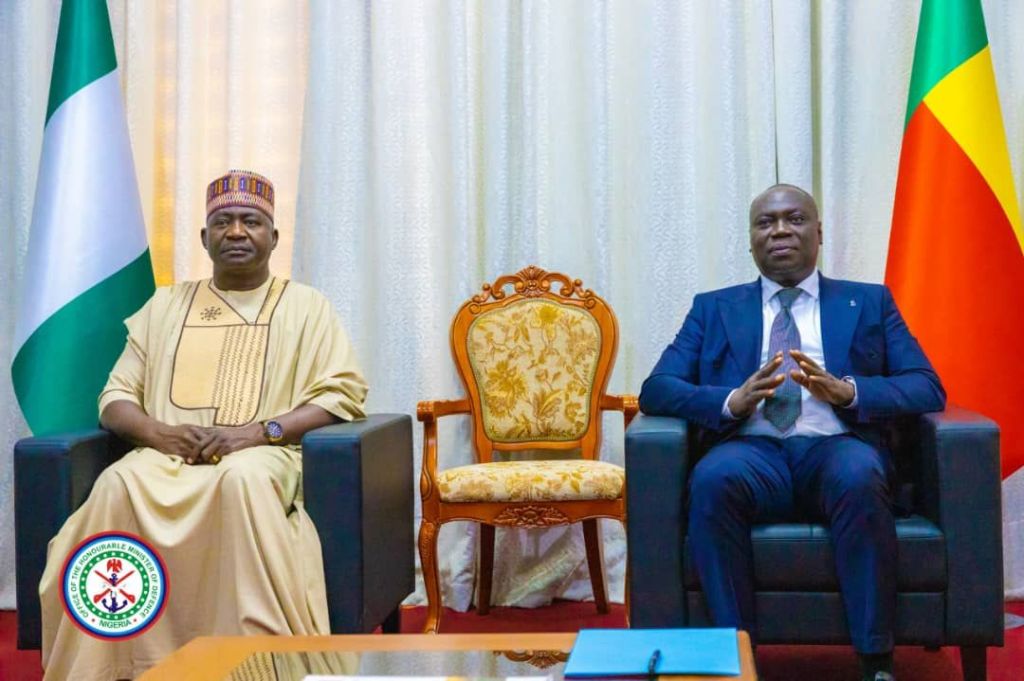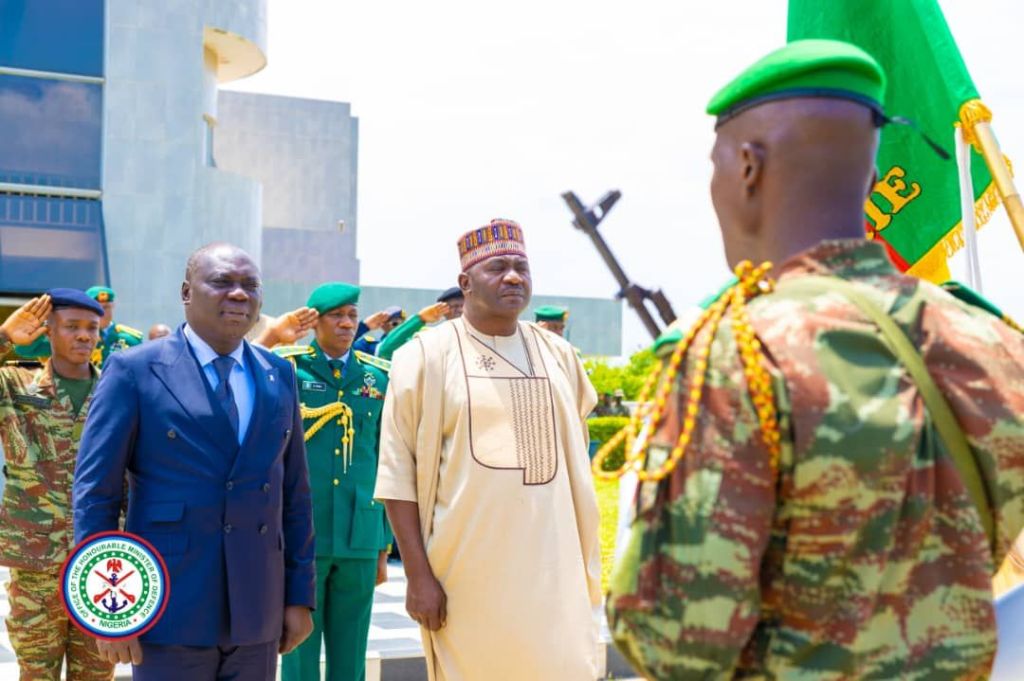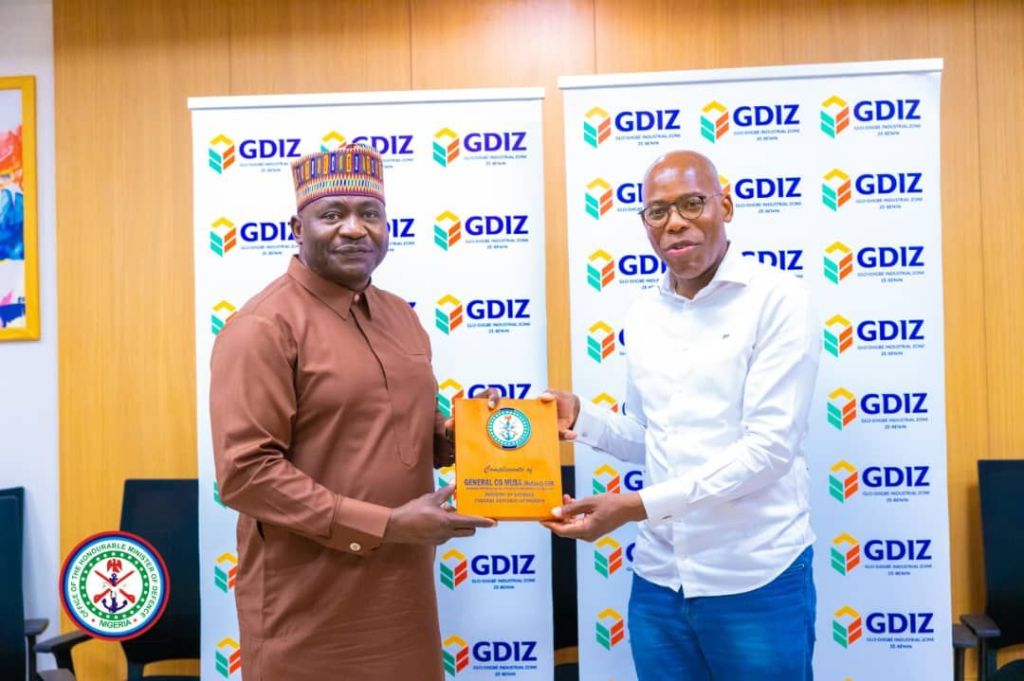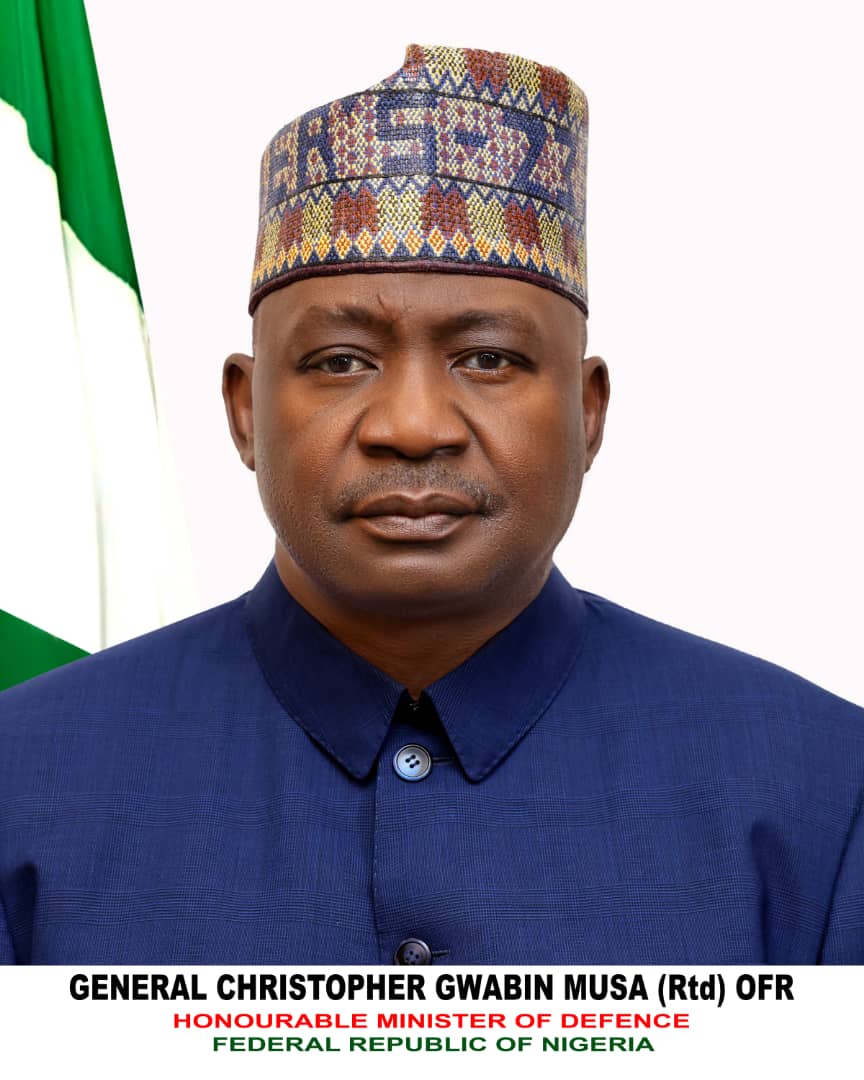
Defence Ministry Goes Paperless As Musa Launches Enterprise Content Management System

Emmanuel Daudu

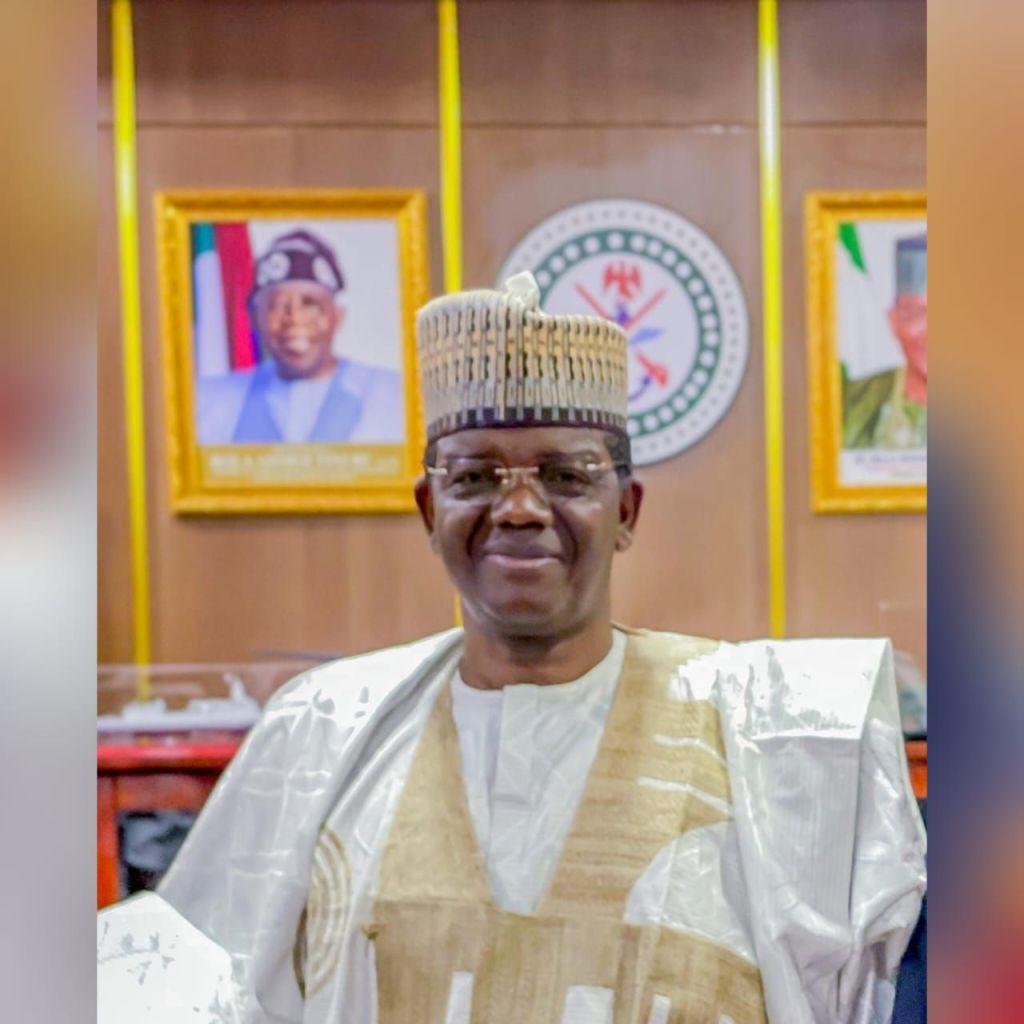
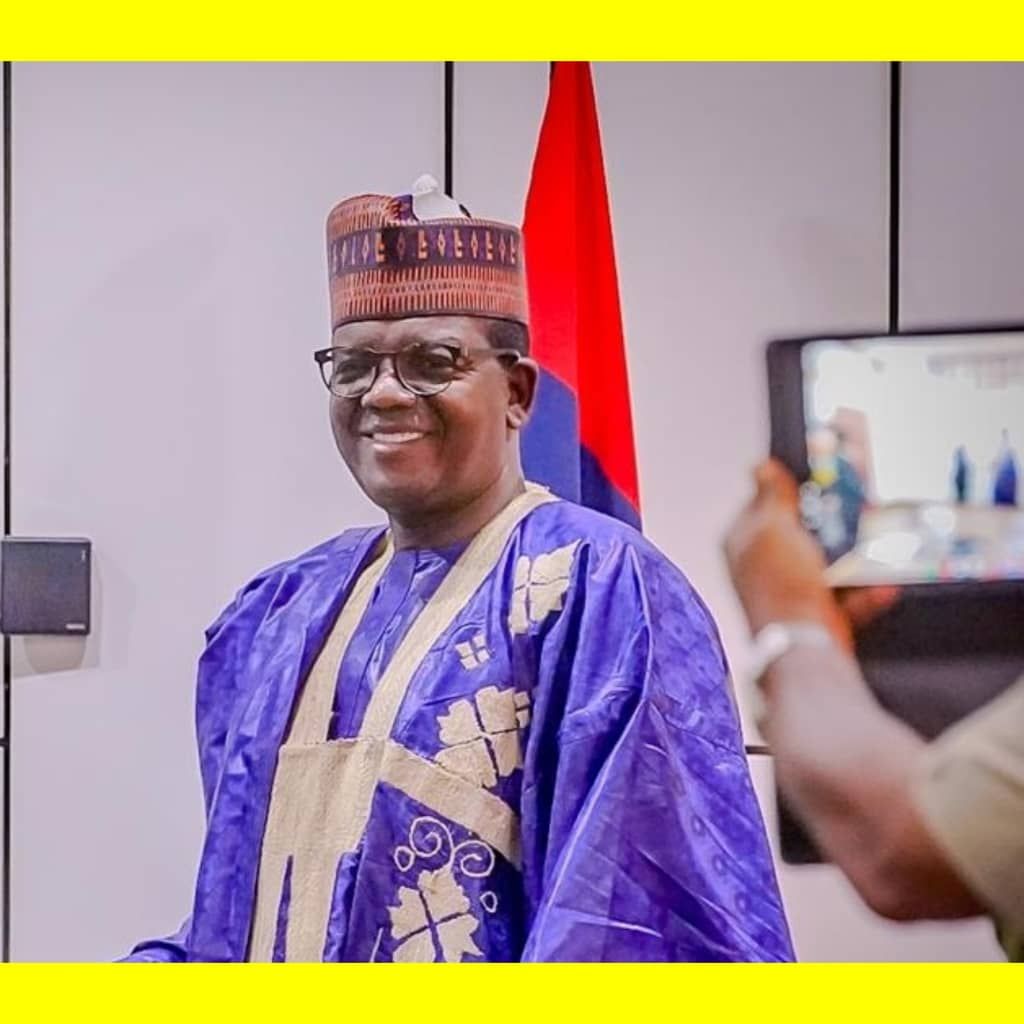
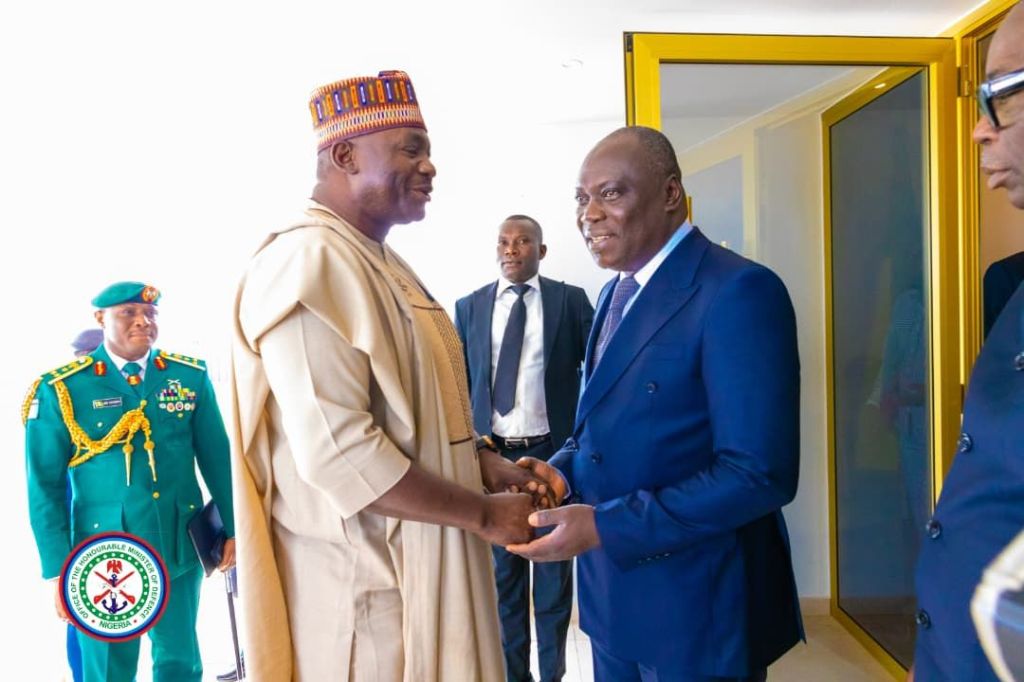
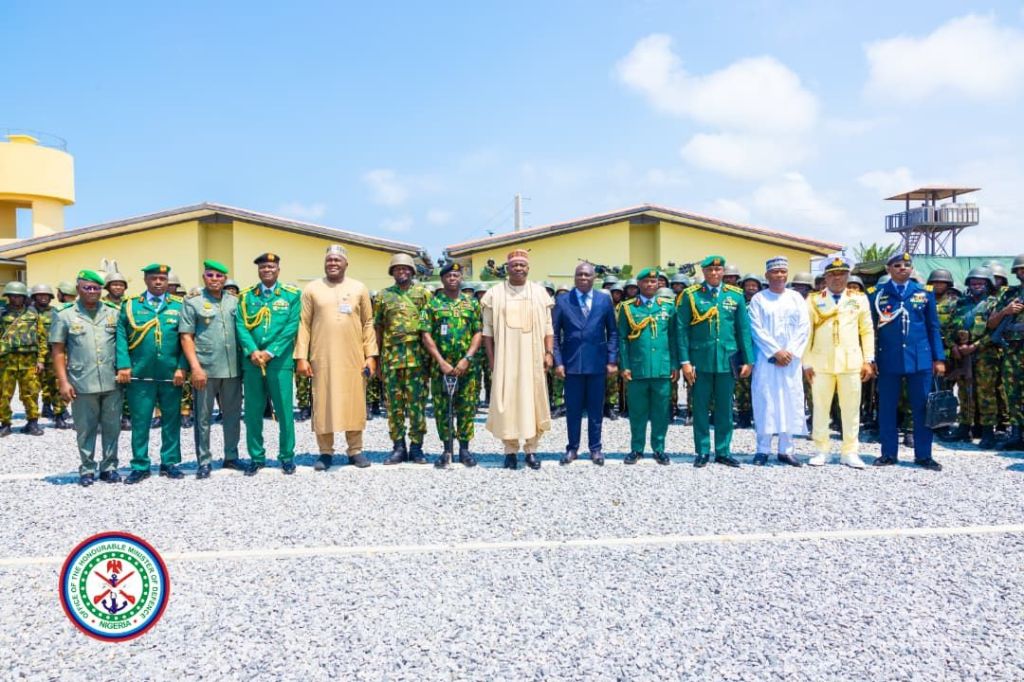
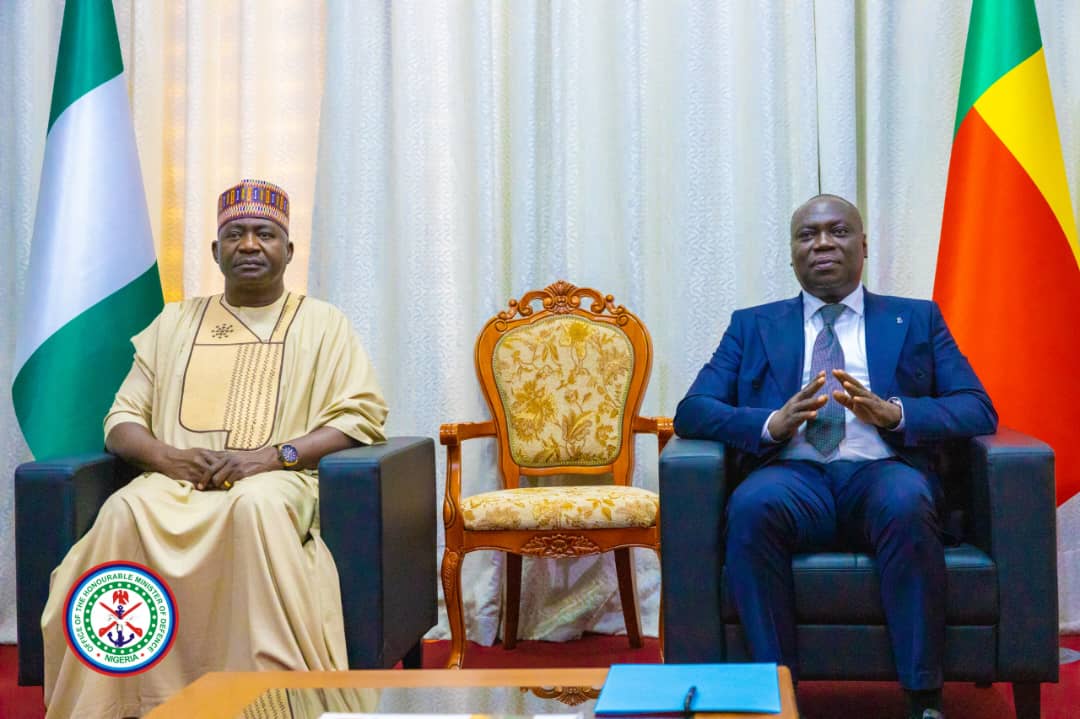
The Minister of Defence, Mohammed Badaru Abubakar, on Tuesday declared an end to the era of physical file handling in the Ministry with the official launch of the Enterprise Content Management System (ECMS), describing the development as the beginning of a new age of digital efficiency.

The Minister, represented by the Permanent Secretary, Mr. Richard Pheelangwa, spoke at the ECMS Go-Live ceremony held on December 23, 2025, at the Ministry of Defence headquarters, Ship House, Abuja.

Musa said the deployment of the ECMS marked a fundamental shift in the way the Ministry conducts its business, stressing that while technology provides the tools, staff dedication remains the key driver of success. He urged management and staff to embrace the new digital work culture with an open mind, noting that the initiative goes beyond software deployment to redefining national security administration.

According to him, the digital transition aligns with President Bola Ahmed Tinubu’s Renewed Hope Agenda, which prioritises digital transformation and bureaucratic efficiency as critical pillars for national development.

He noted that the civil service, as the engine room of government, must be modernised to meet global standards.
The Minister commended the Head of the Civil Service of the Federation, Mrs. Esther Didi Walson-Jack, for her leadership in setting December 31, 2025, as the deadline for all extra-ministerial departments and agencies to go paperless.

He also acknowledged the strategic partnership of Galaxy Backbone and praised the Ministry’s ICT team for ensuring the successful Go-Live of the system.

In her remarks, Mrs. Walson-Jack described the launch of the ECMS as a milestone that would stand the test of time, noting that any initiative that strengthens efficiency, accountability and secure information management within the civil service is welcome. She emphasised that for a ministry such as Defence, whose mandate lies at the core of national sovereignty and security, effective record management is indispensable.

She said the deployment of the ECMS on the 1Government Cloud represents a fundamental change in how government business is conducted, enabling secured digital records, automated workflows, electronic approvals and interoperability across government platforms.

According to her, decision-making will now be driven by timely access to information rather than delayed by the physical movement of files.

The Head of Service added that the development places the Ministry of Defence on track to meet the Federal Government’s directive for full digitalisation by December 31, 2025, and directly supports Pillar Five of the Federal Civil Service Strategy and Implementation Plan 2021–2025, which prioritises digitalisation across MDAs.

Also speaking, the Managing Director and Chief Executive Officer of Galaxy Backbone, Prof. Ibrahim Adeyanju, said the ECMS launch represents a critical step towards improved efficiency, transparency and collaboration within government operations.

He explained that the 1Government Cloud ECMS is a sovereign solution designed to centralise content, enhance document security and equip staff with tools needed for effective service delivery.

Earlier, the Permanent Secretary of the Ministry of Defence, Mr. Richard Pheelangwa, described the launch as a pivotal transition from paper-based processes to a fully digital environment.

He noted that the adoption of the ECMS is strategic, as efficiency in defence administration directly impacts national security.

Pheelangwa added that the collaboration with Galaxy Backbone has strengthened the Ministry’s infrastructure to support the demands of a paperless system, while outlining key benefits of the ECMS to include improved efficiency, cost-effectiveness, transparency and accountability in line with the Renewed Hope Agenda.

Ikeoha Expands Widows’ Day Outreach To Entire Okigwe Zone, Touches Thousands This Christmas

Maryam Aminu

Chief Emmanuel Okewulonu, the Ikeoha Okigwe, has expanded his annual Widows’ Day humanitarian outreach to cover the entire Okigwe Zone, bringing relief and renewed hope to thousands of widows and indigent persons this Christmas season.

The initiative, which holds annually on December 26, is aimed at supporting widows one of the most vulnerable groups in society especially during the festive period when many struggle to afford basic necessities.
Originally launched in Avutu and later extended to Obowo, the Widows’ Day programme has grown steadily over the years.Organisers say the 2025 edition marks a significant milestone with its expansion across all communities in the Okigwe Zone.

According to the Ikeoha Solidarity Forum, this year’s outreach will see the distribution of thousands of clothing materials, bags of rice, pasta, noodles, cooking oil, condiments, cash gifts and other essential relief items to widows and carefully identified indigent persons. The intervention is designed to ease economic hardship and help beneficiaries celebrate Christmas with dignity.

Observers have described the expansion as a reflection of Chief Okewulonu’s enduring commitment to compassion and social responsibility, particularly given that the outreach comes shortly after his participation in a major federal election that reportedly involved substantial financial and personal sacrifices.

Despite the pressures associated with the electoral process, including post-election legal proceedings, Chief Okewulonu has remained resolute in sustaining his humanitarian activities, a gesture that has drawn widespread commendation across the zone.

As preparations heighten ahead of the December 26 event, expectations are high that the outreach will bring joy to many households, lift burdens and brighten the festive season for thousands of beneficiaries.

In a statement, the Ikeoha Solidarity Forum urged individuals, groups and community leaders to emulate the gesture, stressing that collective acts of kindness can make a meaningful difference in society.
“By drawing inspiration from this act of compassion and selflessness, we can all play a role in building more humane and caring communities,” the Forum said.

Venezuela Solidarity Campaign in Nigeria Condemns Alleged U.S. Seizure of Chinese Vessels

Maryam Aminu

The Venezuela Solidarity Campaign in Nigeria has condemned what it described as the seizure of Chinese commercial vessels by the United States within Venezuelan territorial waters, accusing Washington of maritime piracy and violations of international law.
In a statement issued on Saturday, the group said the reported action amounted to “imperial aggression” against the Bolivarian Republic of Venezuela and an infringement on the commercial rights of the People’s Republic of China.

The campaign maintained that Venezuela, as a sovereign nation, has the right to control its territorial waters and engage in lawful trade with any country of its choosing.

According to the group, any unilateral military or coercive action taken without international authorization undermines the United Nations Charter and threatens global peace and stability.

It further alleged that the incident forms part of a broader pattern of economic sanctions, military threats, and coercive measures aimed at Venezuela and its international partners.

The campaign argued that such actions disproportionately affect countries in the Global South and set a dangerous precedent for international relations.

It warned that continued pressure on Venezuela could further destabilize global affairs and harm civilian populations.
The Venezuela Solidarity Campaign in Nigeria called for the immediate release of all seized vessels and crew members, an end to sanctions and military provocations against Venezuela, and international accountability for alleged violations of international law.

It also urged African nations, civil society groups, and pro-sovereignty movements to speak out against what it termed the normalization of maritime coercion and economic warfare. Drawing parallels with Nigeria’s anti-colonial history, the group said African countries have a moral obligation to oppose actions they view as neo-imperialism.

The statement was jointly endorsed by Gerald O. Katchy, National Secretary of the Committee for the Defence of Human Rights; Dimeji Macaulay, Coordinator of the Anti-Fascist Movement; Blessing Yusuf, FCT Chairperson of the Federation of Informal Workers of Nigeria (FIWON); and Abiodun Emmanuel Fayemi, Head of the African Farmers and Agricultural Practitioners (AFAP).

Digital Transformation for the Vulnerable: Why Rural Nigeria Must Not Be Left Behind

By Dr. Gabriel Akinremi

In today’s world, digital transformation is no longer a luxury; it is a necessity. Across the globe, governments are leveraging technology to deliver social protection more efficiently, transparently, and inclusively. Nigeria has taken bold steps in this direction with the expansion of the National Social Register and the push toward a Digital Social Registry. Yet, as we celebrate these milestones, we must confront a sobering reality: rural Nigeria risks being left behind.

The digital divide, the gap between those who have access to modern information and communication technologies and those who do not, is stark in Nigeria. Urban centres like Lagos, Abuja, and Port Harcourt are rapidly embracing digital innovation, while rural communities remain constrained by poor connectivity, limited infrastructure, and low digital literacy. If digital transformation in social protection is to succeed, it must be inclusive. It must reach the farmer in Zamfara, the widow in Ebonyi, and the child in Borno.

Digital transformation in social protection offers immense promise. By digitizing registries, linking them to national identity systems, and integrating them with digital payment platforms, Nigeria can ensure that vulnerable households receive timely and targeted support. Fraud and duplication can be reduced, transparency enhanced, and efficiency improved.

Imagine a system where a rural household is digitally identified, enrolled in a cash transfer programme, and receives funds directly into a mobile wallet. Imagine a mother in a remote village accessing subsidised healthcare because her digital identity is linked to the national health insurance scheme. These are not distant dreams; they are achievable realities if we bridge the digital divide.

Although Rural Nigeria faces unique challenges that make digital transformation difficult, connectivity remains a significant barrier. Many rural communities lack reliable internet access, and even mobile network coverage is patchy. Electricity supply is inconsistent, making it difficult to power devices or maintain digital infrastructure.

Digital literacy is another hurdle. While urban populations are increasingly comfortable with smartphones, apps, and online platforms, many rural residents have limited exposure to digital tools. For them, the idea of registering online or receiving payments through mobile platforms can be intimidating.

Socioeconomic factors compound these challenges. Poverty levels are higher in rural areas, limiting the ability of households to purchase smartphones or data plans. Gender disparities also play a role, with women in rural communities often having less access to digital tools than men.

Leaving rural Nigeria behind in digital transformation is not just unjust; it is counterproductive. Rural communities represent a significant portion of Nigeria’s population. They are home to millions of vulnerable households who stand to benefit most from social protection programmes. If digital systems exclude them, the very purpose of social protection is undermined.

Moreover, exclusion can deepen inequality. Urban populations will continue to benefit from digital innovation, while rural households remain trapped in cycles of poverty. This urban-rural divide can fuel social tensions and weaken national cohesion.

Inclusive digital transformation is therefore not optional; it is essential. It is the only way to ensure that social protection reaches every Nigerian, regardless of geography.
So how do we ensure that rural Nigeria is not left behind? Several strategies can make digital transformation more inclusive

Government and private sector must invest in expanding broadband and mobile network coverage to rural areas. Innovative solutions such as community networks, satellite internet, and solar-powered base stations can help overcome infrastructural challenges. Public-private partnerships will be key to financing and sustaining these initiatives.
Digital literacy programmes must be rolled out in rural communities. These can be delivered through schools, community centers, and local NGOs. Training should be practical, focusing on how to use mobile phones, access digital services, and protect personal data. Women and youth should be prioritized to ensure inclusivity.
Mobile phones are the most accessible digital tools in rural Nigeria. Social protection programmes should be designed to work seamlessly with mobile platforms. Mobile wallets, USSD codes, and SMS-based services can enable households to access benefits without needing smartphones or internet access.

Trust is critical. Rural households must believe that digital systems are designed to serve them. Clear communication, transparency, and visible results will build confidence. Data protection laws must be enforced to reassure citizens that their information is safe.

Local governments, traditional leaders, and community-based organizations must be involved in designing and implementing digital social protection programmes. Their participation will ensure that initiatives reflect local realities and gain community acceptance.

Policies must explicitly prioritize rural inclusion. Targets should be set for rural connectivity, digital literacy, and enrolment in digital social protection programmes. Monitoring and evaluation frameworks should track progress and identify gaps.

Therefore, the Nigerian government can learn from countries that have successfully bridged the digital divide in social protection. India’s Aadhaar system, for example, has enrolled over a billion citizens, including rural populations, by leveraging mobile technology and community outreach. Kenya’s M-Pesa has revolutionised financial inclusion by enabling mobile payments in rural areas.

These examples show that with the right policies, investments, and partnerships, rural inclusion is possible. Nigeria must adapt these lessons to its unique context, ensuring that solutions are culturally appropriate and locally sustainable.

Innovation will be critical in bridging the digital divide. Emerging technologies such as artificial intelligence can help identify vulnerable households more accurately. Blockchain can enhance transparency in cash transfers. Solar-powered devices can overcome electricity challenges.

Nigeria’s vibrant tech ecosystem has the capacity to develop solutions tailored to rural realities. Startups, universities, and research institutions should be encouraged to innovate in the field of digital social protection.
Digital transformation in social protection is Nigeria’s opportunity to build a more inclusive and equitable society. But this opportunity will be squandered if rural Nigeria is left behind. The farmer in Zamfara, the widow in Ebonyi, and the alumajiri child in Borno must be at the centre of our digital agenda.

Bridging the digital divide requires investment, innovation, and inclusive policies. It requires partnerships between the government, the private sector, civil society, and local communities. Most importantly, it requires a commitment to justice a recognition that every Nigerian, regardless of geography, deserves access to social protection.

Nigeria’s future depends on how we manage this transition. If we succeed, digital transformation will not only modernise our social protection systems; it will empower millions of vulnerable households, strengthen national cohesion, and drive inclusive growth. If we fail, the digital divide will deepen inequality and undermine our development goals.

The choice is ours. Our government needs to ensure inclusion. Let us ensure that rural Nigeria is not left behind.

Digital Violence Is Real Violence: Re-writing Safety, Power, and Accountability in the Digital Age – Gabriel Akinremi, PhD

As Nigeria deepens its push towards digital transformation, a new and dangerous frontier of gender-based violence has emerged, one that lawmakers, regulators, and technology companies have not adequately confronted. Digital violence, once dismissed as “harmless online behaviour,” now threatens the safety, participation, and dignity of women and girls across the country.

Yet, as global conversations intensify under the theme “Digital violence is real violence. It is a declaration that the harm inflicted through the screen has crossed the boundaries of anonymity, geography, and time. It is a reminder that despite the promise of technology, the digital world has become the newest frontier for gendered harm, echoing and sometimes amplifying centuries old inequities.
Therefore, there is #NoExcuse for online abuse. One truth is becoming impossible to ignore: the harm women face online is no less real and often more far-reaching than the violence they endure offline.

Based on my experience in digital governance, cybersecurity, and national information systems, I have seen how technology amplifies existing inequalities. For many Nigerian women, social media, messaging platforms, and even workplace digital tools have become unsafe spaces, filled with harassment, impersonation, threats, sextortion, deepfake abuse, and cyberstalking.

Victims withdraw from online learning, political discourse, job opportunities, entrepreneurship, and public engagement. Some change their phone numbers repeatedly. Others abandon professional platforms entirely.

Digital violence does not end when the device locks. It travels into women’s careers, mental health, family life, and sense of safety.

Despite rising case numbers documented by civil society organisations, Nigeria’s current legal and policy frameworks remain inadequate. Digital violence sits at the intersection of cybersecurity, digital rights, justice, and national development but is treated as an afterthought.

If Nigeria expects women to participate meaningfully in Politics, Digital entrepreneurship, Public leadership, STEM fields, Journalism, and Civic advocacy, then digital safety must be a national priority.

Technology does not create misogyny; it multiplies it. Without robust safeguards, online spaces will continue to reproduce the very power structures Nigeria claims it is trying to dismantle.

Beyond harassment and bullying, more sophisticated threats are emerging, such as Deepfake blackmail of young girls and public figures, AI generated sexual content used for intimidation, Non-consensual image circulation, and Data-driven targeting of women activists and Algorithmic bias that exposes women to harmful content.

These tools make abuse easier, anonymity stronger, and evidence harder to track leaving victims with fewer options for justice.

As a digital transformation specialist, I believe Nigeria must urgently update its cybercrime, digital rights, and data protection frameworks to address this new reality. The current pace of reform does not match the velocity of technological harm.

To protect women and strengthen trust in our digital ecosystem, Nigeria must commit to Gender responsive digital policy reforms. Laws must explicitly recognise digital violence as a prosecutable form of gender-based violence, and provide better investigative capacity for law enforcement. Cyberstalking and extortion cases fail because many investigators lack the tools and training to trace digital trails. Therefore, there must be Stronger accountability for tech platforms operating in Nigeria. Companies must respond more quickly to reports and make their safety algorithms more transparent. While we will put in place National digital safety education in Schools, workplaces, and communities, digital safety should be treated as an essential life skill, not optional knowledge.

Survivor centred reporting and redress systems. Victims must have quick, stigma-free channels to report cases and seek justice. Nigeria cannot continue to build its digital economy on unsafe foundations.
The fight against digital violence is not merely about punishing offenders; it is about protecting women’s voices, opportunities, and freedom to participate in a digital Nigeria.
A society where women are shamed, threatened, or blackmailed into silence cannot innovate.

A digital economy that exposes half its population to violence cannot grow sustainably.

A nation that ignores online abuse undermines its own democratic future.

If we are bold enough, technology can become a pathway to equity, not a weapon of oppression. But that future will only emerge if Nigeria acknowledges a simple truth. Digital violence is real violence, and there is absolutely #NoExcuse.

Youth Empowerment at the Forefront as Kano Hosts North-West Security Summit

Maryam Aminu

Kano State on Wednesday highlighted the critical link between youth engagement and regional security as it hosted the North-West Multi-Stakeholders Security Summit, convening government officials, security agencies, community leaders, and youth representatives.

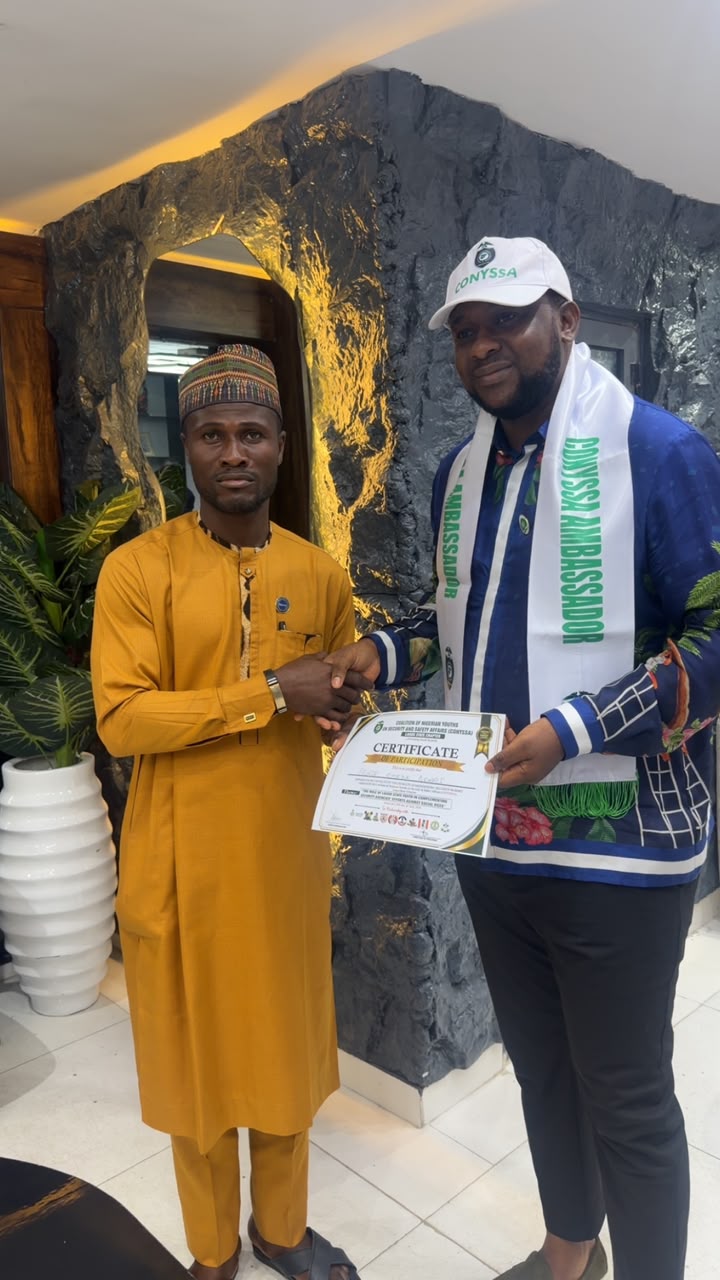
The summit, organised by the Coalition of Nigerian Youths on Security and Safety Affairs (CONYSSA) in partnership with the Federal Ministry of Youth Development, was designed not only to address insecurity but also to spotlight the role of young people as catalysts for peace and development.

Governor Abba Kabir Yusuf, who was honoured with the Outstanding Leadership Award and decorated as an Icon of Security Ambassador, urged youths to channel their energy into productive ventures, skills acquisition, and entrepreneurship, stressing that sustainable security begins with empowered citizens.
“Youths are the backbone of our communities. When they are engaged positively, we see a dramatic reduction in crime and social vices. The government is committed to creating opportunities, and young people must seize them,” Governor Yusuf said.

Ambassador Ade-Mario Emmanuel, Director-General of CONYSSA, reinforced this view, calling for stronger government support for both youth initiatives and security agencies.

He argued that well-empowered youths are less likely to be drawn into criminal networks and more likely to contribute to social stability.
The summit also featured contributions from security agencies, including the NDLEA and EFCC, who emphasised partnerships with credible organisations to curb drug abuse and financial crimes, two key drivers of insecurity among young people.

A keynote lecture on “Security Challenges in Northern Nigeria” by security consultant Dr. Yahuza Getso, represented by Mr. Ahmad Rufai, highlighted the need for sustained collaboration between government, communities, and youths to achieve long-term peace.

By shifting the conversation from enforcement alone to youth inclusion and empowerment, Kano State’s summit underscored a growing recognition that the solution to insecurity in the North-West lies not just in policing but in preparing young people for meaningful roles in society.

Uba Sani Signals Readiness to Implement Full Local Government Autonomy in Kaduna

Maryam Aminu

Kaduna State Governor, Senator Uba Sani, has indicated readiness to implement full local government autonomy in line with the July 2024 Supreme Court judgment mandating direct allocation of statutory funds to local councils across Nigeria.
The Supreme Court ruling directed that allocations meant for local governments should be paid directly to the councils, rather than routed through state governments.

President Bola Tinubu has repeatedly urged governors to comply fully with the judgment, describing local government autonomy as critical to deepening democracy and improving grassroots development.


Speaking at the All Progressives Congress (APC) National Caucus meeting in Abuja earlier this week, President Tinubu reaffirmed the federal government’s position on the issue.
“There is no autonomy without a funded mandate,” the President said.

“We’ll give them their money directly. That’s the truth.”

Governor Sani’s stance places Kaduna among states signalling early alignment with the federal government’s push for fiscal and administrative independence at the local government level.

Officials within the Kaduna State Government say strengthening local councils would improve service delivery, particularly in education, healthcare and rural development, areas often affected by limited funding and centralised control.

The state’s Deputy Governor, Dr. Hadiza Balarabe, recently underscored the importance of empowered local governments while speaking at a governance conference in Kaduna. She noted that Nigeria’s democracy cannot function optimally without accountable and effective leadership at the grassroots.
“Nigeria’s democracy cannot thrive without competent, legitimate and accountable governance at the grassroots,” Balarabe said, adding that well-resourced local councils are essential for sustainable development and alignment with the federal reform agenda.

Governance and public finance experts have also weighed in on the reform. Dr. Emeka Okwuosa, a public finance specialist at the Centre for Fiscal Studies, said direct allocation of funds would give local councils greater capacity to plan and execute development initiatives without undue interference.
According to him, local government autonomy represents “a significant step toward strengthening accountability and democratic governance at the grassroots.”

However, analysts have cautioned that autonomy must be matched with stronger financial management and oversight frameworks.

Prof. Amina Rufai of the Nigerian Institute of Policy Analysis warned that capacity gaps at the local level could limit the impact of direct funding if not addressed.
“Local governments need robust financial management and accountability systems. Without them, direct allocations may not translate into meaningful development,” she said.
President Tinubu’s administration has maintained that empowering local governments remains a key pillar of its governance reforms. Minister of Information and National Orientation, Mohammed Idris, has described local council autonomy as essential to accelerating development and deepening democratic participation at the community level.

As discussions around implementation continue nationwide, Governor Sani’s position is being closely watched as states respond to the Supreme Court ruling and growing federal pressure for compliance.
The coming weeks are expected to shape how quickly the reform moves from policy declaration to practical implementation across Nigeria’s 774 local government areas.

ODA Abuja Branch Closes 2025 in Grand Style, Honours Distinguished Leaders

Maryam Aminu

The Obowu Development Association (ODA), Abuja Branch, on Sunday hosted a colourful End-of-Year and Award-Giving Ceremony at the Obowu Hall, Gwarinmpa, Abuja, bringing together distinguished personalities, community leaders and stakeholders from Obowu and beyond to celebrate unity, service and progress.

In his welcome address, the President of ODA Abuja Branch, Ichie Bede O. Anyanwu (Mayor), expressed deep appreciation to members for their unwavering support since the inauguration of the current executive in March 2024, despite prevailing economic challenges.

He highlighted key achievements of the administration, including strengthened welfare initiatives, improved security and facilities at the ODA Hall, a constitution review focused on members’ welfare, effective dispute resolution through the Ombudsman Committee, and sustained engagement with town unions and affiliate bodies.

The ceremony also served as a platform to recognise excellence and dedicated service. Ambassador Timothy Ihemadu was specially honoured for his appointment in the oil and gas sector, while Hon. Chief Barr. Victor Muruako, Esq., Executive Chairman of the Fiscal Responsibility Commission, received an award for his outstanding contributions to the empowerment and advancement of Obowu sons and daughters, particularly in employment and education. Chief Dr. Cliff Ogbede, Executive Director, South East Development Commission, and Engr. Goddy Nwokorie were also recognised for their leadership excellence and commitment to community development.

The event attracted several eminent personalities, including Baa Jaffa Nwosu, OON; Chief Chika Okafor; Gen. Okey Ugoh (Rtd); Gen. Dr. Ikechukwu Okeke (Rtd); Chief Chris Uwadoka, PhD; Dr. Charles Okafor; and His Royal Highness, Igwe Ezenwa Anyanwu, Eze Igbo II of Karu, Abuja, among others. Their presence underscored the unity, strength and growing influence of the Obowu community in the Federal Capital Territory.

Looking ahead, the ODA Abuja leadership unveiled key priorities for 2026, including the convening of an ODA Consultative Forum to address rising insecurity, the launch of a social responsibility initiative to support the education of vulnerable members, and urgent structural reinforcement of the ODA Hall to preserve it as a lasting legacy for future generations.

Chaired by Mr. and Mrs. Raymond Nwagwu, and anchored by Harrison Onyemjoro (Obi Ego) and Okonkwo Chinyere Ujunwa of the Voice of Nigeria, the ceremony provided a fitting and celebratory close to the year marked by unity, gratitude, recognition and renewed commitment to the development of Obowu.

The 2025 End-of-Year celebration once again reaffirmed the ODA Abuja Branch as a vibrant, forward-looking association, united in purpose and resolute in advancing the collective interests of Obowu people wherever they reside.

Security Is a Collective Responsibility- Matawalle Reaffirms Collaborative Approach

Emmanuel Daudu

The Minister of State for Defence, His Excellency Dr. Bello Matawalle, MON, has reiterated that ensuring national security is a shared responsibility that requires the active participation of citizens, communities and all relevant stakeholders.

Dr. Matawalle made this assertion on Tuesday, December 16, 2025, when members of the National Forum of Former Legislators paid him a courtesy visit at the Ministry of Defence headquarters, Ship House, Abuja.

According to the Minister, safeguarding the nation goes beyond the efforts of the Ministry of Defence and the Armed Forces alone, stressing that public cooperation, timely intelligence sharing and community vigilance are critical to addressing Nigeria’s security challenges. He noted that managing national security has become increasingly complex due to evolving threats across different parts of the country.

“While public concerns and criticisms are understandable in a democratic society, it is important to situate these challenges within their proper historical and operational context,” Matawalle said.

He explained that under the current administration, the Ministry of Defence, in collaboration with the Armed Forces and other security agencies, has continued to confront security threats through renewed strategies, enhanced inter-agency cooperation, sustained operations and capacity building, all aimed at protecting lives and securing communities.

The Minister further reaffirmed the Federal Government’s commitment to strengthening national security through sustained collaboration between the Executive and Legislative arms of government.

He emphasized that addressing Nigeria’s security challenges requires a holistic approach that combines kinetic operations with non-kinetic strategies such as intelligence sharing and effective legislative oversight.

Matawalle also underscored the importance of leveraging the experience and institutional knowledge of former legislators in shaping policies that promote peace, stability and national cohesion.

He commended the forum for its continued interest in national security issues and assured members of the Ministry’s readiness to work closely with them and other relevant institutions to ensure a safer Nigeria.

Earlier, the leader of the delegation, Honourable Raphael Nnanna Ibekwe, said the visit was to identify with the Ministry of Defence and commend its efforts despite the challenges it faces. He acknowledged that security is a collective responsibility and used the opportunity to call on Nigerians to support the government and security agencies in tackling emerging threats.

Ibekwe urged the Ministry to remain focused on delivering the President’s agenda and pledged the forum’s support, particularly in the area of non-kinetic approaches. He noted that the forum comprises experienced hands, including security experts, who are willing to assist in making Nigeria more secure.

He also encouraged the Minister of State for Defence to remain steadfast, adding that the forum’s visit was to show solidarity and confidence in his leadership, given his track record and credentials.

Youth Ministry Goes Fully Digital, Launches Paperless System Ahead of Federal Deadline

Maryam Aminu

In a bold step towards modern governance, the Federal Ministry of Youth Development has officially launched its Enterprise Content Management System (ECMS), positioning the Ministry at the forefront of the Federal Government’s transition to a fully paperless civil service.

The launch, held in Abuja, comes ahead of the December 31, 2025 deadline set by the Head of the Civil Service of the Federation for all Ministries, Departments and Agencies (MDAs) to migrate to digital operations, marking a significant milestone in public sector reform.

Speaking at the event, the Honourable Minister of Youth Development, Comrade Ayodele Olawande, described the ECMS deployed in partnership with Galaxy Backbone Limited as a game-changing platform designed to boost efficiency, transparency, record management and service delivery across the Ministry.

According to the Minister, the system represents more than a technological upgrade. “This is a fundamental shift in our work culture. Moving from manual processes to seamless digital workflows will accelerate decision-making and strengthen accountability in the delivery of youth-focused programmes,” he said.

Represented by the Permanent Secretary, Dr. Maryam Keshinro, Comrade Olawande underscored the critical role of staff in driving the success of the initiative, urging them to fully embrace the system as a tool to reduce clerical burdens while enhancing creativity, monitoring and youth engagement.

The Head of the Civil Service of the Federation, Mrs. Didi Esther Walson-Jack, hailed the ECMS launch as a major boost to the Federal Government’s public service reform agenda. She noted that the adoption of paperless systems is central to building a modern, responsive and results-driven civil service.

“The Ministry of Youth Development has demonstrated commendable leadership by embracing this reform. A paperless civil service will improve efficiency, professionalism and service delivery,” Mrs. Walson-Jack stated.

She added that the system is expected to cut operational costs, eliminate delays caused by physical files, promote environmental sustainability and enhance services to Nigerian youth. The initiative, she noted, aligns with Pillar 5 of the Federal Civil Service Strategy and Implementation Plan (2021–2025) and supports the President’s Renewed Hope Agenda.

Also speaking, the Managing Director and Chief Executive Officer of Galaxy Backbone Limited, Professor Ibrahim Adeyanju represented by Hon. Olusegun Olulade, Executive Director of Customer Centricity and Marketing described the Ministry’s onboarding onto the One Government Cloud (OneGov) Platform as a critical step in the nation’s digital transformation journey.

He commended the Ministry’s leadership for embracing innovation and reaffirmed Galaxy Backbone’s commitment to providing sustained technical support to build a more effective, inclusive and future-ready public service.

With the ECMS now in operation, the Federal Ministry of Youth Development has signaled its readiness to lead by example in Nigeria’s march towards a digitally driven and efficient public sector.