Maryam Aminu
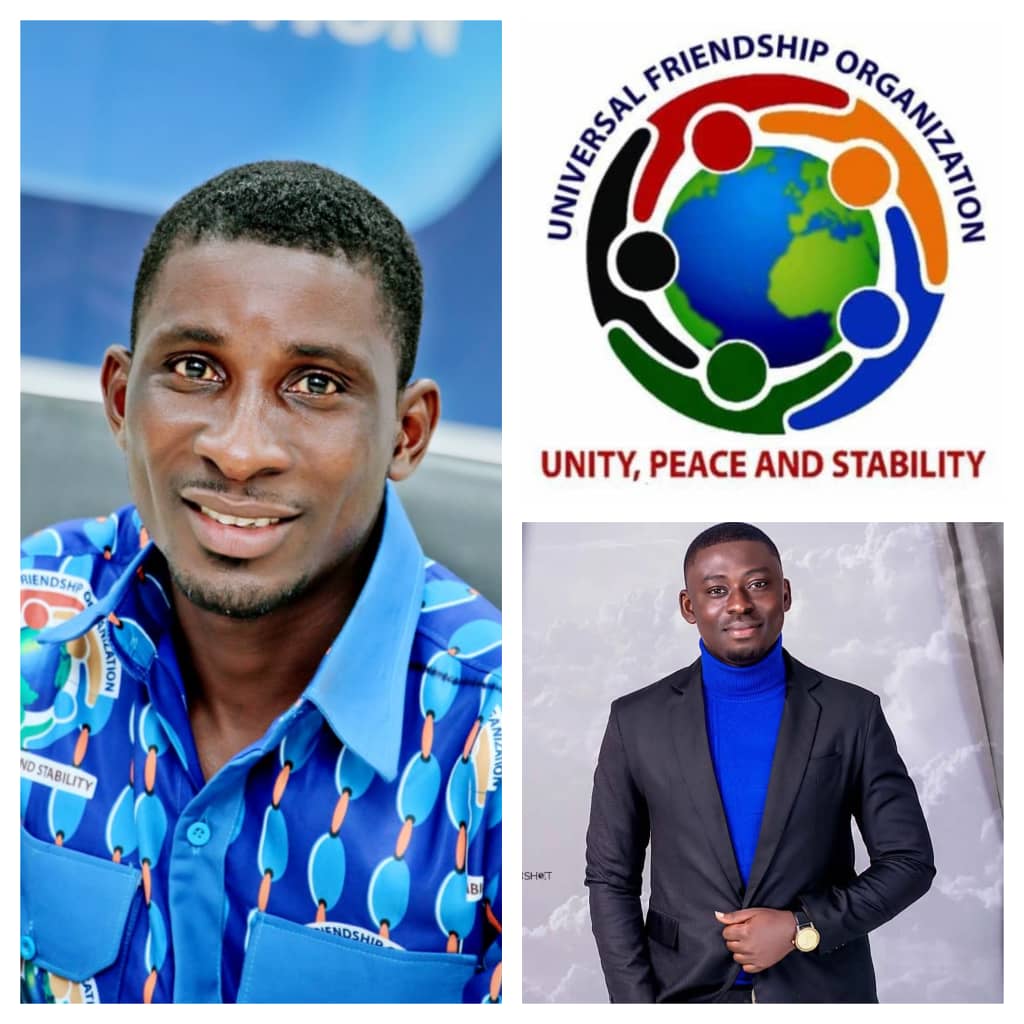
The Universal Friendship Organisation (UFO) Ghana has called on Africans to make peace a daily responsibility, saying genuine friendship and stronger relationships among ordinary people could do more to prevent conflict than waiting for violence before seeking solutions.
President and Founder of UFO Ghana, Mr Samuel Adobah, made the call in a World Peace Day interview, stressing that peace should not be treated as something people remember only when conflict breaks out.
“Without peace, there is no development. We must preach peace every day, everywhere,” Adobah said.
According to him, lasting peace cannot be built by governments and security agencies alone. It also depends on the everyday choices of citizens, how neighbours treat one another, how communities settle disagreements and how people respond to differences in ethnicity, religion and political opinion.
“Governments sign peace treaties, but ordinary people build peace,” he said.
Adobah said Ghana’s relative stability was the result of deliberate efforts over the years, including respect for democratic institutions, tolerance, dialogue and the willingness of citizens to settle political differences through constitutional means.
He noted that Ghana had experienced changes in government through elections since the beginning of the Fourth Republic, describing the country’s democratic institutions, traditional authorities, religious bodies, civil society and media as important contributors to its peace.
But he warned that peace should never be taken for granted.
Adobah identified youth unemployment and misinformation, particularly on social media, as major concerns capable of deepening political and social divisions.
He said a young person frustrated by unemployment and lack of opportunities could easily become vulnerable to manipulation when exposed to false or inflammatory information.
He therefore called for greater investment in youth entrepreneurship, digital skills, civic education and responsible media use.
“Peace must not be partisan,” he added, urging political actors to ensure that political competition did not become a source of hatred or threaten national security.
For UFO Ghana, however, peacebuilding must begin long before conflict becomes visible.

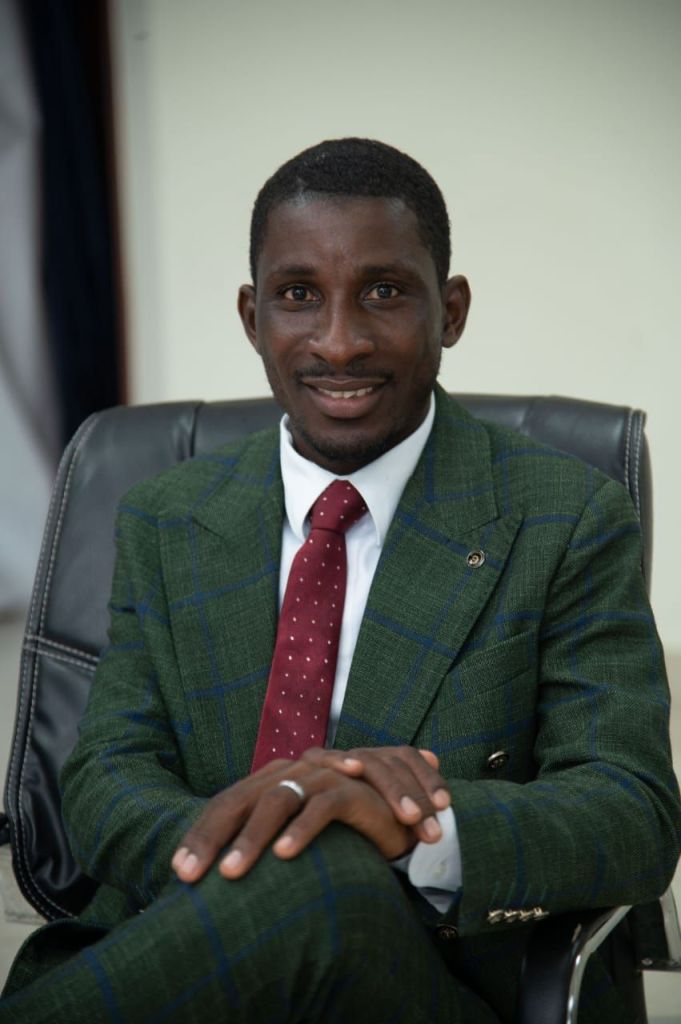
Adobah said the organisation, founded in 2019, had been using peace dialogues, youth conferences, advocacy and community engagement to promote understanding and peaceful coexistence.
He said UFO Ghana operates across five broad areas: education, peace and stability, cultural exchange, health and agriculture with a particular focus on using engagement and dialogue to bring people together.
He also highlighted the organisation’s youth empowerment efforts, including partnerships with the Centre for Intelligence and Security Analysis (CISA), UNIMAC-IJ and Helping Africa Foundation USA.
The aim, he said, was to help young people develop practical skills and become contributors to their communities rather than allowing frustration to push them towards violence.
“Young people are not the problem; they are the solution that is yet to be fully harnessed,” he said.
“An empowered youth is a peaceful youth.”
Adobah also believes peace can be strengthened through simple human connections.
He pointed to the relationship between Ghanaians and Nigerians as an example, noting that the two countries may be separated by borders but remain connected through culture, trade, family ties and shared history.
“When a market woman in Accra trusts her customer from another tribe, when a Ghanaian landlord lives peacefully with a Nigerian tenant, that is real peace,” he said.
He argued that knowing people personally makes it harder to believe harmful stereotypes about them.
“That is the essence of Universal Friendship; we promote tolerance, understanding and unity at the grassroots, where peace truly lives,” he added.
Looking beyond Ghana, Adobah called for stronger cooperation between peace organisations across West Africa, particularly between Ghana and Nigeria.
He proposed a West African Friendship Network that would bring peace organisations together to work on youth peace education, cultural exchange, conflict prevention and campaigns against misinformation and political violence.
He also suggested youth exchange programmes, joint early-warning initiatives and coordinated advocacy through regional and continental institutions.
According to him, UFO Ghana is ready to work with organisations in Nigeria and other African countries and is also planning to establish its presence in Nigeria.
“Ghana and Nigeria are brothers, separated by borders but united by destiny,” he said.
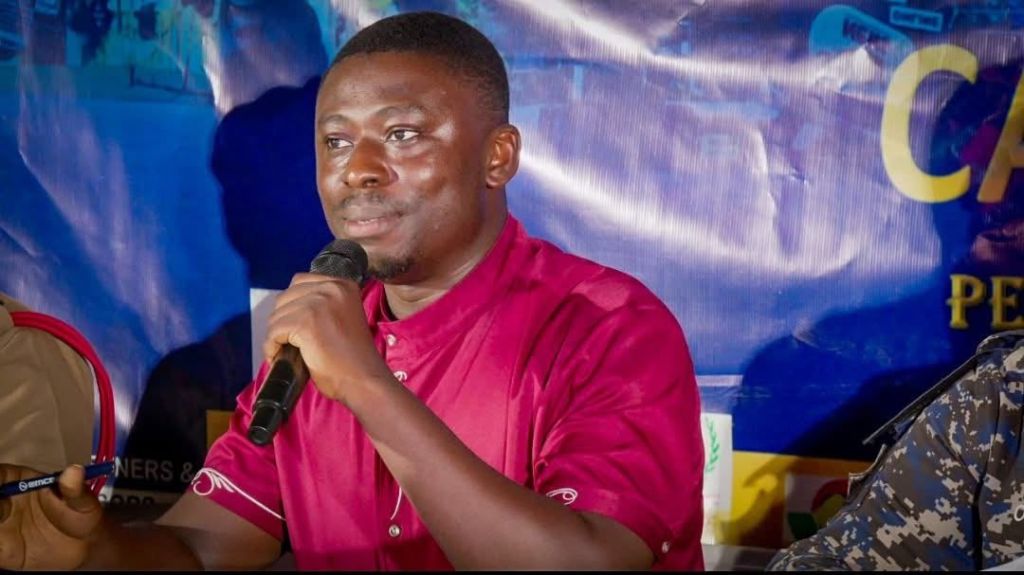
Also speaking, Mr Mark Acheampong, Executive Member of UFO Ghana, said Ghana’s peace had been supported by democratic institutions, regular elections, constitutional governance, an active civil society, the media and the contributions of traditional and religious leaders.
Acheampong, however, said peace required constant effort.
“We cannot wait until conflict begins before we start talking about peace,” he said.
He identified youth unemployment, political polarisation and misinformation as interconnected challenges and called for more investment in jobs, skills development, civic education, media literacy and community-level peacebuilding.
He also urged young Africans to see themselves as active participants in peacebuilding rather than simply beneficiaries of peace.
“You cannot continuously tell young people to protect peace while excluding them from conversations about their future,” Acheampong said.
He said UFO Ghana was interested in partnerships with organisations in Nigeria and other African countries around youth peace education, intercultural dialogue, media for peace, conflict prevention and leadership development.

As the world marks World Peace Day, the message from UFO Ghana is that peace cannot be left entirely in the hands of governments or security institutions.
It must also live in homes, schools, markets, communities and across borders in the way people speak to one another, resolve disagreements and respond to their differences.


