Maryam Aminu
Nigeria is set for a potential shake-up in how public funds are shared, as the Revenue Mobilisation Allocation and Fiscal Commission (RMAFC) kicks off a sweeping nationwide data verification exercise targeting the country’s revenue allocation system.
The move signals a strategic push to align the sharing formula with current socio-economic realities, amid growing concerns that outdated data may no longer reflect population shifts, infrastructure growth, and widening development gaps across states and local governments.
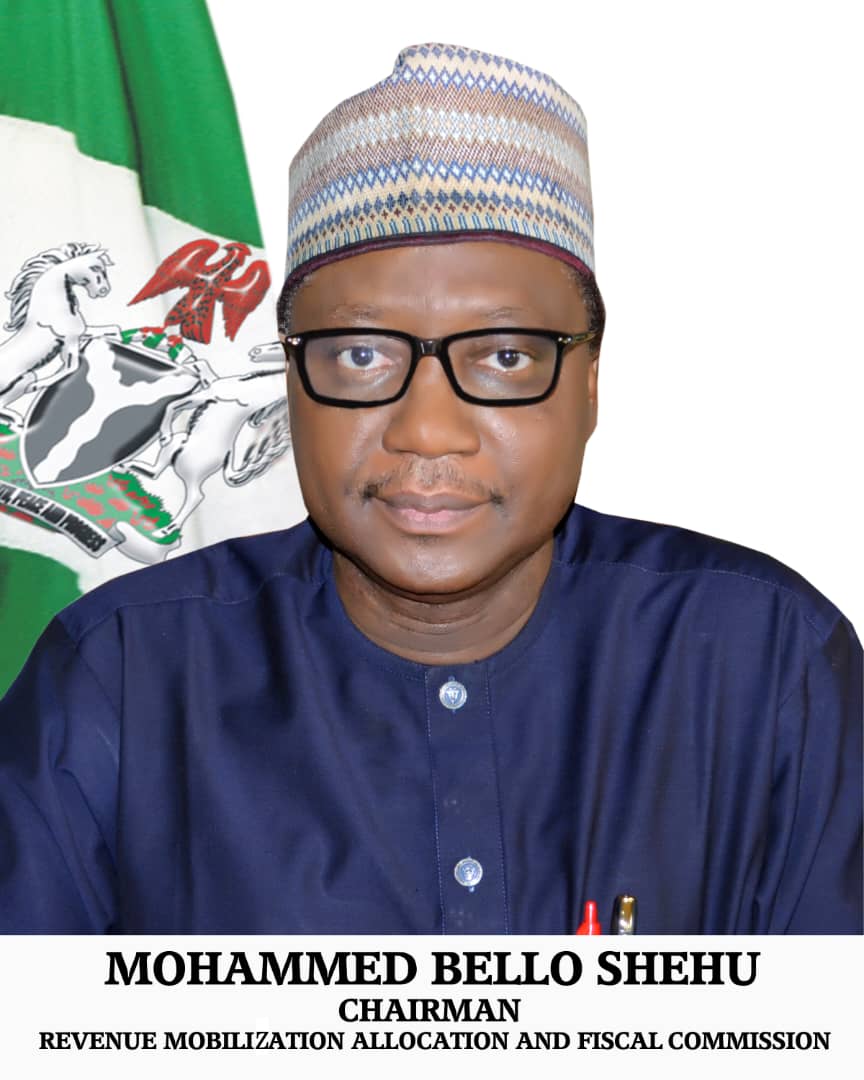
Chairman of the Commission, Mohammed Bello Shehu, described the exercise as a defining moment for Nigeria’s fiscal structure, noting that accurate and credible data remains the cornerstone of fairness in resource distribution.
“This initiative is about restoring confidence in the system. When the data is right, the outcomes are fair, transparent, and capable of supporting national cohesion,” he said.
The nationwide audit will see RMAFC teams deployed across all states and the Federal Capital Territory to gather, validate, and harmonise critical data used in determining revenue allocation indices. These include population figures, internally generated revenue, infrastructure development, as well as access to education and healthcare.

According to the Commission, the exercise will be conducted in phases, with a region-by-region rollout designed to ensure thorough coverage and data integrity. Field teams are expected to work closely with Ministries, Departments and Agencies (MDAs), local councils, and community stakeholders to capture accurate, up-to-date information.
Beyond data collection, the Commission plans to host stakeholder engagement sessions nationwide, aimed at deepening transparency, strengthening public trust, and encouraging collaboration throughout the process.
RMAFC noted that Nigeria has undergone significant socio-economic changes in recent years ranging from rapid urbanisation to shifting population patterns making periodic validation of revenue allocation indices not just necessary, but urgent.
The Commission further revealed that the broader review of the revenue allocation formula is already at an advanced stage, positioning the verification exercise as a critical step in ensuring the credibility of the final framework.
With the outcome expected to influence fiscal policy, national planning, and equitable development, the exercise is being framed as a major milestone in Nigeria’s effort to build a more responsive and data-driven governance system.


