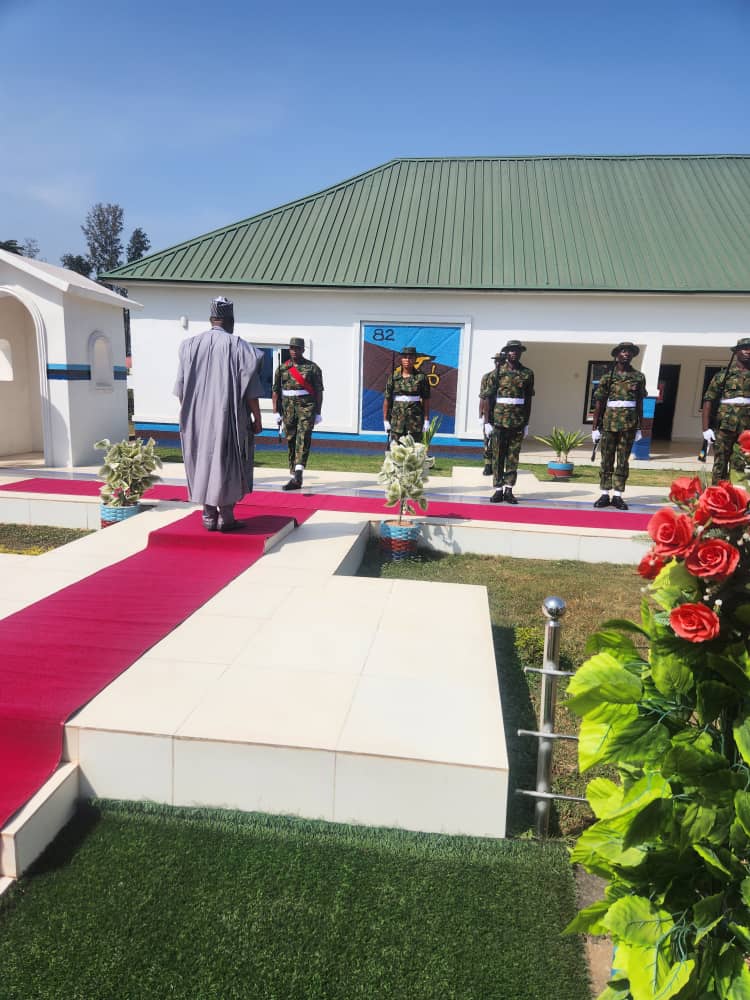
In a move aimed at reinforcing national security and operational efficiency, the Honourable Minister of Defence, Mohammed Badaru Abubakar, has commenced a high-level operational tour of the 82 Division of the Nigerian Army and other strategic military installations in Enugu and Imo States.
Upon his arrival in Enugu on Thursday, November 21, 2024, the Minister was received with full military honors by Major-General H.T. Dada, the General Officer Commanding (GOC) 82 Division and Commander of the Joint Task Force South East, Operation Udoka.
The reception also included senior military officers and other key personnel, underscoring the significance of the visit.
The tour is expected to provide Badaru with firsthand insights into the operational capabilities, challenges, and needs of the Nigerian Army in the South-East, a region grappling with unique security concerns.
As part of the visit, the Minister will hold a strategic meeting with South-East stakeholders to deliberate on sustainable solutions for enhancing peace, stability, and cooperation across the region.
This visit reflects the Defence Ministry’s dedication to maintaining operational excellence within the Armed Forces while fostering collaboration with regional leaders to address pressing security issues.
Further updates on the outcomes of these engagements will be provided as they unfold.
The Federal Government, under the leadership of President Bola Ahmed Tinubu, is steadfast in its commitment to promoting inclusivity and addressing marginalization in youth-focused initiatives.
This was reaffirmed by the Honourable Minister of Youth Development, Comrade Ayodele Olawande, during a courtesy visit by the National Commercial Tricycle and Motorcycle Owners and Riders Association of Nigeria (NATOMORAS) to his office in Abuja.
Comrade Olawande highlighted the administration’s drive to ensure that the voices and aspirations of all Nigerian youth, including those in both formal and informal sectors, are prioritized in government policies and programs.
“In the past, informal youth were often sidelined in national development policies. This administration has redefined its approach to youth engagement, ensuring inclusivity and bridging gaps between the government and the people. We are fostering a culture where diversity is seen as strength and where opportunities are accessible to all,” the Minister said.
The Minister also acknowledged NATOMORAS’ vital role as a platform representing millions of young Nigerians, emphasizing the need for continuous collaboration to deepen the impact of government policies on youth development.
In recognition of his dedication and contributions to youth empowerment, NATOMORAS conferred on Comrade Olawande the prestigious title of sole patron of the association, presenting him with a certificate of honor.
The National President of NATOMORAS, Alhaji Usman Buba Gwoza, commended the Federal Government for its recent launch of 2,000 CNG-powered tricycles, describing the initiative as a transformative step toward sustainable transportation and economic empowerment.
“This program is a testament to visionary leadership, addressing environmental concerns while creating livelihood opportunities for millions of Nigerians. It’s a bold step towards a cleaner, more efficient transportation system,” Gwoza remarked.
He further appealed for stronger collaboration with the Ministry to ensure the effective implementation of policies, highlighting the transformative potential of such partnerships for Nigeria’s economic and social landscape.
As the 2024 Batch ‘C’ Orientation Course kicks off, the Federal Government has unveiled a transformative vision for the National Youth Service Corps (NYSC), one that emphasizes professional development for corps members while addressing Nigeria’s economic challenges.
In a landmark decision to empower Nigerian youth and tackle rising unemployment, the Federal Government has scrapped restrictive posting policies for the NYSC.
This groundbreaking directive, communicated via a memo dated November 18, 2024, by the Minister of Youth Development, Comrade Ayodele Olawande, will take effect with the 2024 Batch ‘C’ Orientation Course.
The move represents a significant policy shift, enabling corps members to gain practical experience in sectors aligned with their academic training.
The Minister noted that previously, postings were confined to four key sectors Education, Agriculture, Health, and Infrastructure under a policy introduced during the tenure of former Minister Mallam Bolaji Abdullahi. While this policy sought to prevent exploitation of corps members in private organizations, it inadvertently hindered their career progression by limiting opportunities for specialized training.
Comrade Olawande highlighted that the new directive aligns with President Bola Ahmed Tinubu’s commitment to addressing youth unemployment and fostering economic growth.
“The President is deeply concerned about the challenges facing our youth and has directed all government agencies to take proactive steps in tackling unemployment,” the Minister stated.
He added that under the new framework, corps members will be posted to organizations relevant to their academic qualifications, including private-sector leaders in industries such as banking and oil and gas. The pilot phase will commence in Lagos and Abuja.
Describing the policy shift as a vital step towards bridging the gap between education and the job market, the Minister said, “As we battle the unemployment crisis, expanding access for corps members to serve in areas aligned with their training is critical. This initiative will provide invaluable hands-on experience, preparing them for successful careers.”
The directive repeals all previous policies limiting NYSC postings and mandates that Places of Primary Assignment (PPA) be determined based on corps members’ fields of study.
This approach is expected to foster stronger partnerships between the NYSC and private-sector organizations, creating mutually beneficial opportunities for employers and corps members alike.
The implementation of this policy is poised to revolutionize the NYSC experience, transforming it from a mandatory service program into a platform for career advancement.
By aligning postings with academic specializations, the government aims to unlock the potential of Nigerian youth, driving innovation and productivity across key economic sectors.
This bold move reaffirms the Federal Government’s commitment to modernizing the NYSC scheme, ensuring its relevance to contemporary realities.
The shift is anticipated to enhance corps members’ employability, reduce unemployment, and encourage private-sector involvement in youth development initiatives.
Elections are the lifeblood of democracy, providing citizens with the opportunity to influence governance and leadership. The 2024 Ondo Governorship Election drew national and international attention, placing institutions like the Independent National Electoral Commission (INEC) and security agencies in the spotlight to protect the integrity of the process.
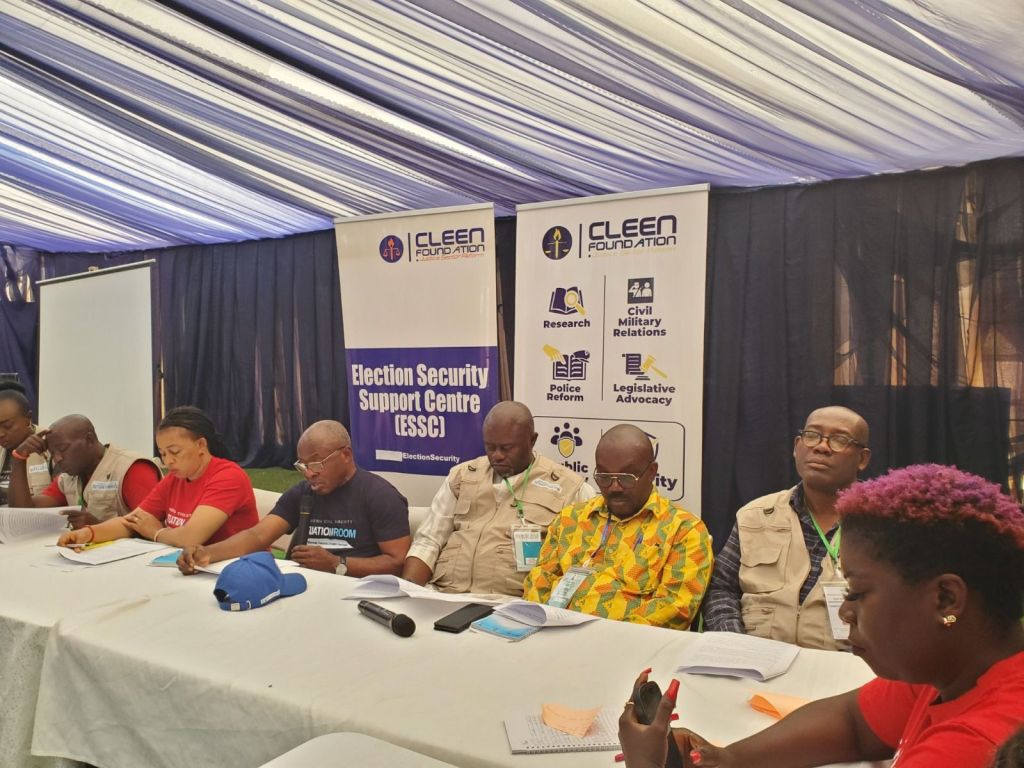
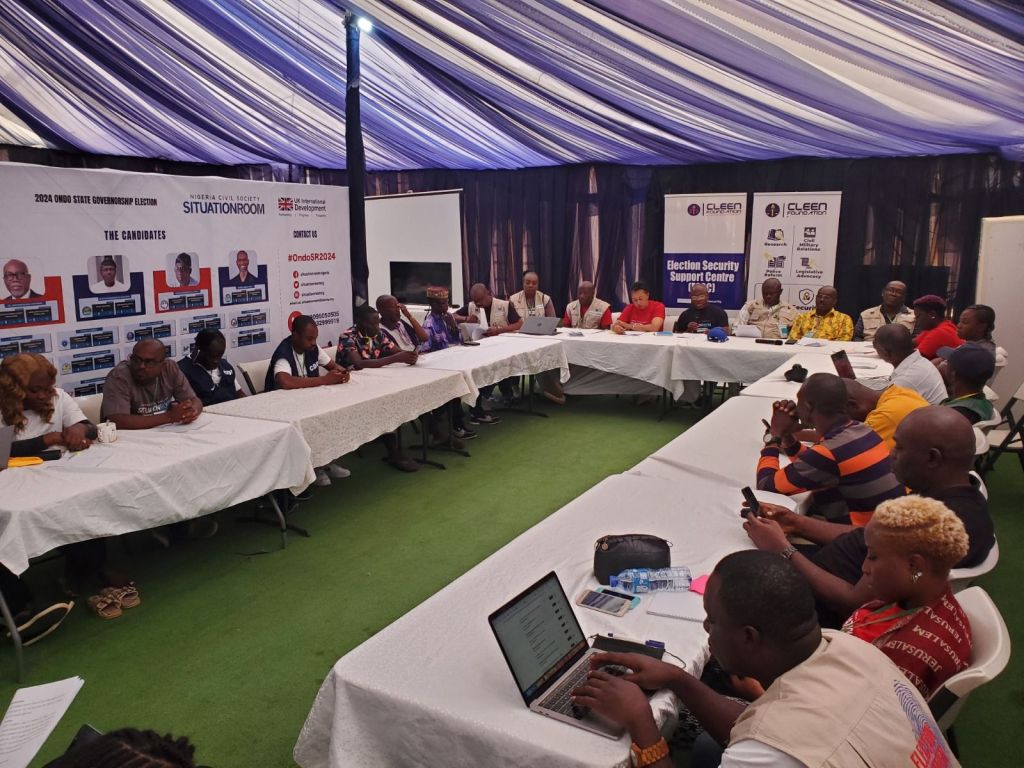
In light of the above, CLEEN Foundation, a leading voice for public safety, security, and justice in Nigeria, has released its comprehensive final report on the role of security agencies in the 2024 Ondo State Governorship Election.
Presented in Akure, the report lauds the professionalism of security personnel while addressing gaps that require urgent attention to safeguard future electoral processes.
This was contained in a statement signed by the Acting Executive Director, CLEEN Foundation, Peter Maduoma and made available to journalists yesterday in Abuja.
Maduoma stated that to ensure a thorough assessment, CLEEN Foundation deployed trained observers across all 18 local government areas (LGAs) of Ondo State.
These observers monitored the activities of security personnel at 3,933 polling units, supported by the foundation’s Election Security Support Centre (ESSC).
He added that the detailed field data was analyzed to provide insights into the security environment and electoral conduct.
CLEEN Foundation’s observers noted that security personnel were present across polling units, with many arriving before 7:00 a.m., ensuring early readiness.
They disclosed that most polling units were adequately staffed, with at least two officers, and some stations had three or more personnel to manage potential challenges.
The observers noted that security personnel were easily identifiable through their name tags, reflecting adherence to ethical standards. Their professionalism stood out, with 96% of observers describing them as approachable, neutral, and effective in maintaining order, which boosted public confidence in the electoral process.
CLEEN Observers expressed that polling units were largely peaceful, though isolated incidents of conflict were reported. For instance, disputes between party agents in Isalu Jigbokin Ward 8, Unit 002, and voter inducement issues in Okitipupa Ward 2, Unit 016, were swiftly de-escalated by law enforcement personnel.
However, vote trading emerged as a significant challenge. Reports indicated that party agents offered ₦5,000 to ₦10,000 per vote in multiple locations, including Okitipupa Ward 2, PU 16.
Additionally, technical issues with the BVAS device disrupted accreditation in some areas, such as Akure North, Ward 4, PU 1.
CLEEN Foundation emphasized the need for law enforcement agencies to adopt anti-vote-trading strategies, including undercover surveillance and voter sensitization campaigns.
Expanding conflict resolution training for security personnel and ensuring their timely deployment to underserved polling units were also highlighted as critical measures.
The foundation called for mechanisms to report and penalize any misconduct among security personnel.
For INEC, the foundation recommended rigorous pre-election testing to enhance the reliability of BVAS devices.
It also urged closer collaboration with anti-corruption agencies to curb vote trading at polling stations.
Civil society organizations (CSOs) were encouraged to intensify voter education campaigns, emphasizing the consequences of electoral offenses while fostering civic responsibility to reduce susceptibility to monetary inducements.
CSOs were also urged to promote active reporting of electoral irregularities by the public.
While commending the exemplary conduct of security personnel, CLEEN Foundation underscored the need for stakeholders to implement robust measures to combat vote trading and uphold the credibility of Nigeria’s democratic processes.
The foundation reaffirmed its commitment to promoting public safety, justice, and credible elections, ensuring that every vote reflects the true will of the people.
The Honourable Minister of Defence, Mohammed Badaru Abubakar, has urged the Nigerian Airforce (NAF) to ramp up the deployment of its advanced platforms in the fight against banditry and terrorism, declaring that “it’s time to end it.”
Speaking during an operational visit to the Air Component of Sector 2, Operation FANSAN YAMMA in Katsina State on Monday, November 18, 2024, the Minister lauded the courage and dedication of the air warriors.
He described them as “beacons of hope, courage, and resilience” whose efforts continue to inspire Nigerians.
“Farmers Are Returning, Schools Are Reopening” Highlighting the impact of the Airforce’s efforts, Badaru noted that their operations are creating visible positive changes. “Farmers are gradually returning to their farms, schools are reopening, businesses are picking up, and Nigerians can now sleep peacefully,” he said.
Reassuring the troops of President Bola Ahmed Tinubu’s unwavering support, Badaru emphasized the provision of cutting-edge military equipment, including state-of-the-art aircraft and unmanned aerial vehicles.
He cited the recently inducted T129 Attack Helicopters as game-changers in Nigeria’s counterterrorism operations.
“We Must Synergize for Victory”
The Minister urged the Airforce to enhance collaboration with ground forces and other stakeholders to ensure maximum impact.
“You are key to this fight, and we must put our acts together to end this war. Synergize with the ground forces to fully utilize these combat enablers,” Badaru stated.
During his visit, the Minister also traveled to Sokoto to assess the combat readiness of NAF platforms and inspect the proposed site for the permanent base of the newly established Airforce component against banditry and terrorism at Sokoto Airport.
Chief of Air Staff, Air Marshal Hassan Bala Abubakar, commended the Minister’s servant leadership and strategic direction.
He expressed confidence in the T129 Attack Helicopters, which he described as transformative for NAF’s operational capabilities. “These platforms send a strong message to those who think they can destabilize our nation,” he said.
Badaru’s visit underscores the Federal Government’s renewed commitment to ending insecurity, with a focus on strategic deployment and synergy among security forces to restore lasting peace across Nigeria.
The National Agency for Science and Engineering Infrastructure (NASENI) has long stood as a symbol of Nigeria’s technological ambitions since its establishment in 1992. However, persistent challenges such as insufficient funding and limited human resources hindered its potential.
In a statement jointly signed by Chinyere Obiora-Ekwuazi, Henry Ukwadia and Hadiza Abdul Abubakar, said the narrative began to change dramatically in September 2023 with the appointment of Khalil Suleiman Halilu as Executive Vice Chairman/CEO.
According to them, the visionary technopreneur, Halilu’s first year at the helm has revolutionized NASENI’s trajectory, transforming it into a powerhouse of innovation and a catalyst for Nigeria’s technological evolution.
Appointed by President Bola Ahmed Tinubu, Halilu’s mission was unequivocal: elevate NASENI to the forefront of Nigeria’s tech revolution. One year on, the results speak volumes.
They noted that under Halilu’s bold leadership, NASENI has transitioned from theoretical concepts to groundbreaking realities.
In just one year, the agency introduced 36 market-ready products, ranging from electric vehicles and solar-powered irrigation systems to smart prepaid meters and Android smartphones.
These innovations, developed in collaboration with Original Equipment Manufacturers (OEMs) and strategic partners, represent a decisive move toward self-reliance and reduced import dependence.
“Soon, every Nigerian household will own a NASENI product,” Halilu declared at the outset of his tenure. This vision is rapidly materializing.
They revealed that plans for a dedicated NASENI showroom, showcasing the agency’s cutting-edge innovations, are already underway, bringing these technologies closer to everyday Nigerians.
They expressed that Halilu’s tenure is defined by his transformative 3Cs philosophy:Creation, Collaboration, and Commercialization.
He has positioned NASENI as not just an agency, but as a hub of excellence driving Nigeria’s industrial and technological ambitions.
Key initiatives include the establishment of a $3.25 billion investment drive, the creation of a CNG reverse engineering center in Abuja to champion renewable energy, and the introduction of Hatch Box, a program aimed at boosting STEM education nationwide.
According to the statement, the launch of an innovation hub at NASENI’s headquarters highlights Halilu’s commitment to nurturing future tech leaders.
Beyond these milestones, Halilu has prioritized internal reforms, enhancing staff welfare, overhauling governance frameworks, and setting the agency on a clear path of sustainable growth with the 2023–2027 strategic plan.
Halilu’s vision for NASENI extends beyond immediate gains to a legacy of transformative impact. Ambitious projects such as the NASENI Renewable Industrial Park, small arms assembly, and the NASENI Innovation Hub aim to revolutionize Nigeria’s industrial landscape.
According to them, Programs like the NASENI Public Challenge and Future-Makers initiative are designed to cultivate homegrown tech talent and entrepreneurship.
With an accelerated technology transfer framework, NASENI is poised to boost Nigeria’s manufacturing capacity, create jobs, and energize the economy.
These initiatives will solidify Nigeria’s position as a global contender in technology and innovation while addressing pressing socioeconomic challenges.
As Halilu celebrates one year at NASENI, his transformative leadership has established the agency as a beacon of hope for Nigeria’s technological future. His vision of a NASENI-driven economy, fueled by innovation, collaboration, and sustainability, is becoming a tangible reality.
“NASENI is not just an agency, it is the engine powering Nigeria’s technological revolution,” Halilu stated during a recent media briefing.
His roadmap for the future is ambitious yet achievable, laying the groundwork for a self-reliant and technologically advanced Nigeria.
In Khalil Suleiman Halilu, Nigeria has found not just a leader, but a trailblazer determined to rewrite the narrative of the nation’s technological progress. The foundation for a brighter, innovation-driven future is firmly in place, and NASENI is leading the charge.
CLEEN Foundation has commended the professionalism and conduct of security personnel deployed to ensure a peaceful and credible Ondo State governorship election held on Saturday, November 16, 2024.
In a preliminary report, the Foundation applauded the performance of security agencies, including the Nigeria Police Force and the Nigerian Security and Civil Defence Corps (NSCDC), whose presence and efficiency were crucial in maintaining order during the exercise.
According to CLEEN, 36,000 police officers were deployed across the state, with 15,732 stationed at 3,933 polling units.
The NSCDC contributed an additional 6,225 personnel, while CLEEN dispatched trained citizen observers to monitor activities across the 18 local government areas of the state.
Reports indicated that security personnel were visible in most polling units, providing a sense of safety for voters. Key locations like Odigbo LGA (Ward 10, PU 40) and Akure South LGA (Ward 5, PU 29) recorded a strong security presence.
The Foundation noted that most security officers arrived early at their designated polling units, with a significant portion arriving before 8:00 a.m.
Observers confirmed that polling units were well-staffed, with many deploying at least two or more personnel to ensure efficiency.
CLEEN’s preliminary findings highlighted the adherence of security personnel to electoral guidelines. Observers noted that all officers wore name tags, ensuring accountability. Additionally, 96% of observers described the officers as approachable and professional.
“The majority of security personnel demonstrated commendable behavior and were accessible to voters, fostering a safe and conducive voting environment,” the Foundation stated.
Despite the positive feedback, CLEEN flagged some challenges during the process. In Akure North LGA (Ward 4, PU 1), malfunctioning BVAS machines delayed the identification of voters. Reports of vote-buying also surfaced in areas such as Okitipupa (Ward 2, PU 16), with alleged payments ranging from ₦5,000 to ₦10,000 per vote.
While praising the efforts of security personnel, CLEEN Foundation urged them to remain professional as the election progresses into the crucial stages of poll closure and result collation.
Acting Executive Director of CLEEN Foundation, Peter Maduoma, encouraged vigilance among all stakeholders to safeguard the credibility of the process.
“We are optimistic about the remainder of the election and emphasize the need for integrity in securing the democratic process,” Maduoma said.
The Foundation’s Election Security Support Centre continues to analyze field reports and escalate incidents to relevant authorities for swift action.
CLEEN reiterated its commitment to delivering comprehensive updates on the election’s security landscape.
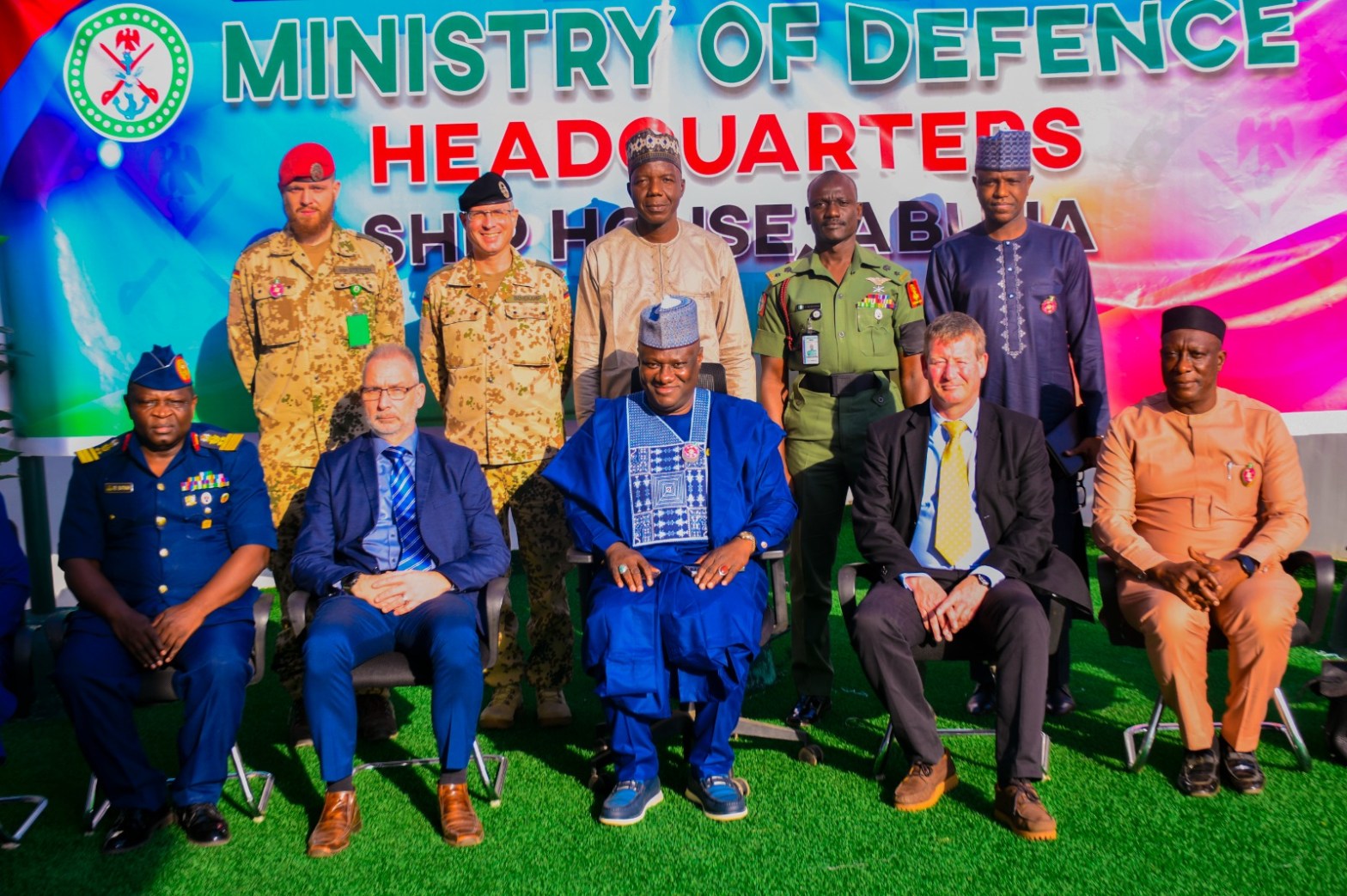
In a significant move to bolster international defence ties, Nigeria and Germany are set to strengthen their collaboration through a new cycle of projects initiated by the German Technical Advisory Group (GTAG).
This was disclosed by Dr. Ibrahim Abubakar Kana, the Permanent Secretary of the Ministry of Defence, during a high-level meeting with GTAG representatives in Abuja on Friday.
The meeting, held at Ship House, was led by Dr. Kana and Mr. Marcus Ohm, head of the German delegation.
Speaking on the development, Dr. Kana expressed optimism about the renewed partnership. “I am happy with the acceptance of the new project circle, and I promise we are going to sustain it,” he affirmed.
Dr. Kana also shed light on Nigeria’s proactive measures since GTAG’s last visit, noting the establishment of a comprehensive framework to guide defence projects.
The Defence Headquarters, he added, has been tasked with identifying initiatives that align with this framework to ensure effective coordination, planning, and execution.
Central to the discussions was the modernization of the Nigerian Armed Forces.
Dr. Kana emphasized key priorities, including enhanced security intelligence sharing, equipment upgrades, capacity building, and active involvement of Nigerian personnel in project planning and implementation to ensure sustainability.
Echoing this sentiment, Mr. Ohm expressed satisfaction with Nigeria’s progress, stating, “The project is going in the right direction.”
He pledged Germany’s unwavering commitment to delivering impactful and sustainable defence initiatives in Nigeria.
The meeting underscored the mutual benefits of the Nigeria-Germany defence partnership, with both sides reiterating their dedication to transparency, collaboration, and achieving strategic security goals.
This renewed cooperation comes at a critical time when nations are increasingly prioritizing international partnerships to address emerging global security challenges.
In a riveting discourse, Air Commodore Abayomi Balogun, a seasoned military aviator, spotlighted the cracks in Nigeria’s security framework, attributing the protracted fight against terrorism to the absence of synergy among the nation’s armed forces.
Speaking at the launch of his latest book, Amidst the Chaos and Other Certainties: Nigeria Can Overcome, Balogun underscored the urgent need for a united front and proactive strategies to address Nigeria’s growing security challenges.
The event, themed “Beyond the Current Challenges: Nigeria Can Forge a New Path to Peace, Progress, and Stability”, was held at the Nigerian Military War College, Asokoro, Abuja. It drew a distinguished audience of military veterans, policymakers, and strategists, all keen to discuss Nigeria’s pressing security issues.
Balogun, a former Alpha Jet pilot, lamented the consequences of a fragmented military command structure.
“For over 10 years, the military has not operated under one command structure, which should be coordinated by the Defence Headquarters (DHQ),” he noted.
He stressed that this disunity has significantly hindered efforts to combat terrorism and criminal activities effectively.
In his remarks, Balogun also called on the government to prioritize the provision of basic amenities in rural communities, often hotspots for insecurity.
He advocated for a blend of kinetic and diplomatic strategies in addressing terrorism, emphasizing that the fight against insecurity is a collective responsibility.
“The fight against terrorism is an all-inclusive affair,” Balogun said, urging Nigerians to view the battle as a shared responsibility.
Major General Alwali J. Kazir (rtd.), former Chief of Army Staff and Madakin Bade, echoed Balogun’s sentiments.
He highlighted the distinction between “cooperation” and “collaboration,” explaining that collaboration fosters deeper, more effective partnerships essential for tackling Nigeria’s security challenges.
Kazir urged the government to reintegrate retired military officers into advisory roles, leveraging their expertise to strengthen the country’s security framework.
The book reviewer, Air Commodore S.A. Zakari, described Amidst the Chaos and Other Certainties as essential reading for security professionals and policymakers.
Providing an overview of the book’s 12 chapters, Zakari noted that it delves into critical areas, including governance, poverty alleviation, civic responsibilities, and the integration of military veterans into nation-building efforts.
He commended the book for offering strategic solutions, particularly grassroots involvement and counter-terrorism interventions, and hailed it as a manual for crafting a unified and effective security strategy.
The event was graced by dignitaries, including retired senior military officers, politicians, and academics. Notable attendees included Lt. General L.O. Adeosun (rtd.), Air Vice Marshals Ade Adekunle and A.A. Jekenme (rtd.), and Hon. Adeniyi Ojuawo, who represented the book launcher, Dr. Kayode Fayemi.
In a reflective foreword, Major General A.M. Jibril, National Chairman of the Nigerian Legion, lauded the book as a testament to Balogun’s dedication to Nigeria’s progress.
Balogun’s passionate plea for unity and his strategic blueprint for addressing insecurity resonated deeply with attendees. The event served as a clarion call for collective action, reminding all present that Nigeria’s challenges, while daunting, are surmountable through innovation, synergy, and the shared resolve of its citizens.
As the nation grapples with insecurity, Balogun’s words and his groundbreaking book provide hope and a clear roadmap for a brighter future one where Nigeria not only survives the chaos but emerges stronger, more united, and stable.
In a bold move to uphold judicial authority, the Civil Society Legislative Advocacy Centre (CISLAC) has formally petitioned the Police Service Commission, accusing top police officials in Yobe State of serious misconduct and blatant contempt of court.
CISLAC’s Executive Director, Comrade Auwal Musa Rafsanjani, is calling for swift action against the Area Commandant of Potiskum Division and the Yobe State Commissioner of Police, highlighting an alleged disregard for legal procedures that threatens the foundations of Nigeria’s judicial system.
On October 29, 2024, officers from the Potiskum Area Command reportedly stormed the Chief Magistrate Court in Potiskum, halting legal proceedings and intimidating court officials, lawyers, and the public.
According to CISLAC, the officers forcibly removed two convicted individuals, Abdulahi Aji Bulama and Mr. Kabir (A.T.O.), directly defying a lawful detention order. The action, described as “a blatant disregard for judicial authority,” sparked outrage among human rights advocates and raised concerns over Nigeria’s commitment to upholding democratic principles and the rule of law.
The petition highlights that this incident is part of a troubling pattern of non-compliance by the Potiskum Area Command, which, CISLAC claims, has repeatedly disregarded court summons and arrest warrants.
Despite multiple court orders and hearings, CISLAC alleges, police in Potiskum have flouted judicial directives and ignored the rule of law, undermining public trust and tarnishing the credibility of the Nigerian police force.
“This kind of interference in the judicial process undermines not only the integrity of the justice system but also public trust in the police,” said Rafsanjani, noting that the officers’ conduct breached the Nigerian Police Code of Conduct and ignored both national and international legal standards.
CISLAC’s petition demands a transparent investigation, disciplinary action against the implicated officers, and a mandate for enhanced training on legal and ethical compliance to prevent future incidents.
In urging the Police Service Commission to act, CISLAC aims to send a clear message that no one is above the law, advocating for reforms that will uphold judicial independence and strengthen Nigeria’s democracy.








 Africa Security Investigation News