FRC Pushes for Stronger Fiscal Discipline in Anambra Local Governments

The Fiscal Responsibility Commission (FRC) has urged Local Government Councils in Anambra State to deepen fiscal discipline and strengthen public finance management practices in order to enhance transparency, accountability, and effective service delivery.

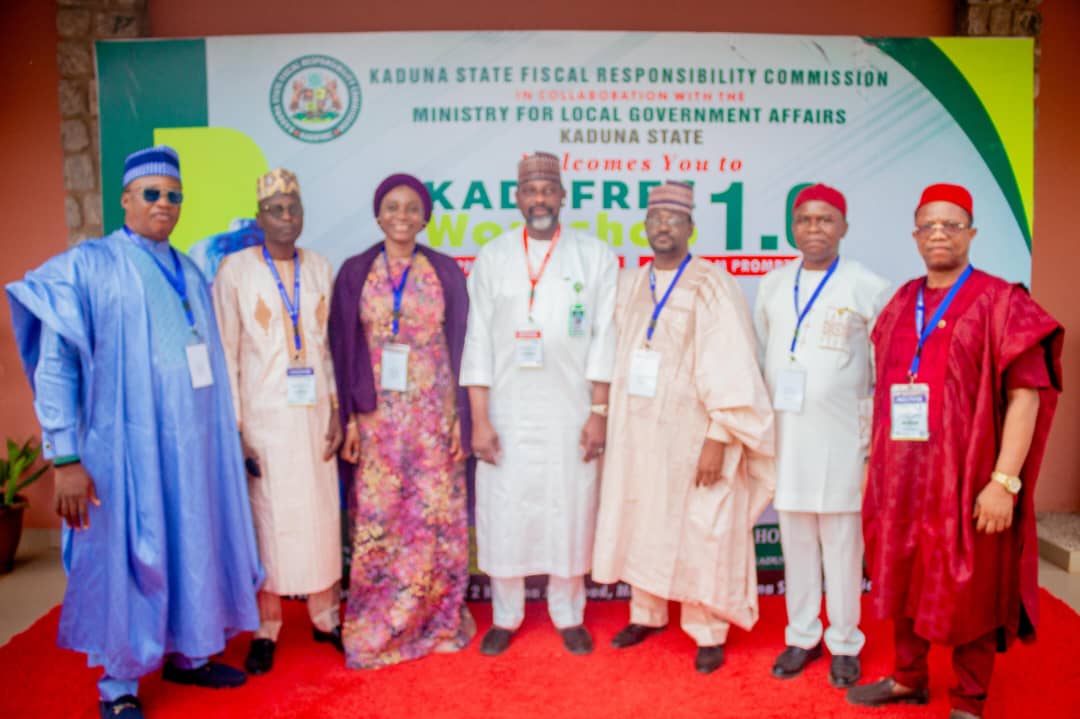
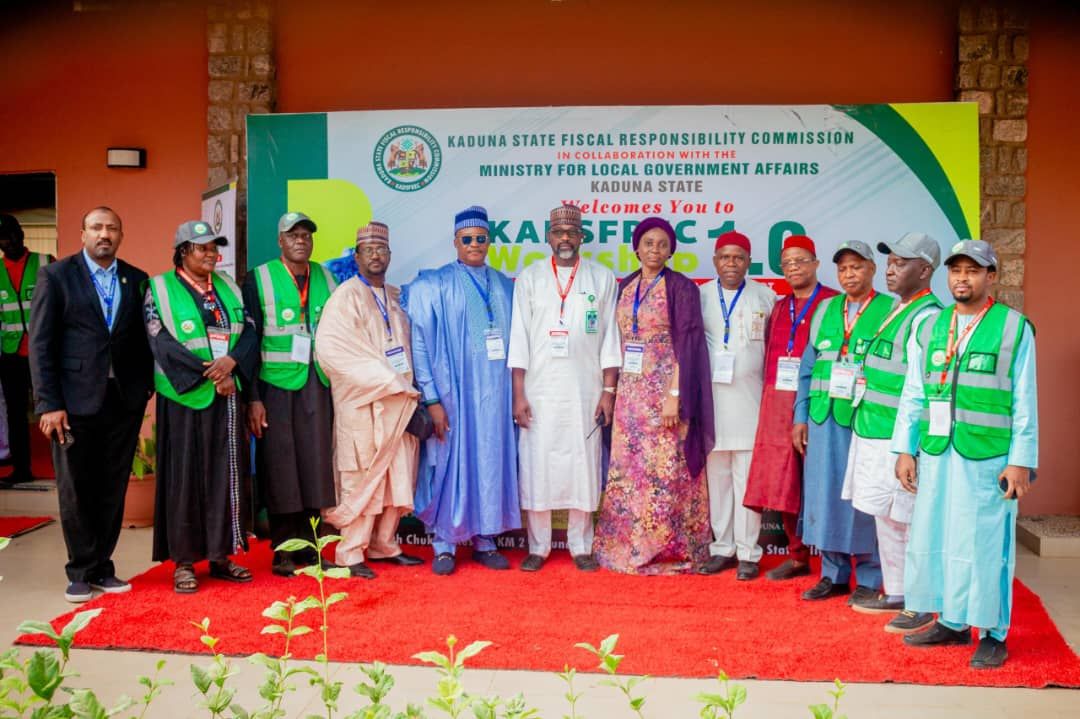
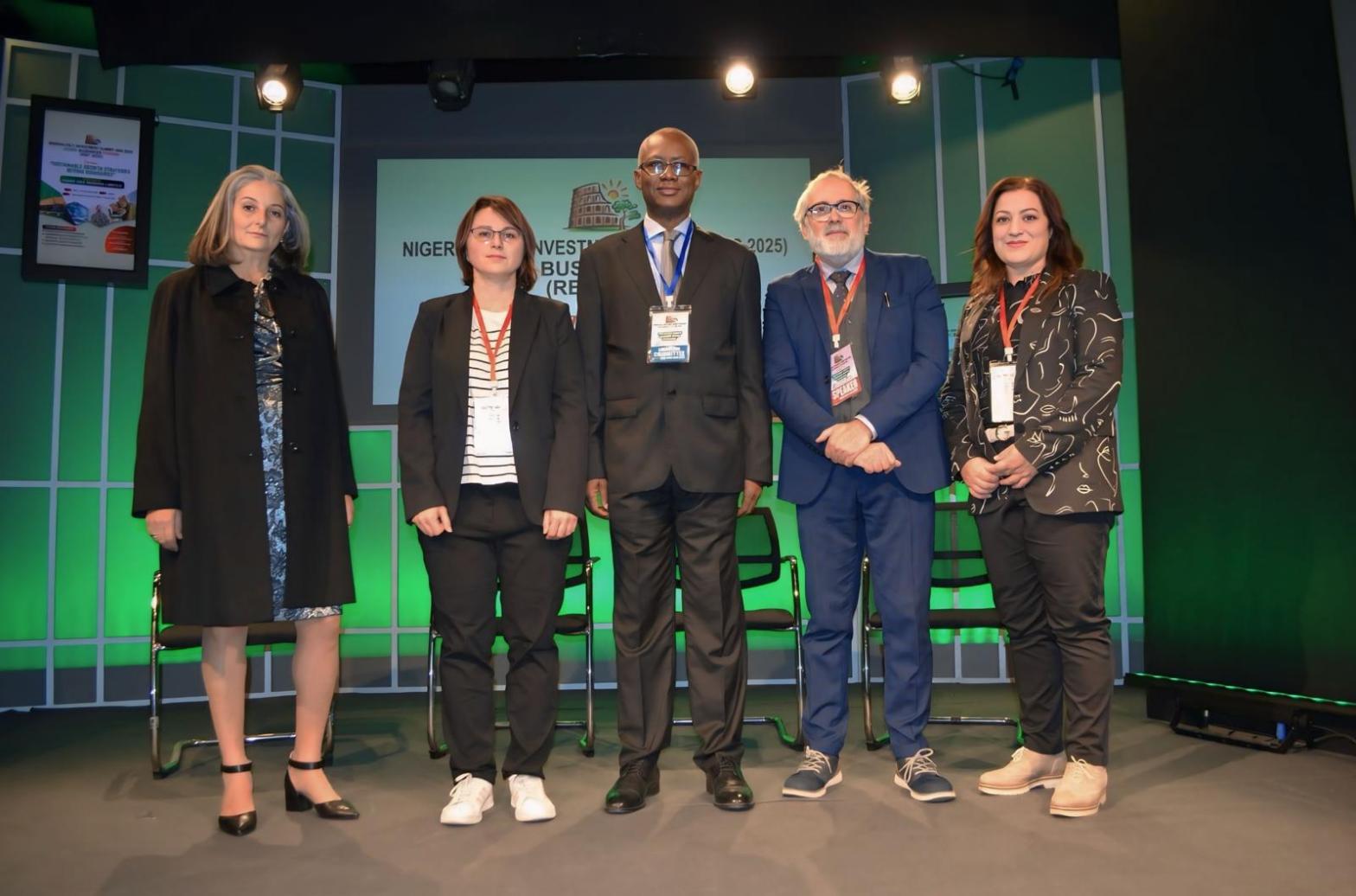
The call was made during a capacity-building workshop on the Local Government Accountability Framework, held at Hilton Leisure Resort, Awka. The event drew senior local government officials including finance and accounts officers planning personnel, development partners, and representatives of key oversight and anti-corruption bodies such as the ICPC, Code of Conduct Bureau (CCB), Bureau of Public Procurement (BPP), and ROLAC, with IDEA as sponsors. The ICPC Resident Commissioner for Anambra State was also in attendance.

Speaking for the Commission, Ado Hassan, Deputy Director of the Policy and Standards Directorate, stressed the urgent need for councils to embed fiscal responsibility principles across all stages of the budget cycle. He noted that compliance begins with the preparation of a credible Medium-Term Expenditure Framework (MTEF), followed by annual budgeting, implementation, monitoring, and timely publication of Approved Audited Financial Statements.

Hassan described the MTEF as the “bedrock of credible public financial planning,” emphasizing that strict adherence ensures realistic and strategic budgeting aligned with broader developmental goals.

He added that without transparent implementation and thorough auditing, the true impact of public expenditure cannot be properly assessed.

The Commission warned that strengthening accountability at the local government level remains critical to restoring public trust and ensuring that resources earmarked for community development are used judiciously. With citizens increasingly demanding openness in the use of public funds, the FRC encouraged councils to tighten internal controls, adopt transparent procurement procedures, and improve the quality and credibility of their financial reporting.

Hassan reiterated the Commission’s commitment to supporting sub-national governments through continuous training, provision of guidelines, monitoring tools, and early-warning systems designed to boost compliance with the Fiscal Responsibility Act and national financial management standards.

Participants described the training as timely, noting its importance as local governments prepare for a new fiscal planning cycle. They agreed that improved transparency and accountability would significantly enhance service delivery and deepen collaboration with development partners and civil society organizations.

The workshop covered key topics including MTEF preparation, budget formulation and credibility, cash management, expenditure control, value-for-money procurement, internal audit processes, audited financial statement publication, and citizen participation in oversight.

The FRC maintained that entrenching fiscal responsibility at the grassroots is vital to achieving Nigeria’s broader development aspirations. It reaffirmed its readiness to continue working with state governments, local councils, and oversight institutions to promote sound public financial governance nationwide.

The Awka engagement marks another milestone in the Commission’s sustained nationwide drive to reinforce fiscal discipline and ensure that public resources deliver meaningful benefits to citizens.

Nigeria Sustains Nationwide Offensive, Neutralizes Terrorists and Foils Major Oil Theft in Fresh Operations

Maryam Aminu

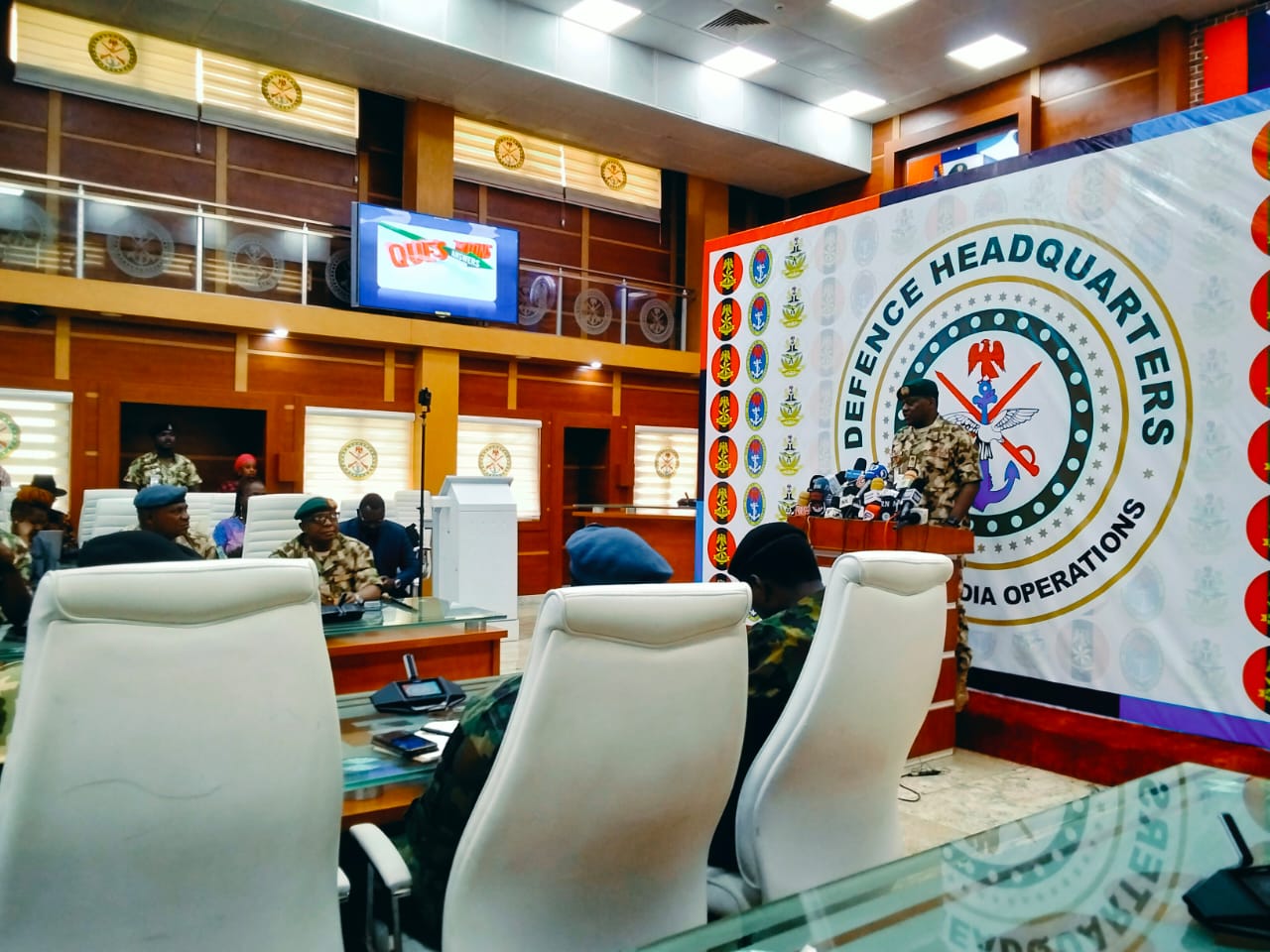
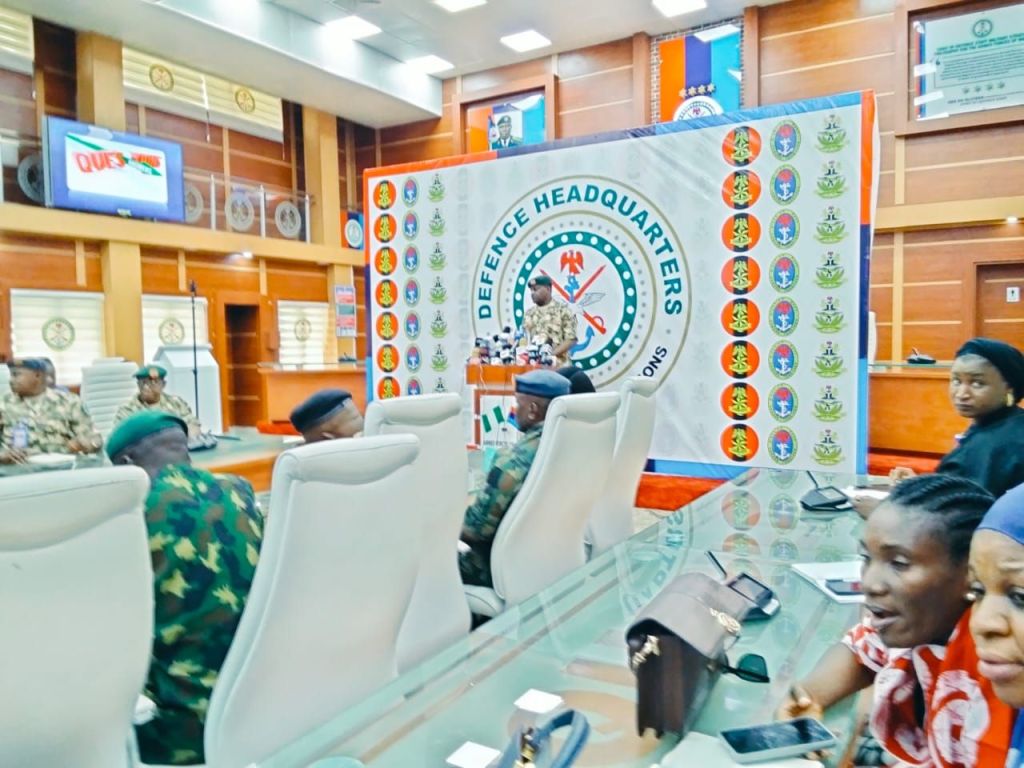
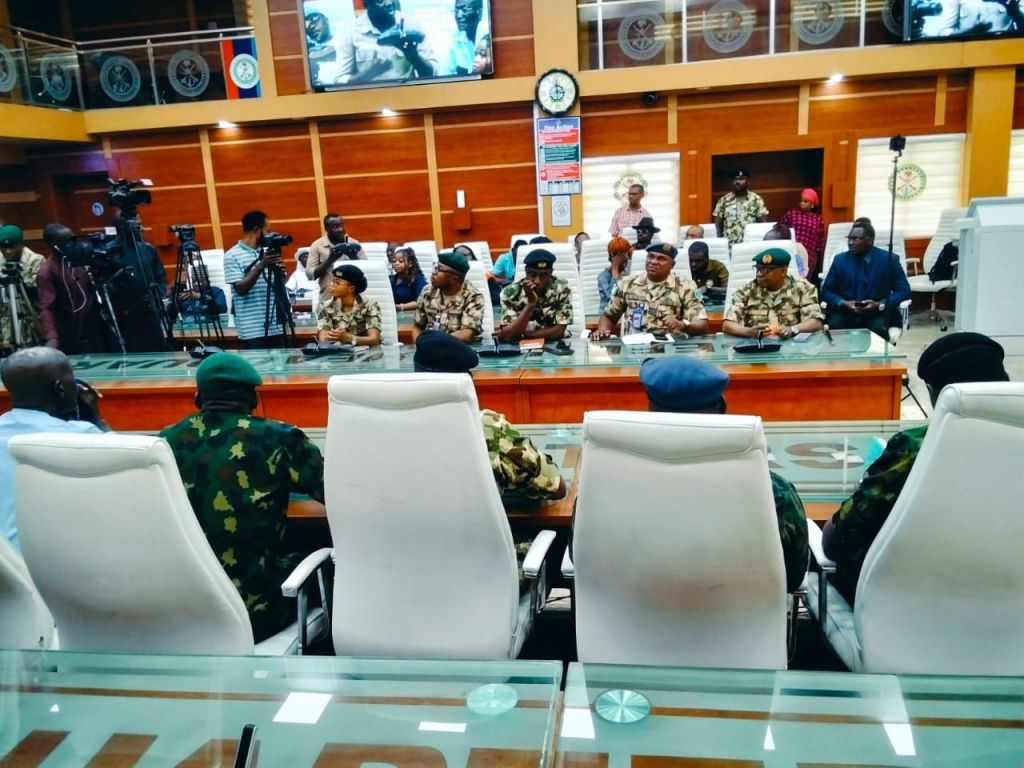
The Armed Forces of Nigeria have announced significant breakthroughs in ongoing nationwide security operations, stating that troops recorded substantial successes across all theatres between 17 and 28 November 2025.

The Defence Headquarters explained that troops intensified pressure on Boko Haram, ISWAP and JAS fighters in Borno and Adamawa States, where several terrorists were neutralized and their camps and logistics destroyed. The military noted that 11 terrorist collaborators, informants and suppliers were arrested during the operations, while eight kidnapped commuters were rescued along the Gwoza–Limankara route. It added that air interdiction missions conducted in the Sambisa general area on 19 November resulted in the destruction of terrorist storage sites and equipment.

In the North West, the Defence Headquarters reported that troops sustained offensive actions across Zamfara, Katsina, Kebbi, Kaduna, Sokoto and Niger States.

According to the statement, troops killed several terrorists, arrested 15 suspects and rescued 13 kidnapped victims. It further disclosed that a suspected arms dealer was arrested in Bukkuyum LGA of Zamfara State with receipts amounting to N4 million allegedly tied to weapon purchases for terrorists.

Speaking on operations in the North Central region, the military said troops under Operations ENDURING PEACE and WHIRL STROKE responded to multiple distress calls in Plateau, Kaduna, Kogi, Nasarawa, Taraba and Benue States. It stated that troops arrested notorious extremist Umar Idi, also known as LERE, along with nine others. Troops were also said to have rescued 19 kidnapped victims and recovered cash exceeding N7.9 million from vandals and criminals, including money offered as bribe.

The Defence Headquarters reported further gains in the South-South, where troops under Operation DELTA SAFE disrupted large-scale oil theft valued at more than N173.7 million. It said 11 illegal refining sites were destroyed and 13 suspects arrested. The military confirmed the arrest of a notorious cultist, Dan Okposuogu, popularly known as “World Wide,” during separate operations in Rivers and Ondo States.

Troops in the South East were also said to have maintained an offensive posture in Imo, Abia, Ebonyi and Anambra States, arresting seven suspects and rescuing five kidnapped victims. The military noted that air interdiction missions in Enugu State targeted terrorists’ enclaves, resulting in their neutralization and the destruction of logistics stockpiles.

The Defence Headquarters commended the troops for what it described as consistent professionalism and resilience. It urged Nigerians to continue providing credible information to support ongoing operations, adding that the Armed Forces remain committed to restoring peace and stability across all troubled regions of the country.

FG Unveils Electric Tricycle Scheme, Puts Nigerian Youth at the Wheel of the Green Economy

Maryam Aminu

In a bold push to place young Nigerians at the centre of the country’s clean-energy future, the Federal Government on Wednesday launched a nationwide Electric Tricycle Empowerment Initiative positioning youth not just as beneficiaries, but as frontline drivers of Nigeria’s green economic transition.

The initiative, unveiled at Eagle Square, Abuja, introduces fully electric tricycles into Nigeria’s transport network, offering young operators a cheaper, cleaner and more profitable alternative to petrol-powered vehicles.

President Bola Ahmed Tinubu, represented by the Minister of Labour and Employment, Alhaji Muhammadu Maigari Dingyadi, said the programme is a strategic leap toward a modern, sustainable economy, describing it as “an investment in our young people and in the future of Nigeria’s green economy.”

Implemented by the Federal Ministry of Youth Development in partnership with House of Destiny Global Services Ltd. and the National Commercial Tricycle and Motorcycle Owners and Riders Association (NATOMORAS), the scheme aims to cut transport costs by up to 40%, reduce carbon emissions, and expand youth-led mobility entrepreneurship nationwide.

From left: Representative of President, Muhammadu  Dingyadi; Minister of Youth Development, Comrade Ayodele Olawande and the Chief Executive Officer, House of Destiny, Dr Israel Olajumoke, during the National launch of the electric tricycle empowerment initiative organised by the Federal Ministry of Youth Development in collaboration with House of Destiny and NATOMORAS in Abuja on Wednesday (26/11/25).

Minister of Youth Development, Comrade Ayodele Olawande, said the initiative answers the President’s directive to ensure that young Nigerians in both formal and informal sectors finally feel the impact of government programmes. He noted that the scheme recognizes the vital role of artisans, street transporters and other informal workers in national development.

“This programme is changing the narrative,” Olawande said. “It ensures that no young person is left behind as Nigeria moves into a cleaner, tech-driven future.”

Mr. Oluwole Joseph, who represented the Permanent Secretary, described the initiative as more than a transport reform but a youth-empowerment movement designed to prepare Nigerians for the opportunities of the evolving green economy.

Also Dr. Israel Olajumoke, CEO of House of Destiny Global Services Ltd., added that the electric tricycle represents “smart economics and an environmental necessity,” stressing that the zero-petrol vehicles will help operators save money, earn more and gradually become asset owners.

NATOMORAS President, Alhaji Buba Gwoza, pledged continued support for the initiative, praising the partnership as a crucial step toward improving members’ livelihoods while advancing national sustainability goals.

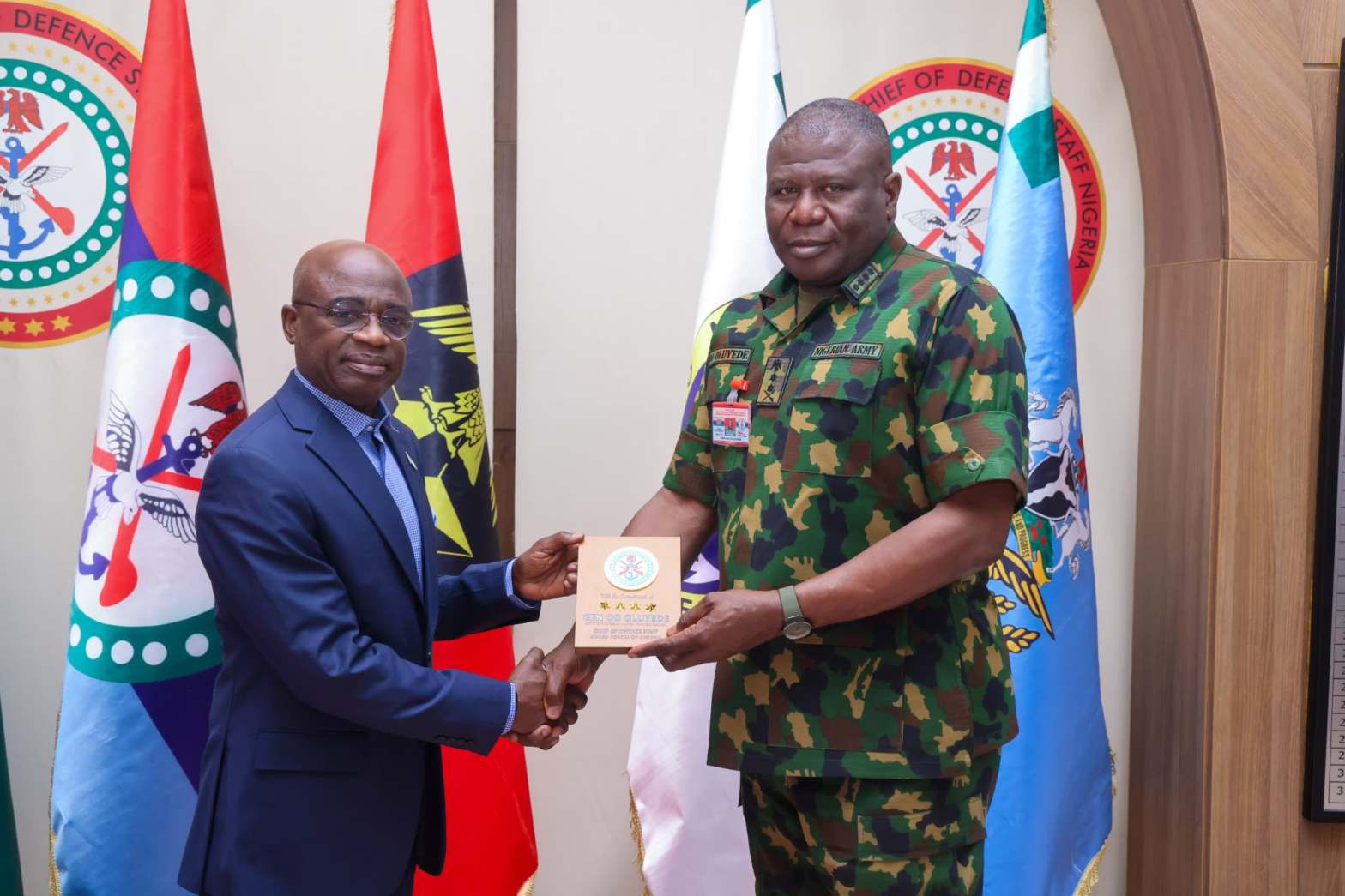
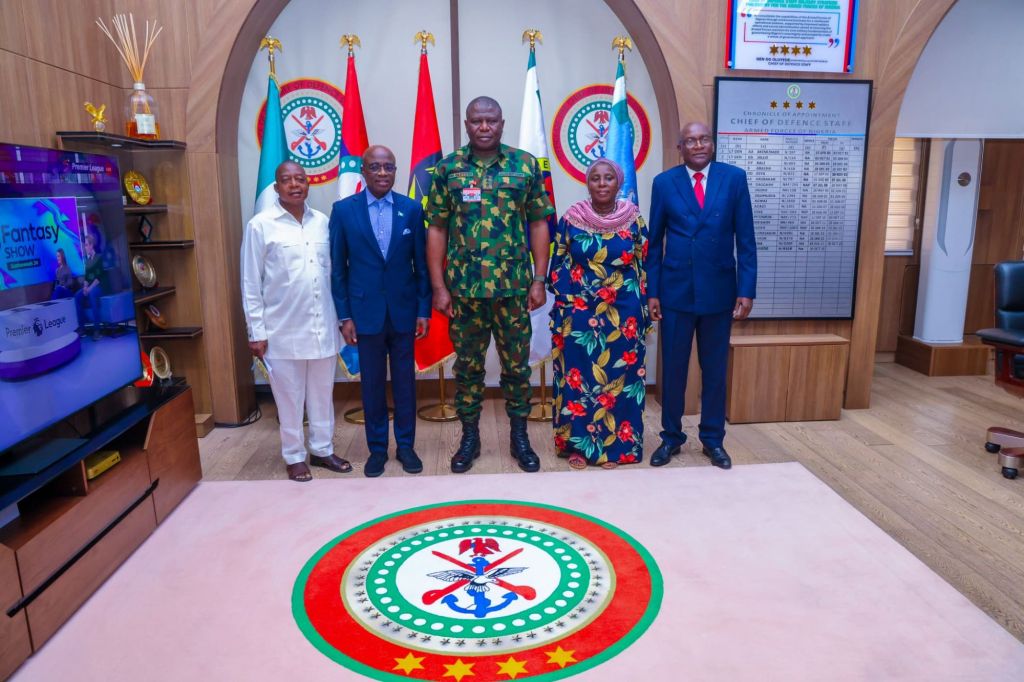
Pheelangwa Assumes Duty as Defence Ministry Permanent Secretary, Pledges to Strengthen Nigeria’s Defence Architecture

Emmanuel Daudu

Mr. Richard Pheelangwa has assumed office as the new Permanent Secretary of the Ministry of Defence, describing his appointment as “an honour, a responsibility, and a call to strengthen Nigeria’s defence architecture.”

Pheelangwa, who resumed duties on Wednesday at the Ministry’s headquarters, Ship House, Abuja, expressed gratitude to President Bola Ahmed Tinubu, GCFR, for the opportunity to serve. He pledged to uphold professionalism, transparency, discipline and teamwork while driving the ministry’s core mandates, including defence policy formulation, military administration, logistics, procurement and international cooperation.

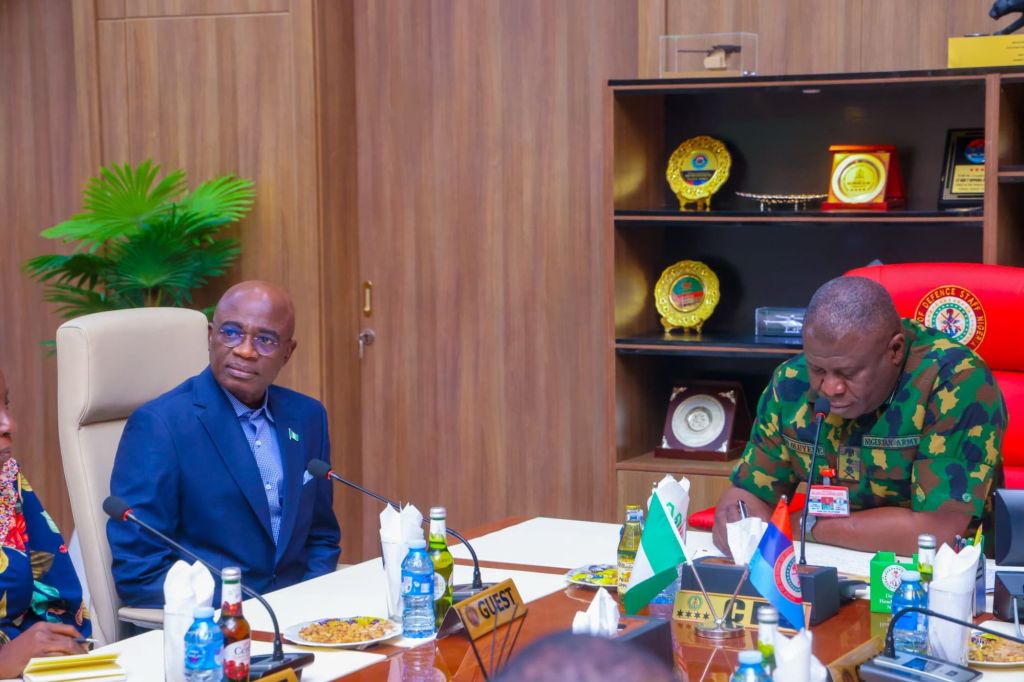
The new Permanent Secretary reaffirmed his commitment to working closely with the Minister of Defence, the Minister of State for Defence, Service Chiefs, Directors and staff of the ministry to enhance efficiency, resource management and overall operational readiness. He noted that staff welfare would remain a top priority, stressing that “welfare is not a luxury but a necessity.”

Earlier in his remarks, Dr. Sunday Attah, Director overseeing the Office of the Permanent Secretary, assured Pheelangwa of the support of the ministry’s management and staff. He described the ministry as one with highly experienced personnel and expressed confidence that the new Permanent Secretary would receive full cooperation in achieving his goals.

The event featured the formal signing of the handing-over and taking-over documents between the outgoing overseeing Director and the new Permanent Secretary. Pheelangwa joins the Ministry of Defence following his redeployment from the Federal Ministry of Water Resources.

In a vote of thanks, Mohammed Hamza, Director of Legal Services, reaffirmed that the new Permanent Secretary has a formidable team ready to collaborate, exchange ideas and contribute to the ministry’s progress.

The ceremony was attended by Directors and senior officials of the Ministry of Defence, as well as representatives from the Federal Ministry of Water Resources.

FG Targets Youth Wealth Revolution, Launches National Financial Literacy & Investment Training

Maryam Aminu

In a bold move to position young Nigerians at the centre of the nation’s economic future, the Federal Ministry of Youth Development has launched a National Financial Literacy, Investment and Wealth Creation Training Programme a flagship initiative billed as one of the government’s most ambitious youth economic empowerment efforts yet.

Unveiled on Tuesday at the Rainbow Event Marquee Centre in Abuja, the programme signals a strategic push by the Federal Government to build a new generation of financially savvy, investment-ready, and enterprise-driven Nigerian youth.

Speaking at the event, the Minister of Youth Development, Comrade Ayodele Olawande, said the initiative marks a turning point in how the country prepares its young people for the realities of modern wealth creation.

“Financial literacy is no longer optional it is a survival skill,” Olawande declared. “We must reshape youth aspirations beyond government jobs. Young people must begin to see themselves as creators of value.”

He stressed that Nigeria’s future depends on raising a self-reliant and disciplined generation that can drive innovation, build sustainable enterprises, and create jobs rather than wait for them.

At the heart of the Ministry’s renewed agenda is a large-scale empowerment plan that provides structured learning, mentorship, digital resources, and real-world business support. A key pillar of this agenda is the Nigeria Youth Academy, a new national digital learning platform modelled after global benchmarks and designed to democratize access to entrepreneurial and capacity-building opportunities.

Olawande, reflecting on his own humble beginnings, urged young people to take responsibility for shaping their future through discipline, innovation and consistency.

L-R, Honourable Minister of Youth Development,Comrade Ayodele Olawande flanked by the Minister of Economic Planning and Budget, Senator Abubakar Bagudu CON, at the National Financial Literacy Investment & Wealth Creation Training Program held in Abuja.

Also speaking, the Minister of Economic Planning and Budget, Senator Atiku Bagudu, noted that the programme aligns with the Federal Government’s long-term economic vision particularly President Bola Ahmed Tinubu’s drive to build a $1 trillion Nigerian economy by 2030.

“The road to a trillion-dollar economy demands bold thinking, innovation and full youth participation,” Bagudu said, calling on young Nigerians to seize opportunities in technology and emerging digital markets.

Representing the Permanent Secretary of the Ministry, Dr. Maryam Keshinro, the Director of Enterprise Development and Promotion, Mr. Mike Nwaogu, described the initiative as a major milestone in building a financially confident and economically active youth population.

The Director-General of the NYSC, Brigadier General Olakunle Nafiu, also emphasized that investment in young people remains the nation’s most valuable long-term asset. He urged increased private-sector collaboration to expand youth financial inclusion.

In his goodwill message, Dr. Enefola Odiba, International Programme Director of Investonaire Academy, stressed that many young people can generate income but lack the discipline and knowledge to manage money effectively. True financial empowerment, he said, requires consistency and the right financial habits.

The Ministry affirmed that the programme will run nationwide with a focus on equipping millions of young Nigerians with practical tools for wealth creation and long-term economic stability.

Olusanya Assumes Duty as Permanent Secretary, Calls for Stronger Collaboration in Humanitarian Sector

Emmanuel Daudu

The newly appointed Permanent Secretary of the Federal Ministry of Humanitarian Affairs and Poverty Reduction, Mr. Olubunmi Olusanya, has officially assumed duty, urging strengthened collaboration among government agencies, development partners, donors and other stakeholders to improve support for vulnerable Nigerians.

Speaking at the ministry’s headquarters in Abuja, Olusanya stressed that collective action is essential to achieving meaningful impact, noting that the Ministry “cannot work in silos” if it must effectively address the needs of the elderly, persons with disabilities, distressed families, refugees, migrants, internally displaced persons and other vulnerable groups.

“All the programmes, policies and interventions we implement affect lives directly,” he said. “When we perform, the whole country feels the impact; and when we do not, Nigerians will equally feel it.”

Olusanya pledged to build on the legacies of his predecessor by prioritising staff development, professional growth and welfare, adding that an empowered workforce is critical to delivering on the ministry’s mandate.

The outgoing Permanent Secretary, Dr. Yakubu Adam Kofarmata, praised the competence and experience of the ministry’s staff, describing them as experts in administration, humanitarian affairs, social development, nutrition and poverty reduction.

He appealed to the management and staff to extend the same cooperation he received to his successor.

Director of Human Resource Management, Onyia-Desy Chinyere Hilda, in her vote of thanks, expressed gratitude to Dr. Kofarmata for his leadership style and contributions to improving the lives of vulnerable citizens. She assured the new Permanent Secretary of the unwavering support and cooperation of staff.

The event featured the formal signing of handing-over documents between the two senior officials.

Olusanya was deployed from the Federal Ministry of Youth Development, while Dr. Kofarmata moves to the Federal Ministry of Aviation and Aerospace Development.

Directors and staff from both the Ministry of Humanitarian Affairs and Poverty Reduction and the Ministry of Youth Development were in attendance.

Mass School Shutdowns Spark Fears of Learning Crisis as CODE Warns of Looming Educational Emergency

Maryam Aminu

Connected Development (CODE) has raised the alarm over the rising wave of school closures across Nigeria, warning that the nation risks plunging millions of children especially girls into deeper learning setbacks if immediate measures are not put in place to sustain education in affected states.

In a statement issued on Tuesday in Abuja by Hyladzira James Mshelia, Acting Chief Executive of CODE, the organisation expressed grave concern as states including Bauchi, Niger, Yobe, Plateau, Katsina, Kwara and the Federal Capital Territory shut schools in response to escalating insecurity. CODE said that while the decisions may be precautionary, the absence of a publicly articulated plan for continued learning places children at severe academic and social risk.

CODE is urging the Federal and State Ministries of Education, alongside the Universal Basic Education Commission (UBEC), to immediately deploy the remote-learning models used during the COVID-19 pandemic to ensure that schooling does not grind to a halt.

The organisation warned that Nigeria, already home to one of the world’s largest populations of out-of-school children, cannot afford further disruption. Data from CODE’s State of Basic Education in Nigeria (Northeast) report shows that while 12,025 of the 21,585 girls enrolled in 221 secondary schools have been re-enrolled following previous interruptions, many remain vulnerable to dropping out due to unsafe and inconsistent learning environments.

According to the report, many schools in the Northeast still lack basic safety infrastructure such as perimeter fencing, secure classrooms, and gender-sensitive WASH facilities. These conditions, CODE noted, heighten exposure to insecurity, harassment, and eventual dropout especially for girls.

The organisation stressed that frequent school shutdowns are “a symptom of deeper systemic failures,” and cautioned that shutting learning spaces in response to attacks is an unsustainable strategy.

To prevent a full-blown learning crisis, CODE recommended a multi-channel approach that integrates digital platforms like Google Classroom, Zoom, and NERDC digital content with low-tech options including TV and radio programmes, as well as printed learning materials for homes without internet access. CODE also emphasised the need for teacher training to strengthen remote delivery of lessons.

“Every additional day of school closure widens learning gaps, fuels inequality, and undermines long-term peace and development,” the statement read, warning that out-of-school children are at heightened risk of exploitation and recruitment into criminal activities.

CODE reaffirmed its commitment to tracking school safety investments, supporting advocacy with evidence, and ensuring citizens’ voices continue to shape accountability in Nigeria’s education sector.

Nigeria Debuts First Robotic Surgery Platform in West Africa

Maryam Aminu

Nigeria has recorded a major breakthrough in its healthcare sector with the launch of its first-ever robotic surgery platform at Nisa Premier Hospital in Abuja.

The platform, known as Toumai meaning “Hope of Life” marks the first deployment of robotic surgical technology in both Nigeria and the entire West African sub-region.

The initiative follows a strategic partnership between Nisa Medical Group and U.S.-based Robomed Global.

In a statement, Robomed Global USA’s Corporate Communications Officer and Head of Media and Corporate Communications, Winifred Ebiye, described the development as “the dawn of a new era of surgical precision, patient safety, and clinical excellence,” especially across specialties such as urology, gynaecology, and surgical oncology.

The partnership aims to expand regional surgical capacity by providing structured training for Nigerian and African surgeons in minimally invasive robotic procedures.

Key areas of collaboration include robotic-assisted surgeries, training and certification of medical personnel, and system integration to enhance safety in operating theatres.

Chief Executive Officer of Robomed, Dr. Obi Ekwenna, said the achievement reflects significant progress for Nigeria’s health sector, noting that it will strengthen local capacity and equip African surgeons to deliver world-class medical care.

Also, Chief Medical Officer of Robomed, Dr. Iyore James, explained that the mission extends beyond introducing cutting-edge technology to developing surgeons, nurses, and biomedical engineers to globally recognised standards.

Similarly, the Chief Operations Officer, Mrs. Efosa Eluma, reaffirmed the organisation’s commitment to operational excellence and to building a sustainable blueprint for robotic surgery across West Africa.

A renowned fertility expert at Nisa Medical Group, Dr. Ibrahim Wada, noted that the partnership will position Nigeria as a regional hub for advanced surgery, create highly skilled jobs, and reduce dependence on medical tourism.

FG Redeploys Dr. Ibrahim Abubakar Kana to Strategic General Services Office

Maryam Aminu

The Federal Government has approved the redeployment of Dr. Ibrahim Abubakar Kana to the influential General Services Office (GSO) in the Office of the Secretary to the Government of the Federation (OSGF), marking a significant shift in senior civil service placements.

The posting, which took effect from Wednesday, 19 November 2025, was announced in a statement signed by the Head of the Civil Service of the Federation, Didi Esther Walson-Jack. Dr. Kana is among 16 top officials affected in the latest wave of redeployments across Ministries, Departments and Agencies (MDAs).

The GSO one of the most strategic units in the OSGF is responsible for driving internal administration across the government’s coordination hub and liaising with key agencies to implement federal policies. It plays a central role in monitoring policy execution, supporting committees and panels, processing approvals for official international travels, and overseeing appointments into statutory bodies.

The office also handles conditions of service for political office holders, provision of accommodation and support services for appointees, management of common services across OSGF departments, and budget planning for the entire Secretariat.

Additionally, the GSO supervises the activities of 22 parastatals under the OSGF, ensuring seamless administration, policy formulation and execution across government structures.

Dr. Kana’s redeployment places him at the heart of policy coordination and administrative oversight within the Federal Government’s central command structure.

FG Moves to Recover Billions in Unpaid Housing Loans, Partners ICPC for Enforcement

Maryam Aminu

The Federal Government Staff Housing Loans Board (FGSHLB) has launched a major crackdown on overdue housing loans, announcing a strategic partnership with the Independent Corrupt Practices and Other Related Offences Commission (ICPC) to fast-track recovery and strengthen accountability across the public service.

The collaboration, sealed at a high-level meeting in Abuja on Thursday, signals the government’s renewed determination to ensure that funds invested in staff housing projects are properly managed and promptly repaid. The joint effort is expected to tighten compliance, boost transparency, and protect the sustainability of the housing loan scheme for current and future beneficiaries.

Speaking at the meeting, the Executive Secretary of FGSHLB, Hajiya Salamatu Ladi Ahmed, said the partnership marks a decisive step in holding defaulters accountable and safeguarding government resources.

3rd Left- Executive Secretary FGSHLB, Hajiya Salamatu Ladi Ahmed, flanked on her left is Mr. S. Yahaya, Director, Operations, ICPC with other FGSHLB Management Staff.

She stressed that outstanding repayments have slowed progress in providing more federal workers with affordable home-ownership opportunities.

In his remarks, the ICPC Director of Operations, Mr. S. Yahaya, commended the initiative and reaffirmed the Commission’s readiness to deploy its investigative, enforcement, and preventive capabilities to support the loan recovery drive. He emphasized that the process will be conducted lawfully and transparently.

Under the new framework, both agencies will jointly evaluate loan defaults and take appropriate enforcement actions where necessary. The Board has also urged all beneficiaries with outstanding balances to seize the ongoing repayment window to regularize their accounts and avoid sanctions.