UFO Ghana Advocates Friendship Over Force for Lasting Peace in Africa

Maryam Aminu

The Universal Friendship Organisation (UFO) Ghana has called on Africans to make peace a daily responsibility, saying genuine friendship and stronger relationships among ordinary people could do more to prevent conflict than waiting for violence before seeking solutions.

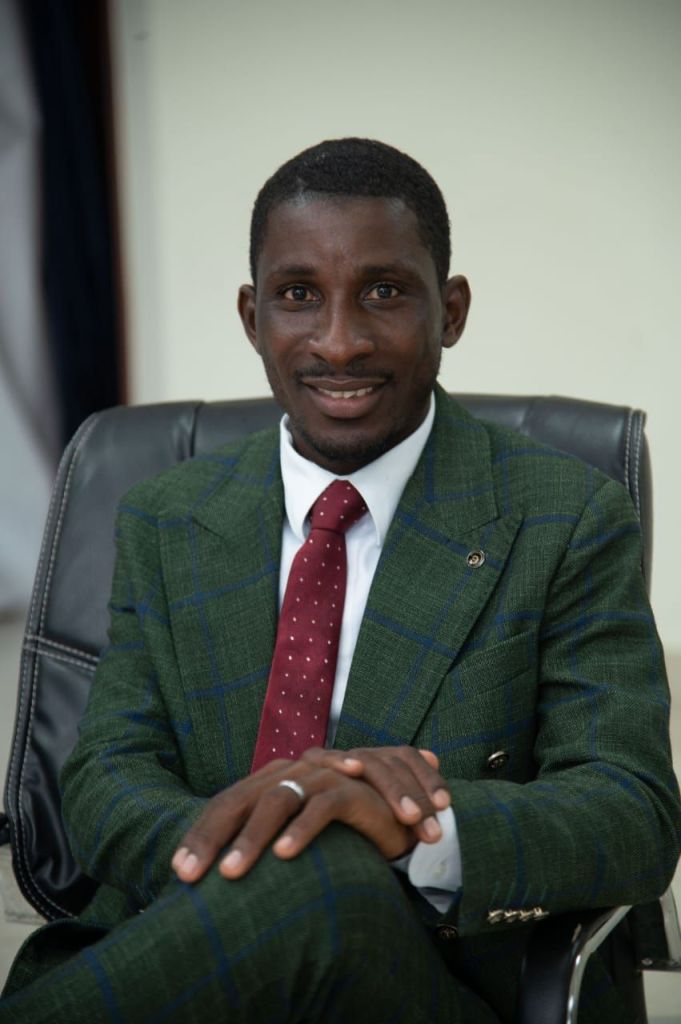
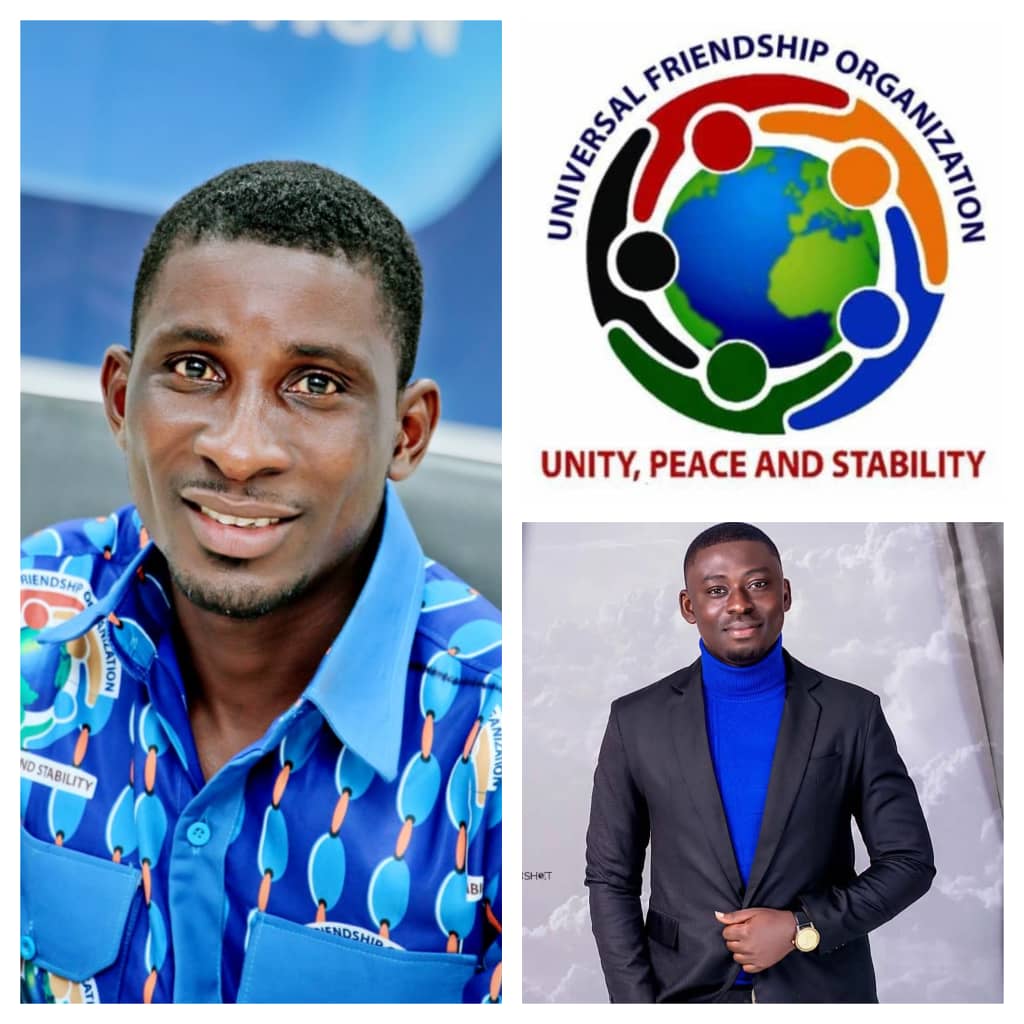
President and Founder of UFO Ghana, Mr Samuel Adobah, made the call in a World Peace Day interview, stressing that peace should not be treated as something people remember only when conflict breaks out.

“Without peace, there is no development. We must preach peace every day, everywhere,” Adobah said.

According to him, lasting peace cannot be built by governments and security agencies alone. It also depends on the everyday choices of citizens, how neighbours treat one another, how communities settle disagreements and how people respond to differences in ethnicity, religion and political opinion.

“Governments sign peace treaties, but ordinary people build peace,” he said.

Adobah said Ghana’s relative stability was the result of deliberate efforts over the years, including respect for democratic institutions, tolerance, dialogue and the willingness of citizens to settle political differences through constitutional means.

He noted that Ghana had experienced changes in government through elections since the beginning of the Fourth Republic, describing the country’s democratic institutions, traditional authorities, religious bodies, civil society and media as important contributors to its peace.

But he warned that peace should never be taken for granted.

Adobah identified youth unemployment and misinformation, particularly on social media, as major concerns capable of deepening political and social divisions.

He said a young person frustrated by unemployment and lack of opportunities could easily become vulnerable to manipulation when exposed to false or inflammatory information.

He therefore called for greater investment in youth entrepreneurship, digital skills, civic education and responsible media use.

“Peace must not be partisan,” he added, urging political actors to ensure that political competition did not become a source of hatred or threaten national security.

For UFO Ghana, however, peacebuilding must begin long before conflict becomes visible.
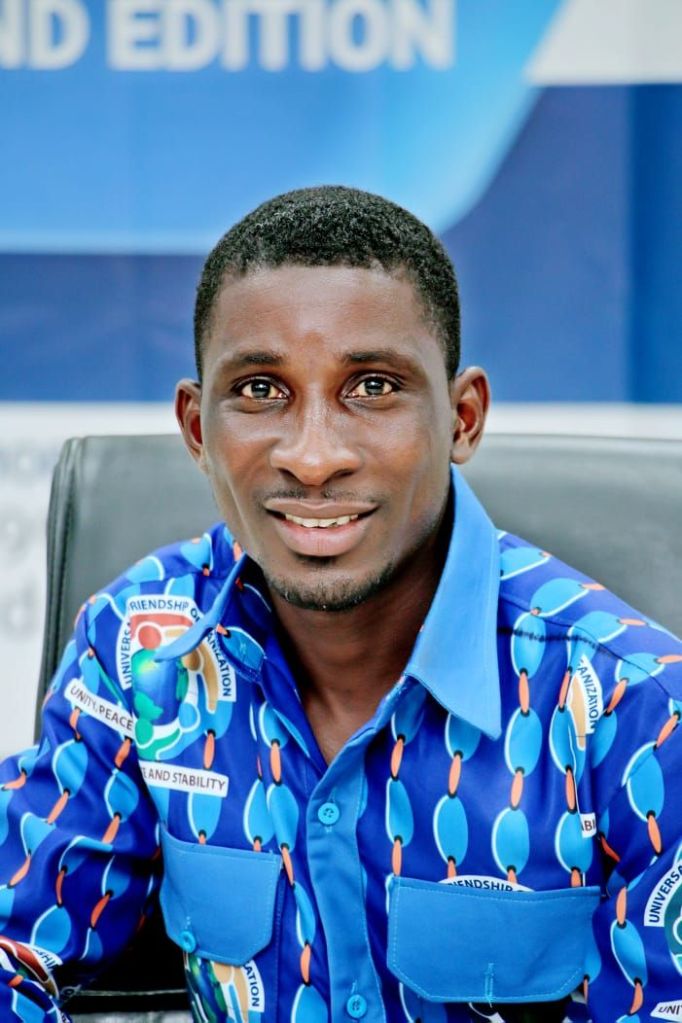
Mr Samuel Adobah, President Universal Friendship Organization

Adobah said the organisation, founded in 2019, had been using peace dialogues, youth conferences, advocacy and community engagement to promote understanding and peaceful coexistence.

He said UFO Ghana operates across five broad areas: education, peace and stability, cultural exchange, health and agriculture with a particular focus on using engagement and dialogue to bring people together.

He also highlighted the organisation’s youth empowerment efforts, including partnerships with the Centre for Intelligence and Security Analysis (CISA), UNIMAC-IJ and Helping Africa Foundation USA.

The aim, he said, was to help young people develop practical skills and become contributors to their communities rather than allowing frustration to push them towards violence.

“Young people are not the problem; they are the solution that is yet to be fully harnessed,” he said.

“An empowered youth is a peaceful youth.”

Adobah also believes peace can be strengthened through simple human connections.

He pointed to the relationship between Ghanaians and Nigerians as an example, noting that the two countries may be separated by borders but remain connected through culture, trade, family ties and shared history.

“When a market woman in Accra trusts her customer from another tribe, when a Ghanaian landlord lives peacefully with a Nigerian tenant, that is real peace,” he said.

He argued that knowing people personally makes it harder to believe harmful stereotypes about them.

“That is the essence of Universal Friendship; we promote tolerance, understanding and unity at the grassroots, where peace truly lives,” he added.

Looking beyond Ghana, Adobah called for stronger cooperation between peace organisations across West Africa, particularly between Ghana and Nigeria.

He proposed a West African Friendship Network that would bring peace organisations together to work on youth peace education, cultural exchange, conflict prevention and campaigns against misinformation and political violence.

He also suggested youth exchange programmes, joint early-warning initiatives and coordinated advocacy through regional and continental institutions.

According to him, UFO Ghana is ready to work with organisations in Nigeria and other African countries and is also planning to establish its presence in Nigeria.

“Ghana and Nigeria are brothers, separated by borders but united by destiny,” he said.

Also speaking, Mr Mark Acheampong, Executive Member of UFO Ghana, said Ghana’s peace had been supported by democratic institutions, regular elections, constitutional governance, an active civil society, the media and the contributions of traditional and religious leaders.

Acheampong, however, said peace required constant effort.

“We cannot wait until conflict begins before we start talking about peace,” he said.

He identified youth unemployment, political polarisation and misinformation as interconnected challenges and called for more investment in jobs, skills development, civic education, media literacy and community-level peacebuilding.

He also urged young Africans to see themselves as active participants in peacebuilding rather than simply beneficiaries of peace.

“You cannot continuously tell young people to protect peace while excluding them from conversations about their future,” Acheampong said.

He said UFO Ghana was interested in partnerships with organisations in Nigeria and other African countries around youth peace education, intercultural dialogue, media for peace, conflict prevention and leadership development.

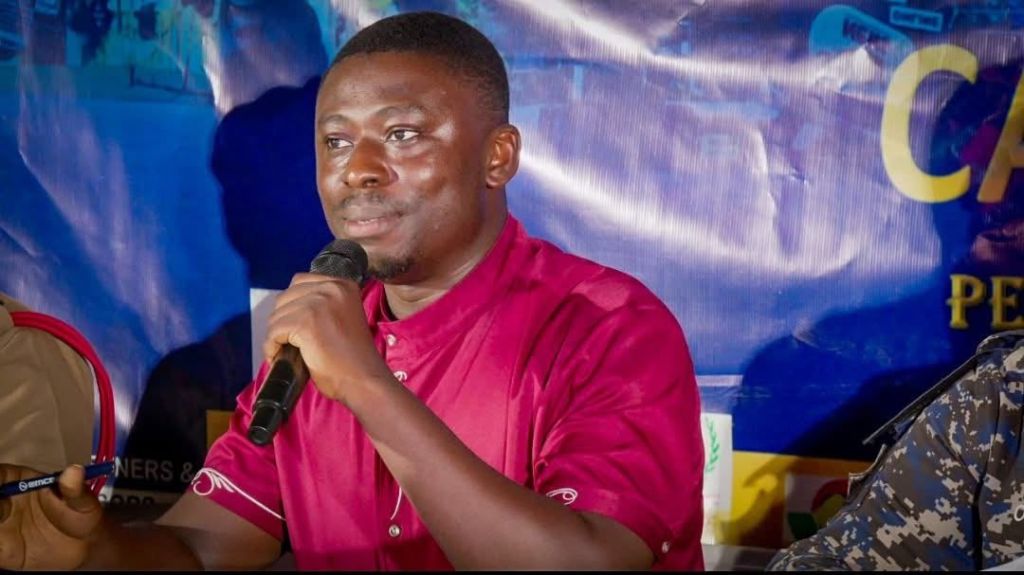
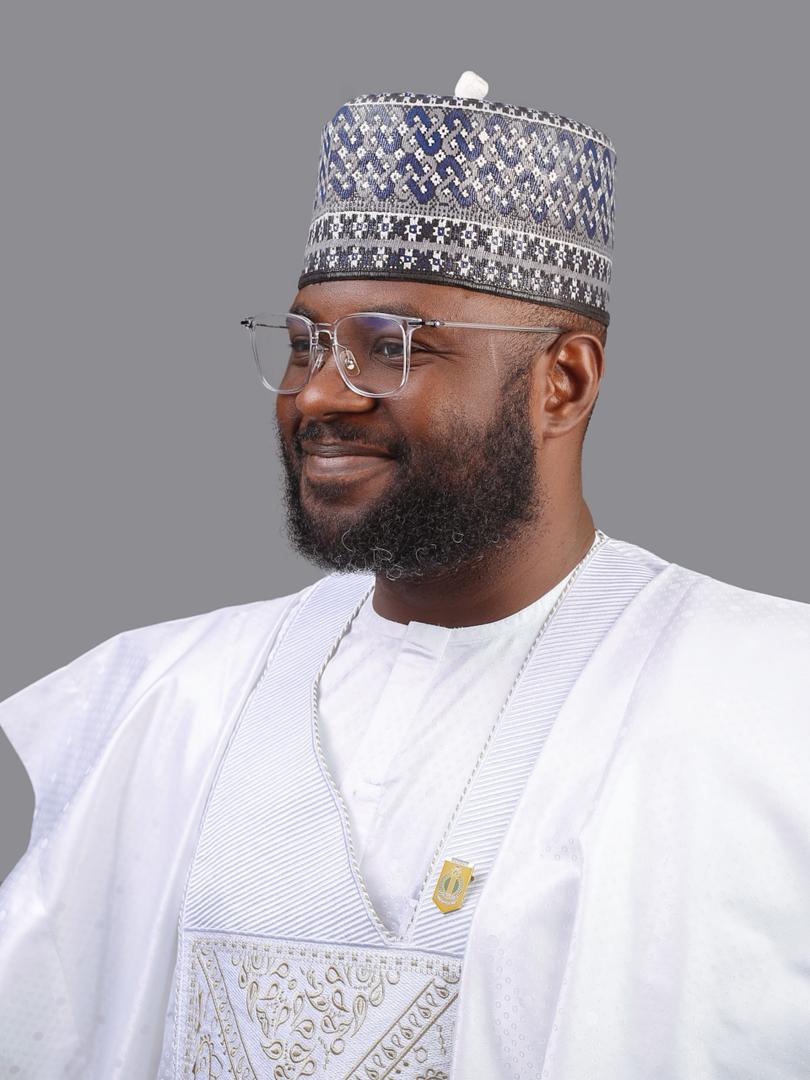
Executive Member, Mark Acheampong

As the world marks World Peace Day, the message from UFO Ghana is that peace cannot be left entirely in the hands of governments or security institutions.

It must also live in homes, schools, markets, communities and across borders in the way people speak to one another, resolve disagreements and respond to their differences.
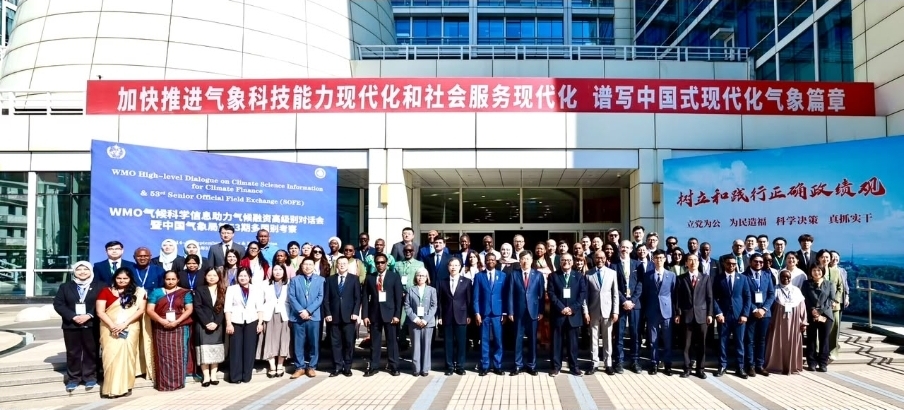
NiMet DG Anosike participates in WMO High-level Dialogue on Climate Science Information for Climate Finance and the 53rd Senior Official Field Exchange (SOFE)

The World Meteorological Organization (WMO) hosted the High-level Dialogue on Climate Science Information for Climate Finance and the 53rd Senior Official Field Exchange (SOFE) in Beijing, China, from September 14 to 18, 2026.

The High-level Dialogue featured discussions on: strengthening the role and leadership development of National Meteorological and Hydrological Services (NMHSs) in mobilizing climate finance; aligning scientific and technical capabilities with risk-informed, people-centred early warning systems; shifting from technical assistance to sustainable investments by expanding practical cooperation between meteorological frameworks and multilateral financing entities; and support to NMHSs leadership on strengthening strategic thinking and fostering productive partnerships.

Held back-to-back with the High-level dialogue was the 53rd Senior Official Field Exchange to Fujian Province for first-hand exposure to the implementation of Multi-hazard, Alert, Zero-gap and Universal (MAZU) platform – China’s AI-driven meteorological early warning solution in support of the Early Warnings for All (EW4All) initiative and disaster risk reduction practices through technical exchanges, field visits and peer learning.

Ghana’s Peace Ranking Slips 38 Places, Group Raises Concern Ahead Of Political Season

Maryam Aminu

Ghana’s reputation as one of Africa’s most peaceful countries is facing a new test, with the country falling 38 places in the global peace ranking since 2021, according to the Universal Friendship Organization (UFO).

The organisation’s President, Samuel Adobah, raised the concern in a statement issued ahead of the World Peace Day celebration on 21st September 2026, warning that the trend should prompt renewed efforts to protect social cohesion and peaceful coexistence.

Ghana had reached 38th position globally and second in Africa in 2021, after improving from 44th globally and sixth in Sub-Saharan Africa in 2016. Its GPI score in 2021 was 1.715.

But the country’s ranking has since moved in the opposite direction, falling to 40th globally in 2022, 51st in 2023, 55th in 2024, 61st in 2025 and 76th in 2026.

The 2026 Global Peace Index, produced by the Institute for Economics & Peace, placed Ghana 76th globally with a score of 1.943. The country ranked behind Mauritius, Equatorial Guinea, Botswana, The Gambia, Madagascar, Namibia, Sierra Leone and Senegal in Sub-Saharan Africa.

For the Universal Friendship Organization, the decline is more than a change in numbers on an international ranking. The group said it should serve as a warning at a time when economic pressure, social tensions and political activity are placing additional demands on the country’s peace and stability.

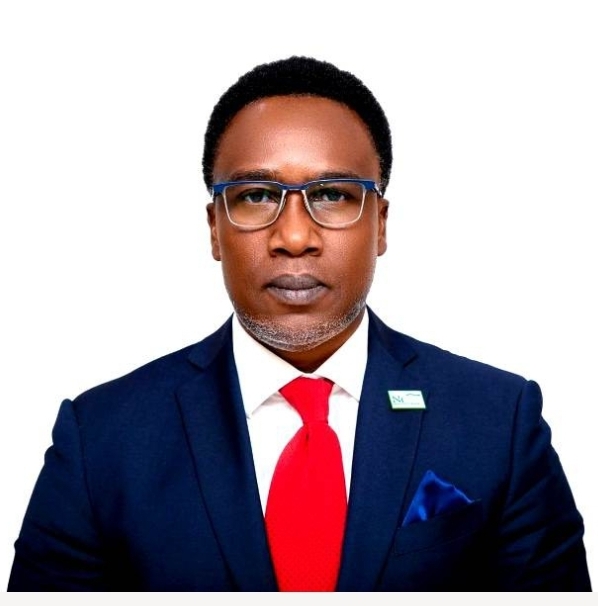
UFO President, Samuel Adobah

The organisation identified the high cost of living, youth unemployment and inequality among the economic pressures it believes are affecting peace, while also pointing to chieftaincy disputes, communal conflicts and discrimination against vulnerable groups.

It also expressed concern about political polarisation, intolerance and mistrust as Ghana prepares for its political season.

The organisation urged the government and political parties to put the country’s peace ahead of partisan interests, warning against hate speech, vote-buying and political rhetoric that could deepen divisions.

“Ghana’s peace is bigger than any political party, candidate, or personal ambition,” the organisation said.

It called on the government to invest more in youth employment, social justice and citizen safety, while urging political parties to embrace decent, issue-based campaigns.

Traditional and religious leaders, it said, should use their influence to promote dialogue and inclusion, while ordinary citizens should contribute through tolerance and peaceful interaction.

The appeal forms part of the organisation’s Peace Campaign Awareness ahead of World Peace Day, which will be marked on 21st September under the theme, “Invest in Peace for Everyone, Everywhere, Everyday.”

The Universal Friendship Organization said maintaining peace requires deliberate investment, stressing that preventing conflict is less costly than dealing with its consequences.

The group also called on Ghanaians to work towards restoring the country’s position among Africa’s most peaceful nations.

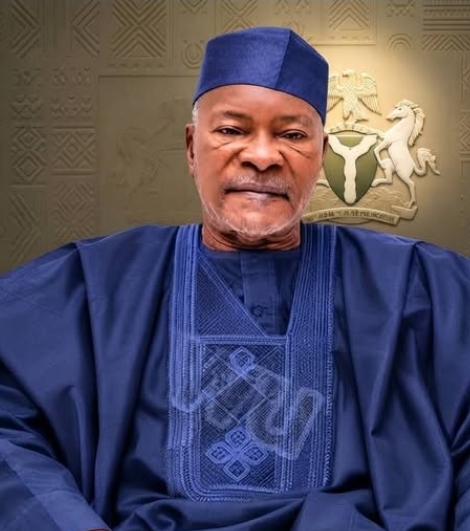
Roots That Remember: Tribute to Abubakar Sadiq Omar

By Ebaide Omiunu, Executive Director, The Ebaidebheke Initiative (TEI)

ABUJA — The Managing Director of Steron Group, Mr Abubakar Sadiq Omar, mni, has been commended for demonstrating an uncommon commitment to environmental sustainability and community development through his personal involvement in tree planting and responsible waste management.

The commendation was contained in a tribute by the Executive Director of The Ebaidebheke Initiative (TEI), Ebaide Omiunu, following the organisation’s participation in the Befriend a Tree initiative of the Steron Community Development Foundation in the Wasa and Takushara communities.

Omiunu recalled how TEI was invited by the Steron Community Development Foundation to participate in the tree-planting exercise, describing the invitation as an opportunity to work together in promoting environmental sustainability at the community level.

According to her, she had previously heard of Omar’s commitment to environmental responsibility at his mining operations, particularly his insistence that waste generated at the site should be properly separated for recycling.

She said the commitment was significant because it demonstrated that environmental responsibility was being pursued beyond regulatory requirements or public visibility.

The TEI Executive Director said the Befriend a Tree exercise subsequently became one of the organisation’s most fulfilling community engagements, with the Steron Community Development Foundation providing 100 seedlings for planting across Wasa and Takushara.

She noted that what particularly stood out was Omar’s decision to participate personally in the exercise rather than merely support it financially.

According to Omiunu, Omar personally planted 20 of the 100 trees during the exercise.

She recalled watching the Steron Group MD kneel in the soil while planting one of the seedlings and reflecting on his message that trees should be planted not merely for the benefit of those who plant them, but for people who may never be known to them.

Omiunu described the philosophy as a powerful definition of legacy, stressing that lasting impact is not always measured by buildings, titles or material possessions, but by what continues to benefit communities long after the individuals responsible have moved on.

She said Omar’s personal participation demonstrated a leadership philosophy rooted in action and responsibility.

“A man who separates his waste when no one is checking. A man who kneels in the dirt of host communities instead of merely funding others to kneel there on his behalf,” she said, describing the values she observed during the exercise.

Omiunu further commended the Steron Community Development Foundation for what she described as a commitment to environmental action beyond publicity.

She said her experience with several partners over the years had taught her to distinguish between organisations that undertake environmental projects primarily for publicity and those genuinely committed to creating lasting impact.

According to her, the Steron Community Development Foundation, under Omar’s leadership, belongs to the latter category.

She said the 100 trees planted in Wasa and Takushara represented more than an environmental exercise, describing them as a contribution to the future of the communities.

“Nigeria plants very few things meant to outlive the planter. Abubakar Sadiq Omar, mni, planted twenty that will,” Omiunu stated.

She added that the initiative reinforced the idea that sustainable development involves not only extracting resources from the earth but also taking deliberate steps to restore and protect the environment.

“The truest wealth a nation can leave behind is not always pulled out of the ground — sometimes it’s put back into it,” she said.

If you want, I can also make it more like a Vanguard/Leadership newspaper report, with a stronger headline, subheadline and a more conventional straight-news structure.

NiMet Data Hub advances climate services for Nigerian agriculture

The Nigerian Meteorological Agency (NiMet) is advancing a national digital platform intended to give farmers, livestock keepers and agricultural advisers more reliable access to location-specific weather and climate information. The NiMet Data Hub, developed with the International Livestock Research Institute (ILRI) and Crea2Solutions, has moved from design and mock-up review to an advanced Minimum Viable Product, with NiMet weather and climate services now under testing.

Work on the hub began in February 2026 under the Climate Services for Youth (CS4Y) and AGRA programmes. By July 2026 the project had progressed from early design to a testable product. The initiative is intended to improve access to historical, monitored and forecast climate information and to support risk analysis, seasonal planning and climate-informed decision-making.

Officials and partners have described the hub as a response to persistent weaknesses in agricultural climate services, including fragmented data, limited coordination among information providers, and the difficulty of turning technical forecasts into timely, practical advice. Stakeholder engagement co-hosted by NiMet and ILRI has focused on mapping Nigeria’s agro-meteorological data and advisory landscape, identifying information and delivery gaps, strengthening institutional linkages, improving last-mile communication, and supporting gender and social inclusion.

The platform is expected to serve farmers, pastoralists, extension professionals, researchers, government institutions and private advisory providers. NiMet resources such as online map rooms and agricultural climate products are expected to feed the system, enabling the development of context-specific agro-weather advisories. ILRI’s contribution is aligned with its wider work of organising research data, developing digital tools and making information more usable for partners and decision-makers.

The project is consistent with the food security, climate-smart agriculture and digital service priorities of President Bola Ahmed Tinubu’s Renewed Hope Agenda. By seeking to place usable climate information in the hands of producers and advisers, the hub is intended to support preparedness, reduce climate-related losses and strengthen agri-food livelihoods.

Musa Charges Defence Ministry Staff on Security Consciousness, Pledges Stronger Civil-Military Synergy

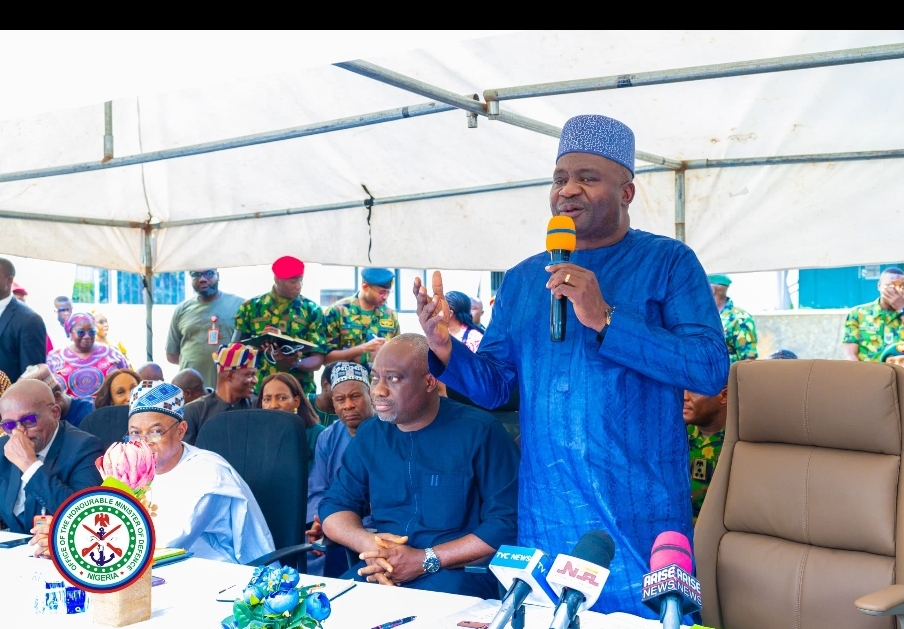
ABUJA — The Minister of Defence, General Christopher Gwabin Musa (Rtd), OFR, has urged personnel of the Ministry of Defence to remain vigilant, security-conscious and proactive in identifying and mitigating potential safety and security risks.

Musa gave the charge on Monday at a Town Hall meeting with staff of the Ministry at its headquarters, Ship House, Abuja, where he stressed the important role of civilian personnel in Nigeria’s national security architecture.

The Minister urged staff to promptly report suspicious activities and remain alert to their surroundings, adopting the mantra, “See something, say something.” He also advised personnel to maintain situational awareness, particularly regarding their movements.

The maiden Town Hall meeting with the Minister was organised to strengthen direct communication between the ministry’s leadership and its workforce, identify operational gaps and address pressing concerns affecting personnel.

Musa expressed appreciation for the dedication of ministry staff and reaffirmed the commitment of President Bola Ahmed Tinubu’s administration to improving the welfare and working conditions of civil servants.

The Minister described civil servants as the “engine room of government,” stressing the importance of their contribution to the effective implementation of government policies and programmes.

He also called for stronger civil-military cooperation within the Ministry of Defence, urging civilian employees and members of the Armed Forces to work together with unity, teamwork and mutual respect.

According to him, plans are underway to introduce structured engagement programmes aimed at fostering stronger working relationships between the ministry’s civilian and military personnel.

In her remarks, the Director Overseeing the Office of the Permanent Secretary, Mrs Bosede Olaniyi, commended the Minister for initiating the engagement.

She said the Town Hall meeting would promote open communication, discipline and collective responsibility in the discharge of the ministry’s mandate of safeguarding Nigeria’s sovereignty.

Presenting concerns on behalf of workers, the President of the Joint Executive Council of the Ministry of Defence Union, Mr Dahiru Goronyo, highlighted several issues affecting staff welfare.

They included delays in third-party remittance deductions, transportation challenges, training opportunities, promotion-related matters and outstanding entitlement arrears.

The Minister and members of the management team responded to the issues raised and assured the workers that steps would be taken towards their prompt resolution.

Concluding the meeting, the Director of Human Resources, Mr Idris Gaya, mni, thanked the Minister for what he described as his accessible leadership and clear strategic direction.

Gaya pledged the workforce’s renewed loyalty and commitment to supporting the administration’s objectives and the effective delivery of the Ministry of Defence’s mandate.

The Town Hall meeting was attended by Directors, Heads of Departments and Units, personnel across various cadres of the ministry and representatives of the media.

The statement was signed by Leah Katung-Babatunde, Special Assistant (Media) to the Honourable Minister of Defence.

Matawalle Leads Delegation to Czech Republic, Seeks Ammunition Production Line for DICON

By Our Correspondent

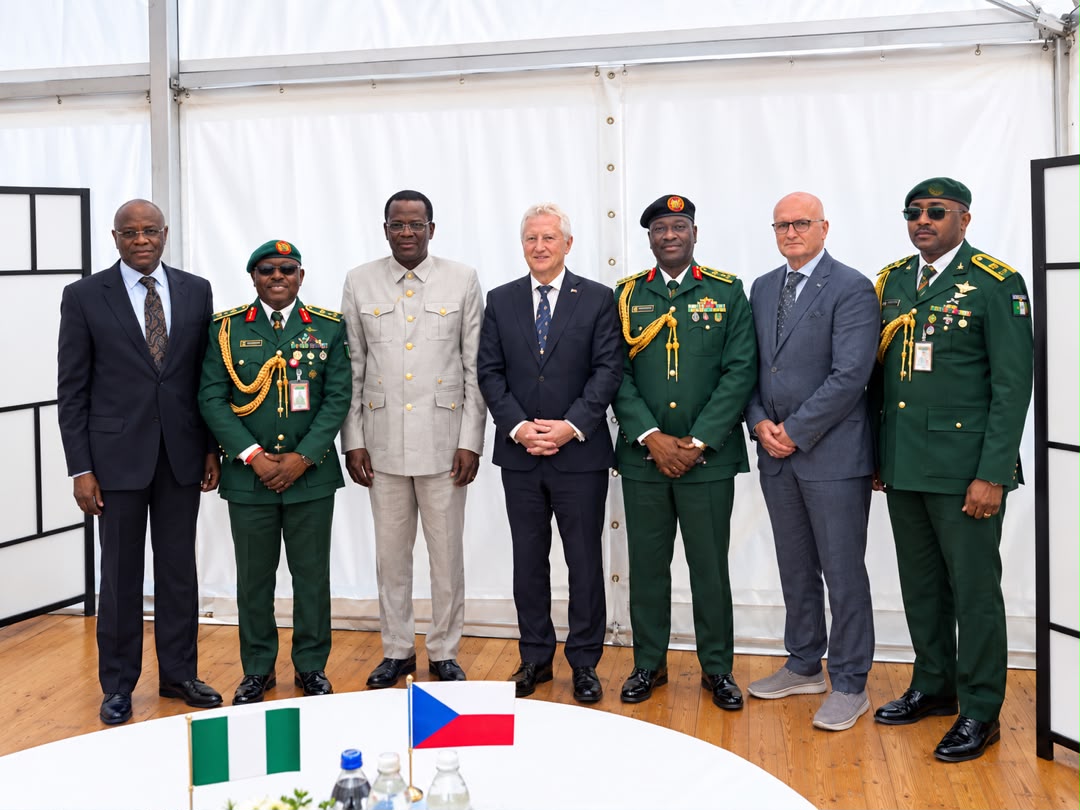
The Minister of State for Defence, Dr Bello Muhammed Matawalle, has led a Nigerian delegation on a three-day official working visit to the Czech Republic aimed at strengthening defence industrial cooperation between both countries.

The visit is focused on expanding Nigeria’s defence manufacturing capabilities, particularly through technology transfer and the establishment of an ammunition production line for the Defence Industries Corporation of Nigeria (DICON).

Matawalle, who led senior officials of the Ministry of Defence, DICON and the National Agency for Science and Engineering Infrastructure (NASENI), attended the Czech Air Force Day/Air Show and Defence Exhibition in Ostrava, where modern and heavy defence equipment manufactured by the Czech defence industry was showcased.

On the sidelines of the exhibition, the minister held a strategic bilateral meeting with his Czech counterpart, Deputy Prime Minister and Minister of Defence of the Czech Republic, Lt. Gen. Jaromír Zuna (Rtd).

Discussions at the meeting centred on strengthening the existing strategic partnership between Nigeria and the Czech Republic and expanding cooperation aimed at improving DICON’s capacity to manufacture military hardware.

Matawalle specifically called for Czech support in establishing an ammunition production line in Nigeria as part of efforts to strengthen the country’s domestic defence industrial base.

The two ministers also discussed the transfer of technology to Nigeria, particularly in the production of unmanned aerial vehicles (UAVs) and other military hardware.

Matawalle stressed the importance of technology transfer and industrial cooperation in building Nigeria’s capacity to produce critical defence equipment locally.

Responding, the Czech Minister of Defence expressed his satisfaction with the Nigerian delegation’s visit and assured Matawalle of the Czech Republic’s willingness to collaborate with and support Nigeria in strengthening DICON’s defence production capabilities.

The Czech minister also indicated readiness to facilitate the requisite transfer of technology as part of the proposed cooperation.

As part of the three-day visit, Matawalle is scheduled to tour several defence and security industrial complexes across the Czech Republic to explore opportunities for further cooperation and technological collaboration.

The visit is part of ongoing efforts by the Nigerian government to deepen international defence partnerships while strengthening domestic capacity for the production of military hardware and other defence-related equipment.

The statement was signed by Queeneth Iheoma-Hart, Chief Information Officer, Information and Public Relations, Ministry of Defence.

Africa Must Unite Against Terrorism, Transnational Crime, Emerging Threats — Matawalle

Minister of State for Defence, Dr Bello Muhammed Matawalle, has called for stronger continental cooperation, intelligence sharing and interoperability among African armed forces to tackle terrorism, transnational organised crime and emerging security threats confronting the continent.

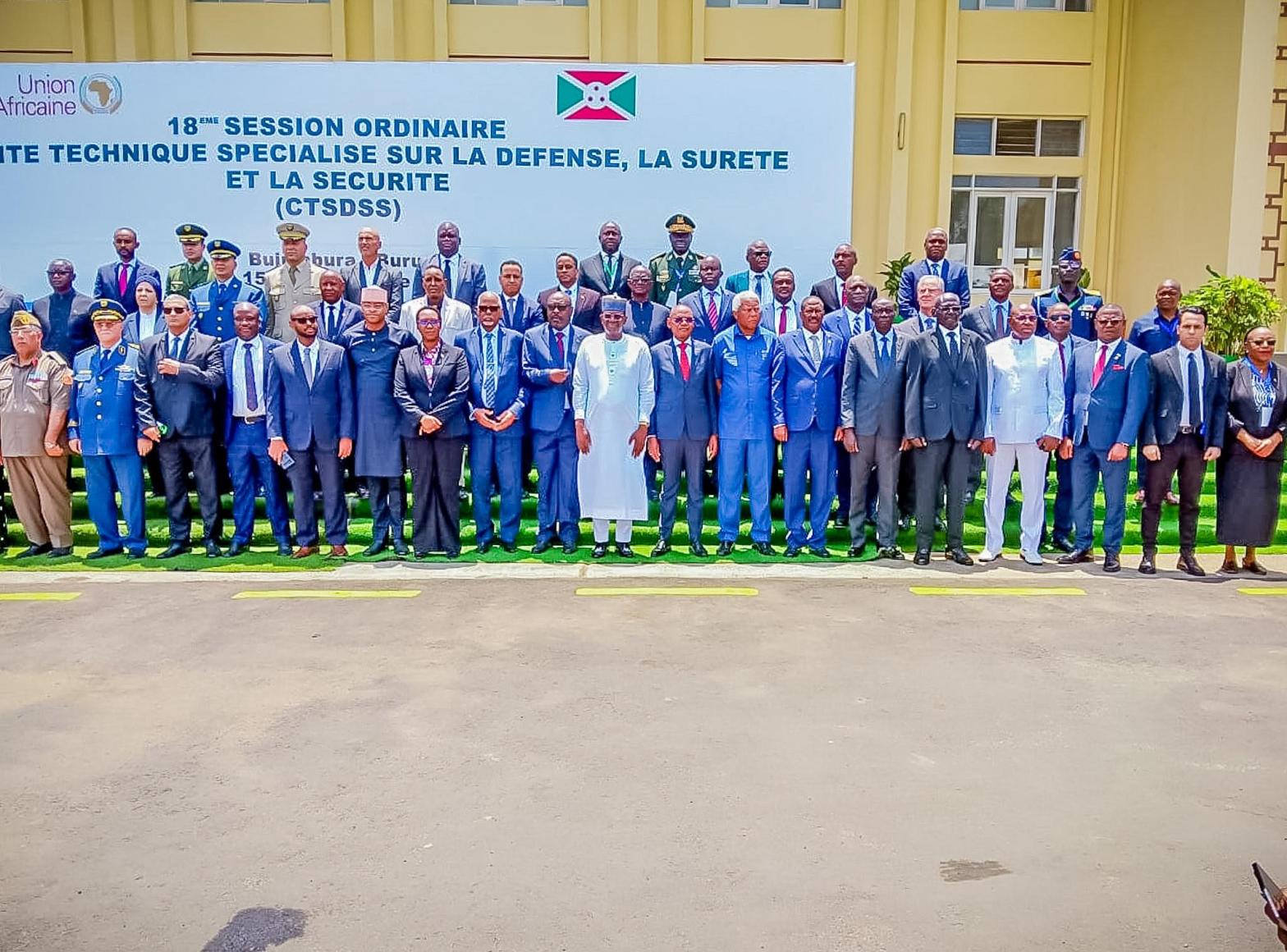
Matawalle made the call while delivering Nigeria’s address at the 18th Ordinary Session of the Specialised Technical Committee on Defence, Safety and Security (STCDSS) and the 21st Ordinary Meeting of African Chiefs of Defence Staff and Heads of Safety and Security in Bujumbura, Burundi.

Addressing Defence Ministers, the African Union Commissioner for Political Affairs, Peace and Security, Chiefs of Defence Staff and members of the diplomatic corps, the minister said the relevance of the STCDSS had become increasingly important as Africa faces complex and interconnected security challenges.

He identified terrorism and violent extremism, transnational organised crime, trafficking in persons and arms, piracy, cyber threats, unconstitutional changes of government and communal conflicts as challenges requiring a collective response.

Matawalle said the threats were not confined to national borders, stressing that no country could effectively address them in isolation.

He therefore called for stronger cooperation among the African Union, Regional Economic Communities and member states, alongside improved intelligence sharing, joint and multinational operations and sustained political commitment to the African Peace and Security Architecture (APSA) and the African Standby Force (ASF).

According to him, successes recorded through joint operations demonstrate that coordinated African efforts can significantly degrade terrorist and criminal networks.

The minister also raised concerns over the rapidly changing nature of security threats driven by technological developments, including the use of drones and artificial intelligence, as well as cyber capabilities for recruitment, radicalisation, financial crimes and other illicit activities.

“Africa must invest in technological innovation, research and development, intelligence capabilities and human capital, while ensuring that technology is employed responsibly and in accordance with international law,” he said.

Matawalle further stressed that military responses alone would not be sufficient to address insecurity, noting that underlying factors such as poverty, unemployment, weak institutions, limited access to education and social services, climate pressures and inadequate economic opportunities must also be addressed.

“Our approach to security must therefore be comprehensive. Military and security responses must be complemented by effective governance, youth empowerment, education, economic development, strengthened justice systems and social inclusion,” he added.

Reaffirming Nigeria’s commitment to continental peace and security, Matawalle said the country remained committed to the principle of “African solutions to African problems.”

He said Nigeria would continue to contribute to regional and continental peace-support operations, counter-terrorism initiatives and capacity-building programmes.

The Minister commended the leadership of the African Union and the STCDSS for their contributions to peace, security and stability across the continent, while wishing delegates fruitful deliberations.

The meeting brought together Defence Ministers, Chiefs of Defence Staff and Heads of Safety and Security from AU member states to consider practical and sustainable responses to Africa’s evolving security challenges.

The statement was signed by Queeneth Iheoma-Hart, Chief Information Officer, Information and Public Relations, Ministry of Defence.

Wada Mourns Ibrahim Idris, Says Death Is Personal Loss to Kogi

By Our Correspondent

Former Governor of Kogi State, Captain Idris Ichalla Wada, has mourned the death of his predecessor, Alhaji Ibrahim Idris, describing his passing as a deeply personal loss and a collective loss to the people of Kogi State and Nigeria.

Ibrahim Idris, a former governor of Kogi State, died in the United Kingdom on Sunday, September 20, 2026.

Wada, in a condolence message issued by his Special Adviser on Media and Publicity, David Alfred-Dogwo, on Sunday, described the deceased as a distinguished statesman, successful industrialist and committed public servant whose nearly nine years in office left a significant mark on the development of Kogi State.

According to him, the late governor’s administration recorded major interventions in infrastructure, education, healthcare, housing and rural development across the state.

Wada highlighted projects associated with the administration, including the International Market, Specialist Hospital, Confluence Stadium, Greater Lokoja Water Scheme, dualisation of major roads in Lokoja, construction of numerous primary school blocks and housing estates across the state’s local government areas.

He also commended the late governor’s record of fiscal discipline, noting that his administration left Kogi State among the most solvent states in the country at the end of his tenure.

The former governor said his relationship with Ibrahim Idris extended beyond politics, stressing that as the immediate successor to the late governor, he shared a close personal and familial bond with him.

Wada described Ibrahim Idris as not only a respected predecessor and political leader but also a brother whose counsel, experience and commitment to the progress of Kogi State were invaluable.

“His passing is therefore a deeply personal loss as well as a collective one for the people of Kogi State and Nigeria,” Wada said.

He extended his condolences to the immediate and extended families of the deceased, his friends, political associates, members of the Peoples Democratic Party and the entire people of Kogi State.

Wada prayed that Almighty Allah would grant the bereaved family and all those affected by the loss the fortitude to bear the irreparable loss.

He further prayed that Allah, in His infinite mercy, would forgive the shortcomings of the late former governor, accept his good deeds and grant him Al-Jannatul Firdaus.

Wada also prayed for the peaceful repose of the deceased and expressed the hope that his legacy of service would continue to inspire generations of Kogites.

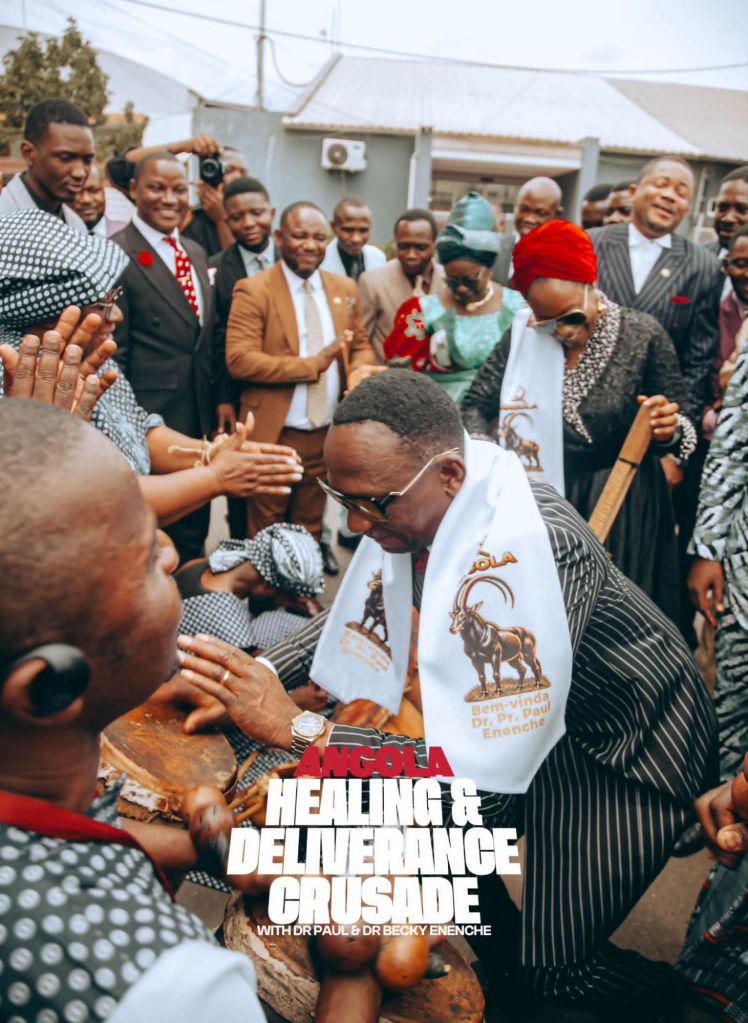
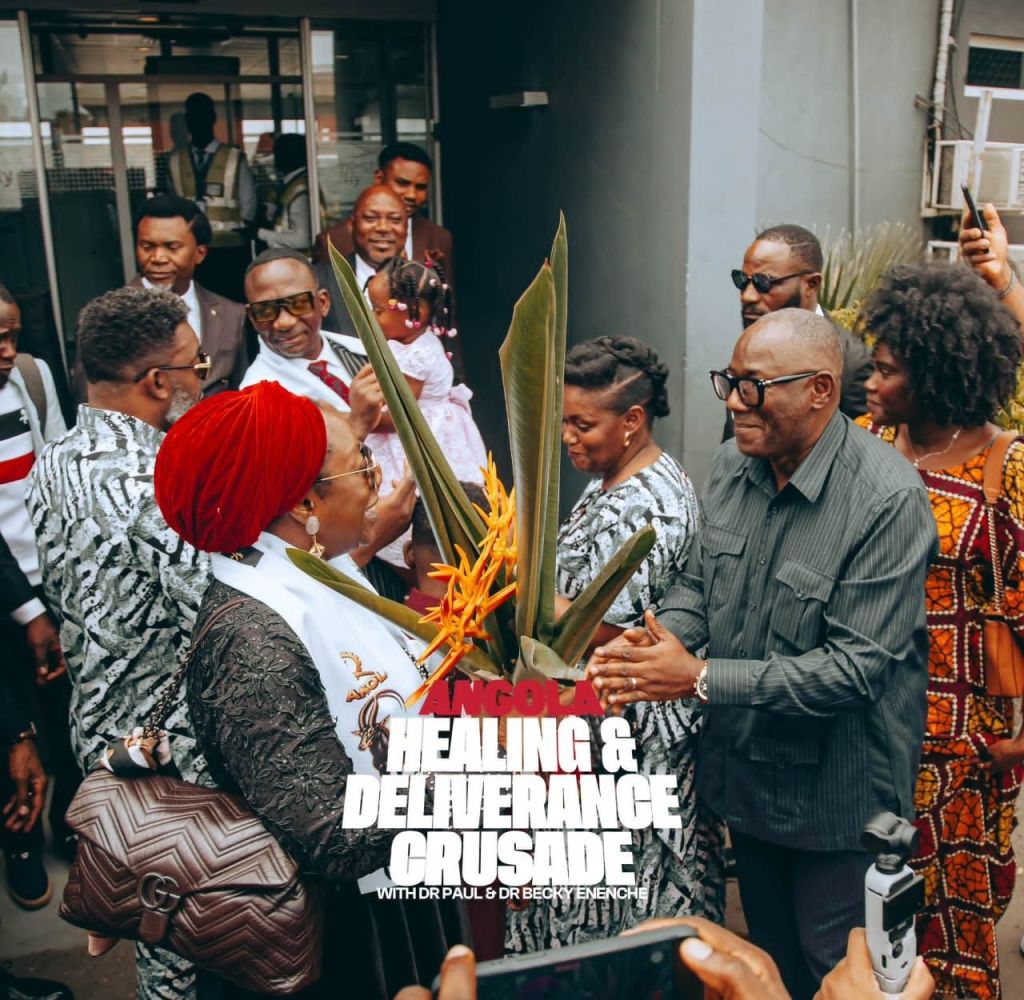
Dunamis Senior Pastor Ignite Revival Fire Crusade in Angola

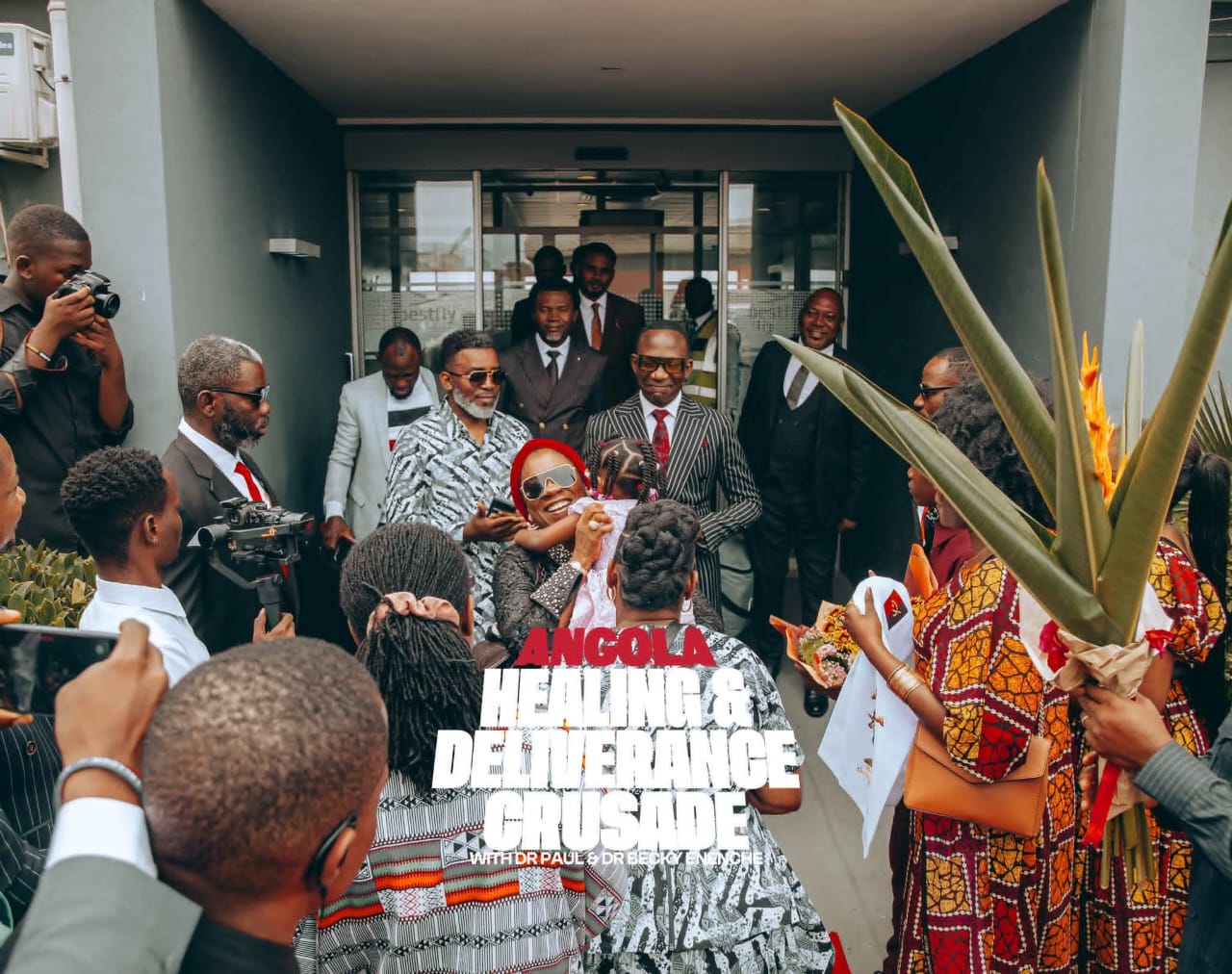
The Senior Pastors of Dunamis International Gospel Centre (DIGC), Dr Paul and Dr Mrs Becky Enenche, have continued their global evangelistic outreach by igniting fresh revival fire in Angola through powerful crusade meetings marked by salvation, healing, deliverance, restoration, and renewed hope for many lives.

The Angola Revival Fire Crusade commenced in Luanda on September 18 and concluded on September 19, 2026, with a remarkable manifestation of God’s presence as multitudes gathered to experience a fresh move of the Holy Spirit.

Upon arrival in Angola, Dr Paul Enenche expressed gratitude for the warm reception received from the people of the nation and declared his expectation for healing, deliverance, restoration, and life-changing encounters with Jesus Christ.

Dr Enenche, ‘”I see the power of God being released everywhere”

“God is going to send you to the territory of the devil, to show him”.

He encouraged the people of Angola to seize the opportunity for divine visitation, inviting families, friends, and loved ones to attend the Healing and Deliverance Crusade and encounter the saving power of Jesus Christ.

A major highlight of the crusade, was the testimony young lady completely healed after she ran mad and in that condition, someone impregnated her and she gave birth to a lovely baby.

The crusade witnessed an outpouring of God’s power as lives were transformed, souls were saved, and many experienced healing, deliverance, recovery, and restoration. Participants testified to encountering the saving, healing, and restoring power of Jesus Christ, while numerous lives were touched through the ministry of the Word and prayer.

The presence of God was evident throughout the meetings as hearts were refreshed, faith was strengthened, and a deeper hunger for revival spread among attendees. Diverse afflictions gave way to the power of Jesus Christ as many testified of divine encounters, freedom from oppression, and renewed hope.

The atmosphere remained charged with expectation as chains were broken, destinies were restored, and countless people encountered the transforming presence of God. The Holy Spirit moved powerfully, bringing healing to the sick, freedom to the oppressed, and encouragement to those seeking divine intervention.

The crusade also featured vibrant sessions of worship, fervent prayers, and inspiring testimonies, as participants shared accounts of healing, deliverance, and life-changing encounters with God. These experiences left a lasting spiritual impact on attendees and reinforced the message of hope, salvation, and transformation through Jesus Christ.

Beyond spiritual ministrations, Dr Paul and Dr Mrs Becky Enenche remain committed to holistic impact through compassion-driven initiatives, free medical and welfare outreaches, community development programmes, soul-winning efforts, and global evangelism.

The Angola crusade comes on the heels of the successful Healing and Deliverance Crusade held recently in Karshi, Abuja, Nigeria.