Malala Fund and Partners Urge Nigerian Government to Protect the VAPP Act

Maryam Aminu

The Malala Fund along with its partners, has called on the Nigerian government to reject the proposed repeal of the Violence Against Persons Prohibition (VAPP) Act.

Enacted in 2015, this landmark legislation provides critical protections against gender-based violence (GBV) and ensures the safety, empowerment, and education of girls across Nigeria.

The VAPP Act is a significant achievement in Nigeria’s fight against GBV, criminalizing various forms of abuse, including domestic violence, rape, female genital mutilation, and child marriage.

The Advocacy groups warn that repealing the Act could have severe consequences for girls’ education, potentially increasing dropout rates and creating more hostile learning environments.

“Repealing the VAPP Act would not only undermine efforts to protect Nigerian women and girls from violence but also threaten their right to education,” said Nabila Aguele, Chief Executive of Malala Fund Nigeria.

“When girls feel safe, they are more likely to attend school and reach their full potential. We cannot afford to take a step back in the fight for gender equality. We urge the Senate to amend and strengthen the Act, rather than repeal it.” She added

While recognizing that the VAPP Act may require revisions to ensure clarity and inclusivity, Malala Fund and its partners advocate for amendments rather than a complete repeal.

“Introducing new provisions, such as attempted rape and defilement, is commendable. However, repealing the entire Act could have far-reaching repercussions,” said Bukky Shonibare, Executive Director of Invictus Africa.

“The VAPP Act, passed after years of effort, has now been adopted by 35 of the 36 states in Nigeria. Let us build on this progress by amending and properly implementing the Act rather than repealing it.” said Shonibare

Advocates also call for better implementation of the VAPP Act to support GBV survivors effectively.

“Enacting and implementing legal protections against gender-based violence is critical for ensuring girls have access to education, stay in school, and complete their education,” said Toyin Chukwudozie, Executive Director of Education as a Vaccine.

“Repealing the VAPP Act will jeopardize this fundamental right for all girls nationwide, particularly in states where the Act has already been adopted. It is unnecessary and undermines the efforts of everyone who fought for its passage.”

Malala Fund and its partners reiterated their commitment to ensuring 12 years of free education for all Nigerian children.

The VAPP Act is a crucial component of this effort, and the coalition will continue advocating for its preservation and effective implementation.

The coalition called on the Senate to reject the repeal of the VAPP Act.

They further urged the Senate to amend the VAPP Act to ensure clear, inclusive language that protects all individuals, particularly women and girls.

The statement was signed by Hamzat Lawal of Connected Development (CODE), Rotimi Olawale of YouthhubAfrica, Frances Okeke of Sustainable Collective Advocacy for Africa Development Initiative, Benjamin John of Unique Care and Support Foundation (CASFOD)

Others include Hassana Shuaibu of ACE Charity, Sani Muhammad of Bridge Connect Africa Initiative, Pamela Okoroigwe of The Inclusion Project (TIP),  Abubakar Muazu of Center For Advocacy, Transparency and Accountability Initiative (CATAI), Gideon Olanrewaju of AREAi, Toyin Chukwudozie of Education as a Vaccine, Sola Fagorusi of Onelife Initiative and Bukky Shonibare of Invictus Africa

FG to Equip Youth with Skills for National Development -Youth Minister

Maryam Aminu

The Federal Government has taken decisive steps to equip Nigerian youth with essential skills for success and meaningful contributions to national development.

The Minister of Youth Development, Dr. Jamila Bio Ibrahim announced this during a youth skills stakeholder consultative dialogue at her office in Abuja.

Dr. Ibrahim reaffirmed the government’s commitment to empowering young Nigerians.

“Nigeria’s youth make up over 60 percent of our population. This demographic is not just a statistic but a powerful force that, if properly harnessed, can transform our economy and elevate our global standing,” she said.

The Minister addressed the pressing issue of youth unemployment, highlighting the urgency of skills development and employment initiatives.

“With youth unemployment currently at approximately 42.5 percent, this is not a challenge we can afford to overlook. It requires immediate and comprehensive action,” she asserted.

Dr. Ibrahim detailed the Ministry’s strategies to tackle youth unemployment through groundbreaking initiatives, such as the restructured Nigerian Youth Investment Fund (NYIF), the Presidential Initiative on Youth Engagement and Cluster (PIYEC), and the National Youth Skills Program. These initiatives aim to equip young Nigerians with the skills, resources, and opportunities necessary to thrive in an evolving global economy and drive sustainable national progress.

“These programs provide accessible financing, training, mentorship, and enterprise development opportunities across critical economic sectors, paving the way for financial empowerment,” Dr. Ibrahim explained.

“The National Youth Skills Program, in particular, equips Nigerian youth with cutting-edge, globally competitive skills to ensure they are prepared for today’s interconnected marketplace.”

She also emphasized the importance of collaboration in achieving these goals.

“We aim to foster stronger interagency cooperation and enhance partnerships among government bodies, donors, and the private sector. By aligning our roles, leveraging our strengths, and pooling resources, we can create a unified and impactful approach to youth skills development,” the Minister added.

In his opening remarks, the Permanent Secretary of the Ministry, Mr. Olubunmi Olusanya, welcomed the stakeholders and underscored the significance of the National Youth Skills Program (NYSP).

Olusanya explained that the program is designed to bridge the critical skills gap among Nigerian youth, aligning with Nigeria’s broader development objectives, particularly President Bola Tinubu’s eight-point agenda to reduce unemployment and foster economic growth through entrepreneurship.

Prince Olugbenga Momoh, the Director of Enterprise Development and Promotion at the Ministry, thanked the stakeholders for their participation despite the short notice, describing their commitment as a positive sign for the future of Nigerian youth.

He outlined the Ministry’s efforts in building capacity in various areas, including vocational skills, business development training, and sectors such as borehole drilling, plumbing, electrical work, carpentry, interior decoration, tiling, vulcanizing, mechanics, and the creative industry.

From the right is the Perm. Sec. Federal Ministry of Youth development, Mr. Olubunmi Olusanya, flanked by the director of Enterprise Development and Promotion of the Ministry, Prince Olugbenga Momoh during the youth skills stakeholder consultative dialogue meeting in Abuja.

4th from the right is Dr. Jamila Ibrahim, 5th from the right is the Perm. Sec.with some directors of the Ministry and stakeholders during the meeting

World Sustainable Development Goals Organization’s Secretary-General lauds Nigeria’s UN  Resident  & Humanitarian Coordinator

By Maryam Aminu

World Sustainable Development Goals Organization,  which operates within the entire UN member nations, absorbing  the entire 17 SDGs as agencies, each  headed by Directors and Deputy Directors respectively  within the organization has lauded the Nigeria UN  Resident  &  Humanitarian Coordinator,
Mr. Mohamed Malick Fall for making time to tour around Nigeria for a sightseeing of the SDGs achievements across the federation.

The Secretary-General,  His Excellency Emmanuel Huleji Daudu who made this commendation recently expressed delight in the passion of the just posted to Nigeria  UN  Resident  &  Humanitarian Coordinator, Mr. Mohamed Malick Fall.

Secretary-General, World Sustainable Development Goals Organization, Mr. Emmanuel Huleji Daudu

Emmanuel stated that touring across the Nigerian states is a significant indicator that betokens passion for humanity, love for the Nigerian people, and desperation to better the 17 SDGs implementation in the country.

While speaking further, Emmanuel disclosed that the tour of the UN  Resident  &  Humanitarian Coordinator,
Mr Mohamed Malick Fall would, in no distance time, yield positive results as engagement with stakeholders across the federation has informed him on what to do and how to go about his job.
“Throughout his week-long tour, Fall engaged with various stakeholders, including state governors, commissioners, private sector leaders, civil society organizations, traditional rulers, and representatives from women and youth groups. Without doubt, this will increase the developmental strides across the federation through the instrumentality of the 17 SDGs”.

While congratulating him on his transfer to Nigeria, he assured him of the maximum support of the World Sustainable Development Goals Organization-Nigeria and the Global Body.

Famous Investigative Journalist, Wale Abideen Appointed TPI Spokesman

The Progressive Institute, TPI, Abuja has appointed Olawale Abdulfatai Abideen as the head of Media and Strategic Communications Department.

The institute which is a newly established Policy Think Tank of the ruling All Progressives Congress, APC was launched in Abuja last Friday.

A well known investigative journalist and Publisher of Security Monitor, Abideen bagged B. A (Homs) degree in Linguistics from the University of Ilorin and a post graduate diploma degree, PGD in Journalism from the prestigious Nigerian Institute of Journalism, NIJ, Lagos. He also acquired numerous trainings and certificates in investigative reporting, tracking of illicit activities as well as strategic communications both within and outside Nigeria. He is currently undergoing a Master Degree in Mass Communications.

Former Political Correspondent and Head of Investigative Desk in The Week Magazine and former Lagos Specialist and Political Correspondent in The Source magazine, Abideen began his journalism career at the Herald Newspapers, a publication of Kwara State Government and he has worked in various local and international media outlets.

A member of Nigeria Union of Journalists, NUJ and International Consortium of Investigative Journalism, ICIJ, Abideen is the founder of African Center for Investigative Journalism, ACIJ and founding President of the Nigerian Association of Online Journalists, NAOJ.

He was the media strategist at the Institute for Governance and Leadership Studies in Africa, IGLSA, Abuja.

A ‘fire-brand’ researcher, brilliant investigator, strategic communicator and an online specialist, Abideen is also a media proprietor. He is happily married and blessed with children

HEDA and 175 Organizations Urge Nigerian Government to Resist Shell’s Pressure on Divestment Decision

The Human & Environmental Development Agenda (HEDA Resource Centre), in coalition with other 175 international and local organizations, is urging the Nigerian Government to stand on President Bola Ahmed Tinubu’s decision to block Shell’s proposed divestment of its onshore oil fields under SPDC to Renaissance African Energy. Renaissance, a Special Purpose Vehicle registered in the British Virgin Islands, is reportedly controlled by unknown individuals, raising concerns about transparency and accountability, decommissioning and abandonment, host community development funds, technical and financial capacity, and security for the country.

The President’s decision follows an in-depth assessment conducted by S&P Global, an international consultancy firm engaged by the Nigerian Government through the Nigerian Upstream Petroleum Regulatory Commission (NUPRC). S&P Global’s report flagged multiple issues in Shell’s divestment plan, including concerns over Renaissance’s financial credibility, as Shell is providing 70% financing for the acquisition of the assets, responsible for production of 30% of Nigeria’s oil output.

Additionally, the report challenged Shell’s low estimates of environmental damage caused by its operations in Nigeria, especially given the recent findings by the Bayelsa State Oil and Environment Commission, which put the cleanup costs for pollution in Bayelsa at $12 billion, with Shell being responsible for a reasonable share of the pollutions.

In a letter signed by HEDA Chairman, Olanrewaju Suraju, addressed to NUPRC’s Commission Chief Executive, Engr. Gbenga Komolafe, and copied to President Tinubu, UK’s National Crimes Agency, and US Department of Justice on behalf of the coalition, expressed concerns over the NUPRC’s silence on the Shell-Renaissance deal, in contrast to its announcement of approval of other divestment proposals, such as Eni-Oando and Equinor-Project Odinmim. This silence suggests the NUPRC’s alignment with S&P Global’s recommendations to reject the Shell-Renaissance transaction.

According to HEDA, members of the coalition have been closely monitoring developments and alarmed by reports of alleged pressure from Shell on government officials to disregard S&P Global’s findings. While HEDA makes no direct accusations of inducement, the organization emphasizes that these claims warrant serious investigation. The coalition has already reported the matter to relevant regulatory and investigative authorities.

According to Suraju, “The coalition is calling for the immediate public release of the S&P Global report on proposed divestment of SPDC, which was commissioned using public funds. NUPRC has a responsibility to ensure transparency and accountability in this process. HEDA, alongside its coalition partners will continue to monitor this issue closely and pursue all necessary legal and prosecutorial actions to uphold justice and environmental protection in Nigeria.”

Some of the civil society coalition members includes the Civil Society Legislative Advocacy Centre (CISLAC), Youths and Environmental Advocacy Centre (YEAC-Nigeria), Ijaw Elders Forum Lagos, Policy Alert, Urhobo Oil-Producing Communities Forum, and Corner House.

They also include Friends of the Earth International, Polluters Pay, Centre for International Environmental Law, Indigenous Environmental Network, Hawkmoth, Global Justice Ecology Project, Oil Change International, Oil & Gas Action Network, Alliance for Climate Frontline Communities, Social Development Integrated Centre (Social Action), Re:common, Fridays for the Future, and Greenpeace Africa, Women from the Mountain, System Change not Climate Change etc.

Dr. Sani Ibrahim appointed Member National Board of Trustees World Sustainable Development Goals Organization-Nigeria

By lois Zhiya

World Sustainable Development Goals Organization-Nigeria has appointed Dr. Sani Ibrahim Yauri as member, National Board of Trustees.

The appointment letter which was signed on the 29th of August, 2024 by the Country representative, His Excellency Engr Kolawole Rasheed Adenekan charged the new member of the Board of Trustees to remain steadfast in his passion for humanity and be focused in guiding the national administrators of the organization to making sure that they don’t operate outside the outlined ethics of UN, Nigeria and the organization.

According to the letter, “As a member of the Board of Trustees, you will be entrusted with the responsibility to guide the national administrators of the organization in fulfilling our mission while upholding the highest ethical standards. We expect you to remain steadfast in your passion for humanity and maintain a focused approach in all your endeavors.

“The United Nations, Nigeria, and our organization have outlined a set of ethics that must be strictly adhered to by all members. It is imperative that you familiarize yourself with these guidelines and ensure that the administrators operate within their boundaries. Your role in advising and supervising the organization’s activities will play a crucial part in maintaining the integrity and effectiveness of our work.

“We believe that your experience, expertise, and commitment to our shared values will greatly contribute to the growth and success of our organization. Your dedication to humanitarian causes has been recognized, and we trust that you will continue to exemplify excellence in your service”.

Transition Monitoring Group Raises Concerns Ahead of Edo Governorship Election

Bilkisu Adejoh

The Transition Monitoring Group (TMG) has raised serious concerns over the upcoming off-cycle governorship election in Edo State, scheduled for September 21.

TMG Chairman Auwal Ibrahim Musa (Rafsanjani) outlined several issues that could jeopardize the credibility and safety of the electoral process during a press conference held on September 10, 2024, at the CISLAC Conference Room in Abuja.

Rafsanjani identified major concerns including the undemocratic conduct of political party primaries, the growing use of violence and hate speech, and the increasing prevalence of political thuggery.

He cited specific incidents, such as voter intimidation during the collection of Permanent Voter Cards (PVCs) and the assassination of a police officer during a political clash in July, as troubling examples of escalating violence.

The group condemned the deployment of armed thugs to intimidate political opponents and the destruction of campaign materials.

TMG also highlighted incidents of non-election-related violence, such as cult group clashes and communal crises, that could further disrupt the electoral process.

The group further criticized the practice of vote trading amid economic hardships, calling on the Economic and Financial Crimes Commission (EFCC) to take immediate action against such practices.

TMG emphasized the importance of political parties conducting fair and transparent primaries and expressed concern over the increasing trend of court decisions determining election outcomes, rather than the will of the electorate.

The group called on all stakeholders, including the Independent National Electoral Commission (INEC), security agencies, political parties, and citizens, to work together to ensure a peaceful, credible, and transparent election in Edo State.

The organization also announced a comprehensive observation plan for election day, which includes deploying trained observers across the state to monitor and report any incidents. TMG urged citizens to reject vote-buying and actively participate in the election to uphold democratic principles and prevent electoral manipulation.

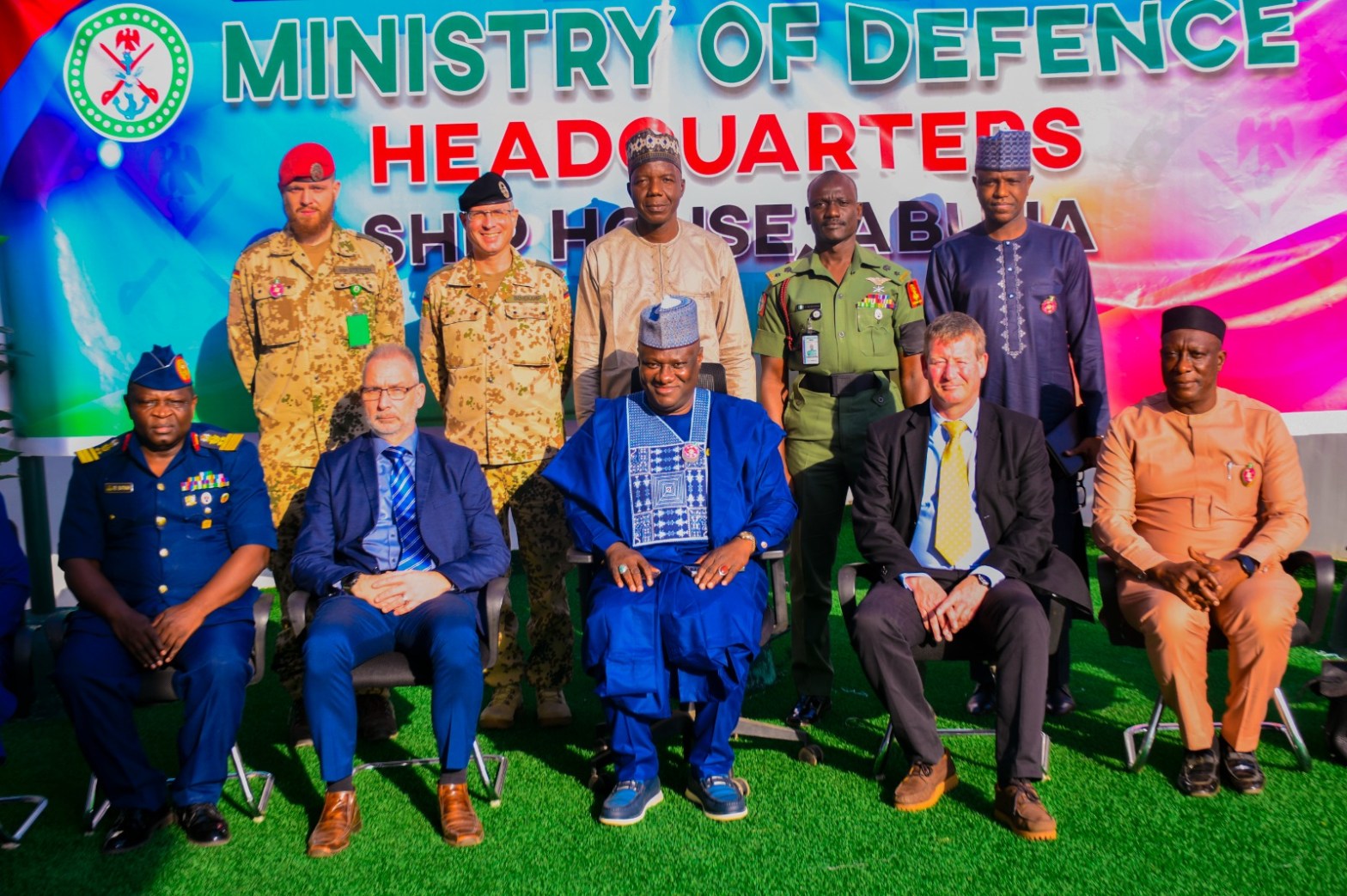
Nigerian Youths Can Drive National Defense, Security, and Development – Badaru

By Emmanuel Daudu

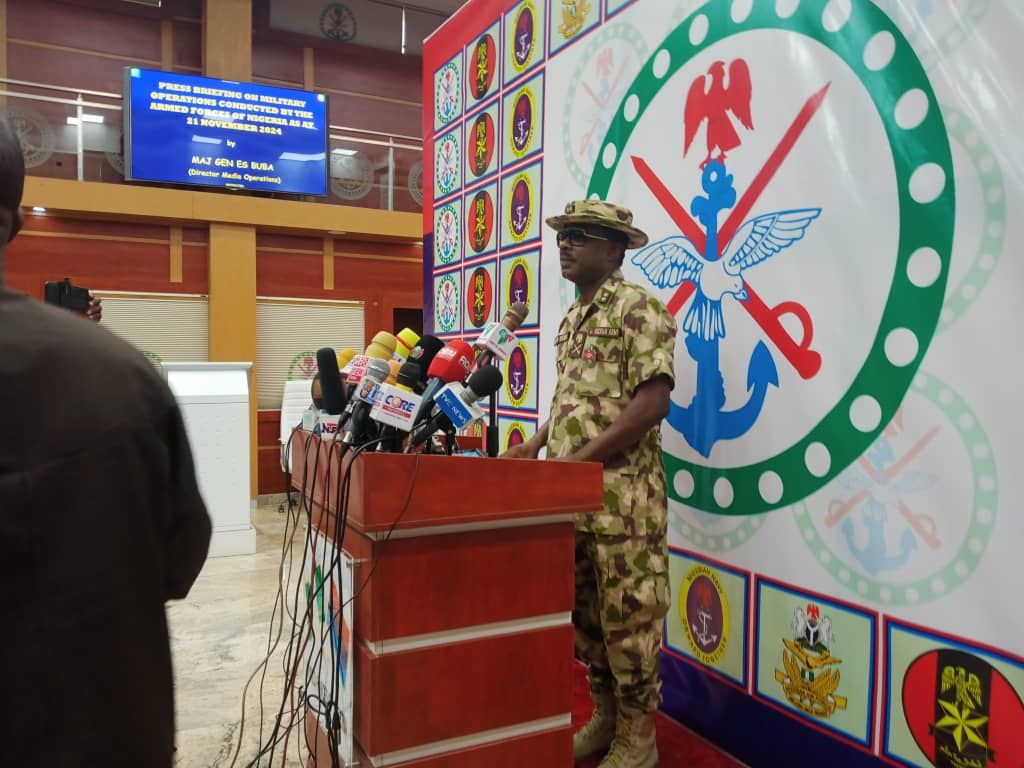
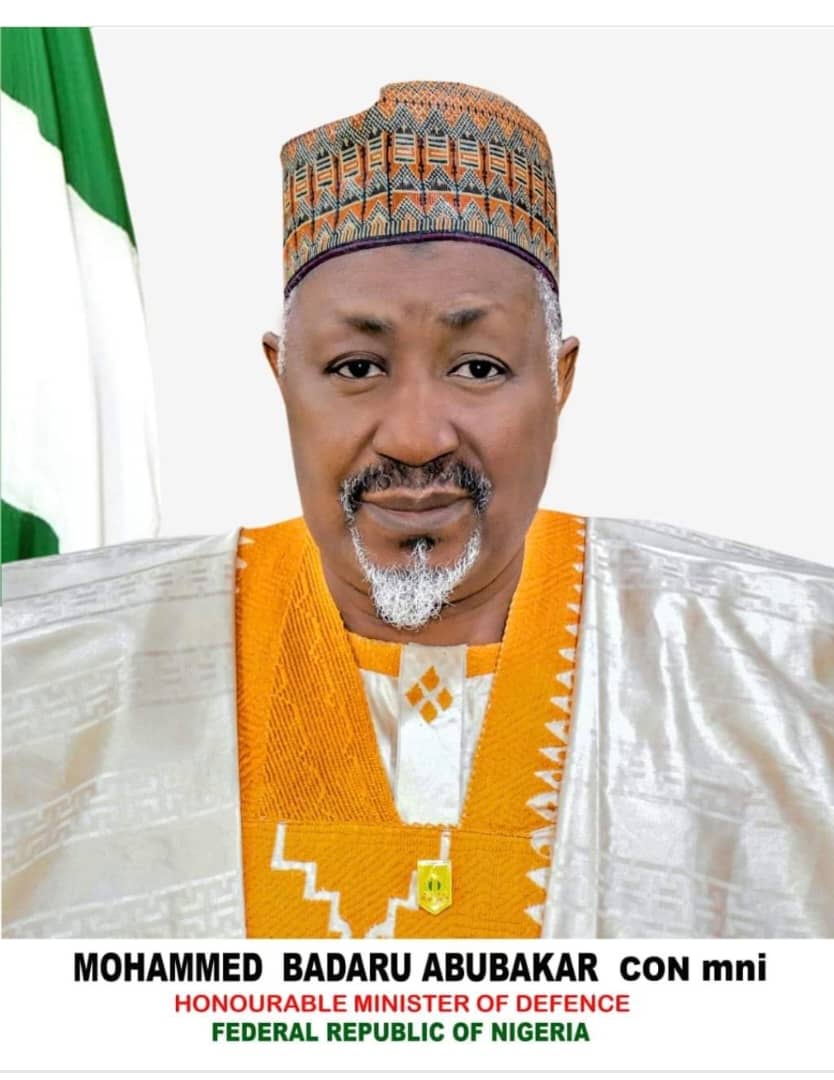
The Honourable Minister of Defence, Mohammed Abubakar Badaru, has underscored the crucial role that Nigerian youths can play in advancing national defense, security, and development through strategic empowerment and government policies.

Speaking at a lecture titled “Leveraging Nigeria’s Digital Economy to Enhance National Security: Youth Empowerment and Job Creation” for participants of Executive Course 46 at the National Institute for Policy and Strategic Studies in Kuru, Badaru emphasized the strong connection between youth empowerment, national security, and the digital economy.

Represented by his Special Adviser (Technical), Major General A.T. Jibrin (Rtd), he stressed the importance of effective implementation of government programs to unlock the potential of young Nigerians as catalysts for positive change.

He pointed to existing programs, such as the Graduate Internship Scheme (GIS), Youth Initiative for Sustainable Agriculture in Nigeria (YISA), Subsidy Reinvestment and Empowerment Programme (SURE-P), Youth Enterprise with Innovation in Nigeria (YouWIN), National Directorate of Employment (NDE), and N-Power.

Badaru asserted that these initiatives could significantly transform Nigerian youths into drivers of national development if properly executed.

With over 60% of Nigeria’s population under the age of 25, Badaru highlighted the critical need to harness this demographic dividend.

Citing the impact of digital mobilization during events like the Arab Spring and Nigeria’s #ENDSARS protests, he stressed the importance of constructive youth engagement in national discourse.

The Minister acknowledged the limitations of past empowerment programs and called for their faithful and consistent implementation.

He emphasized that genuine youth empowerment is essential to strengthening national defense and security.

Badaru also discussed the vast opportunities for youth empowerment and job creation within Nigeria’s burgeoning digital economy.

The Minister called for collaboration among multiple stakeholders, targeted interventions, and supportive policies to address challenges such as the digital divide, skills gap, and unemployment.

“By investing in digital infrastructure, fostering innovation, enhancing skills development, and promoting entrepreneurship, Nigeria can unlock the transformative potential of its youth demographic, drive sustainable economic growth, and ensure a safer, more secure future for its citizens,” he added.

Group calls on Supreme Court to release certified Copies of Kogi, Bayelsa judgement urgently

The Civil Society Group known as Kogi Youth Frontier, under the leadership of Comr Ibrahim Dangana Danjuma, is raising a significant concern regarding the delayed release of the certified copies of the Supreme Court judgements concerning the Kogi and Bayelsa governorship elections. This call for the swift release of the certified copies is driven by the belief that any delay in making these essential documents public may indicate an intentional withholding of crucial information related to the court’s rulings, ultimately casting doubt on the transparency of the judicial process.

The group highlights that the delay in the release of the certified copies of the judgements could potentially signify a deeper issue of compromised or flawed judgement within the Supreme Court. This notion of a miscarriage of justice at the highest level of the judiciary system reflects a concerning lack of integrity and impartiality within the judicial system, thereby raising valid questions about the fairness and accuracy of the legal decisions being made.

The Kogi Youth Frontier emphasizes the critical role of ensuring justice and upholding the rule of law in society, particularly emphasizing that it is a moral obligation incumbent upon the President to guarantee justice for all. They believe that history and divine judgment will ultimately hold the President and his government accountable for their actions or inactions in safeguarding the principles of justice and fairness within the legal system.

A powerful condemnation of self-interest and corruption clouding the lens of justice is expressed by the group, warning of the dire consequences that ensue when laws are manipulated or disregarded in favor of personal gain or ulterior motives. This strong statement serves as a poignant reminder that the sanctity of justice must be preserved at all costs to prevent the erosion of humanity’s fundamental values and principles.

In a proactive stance, the Kogi Youth Frontier calls upon the citizens of Edo and Ondo states to rigorously scrutinize the activities of key institutions such as the Independent National Electoral Commission (INEC), security agencies, and the ruling All Progressives Congress (APC), with the aim of averting any potential recurrence of judicial improprieties witnessed in previous electoral cases like Kogi and Bayelsa. This call for vigilance and oversight underscores the group’s commitment to safeguarding the integrity of the electoral process and ensuring that justice prevails in all facets of governance and decision-making.

Furthermore, the demand for the release of the certified copies of the Supreme Court judgements concerning the Kogi and Bayelsa cases is made with a specific intent for these documents to serve as seminal reference points for future elections. By making these judgements readily available to the public, the group seeks to establish a transparent and accountable precedent that can guide future electoral processes, promote fair and just outcomes, and maintain the integrity of the judiciary in resolving electoral disputes.

In conclusion, the Kogi Youth Frontier’s call for the swift release of the certified copies of the Supreme Court judgements resonates with a broader theme of transparency, accountability, and integrity in governance and legal proceedings. Their advocacy for justice, their condemnation of corruption, and their proactive stance on safeguarding the electoral process underscore the group’s commitment to upholding the principles of democracy, rule of law, and fairness in the pursuit of a just and equitable society.

Ondo State governor lauded over 100 women appointments as it upscales Gender Equality index in Nigeria

In recent years, the conversation surrounding gender equality has gained significant momentum worldwide, and Nigeria is no exception. The appointment of over 100 women to various positions of influence by the Governor of Ondo State, lucky Aiyedatiwa, is a landmark development that stands as a beacon of hope for achieving gender parity in leadership roles.

It is against this backdrop an international NGO, World Sustainable Development Goals Organization-Nigeria lauds the governor of Ondo State, H.E. lucky Aiyedatiwa over the amplification of Goal 5, Gender Equality of the SDGs through the appointment of 100 women in his cabinet.

The country representative, His Excellency, Engr. Kolawole Rasheed Adenekan who made this known to the media in a press release he signed on Monday disclosed that the move is commendable and should be expanded upon as it ultimately promotes societal development, economic growth, and sustainability.

“To fully appreciate the significance of Governor Lucky Aiyedatiwa’s appointments, it is essential to understand the historical landscape of gender inequality in Nigeria. Traditionally, Nigerian society has been patriarchal, with men often dominating leadership positions across political, social, and economic spheres. According to the World Economic Forum’s Global Gender Gap Report 2021, Nigeria ranks 116th out of 156 countries, demonstrating a substantial gender gap in various sectors, including political empowerment, educational attainment, health, and economic participation.

“This patriarchal structure has discouraged women from participating fully in governance, often limiting their potential and contributions to the society. According to the United Nations, women in Nigeria face numerous challenges, including limited access to education, healthcare, and economic opportunities, which contribute to entrenched gender inequality. The ramifications of these barriers extend beyond individual women to affect families, communities, and the nation as a whole.

“The appointments made by Governor Lucky Aiyedatiwa represent a significant stride toward correcting this historical imbalance. Empowering women through representation in government roles not only addresses gender disparity but also allows diverse perspectives to be included in decision-making processes. The greater the representation of women in leadership, the more likely policies will reflect the needs and voices of the entire population, including women.

“Research has shown that women leaders often bring different leadership styles and priorities to governance—emphasising collaboration, social welfare, and public health. These different perspectives are crucial in creating balanced policies that address various societal issues. For instance, women leaders are often more attuned to social issues affecting families and children, such as education and health care. Therefore, appointing women in governance can lead to more effective policies that benefit broader sectors of society.

“Governor Lucky Aiyedatiwa’s decision to appoint over 100 women aligns with efforts to enhance the Gender Equality Index in Nigeria. The Gender Equality Index, developed by the UN Development Programme, assesses gender-based disparities in various areas such as economic participation, educational attainment, health, and political empowerment. By appointing more women in leadership roles, Ondo State is not just addressing inequality but is also setting a standard for other states to aspire to.

“A study conducted by the International Labour Organization indicated that increasing women’s participation in the workforce could potentially add trillions of dollars to the global economy. This finding underscores the economic implications of gender inclusivity and why it is crucial for not just ethical but also economic reasons that more women are given opportunities in leadership—which Governor Lucky Aiyedatiwa’s actions have endeavoured to support.

“Governor Lucky Aiyedatiwa’s appointments would lead to more comprehensive and inclusive policies benefiting entire communities. Therefore, the ripple effect of these appointments will transcend gender equality and aid in societal upliftment”, Kolawole added.