Dr. Kofarmata Assumes Office as Permanent Secretary, Declares State of Emergency on FCSSIP-25 Implementation

Emmanuel Daudu

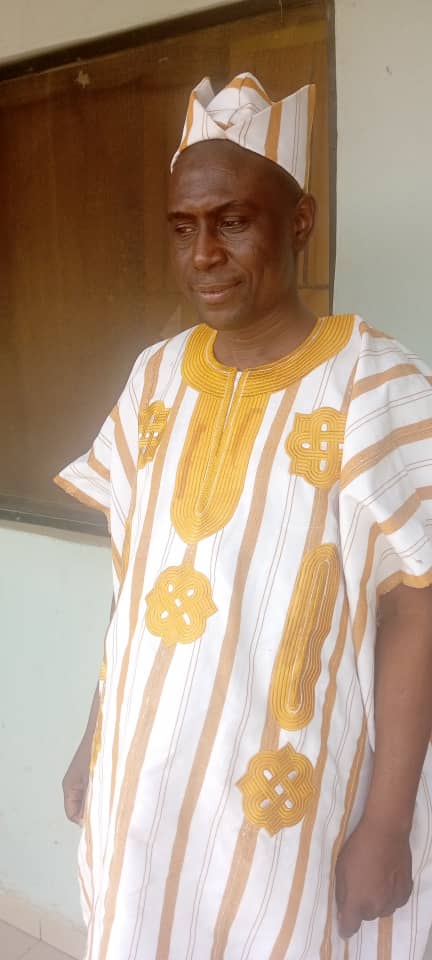
The Federal Ministry of Humanitarian Affairs and Poverty Reduction welcomed its new Permanent Secretary, Dr. Yakubu Adam Kofarmata, who officially assumed office on Tuesday.

In a statement by Iliya Rhoda Ishaku
Director, Information and Public Relations
Federal Ministry of Humanitarian Affairs and Poverty Reduction, Dr. Kofarmata declared a state of emergency on implementing the Federal Civil Service Strategic and Implementation Plan (FCSSIP-25).

He emphasized the importance of the six pillars of FCSSIP-25, a key initiative of the Office of the Head of Civil Service of the Federation aimed at enhancing service delivery across federal ministries.

The Permanent Secretary announced plans to establish a “war room” within the Ministry, mirroring the one set up by the Head of Service, to ensure effective coordination and execution of the strategy.

“The war room will bring together the best minds to oversee the full implementation of FCSSIP-25, ensuring the Ministry achieves excellence in service delivery,” Dr. Kofarmata stated.

He called for the full support of the Ministry’s staff, urging them to work together to realize President Bola Tinubu’s Renewed Hope Agenda and fulfill the Ministry’s mandate.

In his farewell remarks, the outgoing Permanent Secretary, Abel Enitan, described his redeployment as a routine civil service procedure.

He thanked the staff for their support during his tenure and commended the Ministry’s leadership for its efforts to reposition the agency for greater efficiency.

“I appreciate Mr. President for appointing two ministers to oversee the Ministry, ensuring its responsibilities are met effectively. The past two months have seen significant strides toward achieving this goal,” Enitan remarked.

Highlighting the Ministry’s critical role in advancing the Renewed Hope Agenda, Enitan praised Dr. Kofarmata’s expertise, describing him as a seasoned professional with a strong background in procurement and resource management.

He urged staff to extend the same cooperation they gave him to his successor.

Dr. Kofarmata’s assumption of office marks a renewed focus on operational efficiency within the Ministry as it aligns with national development goals under the Tinubu administration.

Humanitarian Ministry Receives SERVICOM 2024 Award of Excellence

Emmanuel Daudu

The Federal Ministry of Humanitarian Affairs and Poverty Reduction has been honored with the SERVICOM 2024 Award of Excellence as the 3rd Best Performing MSU (Team A).

The prestigious award was presented by the National Coordinator/CEO of SERVICOM, Mrs. Nnenna Akajemeli.

During the event, the Permanent Secretary of the Ministry, Abel O. Enitan, also received a letter of commendation in recognition of the Ministry’s outstanding customer service performance.

The SERVICOM Unit of the Ministry was particularly lauded for its continuous commitment to excellent service delivery, which has been made possible through the unwavering support of the Permanent Secretary and his dedication to improving citizen-focused services.

The Ministry was encouraged to maintain its collaborative efforts with SERVICOM Headquarters to ensure the continued delivery of high-quality services to citizens, reflecting the true essence of governance.

The award and commendation were presented to the Permanent Secretary by the Director of Reforms Coordination and Service Improvement, Odii Ndubuisi Barry, during the Ministry’s 2nd MTB meeting for 2024, held on Thursday, December 19, 2024, at the Ministry’s conference room in the Federal Secretariat Phase 1, Abuja.

2024 Joint Task Force Operations Report: Over 600 Terrorists Neutralized, Key Gains Made Across Theatres

Emmanuel Daudu

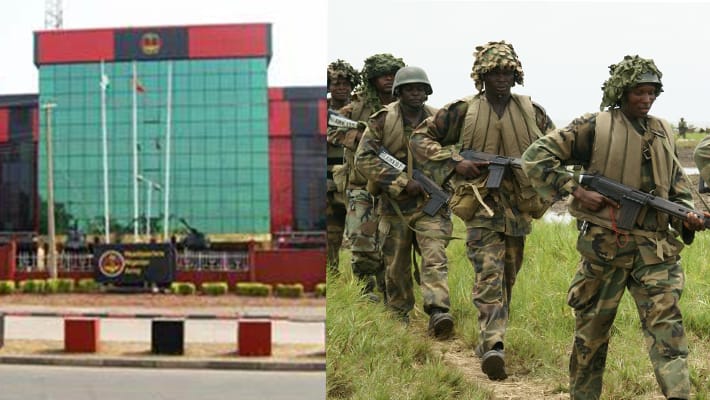
The Director of Defence Media Operations, Major General Edward Buba, today provided a detailed account of the operational activities of the Joint Task Forces across Nigeria during a media briefing.

The report outlined significant achievements recorded in the fight against terrorism and violent crimes for December 2024.

Major General Buba declared emphatically that 2025 will mark the end of terrorism in Nigeria, stating that “terrorist leaders are walking corpses as the Armed Forces will not spare them.”

He disclosed that Troops in the North East under Operation Hadin Kai sustained relentless pressure on terrorist enclaves, employing coordinated air and ground offensives.

Key achievements for December include 233 terrorists neutralized, 218 suspects arrested, and 109 hostages rescued. Additionally, 221 Boko Haram/ISWAP fighters and their families surrendered to Nigerian forces. Recovered items included 120 AK-47 rifles, 2,827 rounds of 7.62mm ammunition, and other weapons.

In the North Central region, troops under Operation Safe Haven targeted violent extremists and kidnappers, achieving significant results.

“The month saw 36 extremists neutralized, 136 suspects arrested, and 167 hostages rescued. Recovered items included 16 AK-47 rifles, 1,253 rounds of 7.62mm ammunition, and other arms.”

According to Major Buba, Operation Whirl Stroke, active in Benue, Taraba, and Nasarawa States, continued to deliver decisive blows against terrorist elements. Highlights of their December activities include 17 terrorists neutralized, 90 suspects arrested, and 39 hostages rescued. Troops also recovered 4 AK-47 rifles, 573 rounds of ammunition, and other equipment.

He noted that in the North West, Operation Hadarin Daji recorded the highest number of neutralized terrorists during December, with 260 terrorists neutralized, 172 suspects arrested, and 277 hostages rescued. Troops recovered 109 AK-47 rifles, 6,364 rounds of ammunition, and other arms.

Operation Whirl Punch continued to disrupt terrorist activities in its area of operation, achieving 10 terrorists neutralized, 35 suspects arrested, and 26 hostages rescued. Recovered items included 7 AK-47 rifles and 454 rounds of ammunition.

He further disclosed that Troops under Operation Delta Safe in the South South focused on curbing oil theft and securing critical national assets. December saw the arrest of 181 individuals involved in crude oil theft, the rescue of 20 kidnapped hostages, and the recovery of 3,121,572 litres of stolen crude oil. Troops also destroyed 216 illegal refining sites and 195 wooden boats used for illegal activities.

“In the South East, troops continued offensive operations against IPOB/ESN terrorists, with significant results including 68 terrorists neutralized, 81 suspects arrested, and 49 hostages rescued. Troops recovered 23 AK-47 rifles, 2,802 rounds of ammunition, and other items.” He said

Major General Edward Buba assured Nigerians that the Armed Forces are resolute in their mission to eradicate terrorism in 2025.

He emphasized that “terrorist leaders are walking corpses as the Armed Forces will not spare them. 2025 is the end of terrorism in Nigeria.”

With these remarkable achievements across the country, the military continues to demonstrate its commitment to safeguarding lives and ensuring peace.

Military Achieves Major Victories Against Terrorists and Criminals Nationwide

Emmanuel Daudu

The Armed Forces of Nigeria continue to deliver resounding successes in the fight against terrorism, violent extremism, and other criminal activities across the nation.

The Director of Defence Media Operations, Major Buba, has revealed key breakthroughs in ongoing military operations, showcasing the resolve and professionalism of Nigerian troops.

Crushing Insurgency in the North East under Operation HADIN KAI, troops dealt devastating blows to Boko Haram and ISWAP terrorists.

Major Buba disclosed that countless insurgents, along with their families, have surrendered in recent weeks, signaling a collapse in their morale.

“Precision airstrikes in the Lake Chad Basin destroyed terrorist hideouts, neutralizing scores of insurgents. In Dikwa and Damboa, Borno State, troops apprehended several terrorists and their collaborators, seizing arms, ammunition, motorcycles, and other equipment. Even unconventional tactics like toy drone attacks in Damboa and Gujba Local Government Areas were swiftly neutralized, with no harm to Nigerian forces.” He said

He revealed that Troops under Operation SAFE HAVEN intensified efforts to tackle violent extremism and kidnapping in Plateau, Bauchi, and Kaduna States. Recent operations led to the arrest of extremists, gunrunners, and ammunition couriers, as well as the rescue of several kidnapped hostages.

Major Buba further revealed that weapons, including AK-47 rifles and fabricated guns, were recovered during operations in Plateau, Taraba, and Kaduna States. These victories highlight the military’s unrelenting resolve to restore peace and security in the region.

He expressed that in Taraba, Benue, and Nasarawa States, Operation WHIRL STROKE has recorded significant successes. Troops rescued hostages, neutralized terrorists, and recovered arms and ammunition, including dane guns and cartridges.

Notable arrests in Jalingo and Makurdi further demonstrate the military’s swift and strategic responses to emerging threats.

Major Buba stated that Operation HADARIN DAJI in the North West delivered crushing defeats to insurgents.

“Fierce engagements resulted in the neutralization of dozens of terrorists, the rescue of hostages, and the destruction of their hideouts in Katsina State through precision airstrikes. These efforts have significantly weakened the insurgents’ operational capabilities.”

Major Buba noted that in the South South, Operation DELTA SAFE took the fight to criminals stealing the nation’s resources.

“Troops have dismantled illegal refining sites, recovered large quantities of stolen crude oil, and rescued kidnapped victims. These efforts demonstrate the military’s commitment to safeguarding Nigeria’s economic assets and ensuring regional stability.” Said Major Buba

Major Buba commended the troops for their bravery and professionalism, emphasizing the Armed Forces’ unwavering dedication to protecting the lives, property, and sovereignty of Nigerians.

He urged citizens to continue supporting the military’s operations, reinforcing the collective effort to secure peace and prosperity across all regions.

This wave of successes underscores the Nigerian Armed Forces’ determination to overcome the nation’s security challenges and build a safer, more stable future.

Nigerian Military Destroys Terrorists Hideouts In Sokoto

Emmanuel Daudu

The Armed Forces of Nigeria have taken a decisive step in the fight against terrorism with the successful destruction of Lakurawa Terrorist Group (LTG) hideouts in Gidan Bisa and Gidan Runtuwa, within the Jirikon Forest of Silame Local Government Area, Sokoto State.

The operation, conducted on 25 December 2024, demonstrates the military’s commitment to neutralizing threats and protecting citizens.

According to Major General Edward Buba, Director of Defence Media Operations, the operation was the result of meticulous planning and intelligence gathering.

“We conducted sustained Intelligence, Surveillance, and Reconnaissance (ISR) missions over several weeks to confirm the presence of the terrorists. Human Intelligence reports further validated the findings, ensuring we had accurate and actionable intelligence,” he stated.

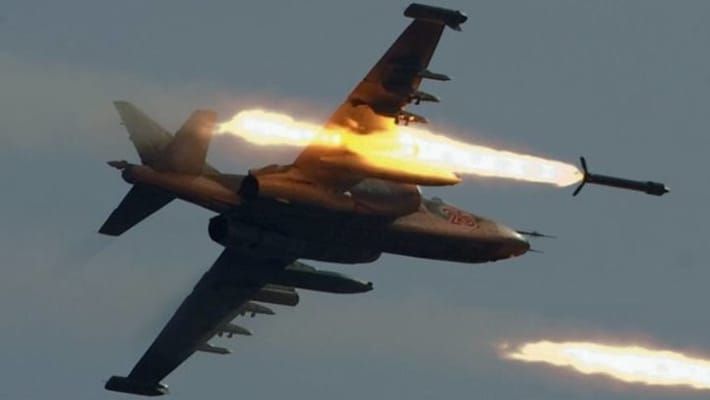
Major General Buba explained that the operation commenced with precision airstrikes carried out by the Air Component.

“At around 0600 hours on Christmas Day,our aircraft delivered precise strikes using guided munitions to target the hideouts. This approach was chosen to minimize collateral damage while maximizing the impact on terrorist infrastructure,” he said.

He further highlighted the role of ground forces in ensuring the operation’s success. “The Land Component strategically positioned troops around the area to block any escape routes for the terrorists. Following the airstrikes, our ground forces moved in to assess the damage and confirm the success of the operation,” he revealed.

The operation led to the destruction of key terrorist facilities, including arms caches and logistics depots, with secondary explosions confirming the strike’s effectiveness.

General Buba added that local residents corroborated the intelligence, confirming that the Lakurawa terrorists had been using the area as a base for their operations.

While the operation achieved its primary objective of neutralizing the terrorist hideouts, secondary explosions resulted in 10 fatalities. “We are conducting investigations to determine whether the deceased were terrorist collaborators or civilians,” General Buba clarified.

Reaffirming the Armed Forces’ commitment to civilian safety, General Buba stated, “Every civilian casualty is a tragedy. We take painstaking measures to avoid such occurrences, and we will continue to do so as we intensify our efforts against terrorist elements.”

The Nigerian Armed Forces have reiterated their resolve to dismantle terrorist networks and restore peace across the country.

Citizens are encouraged to remain vigilant and provide timely intelligence to support ongoing operations.

FRIDAY PRAYER FROM His Excellency, UNESCO Laureate, Emeritus Prof. Sir Bashiru Aremu,

FRIDAY PRAYER FROM His Excellency, UNESCO Laureate, Emeritus Prof. Sir Bashiru Aremu,

DEAR:
All the Muslim, Christian and Other religions, 👫“


O God, Grant us Your Mercy, Relieve our fears & Anxieties, Remove our distress & Let peace reign in our hearts.
Amen
Mubarak to the entire Africa and best wishes to all!*
Salihu Haruna, NCE, B. Sc, M.Sc, MICWLS,
Deputy Secretary General,
For UNESCO Laureate, Prof Sir Bashiru Aremu, The Africa Chairman/President and Chief Patron of Unity of Nations Actions for Climate Change Council of the Africa Region an official partner of United Nations and other organizations worldwide. *https://dailypost.ng/2024/08/10/unesco-laureate-aremu-heads-african-climate-change-council/
https://leadership.ng/unesco-laureate-aremu-heads-african-climate-change-council/
https://quicknews-africa.net/unesco-laureate-aremu-head

ECOWAS in Focus-2024: Regional Integration Gains Ground Amid Trade Barriers, Security Crises and Political Divisions by Emmanuel Daudu

The Economic Community of West African States (ECOWAS) remained a central institution for regional integration in West Africa throughout 2024. Established in 1975, ECOWAS seeks to promote economic cooperation, political stability, peace, security and the free movement of people and goods among its member states. Its integration agenda is designed to transform West Africa into a more interconnected region capable of addressing shared challenges and competing effectively in the global economy.

The year 2024 was particularly significant for the organisation. While ECOWAS pursued economic integration, infrastructure development, trade facilitation and regional security cooperation, it also faced considerable political challenges following the withdrawal announcements of Burkina Faso, Mali and Niger. These developments tested the organisation’s unity and required renewed diplomatic efforts to preserve regional cooperation.

Despite these difficulties, ECOWAS continued to advance initiatives intended to strengthen economic connectivity, institutional cooperation and the welfare of West African citizens.

One of ECOWAS’s principal priorities in 2024 was strengthening economic integration by reducing barriers to trade and creating a more unified regional market. The organisation continued to promote the ECOWAS Trade Liberalisation Scheme (ETLS), which facilitates preferential trade in qualifying products originating within the community.

In May 2024, senior trade officials from member states met in Abuja to review and validate regional trade policy instruments intended to improve economic integration and trade facilitation. The discussions also considered West Africa’s participation in the World Trade Organization’s 13th Ministerial Conference.

A significant development came in November 2024, when ECOWAS launched its electronic Certificate of Origin in Lagos, Nigeria. The digital initiative was designed to simplify the certification of qualifying regional products, reduce administrative obstacles and facilitate cross-border trade. It represented an important step towards modernising trade procedures and improving the movement of goods across West African borders.

These initiatives demonstrated ECOWAS’s commitment to making regional integration more practical for businesses, traders and consumers. Nevertheless, persistent checkpoints, transport costs, inconsistent implementation of trade rules and administrative delays continued to constrain the full benefits of a regional market.

ECOWAS also worked to align West African economic integration with the African Continental Free Trade Area (AfCFTA), which seeks to establish a single continental market for goods and services.

From 17 to 19 September 2024, the ECOWAS Commission convened the second meeting of its Regional Committee on AfCFTA implementation in Abidjan, Côte d’Ivoire. The meeting reviewed progress across the region, encouraged cooperation among member states and considered capacity-building and resource mobilisation for implementation.

This engagement was important because West African countries could benefit from stronger access to continental markets, larger investment opportunities and expanded value chains. By coordinating implementation, ECOWAS sought to ensure that the region participated more effectively in Africa-wide trade.

However, the benefits depended on individual countries adopting the necessary policies, improving customs procedures and strengthening the productive capacity of local industries.

Free movement remains one of ECOWAS’s most important achievements and a foundation of its regional integration agenda. The organisation continued efforts in 2024 to facilitate travel, residence, establishment and commercial activity across member states.

In February 2024, ECOWAS Commission President Omar Alieu Touray highlighted the deployment of biometric identity cards for intra-community travel in six member states, alongside the ECOWAS passport and the phased construction of joint border posts supported by the European Union. These measures were intended to improve border processing and facilitate regional mobility.

The continued existence of illegal checkpoints, lengthy border procedures and inconsistent application of regional protocols nevertheless remained major obstacles. At its December 2024 summit, ECOWAS called for stronger implementation of free-movement and trade-facilitation rules and directed the establishment of a regional observatory to monitor barriers affecting persons, trade and transport.

The underlying objective was to advance a West Africa where citizens could travel, work and conduct business with fewer unnecessary restrictions.

Monetary integration remained another major component of ECOWAS’s long-term development strategy. The proposed ECO single currency is intended to facilitate trade, reduce currency-conversion costs and strengthen economic cooperation across the region.

In July 2024, the West African Monetary Agency convened meetings in Dakar, Senegal, involving monetary and economic officials, followed by a meeting of central bank governors. Participants reviewed progress towards monetary convergence and emphasised the need for member states to meet the established criteria for introducing the ECO.

These discussions demonstrated that the single-currency project remained on the regional agenda. However, differences in inflation, fiscal deficits, public debt and broader economic conditions continued to complicate the process.

Consequently, 2024 was characterised by continued technical discussions and coordination rather than the introduction of a common currency. Achieving monetary union would require sustained macroeconomic discipline, institutional cooperation and agreement on implementation arrangements.

Regional infrastructure is essential to connecting markets and reducing the cost of doing business. ECOWAS has therefore continued to support cooperation in electricity, transport and other strategic sectors.

The West African Power Pool provides a framework for cross-border electricity cooperation, with the broader objective of improving power exchanges and strengthening the regional electricity market. Cooperation in this area can help countries manage differences in electricity supply and demand and support economic activity.

Transport infrastructure is equally important. Roads, railways, ports and border facilities can reduce the time and cost involved in moving goods between member states.

During 2024, ECOWAS’s wider integration agenda continued to emphasise regional connectivity and the removal of barriers to commerce. However, the full benefits depended on sustained financing, effective project implementation and cooperation among national governments and development partners.

Regional integration cannot succeed through agreements alone; it requires infrastructure that connects communities and enables businesses to operate across borders.

Peace and security remained central to ECOWAS’s mandate because instability undermines investment, disrupts trade and threatens the movement of people.

The organisation continued to confront security challenges, including terrorism, violent extremism and political instability in parts of the Sahel. These threats required cooperation among governments, security institutions and regional partners.

Political tensions became especially prominent following the decisions of Burkina Faso, Mali and Niger to announce their withdrawal from ECOWAS in January 2024.

On 24 February 2024, ECOWAS leaders held an extraordinary summit in Abuja to consider the implications of the three countries’ decisions. The Authority of Heads of State and Government urged them to reconsider their withdrawal and encouraged dialogue and negotiation to address their concerns.

This crisis exposed the difficulty of reconciling constitutional governance, political disagreements and regional solidarity. It also raised concerns about the future of cooperation on security, trade and free movement.

At the end of 2024, the organisation continued diplomatic engagement and sought to preserve channels for dialogue. The challenge was to maintain regional cooperation while addressing the political and security concerns driving divisions within West Africa.

The 66th Ordinary Session of the ECOWAS Authority of Heads of State and Government, held in Abuja on 15 December 2024, was an important moment in determining the organisation’s direction.

The leaders addressed regional integration, security, economic cooperation and the withdrawal notifications of Burkina Faso, Mali and Niger. They agreed to leave the door open for dialogue with the three countries and recognised the wider implications of their decisions for regional cooperation.

This approach reflected an effort to prevent political disagreements from permanently undermining cooperation among neighbouring countries. The summit also underscored the importance of removing obstacles to free movement and accelerating implementation of the AfCFTA.

The decisions demonstrated that ECOWAS’s future depended not only on economic policies but also on diplomacy, trust and the willingness of member states to pursue shared interests.

Despite progress in trade facilitation, digitalisation, monetary cooperation and regional dialogue, ECOWAS faced several persistent challenges throughout 2024.

These included political divisions, insecurity, uneven economic development, infrastructure deficits, illegal checkpoints and inconsistent implementation of community protocols. The withdrawal announcements by Burkina Faso, Mali and Niger further complicated efforts to maintain a unified regional framework.

Going forward, ECOWAS needs to strengthen dialogue with member states, improve implementation of existing agreements, invest in regional infrastructure and ensure that integration delivers practical benefits to citizens.

The success of regional integration should be measured not only by the number of agreements adopted but also by whether traders can move goods more easily, citizens can cross borders safely, businesses can access larger markets and communities enjoy greater economic opportunities.

Throughout 2024, ECOWAS pursued regional integration through trade facilitation, AfCFTA implementation, free movement initiatives, monetary cooperation, infrastructure development and diplomatic engagement.

The launch of the electronic Certificate of Origin, continued work on the proposed ECO currency and efforts to strengthen regional mobility illustrated the organisation’s determination to deepen economic cooperation. At the same time, the political crisis involving Burkina Faso, Mali and Niger revealed serious challenges to regional unity.

Ultimately, ECOWAS’s effectiveness will depend on its ability to translate regional agreements into measurable improvements in people’s lives. A more integrated West Africa requires open and efficient borders, stronger institutions, secure communities, interconnected infrastructure and sustained political commitment.

The events of 2024 demonstrated both the importance of regional integration and the considerable work still required to realise the vision of a peaceful, prosperous and economically interconnected West Africa.

Badaru Condoles With Jigawa State Governor On The Passing Of His Mother

Emmanuel Daudu

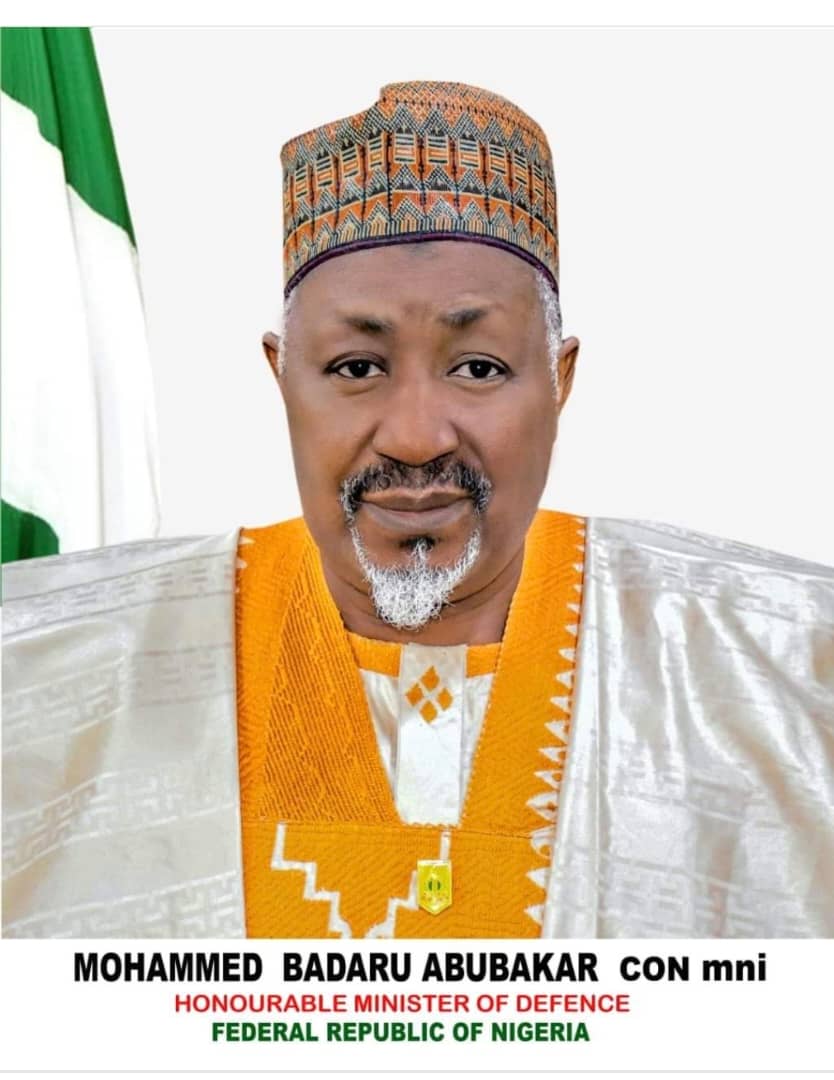
In a heartfelt message of sympathy, the Honorable Minister of Defence, H.E. Mohammed Badaru Abubakar, has conveyed his deepest condolences to the Executive Governor of Jigawa State, Mallam Umar A. Namadi, on the profound loss of his beloved mother, Hajiya Maryam Namadi Umar, who passed away on December 25, 2024.

Badaru expressed his sorrow, stating, “I was deeply saddened to learn of the passing of Hajiya Maryam Namadi Umar, the cherished mother of the Governor of Jigawa State. Her legacy of love and kindness will forever resonate in the hearts of all who knew her.”

In this time of grief, the Minister offered his heartfelt sympathies to Governor Namadi, his family, and the people of Jigawa State.

“This loss is a significant tragedy, not just for the Namadi family, but for the entire community that has been touched by her warmth and wisdom,” he added.

He prayed for the eternal repose of Hajiya Maryam Namadi Umar’s soul, asking Almighty Allah to grant her Jannatul Firdaus.

“May her spirit find peace, and may the family find solace in the cherished memories they hold,” Badaru said.

Further extending his support, he sought divine strength and comfort for the grieving family and the Jigawa community, emphasizing the importance of unity and compassion in times of sorrow.

“Let us come together to honor her memory and support one another through this painful journey.”

Hope Renewed: NAHCON Chairman’s Visionary Reforms Transform Nigeria’s Hajj Experience

Maryam Aminu

The Media Awareness for Hajj Initiative (Mai-Hajj) has lauded the National Hajj Commission of Nigeria (NAHCON) for its groundbreaking reforms that have sparked renewed hope among millions of Nigerians.

Professor Abdullahi Sale Usman, Chairman of NAHCON, has led transformative changes that will significantly eased the pilgrimage to the holy land.

This commendation was included in a statement signed by Garba Ubale Dambatta, Chairman of Mai-Hajj, and shared with journalists on Thursday in Abuja.

Dambatta noted that the days of endless queues, frustrating delays, and uncertain accommodations are now behind us. He emphasized that Professor Usman’s bold initiatives have streamlined Hajj registration, ushering in much-needed transparency and efficiency.

Moreover, these reforms have secured affordable packages, making the pilgrimage more accessible to all. Additionally, the establishment of modern clinics, the recruitment of skilled medical staff, and the implementation of rapid emergency response systems have enhanced the safety and well-being of pilgrims.

Dambatta further highlighted the unity fostered among stakeholders, creating a cooperative environment essential for successful Hajj management.

He praised Professor Usman’s visionary leadership, stating, “These reforms have rekindled faith, renewed hope, and restored dignity to Nigeria’s Hajj management.”

While commending the appointment of Alidu Shutti as NAHCON’s Acting Secretary, he added that the appointment underscores Professor Usman’s commitment to continuity and excellence.

Mai-Hajj noted that Nigerian pilgrims can now embark on their sacred journey with renewed optimism, grateful for Professor Usman’s unwavering dedication.

UNESCO Laureate Prof Sir Bashiru Aremu The Africa Head of Climate Change Council Unaccc had meetings with Federal Lawmaker at Abuja

UNESCO Laureate Prof Sir Bashiru Aremu who was recently appointed as the Chairman, Board of Trustees and Chief Patron of Unity of Nations Action for Climate Change Council (UNAccc) an official partner of United Nations and other organizations world wide
Had meetings at Office of Lawmaker at Abuja who is Chairman Climate Change Council also Served as Africa Chief Adviser and Africa Member Board of Trustees of Unity of Nations for Climate Change in person of Hon Dr Ahmed Adamu Saba Federal Representative Lawmaker of Patigi Edu and Moro Federal Constituency

UNESCO Laureate Prof Sir Bashiru Aremu The who his prestigious position underscores his commitment to addressing climate change issues in Africa.

As a renowned academic and professor of computer science, information, and communication technology, Prof Aremu brings a wealth of expertise to this role as Head of Africa Climate Change Council Unaccc an official partner of the United Nations and other organizations world wide

Here are some of the most important issues related to climate change:

Causes of Climate Change

  1. Greenhouse gas emissions: Carbon dioxide, methane, and other gases trap heat in the atmosphere, leading to global warming.
  2. Deforestation: The clearance of forests contributes to climate change by releasing carbon dioxide and reducing the ability of forests to act as carbon sinks.
  3. Fossil fuel combustion: Burning fossil fuels such as coal, oil, and gas releases large amounts of carbon dioxide into the atmosphere.

Effects of Climate Change

  1. Rising global temperatures: The average global temperature has risen by about 1°C since the late 1800s.
  2. Extreme weather events: Climate change is linked to an increase in extreme weather events such as heatwaves, droughts, and heavy rainfall.
  3. Sea-level rise: The global sea level has risen by about 15-20 cm since 1900, and the rate of rise is accelerating.
  4. Changes in precipitation patterns: Climate change is altering the patterns of rainfall and snowfall around the world.
  5. Loss of biodiversity: Climate change is contributing to the loss of biodiversity as plants and animals are forced to adapt to changing environmental conditions.

Impacts on Human Societies

  1. Food insecurity: Climate change is impacting agricultural productivity and food security, particularly in vulnerable communities.
  2. Water scarcity: Changes in precipitation patterns and increased evaporation due to warmer temperatures are leading to water scarcity in some regions.
  3. Human migration and displacement: Climate change is contributing to the displacement and migration of people, particularly in low-lying coastal areas and small island nations.
  4. Economic impacts: Climate change is having significant economic impacts, from damage to infrastructure and agriculture to impacts on tourism and recreation.

These are the key points Solutions to Climate Change that was addressed by UNESCO Laureate Prof Sir Bashiru Aremu

  1. Transition to renewable energy: A rapid transition to renewable energy sources such as solar and wind power is critical to reducing greenhouse gas emissions.
  2. Energy efficiency: Improving energy efficiency in buildings, transportation, and industry can also help reduce emissions.
  3. Carbon capture and storage: Carbon capture and storage technologies can reduce emissions from industrial sources.
  4. Sustainable land use: Practices such as reforestation, agroforestry, and permaculture can help sequester carbon dioxide.
  5. Climate-resilient infrastructure: Building climate-resilient infrastructure such as sea walls, levees, and green roofs can help communities adapt to the impacts of climate change.
    Hon Dr Ahmed Adamu Saba appreciate the UNESCO Laureate Prof Sir Bashiru Aremu The Africa Chairman Board of Trustees of Unity of Nations for Climate Change Council Unaccc an official partner of United Nations and other organizations world wide for his appointment and visit to his office for development of Climate Change Council in Africa and the world at large
    And he promised to support him for his mission and vision on climate change