AAAU Signs MOU with ENAC to Enhance Aviation Education in Africa

Emmanuel Daudu

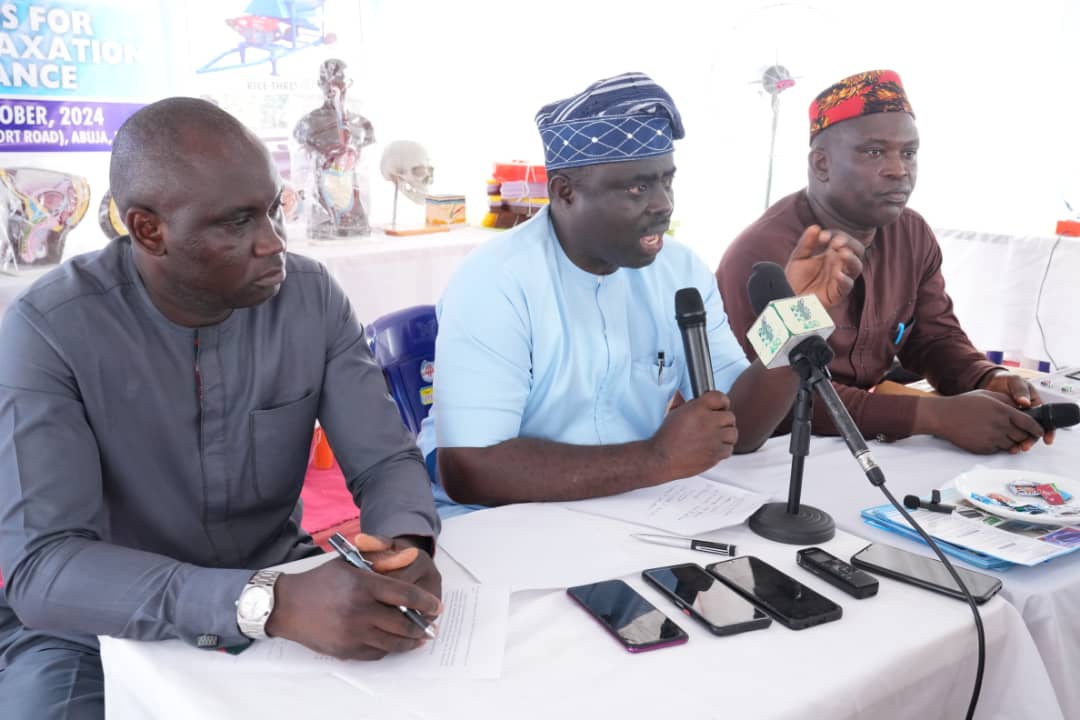
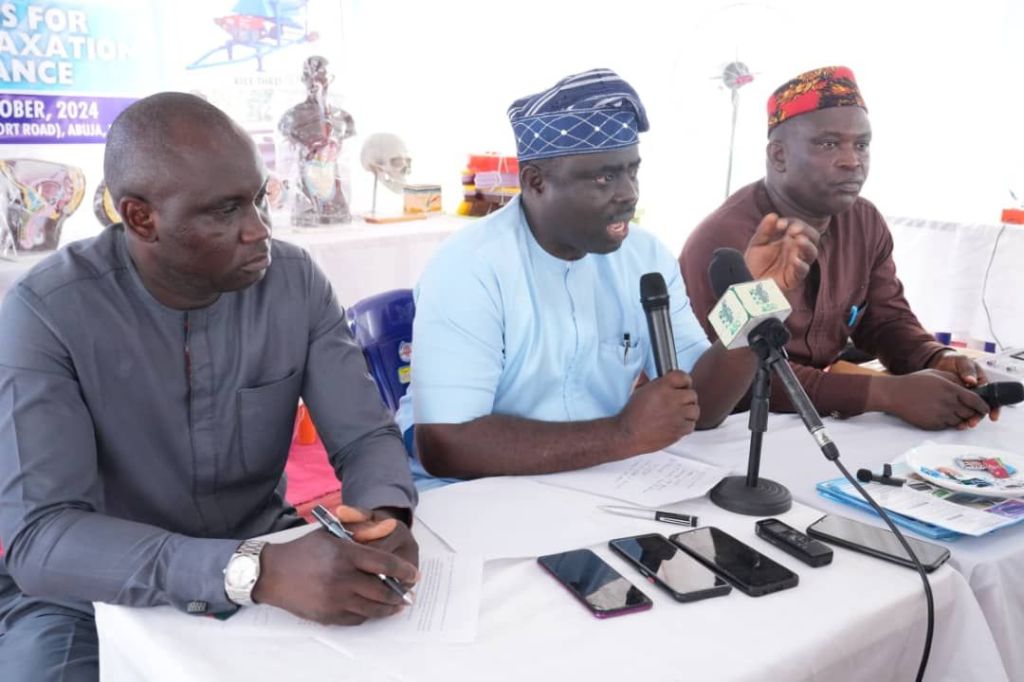
The African Aviation and Aerospace University (AAAU), Abuja, has entered into a landmark partnership with Ecole Nationale de l’Aviation Civile (ENAC), Toulouse, France.

The Memorandum of Understanding (MOU) was signed on Monday, September 23, 2024, marking a significant step towards advancing aviation education in Nigeria and Africa.

Leading the AAAU delegation was the university’s Registrar, Mustapha Sheikh Abdullahi, who outlined the strategic collaboration aimed at enhancing educational and professional opportunities in the aviation sector. Key areas of the MOU include an Advanced Masters Programme for industry professionals and a student exchange programme, which will foster academic enrichment and knowledge transfer between the two institutions.

Additionally, the partnership includes provisions for advanced training for AAAU lecturers and opportunities for faculty members to engage in affiliated teaching roles at ENAC.

This agreement follows the initiative of Nigeria’s Honourable Minister of Aviation and Aerospace Development, Festus Keyamo (SAN), which began in February 2024. It is expected to solidify AAAU’s position as a leading aviation institution in Africa.

ENAC, renowned for its 70-year history in aviation education, operates under the French Civil Aviation Authority and offers a broad range of programs in aeronautics engineering, pilot training, and air navigation.

The institution boasts a diverse student body, state-of-the-art training facilities, and a highly experienced faculty. Its strategic partnership with Airbus, Europe’s largest aeronautics and space company, further strengthens its role in civil aviation education and research.

This collaboration is set to open new avenues for AAAU, providing access to ENAC’s vast expertise and resources, positioning it as a key player in the global aviation industry.

Nigeria Reaffirms Commitment to Treaty of Pelindaba at UN General Assembly

Emmanuel Daudu

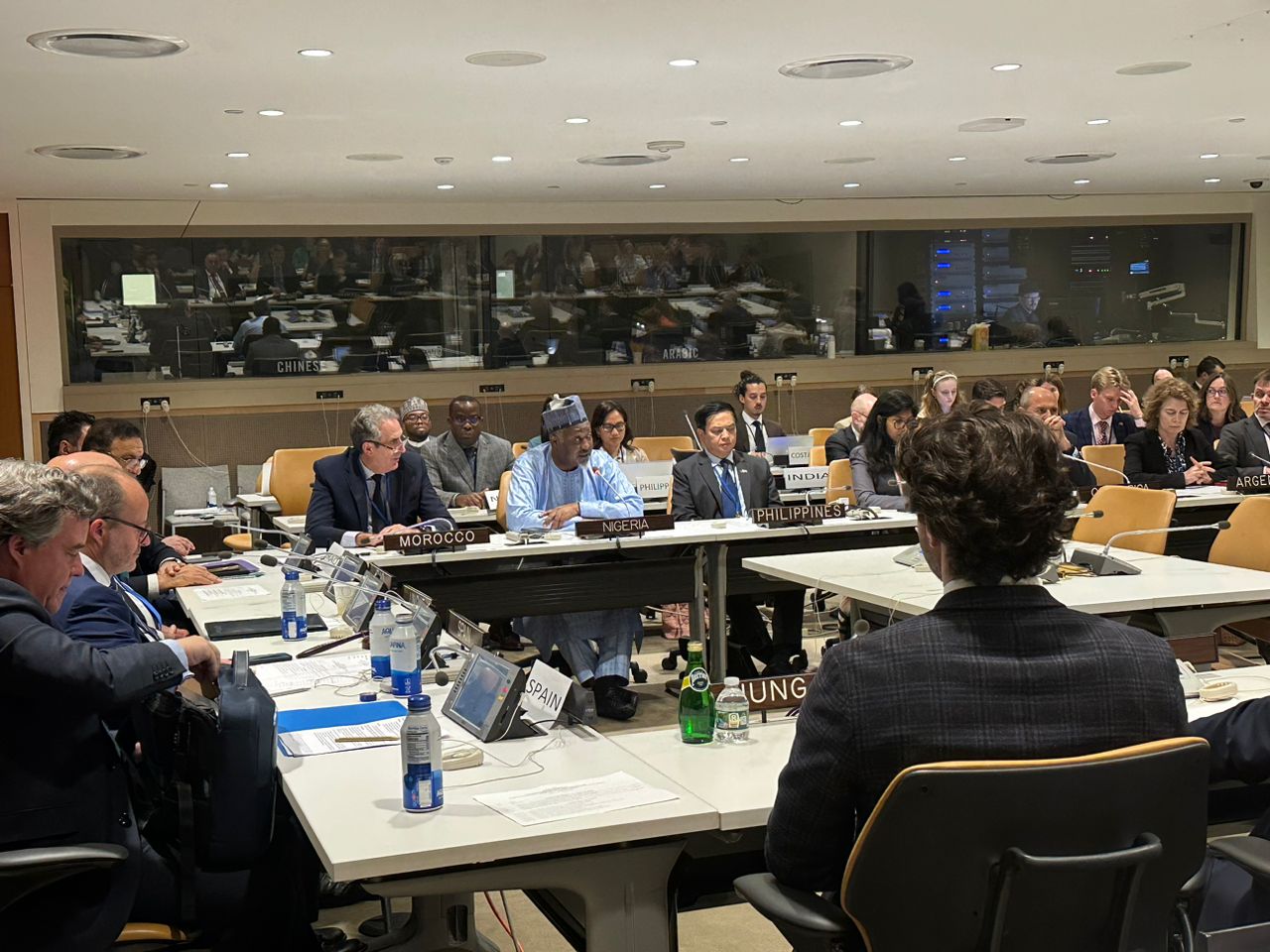
The Honourable Minister of Defence, His Excellency Mohammed Abubakar Badaru, has reiterated Nigeria’s unwavering commitment to the Treaty of Pelindaba, which declares Africa a nuclear weapon-free zone.

Speaking at the high-level meeting of the “Friends of Fissile Material Cut-Off Treaty” initiative, hosted by Japan’s Prime Minister Kishida at the 79th United Nations General Assembly (UNGA), Badaru emphasized the importance of a nuclear-free Africa for future generations.

Nigeria joined several like-minded nations in launching a campaign advocating for a treaty that would prohibit the production of fissile material for nuclear weapons and other explosive devices, aiming to curb the proliferation and enhancement of nuclear arsenals globally.

Badaru reaffirmed that Nigeria, along with the African continent, remains steadfast in its commitment to the Treaty of Pelindaba, which has long declared Africa as a nuclear weapon-free zone.

He emphasized that Nigeria will continue to play a leading role in global efforts for nuclear disarmament and the prevention of nuclear weapons proliferation.

“Nigeria remains a key advocate for nuclear disarmament and non-proliferation, actively participating in initiatives aimed at strengthening the Nuclear Non-Proliferation Treaty (NPT) and advancing the proposed Fissile Material Cut-Off Treaty (FMCT),” Badaru stated.

He added that the FMCT, once adopted, would prohibit the production of fissile materials for use in nuclear weapons, thereby enhancing global nuclear security.

The Minister also highlighted the importance of the FMCT in fostering transparency and cooperation between nuclear and non-nuclear states, promoting peaceful uses of nuclear energy.

He called for full support from African nations and civil society organizations for the FMCT initiative.

As the cornerstone of global nuclear disarmament efforts, Badaru reiterated that the NPT remains vital to global security, and the adoption of the FMCT would only serve to reinforce its objectives.

He urged stakeholders worldwide to rally behind this crucial initiative.

The high-level meeting saw participation from several nations and civil society organizations, all dedicated to advancing global nuclear disarmament efforts.

Tijani Babangida Celebrates 51st Birthday, Expresses Gratitude to Nigerians

Former Nigerian international, Tijani Babangida, marked his 51st birthday on September 25, 2024, with heartfelt appreciation for God’s goodness in his life. Babangida, who survived a devastating car accident that claimed the lives of his brother Ibrahim and son Fadir, acknowledged the significance of this milestone.

“This birthday is about thanking God for sparing my life,” Babangida said from the Netherlands, where he and his wife are undergoing final rounds of treatment. “I’m grateful for the outpouring of support and prayers from Nigerians during this challenging period.”

Babangida reserved special thanks for individuals and organizations that contributed to his and his wife’s treatment:

“I appreciate the Governor of Kaduna state, Senator Uba Sani; the president of Nigeria Football Federation (NFF), Alhaji Ibrahim Gusau; my former clubs, Ajax Amsterdam and VVV-Venlo; and numerous well-wishers who have stood by me. Your kindness and generosity have been overwhelming.”

“I want to also single out Alhaji Sadiq Mamma Lagos, commissioner for the Ministry for local government chieftancy affairs. He has been a brother indeed to me.

“I want to also express my deepest gratitude to the president of the Nigeria football federation, Alhaji Ibrahim Gusau for all his shows of love and care. Not also forgetting my friend, Alhaji Shehu Dikko.

“Let me also express my heartfelt thanks to my friend Engr. Mike Auta for all his support. He is a friend indeed.

“I also do not want to forget members of the players Union, retired and current players. They were very supportive to me and I really appreciate them all.

“I know that there are lots and lots of people who contributed in several ways towards making me recuperate from the accident but there is no way I can mention all their names. They should have it at the back of their heart that I am highly grateful for,” TJ stated.

As he celebrates, Babangida emphasized his focus on spirituality and gratitude:

“This birthday is not about grand celebrations but about appreciating God and those who have been instrumental in my recovery. I’m humbled by the love and support.”

Babangida’s testament to resilience and faith serves as an inspiration to many.

Commandant Dr. Hammed Abodunrin of NSDC Safe School Bags Global Awards As Most Notable, Top Distinguished Educator Of 21st Century

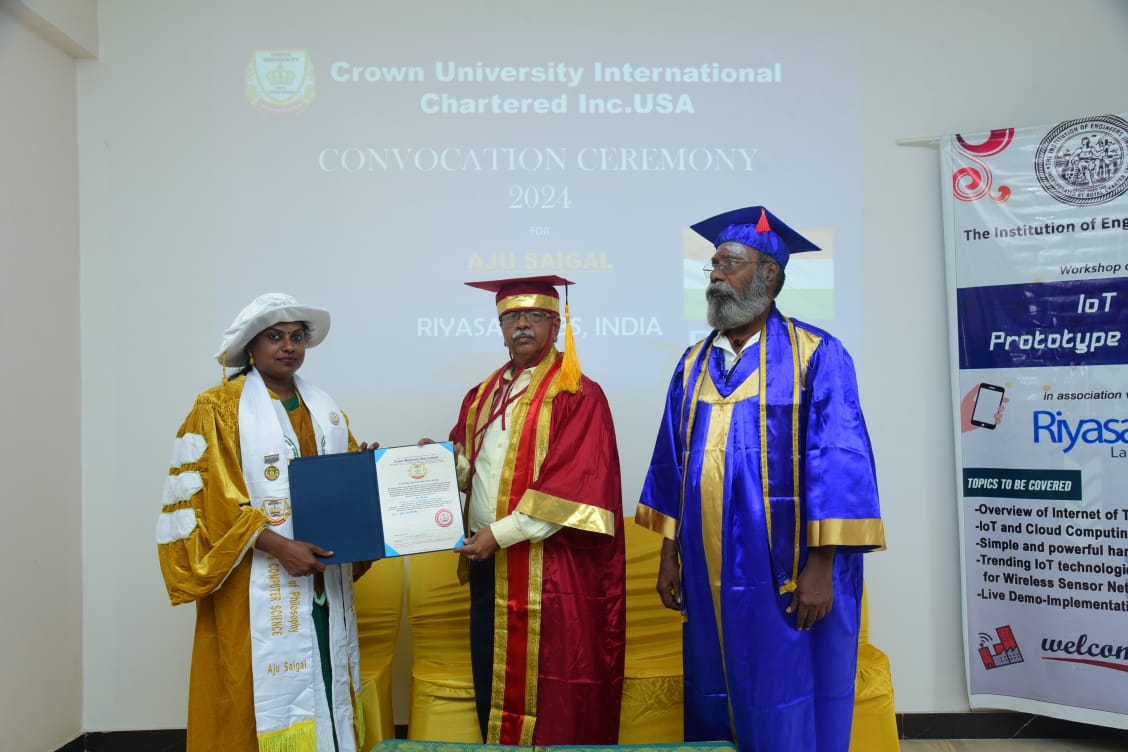
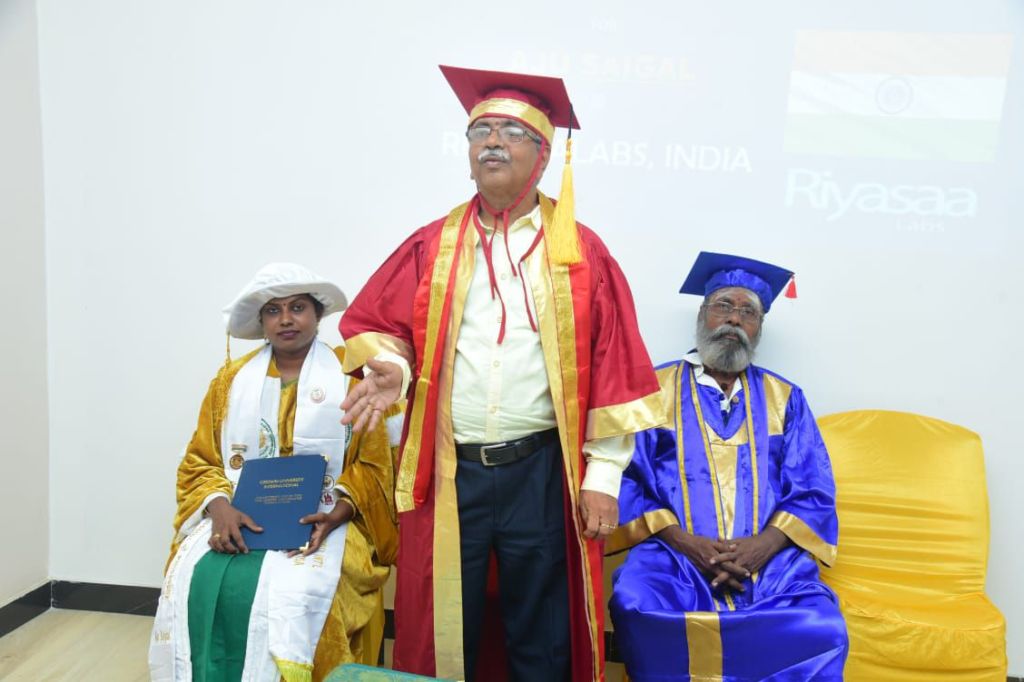
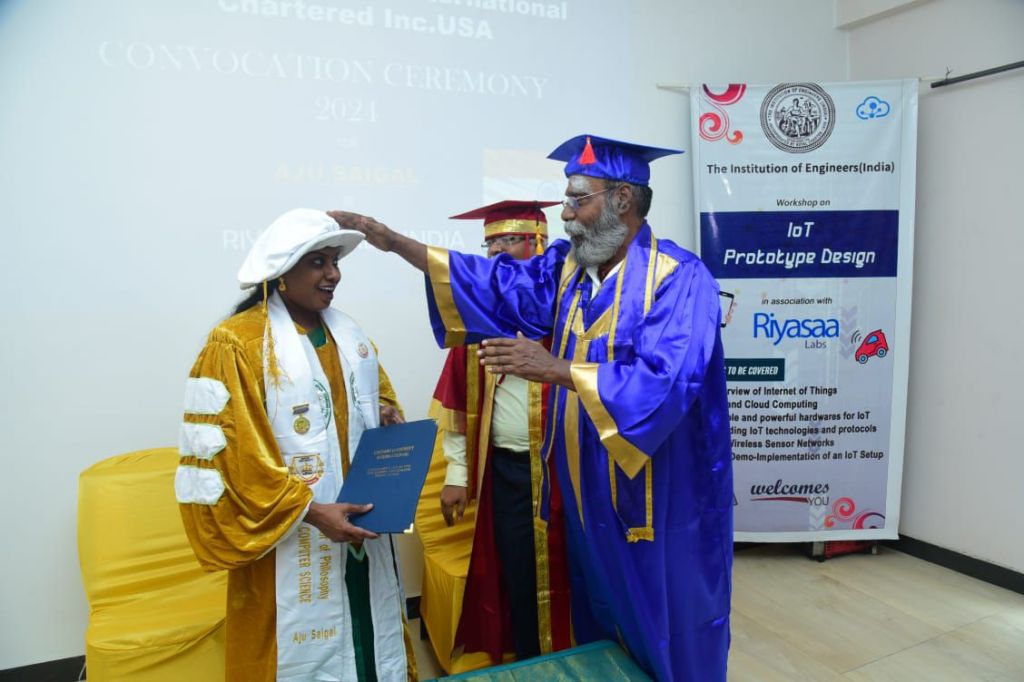
Abuja – The Dr Hammed Abodunrin at Abuja, Head Quarters of Nigeria Security and Civil Defence Corps , has been honoured with a Global Golden Award as “the most Notable and Top Distinguished Educator of the 21st Century” by the International Chartered World Learned Society, a United States-based organization, with offices in Africa, Asia, Europe, and Oceania.

The vibrant Commandant and Academic Doctor has also been conferred with the Life Fellowship of the Society (in the field of Education Management and Security ), according to a letter addressed to Commandant Dr Hammed Abodunrin by Prof. Dr (Sir) S. R. Boselin Prabhu on behalf of the Society.

While conferring the awards on Commandant Dr Hammed Abodunrin at Head Quarters of Nigeria Security and Civil Defence Corps recently, the World Grand President of the Society, UNESCO Laureate, The Africa Chairman of Unity of Nations for Climate Council an official partner of United Nations in person of Respected Prof. Sir Bashiru Aremu, noted that the recognitions were based on Commandant Dr Hammed Abodunrin ’s immense contributions to the global knowledge industry through Nigeria Security and Civil Defence .

The insignia of the awards included certificates, a Global Certificate of Achievement as the most Notable and Top Distinguished Educator of the 21st Century, a muffler, a Global Golden medal, a Life Fellow Certificate and other instruments of the Society which were presented in recognition of “the avocation, enthusiasm and reputation” of the honouree.

While congratulating Commandant Dr Hammed Abodunrin on behalf of the World Grand Board of Directors, ICWLS, including Prof. Sir Sarfraz Lloyd of Oceania, Prof. Sir Abhiram Kukshreshtha of Asia, Prof. Sir M. Howard Pilley of Europe and Prof. Sir Luis Emilio Abad of the Americas, Prof. Aremu urged the recipient not to relent in his efforts of adding value to humanity.

According to Prof. Sir Aremu, who is also the Vice Chancellor Crown University Int’l Chartered Inc, Santa Cruz, Agentina, Commandant Dr Hammed Abodunrin is a shining example of diligence, excellence and competence from whom the present and future generations will continue to draw inspiration.

While responding to the presentation of awards, Commandant Dr Hammed Abodunrin appreciated the Grand President and the ICWLS Board of Directors for deeming him worthy of the honour.

He stressed that he considered the honour and Dedicated it to Safe School which he is privileged to serve as Commandant . He also expressed willingness to leverage the membership of the consortium in achieving the tripartite mandate of his Safe School viz teaching, research and community service.

The International Chartered World Learned Society is a worldwide independent organization, self-governing, pan-discipline educational charity according to the statutes. It provides expert scholars’ advice on a variety of public issues related to sciences, engineering, health sciences, arts, humanities, social sciences and so on.

The Society draws up considerable strength of distinguished scholars and professionals. all over the world.

Build bridges of love, break barriers of conflict, VC tells Nigerians

Nigerians have been urged to underplay their ethnic, religious and political differences and embrace a culture of peace and harmony while breaking the barriers of conflict that may arise among them in order to make Nigeria attain its full potential.

This call was made by the Vice-Chancellor of African School of Economics, the pan-African university of excellence, Prof. Mahfouz Adedimeji, on Friday in Abuja. Prof. Adedimeji made the call while making his presentation on “Cultivating a Culture of Peace: Build Bridges, Break Barriers” at the university as part of the activities marking this year’s UN International Day of Peace.

According to the Vice-Chancellor, “Cultivating a Culture of Peace” is this year’s Peace Day theme and it is apt and relevant because that is what the world needs most. Citing UNESCO, he described the culture of peace as “a set of values, attitudes, and behaviours that promote mutual understanding, respect and non-violent resolution of conflict.” He highlighted some of the values and attitudes that Nigerians must embrace as love, patience, forgiveness, truthfulness, trustworthiness, empathy, cooperation, discipline, justice, generosity, gratitude, mutual understanding and respect for one another.

According to the Vice-Chancellor, who is a Fellow of the Society for Peace Studies and Practice, the world is undergoing turbulence with violent conflicts and their associated inhumanity ravaging many places across the world. The solutions to these problems, he said, are to work hard to unite people and communities, foster dialogue, promote mutual understanding and accept diversity.

Prof. Adedimeji emphasized the need to embrace positive mental attitude, noting that the difference between someone who sees a half-empty and a half-full bottle is attitude. He stressed that the window theory by which people seek to blame others for their woes should be replaced by the mirror theory which allows people to focus on themselves with a view to working out solutions.

The former Director of the Centre for Peace and Strategic Studies, University of Ilorin, thereafter enjoined Nigerians to work hard and pray while noting that there are opportunities in challenges and with difficulty there is ease if everyone is positive to embrace good values and positive attitude at all times.

The event was anchored by Elijah Nsikak while contributions were made by various participants, some of whom included Samuel Ugwu, Dede Oluwamuinumidu, Priscilla Ochanya and Pascal Mathias. The three-day event with a seminar and public lecture climaxed with a peace walk on Saturday, the International Peace Day.

Let’s live in unity in spite of diversity – Don

A Professor of Applied Linguistics at the University of Ilorin, Sola Babatunde, has urged Nigerians to live in peace and unity in spite of their diversity, saying that peace is not the absence of conflict or storm but the ability to handle tough situations creatively.

Prof. Babatunde made the appeal while speaking at a seminar organised by the African School of Economics, otherwise called the Pan-African University of Excellence, on Thursday in Abuja. The seminar was organised as part of the activities marking the 2024 International Day of Peace on Saturday, September 21.

According to the scholar, water is doused with water and not by fire and the way forward for Nigerians in particular and Africans at large is to embrace peace and forgiveness, even if people are genuinely wronged. He noted that development will be elusive in an atmosphere of conflict, rancor and undue antagonism.

While presenting his paper, “The Might of Peace”, Prof. Babatunde emphasized that fostering peace in diversity is deploying strategies to create a synthesis from every thesis and antithesis. He said the secret of success in a pluralistic society is to learn to use conflict and differences constructively because conflict is part of life.

According to the acclaimed lecturer, who was the Director of the Centre for Linguistic Immersion at the University of Ilorin until recently, the world is made of opposites, positive and negative wires, darkness and light, male and female, happiness and sadness and many more. The capacity to maximize both forces to achieve balance and the greater good is the ultimate indicator of being responsible and successful.

To realise the might of peace in one’s life, the Guest Speaker advocated understanding each other’s language, learning and utilizing social skills of interaction, being patient with one another as well as establishing and maintaining relationships.

While welcoming the Guest Speaker and participants to the seminar, the Chairman of the occasion and Vice-Chancellor of the University, Prof. Mahfouz Adedimeji, noted that the university was delighted to receive Prof. Babatunde, whom he described as a source of inspiration to many accomplished academics including himself.

He said that African School of Economics was starting a three-day event to mark the International Day of Peace with the seminar. He recalled that the International Day of Peace was established by the United Nations General Assembly in 1982 by Resolution 36/67 and it was first observed on September 21, 1982. He added the formal declaration of September 21 as the annual Peace Day was adopted through Resolution 55/582 of the United Nations General Assembly in 2001.

He encouraged participants to attend the remaining activities climazing with a Peace Walk on the Peace Day on Saturday, September 21 and urged Nigerians to be intentional about “Cultivating a Culture of Peace”, which is the theme of this year’s Peace Day. He expressed satisfaction by recalling that the Peace Day is marked by several organisations across the world and his alma mater, the University of Ilorin, has been commemorating it each year since he introduced it about 10 years ago while serving as the Director of its Centre for Peace and Strategic Studies.

Khalil Halilu’s Transformative Leadership at NASENI Marks a New Era for Nigerian Innovation

Emmanuel Daudu

The innovative head of the National Agency for Science and Engineering Infrastructure (NASENI), Khalil Suleiman Halilu, has revolutionized the agency, turning it into a beacon of technological progress and economic growth in Nigeria.

Appointed in September 2023 by President Bola Tinubu, Halilu has refocused NASENI on commercialization, pushing the agency’s research and development outputs into the marketplace.

Ina statement by Olusegun Ayeoyenikan, the Director of Information, NASENI, he explained that one of the key highlights of Halilu’s leadership is the launch of products that are set to transform Nigeria’s industrial landscape. These include solar irrigation systems, electric vehicles, and lithium batteries technology that is already reducing the country’s dependence on imports and driving local job creation.

These advancements signal NASENI’s shift from a passive research body to an active player in the nation’s economic framework.

Perhaps the most impactful element of Halilu’s tenure has been his strategic push for international partnerships.

Ayeoyenikan noted that Under the CEO’s leadership, NASENI has secured a $150 million agreement with Shenzhen LEMI Technology for lithium battery production, and a staggering $2 billion in deals with Chinese firms for electric vehicles and drone technology.

“These moves are expected to not only bolster Nigeria’s technological infrastructure but also position it as a global player in advanced manufacturing.”

Halilu’s introduction of NASENI’s Strategic Launchpad a visionary roadmap for industrial growth has solidified his legacy as a transformative leader.

“By laying out short, medium, and long-term goals, the plan aims to enhance Nigeria’s manufacturing capacity and make the nation a hub for agricultural, renewable energy, healthcare, and ICT innovations.”

He further noted that Halilu has also improved the welfare of NASENI’s workforce, introducing robust training programs that have resulted in a more skilled and motivated workforce.

This focus on human capital is likely to have long-term benefits for the agency and Nigeria’s industrial development.

He disclosed that in just 365 days, Khalil Halilu has not only redefined NASENI’s role in Nigerian industry but also laid the groundwork for a future where Nigeria can fully harness its scientific and technological potential.

NASENI’s Promising Talent Jamilu Tanko, Revolutionizes Industrial Drying with Cyclone Furnace Innovation

Emmanuel Daudu

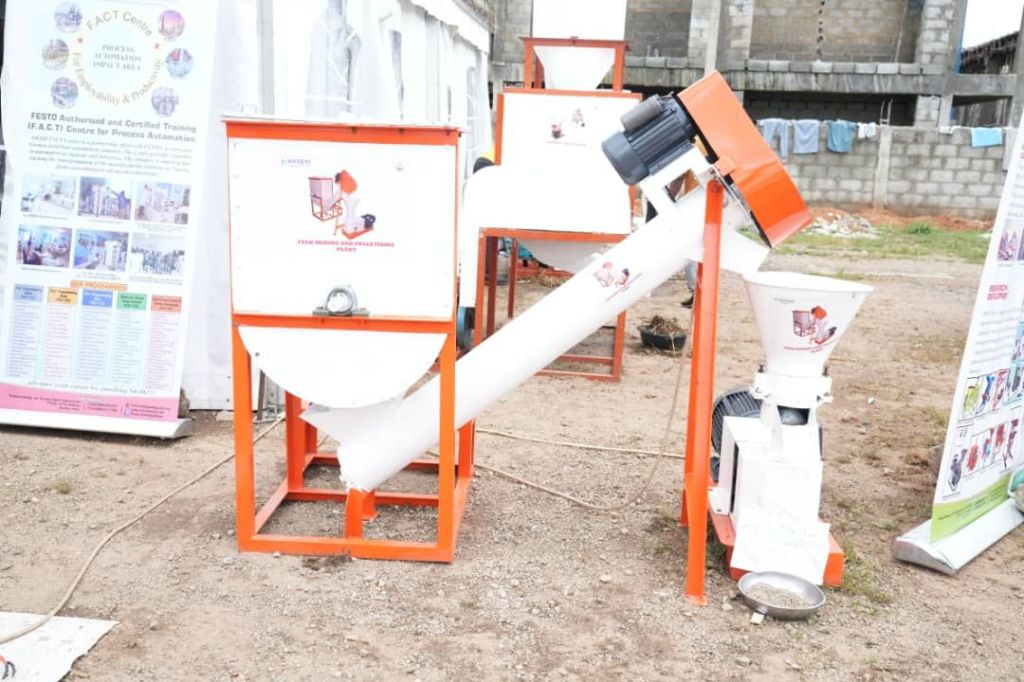
In a breakthrough that promises to transform small and medium-scale industries, Nigerian physicist Jamilu Tanko has developed a cost-effective and efficient Cyclone Furnace.

This innovation is poised to significantly impact sectors such as baking, pharmaceuticals, rice mills, papermills, and brickmaking, offering a more efficient solution for drying processes.

Tanko, a Principal Scientist at the Hydraulic Equipment Development Institute (HEDI), Kano, under the National Agency for Science and Engineering Infrastructure (NASENI), created the Cyclone Furnace using waste materials like rice husks.

His invention is set to boost local industry productivity and reduce dependency on imported equipment.

NASENI commended Tanko’s work and sees it as a crucial step toward empowering local industries.

*By adopting this technology, small and medium enterprises (SMEs) could experience increased competitiveness and sustainability.” Said NASENI

A native of Kura Local Government Area in Kano State, Tanko holds bachelor’s and master’s degrees in Physics from Ahmadu Bello University, Zaria, where he is also pursuing his PhD. His motivation to develop the Cyclone Furnace stemmed from the underutilization of heating equipment by local industries.

The new furnace is expected to dry rice in 10-12 hours, significantly improving on the 48 hours needed by imported counterparts.

NASENI, which aims to empower local industries through technology, has pledged its full support for Tanko’s innovation, ensuring its wide adoption across Nigeria’s industries.

Established in 1992, NASENI has been at the forefront of promoting technological advancements for SMEs and boosting local industry competitiveness.

Nigeria Joins Global Nations Utilizing 6GHz Band for Wi-Fi

Emmanuel Daudu

In a significant step towards enhancing the country’s telecommunications capabilities, Nigeria is set to join the league of nations utilizing the 6GHz band for Wi-Fi 6 applications.

This announcement was made during a landmark event by the Nigerian Communications Commission (NCC) under the leadership of Dr. Aminu Maida, Executive Vice Chairman and Chief Executive Officer of the Commission.

Speaking at the event, Dr. Maida emphasized the Tinubu administration’s commitment to repositioning the NCC since coming on board in 2023.

“We made a strategic decision to put the Commission on a path that leverages opportunities through focused areas, driven by the recognition that our stakeholders whether licensees, industry operators, consumers, or the government each have unique perspectives and expectations of the Commission,” he said.

To achieve its strategic objectives, the NCC has identified several key factors, including people, collaboration, data, compliance, and digitalization.

These factors, aligned with the Federal Government’s Strategic Blueprint on knowledge, infrastructure, innovation, entrepreneurship, and trade, have provided the foundation for enhancing telecommunication services in Nigeria.

One of the key areas of focus for the Commission is collaboration.

In keeping with its long-standing policy of participatory regulation, the NCC has convened industry-wide consultations to gather input on the use of the 6GHz band for Wi-Fi 6 and International Mobile Telecommunications (IMT).

L-R: Executive Secretary, Association of Licensed Telecom Operators of Nigeria, Gbolahan Awonuga; Professor of Telecommunications Engineering, Federal University of Technology, Minna, Prof. Caroline Alenoghena; Executive Commissioner, Technical Services, Nigerian Communications Commission (NCC), Abraham Oshadami; Public Policy Manager, Anglophone West Africa, Meta, Sade Dada; Director, Compliance Monitoring and Enforcement, NCC, Efosa Idehen and President, Association of Telecom Companies of Nigeria, Tony Emoekpere, during a Stakeholders’ Consultative Forum on Emerging Technologies hosted by the Commission in Lagos on Thursday (September 19, 2024).

Dr. Maida stressed that the Commission remains committed to ensuring that its decisions are based on input from stakeholders across the telecommunications sector, in line with global best practices.

The 6GHz band, which spans from 5925 MHz to 7125 MHz, provides a significant increase in available spectrum to support the growing demand for high-speed internet and advanced applications. Wi-Fi plays a critical role in distributing fixed broadband connectivity to homes, offices, and other environments, and is essential in managing large amounts of data in enterprise settings.

However, current Wi-Fi bands 5GHz and 2.4GHz are becoming overwhelmed due to increased demand, necessitating the need for additional frequency bands.

Dr. Maida highlighted that the recently concluded 2023 World Radiocommunications Conference (WRC-23) in Dubai, UAE, allocated the 6GHz band for Wi-Fi and IMT applications, providing various recommendations for its use.

This marks the culmination of an extensive study process that paved the way for today’s discussions.

As the NCC seeks input from stakeholders on the proposed use of the 6GHz spectrum band, Dr. Maida expressed optimism about the future of telecommunications in Nigeria.

L-R: Executive Secretary, Association of Licensed Telecom Operators of Nigeria, Gbolahan Awonuga; Professor of Telecommunications Engineering, Federal University of Technology, Minna, Prof. Caroline Alenoghena; Executive Commissioner, Technical Services, Nigerian Communications Commission (NCC), Abraham Oshadami; Public Policy Manager, Anglophone West Africa, Meta, Sade Dada; Director, Compliance Monitoring and Enforcement, NCC, Efosa Idehen and President, Association of Telecom Companies of Nigeria, Tony Emoekpere, during a Stakeholders’ Consultative Forum on Emerging Technologies hosted by the Commission in Lagos on Thursday (September 19, 2024).

Nigeria Reaffirms Commitment to Global Peace, Calls for Action on Arms Proliferation

Emmanuel Daudu

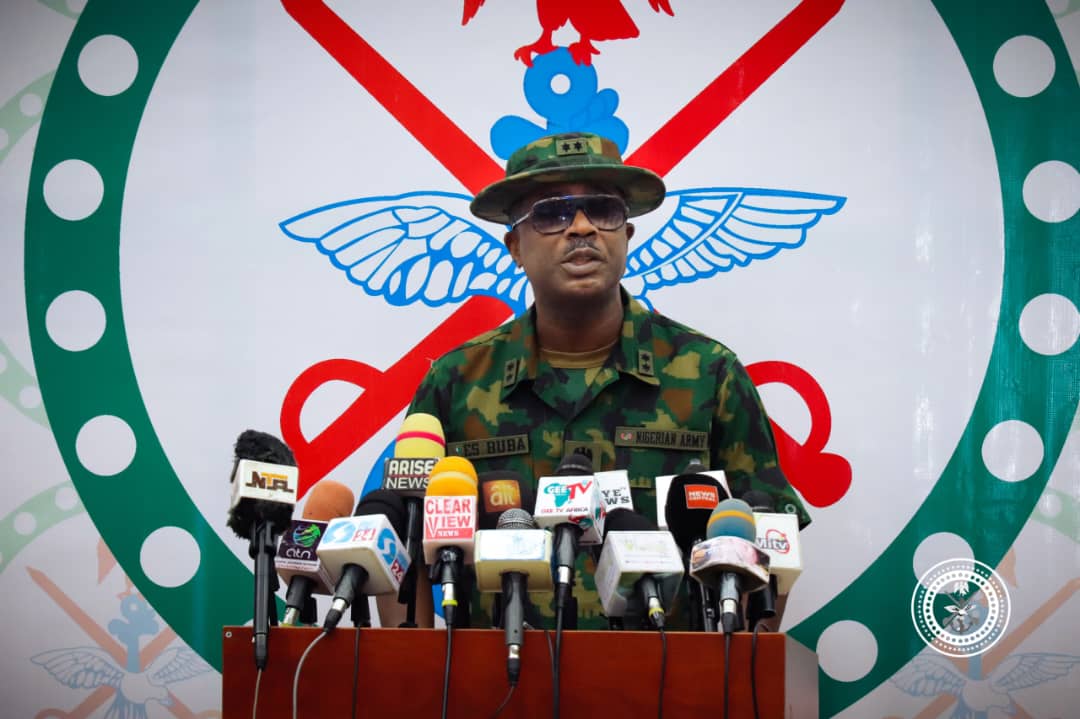
As Nigeria continues to push for global solutions to regional problems that threaten not just Africa, but the wider world,Minister of Defence, H.E. Mohammed Abubakar Badaru, reaffirmed Nigeria’s steadfast commitment to supporting the UN’s efforts in international peace and security.

Badaru made this assertion at the 79th United Nations General Assembly in New York, during the high-level Summit of the Future.

The Minister highlighted Nigeria’s pivotal role in global peace operations and regional stability, with a special call for renewed international efforts to combat the proliferation of small arms and light weapons in the Sahel region.

Badaru, addressing world leaders, emphasized that Nigeria has been at the forefront of peacekeeping initiatives since its inaugural deployment in Congo in 1960.

“Nigeria has made significant contributions in terms of troops, finance, logistics, and civilian expertise to various African nations, including Guinea Bissau, Sierra Leone, Liberia, Mali, and Côte d’Ivoire,” he stated, underscoring the country’s longstanding role in promoting security across West Africa and the Sahel region.

As the global community grapples with rising security challenges, particularly in conflict-ridden regions, the Defence Minister urged the United Nations to recognize Africa’s indispensable role in peacebuilding by granting the continent permanent representation on the UN Security Council.

“Africa’s just representation at the Security Council is crucial for conscientious global peace, inclusivity, and building trust,” he said, stressing the need for more equitable decision-making at the highest levels of international diplomacy.

Focusing on emerging threats, Badaru called for comprehensive strategies to tackle insecurity, including the need to curb illegal financial flows that fund criminal activities such as kidnapping and banditry, and to stem the tide of illicit arms and weapons in conflict-prone areas.

“We urge the international community to renew efforts to address these security challenges, especially the flow of small arms and light weapons within the Sahel region,” he implored.

The Honourable Minister’s remarks come at a time when the Sahel is experiencing heightened instability, fueled by the proliferation of arms and the rise of extremist groups.

Nigeria, which has borne the brunt of regional conflicts spilling across its borders, continues to lead calls for global cooperation in addressing these pressing security concerns.

Shattered Dreams and Lost Fortunes: The Unchecked Rise of Estate Developer Fraud in Nigeria

By Victor Akaa

The provision of adequate housing is a cornerstone of societal development, and its importance cannot be overstated. Collaboration between the public, private, and corporate sectors is crucial to advancing the housing sector, enhancing citizens’ quality of life, and promoting national growth. Nigeria’s real estate industry has experienced remarkable growth, driven by increasing demand for housing and commercial spaces. However, beneath this booming market lies a disturbing trend: estate developers defrauding unsuspecting Nigerians of their hard-earned money.

Fraudulent estate developers employ various tactics to swindle their victims. They misrepresent projects as completed or nearing completion when, in reality, construction has barely begun or not started at all. Some sell plots or units in non-existent estates using fake documents and convincing marketing materials. Others collect payments from buyers for delayed or abandoned projects, leaving investors stranded, and inflate prices to make properties unaffordable.

This unfortunate practice is a common trend in the country, especially in Lagos, where some Lagos-based estate developers have been known to deceive unsuspecting buyers through a so-called ‘Buy Back’ arrangement. This scam involves providing readymade accommodation with the promise that if the developer fails to meet agreed-upon terms within a specified timeframe, they will repurchase the property. Meanwhile, these unscrupulous developers often relocate their families to the UK, boasting of their supposed untouchability due to alleged connections with influential politicians.

The impact of these fraudulent activities is far-reaching and devastating. Victims lose life savings, inheritance, or loans, plunging them into financial distress that can lead to emotional trauma, stress, disappointment, mental health challenges, strained relationships, and loss of trust. The country’s economic prosperity also suffers. Estimates suggest that over 50% of real estate transactions in Nigeria involve some form of fraud, with the government recovering billions of naira from fraudulent activities in recent years.

Several factors contribute to this pervasive issue. The lack of regulation creates inadequate oversight and enforcement, enabling fraudulent developers to operate with impunity. Nigeria’s economic instability provides opportunities for unscrupulous developers to exploit desperate investors. Additionally, buyers often lack knowledge of the real estate market, making them vulnerable to false promises.

To address these fraudulent activities, it is essential to strengthen regulatory bodies by empowering agencies like the Federal Ministry of Works and Housing to monitor and enforce regulations. The Economic and Financial Crimes Commission (EFCC) should also beam its shining light on the fraudulent activities of the estate developers. The government should also encourage transparency and mandate developers to provide detailed project information, including timelines, budgets, and completion guarantees. This will help authorities track fraudulent activities.

Creating awareness and promoting financial literacy through public campaigns, media engagement, and workshops is also crucial. Collaboration with law enforcement is necessary to ensure swift apprehension and prosecution of fraudulent developers, serving as a deterrent. Establishing dispute resolution centres to mediate and resolve disputes between developers and buyers will also help.

The scourge of estate developers’ fraud in Nigeria demands urgent attention. Regulatory bodies, law enforcement, and the public must work in tandem to prevent these crimes and protect innocent Nigerians. By promoting transparency, education, and accountability, we can restore trust in the real estate industry.

To protect themselves, prospective buyers should conduct thorough research to verify developers’ credentials and project legitimacy. Seeking professional advice from lawyers, architects, and financial experts is also advisable. Buyers should insist on written agreements, project plans, and completion guarantees and be cautious of unusually low prices. Reporting suspicious activities to regulatory bodies or law enforcement will ensure a safer and more secure real estate market in Nigeria.

Under Section 43 of the 1999 Constitution of the Federal Republic of Nigeria, which guarantees every citizen’s right to acquire and own immovable property anywhere in Nigeria, buyers must exercise diligence. By doing so, Nigerians can invest in their dreams without fear of deception, and the real estate industry can reclaim its integrity.

*Victor Akaa writes from Lugbe Abuja