NiMet Secures Approval For Updated Conditions Of Service

Emmanuel Daudu

The Nigerian Meteorological Agency (NiMet) has secured formal approval for its revised Conditions of Service, marking a major milestone in the Agency’s ongoing institutional reform and commitment to staff welfare and operational efficiency.

The comprehensive review, recently concluded by NiMet, was the product of sustained collaboration between the Agency’s management and recognised staff unions.

Through extensive consultations and constructive dialogue, both sides worked together to develop a framework that responds to key issues affecting staff welfare, career progression, professionalism, and overall institutional effectiveness.

The updated Conditions of Service received the backing of the current administration and were successfully processed through the appropriate approval channels. Regulatory clearances were granted by the Federal Ministry of Aviation and Aerospace Development and the Office of the Head of the Civil Service of the Federation (OHCSF), alongside other relevant statutory bodies, formally validating the new framework for implementation.

Under the revised provisions, clearer guidelines have been established for appointments, promotions, career advancement, and disciplinary procedures.

The review also
strengthens staff welfare by enhancing leave entitlements, promoting work-life balance, and standardising procedures to ensure fairness, transparency, and accountability in line with Federal Civil Service rules and global best practices.

NiMet management noted that the updated Conditions of Service are expected to boost staff morale and motivation, leading to improved productivity and more efficient service delivery across the Agency.

The reform further reflects NiMet’s determination to strengthen human capital development and provide a supportive work environment for its workforce.

Staff of the Agency have been encouraged to familiarise themselves with the revised Conditions of Service, which now serves as a comprehensive guide to their rights, responsibilities, and career growth within NiMet.

The Agency reaffirmed its commitment to continuous institutional reforms aimed at enhancing efficiency, staff welfare, and excellence in service delivery, in line with its mandate to provide timely and reliable weather and climate information critical to national safety and socio-economic development.

Humanitarian Affairs Ministry Reaffirms Support for Social Work Education at Emene Matriculation

Emmanuel Daudu

The Federal Ministry of Humanitarian Affairs and Poverty Reduction has reaffirmed its commitment to strengthening social work education in Nigeria, as the Federal School of Social Work, Emene, Enugu State, held its 5th Matriculation Ceremony for the 2024/2025 academic session.

The ceremony, which took place on Thursday, January 8, 2026, marked the formal admission of new students into the institution and underscored the growing importance of social work in addressing Nigeria’s social and developmental challenges.

Speaking at the event, the Permanent Secretary of the Ministry, Mr. Olubunmi Olusanya, emphasized the critical role of social workers in tackling issues such as poverty, inequality and social injustice.

Represented by the Director of the Social Development Department, Mr. Valentine Ezulu, the Permanent Secretary noted that investing in social work education is a direct investment in the nation’s future.
“As we gather here today, we are reminded of the critical role social workers play in addressing the complex challenges facing our nation,” he said, adding that the Ministry remains committed to supporting the Federal School of Social Work, Emene, in producing highly skilled professionals capable of contributing meaningfully to national development.

Earlier, in his welcome address, the Provost of the School, Mr. Chris Ajibola, highlighted the relevance of social work to Nigeria’s development and assured students of the institution’s dedication to their academic and professional growth.

Delivering the matriculation lecture, the Guest Speaker, Prof. Ndidi Ozofor, described social work practice in Nigeria as an uphill task, largely due to a shortage of professional social workers and persistent societal challenges.

He referenced Decree No. 12 of 1974, which formally established social welfare services and social development programmes in Nigeria, and stressed the need to equip students with the requisite skills and knowledge to navigate the realities of the profession.

Also speaking at the event, the representative of the paramount ruler of the host community, Chief Aneke Jerome, commended the institution for promoting social work education and pledged the continued support of the community.

A representative of the matriculating students, speaking on behalf of his colleagues, appealed to the school authorities to provide an enabling environment for effective learning.

He identified areas requiring attention, including infrastructure maintenance, payment of staff salaries, utilities, publicity and awareness, as well as students’ representation at national and international levels.

The high point of the ceremony was the administration of the oath of allegiance, during which the new students pledged to abide by the rules and regulations of the institution and uphold the core values of the social work profession in service to national development.

In his closing remarks, an Assistant Director in the Ministry’s Social Development Department, Mr. Akin Alesinloye, expressed confidence in the future impact of the students.

He stated that the graduates of the Federal School of Social Work, Emene, would go on to make significant contributions to the lives of Nigerians and the overall development of the country.

The matriculation ceremony, which featured a procession of academic staff and students led by the Registrar and the Provost, attracted dignitaries from government, the host community and other stakeholders.

The Ministry congratulated the students and the institution, expressing optimism about their role in advancing social development in Nigeria.

Troops Smash Suicide Bombing Network, Seize Terror Logistics In Adamawa

Maryam Aminu

Troops of Operation HADIN KAI (OPHK) have dealt a major blow to terrorist activities in Adamawa State, dismantling a suspected suicide bombing network and intercepting large volumes of logistics believed to be destined for terrorist operations.

The breakthrough followed intensified intelligence-led cordon-and-search operations targeting those behind the Gamboru Market Mosque suicide bombing.

Acting on sustained surveillance, OPHK troops, in the early hours of January 5, 2026, stormed the Yan Lemo area of Mubi South Local Government Area, where eight suspects were arrested.
Among those apprehended were two key suspects identified as principal facilitators within the suicide bombing network. A search of their residence yielded cash, mobile phones, identification documents, ATM cards, jewellery and other personal effects, all of which are now undergoing forensic examination to aid ongoing investigations.

Military sources disclosed that during preliminary identification procedures, a suspect already in custody positively identified the two principal suspects as suppliers of materials used in assembling the Improvised Explosive Device (IED). Other occupants of the residence were also found to have links to the terror network.

All the suspects are currently in military custody, undergoing detailed interrogation to extract further intelligence before being handed over for extended investigation.

In a related operation, OPHK troops on January 4, 2026, intercepted a large cache of suspected terrorists’ logistics at Mayo Nguli in Maiha Local Government Area of the state. The troops seized 45 jerrycans of Premium Motor Spirit (PMS), amounting to about 1,125 litres, believed to have been smuggled to support terrorist operations.

The suppliers reportedly fled on sighting the troops, abandoning the petroleum products, which have since been taken into military custody. The operation was carried out without any casualties.

The military said the twin operations underscore OPHK’s determination to dismantle terrorist cells, disrupt their supply chains and prevent future attacks across the North East. The task force also urged members of the public to remain vigilant and continue to support security agencies with timely information, noting that public cooperation remains vital to sustaining peace in the region.

34 Artillery Brigade Celebrates WASA 2025, Hails Troops’ Dedication And Professionalism

Emmanuel Daudu

The Headquarters 34 Artillery Brigade of the Nigerian Army on January 3, 2025, held the West African Social Activities (WASA) 2025 at the Obinze Barracks Parade Ground in Imo State, celebrating troop cohesion, cultural integration and professional excellence.

Speaking at the colourful ceremony, the Special Guest of Honour, Air Commodore D.E. Bello, Commander 511 Quick Response Group (QRG), Owerri, described the Nigerian Army as a strong unifying institution that brings together people of diverse cultures and backgrounds in service to the nation. He noted that the cultural displays showcased during the event underscored the Army’s role in fostering unity and shared national purpose.

Air Commodore Bello charged officers and soldiers of the Brigade to remain disciplined, loyal and committed to their constitutional responsibilities, stressing that professionalism and dedication remain critical to operational effectiveness. He urged troops to continue to uphold the core values of the Nigerian Army, including respect for civil authority and excellence in service.

Earlier, in his welcome address, the Commander, 34 Artillery Brigade and Land Component Commander, Operation UDOKA, Major General I.M. Abbas, explained that WASA is an annual Nigerian Army tradition marking the end of training activities while promoting unity, cultural integration and stronger civil–military relations.

Major General Abbas recalled that the Nigerian Army traces its roots to the West African Frontier Force (WAFF) of the early 1900s, whose gallantry in major campaigns, including the First World War, earned them recognition and the privilege of celebrating their diverse cultural heritage. He said the WASA celebration provides a platform for officers, soldiers, their families and host communities to interact and deepen mutual understanding.

He further noted that in line with the Chief of Army Staff’s Command Philosophy of building a professional, adaptable, combat-ready and resilient force, the 34 Artillery Brigade has remained actively engaged in addressing contemporary security challenges, with sustained support from families and stakeholders.

The Brigade Commander expressed appreciation to the Imo State Government, the General Officer Commanding 82 Division and Commander Joint Task Force South East, Operation UDO KA, Major General O.A. Fadairo, as well as traditional rulers and community leaders for their collaboration, which he described as vital to sustaining troop morale and enhancing operational effectiveness within the Brigade’s Area of Responsibility.

Dignitaries at the event included representatives of the Imo State Government, sister security agencies, His Royal Highness Dr. E.C. Okeke, the Eze Imo, and Nigerian football legend Nwankwo Kanu, popularly known as Papilo, among other distinguished guests.
Highlights of the celebration included the presentation of souvenirs, the ceremonial Beating of the Retreat and the lighting of the bonfire, which marked the climax of WASA 2025.

Intelligence-Led Raid: Operation Whirl Stroke Troops Recover Arms Cache, Deal Blow To Criminal Syndicates In Taraba

Emmanuel Daudu

Troops of Joint Task Force Operation WHIRL STROKE (OPWS) have recorded a significant operational success following a well-coordinated, intelligence-driven raid that led to the recovery of a large cache of arms and ammunition in Takum Local Government Area of Taraba State.

The operation, carried out on January 4, 2026, was launched after troops received actionable intelligence on the movement of an associate linked to a notorious criminal kingpin, identified as John Ngata. Acting swiftly, OPWS troops deployed from Zaki-Biam mounted a snap roadblock along the suspected route, where the suspect was intercepted without resistance.


During preliminary interrogation, the suspect reportedly cooperated with troops and led them to a concealed armoury belonging to the criminal network at Amadu Village in Takum LGA. A follow-up search of the location resulted in the recovery of a substantial cache of weapons, including 13 AK-47 rifles, 39 AK-47 magazines, 690 rounds of 7.62mm special ammunition and four hand grenades.

Military sources confirmed that the armoury was professionally destroyed after the recovery to prevent further use by criminal elements, after which the troops safely withdrew to their base.

Commending the operation, the Force Commander, Joint Task Force Operation WHIRL STROKE, Major General Moses Gara, praised the troops for their professionalism, swift response and effective utilisation of intelligence, noting that the operation had successfully disrupted a criminal supply chain.

Major General Gara reiterated his commitment to sustaining high troop morale through improved welfare, logistics support and enhanced operational readiness.

He also expressed appreciation to members of the public for their continued cooperation and provision of credible intelligence, describing community support as a critical factor in the ongoing fight against criminality within the Joint Operations Area.

The Force Commander urged residents to sustain the flow of timely and actionable information to security agencies, assuring them of confidentiality and prompt response.
He reaffirmed OPWS’ resolve to ensure peace, stability and the protection of lives and property across its area of responsibility.

Major General Gara further thanked the Chief of Defence Staff for his strategic guidance and the Service Chiefs for their sustained support to Operation WHIRL STROKE.

Minaret University Ikirun celebrates their Pioneer Dean, UNESCO Laureate Prof Sir Bashiru Aremu as World Record Holder

Minaret University Ikirun Nigeria celebrate Their Pioneer Dean of Faculty of Science and Computing as World Record Holder The First African UNESCO Laureate Prof Sir Bashiru Aremu as His Name has entered Noble Book of World Records

Who is Prof Sir Bashiru Aremu?
Prof. Sir Bashiru Aremu is a world-acclaimed distinguished professor of Computer Science and Information Technology known for his extensive contributions to higher education, research, and international collaboration. He holds numerous academic and leadership positions globally and is recognized as the First African UNESCO Laureate and Pioneer Dean Faculty of Science and Computing of Minaret University Ikirun Nigeria

Key Positions and Affiliations
Prof. Aremu has held significant roles including:
Chairman Board of Trustees of Kings and Queens Medical University College Ghana,.
Africa Chairman Board of Trustees of Unity of Nations Action for Climate Change Council UNACCC an official Partner of United Nations and other organizations worldwide, World Grand President of the International Chartered World Learned Society. He also serves as Global Secretary of the World Sustainable Development Goals Organization, an official partner of the United Nations. Additionally, he is a Research Professor and Deputy Director General for Africa at the International Biographical Centre in Cambridge, England, and Vice President of International Affairs at institutions in the USA and Cambodia.
He has Contributions to Research and Education
His pioneering research in computer science and IT, including areas like biometrics and e-business, has gained international recognition. Prof. Aremu has authored and edited numerous academic publications and serves on editorial boards of international journals. He is also known for mentoring students who have gone on to achieve significant academic positions. Furthermore, he has been involved in facilitating the accreditation of university programs across different regions, contributing to quality standards in higher education.
Awards and Global Recognition
Prof. Aremu has received extensive recognition for his work, including being the First African UNESCO Laureate, an award for outstanding creative and intellectual achievement, recognized by the UNESCO Centre Central and South America. He has also received the World Acclaimed Distinguished Professor Emeritus Award from the University of Nigeria, Nsukka, and other institutions. His accolades include the Albert Nelson Marquis Lifetime Achievement Award in thee USA and fellowships from the Royal Society for the Arts, Manufacturers & Commerce (RSA), UK, and the British Computer Society, England. He has also been inducted into the Noble Book of World Records for his contributions.
Prof. Sir Bashiru Aremu is a frequent speaker at global events, sharing his expertise on innovative education and international collaboration

About the Noble Book of World Record
The Noble Book of World Records (or Noble World Records – NWR) is an annual publication documenting human and natural achievements, similar to Guinness World Record, focusing on diverse fields like science, arts, and sports, operating under the International Non-Olympic Committee (INOC) and published yearly around International Women’s Day. It’s a global platform to recognize extraordinary performances, offering official record-setting with specific guidelines and promotion for individuals and organizations.

Key Aspects:

Publisher: The Nobel World Records (NWR), an organization with operations worldwide an official partner of United Nations Environmental Programmes and other organizations world-wide .
Content: Documents records in education, literature, agriculture, medicine, business, sports, nature, and adventure.
Mission: To encourage talent and document achievements, emphasizing admired human qualities.
Publication: An annual book (ISBN registered) released on March 8th, with digital versions available.
Ethics: Has policies against harmful or unethical records (e.g., involving animal harm, excessive eating).
In essence, it’s a competing record-keeping body to Guinness World Records, focusing on ethical recognition of diverse world achievements

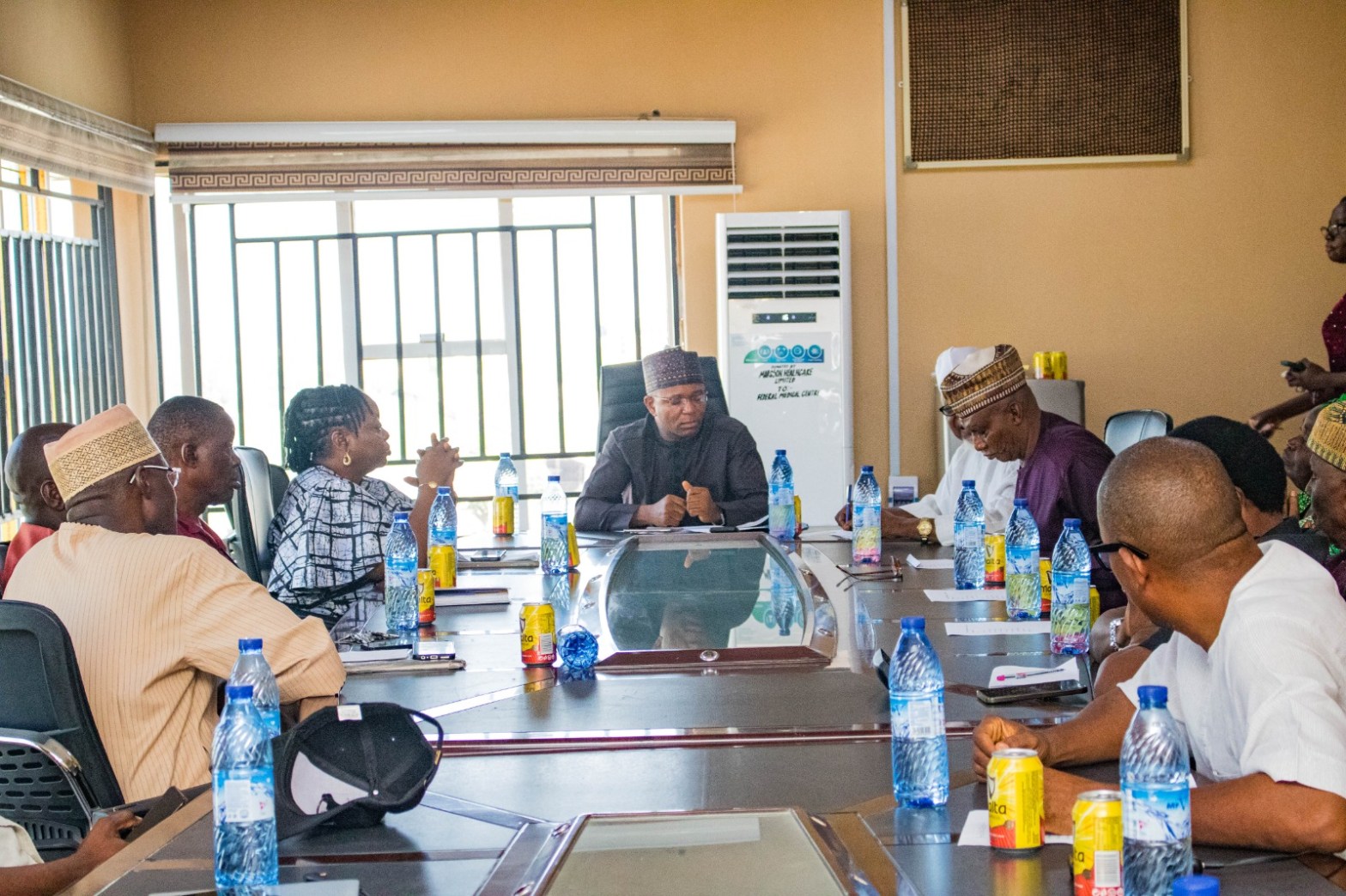
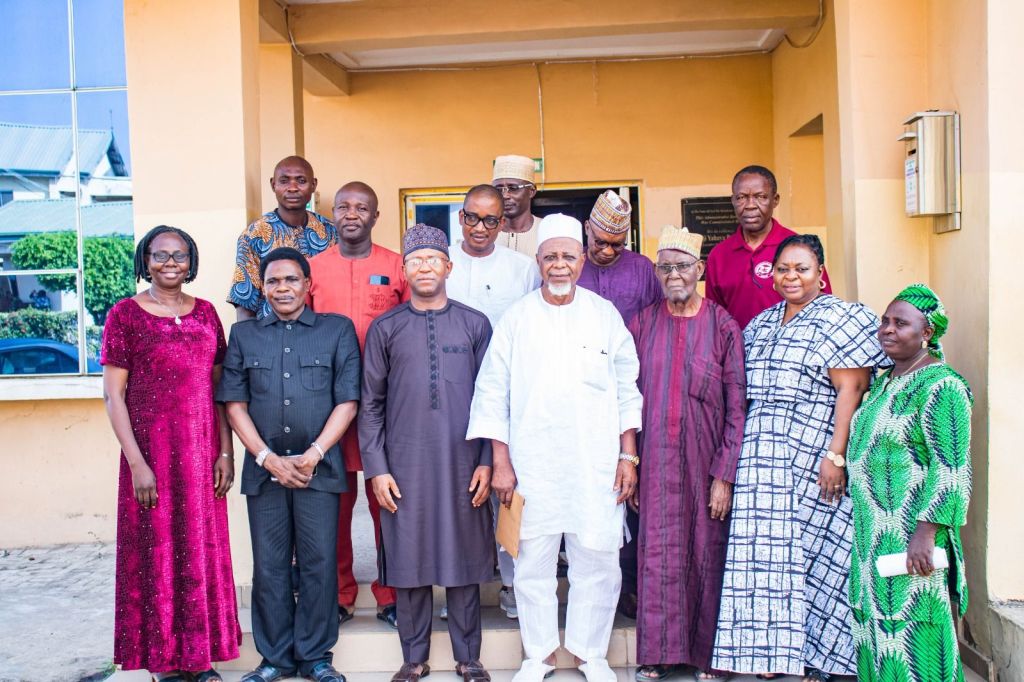
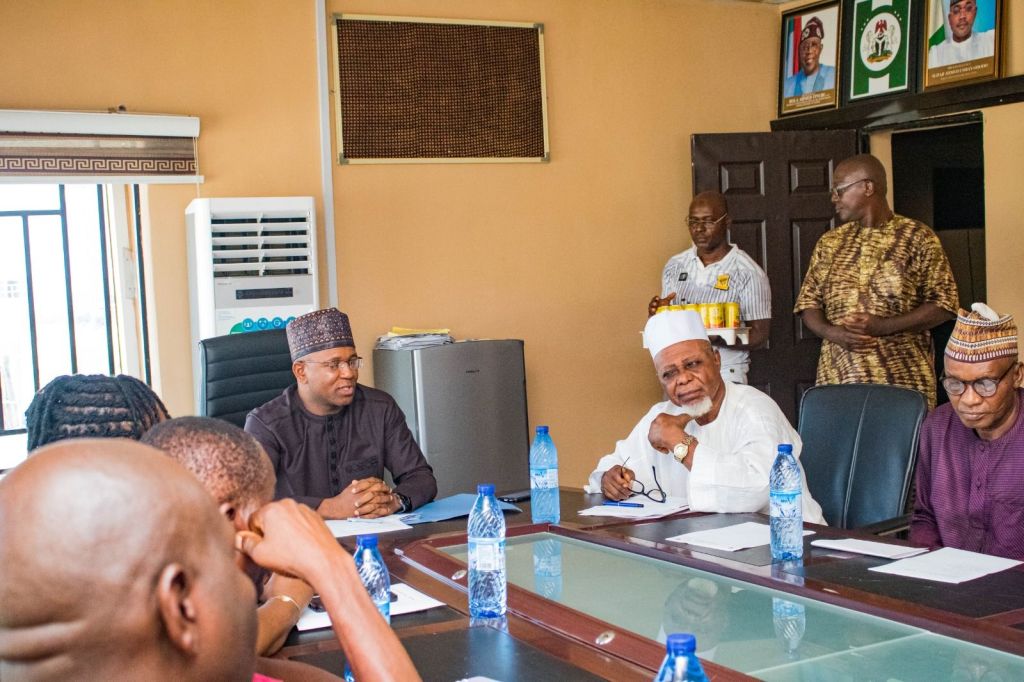
Kogi Elders’ Forum Urges FG to Confirm FTH Lokoja Acting CMD, Dr. Ojochide Sunday Ebune, Citing Significant Gains in Six Months

    The Kogi Elders’ Forum has called on the Federal Government to confirm the Acting Chief Medical Director of the Federal Teaching Hospital, Lokoja, Dr. Ojochide Sunday Ebune, noting his notable achievements within a short period. The call was made during an advocacy visit to the hospital led by the Forum’s Chairman, Chief J. A. N. Elukpo, Esq., PhD, alongside other members.

    Chief Elukpo said the Forum has observed “a renewed sense of purpose and direction” at FTH Lokoja over the past six months under Dr. Ebune’s leadership. He commended the Acting CMD’s vision to build “a reputable institution that is staff‑centric and patient‑focused, delivering quality services, training, and research,” and praised his five core policy thrusts of maintaining uninterrupted services, minimizing redundancy, strengthening operational efficiency, adopting data‑driven decision‑making, and going digital and deploying renewable energy solutions.

    The Forum highlighted concrete improvements recorded in the period, including restoring calm and order in the institution, reforms that have enhanced emergency care and response, and upgrades to infrastructure such as solar installations and power backup systems. It noted a renewed prioritization of staff welfare, training, and professional development; enhanced diagnostic capacity with the introduction of a CT scan centre; improved laboratory and radiology services with sustained availability of critical reagents and consumables; and strengthened dialysis services that have increased access to life‑saving treatment.

    They further acknowledged the re‑accreditation of training departments for residency programmes and the increase in internship slots, aligning with President Bola Ahmed Tinubu’s Renewed Hope agenda for healthcare, and commended the supportive posture of Governor Ahmed Usman Ododo towards improving the health system.

    “In light of these gains, we urge the Federal Government to confirm Dr. Ojochide Sunday Ebune as substantive CMD so that these reforms can be consolidated and expanded for the benefit of Kogi State and the nation,” Chief Elukpo stated.
    Responding, Dr. Ebune who thanked the Elders forum for the visit and kind words reaffirmed a vision to lead and create a reputable, staff‑centric institution that delivers patient‑focused quality services, training, and research. He said the hospital is aligning and mobilising human and material resources within and outside the facility, while leveraging existing and emerging information and communication technologies to improve outcomes and efficiency.

    He explained that the vision is guided by five core policy thrusts: ensuring no disruption of services; minimising redundancy in human and material resources; adopting protocols to enhance system profitability and sustainability; embedding data‑driven decision‑making; and accelerating the transition to renewable energy and digital operations.

    Reporting on interventions to date, the Acting CMD highlighted active engagement with stakeholders and union leaders to restore calm, order, and peace in the institution; inspiring top management and departmental heads to align with the hospital’s mandate; major reforms in emergency care and theatre services; steps to reduce stock‑outs of medicines and critical consumables; creation of back‑up systems and an emergency response fund to guarantee uninterrupted services; and donor‑supported installation of solar and power‑backup systems for emergency and operating theatre areas.

    He added that orientation and training for new staff and interns have been institutionalised; staff and client welfare have been prioritised; ease of access to care has improved; and laboratory and radiological services have been strengthened with sustained availability of critical reagents and consumables. Dialysis services have been enhanced, and innovative service packages have boosted internally generated revenue, enabling more timely payments to suppliers and contractors.

    In their separate remarks, Elder Seyi a retired first Auditor General of Kogi State, Dr. Victor Ibrahim and Hon. Mrs. Gloria Ategbe commended the Acting CMD for restoring efficient service delivery in the Teaching Hospital, urging him to sustain the tempo.
    In a vote of thanks, the deputy CMAC Dr. Patricia Medupin described the visit of the Chairman and members of the kogi state Elders’ forum as a morale booster and a beautiful way to end the year 2025.
    She thanked the forum for being a pillar of support to the Teaching Hospital, urging kogites to support the growth of the hospital.

    ECOWAS and its security efforts across the region-Dr Emmanuel Daudu Ph.D

    This year has been a defining period for the Economic Community of West African States in its continuing effort to preserve peace, strengthen regional security and protect the stability of its member states. As the organisation marked its 50th anniversary, it confronted a complex security environment characterised by terrorism, violent extremism, organised crime, political instability, porous borders and the widening security pressures emanating from the Sahel.

    ECOWAS responded by strengthening regional security cooperation, advancing the operationalisation of its Standby Force, improving intelligence-sharing mechanisms, supporting democratic governance and intensifying cooperation with the African Union, United Nations and international partners. These measures reflected the organisation’s recognition that security in West Africa cannot be achieved through military action alone, but requires political dialogue, effective institutions, economic opportunity and cooperation among neighbouring states.

    One of the most significant security initiatives pursued by ECOWAS in 2025 was the effort to operationalise a regional counter-terrorism force. At a meeting of ECOWAS Defence and Finance Ministers in Abuja in August 2025, member states examined sustainable financing options for the force.

    Two deployment options were considered: a 5,000-member brigade estimated to require about US$2.61 billion in its first year, and a phased 1,650-member force estimated at US$481.5 million. The discussions demonstrated both the scale of the terrorist threat confronting the region and the financial challenge involved in mounting a credible collective response.

    The initiative followed a decision by ECOWAS leaders to explore the activation of a regional counter-terrorism force. Throughout 2025, the organisation worked to mobilise troops, police personnel and financial resources, while seeking greater support from international partners.

    The significance of the Standby Force extends beyond counter-terrorism. A functional regional force could provide ECOWAS with the capacity to respond more rapidly to terrorist attacks, unconstitutional changes of government and other threats to regional peace.

    Terrorism remained one of the greatest threats to West African security in 2025. The withdrawal of Burkina Faso, Mali and Niger from ECOWAS further complicated the security landscape, particularly because those countries occupy strategic positions within the Sahel and share borders with several ECOWAS members.

    At its 43rd meeting in Abuja in March 2025, the ECOWAS Committee of Chiefs of Defence Staff reviewed the security situation, with terrorism and the consequences of the withdrawal of the three Sahelian countries high on the agenda. The meeting also considered the rotation of personnel within the Standby Force and improvements to regional logistics.

    ECOWAS subsequently intensified diplomatic engagement with the Alliance of Sahel States, recognising that terrorism does not respect political boundaries. The organisation’s June 2025 summit called for continued dialogue with Burkina Faso, Mali and Niger and urged greater cooperation in confronting terrorism across the region. It also commended troop and police-contributing countries for their commitments towards activating the regional counter-terrorism force.

    This approach was particularly important because security threats increasingly transcend national borders. Research by the Institute for Security Studies noted that the Sahel accounted for more than half of global terrorism-related deaths in 2024, while terrorist activity had increasingly affected coastal West African countries.

    ECOWAS also continued strengthening the West African Police Information System (WAPIS), designed to improve the exchange of criminal and security information among member states.

    The system is particularly important in confronting terrorism, human trafficking, arms trafficking, drug smuggling and other forms of organised crime that exploit porous borders. At its 2025 summit, ECOWAS reaffirmed its commitment to WAPIS and urged member states to ensure its sustainability, secure operation and effective regional ownership.

    Improved intelligence-sharing can enable national security agencies to identify suspected terrorists and criminal networks earlier, track cross-border movements and coordinate investigations. For a region where criminals and extremist groups frequently operate across national boundaries, such cooperation is indispensable.

    ECOWAS also advanced joint maritime security efforts. Its 2025 annual report highlighted joint maritime patrols aimed at combating piracy and transnational crime. Such operations are strategically important because insecurity at sea threatens trade, fishing, ports and the wider regional economy.

    For ECOWAS, regional security is closely linked to democratic governance. This year, the organisation continued to oppose unconstitutional changes of government while supporting political dialogue and electoral processes.

    This responsibility became more complicated following the military takeovers in Burkina Faso, Mali, Niger and other parts of the region. ECOWAS maintained its position that constitutional governance remains essential to long-term peace and stability.

    The organisation also supported electoral processes and mediation efforts in member states. The anticiapted commitment to the coming December 2025 summit reaffirms a zero-tolerance position towards unconstitutional changes of government.

    A major demonstration of this commitment came in Benin, where ECOWAS condemned an attempted coup in December 2025 and acknowledged the role of Beninese security forces and regional solidarity, including the deployment of elements of the ECOWAS Standby Force. The incident reinforced the argument that the regional force must become more operational and adequately funded.

    ECOWAS recognised in this year that military solutions alone cannot eliminate the causes of insecurity. Consequently, the organisation pursued preventive diplomacy, mediation and political engagement.

    In the month of November 2025, ECOWAS Commissioned President Omar Alieu Touray briefed the United Nations Security Council on regional counter-terrorism cooperation. He described a two-track strategy combining security operations with non-military measures, including political dialogue, stabilisation initiatives, countering extremist narratives and disrupting terrorist financing and logistical networks.

    The emphasis on dialogue with Burkina Faso, Mali and Niger was especially significant. Despite their withdrawal from ECOWAS, their security situation directly affects neighbouring countries. The Institute for Security Studies similarly argued that mistrust between ECOWAS and the Alliance of Sahel States could undermine intelligence-sharing and coordinated military responses.

    ECOWAS also strengthened partnerships with international organisations in 2025. Cooperation with the United Nations, African Union, European Union and other development partners remained central to its peace and security agenda.

    In June 2025, ECOWAS, together with the European Union, Germany and Spain, launched regional initiatives valued at more than €105 million to strengthen peace, security, institutional capacity and economic integration.

    The United Nations, meanwhile, reaffirmed its partnership with ECOWAS during the organisation’s 50th anniversary, recognising its contribution to regional integration, conflict resolution, peacekeeping and stability. The UN also encouraged continued international support for ECOWAS as it confronted persistent security and development challenges.

    Despite these efforts, ECOWAS faced serious obstacles in 2025. The withdrawal of Burkina Faso, Mali and Niger weakened regional cohesion and complicated collective security planning. Terrorist organisations continued to exploit weak borders, local grievances, poverty, illicit economies and limited state presence.

    Financing was another major challenge. ECOWAS itself acknowledged that available resources were insufficient to meet the region’s security requirements. The estimated cost of deploying a 5,000-member counter-terrorism brigade—US$2.61 billion in its first year—illustrates the enormous financial burden involved.

    The organisation must therefore strengthen domestic financing while maintaining credible partnerships with international donors. It must also improve intelligence-sharing, border management and coordination between civilian and military institutions.

    ECOWAS should build on the progress recorded in 2025 by making the Standby Force fully operational, sustainably funded and capable of rapid deployment. Equally important is the need to rebuild trust with Burkina Faso, Mali and Niger and establish practical security cooperation despite political differences.

    The organisation should deepen WAPIS implementation, strengthen joint border patrols, expand maritime security operations and intensify measures against terrorist financing. It should also address the socio-economic conditions that enable violent extremism to flourish, particularly unemployment, poverty, exclusion and weak local governance.

    Security must ultimately be connected to development. A safer West Africa requires functioning institutions, credible elections, economic opportunity, resilient communities and respect for the rule of law.

    ECOWAS’ efforts in 2025 demonstrated that the organisation remains an important pillar of West African peace and security despite unprecedented regional challenges. Its work on the Standby Force, intelligence-sharing, maritime security, democratic governance, preventive diplomacy and international cooperation represented significant steps towards building a more secure region.

    However, the scale of terrorism, political fragmentation and financial constraints means that ECOWAS cannot afford complacency. The organisation’s long-term success will depend on converting political commitments into operational capabilities and rebuilding regional trust.

    As ECOWAS advances its Vision 2050 of an “ECOWAS of the People: Peace and Prosperity for All,” the central lesson of 2025 is clear: lasting security in West Africa will require collective action, sustained financing, political dialogue and a development strategy that leaves no community vulnerable to violence and extremism.

    ECOWAS and Agriculture: A Regional Push for Food Security, Climate Resilience and Sustainable Growth By Dr Emmanuel Huleji Daudu Ph.D

    The Economic Community of West African States (ECOWAS) intensified its regional agricultural interventions this year, 2025, with a renewed focus on food security, climate resilience, rice production, agricultural trade and stronger regional food reserves amid growing food and nutrition challenges across West Africa.

    The regional bloc’s interventions came against the backdrop of a worsening food-security situation in West Africa and the Sahel. ECOWAS estimated that about 34.7 million people required immediate food and nutrition assistance in December 2024, with the number projected to rise to 47 million during the June-August 2025 lean season without urgent intervention.

    The developments placed agriculture firmly at the centre of ECOWAS’ regional integration and development agenda, particularly through the implementation of the ECOWAS Agricultural Policy (ECOWAP).

    ECOWAP, adopted in 2005, seeks to promote agricultural development, improve food and nutrition security, reduce poverty and strengthen regional economic integration through coordinated investment and policies among member states.


    One of the major areas of ECOWAS’ intervention in 2025 was the strengthening of the Regional Food Security Reserve (RFSR).

    The ECOWAS Management Committee met in Abuja in March 2025 to assess the performance of the regional reserve and establish priorities for improving its capacity to respond to food crises.

    The regional food reserve had a projected stock of more than 74,000 tonnes of food distributed across different locations in West Africa. Since its establishment, it had supported 22 interventions benefiting about 4.3 million vulnerable people.

    ECOWAS also commenced a review of its regional food-storage strategy, reflecting the changing nature of food emergencies in the region.

    According to the regional body, conflicts, climate-related disasters, economic instability, inflation, pandemics and disruptions in food markets have placed additional pressure on vulnerable populations.

    The review was therefore designed to strengthen the reserve’s ability to anticipate and respond rapidly to food crises while improving coordination among regional and national institutions.


    Rice production emerged as another major priority in ECOWAS’ agricultural programme during the year.

    In March this year, ECOWAS and the African Development Bank (AfDB) signed a US$12 million grant agreement to support the Rice Resilient Value Chains Development Project, popularly known as REWARD.

    The wider REWARD programme, estimated at approximately US$650 million, seeks to increase investment in rice value chains across West Africa and support the region’s ambition of achieving greater rice self-sufficiency.

    The intervention is significant because West Africa continues to face a substantial gap between rice production and consumption.

    Available regional data showed that West Africa produced approximately 14 million tonnes of milled rice in 2021, against demand of more than 22 million tonnes. The resulting deficit contributed to an estimated US$3.5 billion annual rice import bill.

    Through REWARD, ECOWAS and its development partners are targeting improvements in access to agricultural inputs, policy reforms, digital monitoring, processing and other areas of the rice value chain.

    The African Development Fund subsequently approved an additional US$9.44 million grant in July 2025 to support climate-resilient rice value chains in 13 West African countries.

    The programme is expected to improve access to quality seeds, promote climate-smart agricultural practices and strengthen the capacity of farmers and processors to cope with climate-related challenges.


    Climate change remained one of the most serious challenges facing agriculture in West Africa during 2025.

    Erratic rainfall, droughts, floods, rising temperatures and land degradation have continued to threaten agricultural production, livestock and rural livelihoods.

    ECOWAS therefore continued to work with development partners through the West Africa Food System Resilience Programme (FSRP) to strengthen the resilience of the region’s food systems.

    The World Bank estimated that more than 34.4 million people were facing severe food crises in West Africa in 2025, while agriculture and livestock accounted for approximately 40 per cent of the region’s Gross Domestic Product (GDP).

    The FSRP focuses on strengthening food-crisis prevention systems, promoting sustainable management of agricultural and natural resources and improving regional agricultural trade.

    The programme has also recorded progress in climate-smart agriculture, with more than 880,000 producers in participating countries adopting climate-smart agricultural technologies and more than 100,000 hectares placed under sustainable landscape management.

    In October 2025, ECOWAS also brought together regional stakeholders to develop and validate a portfolio of climate-resilient agricultural projects capable of attracting international climate financing.

    The initiative was designed to improve access to climate funds and connect farmers, governments and regional institutions with financing opportunities for agricultural adaptation and resilience.


    Beyond increasing production, ECOWAS also focused on improving the movement and quality of agricultural products across the region.

    In May 2025, the Commission organised a workshop in Lomé, Togo, to revise agricultural standards and improve the quality of products traded within the region.

    The exercise, supported by the Food System Resilience Programme, sought to strengthen consumer protection, improve product quality and facilitate agricultural trade among member states.

    The harmonisation of agricultural standards is considered critical to the success of regional value chains because agricultural products frequently cross national borders before reaching consumers.

    Consistent sanitary, phytosanitary and quality requirements can reduce unnecessary trade barriers, increase competitiveness and provide farmers with access to wider regional markets.


    ECOWAS also placed greater emphasis on research, evidence and digital systems in agricultural policy during 2025.

    The ECOWAS Regional Agency for Agriculture and Food (RAAF) continued to coordinate regional agricultural programmes, support investment and strengthen cooperation among governments, farmers, research institutions, development partners and private-sector actors.

    In November 2025, ECOWAS convened a regional policy dialogue in Abuja to examine evidence generated through the PRISMA initiative and explore ways of using research findings to shape agricultural policies in West Africa and the Sahel.

    The meeting brought together government officials, researchers, private-sector representatives and development partners.

    The increasing emphasis on data reflects the need for policymakers to have reliable information on agricultural production, food prices, market conditions, climate risks and household vulnerability.


    Despite the progress recorded in 2025, ECOWAS continues to face significant challenges in financing agricultural transformation.

    The regional body has acknowledged that implementation of ECOWAP has been affected by excessive dependence on external development assistance, inadequate domestic financing, weak coordination and insufficient participation by the private sector and young people.

    The financing gap is particularly important because sustainable agricultural transformation requires long-term investment in irrigation, mechanisation, rural roads, storage, processing facilities, research, extension services and market infrastructure.

    ECOWAS has consequently continued to advocate stronger domestic financing mechanisms and increased private-sector participation in agriculture.


    The agricultural interventions recorded by ECOWAS in 2025 demonstrate an increasingly coordinated regional response to West Africa’s food-security challenges.

    From strengthening the Regional Food Security Reserve and investing in rice production to promoting climate-smart agriculture, harmonising standards and improving agricultural data, ECOWAS is seeking to build a more resilient and integrated regional food system.

    However, conflict, climate change, inadequate infrastructure, high input costs, limited access to credit and dependence on food imports continue to pose significant challenges.

    For ECOWAS, the task ahead is to translate regional policies and investments into tangible improvements in farm productivity, farmers’ incomes, food availability and affordability.

    Sustained political commitment, stronger domestic financing, private-sector investment and effective implementation of ECOWAP will remain critical to transforming West Africa’s agricultural potential into greater food sovereignty, economic growth, employment and regional integration.

    The Reason Why you should study at Minaret University Ikirun, Nigeria – UNESCO Laureate

    Minaret University, Ikirun (MUI) is a private, faith-inspired institution located in the historic town of Ikirun, Osun State, Nigeria. Licensed by the Federal Government and the National Universities Commission (NUC) on 30th April 2025, MUI is founded by the Ahmadiyya Muslim Community world-wide to close critical skills gaps in agriculture, science, technology and entrepreneurship while nurturing strong moral character.

    Our forward-thinking work-study model blends rigorous academics with hands-on learning, so every graduate leaves not only with knowledge, but with practical experience, an entrepreneurial mindset, and the ethical compass to lead with integrity.

    Our Vision
    To pursue moral and intellectual development for creativity, entrepreneurship, adaptability and survival of the university graduate.

    Our Mission:
    To become a world-class tertiary institution for the intellectual and manpower development of human resources for sustainable socioeconomic development regionally, nationally, and internationally.

    Our Philosophy
    Upholds academic excellence, tolerance, inclusivity, and cultural respect. We combine theoretical depth with practical skills and research

    Our Motto

    Seeking Knowledge for the Benefit of Humanity

    Academic Objectives

    Produce well-rounded graduates who drive innovation, job creation, and national development.

    Promote entrepreneurship and practical research.

    Provide accessible education for all, especially underprivileged students.

    Uphold strict moral standards and a safe campus environment.

    The Ahmadiyya community has been led and shaped by several key religious leaders, scholars, and globally recognized figures in science and law.

    Ahmadiyya Muslim Community in Nigeria

    Ahmadiyya in Nigeria is a significant Islamic movement, active for over a century, known for its emphasis on peace, education, and social welfare, with strong roots in Western Nigeria, running schools, hospitals, and technical colleges while promoting its core beliefs under the global leadership of the Khalifa in London. They’ve pioneered initiatives like publishing Muslim newspapers and introducing modern Islamic education, boasting numerous branches and a significant presence in Nigeria’s religious landscape, aiming for moral revival and national development.

    Key Aspects of Ahmadiyya in Nigeria:

    History & Presence:
    Established in Nigeria around 1916, it’s one of Africa’s largest Ahmadiyya communities, with widespread branches and a strong base in Western Nigeria.

    Leadership:
    Governed by the global Caliph (currently in London) and Nationally led by figures like Alh. Barrister Alatoye Folorunso AbdulAzeez.

    Core Beliefs:
    Uphold Islam’s oneness, universal peace, and the separation of religion and state, guided by the teachings of the Promised Messiah, Mirza Ghulam Ahmad.

    Education & Welfare:
    Pioneered modern Islamic education, established schools (like Jamia Ahmadiyya for missionary training), hospitals, and technical colleges, focusing on moral and practical skills.

    Community Initiatives:
    Run youth organizations (MKA), publish The Truth newspaper, and engage in community service under their motto, “Love for All, Hatred for None”.

    Impact:
    Credited with introducing innovations like female participation in prayers and sermon translations into local languages, contributing significantly to Nigeria’s religious and social development.

    Founders and Spiritual Leaders

    The community is primarily led by a succession of Caliphs (successors) to the founder.

    Mirza Ghulam Ahmad (1835–1908): The founder of the movement who claimed to be the promised Messiah and Mahdi The Author of over eighty books

    Hakeem Noor-ud-Din (1834–1914): The first Caliph and a close companion of the founder; he oversaw the first English translation of the Quran. Medical Doctor and a very good Administrator
    Mirza Basheer-ud-Din Mahmood Ahmad (1889–1965): The second Caliph, credited with establishing the community’s global organizational structure, A impactive World leader and other of various books in Commentary of Holy Quran
    Mirza Nasir Ahmad (1909–1982): The third Caliph, known for coining the community’s motto: “Love for All, Hatred for None”.
    In England, he obtained Masters of Arts degree in the Tripos (P.P.E.) Political Science, Philosophy and Economics from Balliol College, University of Oxford. He impressed his college professors as a very well-behaved and deep-thinking student. During a subsequent visit to England, he met one of his former professors who welcomed him to his residence. The professor told other members of the Community that he had seen signs of leadership in Nasir Ahmad and was certain that he would be a leader one day

    Mirza Tahir Ahmad (1928–2003): The fourth Caliph, who launched the first Muslim satellite television channel (MTA) and established the humanitarian charity Humanity First,, He was graduate of University of London

    Mirza Masroor Ahmad (b. 1950): The current and fifth Caliph (elected in 2003). He advocates for global peace and has addressed major world bodies like the UK Parliament and US Congress.
    He has Meeting with World Leaders
    Public Service & International Scope
    Hazrat Mirza Masroor Ahmad has travelled globally to promote and facilitate service to humanity. He regularly meets presidents, prime ministers, other heads of state, parliamentarians and ambassadors to promote dialogue and press for the need for peace and respect. He has delivered a number of keynote addresses across the world including:
    – the European Parliament
    – Capitol Hill
    – Koblenz military headquarters, Germany
    – UK Parliament
    His Holiness also takes a keen interest in charitable and development work across the world to ensure that his community plays its part in serving mankind through disaster relief, development projects, medical services and education for all.

    Notable Figures in Science and Global Affairs

    Ahmadis have achieved prominence in various international professional fields.

    Professor Abdus Salam (1926–1996): A Nobel Prize winner in Physics (1979) and the first Pakistani to receive a Nobel Prize.

    Sir Muhammad Zafrulla Khan (1893–1985): Pakistan’s first Foreign Minister, President of the UN General Assembly, and President of the International Court of Justice.
    Karim Ahmad Khan: The current Chief Prosecutor of the International Criminal Court.

    Atif Mian: A globally recognized economist, ranked by the IMF among the top 25 young economists expected to shape future global thinking.

    The First African UNESCO Laureate, Prof Sir Bashiru Aremu A UNESCO Prize winner in (1st of October,2019) in Science and Technology and the First African to received a Global Golden Medal and Global Golden Certificate and the First African UNESCO Laureate to entered Noble Book of World Record which was dated 24th of October,2025 also Member Founding Board of Trustees of Minaret University Ikirun, Nigeria who is currently serves as Pioneer Dean Faculty of Science and Computing Minaret University, Ikirun, Nigeria

    The First Labor Leader in Nigeria, Comrade (Dr) Alh. Hassan Sumonu The Pioneer Chairman Council of Minaret University Ikirun, Nigeria
    Cultural and Artistic Figures

    Yusef Lateef & Ahmad Jamal: Renowned American jazz musicians and Grammy Award winners.

    Mahershala Ali: The first Muslim actor to win an Academy Award (Oscar) is an Ahmadi Muslim.

    Adnan Virk: A prominent Canadian sports anchor and reporter