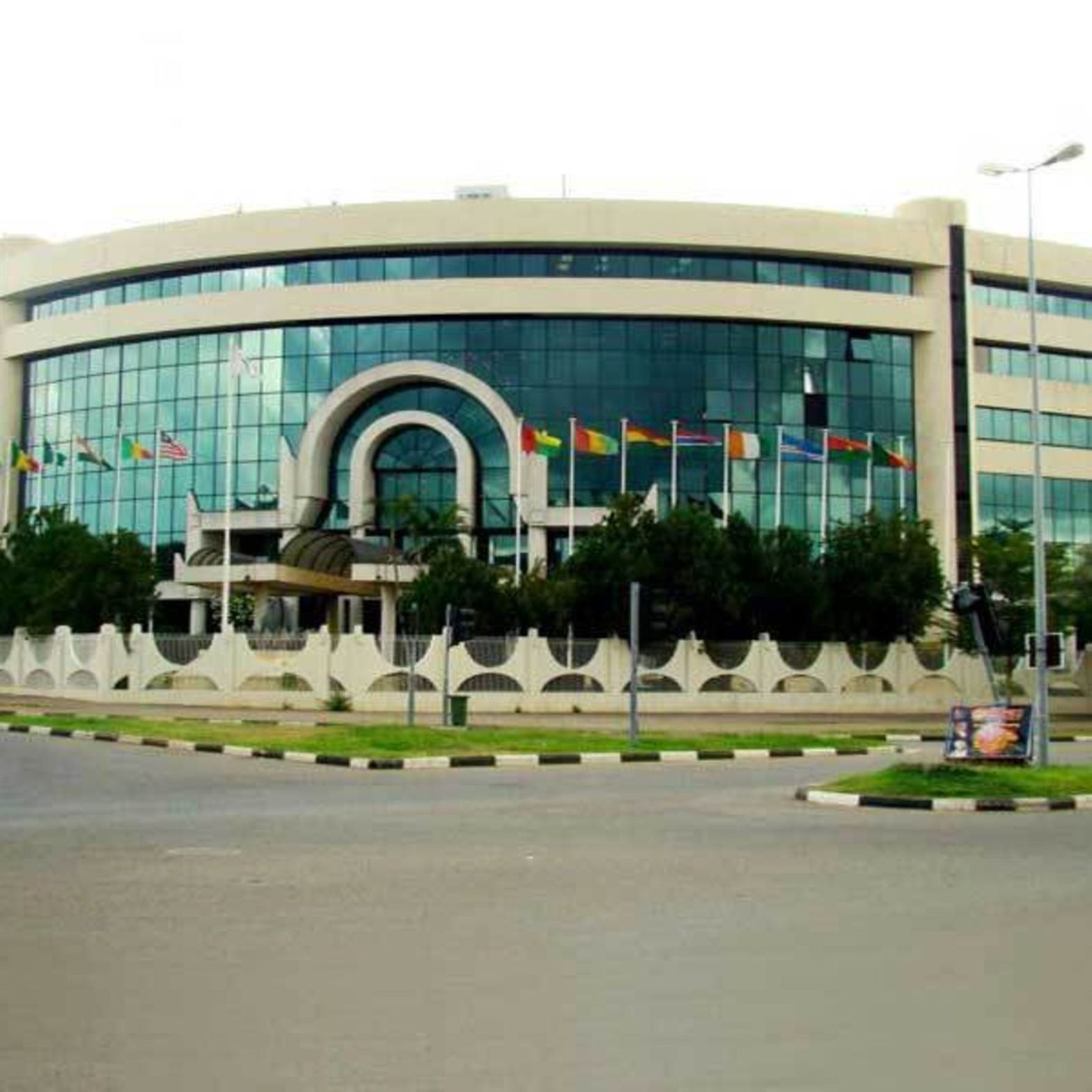
This year has been a defining period for the Economic Community of West African States in its continuing effort to preserve peace, strengthen regional security and protect the stability of its member states. As the organisation marked its 50th anniversary, it confronted a complex security environment characterised by terrorism, violent extremism, organised crime, political instability, porous borders and the widening security pressures emanating from the Sahel.
ECOWAS responded by strengthening regional security cooperation, advancing the operationalisation of its Standby Force, improving intelligence-sharing mechanisms, supporting democratic governance and intensifying cooperation with the African Union, United Nations and international partners. These measures reflected the organisation’s recognition that security in West Africa cannot be achieved through military action alone, but requires political dialogue, effective institutions, economic opportunity and cooperation among neighbouring states.
One of the most significant security initiatives pursued by ECOWAS in 2025 was the effort to operationalise a regional counter-terrorism force. At a meeting of ECOWAS Defence and Finance Ministers in Abuja in August 2025, member states examined sustainable financing options for the force.
Two deployment options were considered: a 5,000-member brigade estimated to require about US$2.61 billion in its first year, and a phased 1,650-member force estimated at US$481.5 million. The discussions demonstrated both the scale of the terrorist threat confronting the region and the financial challenge involved in mounting a credible collective response.
The initiative followed a decision by ECOWAS leaders to explore the activation of a regional counter-terrorism force. Throughout 2025, the organisation worked to mobilise troops, police personnel and financial resources, while seeking greater support from international partners.
The significance of the Standby Force extends beyond counter-terrorism. A functional regional force could provide ECOWAS with the capacity to respond more rapidly to terrorist attacks, unconstitutional changes of government and other threats to regional peace.
Terrorism remained one of the greatest threats to West African security in 2025. The withdrawal of Burkina Faso, Mali and Niger from ECOWAS further complicated the security landscape, particularly because those countries occupy strategic positions within the Sahel and share borders with several ECOWAS members.
At its 43rd meeting in Abuja in March 2025, the ECOWAS Committee of Chiefs of Defence Staff reviewed the security situation, with terrorism and the consequences of the withdrawal of the three Sahelian countries high on the agenda. The meeting also considered the rotation of personnel within the Standby Force and improvements to regional logistics.
ECOWAS subsequently intensified diplomatic engagement with the Alliance of Sahel States, recognising that terrorism does not respect political boundaries. The organisation’s June 2025 summit called for continued dialogue with Burkina Faso, Mali and Niger and urged greater cooperation in confronting terrorism across the region. It also commended troop and police-contributing countries for their commitments towards activating the regional counter-terrorism force.
This approach was particularly important because security threats increasingly transcend national borders. Research by the Institute for Security Studies noted that the Sahel accounted for more than half of global terrorism-related deaths in 2024, while terrorist activity had increasingly affected coastal West African countries.
ECOWAS also continued strengthening the West African Police Information System (WAPIS), designed to improve the exchange of criminal and security information among member states.
The system is particularly important in confronting terrorism, human trafficking, arms trafficking, drug smuggling and other forms of organised crime that exploit porous borders. At its 2025 summit, ECOWAS reaffirmed its commitment to WAPIS and urged member states to ensure its sustainability, secure operation and effective regional ownership.
Improved intelligence-sharing can enable national security agencies to identify suspected terrorists and criminal networks earlier, track cross-border movements and coordinate investigations. For a region where criminals and extremist groups frequently operate across national boundaries, such cooperation is indispensable.
ECOWAS also advanced joint maritime security efforts. Its 2025 annual report highlighted joint maritime patrols aimed at combating piracy and transnational crime. Such operations are strategically important because insecurity at sea threatens trade, fishing, ports and the wider regional economy.
For ECOWAS, regional security is closely linked to democratic governance. This year, the organisation continued to oppose unconstitutional changes of government while supporting political dialogue and electoral processes.
This responsibility became more complicated following the military takeovers in Burkina Faso, Mali, Niger and other parts of the region. ECOWAS maintained its position that constitutional governance remains essential to long-term peace and stability.
The organisation also supported electoral processes and mediation efforts in member states. The anticiapted commitment to the coming December 2025 summit reaffirms a zero-tolerance position towards unconstitutional changes of government.
A major demonstration of this commitment came in Benin, where ECOWAS condemned an attempted coup in December 2025 and acknowledged the role of Beninese security forces and regional solidarity, including the deployment of elements of the ECOWAS Standby Force. The incident reinforced the argument that the regional force must become more operational and adequately funded.
ECOWAS recognised in this year that military solutions alone cannot eliminate the causes of insecurity. Consequently, the organisation pursued preventive diplomacy, mediation and political engagement.
In the month of November 2025, ECOWAS Commissioned President Omar Alieu Touray briefed the United Nations Security Council on regional counter-terrorism cooperation. He described a two-track strategy combining security operations with non-military measures, including political dialogue, stabilisation initiatives, countering extremist narratives and disrupting terrorist financing and logistical networks.
The emphasis on dialogue with Burkina Faso, Mali and Niger was especially significant. Despite their withdrawal from ECOWAS, their security situation directly affects neighbouring countries. The Institute for Security Studies similarly argued that mistrust between ECOWAS and the Alliance of Sahel States could undermine intelligence-sharing and coordinated military responses.
ECOWAS also strengthened partnerships with international organisations in 2025. Cooperation with the United Nations, African Union, European Union and other development partners remained central to its peace and security agenda.
In June 2025, ECOWAS, together with the European Union, Germany and Spain, launched regional initiatives valued at more than €105 million to strengthen peace, security, institutional capacity and economic integration.
The United Nations, meanwhile, reaffirmed its partnership with ECOWAS during the organisation’s 50th anniversary, recognising its contribution to regional integration, conflict resolution, peacekeeping and stability. The UN also encouraged continued international support for ECOWAS as it confronted persistent security and development challenges.
Despite these efforts, ECOWAS faced serious obstacles in 2025. The withdrawal of Burkina Faso, Mali and Niger weakened regional cohesion and complicated collective security planning. Terrorist organisations continued to exploit weak borders, local grievances, poverty, illicit economies and limited state presence.
Financing was another major challenge. ECOWAS itself acknowledged that available resources were insufficient to meet the region’s security requirements. The estimated cost of deploying a 5,000-member counter-terrorism brigade—US$2.61 billion in its first year—illustrates the enormous financial burden involved.
The organisation must therefore strengthen domestic financing while maintaining credible partnerships with international donors. It must also improve intelligence-sharing, border management and coordination between civilian and military institutions.
ECOWAS should build on the progress recorded in 2025 by making the Standby Force fully operational, sustainably funded and capable of rapid deployment. Equally important is the need to rebuild trust with Burkina Faso, Mali and Niger and establish practical security cooperation despite political differences.
The organisation should deepen WAPIS implementation, strengthen joint border patrols, expand maritime security operations and intensify measures against terrorist financing. It should also address the socio-economic conditions that enable violent extremism to flourish, particularly unemployment, poverty, exclusion and weak local governance.
Security must ultimately be connected to development. A safer West Africa requires functioning institutions, credible elections, economic opportunity, resilient communities and respect for the rule of law.
ECOWAS’ efforts in 2025 demonstrated that the organisation remains an important pillar of West African peace and security despite unprecedented regional challenges. Its work on the Standby Force, intelligence-sharing, maritime security, democratic governance, preventive diplomacy and international cooperation represented significant steps towards building a more secure region.
However, the scale of terrorism, political fragmentation and financial constraints means that ECOWAS cannot afford complacency. The organisation’s long-term success will depend on converting political commitments into operational capabilities and rebuilding regional trust.
As ECOWAS advances its Vision 2050 of an “ECOWAS of the People: Peace and Prosperity for All,” the central lesson of 2025 is clear: lasting security in West Africa will require collective action, sustained financing, political dialogue and a development strategy that leaves no community vulnerable to violence and extremism.


