By Adejoh Bilkisu
Poor communication between healthcare facilities, high medicine costs and difficulties completing referrals have emerged as major challenges affecting continuity of patient care in Nigeria, according to discussions at the 2026 Health Equity Conference in Abuja.
Stakeholders at the two-day conference, held on October 13 and 14, examined how financial constraints, inadequate health-information sharing, workforce shortages and weak follow-up arrangements can prevent patients from receiving timely and appropriate treatment.
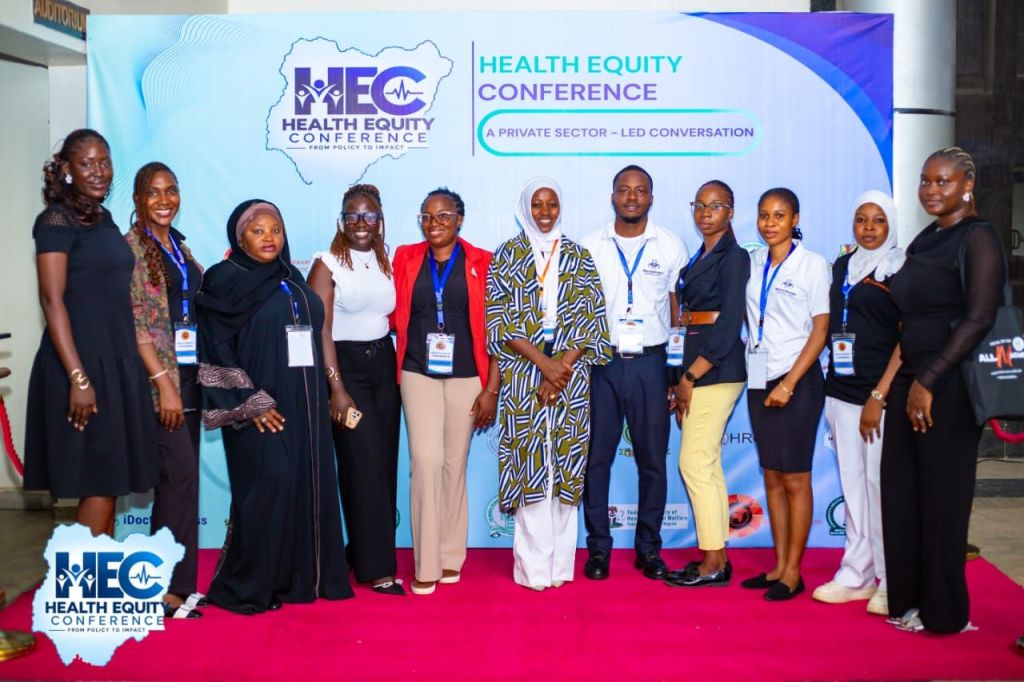
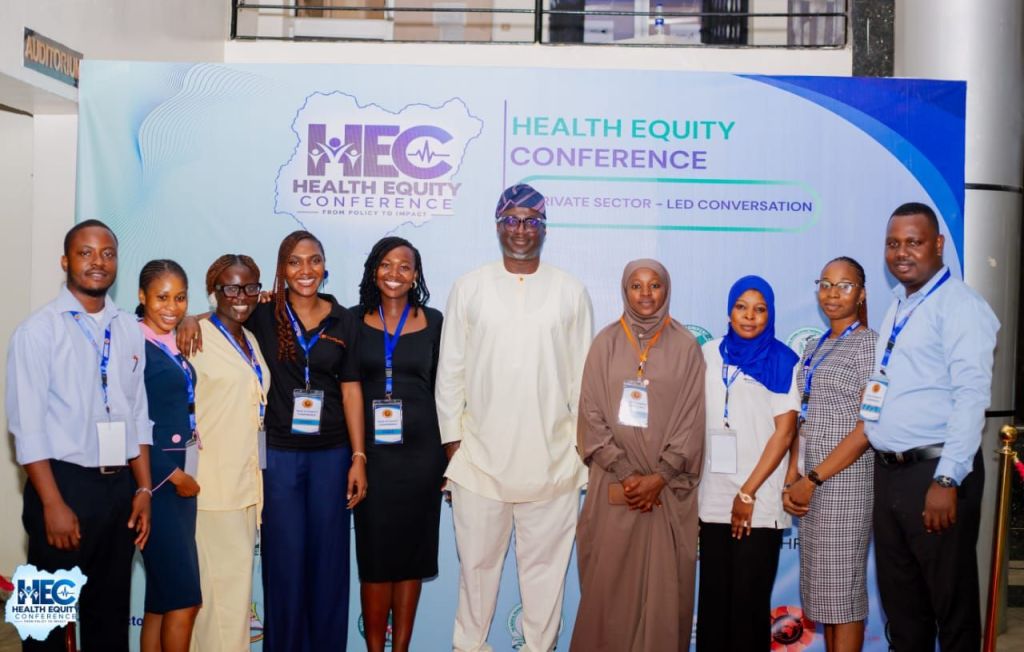
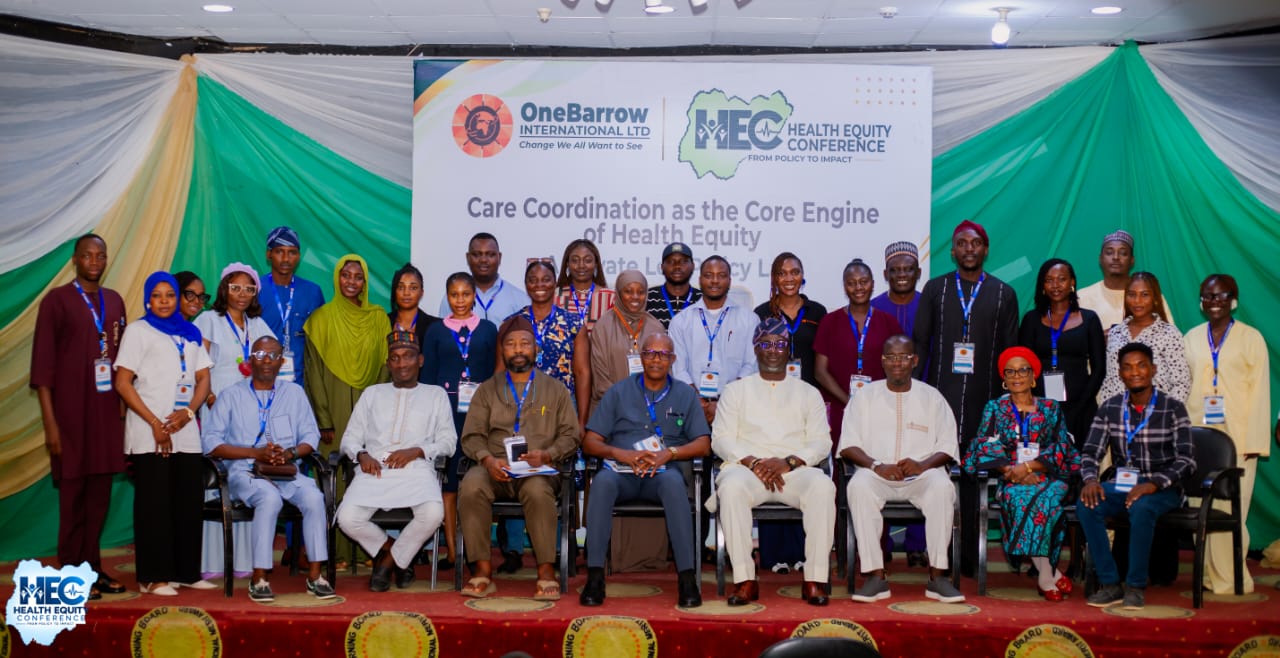
The conference, convened by OneBarrow International Limited under the theme, “Care Coordination as the Core Engine of Health Equity,” brought together government representatives, healthcare regulators, professional bodies, healthcare providers and private-sector stakeholders.
Discussions centred on the challenges patients encounter when moving between primary healthcare centres, diagnostic laboratories, pharmacies, specialist services and hospitals.

Stakeholders noted that a referral does not necessarily guarantee access to further treatment, particularly when patients face transportation costs, unavailable personnel, poor communication between facilities or difficulties obtaining essential medical records.
They also examined how limited access to affordable medicines and diagnostic services could interrupt treatment, while inadequate discharge planning and follow-up arrangements could leave patients without the support needed to continue their recovery.
A fictional patient, Amina, provided a common framework for examining these challenges. Her hypothetical journey enabled participants to consider potential gaps from the first point of contact with the healthcare system through diagnosis, treatment, referral, hospital admission, discharge and follow-up.
The exercise highlighted the need for healthcare providers to share relevant information, establish clear referral pathways and ensure that patients understand the next steps in their treatment.
Other concerns identified during the discussions included diagnostic quality assurance, inadequate interoperability between digital health systems, patient privacy, rural access to healthcare and weaknesses in complaints management.
Delivering the keynote address on behalf of the Federal Ministry of Health and Social Welfare, Mrs Adijah Elijah, Population Programme Officer, called for stronger collaboration among stakeholders to translate health policies into measurable improvements in healthcare delivery.
She reaffirmed the Federal Government’s commitment to an accessible, affordable, equitable and responsive health system, highlighting Nigeria’s goal of achieving Universal Health Coverage by 2030 in line with Sustainable Development Goal 3.
Elijah identified the Nigeria Health Sector Renewal Investment Initiative and the Sector-Wide Approach as frameworks for improving coordination, aligning investments and strengthening accountability across the health sector.

The Chief Executive Officer of OneBarrow International Limited and conference convener, Yemi Ajao, said patients should not be left to coordinate their own treatment because healthcare institutions and professionals failed to communicate effectively.
According to him, patients and their families often bear the burden of navigating separate services when medical information is not transferred properly or responsibilities for the next stage of care are unclear.
Ajao said the conference was intended to bring stakeholders together to examine such gaps and develop practical proposals for improving coordination across the healthcare system.
Also speaking, Kamilu Abdullahi, who represented the Registrar of the Nursing and Midwifery Council of Nigeria, Mr Ndagi Alhassan, said regulatory agencies were pursuing a more coordinated approach to healthcare delivery through an initiative involving 14 regulatory bodies.
Abdullahi, who said he had been appointed focal person for the health equity initiative, highlighted the council’s efforts to expand nursing and midwifery training, strengthen accreditation and ensure that practitioners remained competent and properly licensed.
He also cited expanded computer-based examinations, improved processing of students’ results and stronger supervision of professional licences as measures being pursued to maintain standards.
The conference’s deliberations produced ten recommendation areas and a proposed Joint Communiqué Implementation Matrix intended to connect identified healthcare challenges with potential solutions, institutional responsibilities and indicators for monitoring progress.
The recommendations cover referral systems, diagnostic quality, workforce development, financing accountability, health-information exchange, community access and patient follow-up. Their implementation will depend on consideration and any necessary approvals by the relevant institutions.
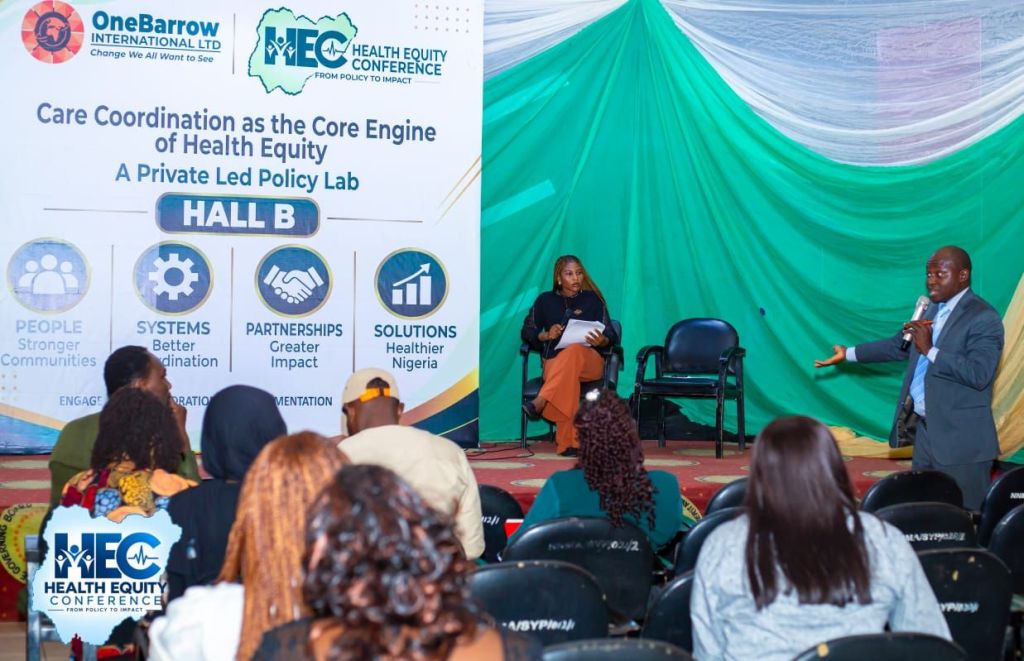


The conference also emphasised the importance of measuring healthcare progress by whether patients can obtain appropriate treatment when needed, rather than focusing exclusively on policies, facilities or institutional activities.
Its central message was that improving healthcare outcomes requires stronger connections between services, so that patients can move through diagnosis, treatment and follow-up without avoidable interruptions.