…Zuo engages Gambian ministers, Central Bank governor on regional integration
By Dr Emmanuel Daudu Ph.D
The ECOWAS Commissioner for Economic Affairs and Agriculture, Mr. Dehpue Yenpea Zuo, has sought the support of Gambian government officials for accelerated regional integration, improved cross-border trade, food security and the planned launch of the ECO single currency in 2027.
Zuo made the appeal during a series of strategic engagements with Gambian authorities on the sidelines of the international conference of the ECOWAS Regional Competition Authority (ERCA), held in Banjul from September 15 to 18, 2026.
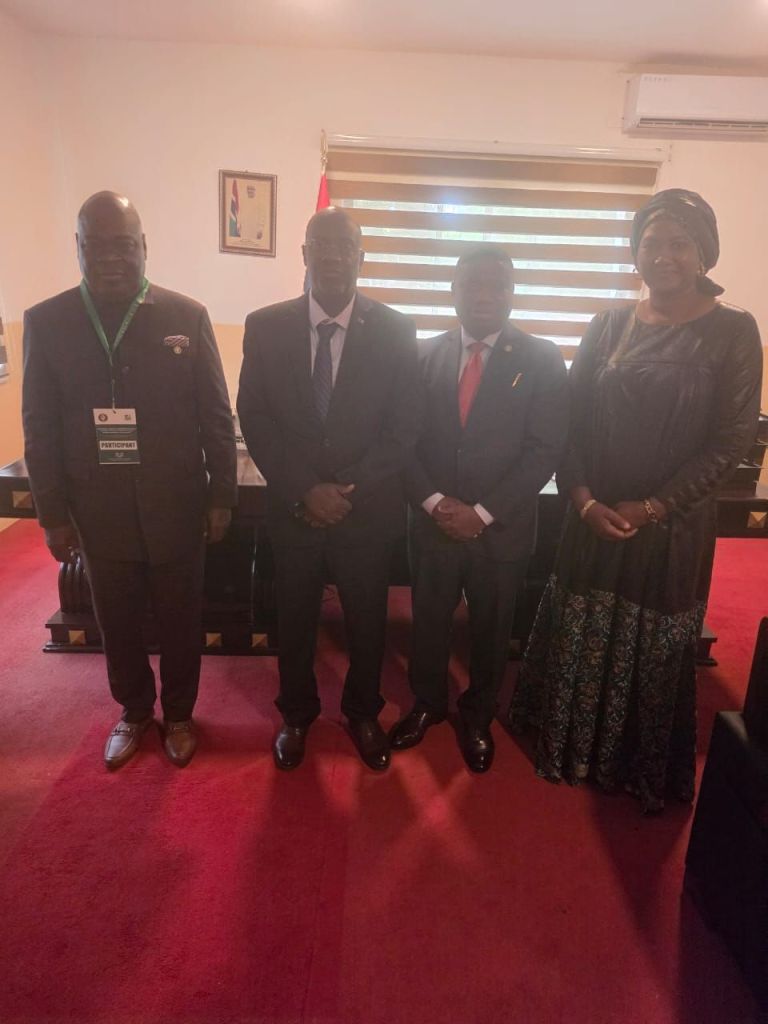
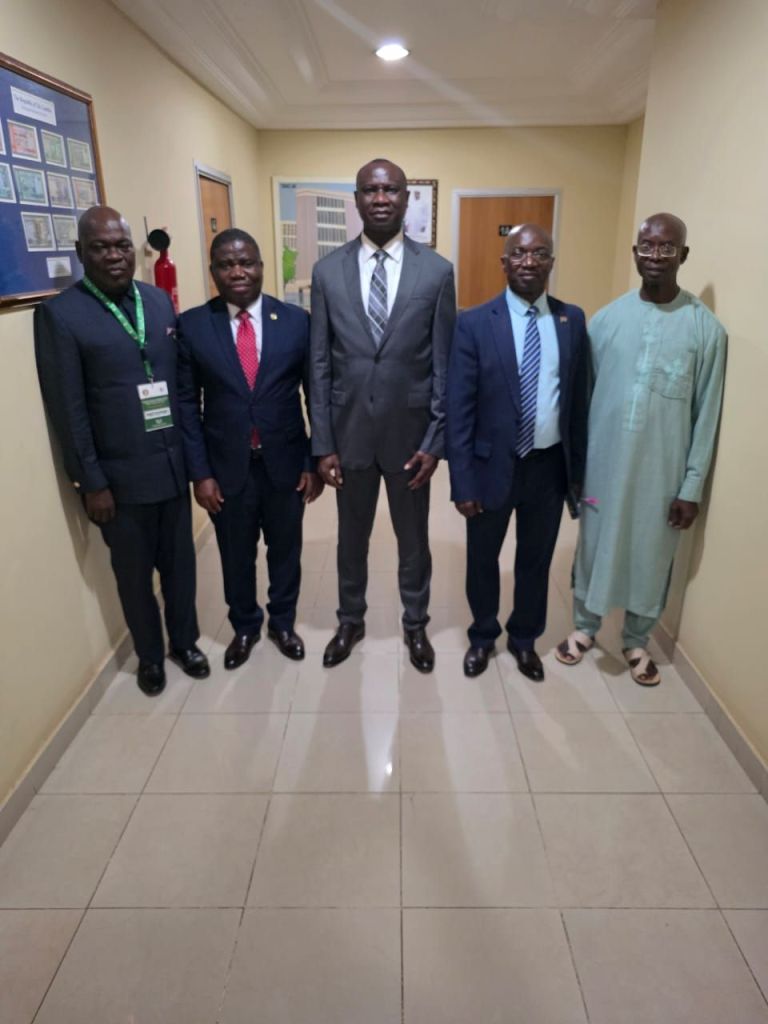
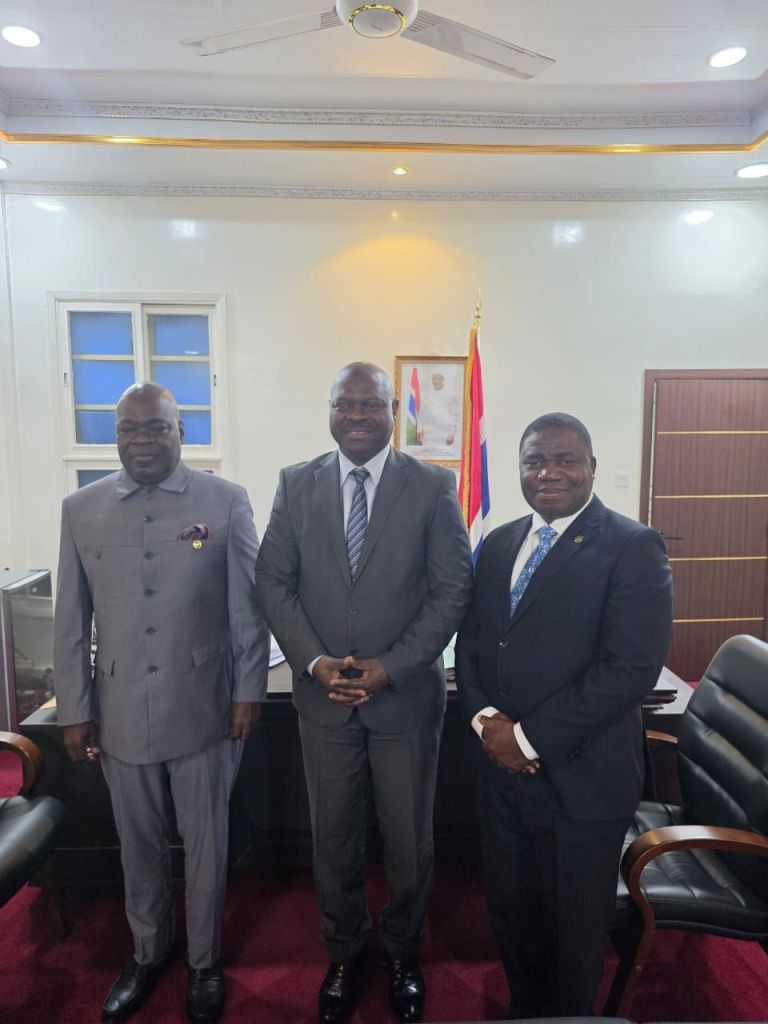
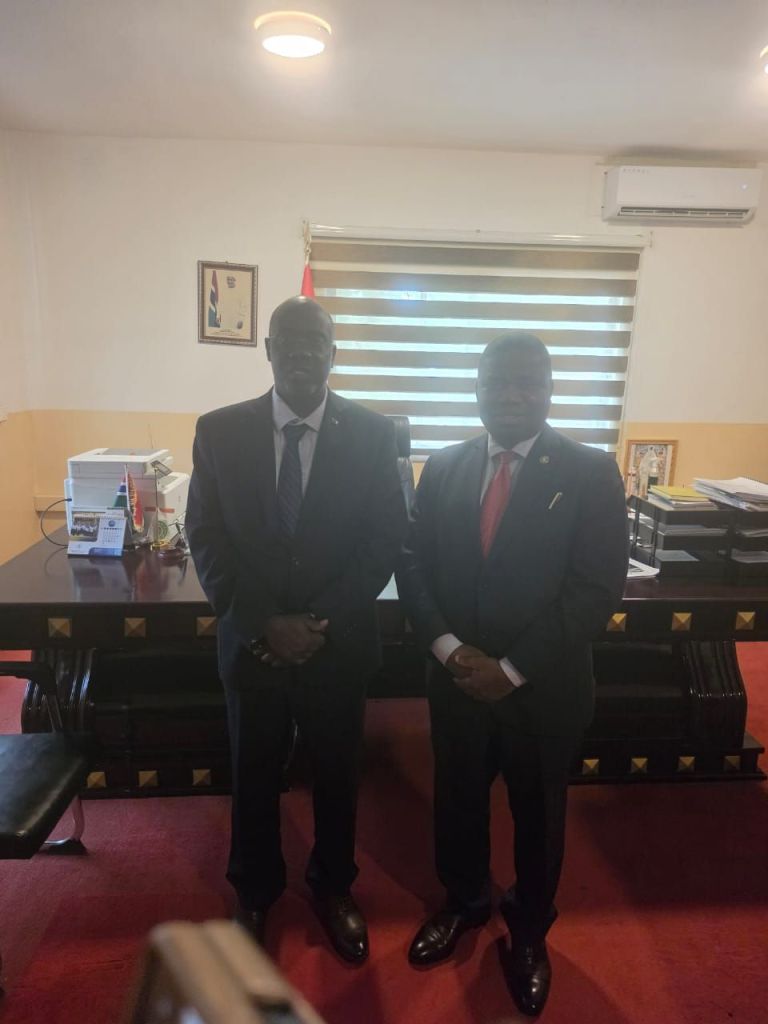
The Commissioner met with the Gambian Minister of Finance, the Governor of the Central Bank, Buah Saidy, and the Minister of Trade, Industry, Regional Integration and Employment to discuss strategies for addressing challenges affecting economic cooperation among ECOWAS member states.
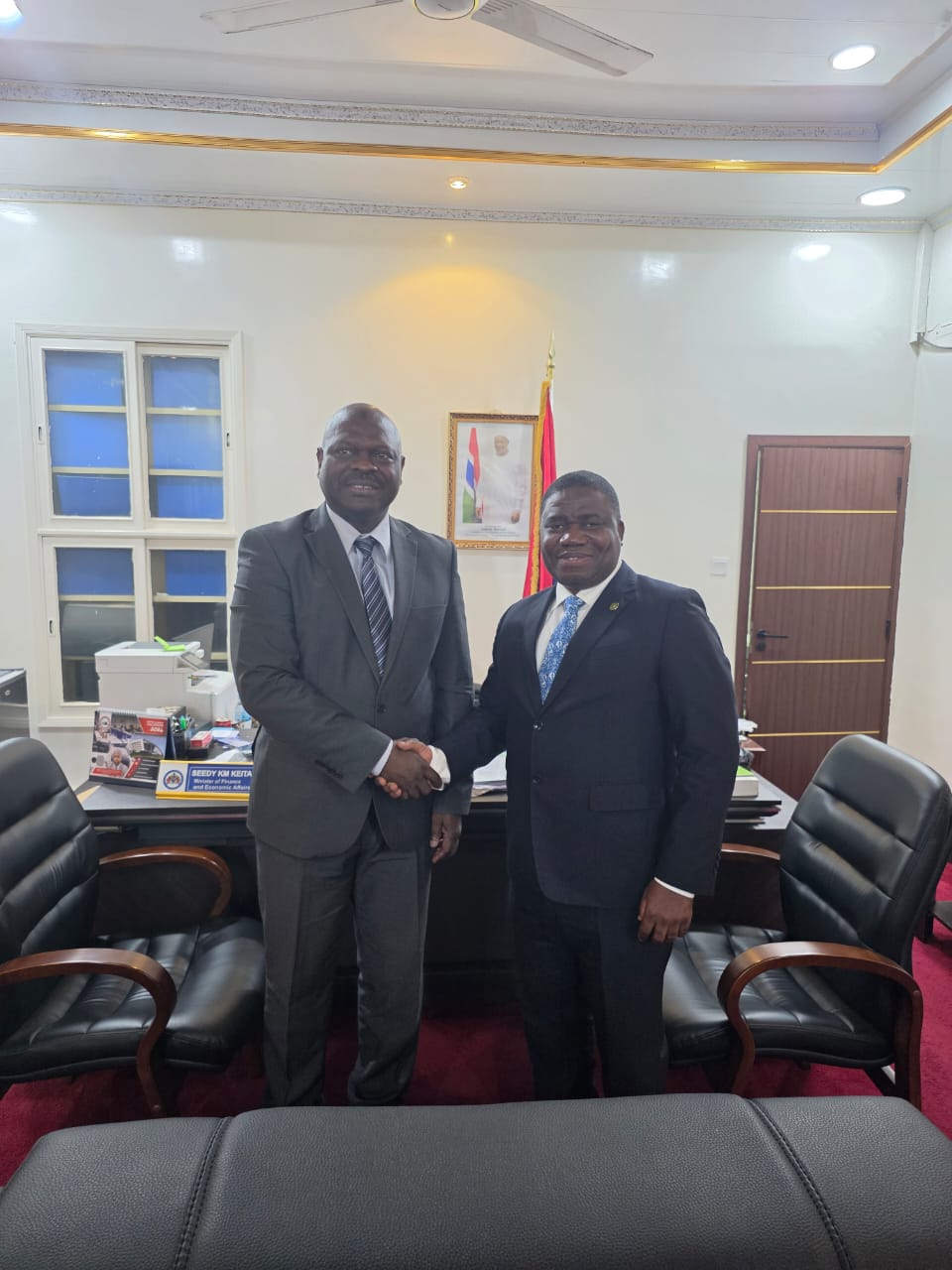
During his meeting with the Finance Minister on September 16, Zuo highlighted the need to eliminate trade barriers, improve cross-border movement of people and goods, strengthen border security and advance preparations for the introduction of the ECO single currency.
Both officials expressed concern over reported harassment and extortion of travellers by border officials in some member states, noting that such practices undermine regional trade and the free movement of citizens.
They agreed to support initiatives aimed at eliminating trade barriers, improving border security and ensuring the free movement and residence of citizens across the region.
On the proposed ECO currency, the Commissioner and the Finance Minister identified inadequate political commitment and unresolved governance arrangements as major obstacles to its implementation.
The discussions highlighted outstanding questions concerning the proposed currency institution’s headquarters, leadership structure, management of funds and the allocation of key positions among member states.
Zuo said he would continue consultations with relevant stakeholders to build consensus and help resolve the issues ahead of the planned launch in 2027.
Food security was another major issue discussed during the meeting. Both officials expressed concern over the region’s dependence on food imports, with available data cited during the discussions indicating that between 50 and 60 per cent of food consumed in the region was imported.
They discussed identifying available farmland for smallholder farmers and exploring financing opportunities through the ECOWAS Bank for Investment and Development (EBID) to support agricultural production and community-based food security initiatives.
The Commissioner also indicated plans to seek additional agricultural financing from development partners, including the World Bank, African Development Bank and Arab Bank.
At a separate meeting with Central Bank Governor Buah Saidy, Zuo sought the Gambian leadership’s support in resolving outstanding issues affecting the planned introduction of the ECO.
Saidy welcomed the Commissioner’s consultative approach but stressed the need to address questions relating to the currency institution’s presidency, vice-presidency, directorship, headquarters and the participation of smaller member states.
He cautioned against concentrating the chairmanship, headquarters and management of funds in one country, emphasising the need for an arrangement that would accommodate the interests of all participating countries.
The governor also recalled an earlier decision supporting Ghana as the host of the proposed institution’s headquarters, noting that preparations had reportedly commenced to identify the necessary infrastructure.
Zuo thanked the governor for his input and pledged to continue engaging relevant stakeholders across member states to resolve the outstanding issues.
During his meeting with the Gambian Minister of Trade, Industry, Regional Integration and Employment, the Commissioner emphasised the importance of strengthening regional markets, improving the use of trade data in policymaking and addressing constraints affecting cross-border commerce.
He also sought The Gambia’s support for the construction of a new headquarters for the ECOWAS Regional Competition Authority in the country.
The Minister expressed support for the Commission’s regional integration agenda, stressing that closer cooperation among member states was essential for smaller economies to achieve sustainable economic progress.
He disclosed that the Gambian government had secured land for the proposed ERCA headquarters and completed the facility’s design, leaving funding as the major outstanding requirement.
In response, Zuo pledged to inform the President of the ECOWAS Commission about the funding challenge and explore the possibility of providing financial support through the Community budget.
The Minister explained that the government was currently paying rent of 2.5 million for its existing arrangements and suggested exploring a rent-to-own financing model to facilitate the development of the new headquarters.
Both officials also discussed the potential role of EBID in providing credit facilities to member states for development projects, with repayment plans structured over an agreed period.
The engagements form part of Zuo’s consultations with ECOWAS member states to strengthen regional cooperation, address economic integration challenges and advance the Community’s priorities on trade, monetary integration, agriculture and food security.


