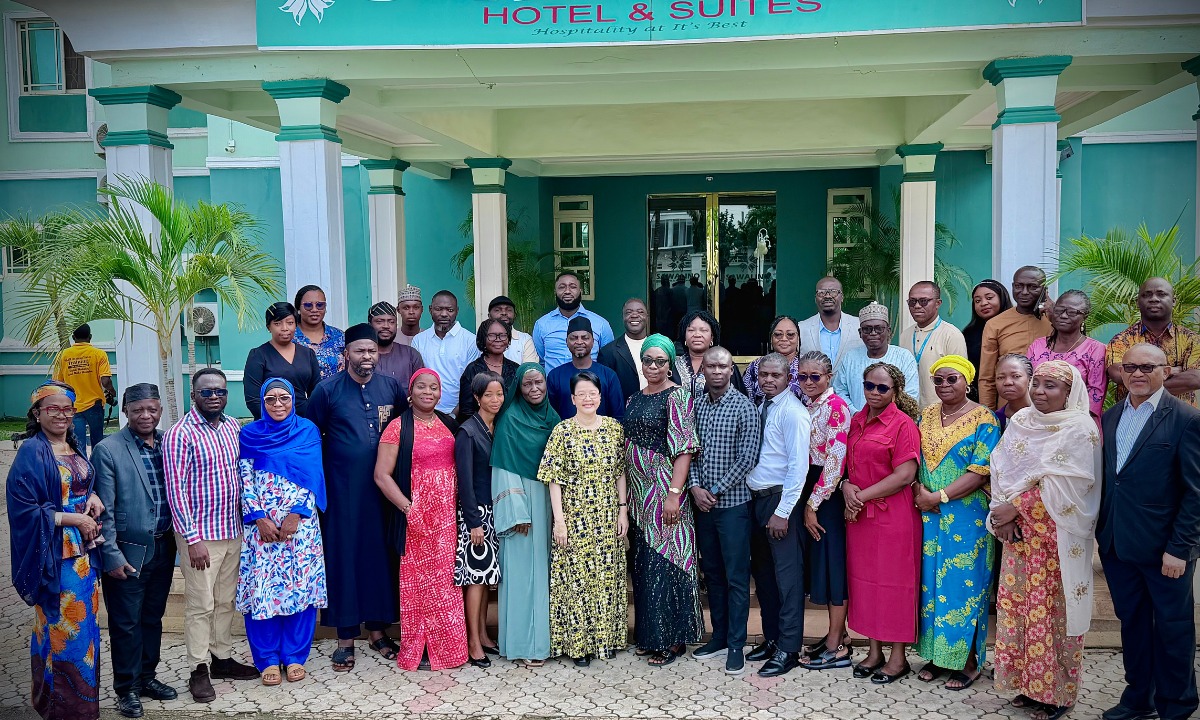
ABUJA — Nigeria has taken a significant step towards reducing child mortality with the validation of its revised National Guidelines on Inpatient Management of Severe Acute Malnutrition (SAM) and accompanying training modules for healthcare workers.
The updated guidelines are designed to strengthen the capacity of health workers to provide timely and quality inpatient care to children suffering from severe acute malnutrition, particularly those facing life-threatening complications.
Malnutrition remains a major public health concern in Nigeria, contributing to nearly 45 per cent of deaths among children under five and increasing children’s vulnerability to diseases such as pneumonia, diarrhoea and malaria.
Health experts say strengthening the management of severe acute malnutrition, particularly at the inpatient level, is critical to improving child survival and preventing complications that can lead to death.
The revised guidelines are expected to improve the identification, treatment and follow-up of children with complicated cases of severe acute malnutrition, including vulnerable infants below six months of age.
The review and validation process was supported by the World Health Organization (WHO), the Federal Ministry of Health and Social Welfare, Irish Aid, UNICEF and other national partners.
According to stakeholders involved in the process, the revised guidelines have been aligned with the latest WHO recommendations while incorporating lessons and experiences from Nigeria’s nutrition programmes.
The updated training modules are also expected to equip healthcare professionals with practical knowledge and skills required to manage complicated SAM cases effectively and ensure continuity of care after hospital discharge.
Stakeholders said the initiative would contribute to strengthening Nigeria’s health system and improving the quality of care available to some of the country’s most vulnerable children.
The validation of the guidelines comes at a time when Nigeria continues to intensify efforts to tackle malnutrition and accelerate progress towards reducing preventable deaths among children under five.
With effective implementation, health authorities and development partners believe the revised guidelines will help save lives, improve recovery outcomes and strengthen the country’s overall response to severe acute malnutrition.
The initiative further underscores the importance of sustained collaboration between the Nigerian government, international development partners and national health stakeholders in addressing childhood malnutrition and advancing child survival.


