ILORIN — The Kwara State Government is strengthening healthcare services for women and families through an integrated care model designed to improve access to essential maternal, reproductive and other health services.
The initiative, known as “One Visit, Full Care,” is being supported in the state by the World Health Organization (WHO) Nigeria, the Clinton Health Access Initiative (CHAI) and Jhpiego, in partnership with the Federal Ministry of Health and Social Welfare and the Kwara State Ministry of Health, with support from the Global Fund.
The integrated approach enables women to access multiple essential health services during a single visit, including sexual and reproductive health and rights (SRHR), HIV, tuberculosis (TB), malaria and neglected tropical disease (NTD) services.
The initiative is aimed at reducing missed diagnoses, cutting down the time and cost associated with multiple hospital visits, and improving access to quality healthcare for women and their families.
The need for the intervention comes against the backdrop of persistent maternal health challenges in Nigeria. Available figures indicate that the country’s maternal mortality ratio remains high at 512 deaths per 100,000 live births, while only about 63 per cent of pregnant women receive antenatal care from a skilled health provider.
Mother-to-child transmission of HIV also remains a concern, accounting for an estimated 14 per cent of new HIV infections, underscoring the need for more integrated and accessible maternal and family healthcare services.
The approach brings together services that are often delivered separately, allowing healthcare workers to identify and address multiple health needs during the same visit.
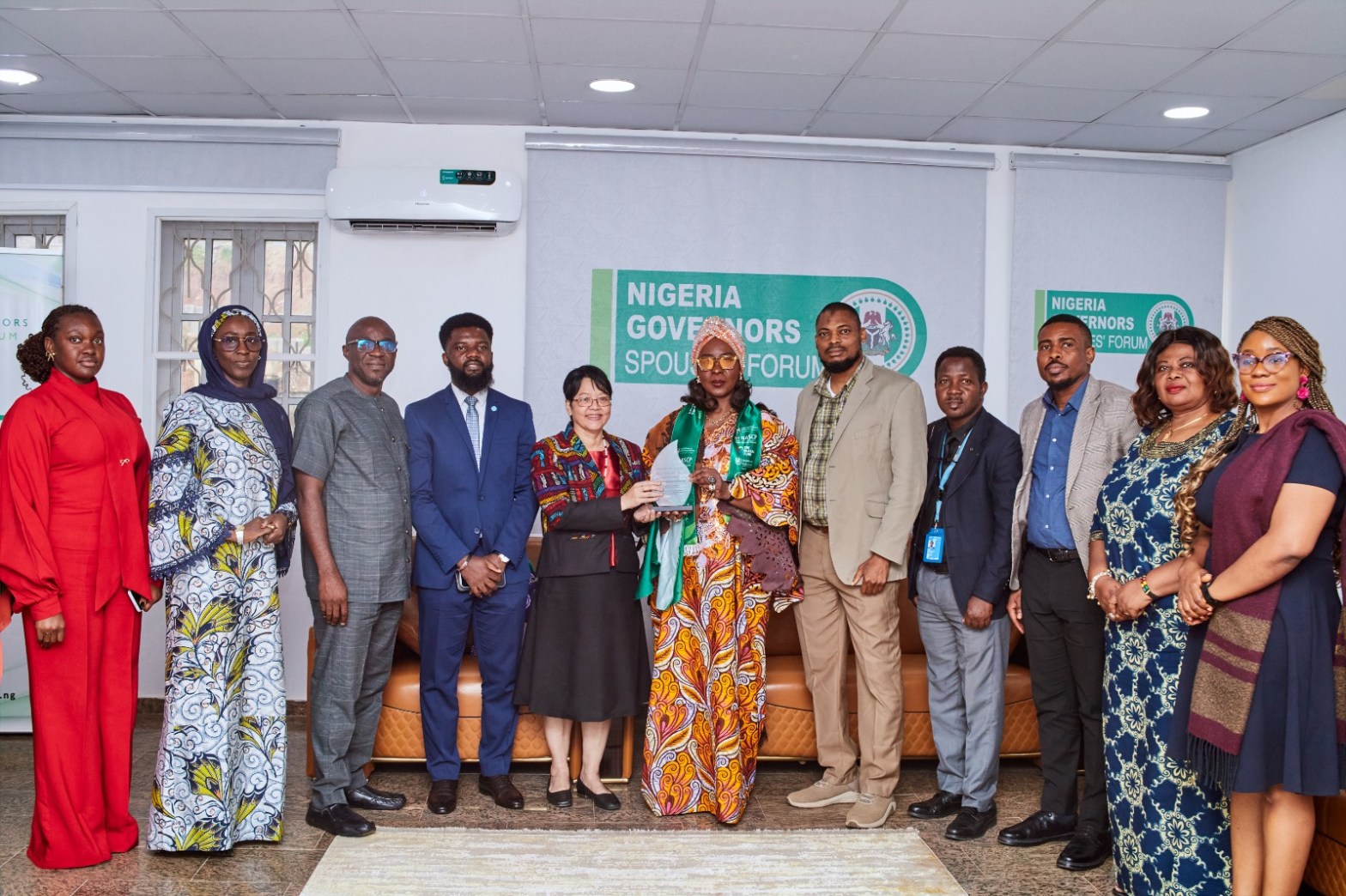
Her Excellency, Prof. Olufolake Abdulrazaq, Wife of the Kwara State Governor, has also reaffirmed her commitment to advancing integrated healthcare services across the state, particularly initiatives that improve the health and wellbeing of women, children and families.
Health stakeholders said the model represents an important step towards ensuring that women receive comprehensive care without having to navigate multiple service points for different health needs.
Following the experience in Kwara, the integrated care model is now being expanded, with Anambra, Ebonyi and Gombe States preparing to adopt similar approaches.
The expansion is expected to further strengthen Nigeria’s efforts to improve maternal and family health outcomes while supporting the country’s broader commitment to universal health coverage and Health for All.
The partners said the initiative demonstrates the value of collaboration between government, development partners and healthcare organisations in addressing persistent gaps in access to quality healthcare services.


