By Maryam Aminu
The Revenue Mobilisation Allocation and Fiscal Commission (RMAFC) has called for a fundamental shift in Nigeria’s fiscal governance, urging governments at all levels to prioritise efficient resource allocation, transparency and accountability over mere revenue collection as a pathway to sustainable economic growth and national development.
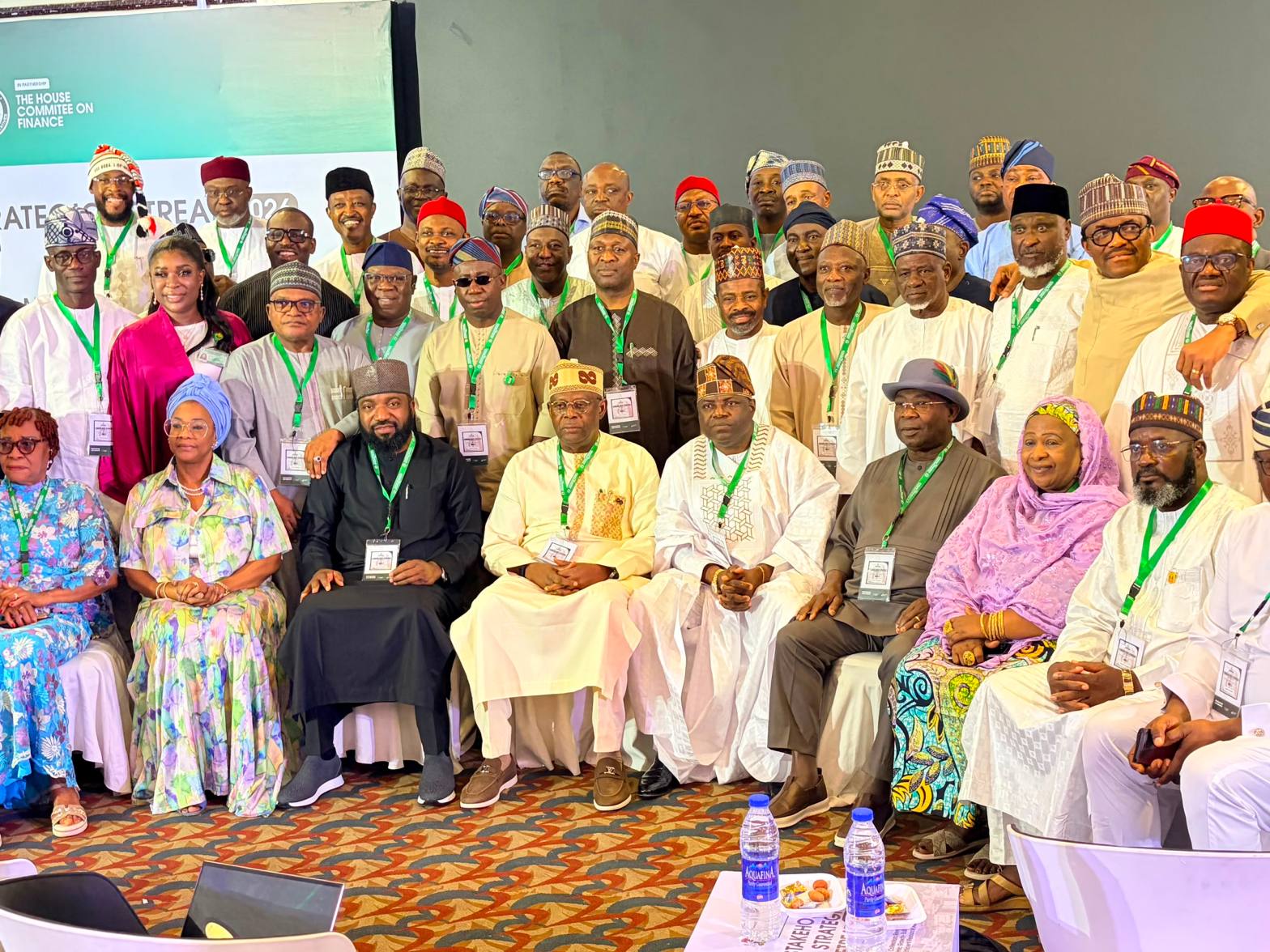
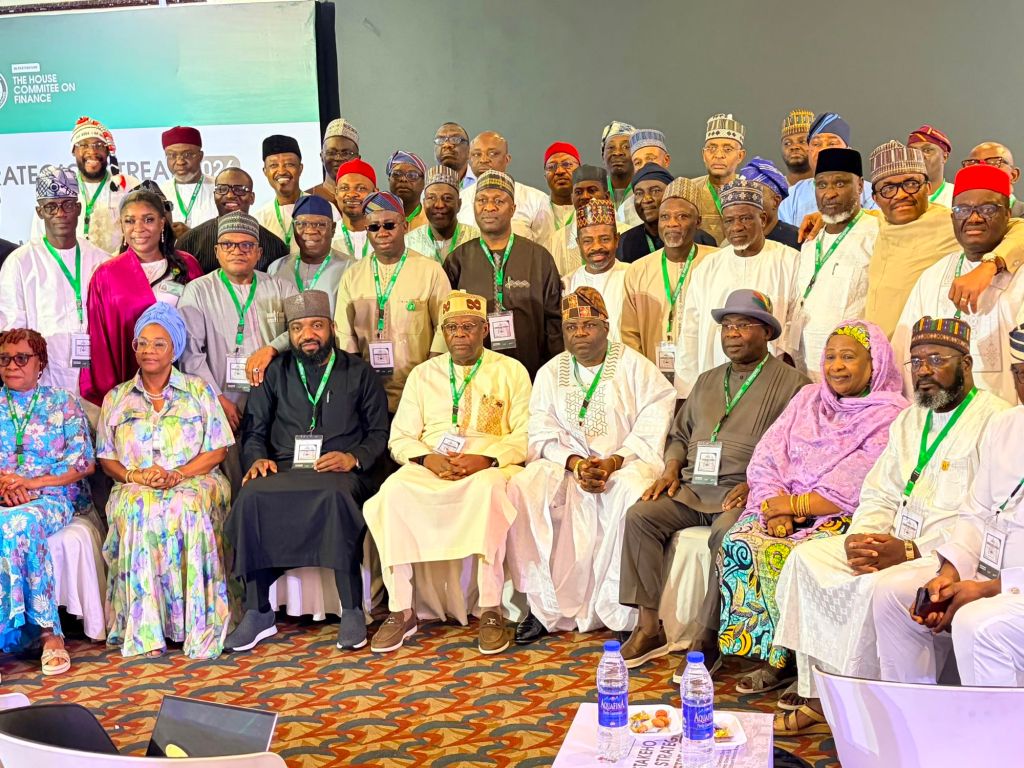
The position was contained in a statement issued on Monday by Maryam Umar Yusuf, Head, Information and Public Relations Unit, RMAFC, following a Stakeholders Strategic Retreat organised by the Commission in collaboration with the House of Representatives Committee on Finance at the Sheraton Hotel, Ikeja, Lagos, under the theme: “Beyond Collection: Revenue Mobilisation for Economic Growth – Building Strategies for Efficient Resource Allocation.”
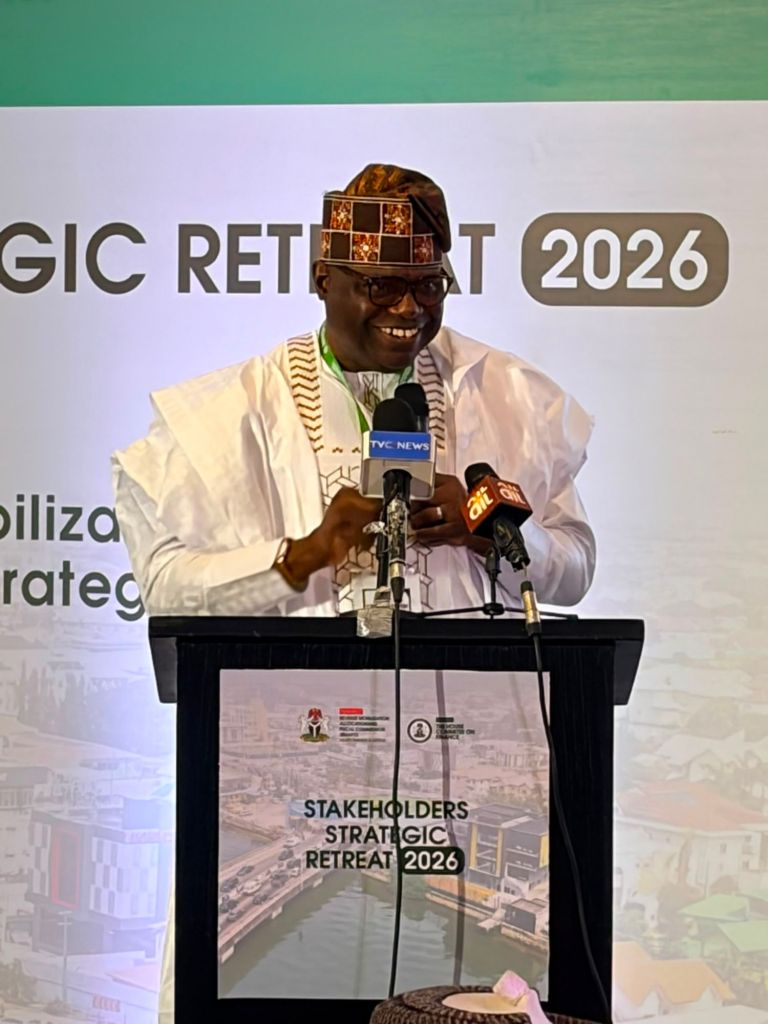
Speaking on behalf of the Chairman of the Commission, Dr. Mohammed Bello Shehu, OFR, the Federal Commissioner representing Oyo State, Hon. Kolade Daniel Abimbola, described the retreat as a strategic platform for reviewing Nigeria’s evolving fiscal landscape and identifying practical solutions to strengthen domestic revenue mobilisation while improving resource allocation across all tiers of government.
Abimbola acknowledged the country’s progress in expanding non-oil revenue through reforms, institutional strengthening and digitisation but stressed that greater efforts were needed to improve compliance, eliminate revenue leakages and deepen collaboration among relevant institutions.
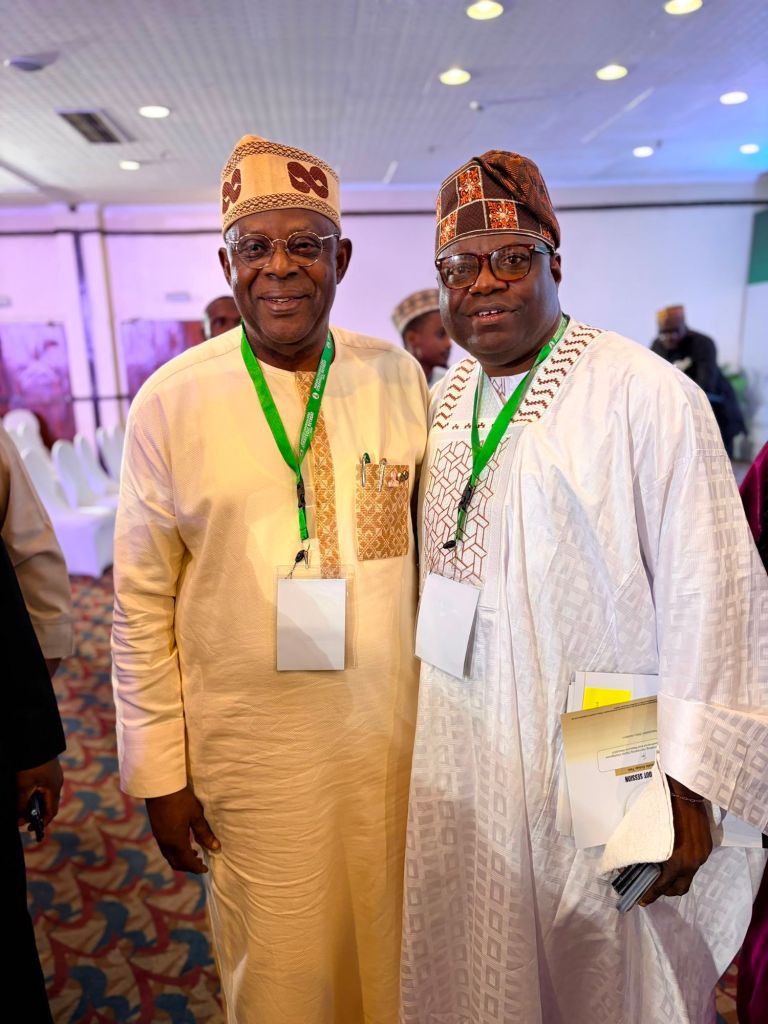
He maintained that sustainable development depends not only on generating more revenue but also on ensuring public resources are prudently managed and channelled into projects that directly benefit citizens.
“The conversation must now move beyond simply collecting revenue. Every naira mobilised must be efficiently allocated, prudently managed, transparently accounted for and strategically invested in sectors that stimulate economic growth, create jobs and improve the welfare of Nigerians.
That is the pathway to sustainable national development,” Abimbola said.
He reaffirmed RMAFC’s constitutional mandate to monitor accruals into and disbursements from the Federation Account, review the Revenue Allocation Formula and advise government on fiscal efficiency.
According to him, stronger collaboration among fiscal institutions, the legislature, sub-national governments and the private sector, supported by Artificial Intelligence, data analytics and digital monitoring systems, would enhance transparency, reduce leakages and promote evidence-based fiscal decision-making.
Declaring the retreat open on behalf of the Chairman, Abimbola expressed optimism that the engagement would produce practical recommendations capable of strengthening Nigeria’s fiscal governance framework and advancing the country’s long-term economic development.
Also speaking, Chairman of the House of Representatives Committee on Finance, Hon. James Abiodun Faleke, commended RMAFC for convening the retreat, describing the initiative as one that aligns with President Bola Ahmed Tinubu’s Renewed Hope Agenda.
Faleke emphasised that increased revenue generation would only deliver meaningful development when accompanied by prudent allocation, effective oversight and fiscal discipline.
“Revenue, on its own, does not build roads, equip hospitals or improve the lives of our people. It is prudent allocation, effective oversight and fiscal discipline that transform public resources into tangible development outcomes. Our responsibility is to ensure that every naira works for the Nigerian people,” he stated.
He urged participants to develop practical recommendations that would strengthen legislative oversight, improve fiscal management and ensure public resources deliver measurable value to Nigerians.
Speaking with journalists on the sidelines of the retreat, Abimbola disclosed that RMAFC is advancing plans to deploy a real-time digital revenue monitoring dashboard to strengthen oversight of revenue collections across government revenue-generating agencies.
He said the initiative would improve transparency, reduce leakages, enhance remittance monitoring and support more effective fiscal decision-making while ensuring increased public revenues translate into improved infrastructure and social services.
In her goodwill message, Hon. Linda Nkechi Oti, Federal Commissioner representing Abia State, described the retreat as timely and urged participants to work collaboratively towards producing practical recommendations that would strengthen Nigeria’s fiscal governance and economic development.
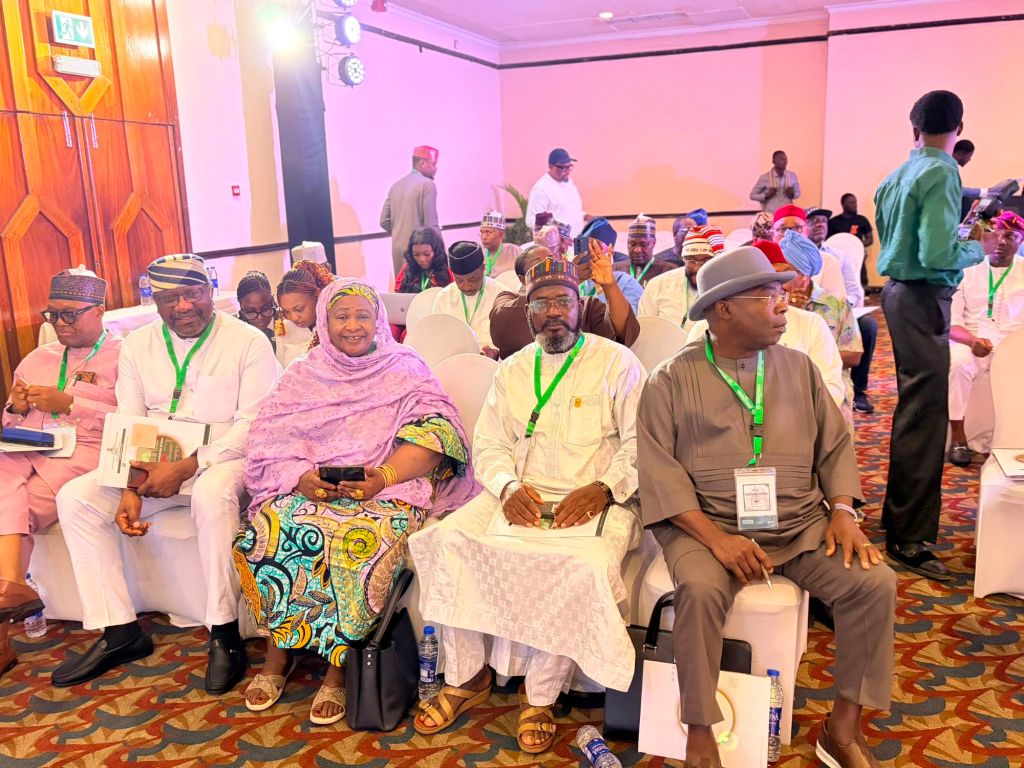
The retreat featured technical sessions and panel discussions on strengthening domestic revenue mobilisation, improving resource allocation frameworks, promoting fiscal sustainability and leveraging technology to enhance transparency and accountability in public financial management.
Federal Commissioners in attendance included Amb. Desmond Akawor (Rivers State), Hon. Hadizatu Uwani Mustapha (Borno State), Hon. Bello Abubakar Wamakko (Sokoto State), who served as a panelist, Prof. Steve Ugba (Benue State), who also participated as a panelist, Hon. Kolade Daniel Abimbola (Oyo State) and Hon. Linda Nkechi Oti (Abia State).
The Commission said the retreat is expected to produce actionable recommendations that will strengthen Nigeria’s revenue mobilisation framework, improve fiscal discipline, enhance resource allocation and support sustainable economic growth.


