By Emmanuel Daudu
The Government of Japan has stepped up humanitarian assistance to Nigeria by providing resources to the United Nations World Food Programme (WFP) to support families facing severe hunger in the country’s conflict-ridden northeast.
The intervention comes as food insecurity reaches alarming levels across Nigeria, particularly in the northern region, where years of conflict, displacement and economic hardship have left millions struggling to access adequate food.
According to the WFP, millions of people remain in displacement camps due to persistent insecurity, with many unable to return to their farms. The agency said the combined impact of prolonged conflict, rising fuel prices and the increasing cost of essential commodities has made it difficult for many households to afford even one nutritious meal a day.
The organisation noted that Japan’s contribution would provide critical food assistance to vulnerable families in northeast Nigeria, where humanitarian needs continue to rise.
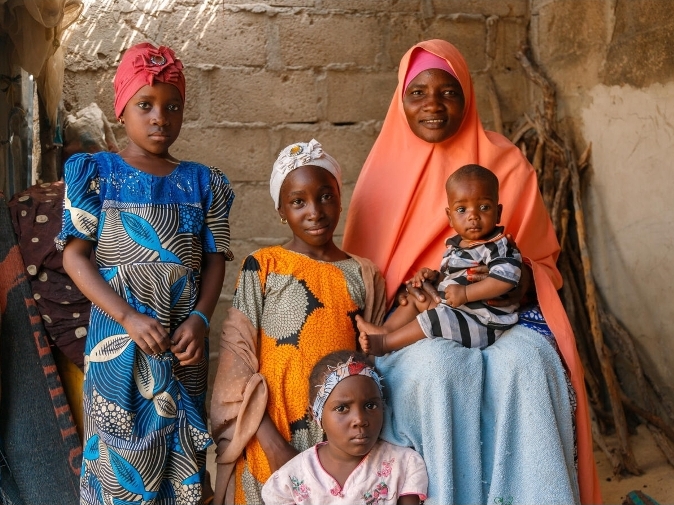
One of the beneficiaries, Hadiza, a 30-year-old widow and mother of four from Borno State, said the assistance has given her family renewed hope after years of hardship caused by the insurgency.
“After years of displacement and loss, the support I receive from WFP is helping me to care for my children and rebuild our lives. This food assistance is a lifeline for my little ones and me,” she said.
Speaking on the intervention, WFP Nigeria’s Programme Policy Officer, Itaru Furata, described Japan’s support as timely, saying millions of people in northern Nigeria are facing unprecedented levels of hunger.
He said the donation would provide much-needed relief to families struggling to survive and urged other development partners and donors to support WFP’s humanitarian efforts in the country.
“Japan’s support comes at a critical moment, as millions of people in northern Nigeria face unprecedented levels of hunger, offering much-needed assistance to families struggling to survive. We do not take this support for granted and call on other donors to follow suit in joining our mission to save the lives of the most vulnerable,” Furata said.
The WFP stated that despite worsening insecurity, it has continued to deliver emergency food assistance and other humanitarian interventions to communities affected by conflict, displacement and climate-related shocks.
The agency said it has maintained operations over the past decade across Borno, Adamawa and Yobe states, where insecurity and environmental challenges have disrupted food production, markets and livelihoods.
It warned that the humanitarian situation could worsen without increased international support, stressing that the consequences of hunger extend beyond food shortages to include instability, insecurity, forced displacement and a greater risk of vulnerable people being recruited by armed groups.
The organisation therefore appealed to donors and partners to increase their support, maintaining that sustained humanitarian assistance remains essential to saving lives, stabilising communities and promoting long-term peace and resilience in northeast Nigeria.


