Maryam Aminu
Amid growing public demand for transparency in the management of Nigeria’s finances, the Fiscal Responsibility Commission (FRC) has unveiled a bold new strategic plan aimed at repositioning the agency as a stronger oversight institution for fiscal governance and accountability.
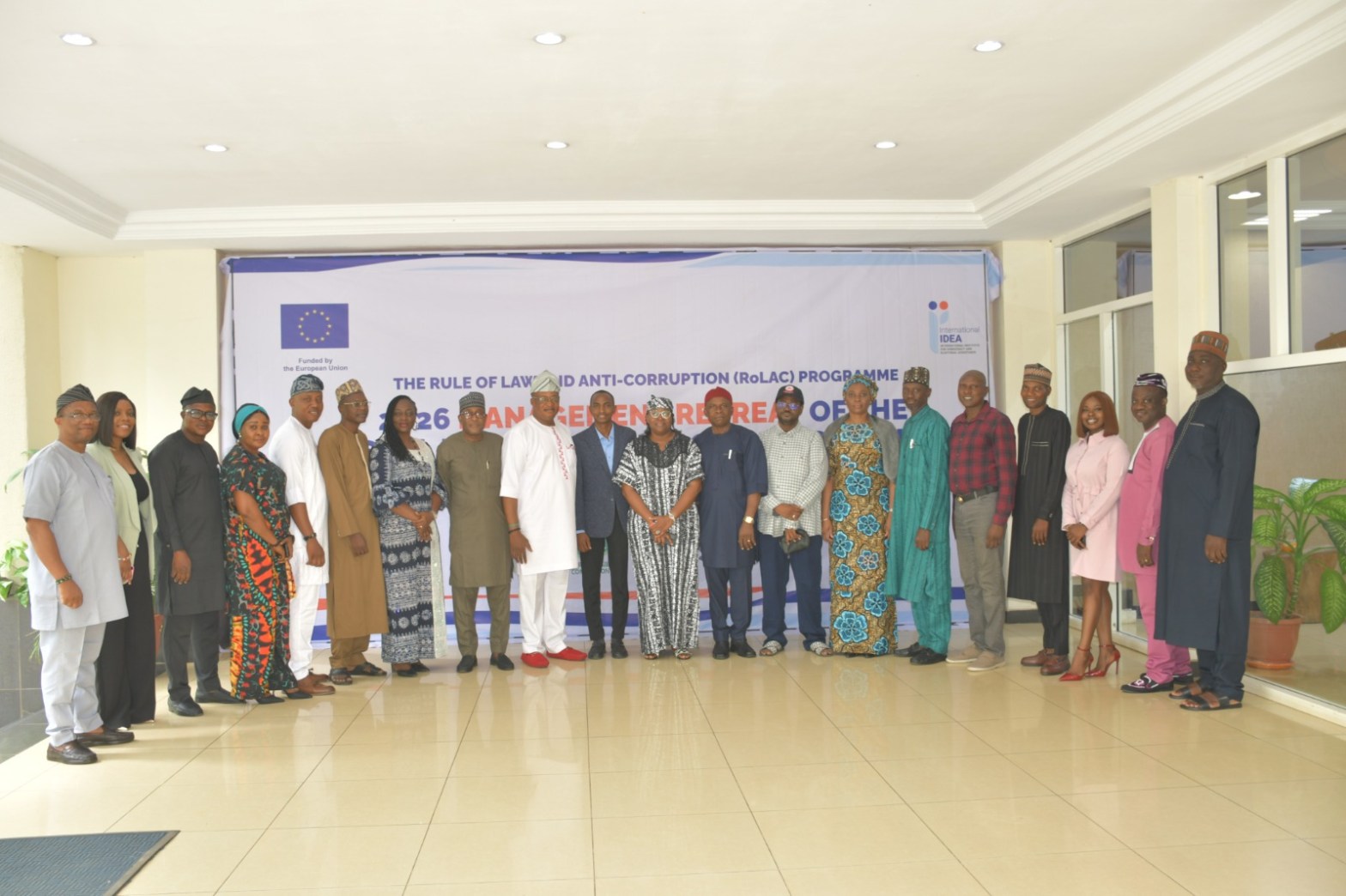
The Acting Chairman of the Commission, Charles Chukwuemeka Abana, made this known while declaring open the Commission’s 2026 Management Retreat at Zuma Rock Resort, Niger State, describing the gathering as a defining moment in the history of the agency.
The four-day retreat, holding from May 11 to 14, 2026, is themed “Strengthening Institutional Performance through the Implementation of the Commission’s New Strategic Plan.”
Abana said the Commission was entering a new era of fiscal oversight at a time Nigerians and development partners were demanding greater prudence, accountability and transparency in the management of public resources.
“This Strategic Plan is not simply a policy document; it is a roadmap for institutional transformation, a framework for measurable progress, and a guide for achieving sustainable results in the discharge of our responsibilities,” he stated.
He explained that the new plan would strengthen monitoring and enforcement mechanisms, improve stakeholder engagement, deepen inter-agency collaboration, leverage technology for operational efficiency and enhance institutional capacity across all levels of the Commission.
The Acting Chairman also unveiled the Commission’s new Vision and Mission statements, which he described as the foundation for a renewed institutional culture driven by professionalism, innovation, integrity and service excellence.
According to him, the Commission’s new Vision is “to be Nigeria’s leading fiscal authority ensuring transparent, accountable, and sustainable fiscal governance for national development,” while its Mission is “to promote fiscal integrity through evidential oversight in revenue, expenditure and debt management decisions for efficient service delivery.”
Abana further disclosed that the Fiscal Responsibility Commission would play a central accountability role in the implementation of Nigeria’s emerging tax reforms and fiscal policies.
“The Fiscal Responsibility Commission will act as a watchdog and policy-support institution in the new tax regime to ensure transparency, accountability, efficient revenue management, and sustainable economic growth in Nigeria,” he said.

He urged management staff and senior officers of the Commission to embrace the strategic plan with discipline and commitment, stressing that its success would depend on collective ownership and effective implementation.
The Acting Chairman also revealed that participants at the retreat would undergo capacity-building sessions on organisational process improvement, process mapping, problem analysis tools and the application of Artificial Intelligence within the fiscal ecosystem.
The retreat received endorsements from development partners and civil society organisations.
Speaking on behalf of the Country Director of the Rule of Law and Anti-Corruption (RoLAC II) Programme, Associate Project Officer, Muhammad Sani Kassim, reaffirmed RoLAC’s commitment to supporting the Commission in institutionalising the new Strategic Plan.
Kassim described the Commission as a critical partner in promoting transparency and accountability in Nigeria, adding that RoLAC would continue to provide technical support to strengthen the agency’s reform agenda.
Also speaking on behalf of BudgIT Country Director, Vahyala Kwaga, Mr. Thaddeus Jolayemi commended the Commission for sustaining reform-oriented engagement with civil society and development partners.
BudgIT praised the leadership style of Acting Chairman Charles Abana, describing it as constructive, accessible and forward-looking.
The civic technology organisation stressed that anti-corruption agencies and fiscal institutions must move beyond reactive anti-corruption campaigns to building sustainable systems where transparency, accountability and prudent management of public resources become institutional culture.
The retreat is expected to produce key resolutions and strategic frameworks that will shape the Commission’s operations and priorities in the coming years as it seeks to strengthen fiscal discipline and restore public confidence in governance.


