Maryam Aminu
On election day in many Nigerian communities, women arrive early. They form long, patient queues under the sun, babies strapped to their backs, fingers crossed for change. They vote in large numbers often more than men. But when the results are declared, the winners are, more often than not, men.
This quiet contradiction sits at the heart of Nigeria’s democratic journey and for many women, it is both frustrating and deeply personal.
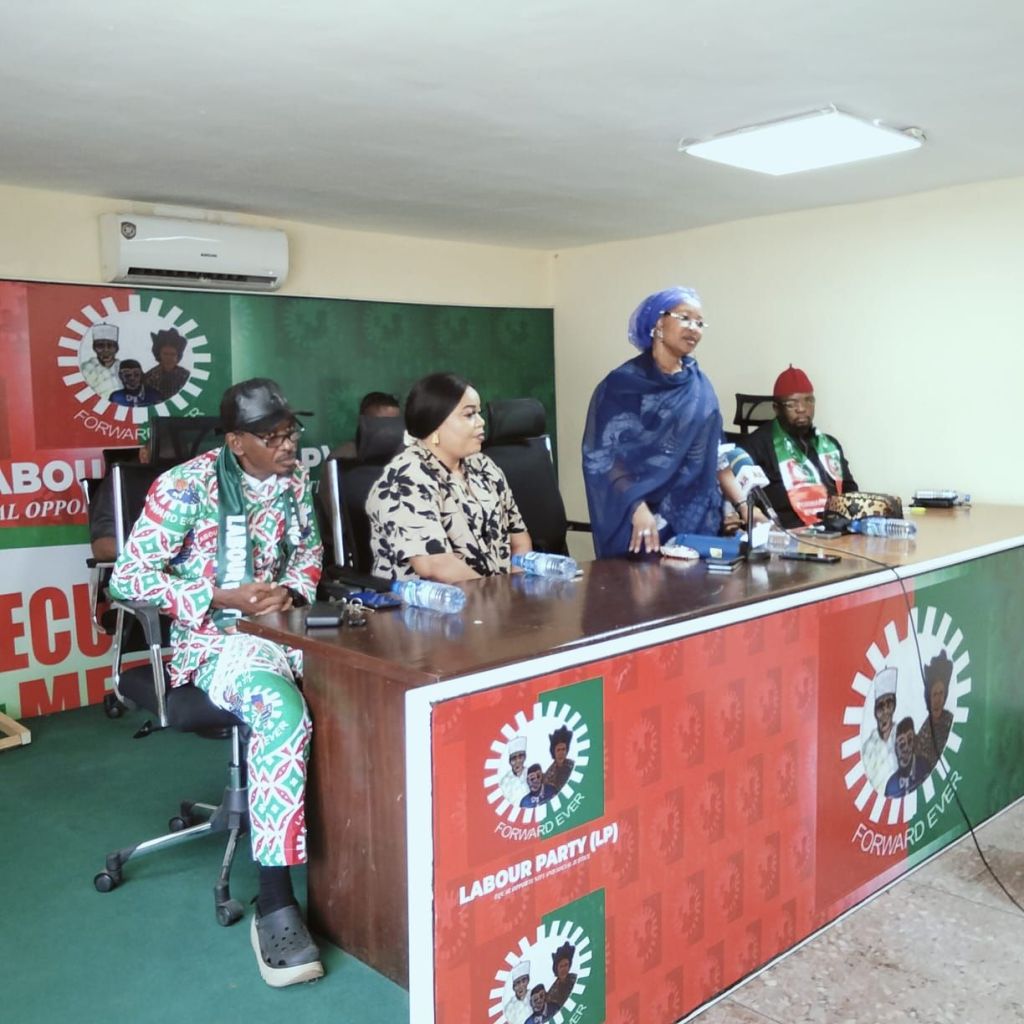
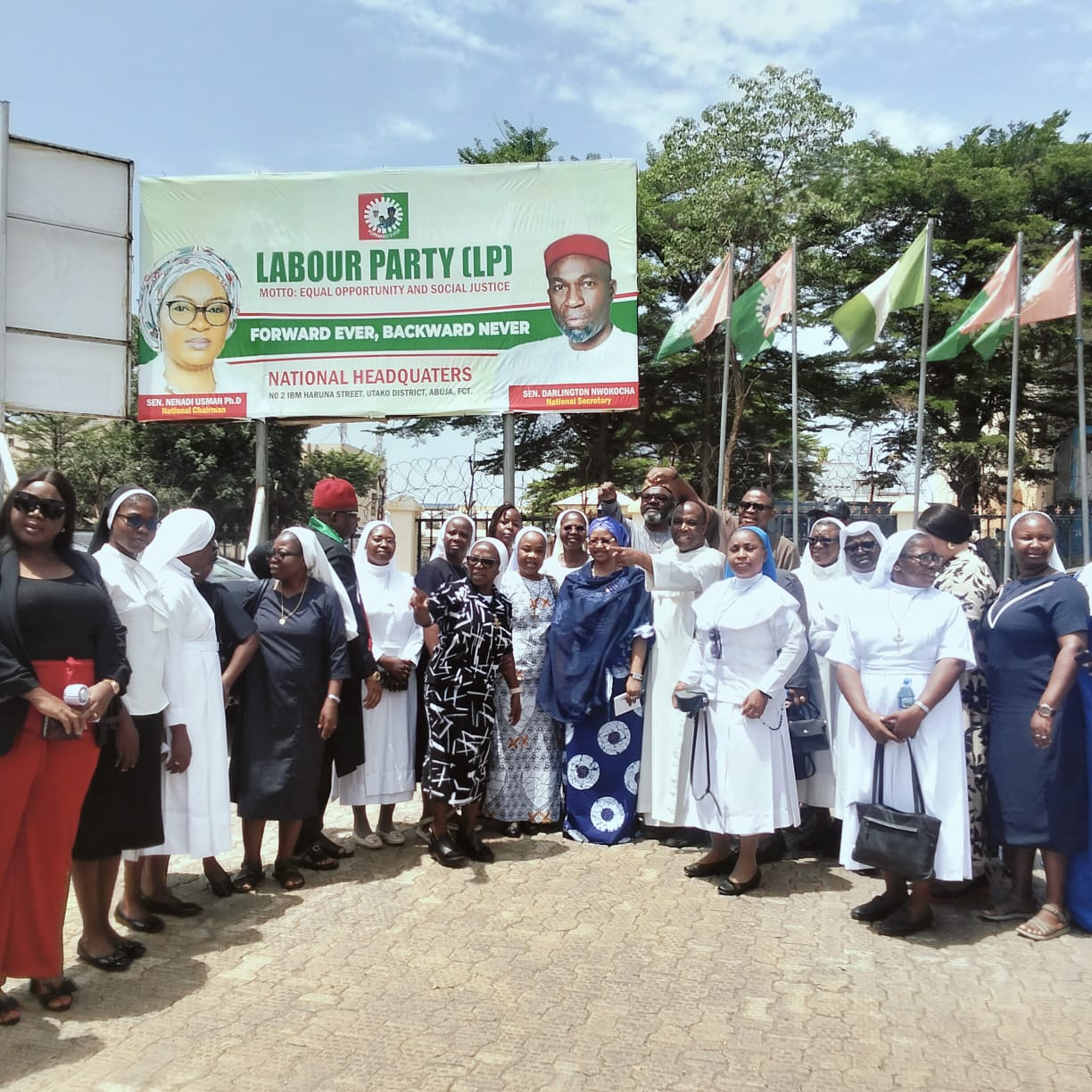
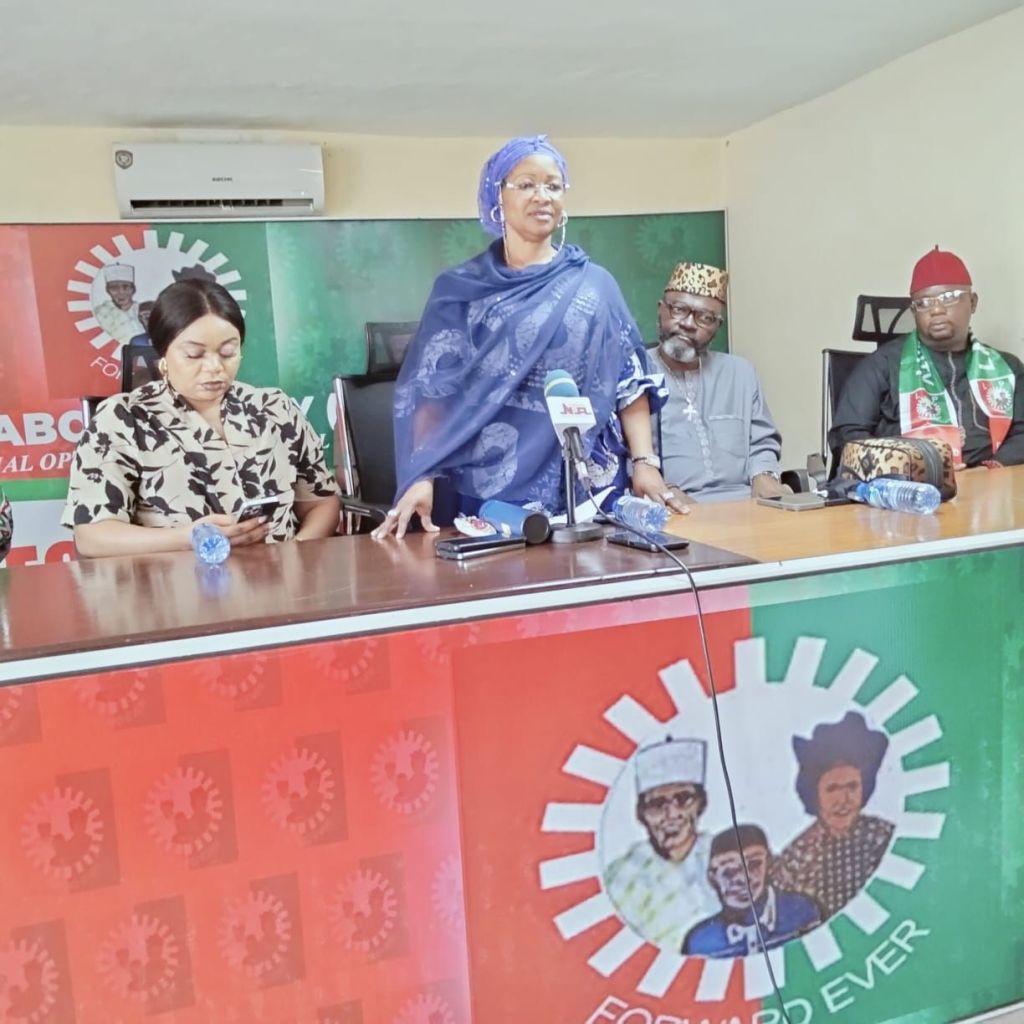
For Nenadi Usman, National Chairman of the Labour Party, it is a reality she has not only observed but lived. Having contested and won elections in the past, she understands both the triumph and the invisible barriers that make such victories rare for women.
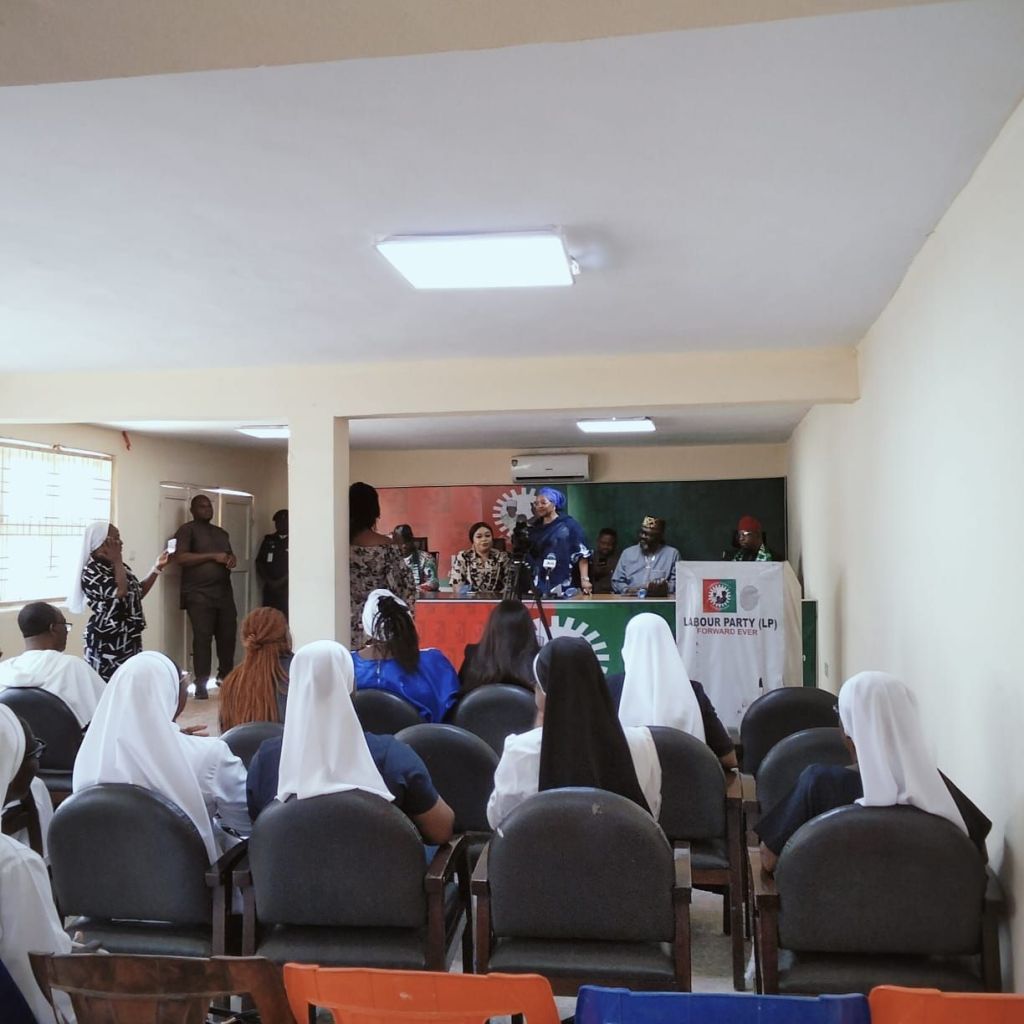
“Most women don’t have the financial muscle to contest,” she said during a recent meeting in Abuja. It’s a simple statement, but behind it lies a complex web of challenges campaign costs, party structures, and a system where political tickets often go to the highest bidder.
In Nigeria’s delegate-based primaries, candidates are expected to mobilise resources to win over a small group of party insiders. For many women especially those without access to wealth or political godfathers this is where ambition quietly ends.
But money is only part of the story.
There is another, more subtle struggle one that unfolds in homes, markets, and even at polling units.
Despite their numbers, many women do not vote for female candidates. Sometimes, it is loyalty to party lines. Other times, it is something more personal decisions shaped within households, where husbands or male figures influence who gets their vote.
It is a dynamic that continues to tilt the balance.
“There are more women voters,” Usman noted, “but when they come out, they mostly vote for men.”
For women like Amina, a trader in a bustling Nyanya market, politics feels distant yet immediate. She votes every election cycle, hopeful that things will improve. But when asked if she has ever voted for a woman, she pauses.
“I just vote who my family supports,” she says quietly.
That hesitation repeated across millions of households has become one of the least discussed barriers to women’s political advancement.
Advocates say the consequences go far beyond representation.
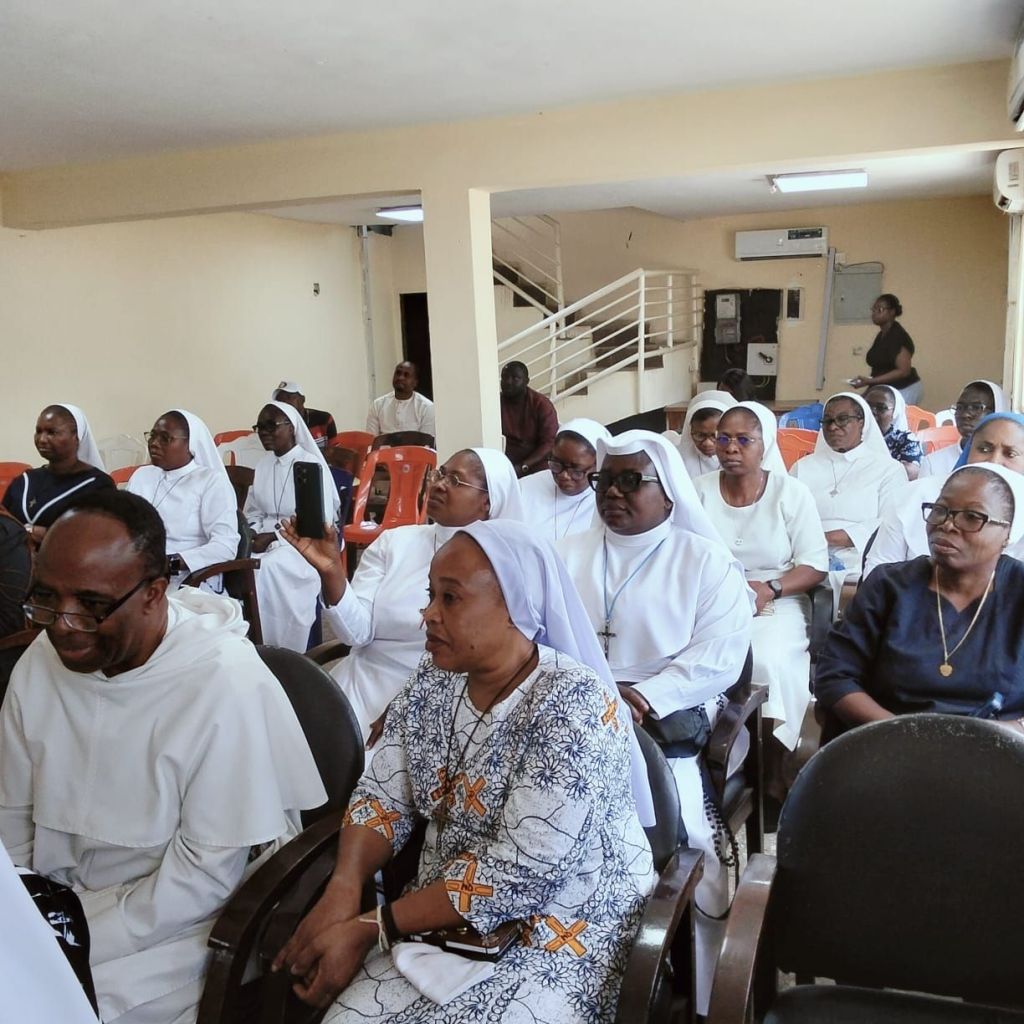
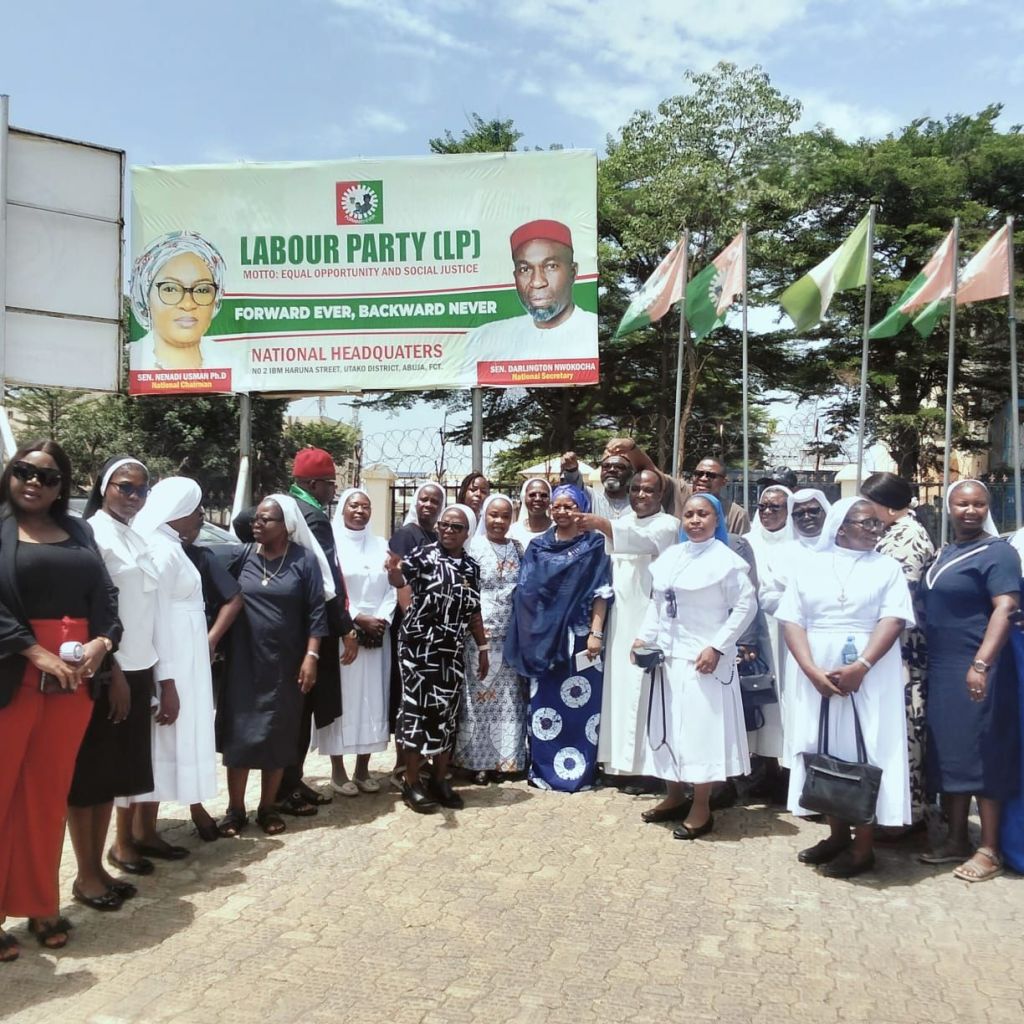
The Africa Faith and Justice Network, programme coordinator Eucharia Madueke believes women’s absence in leadership directly affects governance outcomes.
“When women are not at the table, policies don’t fully reflect society,” she explains.
“It’s not about optics it’s about impact.”
From healthcare to education and community welfare, women often bring lived experiences that shape more inclusive decision-making. Yet, their voices remain underrepresented where it matters most.
There are, however, glimmers of possibility.
Usman believes reforms like direct primaries where all party members vote instead of a select few could open doors for women with strong grassroots support but limited financial backing.
In communities where women are known, trusted, and respected, such a system could shift the narrative allowing popularity, not money, to decide candidacy.
Still, others argue that deeper structural changes are needed.
Aniedi Okure of the Dominicans for Justice and Peace has called for enforceable quotas to guarantee women a fair share of political positions. Without such measures, he warns, progress may remain slow and uneven.
Back at the polling units, though, the story remains the same for now.
Women will continue to show up. They will vote. They will hope.
But until financial barriers are lowered, party systems reformed, and voting patterns shift, many of them will keep watching from the sidelines as others take the seats they helped secure.
And so, the paradox endures: in Nigeria’s democracy, women are powerful at the polls but still searching for power beyond them.