By Maryam Aminu
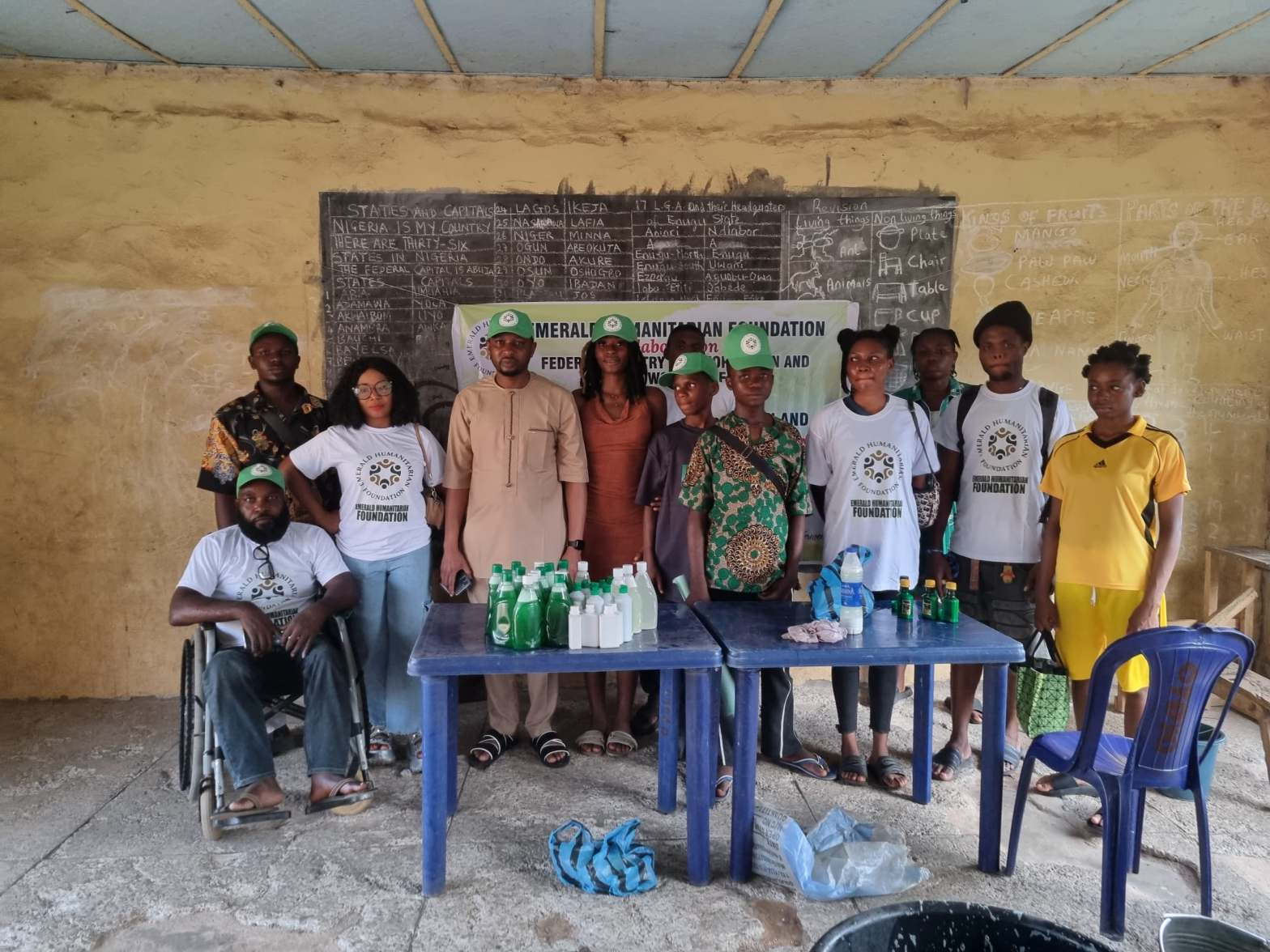
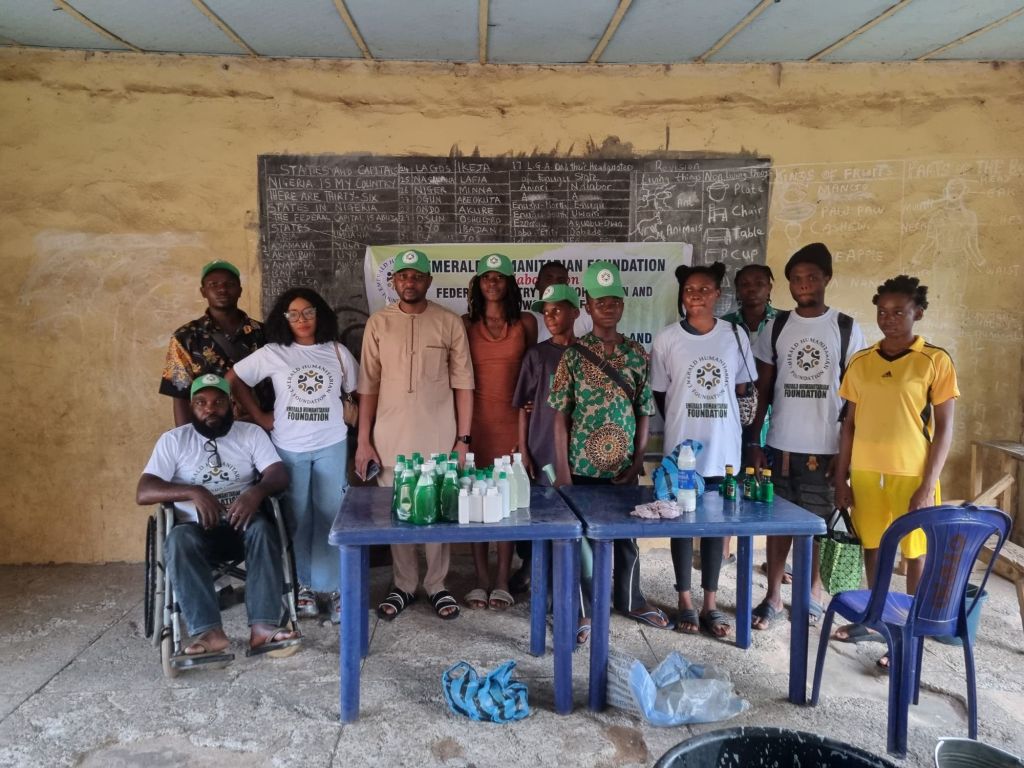
In a determined effort to shift people with disabilities from the margins of survival to the centre of economic participation, the Emerald Humanitarian Foundation has launched an empowerment initiative in Enugu, offering practical skills aimed at fostering independence and sustainable livelihoods.
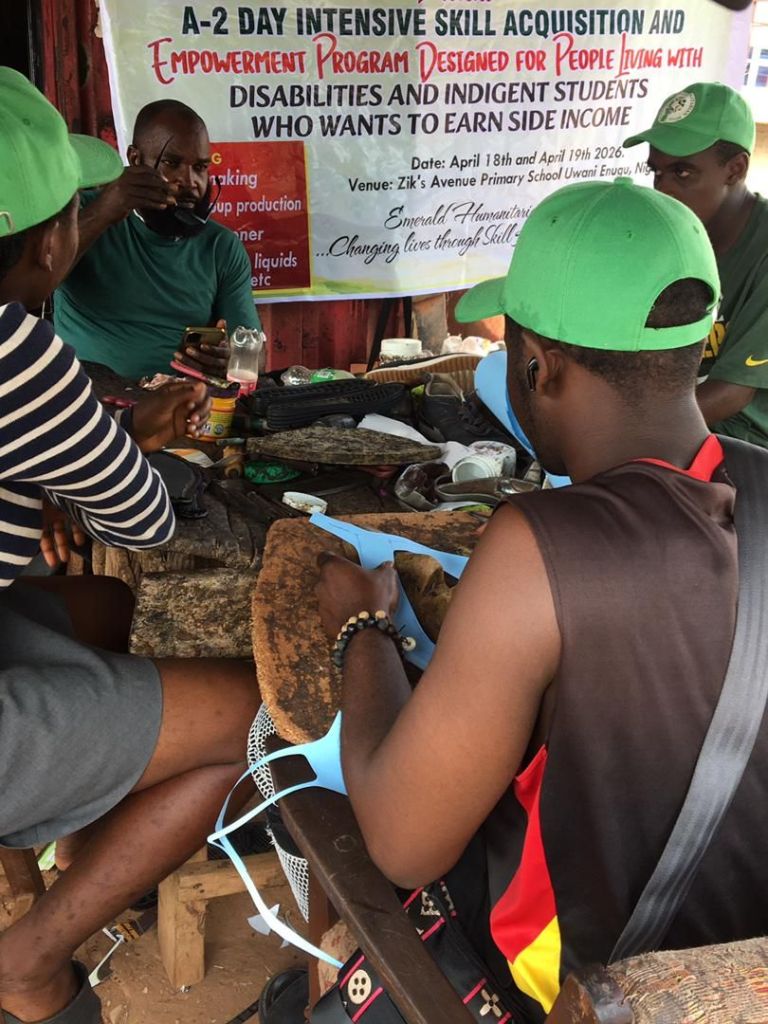
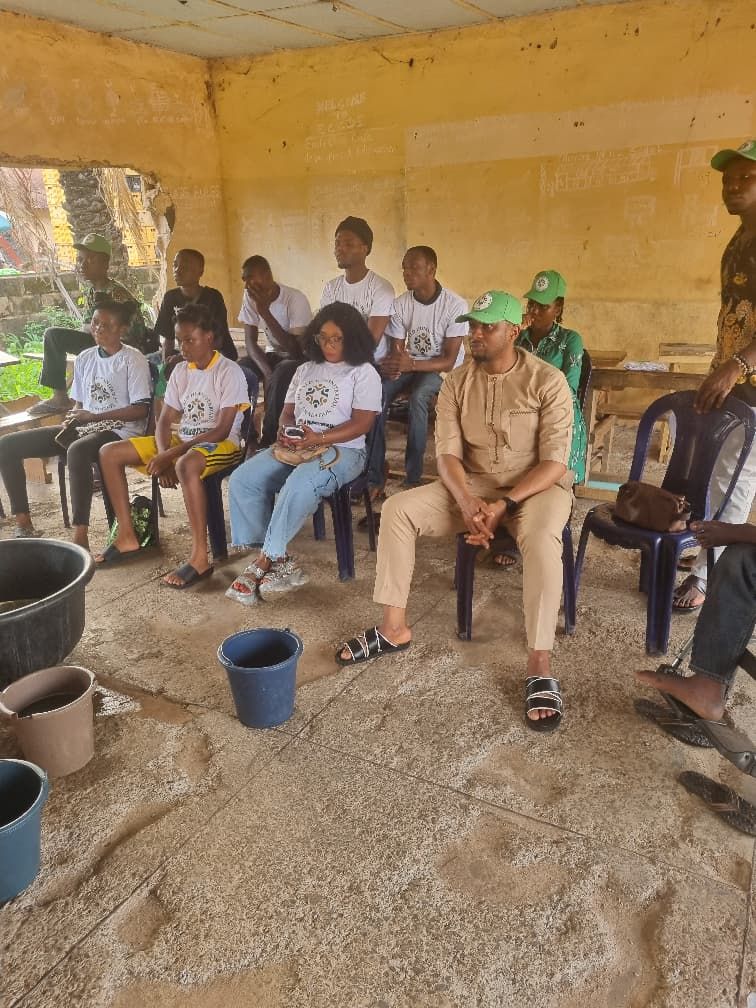
The programme, which commenced on April 19 – 20, 2026, brought together persons living with disabilities (PLWDs) and underprivileged students for an intensive training covering the production of household essentials such as soap, bleach, and disinfectants, alongside basic shoe-making techniques. The intervention is designed to tackle unemployment and social exclusion, particularly among vulnerable populations who often lack access to structured opportunities.
At the opening session, the programme coordinator, Kingsley Mba, described the initiative as a deliberate response to the growing challenge of street begging among persons with disabilities. He noted that beyond economic hardship, the practice exposes individuals to serious risks including road accidents, exploitation, and abuse.
Mba explained that the foundation’s approach is centred on equipping beneficiaries with practical, income-generating skills that can enable them to build stable sources of livelihood. He added that the initiative extends beyond training, as participants will also receive starter materials and guidance on accessing markets for their products.
He further disclosed that the foundation is already planning to expand the initiative nationwide, with a vision to establish empowerment hubs across the six geopolitical zones of the country, beginning with the South-East.
Participants at the training expressed optimism about the opportunities the programme presents. One of the beneficiaries, Jennifer Ezeme, described the experience as impactful and timely, noting that it offers a pathway to self-reliance for many individuals facing similar challenges.
Another participant, Chukwuebuka Emeka, said the initiative could significantly reduce dependence on street begging by providing practical alternatives for income generation, especially at a time when many persons with disabilities are grappling with economic hardship.
Also contributing to the training was Anthony Chukwu, a shoe-making entrepreneur and founder of Golden Boy Ventures, who shared insights drawn from his personal journey. Living with a disability, Chukwu emphasised that skill acquisition remains one of the most effective tools for achieving financial independence.
He pointed out that while charity may offer temporary relief, empowerment through enterprise provides long-term stability. Drawing from his experience, he highlighted the importance of resilience and opportunity, noting that he has successfully built a business in Enugu despite mobility challenges, mentoring over 15 apprentices, many of whom are also persons with disabilities.
Across Nigeria, persons with disabilities continue to face structural barriers that limit access to education, employment, and social inclusion. As a result, many are forced into street begging, often in unsafe environments such as busy highways and public markets, where they are exposed to exploitation and violence.
Against this backdrop, the Emerald Humanitarian Foundation’s intervention represents more than a training exercise. It signals a strategic effort to dismantle cycles of poverty, promote inclusion, and restore dignity by enabling beneficiaries to harness their potential and participate meaningfully in the economy.


