Maryam Aminu/Emmanuel Daudu
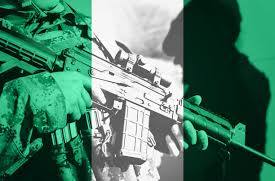
At a time when public opinion is increasingly shaped by viral headlines and fragmented reports, Nigeria’s Armed Forces find themselves battling not only security threats, but also a growing tide of negative perception. In the court of public opinion, isolated incidents are often magnified, while sustained efforts and hard-earned gains fade quietly into the background. The result is a narrative that risks being incomplete and, at times, unfair.
Yet, beyond the criticism and controversy lies a force that continues to shoulder one of the most complex security burdens in Africa.
Across multiple theatres of operation, Nigeria’s military remains actively engaged in counterinsurgency, anti-banditry, maritime security, and peace support roles. These are not abstract assignments; they are daily, high-risk engagements that demand courage, discipline, and endurance.
In the North-East, for instance, troops have recorded measurable progress in degrading insurgent capabilities. Several communities once under the control of extremist groups have been reclaimed, allowing displaced residents to begin the difficult journey back to normalcy. While attacks and security breaches still occur and rightly attract concern the broader trajectory reflects sustained pressure on terrorist networks and a gradual restoration of state authority.
Equally significant are the efforts in the maritime domain. The Nigerian Navy has intensified patrols and strengthened surveillance across the country’s territorial waters, contributing to a notable decline in piracy incidents in recent years. This has not only enhanced national security but also improved Nigeria’s standing in global maritime safety rankings an achievement with direct economic implications.
Air power has also become a critical component of Nigeria’s security architecture. The Nigerian Air Force has expanded its operational reach, conducting precision strikes and reconnaissance missions that support ground operations. Investments in new platforms and training have begun to yield results, enabling quicker response times and improved coordination across the services.
Still, these operational successes rarely dominate public discourse. Instead, narratives tend to focus on allegations, setbacks, or institutional challenges issues that, while important, do not represent the entirety of the Armed Forces’ performance. This imbalance has contributed to a perception that often overlooks context and progress.
It is important to be clear: scrutiny of the military is both necessary and healthy in a democratic society. Transparency, accountability, and respect for human rights must remain central to military conduct. However, there is a difference between constructive criticism and a narrative that consistently amplifies the negative while ignoring the positive. The former drives reform, the latter risks eroding trust and undermining morale.
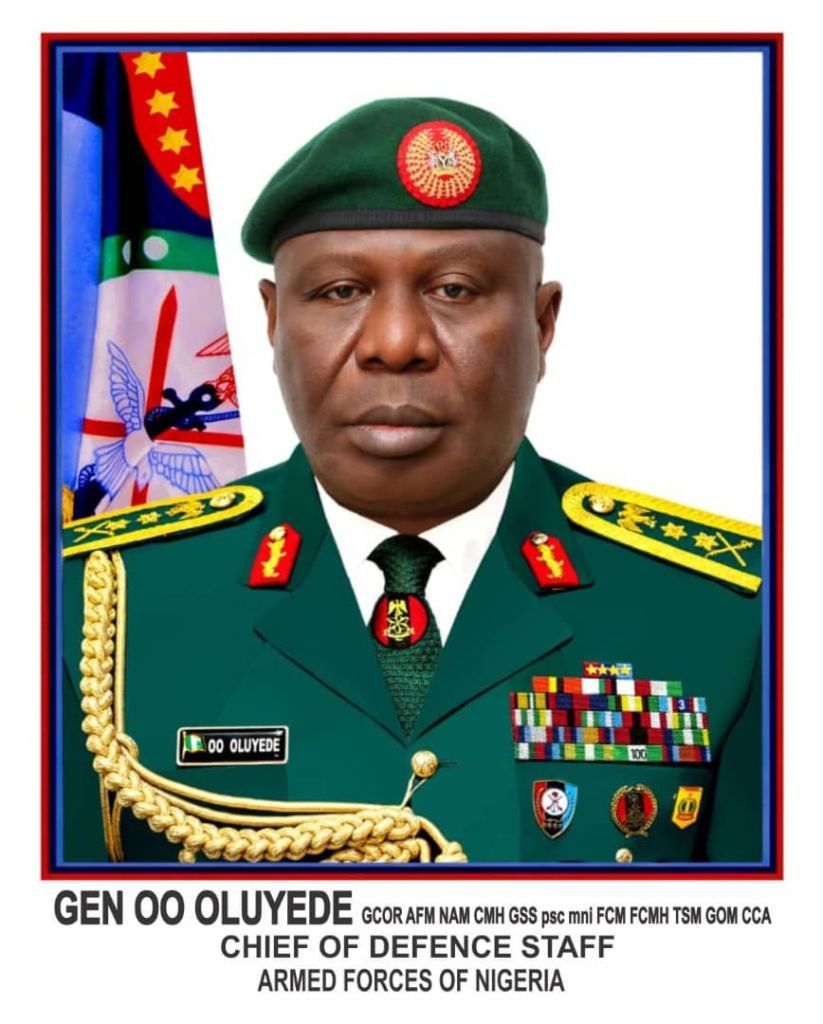
Beyond the battlefield, the Armed Forces continue to play a vital role in supporting civil authorities. From disaster response to election security and public health interventions, military personnel are frequently called upon to assist in times of national need. Their presence in these situations often provides stability and reassurance, particularly in areas where civilian capacity is stretched.
There is also the human dimension one that is too often absent from public conversations. Military service in Nigeria comes with significant personal sacrifice. Soldiers operate in difficult terrains, endure long separations from their families, and face constant exposure to danger. For many, the line between duty and survival is razor-thin. Yet, their stories rarely make headlines unless tragedy strikes.
Internally, the Armed Forces have not remained static. Efforts to improve personnel welfare, upgrade training standards, and strengthen institutional accountability are ongoing. While challenges persist as they do in any large organization there is evidence of gradual reform and adaptation. Recognizing these efforts does not excuse shortcomings; rather, it provides a more balanced understanding of an institution in transition.
The role of the media in shaping perception cannot be overstated. In a fast-paced information environment, the pressure to break news often favours stories that are dramatic or controversial. While such reporting is essential, it should not come at the expense of depth and balance. A more rounded approach one that highlights both achievements and challenges would better serve the public interest.
Public trust in national institutions is not built on silence or blind praise, but on informed engagement. For the Armed Forces, this means telling a more complete story one that acknowledges failures, celebrates successes, and situates both within the broader context of national security realities.
As Nigeria continues to confront evolving threats, the importance of a capable and motivated military cannot be overstated. The men and women in uniform operate under intense pressure, often with limited resources, yet remain committed to their mandate. Their efforts, while not flawless, are far from insignificant.
Reframing the narrative is not about image management; it is about fairness. It is about ensuring that public discourse reflects the full spectrum of reality not just the most visible fragments. In doing so, Nigerians can foster a more constructive relationship with their Armed Forces one grounded in accountability, respect, and a shared commitment to national security.
In the end, the story of Nigeria’s Armed Forces is still being written. It is a story of challenge and change, of setbacks and strides. But above all, it is a story that deserves to be told in full.


