Maryam Aminu
Despite the Federal Government’s Executive Order on the Designation and Protection of Critical National Information Infrastructure (CNII), telecom industry stakeholders have sounded the alarm that more than policy declarations are needed to secure Nigeria’s telecommunications investments.
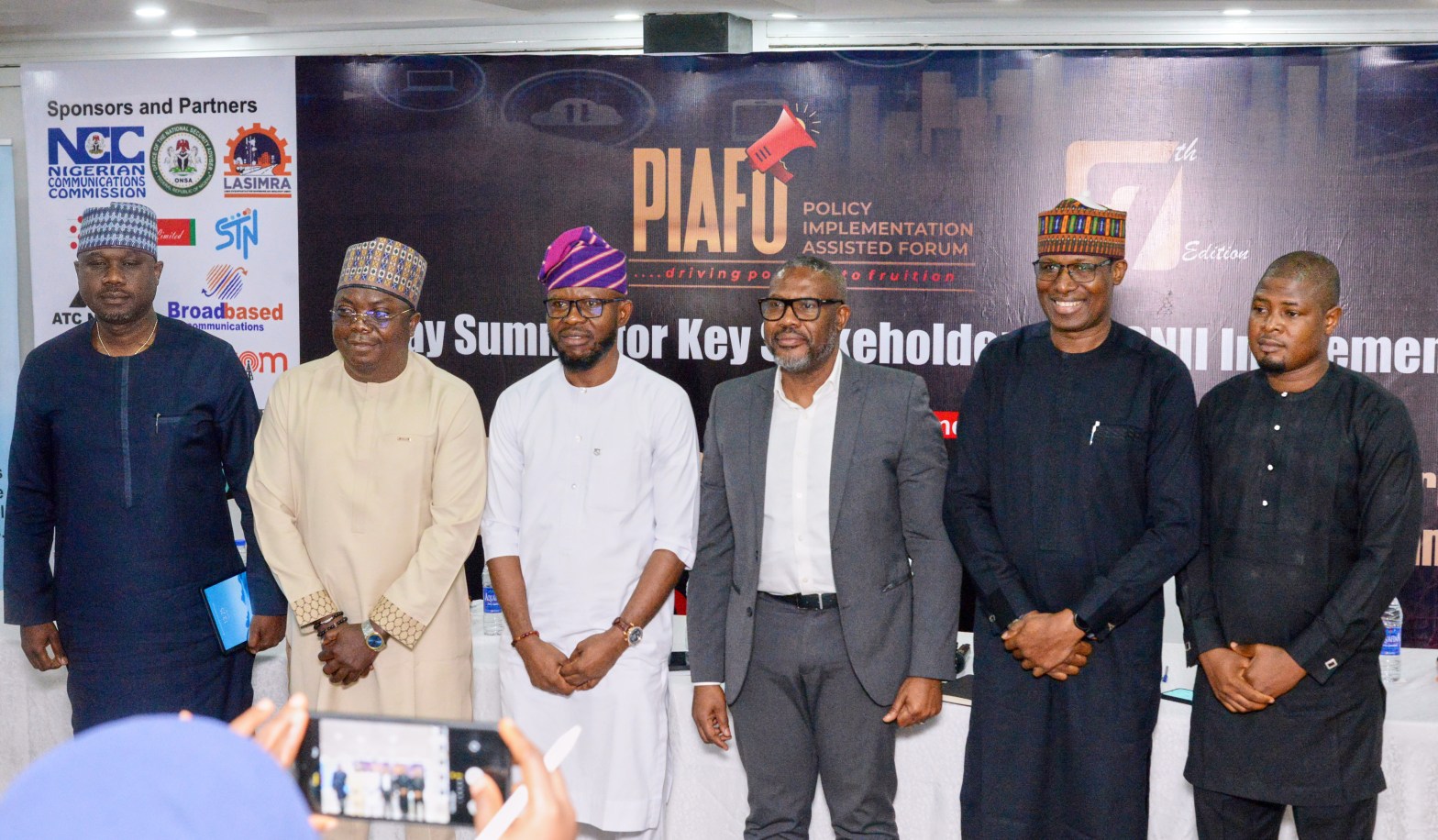
At the 7th edition of the Policy Implementation Assisted Forum (PIAFo) held in Lagos on Thursday, leading voices in the sector stressed that internal inefficiencies, lack of standardisation, and community resistance remain major barriers to the security and sustainability of telecom infrastructure.
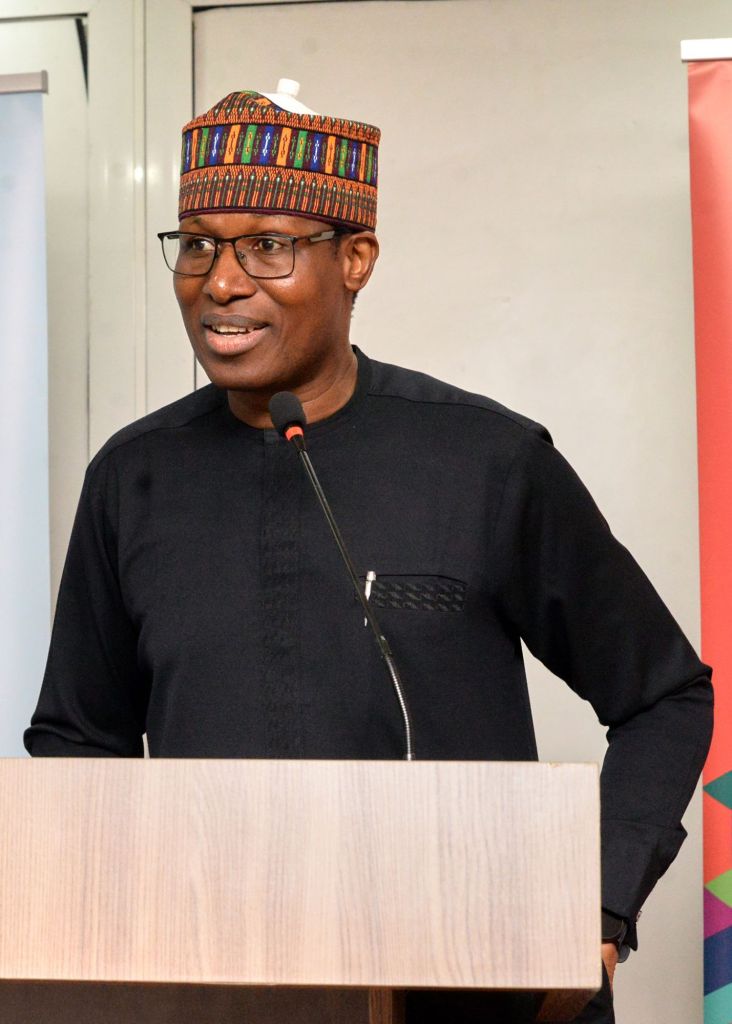
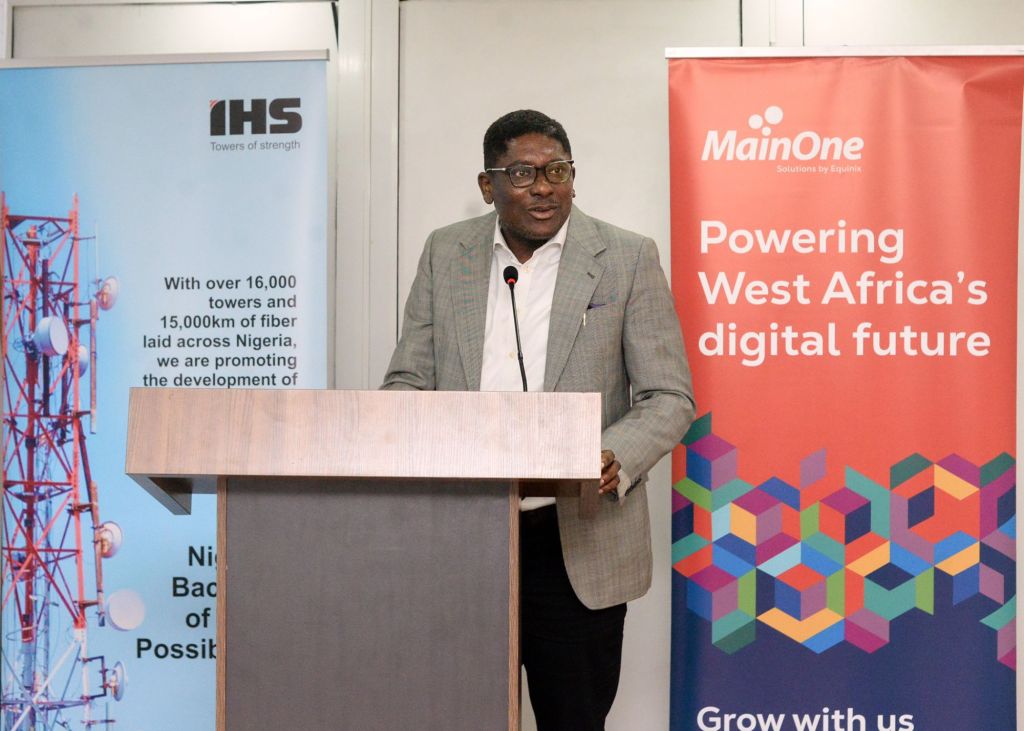
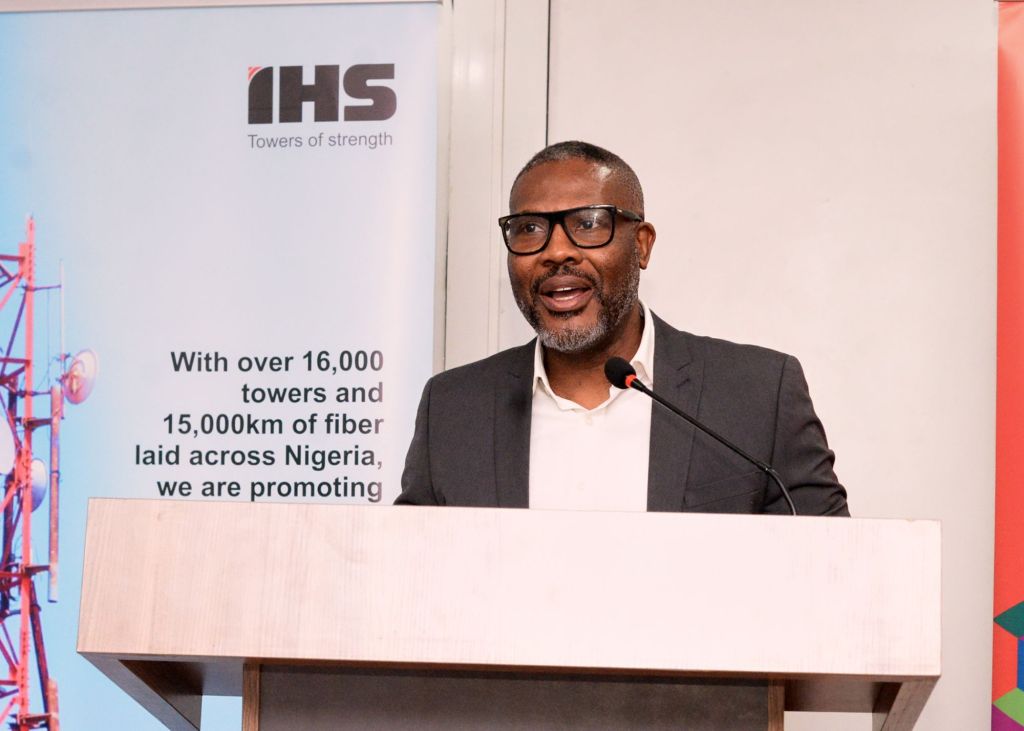
Speaking at the summit, Engr. Gbenga Adebayo, Chairman of the Association of Licensed Telecommunications Operators of Nigeria (ALTON), said while the CNII Executive Order is a step in the right direction, poor infrastructure maintenance, unauthorized installations, and strained community relations continue to expose telecom assets to vandalism and theft.
Adebayo cited repeated cases of manhole cover and pole theft due to substandard installation practices. “When properly installed, these components are difficult to remove, but negligence has left them unsecured and vulnerable,” he said. He also recounted how unresolved damages caused by contractors have led to community resistance, delaying critical infrastructure projects.
He warned that infrastructure deployed without government approval often goes undocumented, making it susceptible to accidental destruction during roadworks. “Collaboration with relevant authorities is key. Unregistered infrastructure invites trouble,” Adebayo cautioned.
Echoing similar sentiments, Tony Emoekpere, President of the Association of Telecommunications Companies of Nigeria (ATCON), underscored the moral and environmental dimensions of infrastructure challenges in the country.
He recounted a case where switching from diesel to gas generators only led to a new wave of oil theft. “It’s not just about technology; it’s also about values and ethics,” he said, calling for national standardisation in infrastructure deployment.
Emoekpere pointed out that while Nigeria has robust local content policies, actual implementation continues to fall short. “The time for endless policy talk is over. We need follow-through, enforcement, and measurable actions,” he stated.
On his part, Wale Owoeye, CEO of Cedarview Communications Limited, shed light on the devastating impact of cable vandalism. He said telecom operators like Airtel experience cable cuts as frequently as every six minutes due to widespread assumptions that black cables contain valuable copper.
“Cable theft is an epidemic,” he said. To counter it, Owoeye proposed a three-pronged approach: reorientation through community engagement in local languages, strict enforcement with real legal consequences, and preventive measures rather than reactive solutions.
In a show of commitment, he pledged N500,000 quarterly toward an advocacy fund aimed at protecting telecom infrastructure, and urged other operators to join the cause. “This is a seed. With collective action, we can grow it into a nationwide movement,” he said.
The event, hosted by Omobayo Azeez, Convener of the PIAFo summit, brought together stakeholders from both public and private sectors, including infrastructure operators, regulatory agencies, and community leaders.
Collectively, speakers at the summit agreed that protecting Nigeria’s telecom infrastructure requires a holistic approach one that combines policy implementation with strong community relations, ethical practices, industry coordination, and proactive protection measures.