Maryam Aminu
In an era where digital transformation is reshaping governance, UNESCO has taken a bold step to equip civil servants with essential digital skills.
Last week, a comprehensive capacity-building program on Cybersecurity, Artificial Intelligence (AI), Data Privacy, Open Data, and Digital Governance was held to bridge the digital divide and strengthen public sector efficiency.
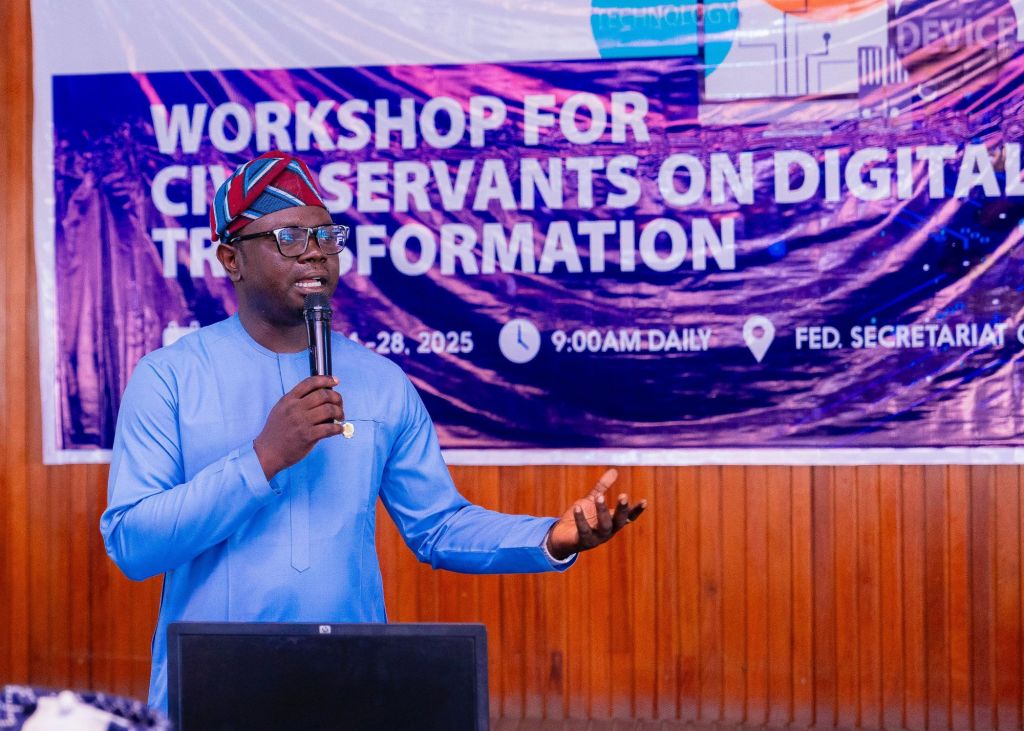
The week-long training, facilitated by Gabriel Akinremi and Dr. Raymond Onuoha, provided an interactive learning experience for government officials. Through case studies, hands-on exercises, and expert-led discussions, participants explored key aspects of digital transformation.

Speaking on the importance of cybersecurity, Gabriel Akinremi emphasized the need for civil servants to adopt best practices in risk management to safeguard government data from cyber threats.
He highlighted the growing role of artificial intelligence in public service delivery, noting that AI-driven innovations could enhance efficiency and decision-making in government operations.
He also stressed the significance of data privacy, explaining that compliance with regulations was crucial in maintaining public trust and ensuring responsible data handling within government institutions.
The training saw the participation of Minister of Youth Development, Mr. Ayodele Olawande, alongside directors and middle managers from the Federal Ministry of Youth Development and the Federal Ministry of Information and National Orientation.
Their engagement underscored the government’s commitment to fostering a digitally competent and security-conscious public sector.
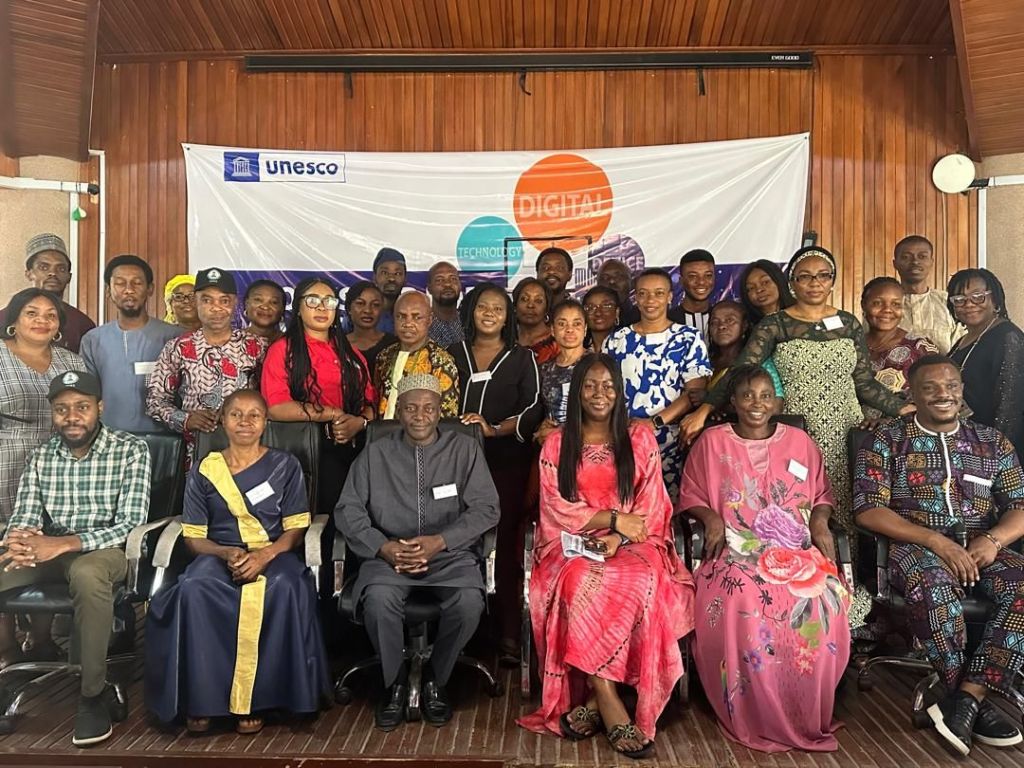
At the conclusion of the program, Akinremi reflected on the key lessons gained, stating that participants now had a deeper understanding of how to protect sensitive government data from cyber threats.
He expressed confidence that the training had equipped civil servants with practical knowledge on leveraging artificial intelligence to improve public service delivery.
He also reiterated that upholding data privacy was essential in maintaining transparency and accountability in governance.
The program ended on a high note, with participants receiving certificates of participation as a testament to their commitment to digital transformation.
Akinremi further explained that this initiative aligns with UNESCO’s broader goal of helping government officials implement strategic digital transformation plans.
He pointed out that the training was structured around UNESCO’s AI and Digital Transformation Competency Framework for Civil Servants, ensuring that participants gained relevant and practical knowledge.
He emphasized the importance of understanding policy and regulatory aspects of digital governance, as well as adopting innovation management strategies to create citizen-centric public services. Ethical AI deployment, he added, was another critical area of focus, as governments must balance technological advancements with responsible and fair implementation. He also introduced participants to design-thinking approaches, encouraging them to apply strategic action planning in their digital governance efforts.