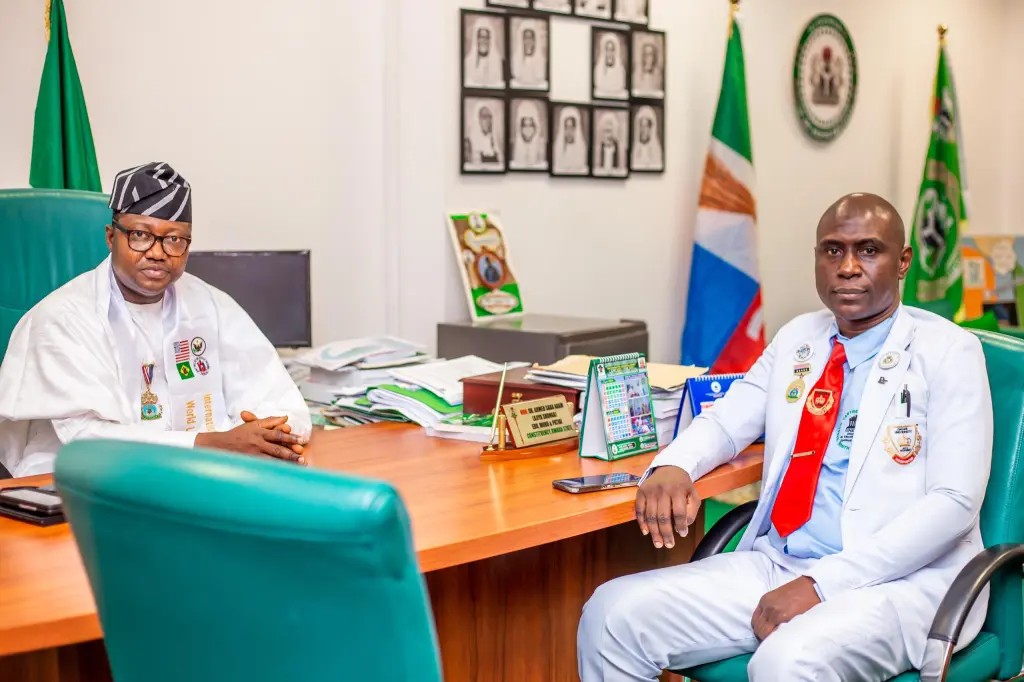
About Hon Ahmed Adamu Saba Hon Ahmed Adamu Saba is a Nigerian lawmaker representing Edu/Moro/Patigi Federal Constituency in Kwara State. He’s been recognized globally for his contributions to politics and public administration, receiving awards like the “Most Notable and Top Distinguished Federal Representative of The 21st Century” and Life Fellow of ICWLS
Some of his notable initiatives include:
Empowerment Programs: Distributed N300 million worth of resources, including essentials like rice, beans, and sewing machines, to his constituents.
Youth and Women Empowerment: Organized a three-day training program on entrepreneurship, benefiting over 175 youths and women.
Anti-Drug Abuse Efforts: Partnered with NDLEA to combat drug abuse in his constituency.
About Prof Sir Bashiru Aremu Prof Sir Bashiru Aremu is a Nigerian academic and The First African UNESCO Laureate recognized for his outstanding contributions to education. He’s a World Acclaimed Distinguished Research Professor Emeritus of Computer Science and Information Communication Technology, honored with a golden certificate and medal from UNESCO and top up by University of Nigeria Nsukka Nigeria and other world wide
Some of his notable achievements include:
Awards and Recognition:
World Records Holder of many global organizations with various Global Golden Medals and Certificates included Noble Book of World Records and others PHILANTHROPIST Award (2023), Global ICON Award (2023), and Outstanding Global Achievements Award (2023)
Leadership Roles: International Chairman, Board of Trustees of Africa Information Technology Consultancy; Chief Editor, Technoarete Transactions on Application of Information and Communication Technology (ICT) in Education
Academic Positions: He has been appointed to many academics positions both in Nigeria and outside Nigeria such Chairman and Member of Accreditation Panel of some Nigeria Universities appointed by National Universities Commission Abuja Nigeria and Chairman Board of Trustees of Universities and Organizations world wide , Visiting Professor of some Universities both in Nigeria and outside Nigeria such Ambrose Ali University Ekpoma, Edo State, Nigeria, University of Medical Science Ondo City Ondo State Nigeria Bharat University India and others world wide
He’s also a recipient of the International Shakespeare Award for Literary Achievement and has been listed as one of the 100 Top Educators of the World and other global Notable organizations world wide
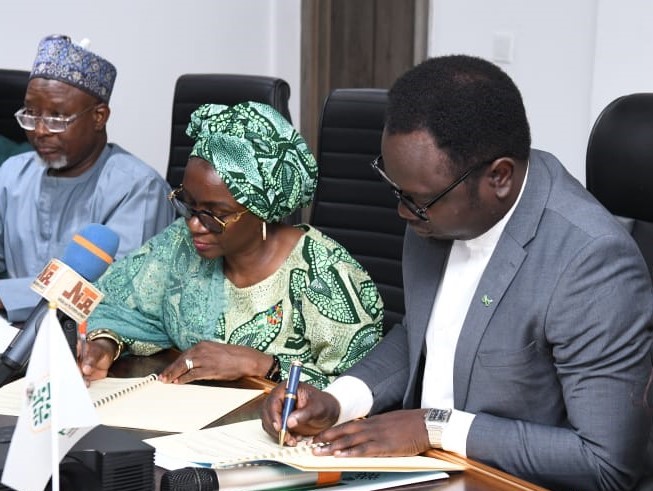
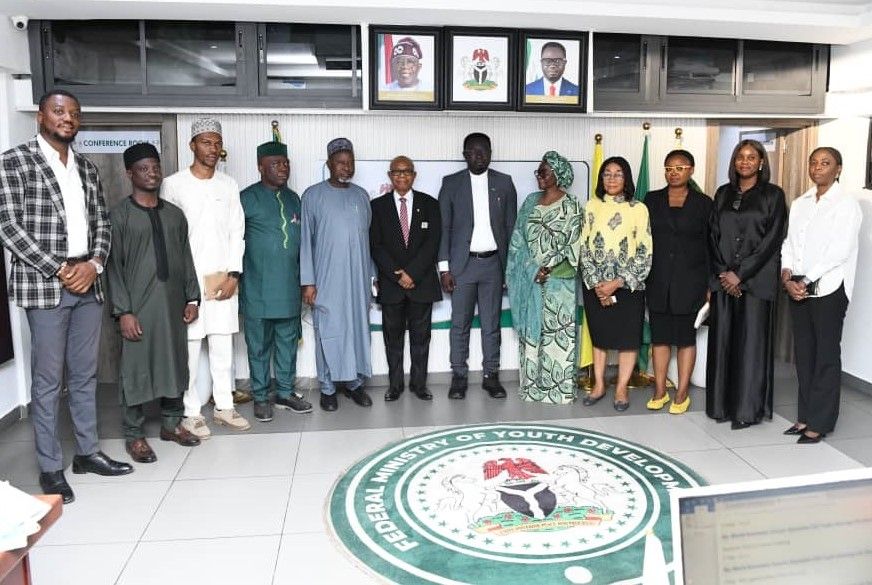
After years of neglect that left many youth development centres idle across the country, the Federal Government has taken a decisive step to breathe new life into the facilities, signing a strategic Memorandum of Understanding (MoU) with the Africa Projects Development Centre (APDC) to transform them into engines of skills acquisition, innovation and job creation.
The MoU, signed on Monday in Abuja, signals a renewed national push to reposition Youth Development Centres as modern, fit-for-purpose hubs for vocational, digital and entrepreneurial training, aligned with the evolving demands of the labour market and Nigeria’s broader development agenda.
Speaking at the signing ceremony, the Minister of Youth Development, Comrade Ayodele Olawande, said the partnership reflects the Federal Government’s commitment to empowering young Nigerians and tackling unemployment through practical, results-driven interventions.
He acknowledged that many youth centres nationwide have suffered prolonged neglect, stressing that the collaboration with APDC will inject technical expertise, private-sector efficiency and innovative funding models to restore them to full functionality.
According to the Minister, the partnership represents a shared commitment to building a sustainable and inclusive youth development framework. He explained that the scope of the collaboration covers project design, training and capacity building, implementation, monitoring and evaluation, as well as resource mobilization, with the revitalization of Youth Development Centres as its core focus.
Comrade Olawande noted that the initiative aims to convert existing centres into vibrant training and incubation hubs offering vocational, technical, digital and entrepreneurial skills in high-demand sectors.
He added that the centres will also serve as platforms for innovation, mentorship and market access, enabling young Nigerians to translate skills into sustainable livelihoods.
He further stated that the MoU will strengthen the Ministry’s institutional capacity in donor engagement, project execution and results-based monitoring and evaluation, ensuring measurable impact and value for money. The agreement, he said, provides a practical pathway for translating youth development policies into implementable programmes that directly address skills gaps, unemployment and limited access to finance.
In her welcome address, the Permanent Secretary of the Ministry, Dr. Maryam Ismaila Kenshiro, described the partnership as a strategic milestone in strengthening youth development structures nationwide.
She said the collaboration would focus on transforming existing youth centres into functional training and incubation facilities delivering market-relevant vocational, technical, digital and entrepreneurial programmes.
Dr. Kenshiro noted that APDC’s proven experience in project design, capacity building and youth incubation will complement the Ministry’s mandate, enhance programme delivery, and improve monitoring and evaluation outcomes.
She added that the MoU also establishes a framework for joint resource mobilization, including engagement with development banks and strategic partners, to guarantee sustainability and measurable results.
Earlier, the Managing Director of APDC, Dr. Chiji Ojukwu, said the agreement was the product of sustained engagement and a shared vision to scale youth empowerment initiatives across the country.
He disclosed that APDC has empowered over 9,000 youths and women through interventions in agriculture, Technical and Vocational Education and Training (TVET), environmental sustainability and the creative industry.
Dr. Ojukwu explained that the partnership will support nationwide expansion of youth programmes, strengthen resource mobilization and promote evidence-based youth policy development, with a focus on long-term, sustainable impact. With the MoU now in place, stakeholders say expectations are high that Nigeria’s youth centres will shift from dormant public assets to dynamic platforms driving skills, innovation and economic opportunity for millions of young Nigerians.
In a decisive move that could redraw Nigeria’s oil revenue map and calm long-running disputes among oil-producing states, the Federal Government has commenced the plotting of coordinates for disputed and newly drilled oil and gas wells across the country.
The exercise, driven by the Revenue Mobilisation Allocation and Fiscal Commission (RMAFC), marks a critical step toward determining the true ownership of oil and gas resources that underpin billions of naira in derivation funds.
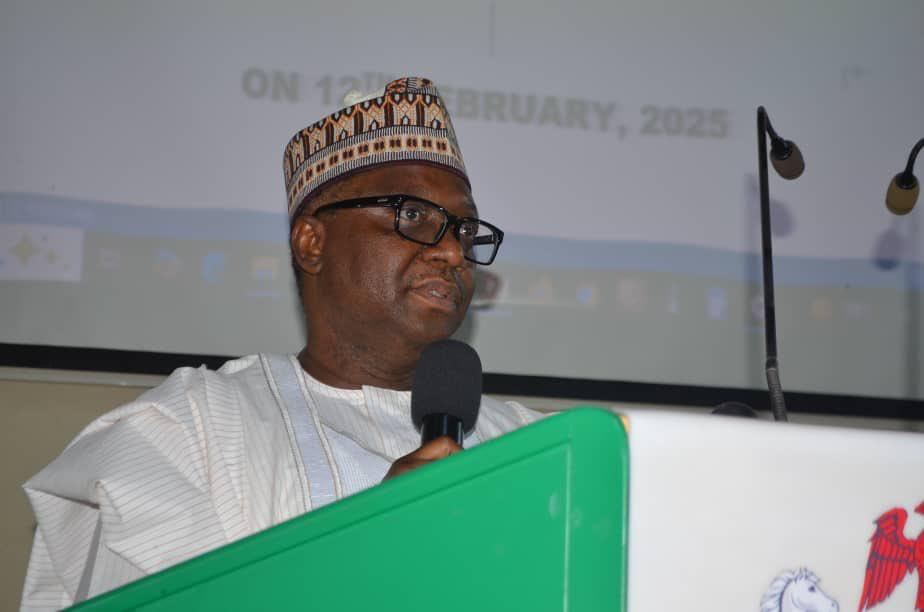
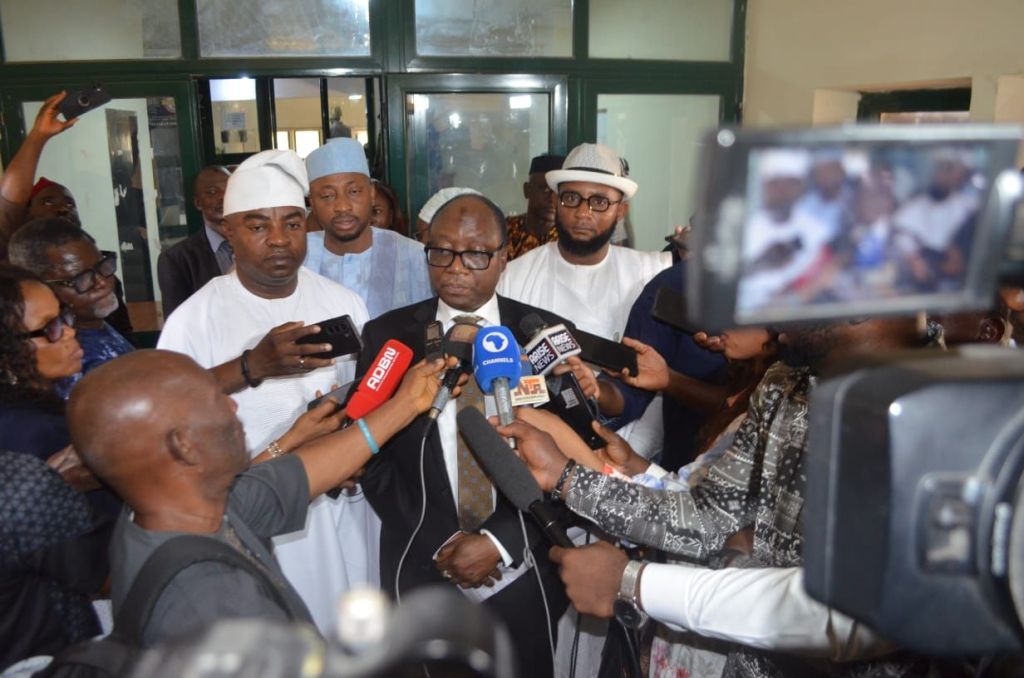
Speaking at the flag-off ceremony in Abuja on Monday, the Chairman of RMAFC, Dr. Mohammed Bello Shehu, OFR, announced that the Inter-Agency Technical Committee (IATC) set up to verify the coordinates of the affected wells has concluded its fieldwork and is now moving into the plotting phase. “The verification has been completed. The next and decisive step is the plotting of the coordinates, which will finally establish the exact location of these disputed and newly drilled oil and gas wells and attribute them to their rightful owners,” Dr. Shehu said.
RMAFC Chairman addressing the press
The IATC comprises representatives of the National Boundary Commission (NBC), the Office of the Surveyor-General of the Federation (OSGoF), the Nigerian Upstream Petroleum Regulatory Commission (NUPRC) and RMAFC. The committee was mandated to resolve ownership disputes that often erupt whenever new oil fields come on stream.
Dr. Shehu stressed that the exercise is not merely administrative, but constitutional. “The Constitution clearly provides that 13 per cent of revenue from crude oil and gas must go to the states where these resources are produced. Ensuring accuracy in location and ownership is therefore not optional it is a constitutional obligation,” he said.
According to the RMAFC Chairman, the exercise covers all oil-producing states, including Akwa Ibom, Cross River, Bayelsa, Ondo, Rivers and Delta, as well as offshore locations.
He noted that overlapping claims are common, but insisted that “facts on the ground not assumptions will determine who owns what, or whether ownership must be shared.”
To guarantee transparency and credibility, Dr. Shehu disclosed that extensive field operations were carried out between September 2025 and January 2026, spanning creeks, high seas and offshore terrains. Where physical access was impossible, drones were deployed to capture precise coordinates, with surveyors-general of the affected states present throughout the process. “We went to the field ourselves, and all data collected were witnessed by representatives of the states concerned,” he said, assuring that RMAFC would remain “an unbiased umpire guided by justice, equity and fairness.”
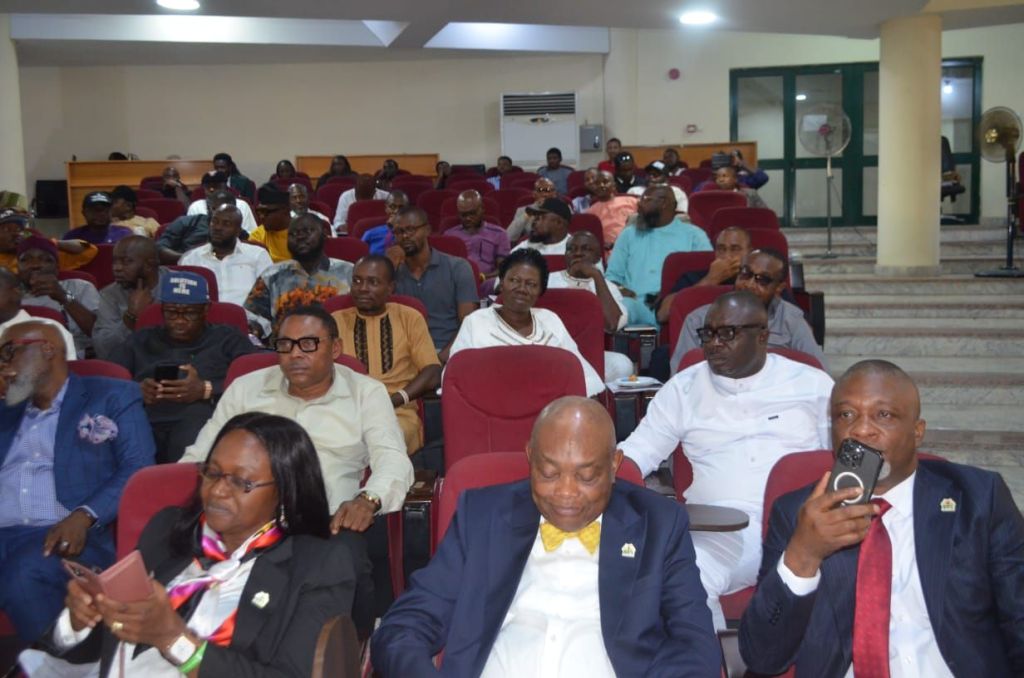
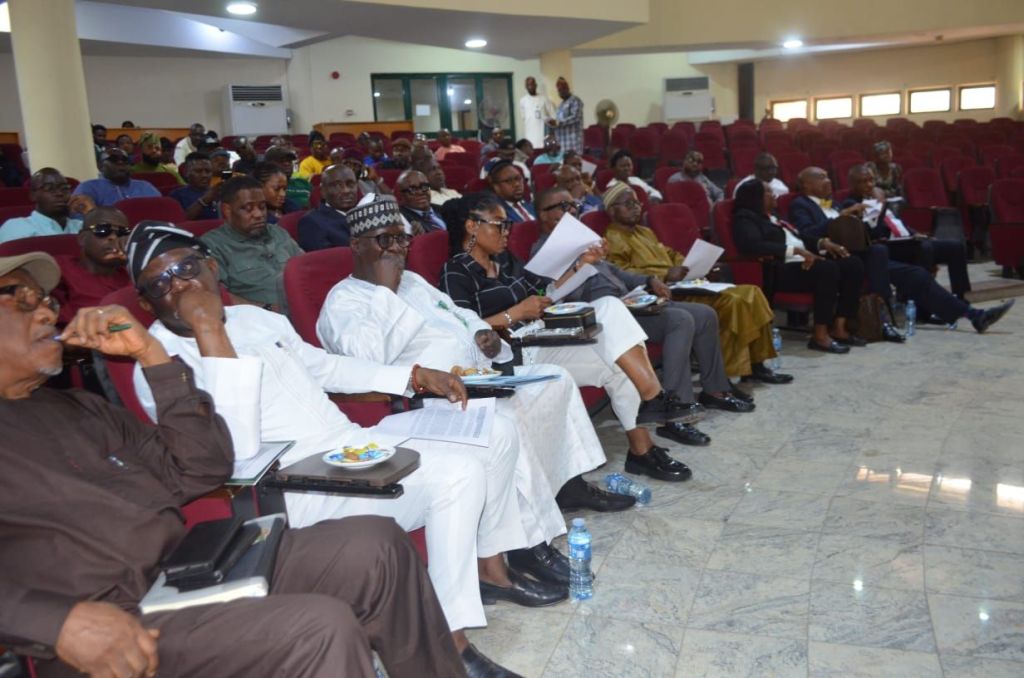
A Cross-section of participants at the event
He expressed confidence that the outcome of the exercise would significantly reduce inter-state disputes and strengthen trust in the derivation revenue process.
The Chairman also commended Hon. Hakeem Amosu, Acting Chairman of the Crude Oil Monitoring Committee, and Hon. Rabiu Garba, Chairman of the Gas Monitoring Committee, for their leadership and support, which he said were crucial to the success of the assignment.
Earlier, the Secretary to the Commission, Joseph Okechukwu Nwaze, described the exercise as a testament to effective inter-agency collaboration, noting that its successful completion would reinforce confidence in
In her remarks, the Director of the Crude Oil Department, Dr. Khadija Kumo, said the exercise was timely and vital to the future of energy governance in Nigeria, urging sustained cooperation to support data-driven decision-making in the sector.
Also speaking, the Coordinator of the Inter-Agency Technical Committee, Prince Folorunsho Aderinwala, praised the RMAFC Chairman for providing the necessary support that enabled the committee to successfully carry out its mandate.
The current phase follows the October 2025 flag-off of the verification exercise in the Niger Delta, which was prompted by petitions from governors of Anambra, Delta, Imo, Edo, Ondo and Rivers states, seeking clarity on the ownership and boundaries of certain oil and gas assets.
With the plotting now underway, stakeholders across the Niger Delta and beyond are watching closely, as the results are expected to shape revenue flows, settle years of contention and redefine fiscal certainty in Nigeria’s oil and gas sector.
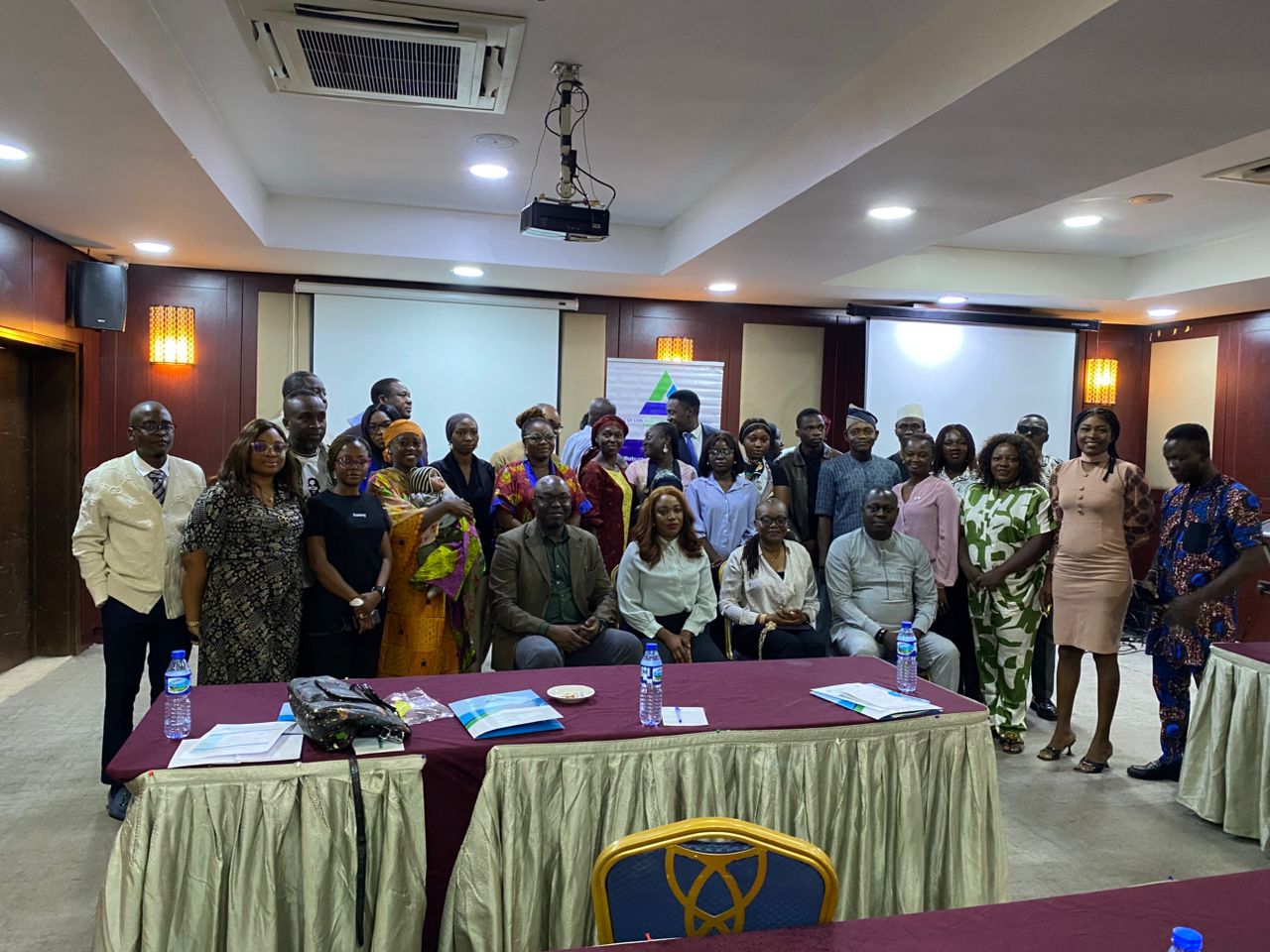
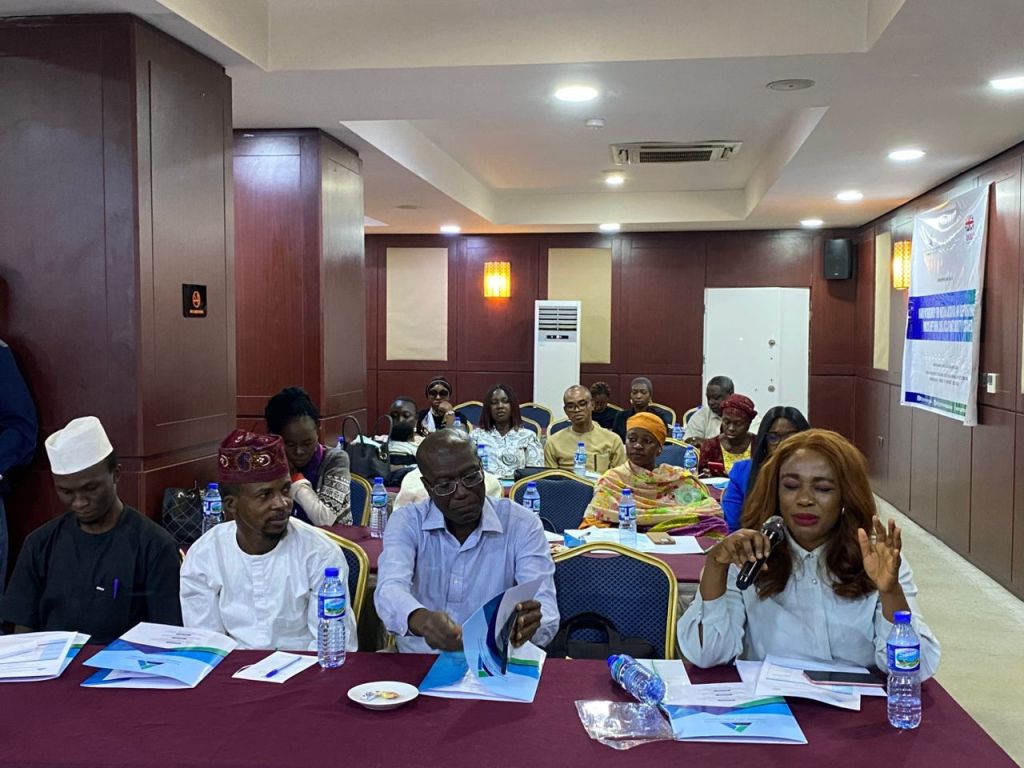
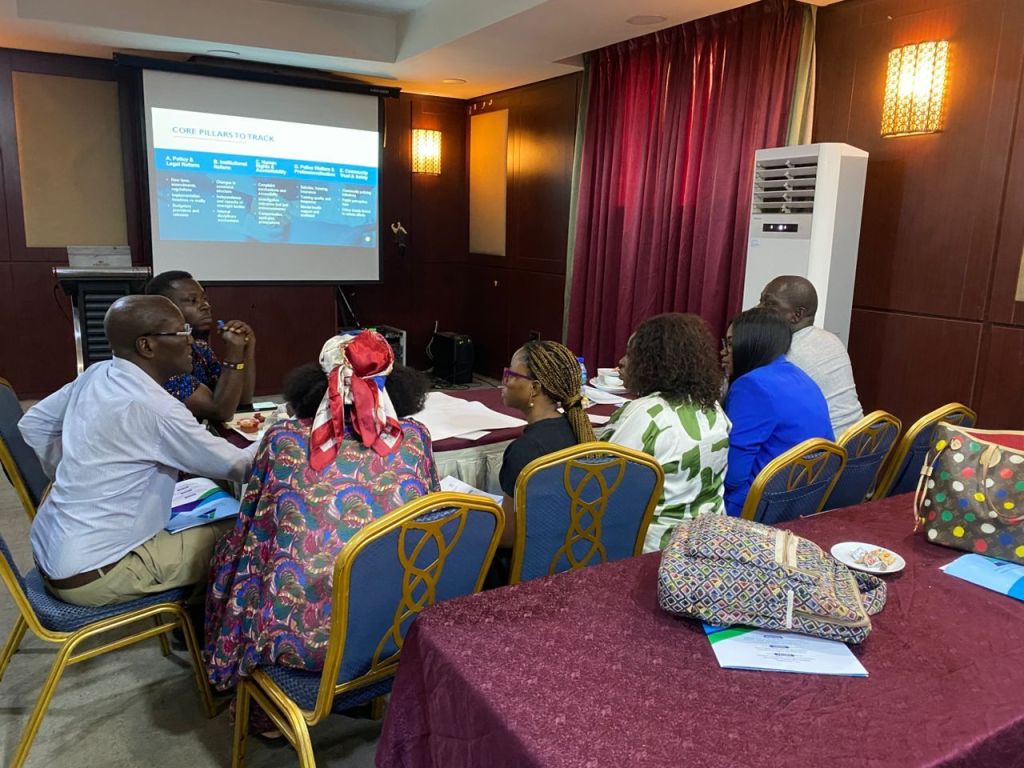
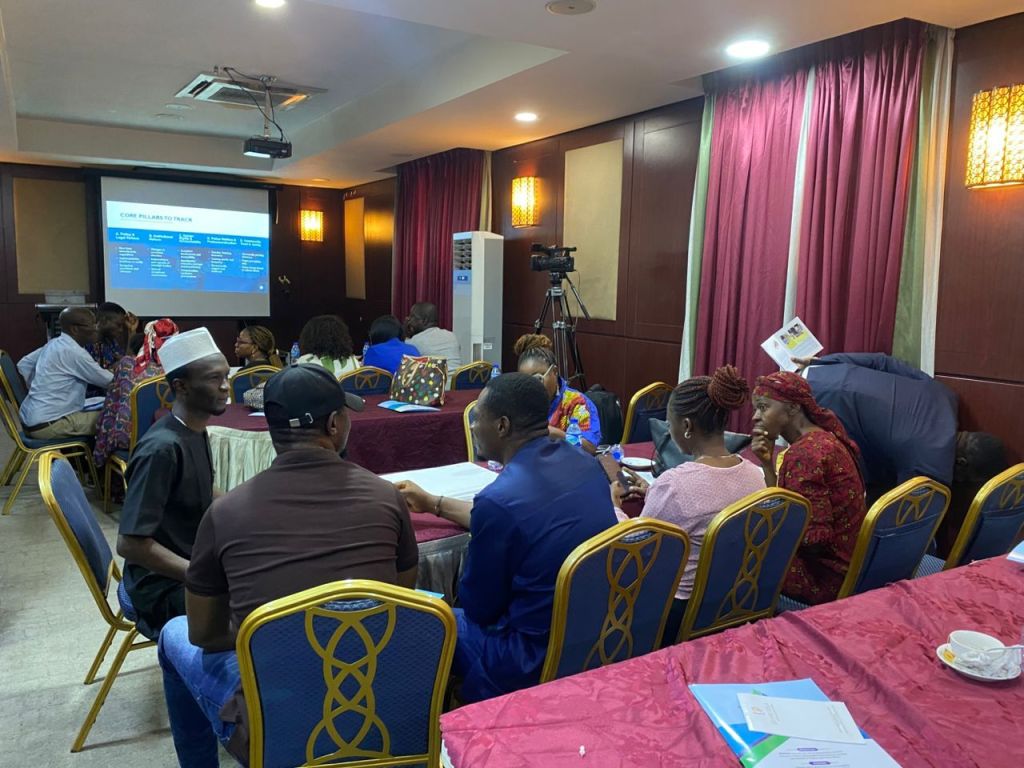
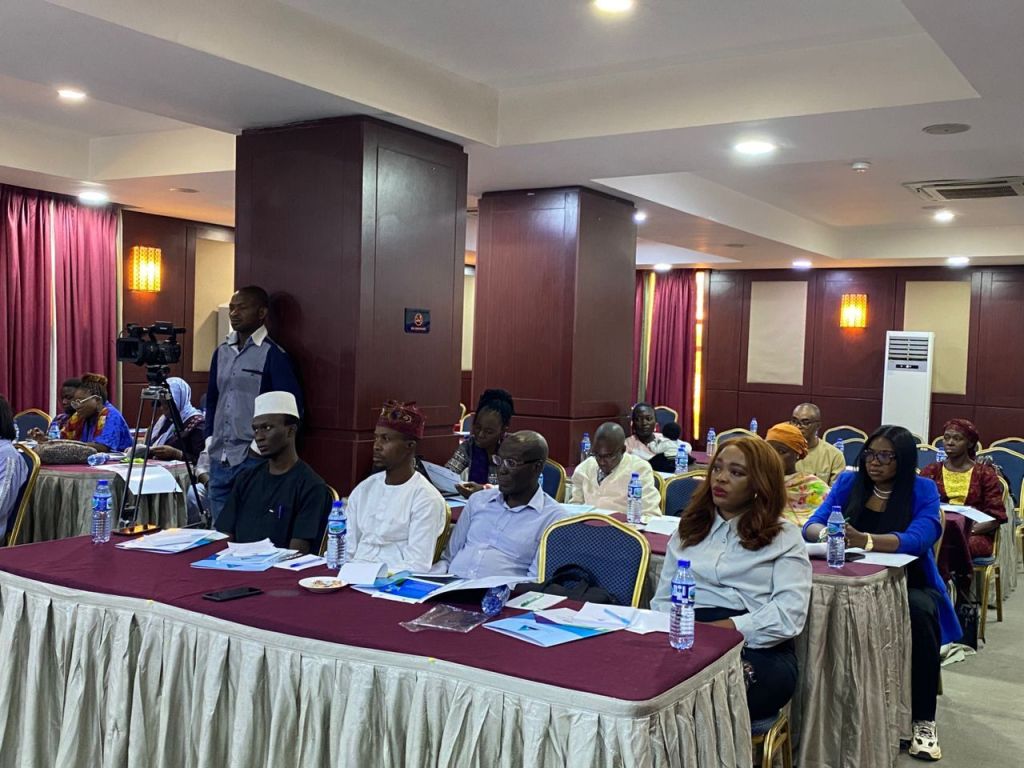
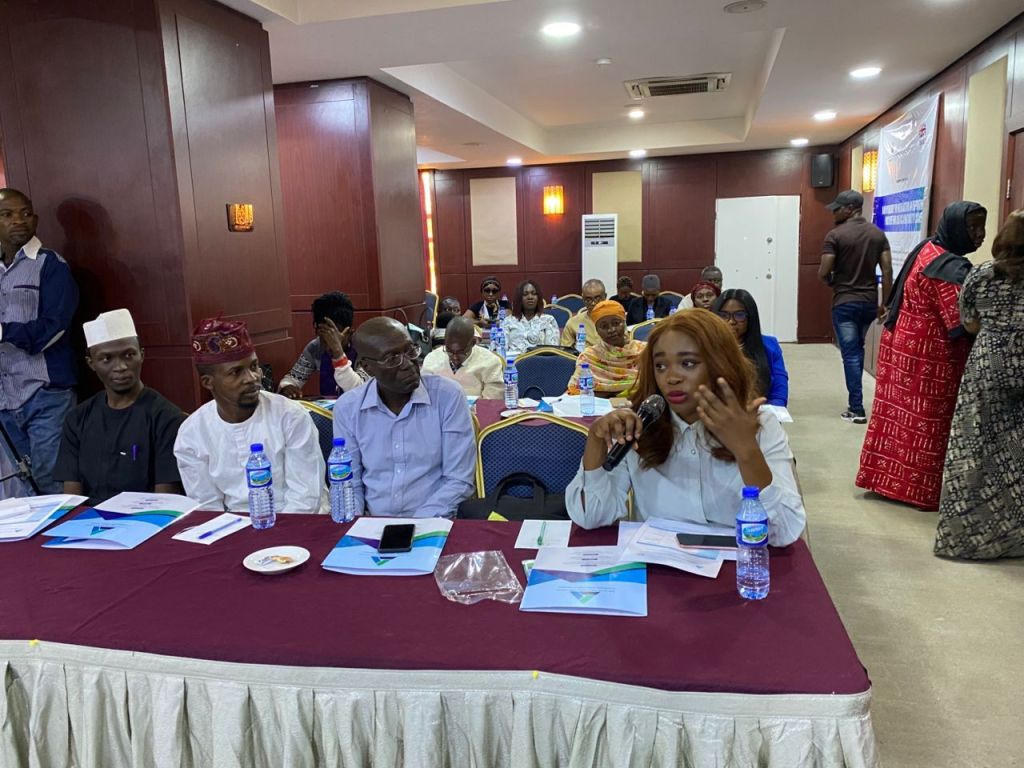
As Nigeria intensifies efforts to rebuild public trust in law enforcement, the Rule of Law and Empowerment Initiative, widely known as Partners West Africa Nigeria (PWAN), has called on the media to take a frontline role in shaping accountability-driven police reforms through responsible and gender-responsive reporting.
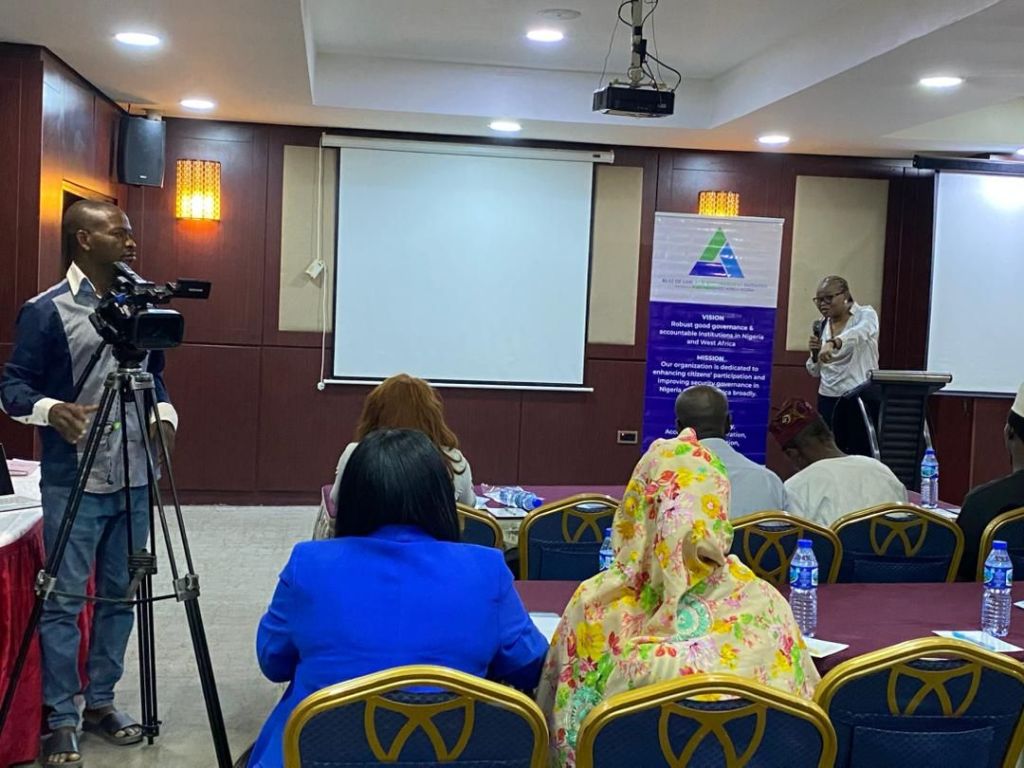
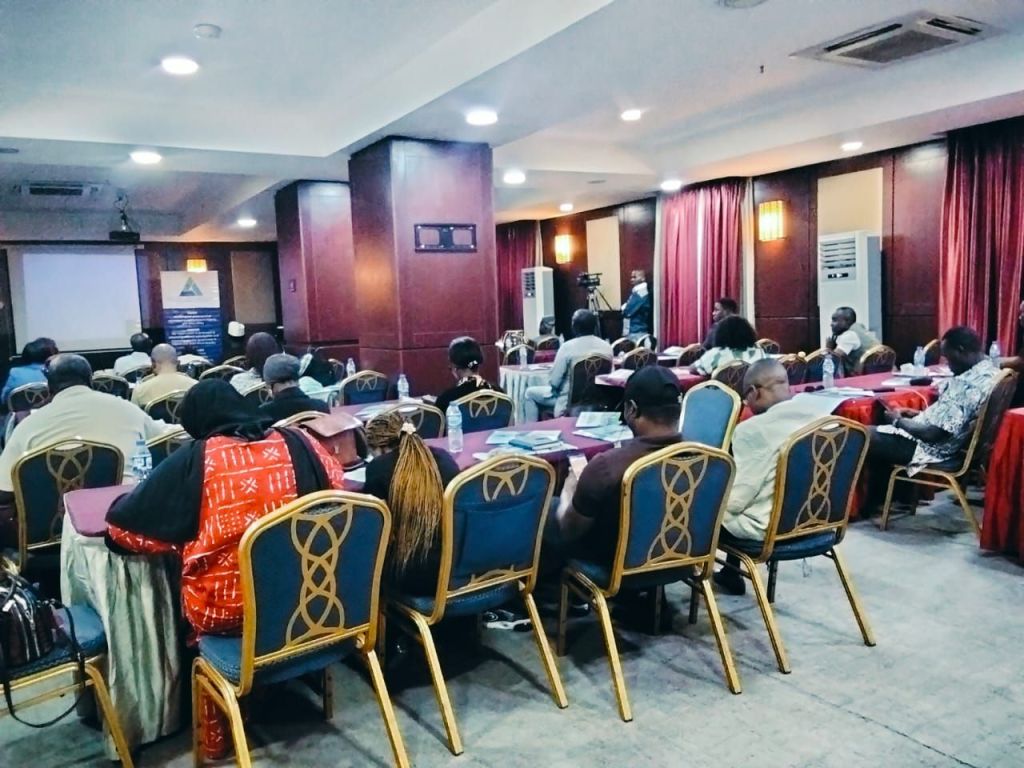
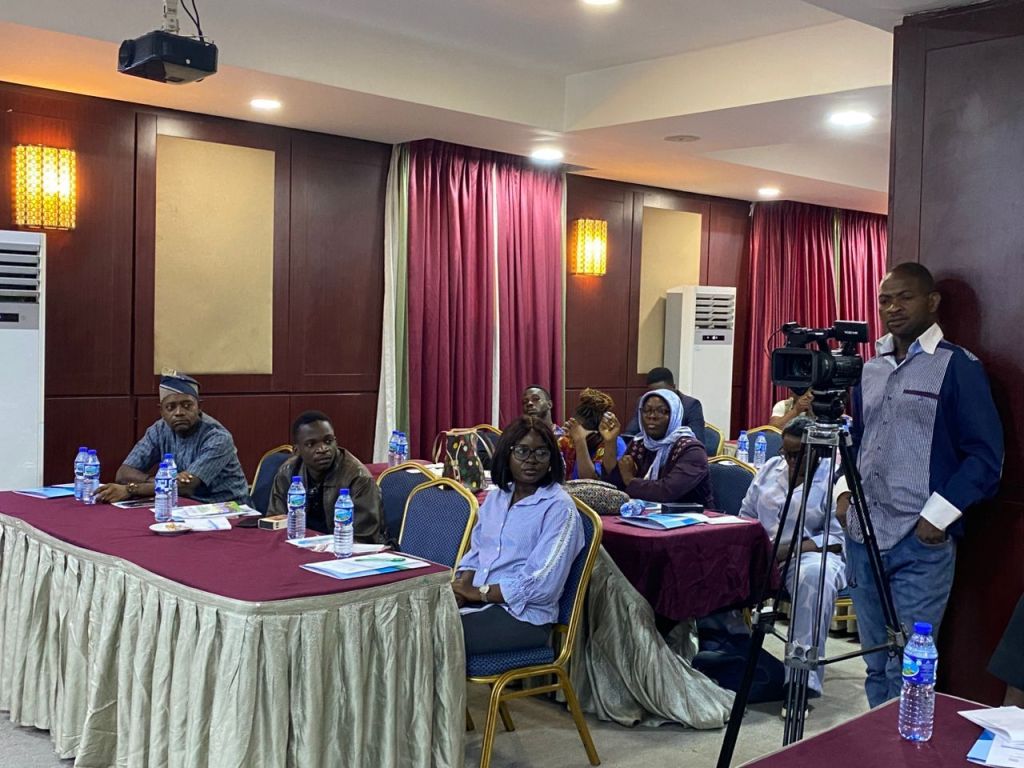
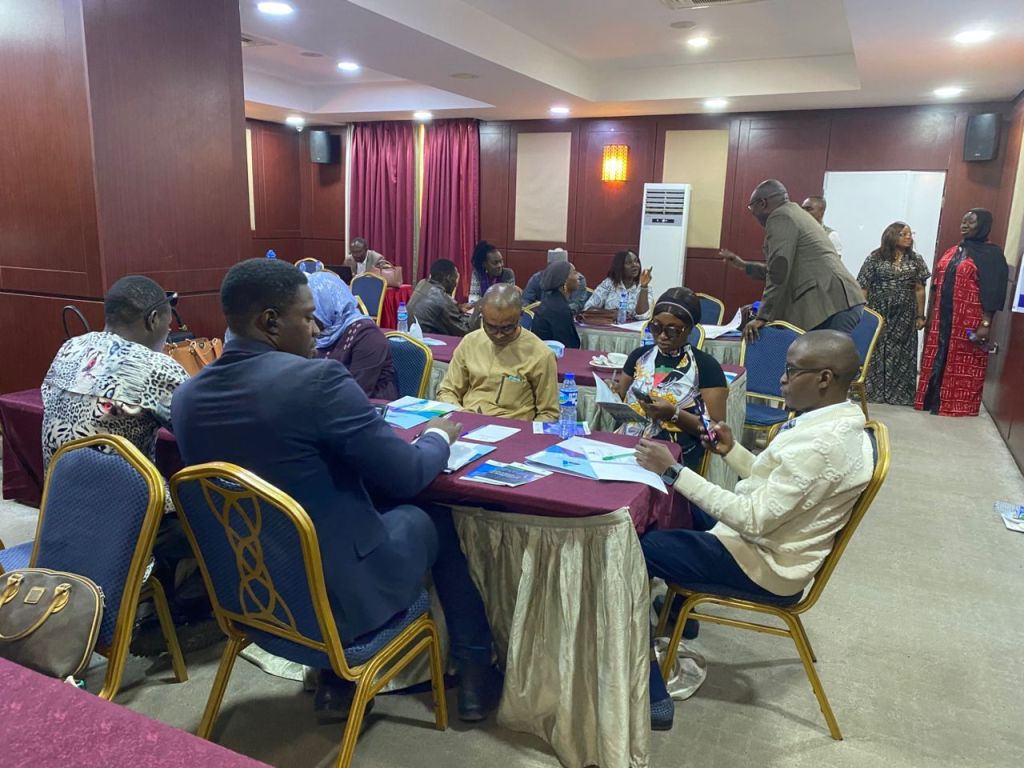
This call was made on Monday in Abuja by the Executive Director of PWAN, Ms. Kemi Okenyodo, during her opening remarks at a one-day sensitisation workshop for media practitioners on reporting police reform and accountability issues.
Speaking on behalf of the Board, Management, and staff of the organisation, Okenyodo welcomed participants to the workshop, describing the media as a critical partner in advancing transparent, professional, and people-centred policing in Nigeria. PWAN, a women-led non-governmental organisation, is dedicated to strengthening citizens’ participation, improving security governance, and enhancing protection systems across Nigeria and West Africa.
According to Okenyodo, the organisation’s work is rooted in the belief that effective security governance must be accountable, inclusive, professional, and responsive, particularly to the needs of women, youth, and other vulnerable groups. She disclosed that the workshop forms part of PWAN’s ongoing project, “Enhancing Public Trust and Gender Responsive Policing in Nigeria Through Effective Implementation of the Police Act 2020 across the Six Geopolitical Zones,” being implemented with the support of the Foreign, Commonwealth and Development Office (FCDO).
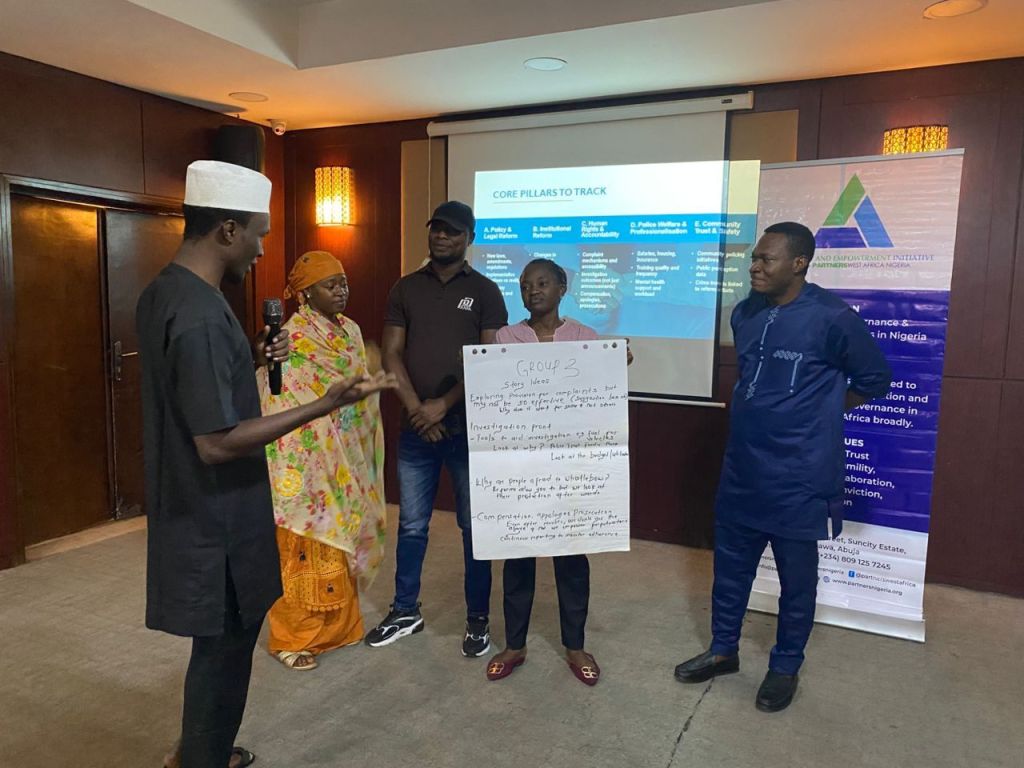
The project, she explained, is designed to strengthen police reform efforts by promoting institutional accountability, gender responsiveness, and improved public trust in the Nigeria Police Force (NPF). By increasing public awareness of the Police Act 2020, the initiative seeks to reduce rights violations and foster a more citizen-responsive policing culture. Okenyodo noted that the media sensitisation workshop aims to equip journalists with the knowledge, skills, and ethical tools required for accurate and impactful reporting on police reform, accountability, and gender-responsive policing.
She added that the engagement would also strengthen collaboration between the media and law enforcement, promote transparency, and deepen public understanding of the Police Act 2020 particularly its provisions on citizens’ rights, police accountability, professional conduct, and gender inclusion.
A Cross-section of participants at the event
Beyond capacity building, the PWAN Executive Director described the workshop as a safe and inclusive platform for media practitioners to share experiences, voice concerns, and propose practical recommendations for improving trust and cooperation between communities and the Nigeria Police Force.
She urged participants to engage actively in the discussions, share diverse perspectives, and contribute meaningfully to conversations aimed at strengthening police accountability and democratic policing in Nigeria.
Okenyodo expressed optimism that the session would be productive and impactful, thanking participants for their commitment to advancing justice, transparency, and the rule of law.
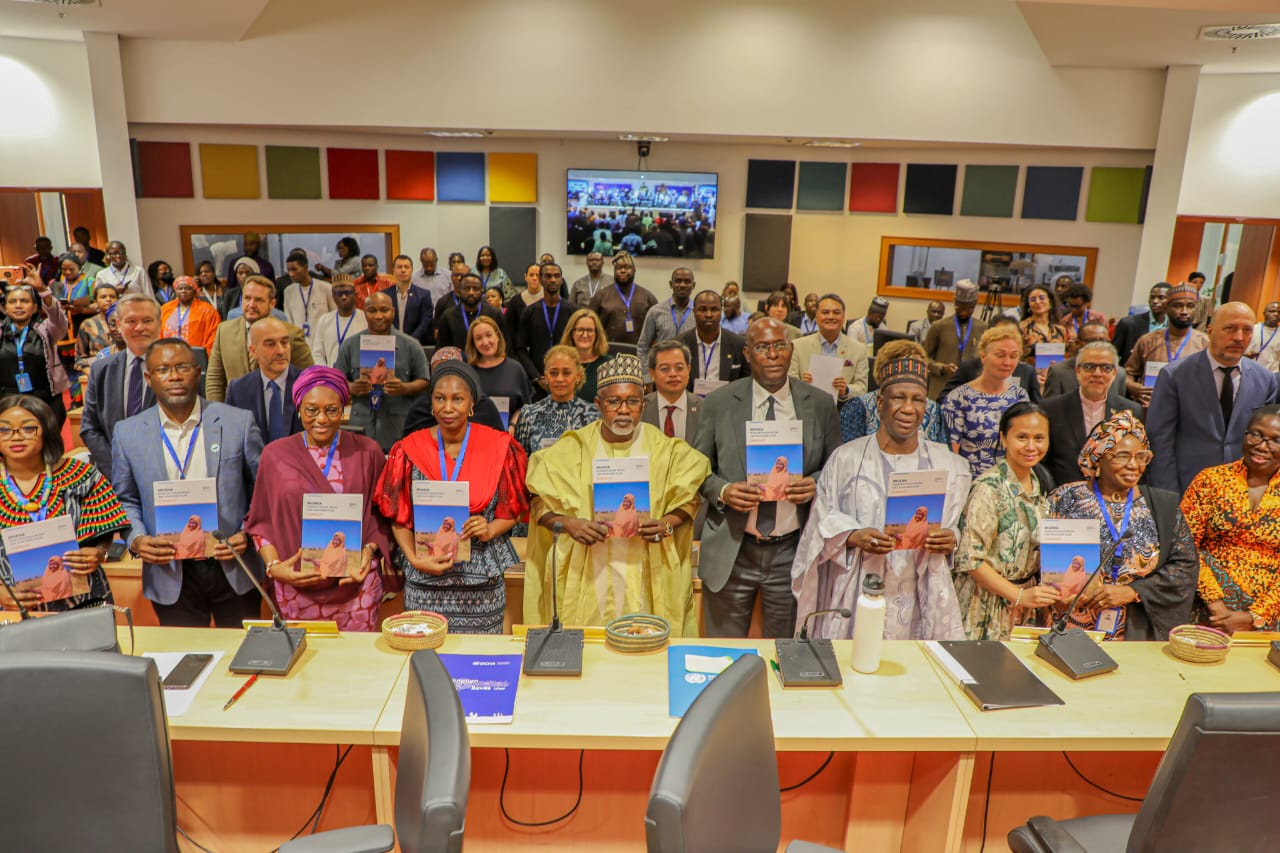
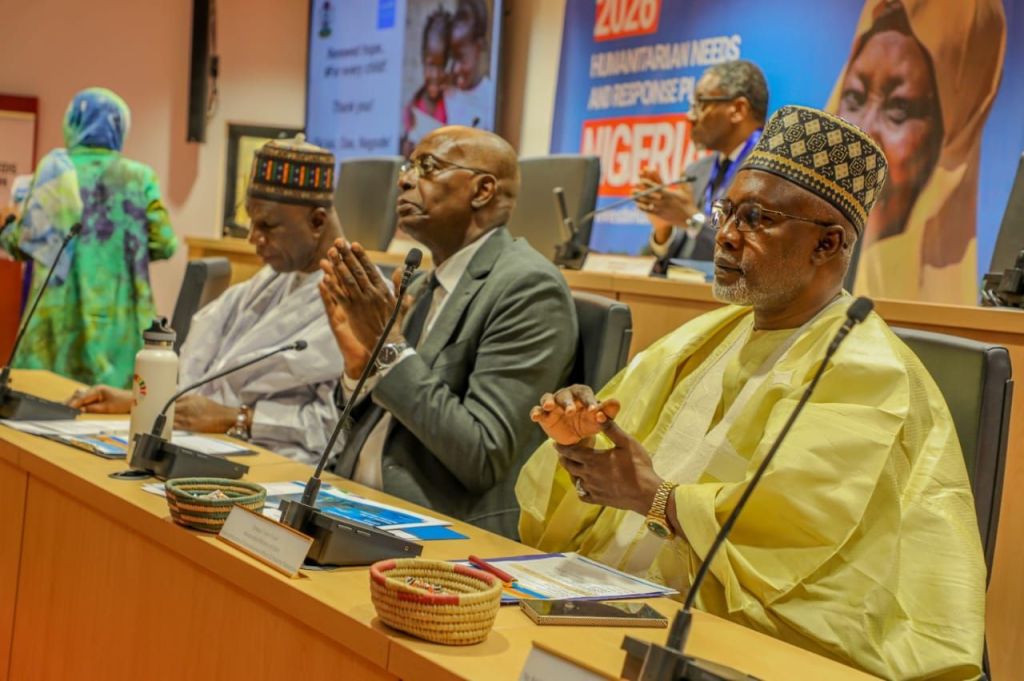
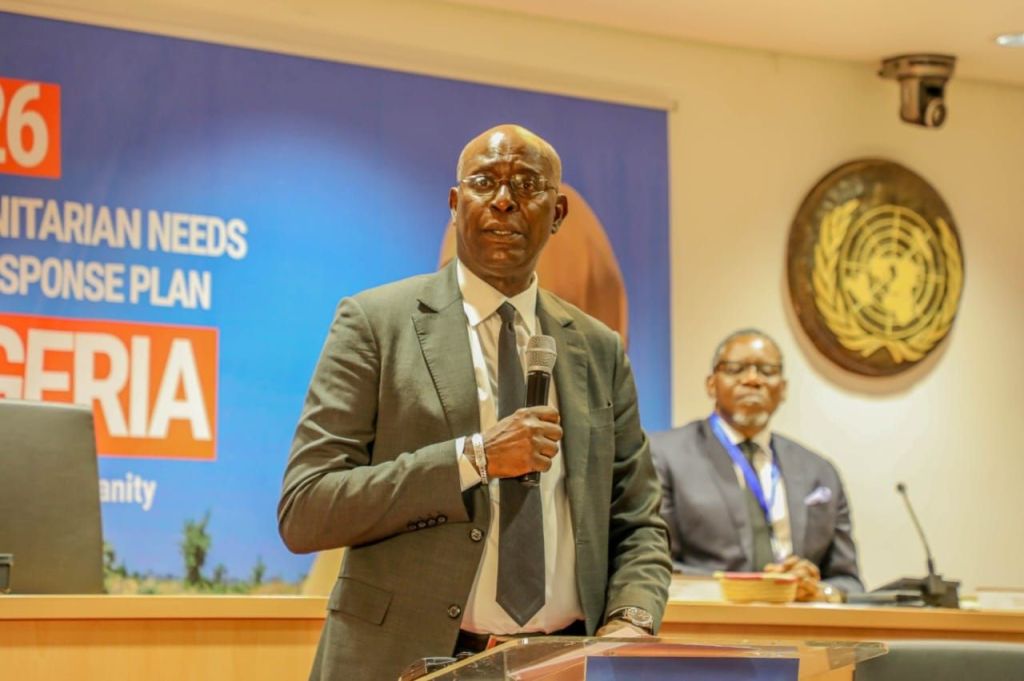
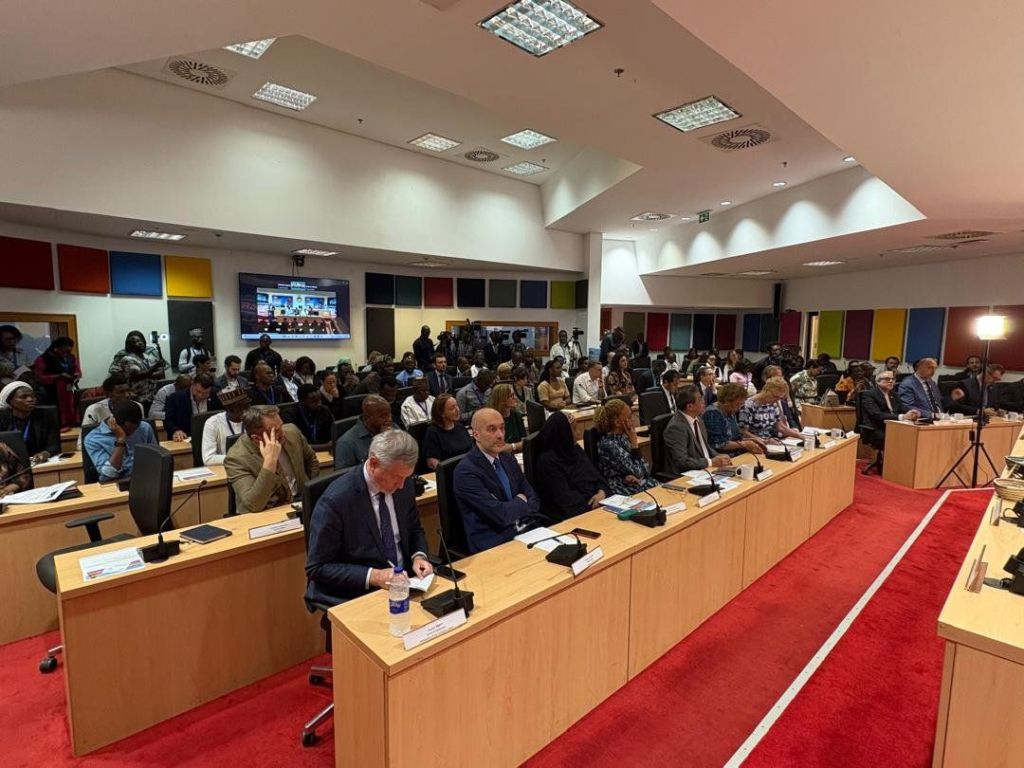
The Federal Government has declared a decisive shift in Nigeria’s humanitarian strategy, moving away from recurring emergency relief toward prevention, resilience, and sustainable human development, as it officially launched the 2026 Nigeria Humanitarian Needs and Response Plan (HNRP) in Abuja.
Speaking at the launch held at the UN House Auditorium, the Minister of Humanitarian Affairs and Poverty Reduction, Dr. Bernard M. Doro represented by Minister of State for Humanitarian Affairs and Poverty Reduction,Dr. Yusuf Tanko Sununu,, said the new plan reflects the government’s resolve to assume full leadership and ownership of humanitarian coordination while reducing long-term dependency on external aid.
According to the Minister, humanitarian action under the Renewed Hope Agenda of President Bola Ahmed Tinubu must serve as a bridge that supports stabilisation, restores dignity, and enables vulnerable Nigerians to permanently exit cycles of poverty and vulnerability. “Humanitarian response must no longer be an end in itself. It must connect to recovery, strengthen resilience, and support communities to rebuild their lives sustainably,” Dr. Doro said.
He noted that while humanitarian interventions have played a critical role in mitigating the effects of conflict, climate shocks, displacement, and food insecurity particularly in Borno, Adamawa, and Yobe States Nigeria is now at a defining moment that demands a transition from repeated emergency responses to prevention and preparedness.
The Minister explained that the 2026 HNRP marks a strategic policy shift toward anticipatory action, early warning systems, risk-informed planning, and durable solutions, stressing that preventing crises is more humane, cost-effective, and sustainable than responding after devastation occurs. Reaffirming government leadership, Dr. Doro stated that all humanitarian interventions must align with national policies and strengthen systems at the federal, state, and local levels, while contributing directly to poverty reduction, social protection, and inclusive growth.
He also emphasised localisation as a core priority, noting that Nigerian institutions, civil society organisations, women-led and youth-led groups, and community structures are central to effective response and lasting recovery. “Displacement must not become permanent, and humanitarian aid must not replace governance or development. Our focus must remain on restoring livelihoods, expanding access to basic services, and addressing the root causes of vulnerability,” the Minister added.
Dr. Doro further highlighted the government’s commitment to advancing a Humanitarian–Development–Peace Nexus, describing it as essential for delivering lasting impact and ensuring humanitarian investments translate into improved quality of life for Nigerians.
The Minister’s remarks came against the backdrop of warnings by the United Nations that nearly 35 million Nigerians may face food insecurity during the upcoming lean season, with about three million children at risk of severe acute malnutrition. The UN also disclosed that the 2026 HNRP seeks $516 million to provide lifesaving assistance to 2.5 million people, amid declining global humanitarian funding.
Dr. Doro welcomed continued partnership with the international community but stressed that Nigeria’s humanitarian transition must be anchored on national ownership, accountability, and people-centred solutions. “The success of the 2026 HNRP will depend not only on resources, but on how effectively we work together to deliver coordinated, accountable, and dignified outcomes for Nigerians,” he said.
He concluded by assuring that the Federal Government remains committed to leading Nigeria’s humanitarian and poverty reduction agenda in a manner that restores dignity, strengthens resilience, and ensures that no Nigerian is left behind.
UN Resident and Humanitarian Coordinator in Nigeria, Mohamed Malick Fall
UN Resident and Humanitarian Coordinator in Nigeria, Mohamed Malick Fall, acknowledged the government’s increasing leadership and domestic resource mobilisation, noting that the era of internationally financed and delivered humanitarian action in Nigeria is gradually giving way to a nationally led and coordinated system.
Speaking in support of the government’s position, the United Nations Resident and Humanitarian Coordinator in Nigeria, Mohamed Malick Fall, warned that humanitarian needs in the country are rising at a time when global funding is sharply declining.
He disclosed that nearly 35 million Nigerians could face food insecurity during the upcoming lean season, while about three million children are at risk of life-threatening severe acute malnutrition, describing the figures as “lives and futures, not just statistics.”
Fall noted that civilians in Borno, Adamawa and Yobe States continue to face heightened protection risks due to renewed violent attacks, revealing that over 4,000 civilians were killed in the first eight months of 2025, the same number recorded in all of 2023.
He said the 2026 Humanitarian Needs and Response Plan, which targets 2.5 million people at a cost of $516 million, reflects a necessary focus on the most lifesaving interventions, while underscoring a broader transition toward a nationally led humanitarian system, with greater domestic financing, strengthened coordination, and increased reliance on Nigerian institutions and community-based organisations.
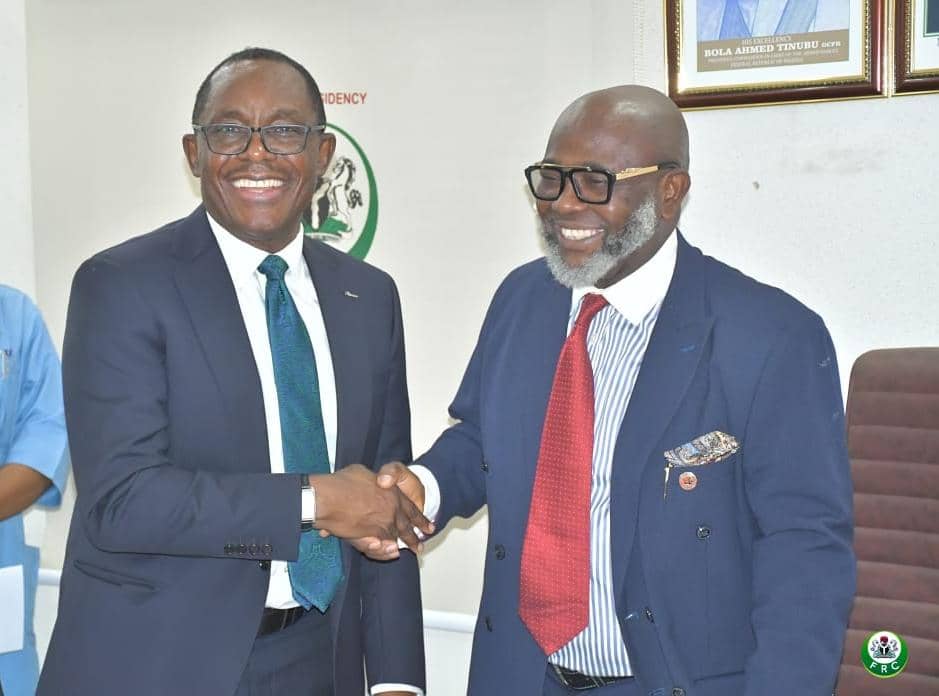
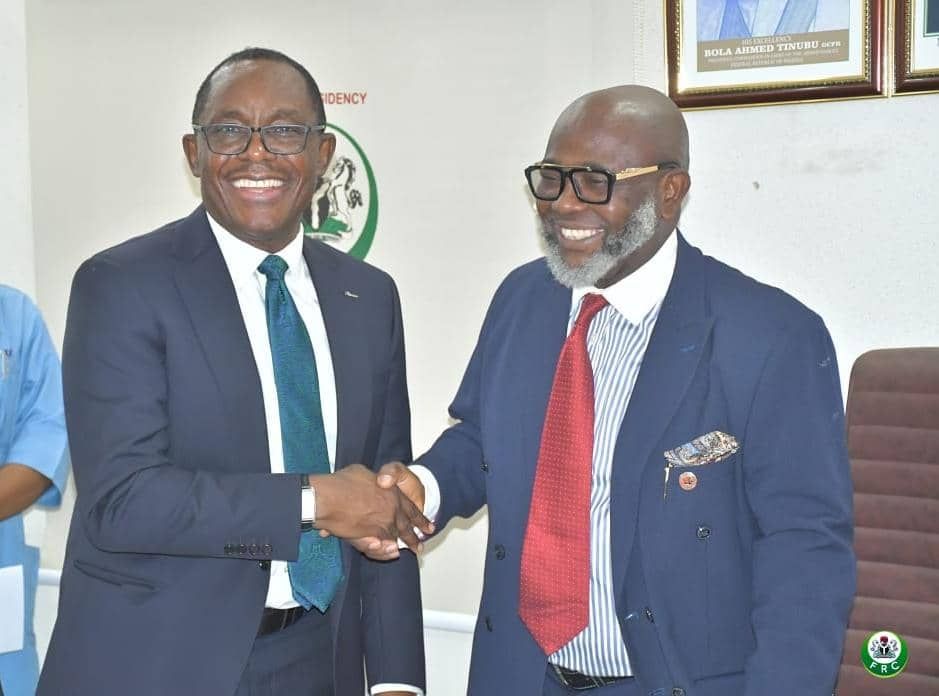
The Executive Chairman of the Fiscal Responsibility Commission (FRC), Mr. Victor Muruako, Esq., has commended the Nigeria Deposit Insurance Corporation (NDIC) for its prompt, consistent, and exemplary remittance of operating surplus into the Consolidated Revenue Fund (CRF), in strict compliance with the Fiscal Responsibility Act (FRA), 2007.
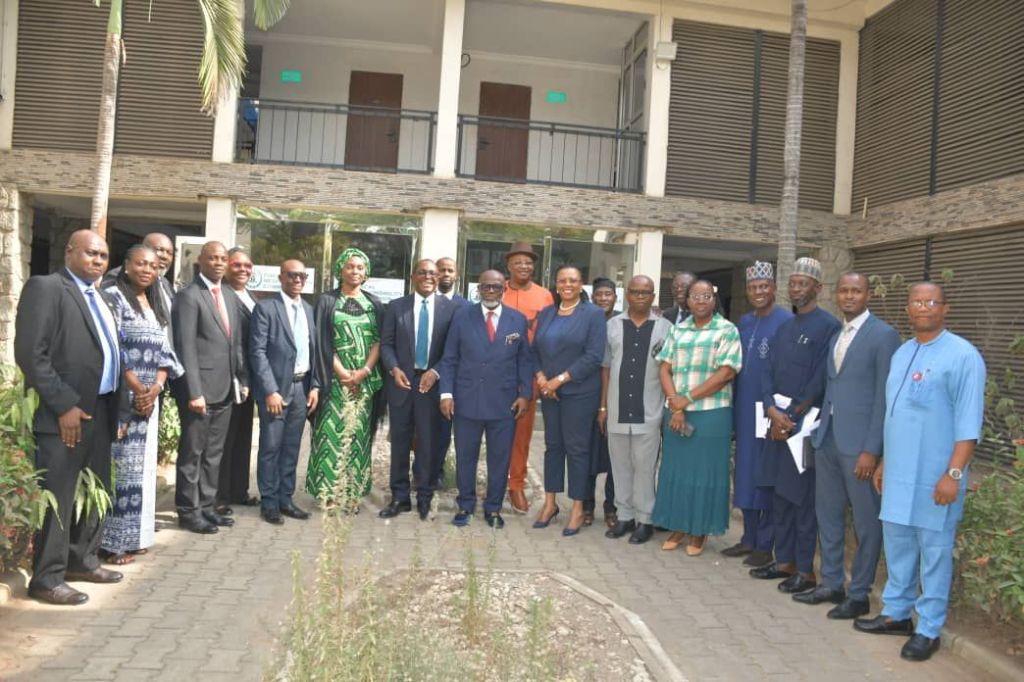
Mr. Muruako gave the commendation during a courtesy visit by the Managing Director/Chief Executive of the NDIC, Mr. Sunday Oludare Thompson, who led members of the Corporation’s newly appointed management team to the headquarters of the Commission.
Describing the NDIC as one of the most compliant government-owned institutions, the FRC Chairman said the Corporation has set a benchmark for fiscal responsibility and accountability among public agencies.
According to him, records available to the Commission show that NDIC has consistently fulfilled its statutory obligation on operating surplus remittance. “If there is any agency that deserves to be recognised for strict compliance with the Fiscal Responsibility Act in terms of remitting operating surplus to the Consolidated Revenue Fund, NDIC would come first,” Mr. Muruako stated.
He urged the Central Bank of Nigeria (CBN) and other government-owned enterprises to emulate NDIC’s operational model, particularly its commitment to transparency and timely remittance of operating surplus, noting that such practices are critical to strengthening public finance management and national fiscal sustainability.
The NDIC is a statutory financial safety-net institution established to protect depositors, guarantee bank deposits, supervise insured financial institutions, and contribute to the overall stability of Nigeria’s financial system.
Although it is a self-funded agency, generating revenue mainly from premiums paid by insured institutions and investment income, the Corporation remains a public institution listed in the Schedule to the Fiscal Responsibility Act, 2007, and is therefore fully subject to the provisions of the Act. Sections 21 to 23 of the Fiscal Responsibility Act require government-owned corporations and agencies to remit a prescribed percentage of their operating surplus to the Consolidated Revenue Fund.
While the NDIC initially complied with the requirement to remit 80 per cent of its operating surplus, subsequent amendments through various Finance Acts and Finance Circulars have refined the framework to reflect the unique structure of self-funded regulatory agencies. Under the most recent amendment contained in Finance Circular No. FMFCME/OTHERS/IGR/CRF/21/2023 dated 28 December 2023, the NDIC is required to remit 80 per cent of 50 per cent of its Gross Internally Generated Revenue (IGR) to the Consolidated Revenue Fund.
In his remarks, the Managing Director/Chief Executive of the NDIC, Mr. Sunday Oludare Thompson, described the visit as a strategic stakeholder engagement, stressing that the Fiscal Responsibility Commission is one of the key institutions with which the Corporation considers it essential to maintain a strong working relationship.
He noted that both institutions share complementary mandates centred on promoting transparency, accountability, and public confidence in the management of public funds.
Mr. Thompson reaffirmed NDIC’s commitment to full compliance with all fiscal and regulatory obligations, as well as its resolve to continue building and sustaining its insurance funds in line with its statutory mandate.
He further pledged to strengthen collaboration with the Fiscal Responsibility Commission in the collective pursuit of sound financial governance and sustainable public finance management.
The Revenue Mobilisation Allocation and Fiscal Commission (RMAFC) on Tuesday, January 20, 2026, held a retirement send-forth ceremony in honour of the Director, Chairman’s Office, Mr. Paul Adefusi, celebrating his decades of meritorious service and invaluable contributions to the Commission.
The event, which took place at the Old Boardroom of the Commission’s headquarters, drew management and staff members who gathered to pay tribute to a career widely described as exemplary and impactful.
Speaking at the ceremony, the Honourable Chairman of RMAFC, Dr. Mohammed Bello Shehu, OFR, described Mr. Adefusi as an intellectual, disciplined officer and a consummate professional whose contributions would leave a lasting imprint on the Commission.
Middle: RMAFC Chairman, Dr. Mohammed Bello Shehu OFR; 1st L: Mr Paul Adefusi, Retired Director, Chairman Office; 1st R:Mrs Priscilla Subair Director Customs Revenue Department during the send forth ceremony
He praised his humility, dedication to duty, and ethical conduct, noting that these qualities significantly contributed to the institutional growth and effectiveness of RMAFC.
Dr. Shehu encouraged the retiring Director to explore new opportunities in consultancy, training, and advisory services, stressing that retirement should be seen as a transition into another phase of service rather than an end to active engagement.
Earlier, in opening remarks delivered on behalf of the Secretary to the Commission, Engr. Joseph Okechukwu Nwaze, the Director of Fiscal Efficiency Department, Dr. Tanimu Adamu Aliyu, described Mr. Adefusi as a quiet achiever whose integrity, loyalty, and commitment to excellence strengthened the operations of the Chairman’s Office and the Commission as a whole.
Goodwill messages followed from Directors of Customs Services, Gas Investments, Solid Minerals, and other senior officials of the Commission.
They spoke glowingly of Mr. Adefusi’s intelligence, sincerity, and calm leadership style, describing him as a dependable colleague, a listening leader, and a man whose professional legacy would endure within RMAFC.
Responding, Mr. Adefusi expressed profound gratitude to the leadership, management, and staff of the Commission for the cooperation and support he enjoyed throughout his career.
He described his years at RMAFC as fulfilling and rewarding, and pledged to remain an ambassador of the values of integrity, professionalism, and selfless service that defined his public service journey.
The ceremony marked a fitting tribute to a distinguished public servant whose legacy remains firmly etched in the history of the Revenue Mobilisation Allocation and Fiscal Commission
(Inset): Mr. Adefusi and Staff of the Chairman Office
Sustained military operations under Operation Whirl Stroke (OPWS) have significantly restored peace and stability across troubled communities in Benue State, leading to the gradual return of displaced families to their ancestral homes.
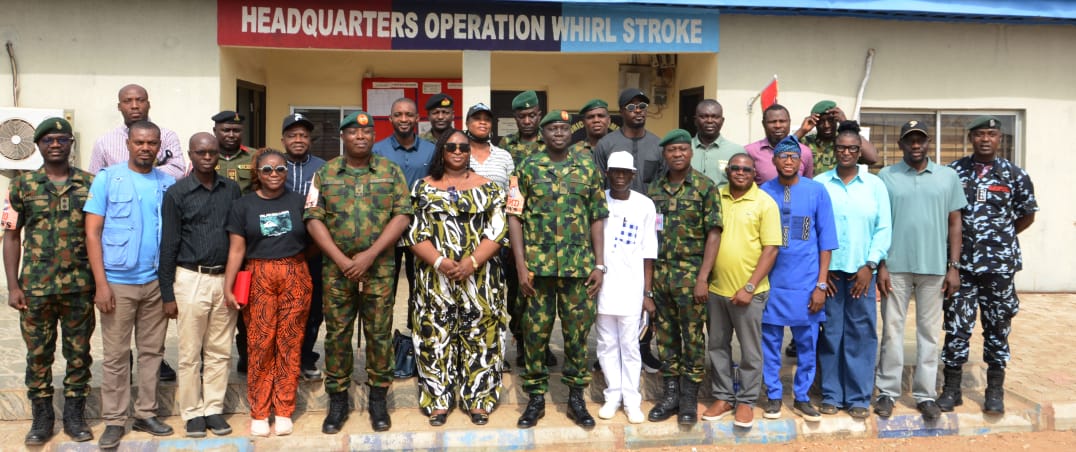
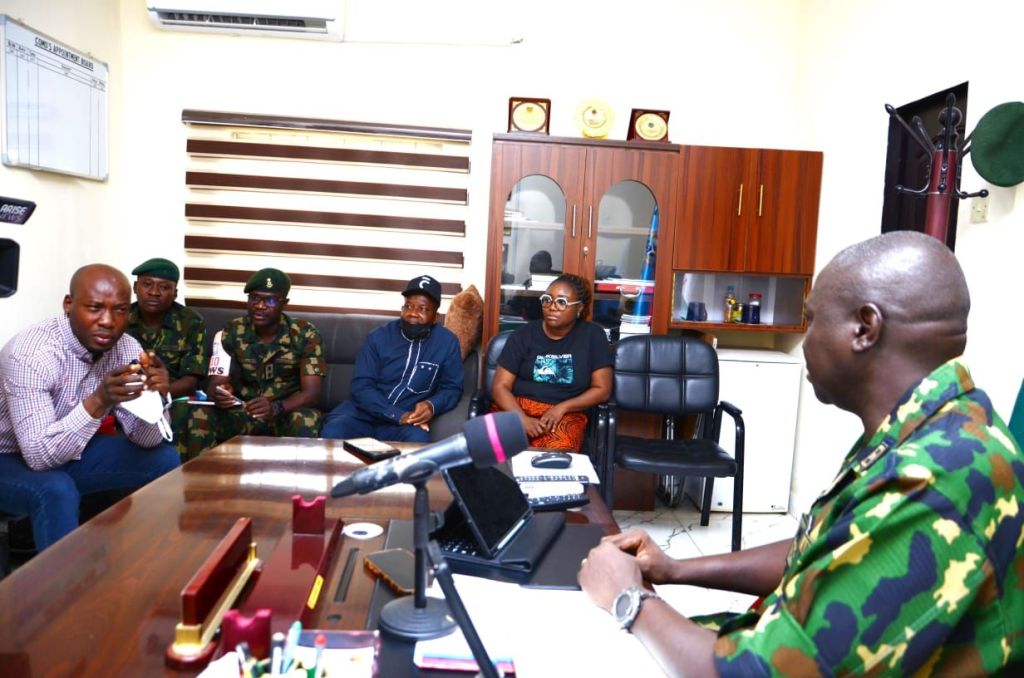
This development was disclosed by the Commanding Officer, COAS Intervention Battalion XI, Lieutenant Colonel Donatus Otobo, while hosting Defence Correspondents during an operational media tour to the headquarters of Operation Whirl Stroke in Makurdi.
Lieutenant Colonel Otobo revealed that in the past one year alone, troops of Operation Whirl Stroke conducted over 1,900 coordinated operations, resulting in the rescue of numerous kidnapped victims, neutralisation of criminal elements, and the disruption of armed groups responsible for communal violence, banditry and cattle rustling across Benue and adjoining states.
According to him, the sustained presence of troops has created a conducive security environment that is already encouraging internally displaced persons (IDPs) to return home. “The relocation of displaced families to their ancestral homes has gained momentum following sustained military operations that restored peace and tranquillity in the area,” Otobo said.
He clarified that Operation Whirl Stroke was not established to replace the Nigeria Police or other civil law enforcement agencies, but to provide military aid to civil authorities in line with constitutional provisions. “We are here to support. Where primary law enforcement agencies are overwhelmed or criminal strongholds exist, we move in with additional manpower and resources to neutralise the threat,” he explained.
The senior officer noted that communities such as Guma, Tatio, Upeam and Daudu have witnessed remarkable security improvements, allowing residents to begin returning after years of displacement.
However, he admitted that challenges such as poor transportation infrastructure, limited access to farmlands, and lingering mistrust among communities continue to slow full resettlement.
Otobo disclosed that despite the military’s success in denying criminal elements freedom of action, the cycle of violence between herders and farming communities remains a major concern. “Herders have lost cattle, locals have lost lives and farms. Everyone believes they have a grievance. At this point, there must be engagement to draw the line and stop the killings,” he said.
He stressed the need for inclusive dialogue, community-based committees, and active involvement of civil authorities to consolidate peace, noting that the military alone cannot be everywhere at once.
The Commander expressed concern over the proliferation of illegal weapons, disclosing that intelligence reports have uncovered the existence of community armouries, where weapons are collectively procured under the guise of self-defence but later used for criminal activities. “Some communities contribute money to acquire arms. These weapons are now being used for crimes and even sold to other criminal groups,” he revealed.
Otobo attributed the complexity of insecurity in Benue largely to an entrenched narrative of distrust the belief that certain groups are deliberately seeking to dispossess indigenous communities of their land. “This narrative has permeated society and made peace difficult. Even when we recover illegal weapons or rescue victims, it is misinterpreted as disarming locals and exposing them to attacks,” he said.
He contrasted the situation with neighbouring states such as Taraba and Nasarawa, where functional conflict-resolution mechanisms, swift arrests, and decisive state action have helped contain violence.
While reaffirming the Army’s readiness to confront hardened criminals, Otobo emphasized that non-kinetic measures including dialogue, stakeholder engagement and reconciliation remain critical to sustainable peace. “History has shown that conflicts are eventually resolved when people sit down and talk. These are our citizens, and we must be measured in our approach,” he stated.
He acknowledged resistance from individuals who benefit from criminality but insisted that dialogue remains the most effective long-term solution.
Otobo assured that troops of Operation Whirl Stroke remain fully deployed and continue to dominate flashpoints across Benue, adding that commanders regularly conduct on-ground assessments to monitor progress.
He disclosed that herders in some areas have already expressed willingness to engage in dialogue, a development he attributed to the military’s sustained pressure on criminal networks. “The return of IDPs is one of the core indicators of our performance. When people go back to their communities and resume their livelihoods, then we know we are succeeding,” he said.
The Army officer called on state and local governments to build on the security gains, strengthen law enforcement, improve infrastructure, and accelerate reconciliation efforts to allow troops to redeploy to other troubled areas.
Besides life in itself, good health, shelter, and safety, a key phenomenon of a developed society is the presence of peace and tranquility. In view of the above, modern societies spare no expense in maintaining peace. Unfortunately, despite the huge expense to maintain peace, it is sometimes taken for granted by those who have not witnessed unrest and rancour. In Nigeria, one of the major break to peace was during the 1967 civil war seven years after it’s independence.
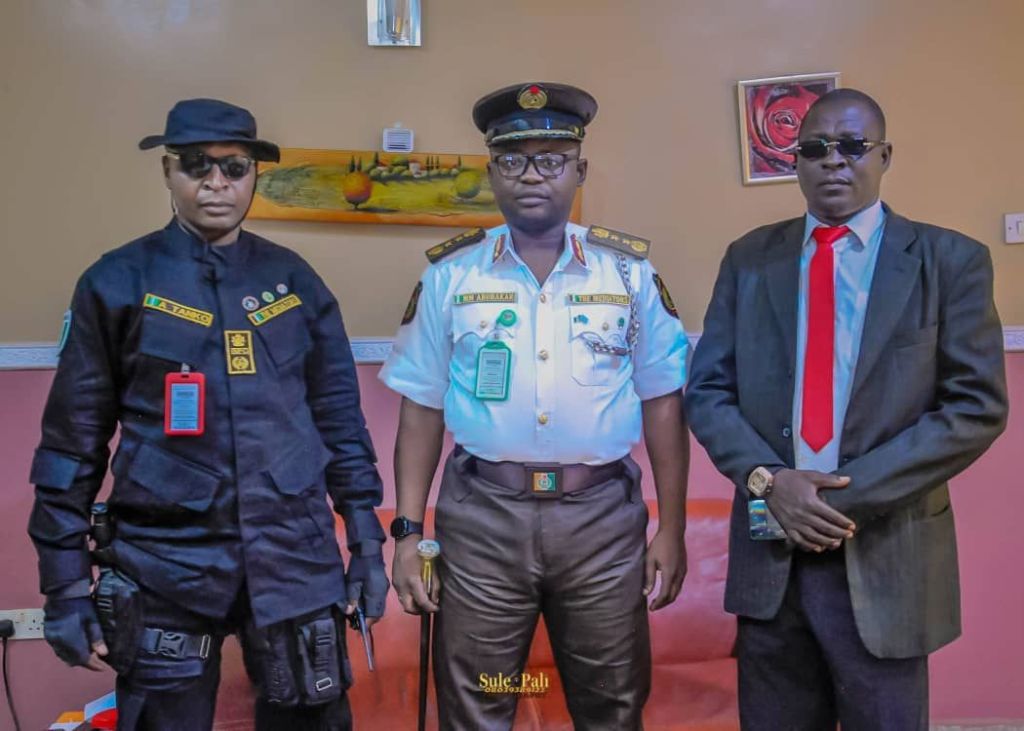
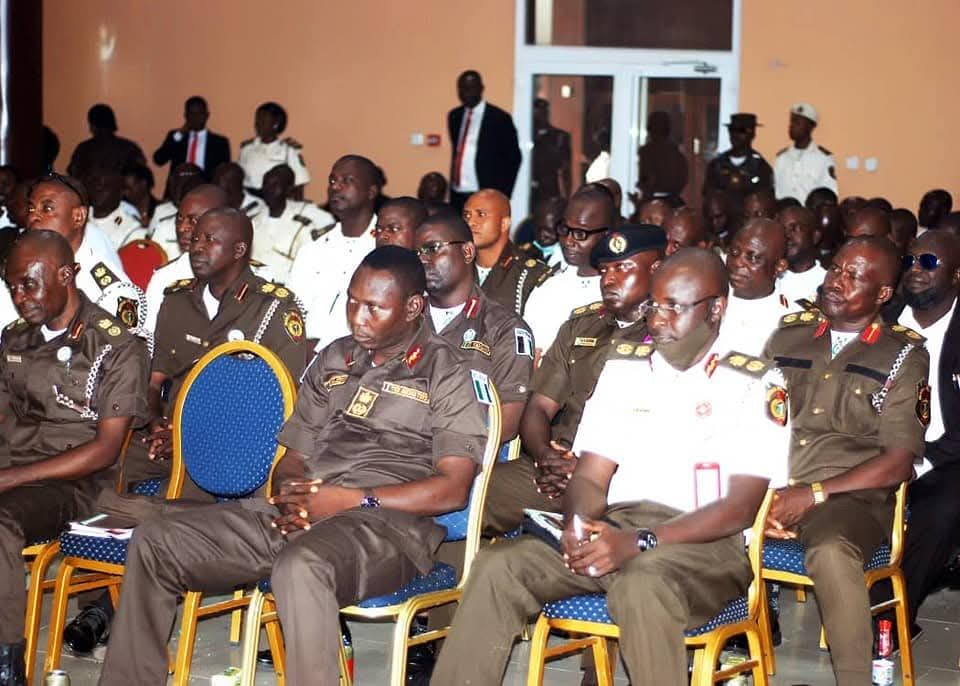
Over the years, the war has often been a reference to Nigerians of all strata and demographics on the unquantifiable value of peace, kindness to fellow humans, devoid of ethnic, religious, racial or social considerations. To further drive home the message of peace, the 8th National Assembly established the Nigeria Peace Corps, a non-security, uniformed peace advocacy outfit. The Corps as part of it’s activities to propagate peaceful coexistence over the years, the Corps has established close ties with global bodies such as the United Nations, the United Nations Children’s Fund, UNICEF and a myriad of international and local Non- governmental organizations. With over 40,000 officers and corpers spread across the country and intervening in disputes among 550 ethnic communities, the Corps engages in civic activities such peace mediation and de-escalation of crisis situations, prevention of child labour, examination malpractice and environmental hygiene under the godly principle of loving one’s neighbour as one’s self, forgiveness, kindness, patience, restraint in the midst of provocation and patriotism. These ideals have been promoted based on the distinct leaning of the leadership of the corps under the leadership of its National Commandant, Dr Mustapha Mohammed Abubakar, FICMC the Commandant General Nigerian Peace Corps.
Dr Mustapha Mohammed, a Chartered Mediator, Conciliator and Security Intelligence professional as well as a Peace Advocate for Good Governance, has continued to record remarkable achievements in youth development, peace building and community service across the country. Since assuming office, Dr Abubakar has repositioned and reinvigorated the Corps as a veritable platform for instilling discipline, patriotism and leadership skills among Nigerian youths. Through structured training programmes which Mediation and Alternative Dispute Resolution and Intelligence Information Gathering is critical, the organisation has empowered thousands of young people with values of national unity, civic responsibility and respect for constituted authority.
A major milestone under the leadership of Dr Mohammed is the expansion of the Corps’ peace and security sensitisation initiatives, which have helped promote peaceful coexistence in communities, especially in conflict-prone areas. The Nigerian Peace Corps has also partnered with security agencies, schools and community leaders to curb social vices and encourage constructive youth engagement. Dr Abubakar has equally championed humanitarian and social intervention programmes, with Corps members actively involved in community sanitation, disaster response, public enlightenment campaigns and support for vulnerable groups. These efforts have earned the organisation commendations from traditional rulers, civil society groups and stakeholders nationwide.
Under Dr Mustapha Mohammed, the corps in the area of institutional development, has strengthened administrative structures, improved training standards and expanded the Corps’ presence across 37 states and all Local Government Areas in the country, enhancing coordination and grassroots impact. The corps’ efforts has attracted accolades from observers who say the strides recorded by the Nigerian Peace Corps under Dr. Mustapha Muhammed Abubakar underscore his commitment to President Bola Tinubu’s administration’s Renewed Hope Agenda on youth empowerment, peace building, togetherness and national development, positioning the organisation as a key contributor to Nigeria’s quest for unity, security and sustainable progress. Indeed the Dr Mustapha Mohammed led Nigerian Peace Corps cannot be mistaken for other organizations as it stands unique in it’s approach and contribution to national growth, progress and development in peace and prosperity.
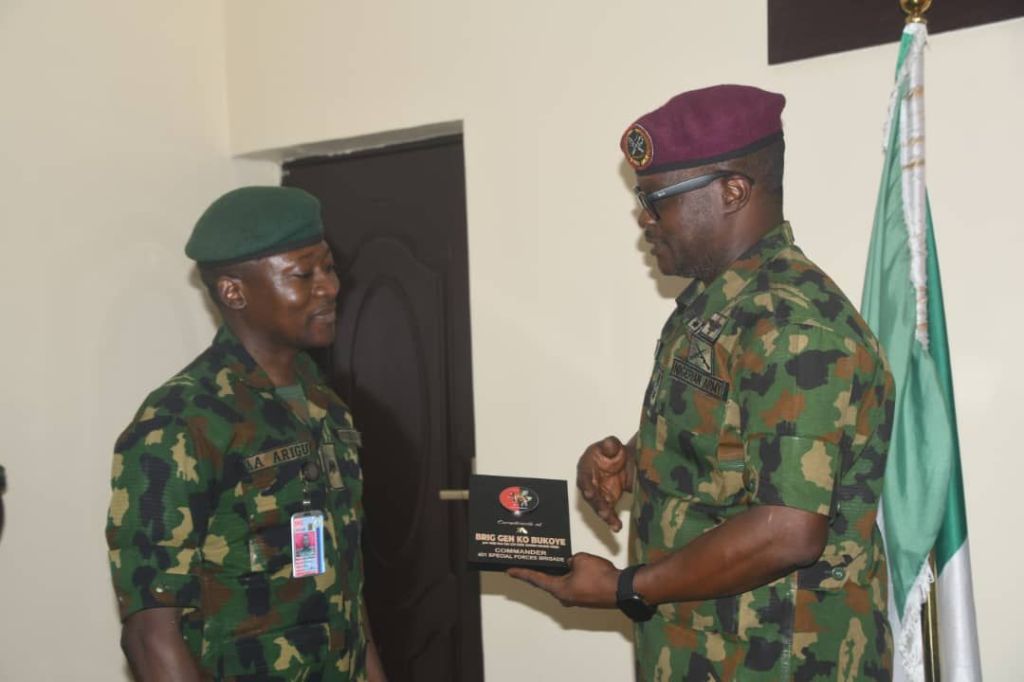
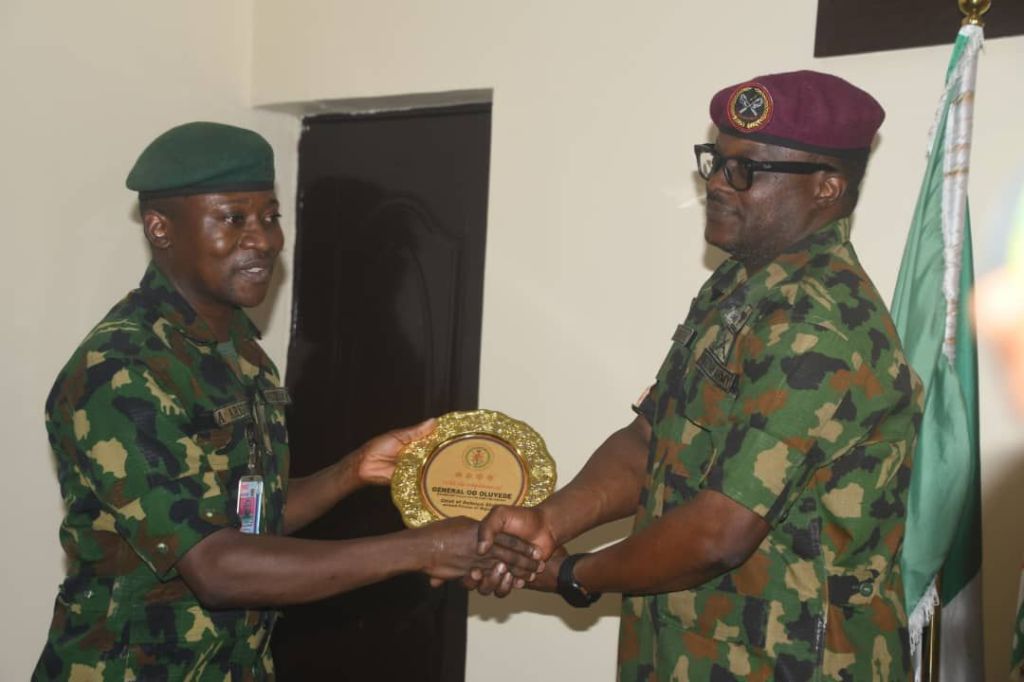
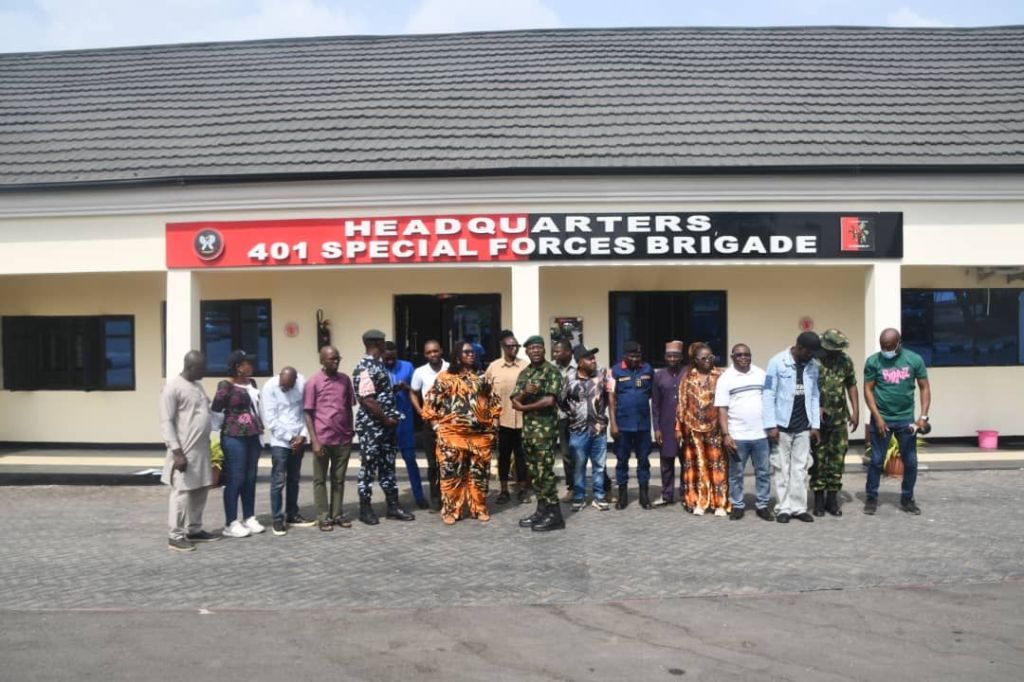
The Commander, 401 Special Forces Brigade, Brigadier General Kolawole Oyebanji Bukoye, has disclosed that troops under Operation WHIRL STROKE (OPWS) rescued 657 kidnapped victims, neutralised 124 bandits and other criminal elements, and facilitated the return of over 60,000 internally displaced persons (IDPs) to their ancestral homes since January 2025.
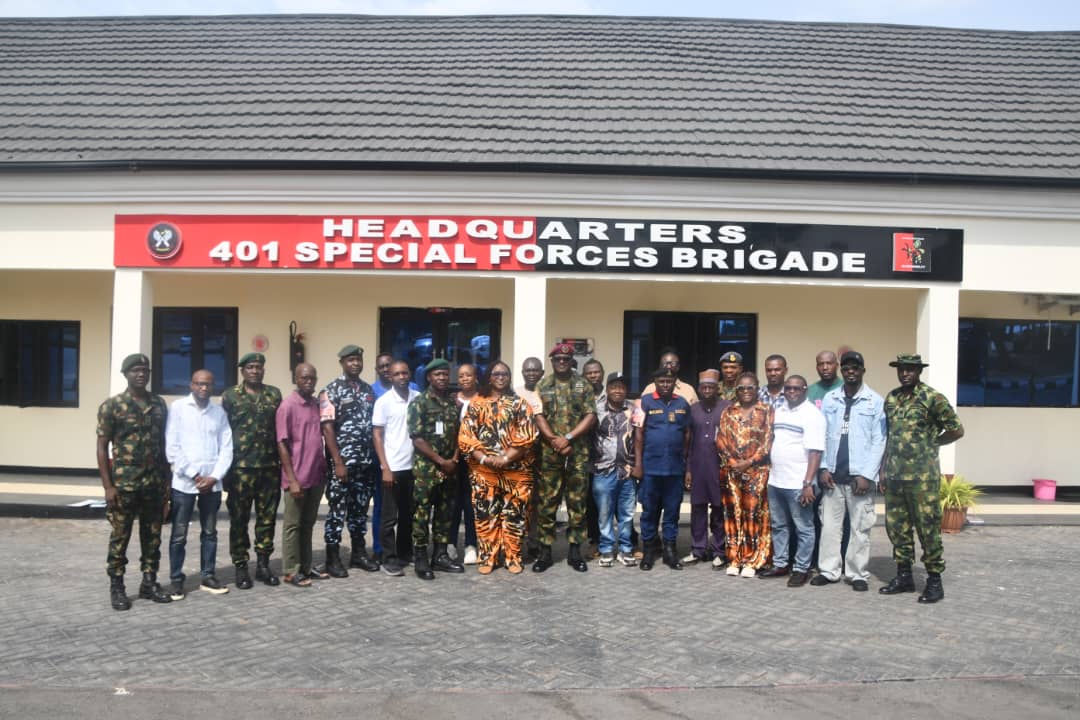
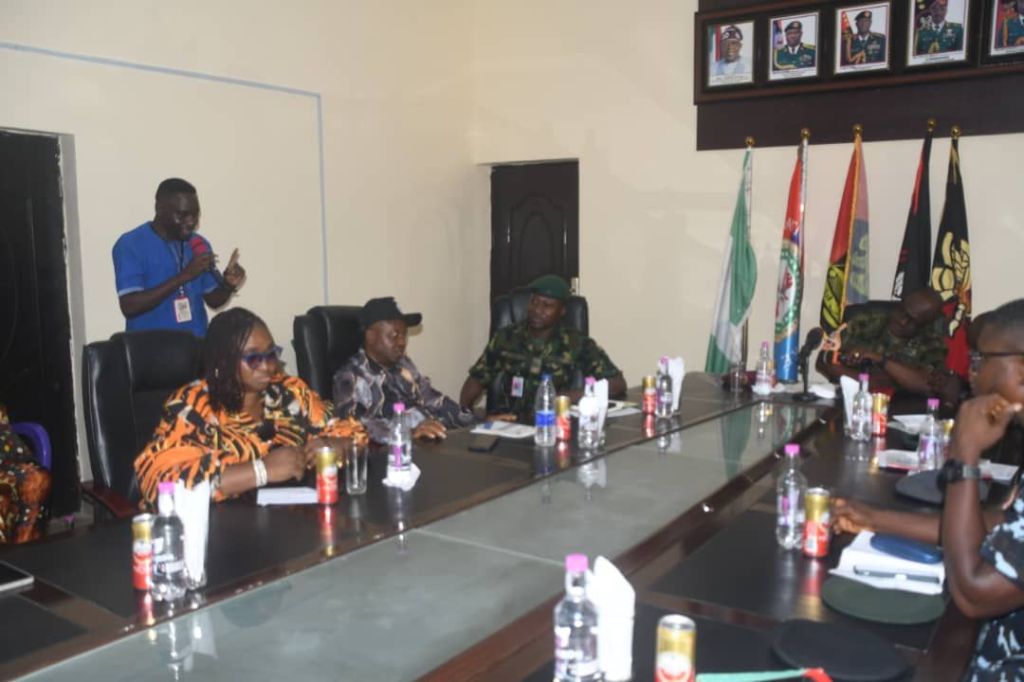
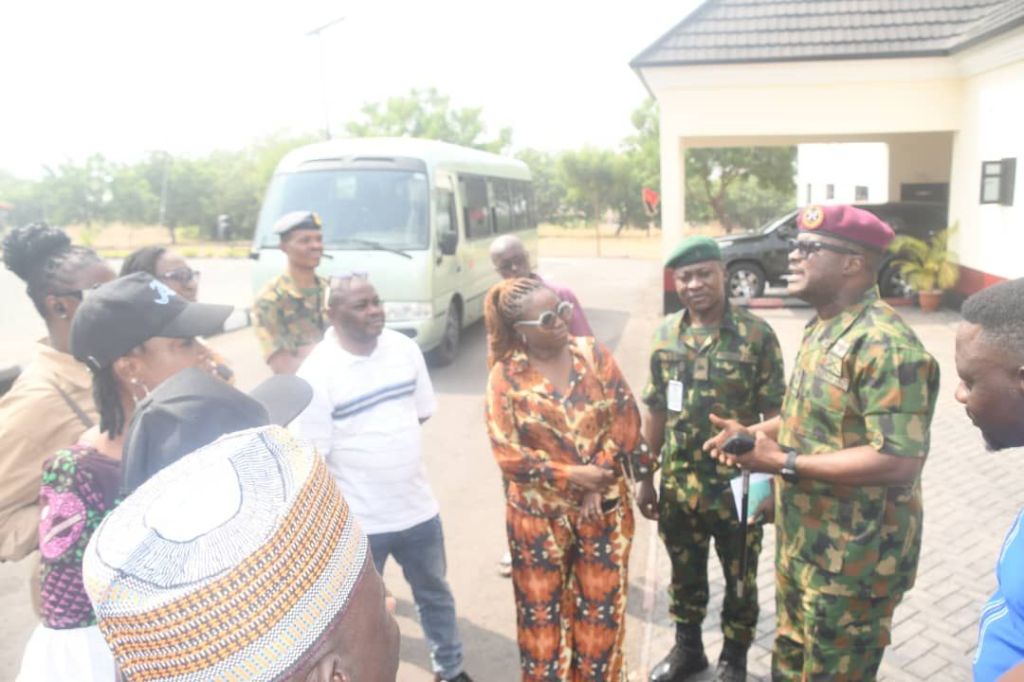
The disclosure was made during a Defence Correspondents’ media tour from Abuja to the Operation WHIRL STROKE Headquarters in Makurdi, where journalists covering the defence beat were taken through the operational achievements, security challenges and ongoing strategies across parts of Benue, Nasarawa, Taraba and Kogi states.
The Commander, 401 Special Forces Brigade, Brigadier General Kolawole Oyebanji Bukoye, briefing Defense Correspondents
Briefing the correspondents, General Bukoye said troops operating across the Joint Operations Area recorded major successes, including the recovery of 2,465 rustled cattle, which were returned to their owners, and the arrest of 38 suspected gunrunners, alongside the destruction of illegal gun-fabrication facilities.
He also confirmed the recovery of 98 assorted weapons and 6,364 rounds of ammunition of different calibres, as well as quantities of illicit drugs suspected to be Cannabis sativa and other prohibited substances. Troops also successfully rescued Mr. Itay, an Israeli expatriate working with SCC Nigeria Limited, who was abducted along the Kufai–Ahmadu–Wukari road in Takum Local Government Area of Taraba State.
According to the briefing, sustained military pressure under OPWS has enabled the return of over 60,000 displaced persons to their ancestral homes and farmlands. Recently resettled communities include Agbatse and Abande in Kwande Local Government Area, as well as Aiyla, Ochulokpa, Akaida, Eba, Maikudi, Aku, Okokolo and Ochalanya in Agatu Local Government Area of Benue State, among others.
As part of its civil-military cooperation initiatives, OPWS also distributed 2,800 bags of 50kg fertiliser to farmers to boost food production and strengthen trust between troops and host communities.
He described the security situation within the Joint Operations Area as relatively calm but fluid, noting persistent threats from banditry, kidnapping for ransom, armed herder-farmer clashes, illegal arms proliferation and communal reprisals.
He further disclosed that 114 attacks were recorded within the OPWS area of responsibility in the last 12 months, with Sector 1 and Sector 3 recording the highest number of incidents. A total of 10 military casualties were recorded during the period, including the killing of three soldiers in an ambush in December 2025.
General Bukoye said OPWS conducted 1,936 kinetic operations in 2025 alone, including fighting patrols, raids, clearance operations and escort duties, leading to the destruction of criminal camps and disruption of major criminal networks. Beyond kinetic actions, OPWS has intensified non-kinetic operations, including peace and reconciliation meetings involving Tiv, Fulani, Opatani, Omangede communities and the Miyetti Allah Cattle Breeders Association of Nigeria (MACBAN), as well as engagements with traditional rulers, religious leaders and civil society groups.
The Military reaffirmed its commitment to sustaining offensive operations, intensifying rural patrols, enhancing intelligence-led missions and deepening collaboration with civil authorities to consolidate gains and restore lasting peace across the North-Central region.
General Bukoye stressed that continued cooperation from host communities and stakeholders remains critical to ending criminality and ensuring the full restoration of socio-economic activities in the affected areas.

 Africa Security Investigation News