Funab President/CEO Ajia Congratulates Aliagan on his election as NGIJ President

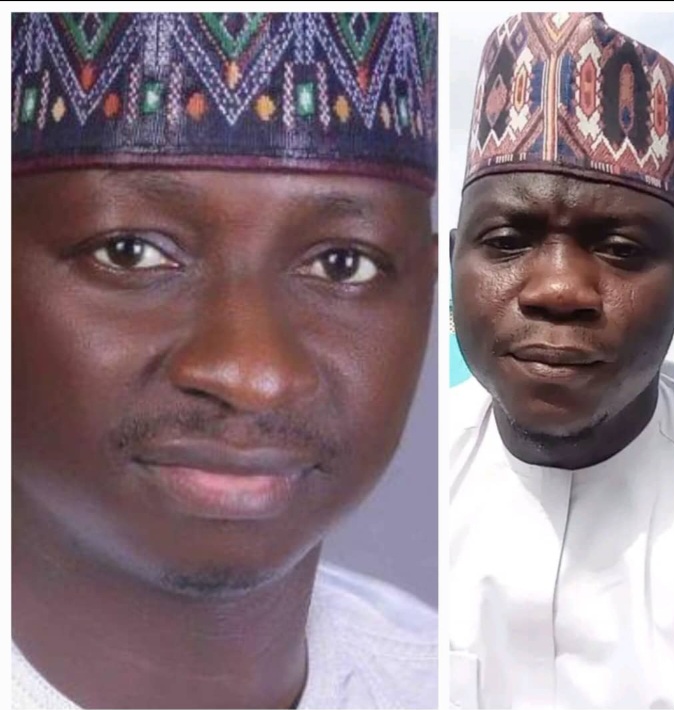
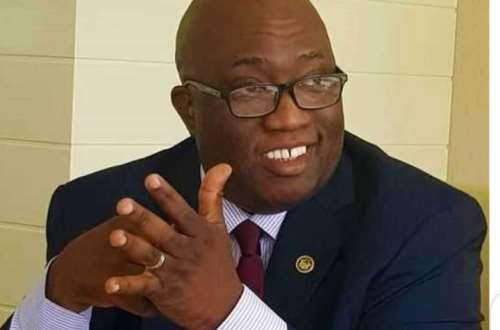
The President/CEO of Funab Group of Companies Ltd, Alhaji Ibrahim Mohammed Ajia has congratulated the Kwara-born Investigative Journalist, Abdulrahman Aliagan on his election as the President of Nigerian Guild of Investigative Journalists (NGIJ) in a keenly contested election on Saturday.

Ajia, in a statement released, Sunday, Ajia extended a heartfelt congratulations to Malam Abdulrahman Aliagan on his resounding victory as the President of The Guild.

Aliagan, the Director of Communications to Alhaji Ibrahim Mohammed Ajia, emerged victorious during the virtual election on Saturday, August 3, 2024. He secured an impressive 57 per cent of the total votes cast, defeating his contender Bolaji Israel, who garnered 43 per cent.

Ajia expressed confidence in Aliagan’s leadership, praising his exemplary qualities and track record of excellence. “The Funab Group of Companies Ltd fully supports Aliagan and the newly elected executive members as they take on their responsibilities in the NGIJ.”

The statement emphasized the importance of Aliagan’s election and highlighted the expected positive impact he and his team will have on the guild and the journalism profession.

According to the statement, “The Funab Group of Companies Ltd. looks forward to a renewed sense of commitment and purpose in the management of the affairs of the NGIJ.”

Ajia added that this new feat is a testament to the recognition and support extended by the business community to the journalism profession, given the important role they play in the society.

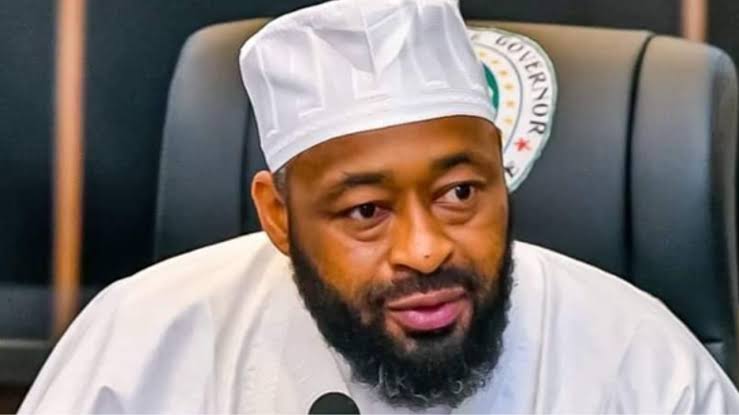
The Positive Implications of Governor Umar Bago’s Scholarship Initiative in Niger State towards Achieving SDG 4

The commitment towards inclusive and quality education for all, as encapsulated in Sustainable Development Goal 4 (SDG 4), is fundamental to the progression of any society. In light of this, the recent development within Niger State, where Governor Umar Bago has awarded scholarships to 1,530 final year secondary school students, marks a pivotal stride in bolstering the educational landscape of the state.

Governor Umar Bago’s educational policy demonstrates an acknowledgement of the dire need to boost education within the state. By directly alleviating financial burdens from the shoulders of students’ families, the scholarship initiative permits 1,530 individuals to focus more intently on their academic pursuits without the fear of pecuniary obstacles.

The provision of scholarships to students in Niger State is a robust countermeasure against the financial barriers that often deter or entirely halt the educational endeavors of young aspirants. With nearly 10.5 million children out of school in Nigeria, according to UNICEF “https://www.unicef.org/nigeria/education”, any alleviation of scholastic costs is a welcome development. By extending educational opportunities through fiscal support, the state encourages the continuity of academic input and reduces dropout rates.

Governor Umar Bago’s scholarship scheme is inclusive of women, promoting gender equality – a secondary but equally important component of SDG 4. Research has illustrated that supporting girls’ education can lead to a cascade of benefits, including delayed marriage, reduced fertility rates, and increased socio-economic advancement. A scholarship allocation to female students signifies a stride towards generic empowerment and advocacy for equal educational access.

Enhancement of Educational Quality:
“Quality education” implies a certain standard of learning is being upheld and improved over time. Scholarships provide resources that can facilitate access to better educational materials, technology, and extracurricular programs. This supports the UNESCO’s framing of quality education, which stresses the importance of proficient teachers, adequate resources, and safe learning environments. As more students gain uninterrupted access to these fundamental requirements through financial aid, educational quality within Niger State is poised for advancement.

The scholarships are
not only for the academically meritorious but also for the economically disadvantaged and those from marginalized communities. Analytical researches highlights that educational grants play a significant role in levelling the playing field and enabling those from less privileged backgrounds to attain academic success. Hence, this policy is an exemplar of the social inclusivity ethos propounded by the SDGs.

Governor Bago’s initiative will have a substantial long-term economic impact on the state. some people argues that education is a cornerstone of economic development. As more individuals complete secondary education, the state increases its cohort of prospective professionals, potentially attracting investment and fostering innovation. In the words of economic theorists, human capital development is the sine qua non for economic expansion – a principle that reverberates through the corridors of this scholarship program.

Governor Umar Bago’s decision to award scholarships to final year secondary school students in Niger State presents not merely a commendable gesture of political will, but an essential move towards actualizing the holistic vision introduced by SDG 4. The initiative reflects a multi-dimensional impact: vanquishing economic obstructions, elevating educational quality, ensuring gender parity in educational access, assisting marginalized groups, and fuelling long-term economic fortitude. With this scholarship scheme, Governor Bago has set a precedent for other states to emulate, paving the way for a nationally orchestrated crusade towards the realization of quality education for all. Should this momentum be sustained and the initiative broadened, one may envisage the emergence of a Niger State where every child, irrespective of their background, has the power to wield education as the key to unlocking a future brimming with promise and potential.

Written by Emmanuel Huleji Daudu,
+234 9036683775
daudupress@gmail.com

Sponsored by World Sustainable Development Goals Organization, worldsdgs.org, info@worldsdgs.org

Features: The Impact of the 3.5 Billion Naira Agricultural Development Fund on Youth Engagement and Socio-economic Fortification in Niger State

By Emmanuel Huleji Daudu

The recent initiative by Governor Umar Bago of Niger State establishing a 3.5 billion naira Agricultural Development Fund represents an ambitious investment in the agricultural sector, aiming to bolster economic growth and tackle the rampant issue of youth unemployment in the state. Agriculture has long been the backbone of Nigerian economic stability; however, outdated practices and limited investment have hobbled its potential. This Agricultural Development Fund will significantly contribute to engaging youth, addressing economic challenges, and enhancing social resilience within the state. The ensuing arguments delve into the multifaceted ways in which this fund is pivotal to transforming and revitalising Niger State’s agrarian economy.

A significant consequence of economic downturns is the soaring rates of youth unemployment, which pose a latent threat to national stability. By investing in agriculture, Governor Bago is tapping into a sector with enormous potential to absorb a large proportion of young labour. The Fund will offer young Nigerians in the state access to capital, training, and necessary resources, which can incentivise entrepreneurship in farming and associated industries.Initiatives that target the modernisation and commercialisation of agriculture appeal to younger demographics, reframing farming as a viable career path.

The oil-reliant Nigerian economy has faced considerable fluctuations and vulnerability to global oil prices. By channeling funds towards agriculture, the state government is fostering diversification and safeguarding against volatile external markets. The Agricultural Development Fund will stimulate growth in various sub-sectors and create ancillary industries, contributing to a more robust economy. Diversification into agriculture is recognised to have a long-term stabilising effect on the economy.

Social essence in a state is shaped by the collective welfare of its populace. Investment in agriculture can enhance food security, reduce poverty, and improve social indicators, therefore strengthening community resilience. The Fund will catalyse rural development, reducing rural-urban migration and the subsequent strain on urban infrastructure.

Incorporating sustainable agricultural practices through the use of the fund will address ecological concerns while establishing a precedent for other states. The promotion of modern farming methods can aid in reversing land degradation and conserving water resources. Sustainable farming is linked to long-term productive capacity.

The 3.5 billion naira Agricultural Development Fund introduced by the Niger State governor, Umar Bago, possesses the transformative capacity to engage youth, revitalise the economy, and fortify the state’s socio-economic construct. By incentivising young individuals to enter the agricultural sector, the government is leveraging untapped human capital while crafting a stable economic trajectory that diversifies from the over-dependence on oil. Enhanced food security and poverty reduction efforts are pivotal social benefits derived from such investment. Instituting sustainable practices also ensures environmental stewardship and long-term viability. However, this innovative venture stands as a potent blueprint for economic and social development in Niger State, with the potential to be replicated across the nation.

Also, he took a commendable step in boosting the agricultural productivity of the state with the procurement of 300 tractors, which were distributed across various farming communities. Given the agrarian nature of Niger State, such an initiative is poised to have a substantial impact on the state’s agriculture sector. Analytically speaking, the significance of this move by Governor Bago can be assessed in terms of increased agricultural output, improved efficiency, bolstering the local economy, enhancing food security, and fostering sustainable farming practices.

The introduction of mechanized farming through the distribution of tractors is bound to significantly increase the agricultural output of Niger State. Traditional farming methods, which rely on manual labour, are notoriously inefficient and cannot compare to the productivity achieved through mechanization. According to a report published by the Food and Agriculture Organization (FAO), the use of tractors and other machinery can lead to an increase in crop production by 30% to 50% (FAO, 2017). This statistic is particularly relevant to Niger State, which predominantly engages in agriculture.

Mechanization leads to more efficient farm operations, as it allows for timely sowing, planting, and harvesting. It reduces the drudgery associated with manual labour and can complete tasks that would take much longer if done by hand. This efficiency not only benefits the farmers but also stimulates a ripple effect on the overall supply chain of agricultural products. The World Bank’s research underscores the benefit of mechanization, stating that it plays a crucial role in improving agricultural productivity.

Governor Bago’s tractor initiative stands to invigorate the local economy of Niger State. By increasing efficiency and productivity, it enables farmers to produce surplus crops that can be sold in markets. This economic activity stimulates the state’s economy by increasing the income of farmers and creating new opportunities for agricultural entrepreneurship. The procurement of tractors could also potentially create new jobs, such as machine operators, technicians, and individuals involved in the supply of spare part.

Food security is a critical issue in many parts of Nigeria, including Niger State. By boosting the state’s agricultural capacity, Governor Bago’s tractor scheme directly contributes to an increased food supply. A more abundant production of crops consequently leads to more stable food prices and greater accessibility to food. The United Nations establishes that food security is not only about food production but also accessibility and affordability.

The distribution of tractors can also promote sustainable agricultural practices. While mechanization often raises concerns about environmental impact, modern farming techniques that are facilitated by such equipment can actually lead to more sustainable farming when managed correctly. Tractors aid precision farming – benefiting land health – and ensure that the agricultural practices of Niger State can be better managed to reduce wastage and improve soil conservation.

The analytical assessment of Governor Umar Bago of Niger State’s decision to purchase and distribute 300 tractors across the state reveals a substantial positive impact on the agricultural sector. The initiative promotes increased agricultural output, enhances efficiency, fosters economic growth and job creation, improves food security, and encourages sustainable farming practices. Recognising the importance of such developments, it is essential that these initiatives are supported with the right policies and interventions to maximise their benefits for the state’s future and the well-being of its citizens.

Written by Emmanuel Huleji Daudu,
daudupress@gmail.com
+234 9036693775

Sponsored by World Sustainable Development Goals Organization, worldsdgs.org, info@worldsdgs.org

World Sustainable Development Goals Organization-Nigeria lauds Umar Bago over construction of IBB University Teaching Hospital

Gloria Yakubu

World Sustainable Development Goals Organization, Nigeria has commended the Niger State Executive Governor, His Excellency Umar Bago over the construction of the Ibrahim Badamasi Babangida University Teaching Hospital in Minna, says it would help in the implementation of goal 3 of the SDGs which is Good Health and Well-Being.

The Country Representative, His Excellency Engr. Kolawole Rasheed Adenekan, while making the commendation during the weekend in Lagos, stated that in the undulating terrains and diverse ethno-cultural landscape of Nigeria, Niger State emerges as a significant presence in the north-central region. Integral to the well-being of its inhabitants,
“Access to quality health care is not just a necessity but a fundamental human right. With the introduction of Sustainable Development Goal 3, which promotes Good Health and Well-Being, Niger State’s requirement for a fully functional hospital aligns seamlessly with global aspirations. Governor Umar Bago’s dedication towards establishing such infrastructure in the state has been commendable and reflects a staunch commitment to the populace’s wellness.

“A hospital serves as a cornerstone of a robust health system. In Niger State, the establishment of a full-fledged hospital is not just a structural development but a beacon of hope for the citizens. The denizens confront a myriad of health challenges, including prevalent cases of malaria, tuberculosis, and a high infant mortality rate. A hospital equipped with adequate facilities, professional staffing, and medical technology is a requisite tool in combating these health adversities.

“Moreover, health education and preventive care are equally significant in circumventing the escalation of disease. A hospital in the locality can serve as a centre for such educational campaigns, potentially reducing the burden of illness and fostering a more health-conscious society.

“The establishment of the IBB University Teaching hospital in Minna, Niger State is a direct contribution to achieving SDG 3. This goal, as part of the United Nations’ sustainable development framework, asserts the imperative of ensuring healthy lives and promoting well-being for all ages. By providing local access to quality health care, the population’s life expectancy will improve, maternal health will be safeguarded, and communicable diseases can be addressed more effectively.

“The target of universal health coverage within SDG 3 underscores the need for Niger State to possess a health care facility that caters to all, regardless of socio-economic status. The absence of a proper hospital would not only impede this target but would also leave a gaping void in achieving the wider SDG framework.

“Governor Bago’s foresight in the health care realm has been demonstrated through his administration’s policies, which have prioritised the health of Niger State’s residents. This aligns with research highlighting the role of effective governance in achieving health-related SDGs.”

While appreciating Governor Bago, he charged him with persistence and resilience for a democratic dividend-driven leadership.

World Sustainable Development Goals Organization-Nigeria lauds Umar Bago over construction of IBB University Teaching Hospital

By Gloria Yakubu

World Sustainable Development Goals Organization, Nigeria has commended the Niger State Executive Governor, His Excellency Umar Bago over the construction of the Ibrahim Badamasi Babangida University Teaching Hospital in Minna, says it would help in the implementation of goal 3 of the SDGs which is Good Health and Well-Being.

The Country Representative, His Excellency Engr. Kolawole Rasheed Adenekan, while making the commendation during the weekend in Lagos, stated that in the undulating terrains and diverse ethno-cultural landscape of Nigeria, Niger State emerges as a significant presence in the north-central region. Integral to the well-being of its inhabitants,
“Access to quality health care is not just a necessity but a fundamental human right. With the introduction of Sustainable Development Goal 3, which promotes Good Health and Well-Being, Niger State’s requirement for a fully functional hospital aligns seamlessly with global aspirations. Governor Umar Bago’s dedication towards establishing such infrastructure in the state has been commendable and reflects a staunch commitment to the populace’s wellness.

“A hospital serves as a cornerstone of a robust health system. In Niger State, the establishment of a full-fledged hospital is not just a structural development but a beacon of hope for the citizens. The denizens confront a myriad of health challenges, including prevalent cases of malaria, tuberculosis, and a high infant mortality rate. A hospital equipped with adequate facilities, professional staffing, and medical technology is a requisite tool in combating these health adversities.

“Moreover, health education and preventive care are equally significant in circumventing the escalation of disease. A hospital in the locality can serve as a centre for such educational campaigns, potentially reducing the burden of illness and fostering a more health-conscious society.

“The establishment of the IBB University Teaching hospital in Minna, Niger State is a direct contribution to achieving SDG 3. This goal, as part of the United Nations’ sustainable development framework, asserts the imperative of ensuring healthy lives and promoting well-being for all ages. By providing local access to quality health care, the population’s life expectancy will improve, maternal health will be safeguarded, and communicable diseases can be addressed more effectively.

“The target of universal health coverage within SDG 3 underscores the need for Niger State to possess a health care facility that caters to all, regardless of socio-economic status. The absence of a proper hospital would not only impede this target but would also leave a gaping void in achieving the wider SDG framework.

“Governor Bago’s foresight in the health care realm has been demonstrated through his administration’s policies, which have prioritised the health of Niger State’s residents. This aligns with research highlighting the role of effective governance in achieving health-related SDGs.”

While appreciating Governor Bago, he charged him with persistence and resilience for a democratic dividend-driven leadership.

Kwara-Born Aliagan Elected NGIJ President, Pledges to Elevate Investigative Journalism in Nigeria

In a landmark victory, Malam AbdulRahman Aliagan from Kwara State has been elected as the new President of the Nigerian Guild of Investigative Journalists (NGIJ). Aliagan, who currently serves as the Group Managing Editor of Time Nigeria Magazine, TimeNigeria Online, The PrimeTimes Online and The ArtDaily Nigeria Newspaper secured 57% of the total votes cast by delegates during the virtual election held on Saturday, August 3, 2024.

Addressing the audience after his election, Aliagan expressed his immense gratitude for the trust and confidence placed in him by his fellow NGIJ members. “I am both humbled and inspired by this honor, and I promise to dedicate every ounce of my energy and passion to leading our Guild to new heights,” he said.

Aliagan, an Abuja-based Journalist who previously served as the pioneer General Secretary of the Guild, outlined his vision for the NGIJ, which includes forging new partnerships, strengthening ties with national and international organizations, and elevating the Guild to unprecedented heights.

“Together, we will promote democracy, foster good governance, and drive development not just in Nigeria, but across the African continent,” he declared.

The new President also emphasized the importance of unity within the Guild, stating, “We may have had spirited debates and different perspectives during the campaign, but now is the time for us to come together as one, indivisible Guild. Our diversity is our strength, and I pledge to work tirelessly to harness the unique talents and experiences that each of you bring to the table.”

Aliagan’s election coincides with his birthday, making it a “double celebration” for the NGIJ and the new President. “I am truly humbled and overjoyed to share this moment with all of you, my cherished colleagues and friends,” he said, as he raised a toast to the Guild and the promise of a better Nigeria.

The newly elected NGIJ executive team includes Oyewale Oyelola as Vice President 1 (Administration & Communications Strategy), Comrade James Ezema as Vice President 2 (Investigations), Rowland Shuwa as General Secretary, Gbenga Shaba as Treasurer, Ifeoma Ikem as Auditor, and Abdullahi Gulloma as Public Relations Officer.

The Chairman of the NGIJ National Electoral Committee, Olalekan Oladigbo, announced that the Aliagan-led executive will serve for a two-year term, further strengthening the Guild’s commitment to democratic processes and good governance.

AHOUN Criticizes NAHCON’s Hajj 2024 Management, Calls for Transparency and Accountability

Maryam Aminu

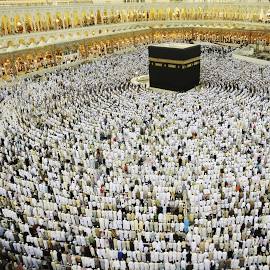
The Association of Hajj and Umrah Operators of Nigeria (AHOUN) has raised concerns following the recent World Press Conference by the National Hajj Commission of Nigeria (NAHCON).

The Association challenged NAHCON account of the recent Hajj 2024, alleging misleading statistics and a lack of transparency.

AHOUN claims that none of its members received the N90 billion subsidy approved by the government, despite promises from NAHCON.

The Association also disputes NAHCON’s narrative on the Tent ‘A’ incident, where Nigerian dignitaries were harassed and disgraced.

AHOUN accuses NAHCON of single-handedly selecting service providers without input from the Association or its members, leading to conflicts of interest and a lack of fairness.

The Association demands answers on the distribution of the N90 billion subsidy and the true circumstances surrounding the Tent ‘A’ incident.

AHOUN calls on the National Assembly to investigate NAHCON’s management of Hajj 2024 and to hold the Commission accountable for its failures.

They urged NAHCON to take responsibility for its actions and to stop blaming Tour Operators for its shortcomings.

This dispute highlights concerns about transparency and accountability in the management of Hajj operations in Nigeria, with AHOUN seeking a more inclusive and fair approach to ensure a smooth and hitch-free experience for Nigerian pilgrims.

AHOUN criticized NAHCON for presenting what they consider misleading statistics, claiming that the commission failed to address significant issues affecting the Hajj operations of 2024.

AHOUN asserts that international pilgrims did not benefit from the N90 billion subsidy intended to ease the burden of high exchange rates. Despite promises from NAHCON, none of the international pilgrims, represented by AHOUN, received any financial support from this subsidy.

AHOUN questioned the fairness of NAHCON’s distribution, pointing out that international pilgrims are also Nigerian citizens deserving of such concessions.

The association also highlighted an incident at Tent ‘A’ (VIP Tent) in Muna, where Nigerian dignitaries faced harassment and disgrace.

AHOUN accused NAHCON of deflecting responsibility and painting tour operators as the culprits. According to AHOUN, NAHCON unilaterally selected and appointed service providers for various Hajj services without consulting the association or its members.

AHOUN revealed that some tour operators had purchased Tent ‘A’ services through the official Hajj

The Association demands answers on the true circumstances surrounding the Tent ‘A’ incident.

AHOUN calls on the National Assembly to investigate NAHCON’s management of Hajj 2024 and to hold the Commission accountable for its failures.

The Association urges NAHCON to take responsibility for its actions and to stop blaming Tour Operators for its shortcomings.

This dispute highlights concerns about transparency and accountability in the management of Hajj operations in Nigeria, with AHOUN seeking a more inclusive and fair approach to ensure a smooth and hitch-free experience for Nigerian pilgrims.

Joint Task Force July Operations Yields Significant Results

Emmanuel Daudu

The Nigerian military’s Joint Task Forces have achieved substantial success in their operations across the country in July 2024.

The troops neutralized hundreds of terrorists, arrested numerous suspects, and rescued many kidnapped hostages, demonstrating the ongoing commitment to combating terrorism and enhancing security nationwide.

Major General Edward Buba, Director of Defence Media Operations disclosed that in the North East, Operation HADIN KAI troops neutralized 254 terrorists, arrested 167 suspects, and rescued 80 kidnapped hostages. The operation saw 3,976 Boko Haram and ISWAP combatants and their families surrender. “Troops recovered a significant cache of weapons and ammunition, including 106 AK47 rifles, 36 fabricated rifles, and 1,644 rounds of 7.62mm special ammunition.” He added

Major Buba further expressed that Operation SAFE HAVEN troops in the North Central region neutralized 50 terrorists and arrested 135 suspects, rescuing 80 hostages. The operation recovered 32 AK47 rifles and 773 rounds of 7.62mm special ammunition.

He noted that the efforts demonstrate a significant crackdown on violent extremism in the region.

Moreso, Operation WHIRL STROKE achieved notable results, neutralizing 24 terrorists, arresting 56 suspects, and rescuing 59 kidnapped hostages.

He disclosed that the operation recovered 4 AK47 rifles and 53 rounds of 7.62mm special ammunition.

In light of the above, the North West, Operation HADARIN DAJI troops neutralized 152 terrorists, arrested 102 suspects, and rescued 144 hostages. The troops recovered 48 AK47 rifles and a substantial amount of ammunition, including 1,462 rounds of 7.62mm special ammunition.

Major Buba expressed with delight that the Operation WHIRL PUNCH troops recorded significant successes, neutralizing 66 terrorists, arresting 76 suspects, and rescuing 97 hostages. They recovered 24 AK47 rifles and 737 rounds of 7.62mm special ammunition.

He noted that Operation DELTA SAFE troops focused on combating crude oil theft, arresting 137 individuals involved in the illicit activity. They denied oil thieves 3,650,080 liters of crude oil and destroyed 91 wooden boats and 173 illegal refining sites.

However, in the South East, Operation UDO KA troops neutralized 26 terrorists, arrested 117 suspects, and rescued 19 hostages. The operation recovered 18 AK47 rifles, 29 pump action guns, and 372 rounds of 7.62mm special ammunition.

Major Buba, praised the troops’ dedication and success, reaffirming the military’s commitment to restoring peace and security across Nigeria.

FG Inaugurates Office to Manage N110B Nigerian Youth Investment Fund

FG Inaugurates Office to Manage N110B Nigerian Youth Investment Fund

Maryam Aminu

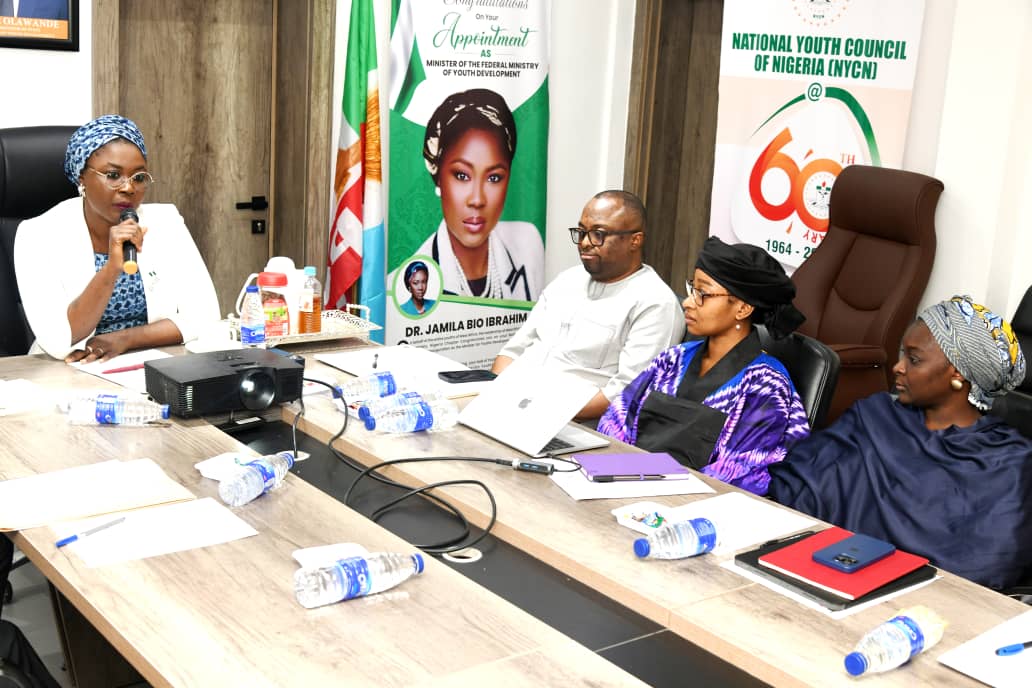
The Federal Government has officially inaugurated a Project Management Office (PMO) to oversee the implementation of the N110 billion Nigerian Youth Investment Fund (NYIF).

The PMO, comprising technical experts from both the public and private sectors, will manage the fund aimed at empowering young Nigerians.

The inauguration ceremony took place at the Ministry of Youth Development in Abuja, where the Hon. Minister, Dr. Jamila Bio Ibrahim, emphasized the importance of the NYIF in achieving President Tinubu’s ‘Renewed Hope Agenda’.

The fund aims to provide young innovators with capital to start, grow, and expand their businesses, thereby fostering sustainable economic growth and increasing access to capital.

Dr. Ibrahim outlined the expectations for the PMO, stressing the need for strategies that ease financial burdens on Nigerian youth, enhance their entrepreneurial skills, and provide access to markets and mentorship.

She emphasized the significance of professionalism, fairness, and integrity in the implementation of the NYIF, and called for timely, results-based updates from the PMO.

“The fund is crucial for eradicating poverty, ensuring food security, and promoting sustainable economic growth,” said Dr. Ibrahim.

“We must develop effective strategies to support the youth in becoming self-employed and thriving in a challenging business environment.”

The Permanent Secretary Mr. Olusanya Olubunmi, in his welcome address, tasked the PMO with ensuring the NYIF meets its objectives while adhering to Public Service Rules and Financial Regulations.

He assured the PMO of the Ministry’s full cooperation and support.

Also speaking, the National Coordinator Olopade Hakeem expressed gratitude to President Tinubu for prioritizing youth empowerment and thanked the Executive Council for approving the substantial funding.

He committed to transparent and accountable management of the fund, welcoming ideas to further the project’s goals.

The NYIF aims to include vulnerable and underserved communities, ensuring a swift application and fund disbursement process.

Dr. Ibrahim expects the PMO to deliver short-term results within the next three to four weeks, initiating the first tranche of disbursement.

He reiterated the Ministry’s dedication to supporting Nigerian youth through the NYIF, fostering a new generation of entrepreneurs and leaders.

Maryam Aminu

The Federal Government has officially inaugurated a Project Management Office (PMO) to oversee the implementation of the N110 billion Nigerian Youth Investment Fund (NYIF).

The PMO, comprising technical experts from both the public and private sectors, will manage the fund aimed at empowering young Nigerians.

The inauguration ceremony took place at the Ministry of Youth Development in Abuja, where the Hon. Minister, Dr. Jamila Bio Ibrahim, emphasized the importance of the NYIF in achieving President Tinubu’s ‘Renewed Hope Agenda’.

The fund aims to provide young innovators with capital to start, grow, and expand their businesses, thereby fostering sustainable economic growth and increasing access to capital.

Dr. Ibrahim outlined the expectations for the PMO, stressing the need for strategies that ease financial burdens on Nigerian youth, enhance their entrepreneurial skills, and provide access to markets and mentorship.

She emphasized the significance of professionalism, fairness, and integrity in the implementation of the NYIF, and called for timely, results-based updates from the PMO.

“The fund is crucial for eradicating poverty, ensuring food security, and promoting sustainable economic growth,” said Dr. Ibrahim.

“We must develop effective strategies to support the youth in becoming self-employed and thriving in a challenging business environment.”

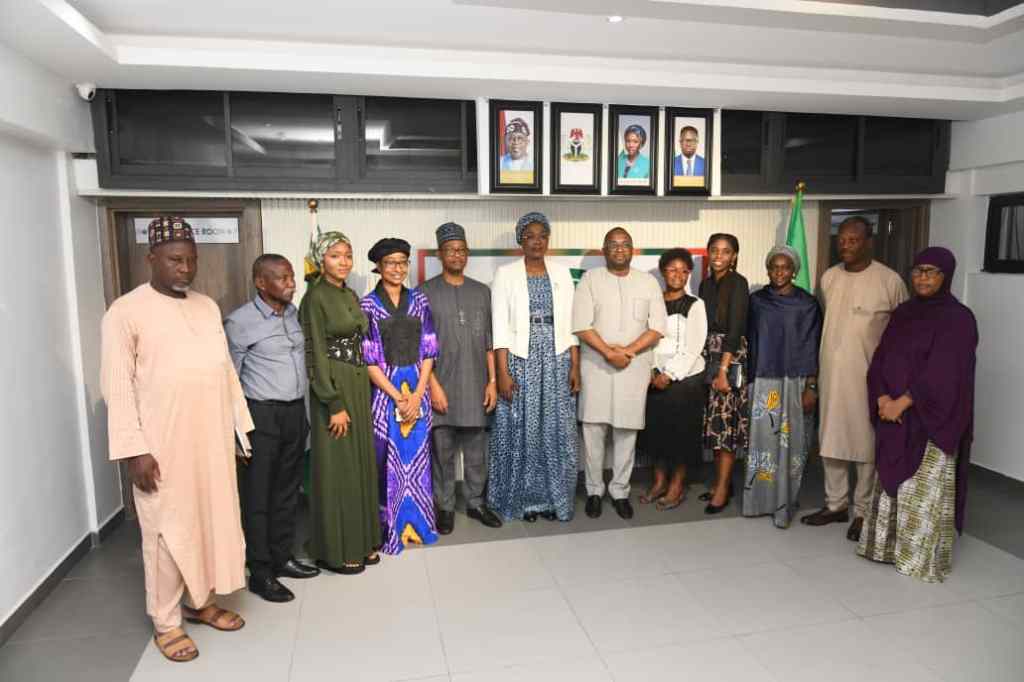
The Hon. Minister, Ministry of Youth Development, Dr. Jamila Bio Ibrahim, the Permanent Secretary, Olusanya Olubunmi and members of the Project Management Office of the NYIF in group photograph.

The Permanent Secretary Mr. Olusanya Olubunmi, in his welcome address, tasked the PMO with ensuring the NYIF meets its objectives while adhering to Public Service Rules and Financial Regulations.

He assured the PMO of the Ministry’s full cooperation and support.

Also speaking, the National Coordinator Olopade Hakeem expressed gratitude to President Tinubu for prioritizing youth empowerment and thanked the Executive Council for approving the substantial funding.

He committed to transparent and accountable management of the fund, welcoming ideas to further the project’s goals.

The NYIF aims to include vulnerable and underserved communities, ensuring a swift application and fund disbursement process.

Dr. Ibrahim expects the PMO to deliver short-term results within the next three to four weeks, initiating the first tranche of disbursement.

He reiterated the Ministry’s dedication to supporting Nigerian youth through the NYIF, fostering a new generation of entrepreneurs and leaders.

Features: The Ghanaian Good Leadership Pilot, Joe Ghartey: Steering Ghana Towards Economic Progress

By Emmanuel Huleji Daudu (Nigerian Journalist)

Leadership is a critical factor in the trajectory of any nation’s development. It is the backbone upon which the values, policies, and progress of a country are hinged. In Ghana, a nation cradled within the heart of West Africa, many individuals have risen to the mantle of leadership, contributing to its growth and stability. One notable figure that stands at the forefront of exemplary leadership is Joe Ghartey – a distinguished politician, legal luminary, and former Attorney General of Ghana.

Joe Ghartey’s tenure as a public servant and leader echoes with acts of integrity, dedication, and visionary foresight. Ghartey, born on 15th June 1961, has been a prominent figure in Ghana’s political sphere, primarily as a member of the New Patriotic Party (NPP). His foray into politics was propelled by a solid background in law, having served as a Barrister and Solicitor for considerable years before venturing into the political arena.

His ascension to leadership roles in government, notably as the Attorney General and Minister of Justice from 2006 to 2009, demonstrates his competence and dedication to public service . As Attorney General, Ghartey pursued reforms within the legal system and was instrumental in the enactment of several pieces of legislation that strengthened the judiciary and democratic governance in Ghana.

Under his leadership, Ghana experienced remarkable improvements, such as the promulgation of the Whistleblower Act, 2006 (Act 720), which provided a framework for the protection of individuals who report corrupt practices – a testament to Ghartey’s commitment to transparency and accountability.

Furthermore, Ghart’s role as the Minister for Railways Development from 2017 has been marked by notable strides in reviving Ghana’s railway sector, which had been neglected for years. His dedication to this cause is illustrated by projects aimed at expanding and modernising the rail network which is essential for bolstering economic growth and interconnectivity.

Joe Ghartey’s belief in the principles of good governance is evident in his approach to leadership. His emphasis on ethical standards, responsibility, and the rule of law has made him a respected figure among his peers and the citizens of Ghana. Ghartey’s role in ensuring that legal and political institutions uphold justice and provide equitable services to the populace has further highlighted his reputation as a proponent of good governance.

In the political domain, Joe Ghartey has displayed an unwavering commitment to democratic values, often engaging in policy discourses and legislative debates with civility and respect for divergent views. Such a temperament is crucial in a political climate that requires leaders to constructively build consensus and navigate the complexities of governance while being responsive to the needs and aspirations of their constituents.

The socio-economic development of a nation is a collective result of its leadership’s policies and initiatives. Joe Ghartey’s contributions in this area are marked by the strategic development projects he has supported. For instance, his involvement in enhancing Ghana’s transport infrastructure has not only created job opportunities but has also laid the groundwork for long-term economic progress.

Through educational initiatives and support for local entrepreneurship, Ghartey advocates for the empowerment of the youth, recognising their pivotal role in shaping Ghana’s future. By promoting policies that drive innovation and skill-building, he aids in equipping the younger generation with the tools necessary to thrive in a globalised economy.

While Joe Ghartey’s leadership has garnered praise, it is not without its challenges and criticisms. Some detractors questioned the pace and scale of the developments in the railway sector, citing delays and budgetary issues. Additionally, as with any political figure, Ghartey has faced scrutiny regarding political decisions and alignment with party positions that may not always resonate with the broader populace.

These challenges are not uncommon in the realm of leadership and arguably serve as a litmus test for a leader’s resilience and capability to adapt to the ever-changing dynamics of governance.

Evaluating the impact of Joe Ghartey’s leadership in Ghana reveals a multifaceted legacy characterised by a strong commitment to public service, ethical governance, and socio-economic progression. Ghartey’s efforts in promoting transparent legal practices, spearheading development projects, and championing good governance are indicative of his dedication to Ghana’s advancement. While leadership inevitably encompasses confrontation with challenges and criticism, what distinguishes an effective leader is the ability to persevere, innovate, and engender positive change.

Joe Ghartey’s journey contributes significantly to the narrative of Ghanaian leadership and presents a benchmark for aspiring leaders. It is through the lens of such trailblazers that the next generation can envision the possibilities of good leadership and its transformative potential for Ghana and, by extension, for Africa as a whole. Thus, the saga of Joe Ghartey’s leadership persists as a guiding light, illuminating the path towards a prosperous and just society.

The appointment of a new chairman to the Ghana Revenue Authority (GRA) is a significant event, one that holds the promise of invigorating the nation’s revenue mobilisation efforts and putting Ghana on a steadier fiscal path. In recent years, Joe Ghartey has emerged as a prominent figure tipped for such a role. As the Chairman of the Board of the Ghana Revenue Authority, Ghartey’s wealth of experience and notable track record in public service present a unique opportunity for the Authority to achieve remarkable strides in its mandate to collect and administer taxes on behalf of the Government of Ghana.

Ghartey’s chairmanship would herald an era of improved tax collection and compliance. With his legal expertise, Ghartey is well-suited to oversee the strengthening of the legal framework within which the GRA operates, ensuring that tax laws are enforced fairly and consistently. Enhancements in tax compliance could result from adopting innovative approaches to tax education, leveraging technology to simplify and automate tax processes, thereby making it easier for taxpayers to fulfil their obligations.

A significant challenge facing the GRA is efficiently taxing Ghana’s vast informal sector. Ghartey’s leadership would play a pivotal role in devising strategies tailor-made for this economic segment. By exploring methodologies that have proved successful in similar economies, such as simplified tax regimes and the implementation of presumptive taxes, Ghartey would steer the GRA towards maximising revenue from the informal sector.

Tax evasion and fraud continue to be critical issues impeding the GRA’s efficiency. Ghartey’s track record as Attorney General suggests a firm resolve in adhering to and upholding the law. Under his chairmanship, it is conceivable that the GRA would intensify its efforts to detect and deter tax evasion, by investing in enhanced investigative capacities and adopting robust forensic accounting practices to trace and recover lost revenues.

The global shift towards digital economies posits the digitalization of tax services as an inevitable step. Ghartey’s chairmanship would accelerate this progression by embracing digital solutions that provide transparency, reduce corruption, and increase efficiency in revenue collection. The potential for these systems to disrupt traditional bottlenecks and to allow for real-time tracking of revenues would be transformational for the Authority.

As Chairman, Joe Ghartey would also be poised to address administrative inefficiencies within the GRA. Streamlining operations and improving coordination among various departments would result in significant cost savings and capacity building within the organization. Such administrative reforms might include talent development programs to ensure that GRA personnel are equipped with the modern skills required to manage the complexities of contemporary tax systems.

The potential impact of Joe Ghartey’s chairmanship on the Ghana Revenue Authority could be substantial and far-reaching. By leveraging his extensive experience in law and governance, he would spearhead initiatives that would not only improve revenue collection and compliance but also enhance the GRA’s overall efficiency and reputation.
Ghartey’s potential achievements as the Chairman of the Board will be the catalyst that the GRA requires to fulfil its potential as a world-class revenue mobilization authority, thus contributing to the economic stabilization and growth of Ghana.

Written by Emmanuel Huleji Daudu
Editor-In-Chief,
Africa Security Investigation News,
Global Founder,
World Sustainable Development Goals Organization,

±234 9036683775

daudupress@gmail.com,  info@worldsdgs.org