CISLAC Renews Call for Action Against Corruption

By Adejoh Bilkisu

As the world marks International Anti-Corruption Day 2024, the Civil Society Legislative Advocacy Centre (CISLAC) has issued a powerful call for renewed collective action to combat corruption in Nigeria, citing its devastating effects on security, the economy, and essential services.

In a statement, CISLAC’s Executive Director, Auwal Ibrahim Musa Rafsanjani, praised the resilience of Nigeria’s anti-corruption agencies despite facing challenges such as political interference, inadequate resources, and personal risks.

He emphasized the urgent need for nationwide support to empower these agencies and sustain their fight against corruption.

CISLAC raised alarm over corruption’s crippling effect on Nigeria’s security architecture. Billions of naira meant for counterterrorism operations have been misappropriated, leaving troops ill-equipped while insurgent groups like the Lakarawas continue to gain ground.

A joint report by CISLAC and Transparency International exposed $8.9 million in diverted military funds, further eroding public trust. Additionally, more than 4.3 million internally displaced persons (IDPs) remain trapped in deplorable conditions due to prolonged insecurity, with limited access to food, healthcare, and sanitation.

“This endless cycle of corruption not only endangers national stability but exacerbates poverty and weakens governance,” Rafsanjani stated.

Highlighting the dire state of public services, CISLAC noted that only 5% of Nigeria’s national budget is allocated to healthcare, leaving the sector grossly underfunded. Millions of Nigerians lack access to clean water, while over 20 million children remain out of school the highest global figure.

CISLAC also decried the abandonment of critical projects like Kano’s Hasiya Bayero Pediatric Hospital and the failure to provide potable water for over 70 million Nigerians.

“The mismanagement of funds intended for healthcare, water, and education deepens inequality and perpetuates poverty,” the organization warned.

Economic Corruption and Oil Theft

The statement shed light on Nigeria’s massive economic losses, including $1.5 billion lost monthly to oil theft and $4 billion annually to tax evasion by multinational corporations.

CISLAC highlighted the theft of 400,000 barrels of oil daily and called for stricter oversight of the banking sector to curb money laundering and terrorism financing.

CISLAC called for robust enforcement of the Public Procurement Act to ensure transparency and fairness in government contracting. The organization also advocated for regulatory frameworks to monitor constituency projects and ensure that allocated funds benefit local communities.

Corruption in the judiciary, political interference, and the erosion of civic space were also flagged as major concerns.

Rafsanjani urged the government to repeal laws that stifle free speech and to protect journalists, activists, and whistleblowers who expose corruption.

CISLAC proposed comprehensive reforms, including strengthening anti-corruption legislation, promoting transparency, and fostering civic engagement.

Rafsanjani stressed the importance of public awareness campaigns to educate citizens about their rights and available reporting mechanisms.

“Corruption remains Nigeria’s greatest obstacle to socio-economic progress. It is time for all Nigerians to unite against this menace and demand accountability from public officials,” the statement concluded.

Youth at the Forefront: Minister of Youth Development and UNODC Unite Against Corruption

Maryam Aminu

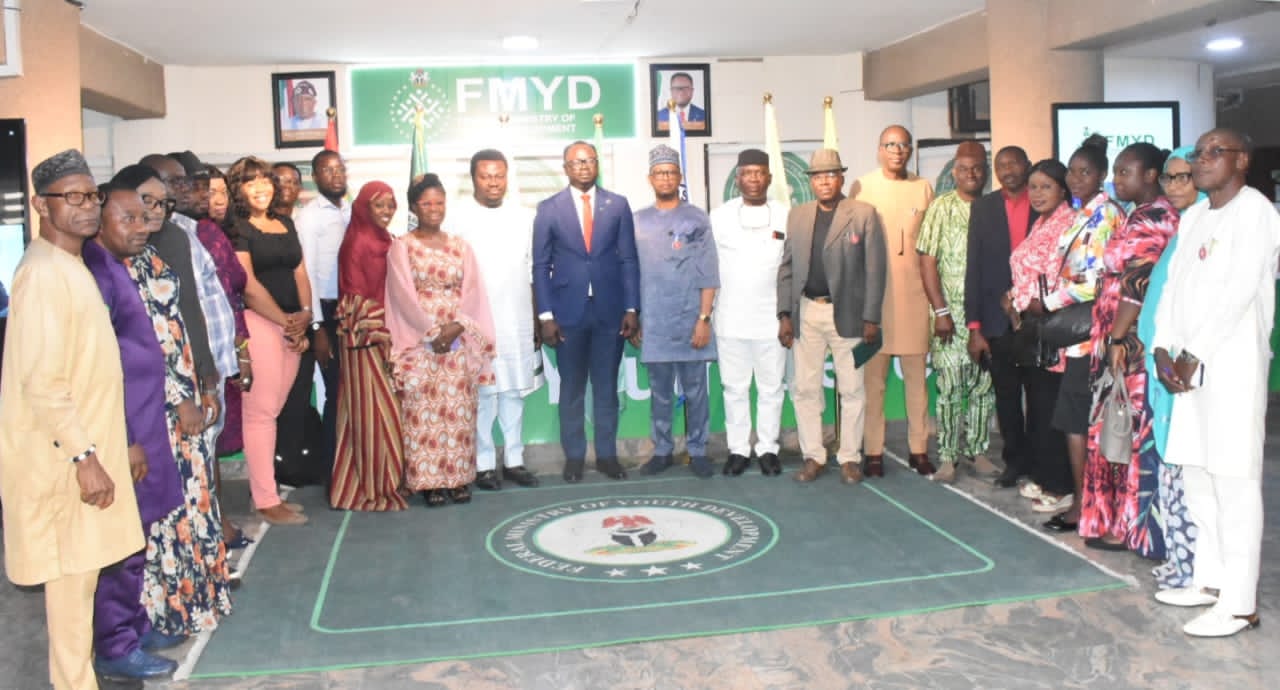
Marking International Anti-Corruption Day, the Honourable Minister of Youth Development, His Excellency Comrade Ayodele Olawande, has renewed the Federal Government’s commitment to fighting corruption by empowering young Nigerians.

Speaking during a press briefing held in collaboration with the United Nations Office on Drugs and Crime (UNODC), the Minister emphasized the transformative role of youth in shaping a corruption-free Nigeria under the theme: “Uniting with Youth Against Corruption: Shaping Tomorrow’s Integrity.”

In his address, the Minister expressed the administration’s determination to rebuild the trust that corruption has eroded among Nigeria’s youth.

He acknowledged the widespread feelings of neglect and disillusionment among young people, which have contributed to societal unrest, including the 2020 #EndSARS protests.

“Young Nigerians often feel disconnected from the government that is meant to serve them. This must change. Our administration is determined to engage with and prioritize the youth as key partners in building a better Nigeria,” the Minister stated passionately.

A significant highlight of the event was the reintroduction of the Nigerian Youth Help Desk, a pioneering initiative aimed at giving young people a direct voice in decision-making.

The Minister expressed that the platform provides avenues for reporting corruption, seeking justice, and accessing support for drug-related and mental health issues.

“The Nigerian Youth Help Desk is not just a platform; it is a testament to this administration’s commitment to listening, seeing, and valuing our youth,” the Minister added. “It is a tool for empowerment, designed to enhance accountability and foster access to justice.”

Comrade Olawande reiterated President Bola Ahmed Tinubu’s administration’s dedication to ensuring no young Nigerian feels excluded, regardless of their background. “Together with our youth, we will create a Nigeria where integrity thrives and corruption has no place.”

UNODC representative commended the Minister’s proactive leadership and his dedication to addressing youth-related issues.

Highlighting the agency’s continued partnership with the Ministry, UNODC reaffirmed its commitment to tackling corruption and other societal challenges such as drug abuse, human trafficking, cybercrime, and violent extremism.

Cheik O. Toure, speaking on behalf of the agency, applauded the Nigerian Youth Help Desk, describing it as a strategic move that aligns perfectly with this year’s Anti-Corruption Day theme.

Toure hinted at expanded collaborations, such as joint funding initiatives and the proposed National Youth Conference, which would amplify youth voices and create solutions for good governance.

“The reintroduction of this platform empowers young people as agents of accountability and good governance,” the UNODC representative noted.

“Your leadership ensures young Nigerians are equipped with the tools to protect themselves, report corruption, and actively engage in governance processes.”

The event underscored the shared resolve of the Ministry and UNODC to foster a generation of young Nigerians equipped with the knowledge, tools, and support needed to combat corruption and build a brighter future.

Nigeria Wins Prestigious World Future Policy Award for Youth Empowerment Initiative

Maryam Aminu

Nigeria has achieved global recognition for its transformative efforts in youth empowerment and peacebuilding, winning the coveted Vision Award at the 2024 Future Policy Awards.

The award celebrates the 2021 Nigeria National Action Plan on Youth, Peace, and Security (NNAPYPS), an innovative policy that addresses pressing global challenges and underscores the critical role of youth in peacebuilding.

The prestigious ceremony, hosted by the World Future Council (WFC), took place at the Maison de la Paix in Geneva, Switzerland.

Accepting the award on behalf of the Nigerian government, the Permanent Secretary of the Federal Ministry of Youth Development, Olubunmi Olusanya, described the honor as a testament to Nigeria’s unwavering commitment to youth empowerment.

“This award is a reflection of the hard work and dedication of everyone involved in implementing the National Action Plan,” Olusanya said.

“It recognizes our collective efforts to foster a safer and more inclusive environment for Nigerian youth.

Under President Bola Tinubu’s administration, we are committed to not only achieving but surpassing the goals outlined in the Action Plan, advancing youth development, peace, and security.”

Olusanya emphasized that the recognition serves as both a milestone and a call to action:

“This award celebrates our national achievement and reminds us of the work ahead. We remain steadfast in empowering our youth, eradicating violence, addressing inequality, and building a nation where peace and security are not just aspirations but realities.”

Frank Otto, World Future Council Ambassador and renowned media entrepreneur, presented the award and praised Nigeria’s leadership in implementing the United Nations Security Council Resolution 2050.

He highlighted that Nigeria was the first African country and the second globally to domesticate this critical resolution.

“Nigeria’s leadership in peacebuilding policies demonstrates a bold vision for the future,” Otto said. “With over 140 million young people, the nation is setting an inspiring example of investing in youth as indispensable agents of peace.”

The 2024 World Future Policy Award reaffirms the importance of forward-thinking initiatives that empower future generations.

Nigeria’s achievement highlights a global movement prioritizing youth as key drivers of peace and progress.

Senator George Akume: The Stabilizing Force Behind Tinubu’s Administration

Maryam Aminu

In a time when Nigeria needs stability and focus, the unwarranted calls for the resignation of Senator George Akume, the Secretary to the Government of the Federation (SGF), have sparked a wave of concern.

But in a world press conference from Lafia, a resounding voice of reason has emerged. The Global Alliance for Peace and Unity (GAPU), led by its President, Solomon Pevkyaa, has passionately rallied behind the SGF, calling these distractions baseless and counterproductive.

Describing Akume as a “patriot, peacemaker, and the backbone of President Bola Ahmed Tinubu’s administration,” GAPU urged Nigerians to recognize his unmatched contributions to governance. From his distinguished service as a former governor and senator to his current role as the stabilizing force in Tinubu’s engine room, Akume’s leadership has been a cornerstone of progress.

“Senator Akume is not just an administrator; he’s a strategist whose sound judgment and calm demeanor have ensured the seamless execution of sensitive government policies,” Pevkyaa declared.

“This is no time for distractions. Nigeria needs unity, not division.”

In commending Tinubu’s achievements in restoring peace and enabling farmers to reclaim their livelihoods, GAPU passed a vote of confidence in Akume.

The group emphasized that the SGF’s role is pivotal and demands unwavering focus to guide the government’s vision.

The call for unity resonated further as GAPU appealed to the Tinubu administration to deepen its engagement with Nigerians on policy matters.

“This administration must continue to listen to the masses and incorporate their voices into governance,” Pevkyaa added, emphasizing that inclusivity remains key to sustaining peace and development.

Senator Akume’s dedication to national progress and his reputation as a bridge-builder have earned him widespread respect.

GAPU’s message is clear: Nigeria cannot afford to lose such an exemplary leader to distractions. The SGF must be allowed to continue his vital work in steering the nation toward stability and prosperity.

NIMC Clears Outstanding Payments to Front-End Partners, Enhances Trust and Collaboration

Emmanuel Daudu

The National Identity Management Commission (NIMC) has successfully cleared all outstanding payments owed to its Front-End Partners (FEPs) for enrolments that resulted in the generation of National Identification Numbers (NINs). This milestone underscores NIMC’s commitment to fostering trust, operational efficiency, and accountability within its stakeholder network.

The FEPs, contracted in 2021 under the former Minister of Communications and Digital Economy, were tasked with scaling up NIN enrolments. However, payments for their services had only been made for the first year, leaving subsequent years unpaid.

Upon her appointment as Director General/CEO of NIMC, Engr. Abisoye Coker-Odusote prioritized clearing these debts, a commitment she has now fulfilled.

As part of the payment process, NIMC conducted a rigorous revalidation exercise to ensure that all FEPs adhered to internationally accepted standards, compliance protocols, and ethical practices.

Following the revalidation, NIMC, with the support of the World Bank and the Identity for Development (ID4D) initiative, processed and completed the outstanding payments.

It is important to note that the enrolments conducted by the FEPs between 2021 and 2024 were part of a stop-gap measure approved by the former Minister to scale up NIN registration ahead of the World Bank/ID4D-funded enrolment project.

Despite not being part of the World Bank-funded initiative, the outstanding payments have now been addressed, demonstrating NIMC’s dedication to fulfilling its financial obligations.

Stakeholders have lauded NIMC’s efforts. Phillip M. Adekunle, MD/CEO of Knowledge Square Ltd., remarked:
“This decisive action not only fosters trust and accountability but also strengthens the collaboration between NIMC and its partners.”

Pastor Vincent Emiowele, MD of Real Positive Friends, echoed this sentiment, stating:
“The payment of the outstanding enrolment money by NIMC is well appreciated and commendable.
The DG/CEO and her management team deserve recognition for their timely intervention.”

Engr. Coker-Odusote expressed her gratitude to the FEPs and stakeholders for their unwavering support in populating the National Identity Database (NIDB).

She emphasized NIMC’s commitment to building a credible and reliable identity database, with continued support from the World Bank and ID4D.

This achievement marks a significant step forward in NIMC’s mission to provide a world-class identity management system, reinforcing its partnership with stakeholders and enhancing public trust.

Ministry of Defence Lauds Armed Forces’ Achievements in Securing Nigeria

Emmanuel Daudu

The Honourable Minister of State for Defence, Dr. Mohammed Bello Matawalle, has praised the Nigerian Armed Forces for their remarkable progress in combating insurgency, banditry, and other security threats.

He emphasized that while these successes remain largely undisclosed due to operational security concerns, the efforts of the nation’s gallant troops are yielding transformative results.

Dr. Matawalle made these remarks during a performance review session with Hadiza Bala Usman, Special Assistant to the President on Policy and Coordination and Head of the Central Result Delivery Coordination Unit (CRDCU).

The engagement, held at the Ministry of Defence headquarters in Abuja, reviewed the Ministry’s Q1–Q3 2024 Performance Assessment Report on Presidential Priorities and Ministerial Deliverables.

Reflecting on the state of national security before the current administration, the Minister highlighted the significant reduction in oil theft, piracy, and kidnappings, attributing these achievements to the Armed Forces’ unwavering commitment.

He reassured Nigerians that the government remains steadfast in its mission to build a safer society for all.

“The airwaves were once dominated by reports of oil theft, bunkering, piracy, and kidnappings. Today, these occurrences have significantly reduced. We are committed to sustaining this momentum,” Matawalle affirmed.

In her address, Hadiza Bala Usman urged the Ministry of Defence to amplify its public communication strategies to showcase the Armed Forces’ successes.

She suggested regional tours of conflict zones, on-the-spot interviews, and firsthand accounts from rescued individuals as a way to counter misinformation and enhance public confidence in government efforts.

“The people need to see and hear the impact directly. Real-time data and firsthand testimonies will highlight the sacrifices of our Armed Forces and affirm the government’s commitment to security,” she stated.

Bala Usman also advised the Ministry to ensure timely submission of achievement data to aid transparent assessments and strengthen public trust in the government’s performance.

The Permanent Secretary of the Ministry of Defence, Dr. Ibrahim Abubakar Kana, provided a comprehensive overview of the Ministry’s achievements, commending the Chief of Defence Staff and Service Chiefs for their dedication.

He expressed confidence in surpassing current benchmarks and called on Ministry Directors to remain committed to excellence in their service to the nation.

“We must remain resolute in our quest for a peaceful Nigeria. I urge every Director to stay committed and surpass the achievements of previous quarters,” Dr. Kana said.

As part of its commitment to national security, the Ministry pledged to enhance its transparency and public engagement while intensifying efforts to ensure Nigeria’s peace and stability.

This collective resolve reflects the determination of the Armed Forces, the Ministry, and the government to work collaboratively in building a safer and more prosperous nation.

Hon. J.J. Umaru Advocates for Federal University of Education in Akwanga

Maryam Aminu

In a bold stride towards improving education in his constituency, Hon. J.J. Umaru ACA (Sabon Salo), Member representing Akwanga/Wamba/Nasarawa Eggon Federal Constituency and Vice Chairman of the House Committee on Public Accounts, has moved a significant bill for the establishment of the Federal University of Education, Akwanga, Nasarawa State.

The bill, titled “An Act to Provide for the Establishment of the Federal University of Education, Akwanga, Nasarawa State, and for Related Matters (HB 117),” passed its second reading in the House of Representatives.

Hon. Umaru’s initiative underscores his unwavering commitment to uplifting educational standards and empowering his constituents through accessible higher education opportunities.

Hon. Jafar Yakubu, representing Bali/Gassol Federal Constituency, supported the motion by seconding the establishment of a Federal University of Education.

This highlights a shared vision among lawmakers to prioritize education across the nation.

Speaker of the House of Representatives, Rt. Hon. Tajudeen Abbas, expressed his support for the legislative effort, reiterating the importance of advancing education in underserved regions.

After the second reading, the bill was referred to the Committee on University Education for further legislative action, marking a critical step in its journey to becoming law.

Hon. Umaru’s proactive efforts reflect his dedication to ensuring his constituency benefits from enhanced access to quality education and the transformative opportunities it brings.

This legislative move is poised to shape the educational landscape of Akwanga and beyond.

NASENI Empowers 100 Ebonyi Youths with Modern Electrical Installation Skills

… distributes start-up tools to enhance career growth

Maryam Aminu

As part of efforts to advance President Bola Ahmed Tinubu’s Renewed Hope Agenda, the National Agency for Science and Engineering Infrastructure (NASENI) has successfully trained 100 Ebonyi youths in modern electrical installation methods.

The 5-day empowerment program, held from November 26-29, 2024, at Remeritona Hotel and Suites, Abakaliki, focused on equipping participants with cutting-edge skills to boost employability, create wealth, and reduce poverty.

The intensive training covered advanced techniques in electrical wiring, appliance repair, solar power installation, electrical panel maintenance, safety inspections, and system upgrades.

At the closing ceremony, NASENI’s Executive Vice Chairman/CEO, Mr. Khalil Suleiman Halilu, represented by Mr. Ibrahim Baba Dauda, Coordinating Director of Finance and Accounts, emphasized the agency’s commitment to fostering economic growth through skill acquisition and job creation.

“By prioritizing skill development, we are addressing critical industry demands while ensuring a brighter future for our youths,” Mr. Halilu stated.

“The building construction sector is experiencing significant growth, necessitating a highly skilled electrical workforce. This training in Ebonyi is the third in the South-East zone, following similar initiatives in Anambra and Imo states.”

The program aligns with President Tinubu’s 8-point agenda, focusing on poverty eradication, job creation, economic growth, and improved access to opportunities.

According to Halilu, the training not only equips participants for industry demands but also fosters safety compliance, energy efficiency, technological advancement, and global competitiveness.

From right: The Executive Vice Chairman/Chief Executive of the National Agency for Science and Engineering Infrastructure (NASENI) Mr Khalili Suleiman represented by the Coordinating Director Finance and Account, Mr. Ibrahim Baba Dauda presenting the Starter Pack Kits to one of the beneficiaries of NASENI Skill Acquisition Training and Empowerment for 100 Ebonyi Youths which ended at the weekend.

Halilu urged them to maximize the tools and skills acquired, cautioning against selling the kits.

“The skills you have gained will define your career and identity far beyond any temporary financial gains,” he noted.

Governor Francis Ogbonna Nwifuru of Ebonyi State, represented by the Commissioner for Skill Development and Job Creation, Hon. Elija Okwu Oko Udu, applauded the initiative as a testament to the state’s commitment to youth empowerment.

“This training underscores our vision of creating opportunities for every Ebonyi youth to thrive and contribute meaningfully to society. It’s an investment in their potential to innovate and inspire,” he said.

Participants received comprehensive startup kits, including state-of-the-art tools such as face shields, safety goggles, cordless drills, and conduit benders, among others.
The empowerment program aims to set participants on a path of sustainable career growth, equipping them to become industry leaders and trainers in their communities.

Ebonyi Trainees: Trainees of NASENI Skill Acquisition Programme displaying their Starter Pack Kits at the closing ceremony of the 5-Day training on Modern Methods of Electrical Installations and Maintenance held at Remeritona Hotel and Suites, Abakaliki, Ebonyi State, at the weekend.

Nigerian Military Refutes Amnesty International’s Allegations of Civilian Deaths in Detention Camps

Emmanuel Daudu

The Defence Headquarters (DHQ) has strongly dismissed allegations made by Amnesty International during a press conference on December 5, 2024.

The organization claimed that over 10,000 civilians have died in Nigerian military detention facilities since the onset of the Boko Haram insurgency in the North East.

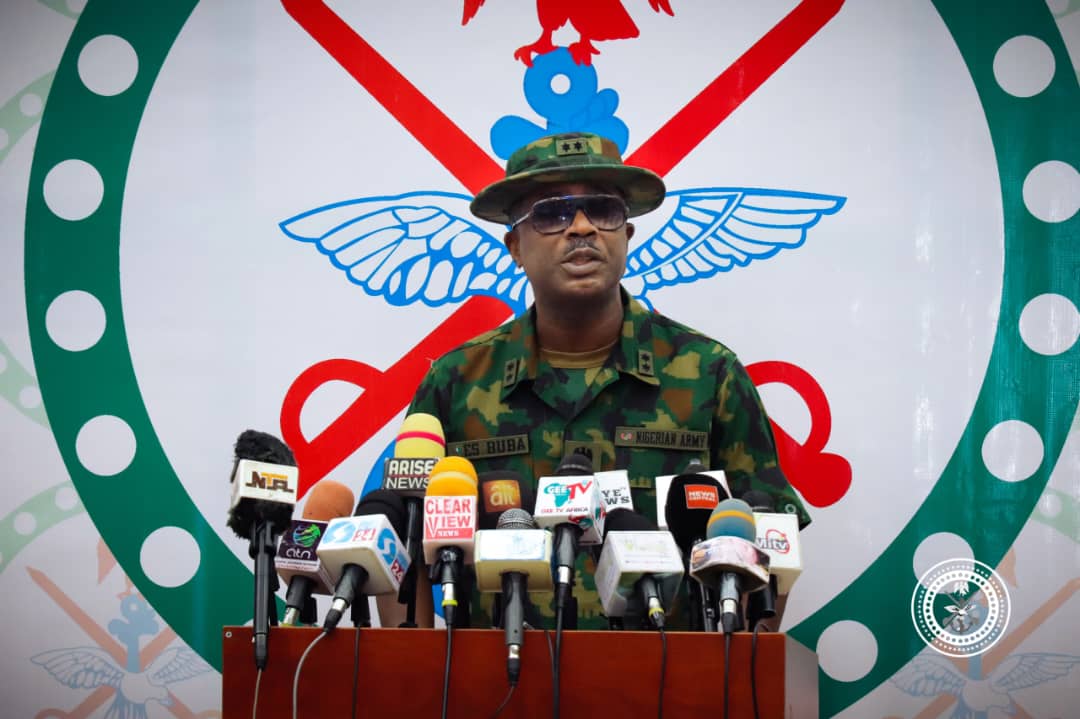
In a statement issued by Major General Edward Buba, Director of Defence Media Operations, the Nigerian Armed Forces described the allegations as “shocking, lacking merit, and mischievous,” particularly as they come during a critical phase in the counter-terrorism campaign in the region.

“The Nigerian military is a professional force that conducts its operations in strict compliance with international humanitarian law and the laws of armed conflict,” the statement read.

Despite the complex and challenging operational environment, the military emphasized its commitment to minimizing civilian casualties and following established procedures for the profiling and handover of suspects to appropriate agencies for release or prosecution.

As a deterrent to unethical behavior, the military noted the presence of standing court martials in operational theaters to promptly address any misconduct among personnel.

Under the leadership of Chief of Defence Staff, General Christopher Musa, the Armed Forces reaffirmed their professionalism and adherence to global best practices in executing their constitutional mandates.

The military has invited Amnesty International to provide evidence to substantiate its claims, stressing that such details are necessary for an inquiry to determine the authenticity of the allegations.

Major Buba reiterated the Armed Forces’ firm rejection of what it termed “spurious” accusations, while maintaining their unwavering commitment to safeguarding the lives and rights of civilians during operations.

AAAU Explores Strategic Collaboration with ABU Senate and Governing Council

Emmanuel Daudu

The African Aviation and Aerospace University (AAAU), Abuja, has initiated steps toward strengthening academic and institutional partnerships by visiting the Senate and Governing Council of Ahmadu Bello University (ABU), Zaria.

Led by the Permanent Secretary of the Ministry of Aviation, Dr. Emmanuel C. Meribole, the AAAU delegation included the Registrar, Mustapha Sheikh Abdullahi; Director of Academic Planning, Professor Yahaya Zayyana Ibrahim; and other senior officials.

The ABU team, under the leadership of Vice-Chancellor Professor Kabir Bala, warmly welcomed the visitors.

Key representatives from ABU included Registrar Rabiu Samaila, Acting Librarian Dr. Abubakar Abdullahi Muhammad, and Bursar Mohammed Bello Aminu.

The courtesy visit featured a guided tour of the iconic ABU Senate building, during which the AAAU delegation engaged with members of ABU’s Governing Council, who were in session.

Addressing the AAAU team, Alhaji Mahmud Yayale Ahmed, Chairman of the ABU Governing Council, highlighted the critical role of institutional collaboration in advancing higher education and research in Nigeria.

He lauded AAAU’s innovative approach to aviation and aerospace education and underscored the potential for synergies between the two institutions.

The visit signifies a growing commitment to fostering partnerships that will promote academic excellence, resource sharing, and innovation in the aviation and aerospace sectors.