First African UNESCO Laureate Prof Sir Bashiru Aremu, unveiling the New Logo of Minaret Intl. University with its features

The First African UNESCO Laureate Prof Sir Bashiru Aremu, unveiling the New Logo of Minaret International University with its features as stated below:

The (MIU) which was licensed by Federal Government of Nigeria and sponsored by Jamaat-e-Ahmadiyya Nigeria and globally.

According to His Excellency UNESCO Laureate Prof Sir Bashiru Aremu,
The journey for the MIU began in 2016 following a resolution at the annual Shura of Jamaat Nigeria, led by the former Amir of Jamaat Nigeria, Prof Mashuud Adenrele Fasola Sahib.

The Shura proposal came from the Ibadan circuit of the Jamaat; once adopted, it was presented to the World wide Leader of Ahmadiyya, Hazrat Khalifatul Masih Vaa during a mulaqat by the Nigerian delegation to the Jalsa UK.

The initial main campus was on 600 hectares of land at Agbonbiti in Ile-Ife. But Ikirun was later considered as the main campus, while Agbonbiti will be the satellite campus solely for the Agriculture and Farm Settlement Project.

The Ikirun site was close to the Federal Government College, connected to the national grid and easily accessible from the newly constructed dual carriageway to the town.

Ikirun has a railway terminus, close to Osogbo, the state capital, which equally has an airport, though not completed yet. With a federal university – Obafemi Awolowo University and Federal University of Health Science, Ila-Oragun with others universities withing the state.

The university will start with three faculties; humanities, sciences and education. The remaining faculties will be added gradually.

This is the first university with both an Islamic and Western education model to be established by the Jamaat.

Ghana had the opportunity of the establishment of a solely theology university years back. As a truly international university, it will draw academicians, researchers and students across the globe.
The vision of MIU, is to pursue intellectual and moral development for creativity, entrepreneurship, adaptability and survival of our university graduates. Such a university education for the youth will be designed to promote academic excellence, moral discipline and the spirit of selfless service for the advancement of socio-economic development, the emancipation of the people and commitment to global cooperation for development and unity of humanity.

The mission is to establish a world-class tertiary institution for the intellectual and manpower development of human resources for sustainable socioeconomic development nationally, regionally and internationally.

The university will be committed to giving opportunity to all qualified candidates at home and from abroad based on merit and equity, through a work-study methodology and without any sectarian or racial discrimination.

The philosophy of the university education is a wholesome one that integrates moral and academic excellence for a healthy development of the mind and body in such a manner that the graduate of our university would be of immense benefit and dignity to himself or herself, to the family, the community, the nation and humanity at large.

The university education will focus on environmentally sustainable growth and development of all aspects of agriculture, energy and transportation infrastructure, water, natural resources, manufacturing and processing, management sciences, engineering, communication technology, humanities as well as scientific and technological research relevant to global development problems and challenges.

In precise terms, as a wholly faith-based university, the philosophy implies the following specific principles:

  1. Strict enforcement of moral discipline
  2. Guarding against alcoholism and drug addiction
  3. Banishment of cultism
  4. Infusing theory and practice/work approach through practical entrepreneurship training
  5. Philosophy of students’ research projects
  6. Sports, physical fitness and martial arts
    The MIU, will be guided by the following aims and objectives:
  7. Offering admission to various academic and professional programmes of the institution based purely on relevant well-defined and universally accepted academic and moral merits
  8. Admission to undergraduate courses in various approved disciplines for all qualified candidates globally
  9. Admission to graduate programmes in various approved disciplines based on well-defined qualifications for distinguished graduate students from the institution and other recognised universities and similar institutions globally
  10. To provide remedial programmes for interested candidates with deficiencies towards meeting the standards required by merit for various programmes
  11. Undertaking and promoting research in areas of environmental and development challenges unilaterally and in cooperation with other research institutions as well as industrial and agricultural establishments
  12. Commercialising research findings through pilot projects for the benefit of small-scale enterprises, and invite interested corporate bodies to participate in the efforts to commercialise research findings
  13. Engaging in intellectual and charitable community services such as community development projects, public policy analysis, debates and career guidance and counseling for prospective university students
  14. Organising academic conferences from time to time to address problems of socio-economic development and environmental challenges
  15. Publications of academic journals and monographs through internal and external publishing outfits
  16. Business ventures and consultancy services relevant to the competence and capacity of the human resources at the disposal of the university for the promotion of the practical and technical orientation of the university.

Jamaat-e-Ahmadiyya Nigeria pioneered Muslim missionary education in Nigeria in 1922 with the opening of the first Muslim primary school, Talim-ul-Islam Primary School Elegbata in Lagos Island, inaugurated by the late Mr Henry Carr, the then Colonial Education officer for the Lagos Colony. Thereafter, the flood gates of Islamic and Western education for teeming Nigerian Muslim children across gender, race and religion commenced, thereby laying a good educational foundation.

The Jamaat-e-Ahmadiyya Nigeria first venture into secondary education followed in the 1950s and 1970s across the country with a special programme called “The Nusrat Jehan Scheme”. Nigeria, Ghana, Sierra Leone and The Gambia profited immensely from this scheme.
In Nigeria, there are over 20 secondary schools in Lagos, Ibadan, Owode, Ogbagi Akoko, Onda, Ara, Umaisha and Kano.

The primary schools across the country were feeders for the secondary educational institutions for the current and next generation of elites for Nigeria.

Within this period, a wholly Islamic Missionary training College, Jamiatul Mubashireen, was established at Ilaro along Owode road in 1976.

Two schools for the memorisation of the Holy Quran for boys and girls aged 9-13 years, were established in Ilaro. The current Ahmadiyya Science College in Ilaro will metamorphose into a technical college any moment from now, as a team of experts and Ahmadi engineers from London visited the Ogun State Commissioner of Education, Science and Technology recently.
Jamaat-e-Ahmadiyya Nigeria was quite methodical in its approach to educational pursuits for better understanding of the religion of Islam, the humanities, science and deep knowledge of the Holy Quran. The educational institutions have produced manpower resources and generated employment for Nigerians.

Minaret International University, obviously, is a great step towards a prosperous, sound and functional education for Nigerians and foreigners as well.

The Transformation of HYPADEC under the Leadership of Alh. Abubakar Sadiq-Yelwaa by Dr. Emmanuel Daudu

In recent years, the Hydro-Electric Power Producing Areas Development Commission (HYPADEC) has served as a vital institution aimed at improving the lives of communities affected by hydroelectric projects in Nigeria. The commission was established to address the socio-economic impacts of power generation on local populations, but it has continued to face numerous challenges in its efforts to enact meaningful developments.
A turning point for the commission came when it had Alh. Abubakar Sadiq-Yelwaa at its helm of affairs and this marked a significant turn around for HYPADEC, particularly when compared to the previous leadership that had struggled with bureaucratic inefficiencies and faced challenges in balancing government directives with the urgent needs of local populations. Another evident challenge was the inconsistent ineffectiveness of the commission over the years. Critics often pointed out a lack of clear direction, inadequate funding, and poor stakeholder engagement as key factors inhibiting its progress. During the previous leadership, many projects were either abandoned or poorly executed, leading to dissatisfaction among the communities it was meant to assist. Reports demonstrating the frustration of local communities highlight this disconnect.

However, the commission, Hydroelectric Power Producing Areas Development Commission was established by an Act of the National Assembly to address ecological challenges from the operations of Hydroelectric Dams, its Act was passed and signed in 2010 while in 2013, the act was amended to include Benue and Plateau states and replaces 30% revenue derived from the total revenue accruing to the companies or authorities operating in the host communities with 10% revenue derived from concessioning of the hydro plants and royalties paid to the Federal Government. In 2016, Amendment II of the HYPPADEC Act took place by reducing the percentage from 30% to 10%, on the total revenue deductible from revenue generated by any company or authority from the operations of any hydroelectric dam, in any member state of the Commission. In 2020, President Muhammadu Buhari, GCFR, constituted Governing Council for the Commission which was inaugurated in December, 2020.

The Mission of the commission is to harness resources in the most transparent, acceptable and cost-efficient manner towards ameliorating the negative effects of hydroelectric dam operations in HYPPADEC member states, with its vision to bring equitable and sustainable development that will impact positively on HYPPADEC member states and its core responsibility of formulating policies and guidelines for the development of hydroelectric power producing areas and managing ecological menace due to operations of dams and other hydroelectric power activities.

When Alh. Abubakar Sadiq-Yelwaa assumed leadership of HYPADEC. His tenure presented an opportunity for revitalising the commission through strategic vision and inclusive policies. Sadiq-Yelwaa, with a background in community development and extensive experience collaborating with numerous stakeholders, prioritised a more interactive and responsive approach to leadership.

He has immeasurably contributed to the harnessing of resources in the most transparent, acceptable and cost-efficient manner towards ameliorating the negative effects of hydroelectric dam operations in HYPPADEC member states, led the formulation of result oriented policies and guidelines for the development of hydroelectric power producing areas, conceived and executed some of the plans aimed at enhancing the commission’s efficiency in accordance to the ethics of his job, projects and programmes for the development of hydroelectric power producing areas, carried out and still carrying out numerous surveys of hydroelectric power producing areas in order to ascent the measure which are necessary to promote its physical development, prepared and still preparing schemes designed to promote the physical developments of hydroelectric power producing areas and estimate the cost of implementing such schemes, implementing measures approved for the development of hydroelectric power producing areas by the Federal Government, identifies factors inhibiting the development of the hydroelectric power producing areas and assist states in the formulation and implementation of policies to ensure sound and efficient management of the resources of the hydroelectric power producing areas, assess and report on any project being funded or carried out in the hydroelectric power producing areas while tackling ecological problems that arise from overloading of dams in the hydroelectric power producing areas and advise federal government on the prevention and control of floods and environmental hazards as well as executing such other work and perform such other functions which in the opinion of the commission, are required for the development of the hydroelectric power producing areas and their people, and obviously carrying out such other functions as the president directs.

One of the most significant changes under Sadiq-Yelwaa’s leadership has been the implementation of policies that align more closely with the needs and concerns of member states. For example, the “One Community, One Project” initiative aims to address distinct challenges faced by each local area, ensuring that developmental efforts are tailored and effective. This initiative contrasts sharply with the previous regime, where projects often lacked community input and cohesion, leading to disjointed and ineffectively managed initiatives.

In testimony to these changes, a recent evaluation of ongoing projects under Sadiq-Yelwaa noted that over 30 new developmental projects have been initiated since he took office. These encompass various sectors, including healthcare, education, capacity building, skills acquisition empowerments and infrastructure, further underscoring a comprehensive strategy to alleviate poverty and improve living standards within affected communities.

Another pivotal area of improvement has been community engagement. Under Sadiq-Yelwaa’s leadership, there has been a concerted effort to involve local stakeholders in decision-making processes. This approach not only empowers the communities but also fosters a sense of ownership and responsibility towards the developmental projects being implemented. Previously, many initiatives were dictated by external leaders, resulting in resistance or lack of participation by community members.

For instance, one of the significant achievements reported of Sadiq-Yelwaa’s tenure was regular stakeholder meetings, allowing community voices to influence project designs. This shift towards inclusivity represents a substantial step forward from the past, where community concerns were often overlooked in favour of top-down directives.

Sustainability has become a focal point of HYPADEC’s operations under Sadiq-Yelwaa. Recognising that hydroelectric projects significantly alter the environment and the livelihood of surrounding communities, the new leadership has integrated environmental considerations into the planning and execution phases of all projects.

One standout project is the reforestation programme initiated in several member states, aimed at restoring degraded areas that were adversely impacted by power generation activities. This is a clear contrast to past practices, where environmental degradation often went unaddressed while pursuing rapid development. Such initiatives not only address ecological concerns but also create job opportunities for local populations, thereby contributing to economic growth.

Despite these significant advancements under Alh. Abubakar Sadiq-Yelwaa, challenges persist. Financial constraints continue to plague HYPADEC, limiting the scope and scale of projects that can be undertaken. Additionally, some areas still experience resistance towards new initiatives, with a lingering mistrust of authorities stemming from previous leadership failures.

However, Sadiq-Yelwaa’s proactive approach to communication and transparency has already begun to mitigate such issues. By fostering an environment of trust and building strong relationships with community leaders, the foundation for overcoming these hurdles has been laid.

In comparing the HYPADEC of the past under previous leadership with the present commission under Alh. Abubakar Sadiq-Yelwaa, it is clear that significant strides have been made in policy implementation, community engagement, and sustainable development. The improved focus on local needs has revitalised the commission, bringing hope and tangible benefits to member state populations. As challenges remain, the trajectory under Sadiq-Yelwaa indicates the potential for ongoing improvements that will further enhance the lives of those impacted by hydroelectric power projects in Nigeria.

Umar Faruk Shuaibu appointed Director Zero Hunger Agency World Sustainable Development Goals Organization- West Africa

By Dr. Emmanuel Daudu

World Sustainable Development Goals Organization, an international organization that operates within the UN member nations with its scope of duty covering the entire 17 SDGs, has appointed Alh. Shuaibu Umar Faruk, as its Director, Zero Hunger Agency, to head its West Africa Region.

His appointment, which took effect on the 24th February 2025, is focused on strengthening the speedy implementation of the SDGs across the globe even as touching lives, Transforming Societies, Healing Souls, Uniting Nations and changing the world are the five core pillars of the organization

According to the letter of appointment, Alh. Umar Shuaibu Faruk is saddled with the responsibilities of superioring the initiation and execution of all projects that have to do with curbing or averting hunger in its totality across nations in West Africa.
It was also further stated that he would ensure that he enhances strategic partnerships and collaborations across all stakeholders, including governments at all levels, CSOs, NGOs, UN agencies, other INGOs, and Captains of industries and companies through their corporate social responsibilities.

The letter also noted that an era marked by crucial global challenges such as climate change, poverty, and inequality, the role of the local and international leadership in sustainable development organizations has never been more critical. Alh. Shuaibu Umar, as Director, Zero Hunger Agency- West Africa, World Sustainable Development Goals Organization is tasked with embodying and promoting the values enshrined within the United Nations

He is not only expected to align African policy with the SDGs but inspire other regions to follow suit. His leadership is expected to impact both local communities and global efforts significantly.

One of his primary expectations, amongst many others, is to ensure that West Africa Regional policy aligns with the SDGs.

His presence at the regional forum provides an excellent opportunity to share West Africa progress and innovation, which could galvanize other regions to enhance their commitment to sustainable practice.

Umar is also expected to help enlist a broader range of stakeholders in SDGs, bridging gabs between developing regions and ensuring that all voices are heard.

Umar, reacting to his appointment on the 4th of March, 2025 at the organizational office in Abuja- Nigeria, assured that his leadership would focus on making West Africa a better and more inclusive society aligning with the WSDGs organization’s broader vision of sustainable impact through Hunger eradication.

Dr. Sununu Advocates Comprehensive Strategy to Tackle Poverty in Nigeria

Emmanuel Daudu

In a renewed push to combat poverty and humanitarian challenges in Nigeria, the Honourable Minister of State for Humanitarian Affairs and Poverty Reduction, Dr. Yusuf Tanko Sununu, Danmadamin Yauri, has called for a holistic and collaborative approach to addressing the issue.

He emphasized that the government alone cannot eliminate poverty and urged strong partnerships between the Ministry and relevant stakeholders.

Dr. Sununu made this call while receiving a delegation from the Niger Delta Peoples Salvation Front (NDPSF) in his office in Abuja.

He revealed that the Ministry is working towards establishing a National Council on Humanitarian Affairs and Poverty Reduction, a strategic forum where stakeholders can engage in meaningful dialogue and chart a course for sustainable solutions.

Additionally, he announced plans for a National Humanitarian Response Plan to provide a structured framework for addressing humanitarian crises across the country.

Commending NDPSF’s founder, Alhaji Mujahid Dokubo-Asari, for supporting President Bola Ahmed Tinubu’s administration in tackling youth restiveness in the Niger Delta, Dr. Sununu acknowledged the organization’s efforts in advocating for the region’s marginalized communities.

Speaking on behalf of the NDPSF, National Chairman Alabo Engr. Obomate Harry reiterated the group’s commitment to partnering with the Ministry in job creation, skill acquisition, and poverty alleviation initiatives.

He urged the Ministry to increase its presence in the Niger Delta through citizen engagement mechanisms and empowerment workshops, which would enhance the credibility and impact of government programs.

As a gesture of appreciation for his dedication to humanitarian efforts and national development, the delegation presented Dr. Sununu with a plaque, recognizing his contributions to improving lives across the country.

AAAU Registrar Joins Aviation Experts in Lagos to Shape Industry’s Future

Emmanuel Daudu

In a bold step toward revolutionizing Nigeria’s aviation sector, Dr. Mustapha Sheikh Abdullahi, Registrar of the African Aviation and Aerospace University (AAAU), Abuja, joined top industry leaders at a high-profile stakeholders’ meeting in Lagos. The event, convened by the Honourable Minister of Aviation and Aerospace Development, Barr. Festus Keyamo, took place on February 28, 2025, at the prestigious Radisson Blu Hotel, Ikeja.

With the theme “Transforming the Aviation Industry Through Strategic Partnerships: Advancing Airport Concessions for Sustainable Development,” the gathering served as a critical platform for deliberations on policies and innovations essential for the sector’s growth. Discussions centered on fostering long-term sustainability, boosting Nigeria’s global competitiveness, and leveraging strategic collaborations to enhance airport infrastructure.

Experts at the event highlighted the importance of continuous investment in aviation education, stating that training the next generation of industry professionals is key to achieving a globally competitive and resilient sector.

They stressed the need for efficient airport concession models that balance profitability with improved service delivery, ensuring a world-class travel experience for passengers while maintaining Nigeria’s aviation infrastructure at global standards.

FG Launches ‘Irrigate Nigeria’ Project to Boost Farmers’ Income and Food Security

…Bauchi Governor Applauds President Tinubu’s Commitment to Agriculture

Maryam Aminu

In a bold move to revolutionize Nigeria’s agricultural sector, the Federal Government has officially launched the Irrigate Nigeria Project, an initiative designed to enhance food production and increase farmers’ incomes.

The groundbreaking event took place over the weekend in Gamawa Local Government Area, Bauchi State, marking the beginning of a nationwide rollout.

The National Agency for Science and Engineering Infrastructure (NASENI), in partnership with the Renewed Hope Infrastructure Development Fund (RHIDF) and private sector stakeholders, is spearheading this initiative under President Bola Tinubu’s Renewed Hope Agenda.

According to NASENI’s Executive Vice Chairman/CEO, Khalil Suleiman Halilu, the project is set to empower farmers with sustainable irrigation systems, enabling year-round farming and reducing reliance on seasonal rainfall. This approach will lead to higher crop yields, lower food prices, and improved economic conditions for farmers.

“This initiative rests on four pillars for sustainability: the deployment of centralized NASENI irrigation systems, provision of enhanced seeds and fertilizers, a specialized commercial model to ensure long-term viability, and a repayment system where farmers contribute portions of their harvests to a strategic food reserve,” Halilu explained.

The pilot phase, launched on a 10-hectare farmland in Gamawa, showcases a Public-Private Partnership (PPP) approach. Farmers will receive irrigation equipment, technical support, and improved farm inputs while contributing to a national food reserve aimed at stabilizing commodity prices and promoting exports.

Bauchi State Governor Bala Abdulkadir Mohammed, in his remarks, hailed President Tinubu’s vision, stating that the initiative aligns with Bauchi’s strategy to expand irrigation farming and reduce dependence on rain-fed agriculture.

“This is not just about farming; it is about food security, economic empowerment, and national stability. The Irrigate Nigeria Project is a model for agricultural excellence, capable of transforming Nigeria’s agricultural value chain by introducing advanced technologies, boosting production, and ensuring inclusive economic benefits,” Governor Mohammed said.

Dr. Mohammed Dahiru, Chairman of the Presidential Committee on Technology Transfer (PICTT), emphasized that the PPP framework ensures long-term sustainability, unlike previous government-funded agricultural programs that struggled to yield lasting impact.

“No private sector investor commits funds without ensuring success. Unlike past initiatives that relied solely on government or donor funding, the Irrigate Nigeria Project is structured for sustainability through private sector involvement,” Dahiru noted.

Empowering Civil Servants for the Digital Age: UNESCO Leads Training on Cybersecurity, AI, and Data Privacy

Maryam Aminu

In an era where digital transformation is reshaping governance, UNESCO has taken a bold step to equip civil servants with essential digital skills.

Last week, a comprehensive capacity-building program on Cybersecurity, Artificial Intelligence (AI), Data Privacy, Open Data, and Digital Governance was held to bridge the digital divide and strengthen public sector efficiency.

The week-long training, facilitated by Gabriel Akinremi and Dr. Raymond Onuoha, provided an interactive learning experience for government officials. Through case studies, hands-on exercises, and expert-led discussions, participants explored key aspects of digital transformation.

Speaking on the importance of cybersecurity, Gabriel Akinremi emphasized the need for civil servants to adopt best practices in risk management to safeguard government data from cyber threats.

He highlighted the growing role of artificial intelligence in public service delivery, noting that AI-driven innovations could enhance efficiency and decision-making in government operations.

He also stressed the significance of data privacy, explaining that compliance with regulations was crucial in maintaining public trust and ensuring responsible data handling within government institutions.

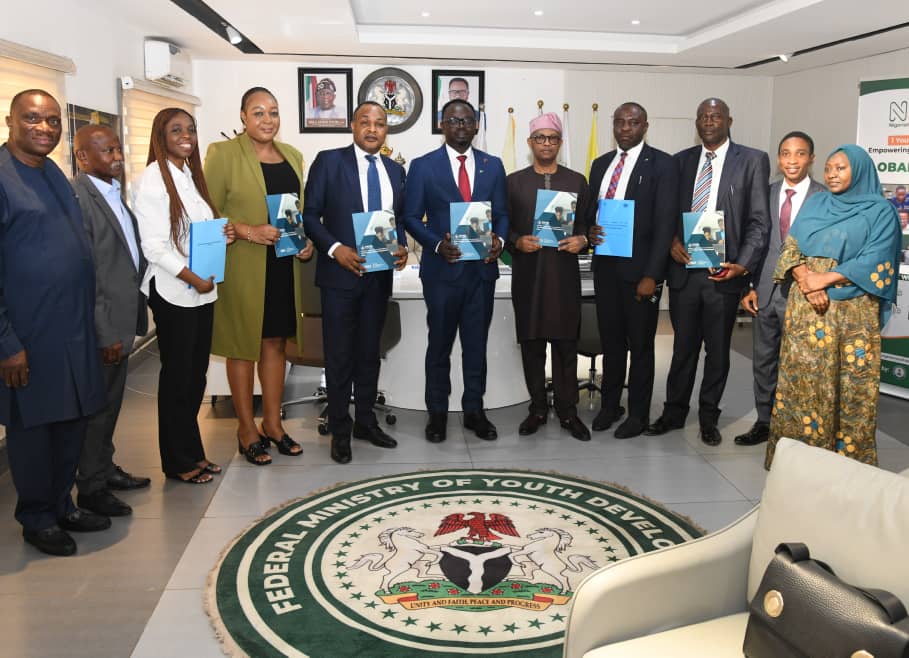
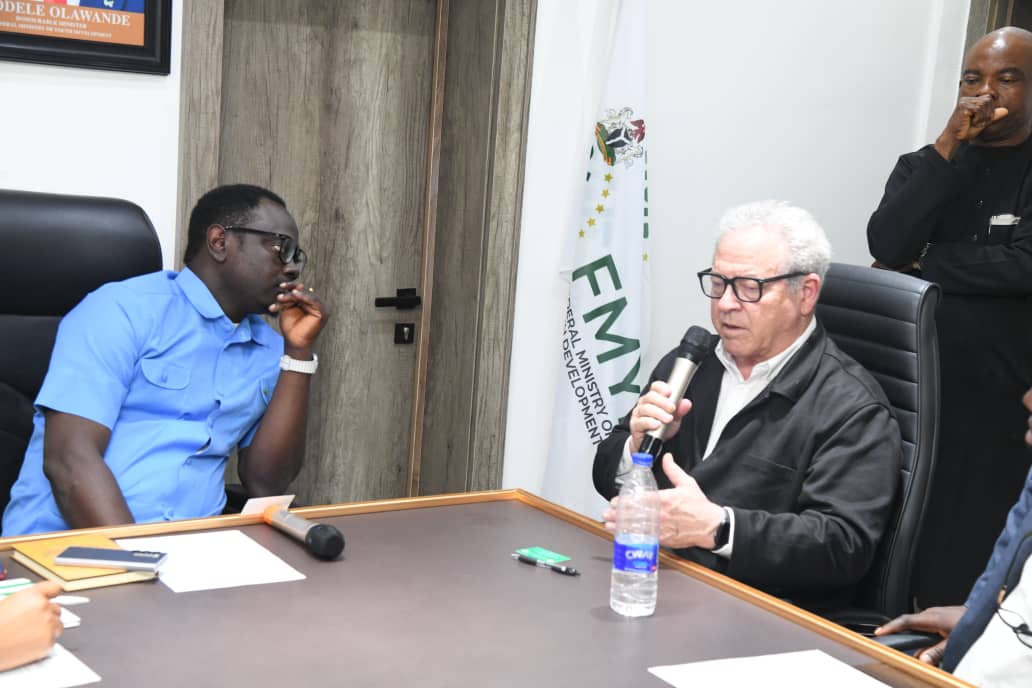
The training saw the participation of Minister of Youth Development, Mr. Ayodele Olawande, alongside directors and middle managers from the Federal Ministry of Youth Development and the Federal Ministry of Information and National Orientation.

Their engagement underscored the government’s commitment to fostering a digitally competent and security-conscious public sector.

At the conclusion of the program, Akinremi reflected on the key lessons gained, stating that participants now had a deeper understanding of how to protect sensitive government data from cyber threats.

He expressed confidence that the training had equipped civil servants with practical knowledge on leveraging artificial intelligence to improve public service delivery.

He also reiterated that upholding data privacy was essential in maintaining transparency and accountability in governance.

The program ended on a high note, with participants receiving certificates of participation as a testament to their commitment to digital transformation.

Akinremi further explained that this initiative aligns with UNESCO’s broader goal of helping government officials implement strategic digital transformation plans.

He pointed out that the training was structured around UNESCO’s AI and Digital Transformation Competency Framework for Civil Servants, ensuring that participants gained relevant and practical knowledge.

He emphasized the importance of understanding policy and regulatory aspects of digital governance, as well as adopting innovation management strategies to create citizen-centric public services. Ethical AI deployment, he added, was another critical area of focus, as governments must balance technological advancements with responsible and fair implementation. He also introduced participants to design-thinking approaches, encouraging them to apply strategic action planning in their digital governance efforts.

FG seeks stronger commonwealth partnerships for climate-smart agriculture and food security

Maryam Aminu

Nigeria’s Minister of Innovation, Science, and Technology, Chief Uche Nnaji, has reaffirmed the country’s commitment to working with Commonwealth partners, development organizations, and the private sector to drive climate innovation. Speaking at the Commonwealth Roundtable on Climate Finance and Food Security in London, he outlined Nigeria’s efforts under President Bola Tinubu’s Renewed Hope Initiative to ensure food security while fostering environmentally friendly communities.

The Minister emphasized that Nigeria is directing private investments into climate-smart food production, storage infrastructure, and transportation networks. He noted that the Nigeria Living Lands Initiative aligns with the Commonwealth Living Lands Charter, promoting land restoration, conservation, and climate-smart agriculture.

According to a statement by Dr. Felix Ale, spokesman for the National Space Research and Development Agency (NASRDA), key initiatives include the Green Economy Transition Project, which aims to restore 50,000 hectares of degraded land, incorporate agroforestry techniques, and generate between $2,000 and $3,000 per hectare in new income streams.

Another major initiative, the Climate-Smart Agriculture and Value Preservation Project, is focused on improving agricultural productivity through solar-powered drying, cold storage, and biochar processing. These measures are expected to boost crop yields by 40% and significantly reduce post-harvest losses.

Chief Nnaji stressed the importance of strengthening Commonwealth partnerships to address global climate challenges.

He called for collaboration in establishing a Commonwealth Center for Climate-Smart Agriculture, which would serve as a platform for knowledge exchange, technology transfer, and scaling innovative food security initiatives.

He also urged Commonwealth nations to simplify access to climate finance, ensuring that developing nations can secure the funding needed for large-scale adaptation projects.

Additionally, he advocated for empowering youth and women in climate-agriculture solutions, noting that over 60% of the Commonwealth’s population is under 30. Engaging youth-led agritech startups and women-led agricultural enterprises, he said, would drive innovation in food systems.

The Minister further called for partnerships in carbon credit trading and sustainable agriculture investments, which would create new revenue streams while ensuring environmental sustainability.

He emphasized that climate change, land degradation, and biodiversity loss pose serious threats to food security across the 56 Commonwealth nations. In Nigeria, rising temperatures and erratic weather patterns have led to declining agricultural yields and disruptions in food supply chains.

The country loses about 351,000 hectares of land to desertification annually, with 11 northern states severely affected.

Annual floods destroy over 100,000 hectares of farmland, displacing millions and reducing food availability.

Coastal erosion in Lagos, Bayelsa, and Delta states claims between 30 and 40 meters of land annually, endangering both communities and agricultural activities.

Nigeria also faces significant environmental challenges, including pollution of inland water bodies, which threatens fish stocks and the livelihoods of artisanal fishers.

The Lake Chad Basin has shrunk by over 90% since the 1960s, severely impacting water supply for irrigation and livestock.

The country loses between 350,000 and 400,000 hectares of forest annually, ranking among the highest deforestation rates in the world.

More than 95% of Nigerian farmers rely on unpredictable rainfall, making them vulnerable to droughts and extreme weather conditions.

Rapid urbanization, with a rate exceeding 4% annually, is also leading to the conversion of fertile farmlands into residential and commercial developments, reducing available land for food production.

Meanwhile, Nigeria remains the largest gas flaring country in Africa, emitting over 7 billion cubic meters of gas annually, which contributes to respiratory diseases and environmental degradation.

Despite having the potential to be a net food exporter, the country spends over $10 billion annually on food imports.

To address these challenges, Nigeria has embraced climate-smart agriculture and digital farming innovations. The country has championed climate-adaptive crops such as Tela Maize and improved cotton varieties that resist drought, pests, and extreme weather conditions, ensuring higher productivity with lower environmental impact.

Digital agriculture is also on the rise, with AI-driven precision farming, automated irrigation, and remote sensing technology helping smallholder farmers optimize inputs and minimize losses.

Additionally, clean energy solutions such as solar-powered irrigation and bioenergy systems are transforming rural farming communities, enabling sustainable food production even in water-scarce regions.

The government is also implementing a clean cooking initiative using Low Pressurized Compressed Natural Gas (LPCNG) technology, which is expected to reduce dependence on deforestation-driven biomass fuels.

The Waste-to-Wealth initiative is another key project, focusing on developing an integrated biodigester network capable of producing 2 million cubic meters of biogas and 50,000 tons of organic fertilizer annually.

This effort is projected to cut greenhouse gas emissions by 300,000 tons of CO₂ annually while providing clean energy access to over 10,000 households.

Chief Nnaji emphasized that while technological innovation is critical, sustainable financing is essential to scaling these solutions.

Nigeria is unlocking climate finance through Green Bonds, Climate Resilience Funds, and Public-Private Partnerships.

The country previously experimented with Green Bonds in 2017 and 2019, financing projects in afforestation, renewable energy, and climate-smart agriculture.

The Minister stated that with the right partnerships, similar funding mechanisms could be expanded to support agricultural value chains and food processing enterprises.

Nigeria is also leveraging the Commonwealth Climate Finance Access Hub to access international climate finance, supporting its National Technology Action Plan, which focuses on accelerating technology adoption in agriculture, energy, and industry.

Chief Nnaji underscored the need for urgent action, stressing that Nigeria, as Africa’s largest population and a nation rich in agricultural potential, is leading efforts to integrate innovation, climate finance, and sustainable food systems.

He expressed hope that the Commonwealth Roundtable on Climate Finance and Food Security would serve as a crucial platform to address these pressing challenges, align policies, and mobilize resources for a more resilient and food-secure future.

AAAU Engages in Cutting-Edge Climate Modeling at EasyREMO Workshop

Maryam Aminu

In a bid to advance climate modeling expertise in West Africa, the African Aviation and Aerospace University (AAAU), Abuja, actively participated in the prestigious EasyREMO Workshop.

The event, held from February 24th to 26th, 2025, took place at the West African Science Service Center on Climate Change and Adapted Land Use (WASCAL), hosted by the Federal University of Technology, Akure (FUTA).

Representing AAAU at the workshop were Dr. Eniola Olaniyan, Head of the Meteorology Department, along with postgraduate students Mr. Tunde Atoyebi and Mr. Okanlawon.

The event, jointly organized by the German Climate Service Center (GERICS) and WASCAL’s Doctorate Research Programme in West African Climate Systems (DRP-WACS), aimed to deepen participants’ understanding of climate modeling techniques, particularly through the EasyREMO model.

The workshop provided hands-on training on climate data analysis, interpretation of climate models, and regional climate change assessments. Key discussions focused on the application of localized climate predictions to evaluate the impact of climate change on land use, agriculture, and infrastructure across West Africa.

Through expert-led presentations and interactive sessions, participants gained valuable insights into sophisticated climate modeling approaches, positioning them to contribute meaningfully to climate resilience strategies in the region.