FG Launches ‘Irrigate Nigeria’ Project to Boost Farmers’ Income and Food Security

…Bauchi Governor Applauds President Tinubu’s Commitment to Agriculture

Maryam Aminu

In a bold move to revolutionize Nigeria’s agricultural sector, the Federal Government has officially launched the Irrigate Nigeria Project, an initiative designed to enhance food production and increase farmers’ incomes.

The groundbreaking event took place over the weekend in Gamawa Local Government Area, Bauchi State, marking the beginning of a nationwide rollout.

The National Agency for Science and Engineering Infrastructure (NASENI), in partnership with the Renewed Hope Infrastructure Development Fund (RHIDF) and private sector stakeholders, is spearheading this initiative under President Bola Tinubu’s Renewed Hope Agenda.

According to NASENI’s Executive Vice Chairman/CEO, Khalil Suleiman Halilu, the project is set to empower farmers with sustainable irrigation systems, enabling year-round farming and reducing reliance on seasonal rainfall. This approach will lead to higher crop yields, lower food prices, and improved economic conditions for farmers.

“This initiative rests on four pillars for sustainability: the deployment of centralized NASENI irrigation systems, provision of enhanced seeds and fertilizers, a specialized commercial model to ensure long-term viability, and a repayment system where farmers contribute portions of their harvests to a strategic food reserve,” Halilu explained.

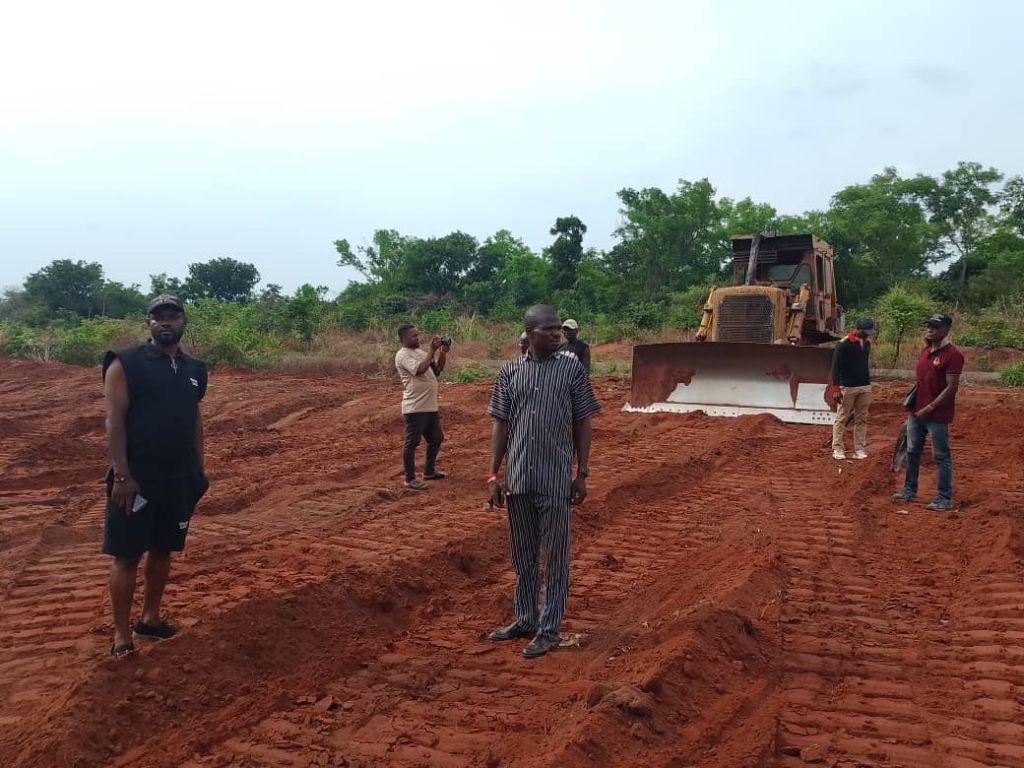
The pilot phase, launched on a 10-hectare farmland in Gamawa, showcases a Public-Private Partnership (PPP) approach. Farmers will receive irrigation equipment, technical support, and improved farm inputs while contributing to a national food reserve aimed at stabilizing commodity prices and promoting exports.

Bauchi State Governor Bala Abdulkadir Mohammed, in his remarks, hailed President Tinubu’s vision, stating that the initiative aligns with Bauchi’s strategy to expand irrigation farming and reduce dependence on rain-fed agriculture.

“This is not just about farming; it is about food security, economic empowerment, and national stability. The Irrigate Nigeria Project is a model for agricultural excellence, capable of transforming Nigeria’s agricultural value chain by introducing advanced technologies, boosting production, and ensuring inclusive economic benefits,” Governor Mohammed said.

Dr. Mohammed Dahiru, Chairman of the Presidential Committee on Technology Transfer (PICTT), emphasized that the PPP framework ensures long-term sustainability, unlike previous government-funded agricultural programs that struggled to yield lasting impact.

“No private sector investor commits funds without ensuring success. Unlike past initiatives that relied solely on government or donor funding, the Irrigate Nigeria Project is structured for sustainability through private sector involvement,” Dahiru noted.

Empowering Civil Servants for the Digital Age: UNESCO Leads Training on Cybersecurity, AI, and Data Privacy

Maryam Aminu

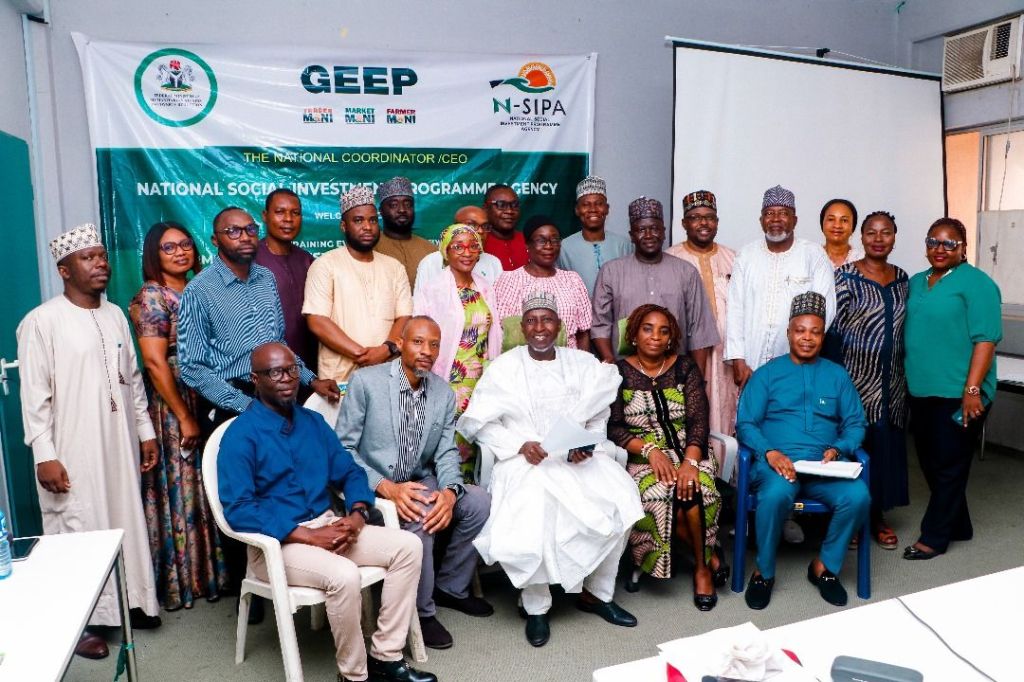
In an era where digital transformation is reshaping governance, UNESCO has taken a bold step to equip civil servants with essential digital skills.

Last week, a comprehensive capacity-building program on Cybersecurity, Artificial Intelligence (AI), Data Privacy, Open Data, and Digital Governance was held to bridge the digital divide and strengthen public sector efficiency.

The week-long training, facilitated by Gabriel Akinremi and Dr. Raymond Onuoha, provided an interactive learning experience for government officials. Through case studies, hands-on exercises, and expert-led discussions, participants explored key aspects of digital transformation.

Speaking on the importance of cybersecurity, Gabriel Akinremi emphasized the need for civil servants to adopt best practices in risk management to safeguard government data from cyber threats.

He highlighted the growing role of artificial intelligence in public service delivery, noting that AI-driven innovations could enhance efficiency and decision-making in government operations.

He also stressed the significance of data privacy, explaining that compliance with regulations was crucial in maintaining public trust and ensuring responsible data handling within government institutions.

The training saw the participation of Minister of Youth Development, Mr. Ayodele Olawande, alongside directors and middle managers from the Federal Ministry of Youth Development and the Federal Ministry of Information and National Orientation.

Their engagement underscored the government’s commitment to fostering a digitally competent and security-conscious public sector.

At the conclusion of the program, Akinremi reflected on the key lessons gained, stating that participants now had a deeper understanding of how to protect sensitive government data from cyber threats.

He expressed confidence that the training had equipped civil servants with practical knowledge on leveraging artificial intelligence to improve public service delivery.

He also reiterated that upholding data privacy was essential in maintaining transparency and accountability in governance.

The program ended on a high note, with participants receiving certificates of participation as a testament to their commitment to digital transformation.

Akinremi further explained that this initiative aligns with UNESCO’s broader goal of helping government officials implement strategic digital transformation plans.

He pointed out that the training was structured around UNESCO’s AI and Digital Transformation Competency Framework for Civil Servants, ensuring that participants gained relevant and practical knowledge.

He emphasized the importance of understanding policy and regulatory aspects of digital governance, as well as adopting innovation management strategies to create citizen-centric public services. Ethical AI deployment, he added, was another critical area of focus, as governments must balance technological advancements with responsible and fair implementation. He also introduced participants to design-thinking approaches, encouraging them to apply strategic action planning in their digital governance efforts.

FG seeks stronger commonwealth partnerships for climate-smart agriculture and food security

Maryam Aminu

Nigeria’s Minister of Innovation, Science, and Technology, Chief Uche Nnaji, has reaffirmed the country’s commitment to working with Commonwealth partners, development organizations, and the private sector to drive climate innovation. Speaking at the Commonwealth Roundtable on Climate Finance and Food Security in London, he outlined Nigeria’s efforts under President Bola Tinubu’s Renewed Hope Initiative to ensure food security while fostering environmentally friendly communities.

The Minister emphasized that Nigeria is directing private investments into climate-smart food production, storage infrastructure, and transportation networks. He noted that the Nigeria Living Lands Initiative aligns with the Commonwealth Living Lands Charter, promoting land restoration, conservation, and climate-smart agriculture.

According to a statement by Dr. Felix Ale, spokesman for the National Space Research and Development Agency (NASRDA), key initiatives include the Green Economy Transition Project, which aims to restore 50,000 hectares of degraded land, incorporate agroforestry techniques, and generate between $2,000 and $3,000 per hectare in new income streams.

Another major initiative, the Climate-Smart Agriculture and Value Preservation Project, is focused on improving agricultural productivity through solar-powered drying, cold storage, and biochar processing. These measures are expected to boost crop yields by 40% and significantly reduce post-harvest losses.

Chief Nnaji stressed the importance of strengthening Commonwealth partnerships to address global climate challenges.

He called for collaboration in establishing a Commonwealth Center for Climate-Smart Agriculture, which would serve as a platform for knowledge exchange, technology transfer, and scaling innovative food security initiatives.

He also urged Commonwealth nations to simplify access to climate finance, ensuring that developing nations can secure the funding needed for large-scale adaptation projects.

Additionally, he advocated for empowering youth and women in climate-agriculture solutions, noting that over 60% of the Commonwealth’s population is under 30. Engaging youth-led agritech startups and women-led agricultural enterprises, he said, would drive innovation in food systems.

The Minister further called for partnerships in carbon credit trading and sustainable agriculture investments, which would create new revenue streams while ensuring environmental sustainability.

He emphasized that climate change, land degradation, and biodiversity loss pose serious threats to food security across the 56 Commonwealth nations. In Nigeria, rising temperatures and erratic weather patterns have led to declining agricultural yields and disruptions in food supply chains.

The country loses about 351,000 hectares of land to desertification annually, with 11 northern states severely affected.

Annual floods destroy over 100,000 hectares of farmland, displacing millions and reducing food availability.

Coastal erosion in Lagos, Bayelsa, and Delta states claims between 30 and 40 meters of land annually, endangering both communities and agricultural activities.

Nigeria also faces significant environmental challenges, including pollution of inland water bodies, which threatens fish stocks and the livelihoods of artisanal fishers.

The Lake Chad Basin has shrunk by over 90% since the 1960s, severely impacting water supply for irrigation and livestock.

The country loses between 350,000 and 400,000 hectares of forest annually, ranking among the highest deforestation rates in the world.

More than 95% of Nigerian farmers rely on unpredictable rainfall, making them vulnerable to droughts and extreme weather conditions.

Rapid urbanization, with a rate exceeding 4% annually, is also leading to the conversion of fertile farmlands into residential and commercial developments, reducing available land for food production.

Meanwhile, Nigeria remains the largest gas flaring country in Africa, emitting over 7 billion cubic meters of gas annually, which contributes to respiratory diseases and environmental degradation.

Despite having the potential to be a net food exporter, the country spends over $10 billion annually on food imports.

To address these challenges, Nigeria has embraced climate-smart agriculture and digital farming innovations. The country has championed climate-adaptive crops such as Tela Maize and improved cotton varieties that resist drought, pests, and extreme weather conditions, ensuring higher productivity with lower environmental impact.

Digital agriculture is also on the rise, with AI-driven precision farming, automated irrigation, and remote sensing technology helping smallholder farmers optimize inputs and minimize losses.

Additionally, clean energy solutions such as solar-powered irrigation and bioenergy systems are transforming rural farming communities, enabling sustainable food production even in water-scarce regions.

The government is also implementing a clean cooking initiative using Low Pressurized Compressed Natural Gas (LPCNG) technology, which is expected to reduce dependence on deforestation-driven biomass fuels.

The Waste-to-Wealth initiative is another key project, focusing on developing an integrated biodigester network capable of producing 2 million cubic meters of biogas and 50,000 tons of organic fertilizer annually.

This effort is projected to cut greenhouse gas emissions by 300,000 tons of CO₂ annually while providing clean energy access to over 10,000 households.

Chief Nnaji emphasized that while technological innovation is critical, sustainable financing is essential to scaling these solutions.

Nigeria is unlocking climate finance through Green Bonds, Climate Resilience Funds, and Public-Private Partnerships.

The country previously experimented with Green Bonds in 2017 and 2019, financing projects in afforestation, renewable energy, and climate-smart agriculture.

The Minister stated that with the right partnerships, similar funding mechanisms could be expanded to support agricultural value chains and food processing enterprises.

Nigeria is also leveraging the Commonwealth Climate Finance Access Hub to access international climate finance, supporting its National Technology Action Plan, which focuses on accelerating technology adoption in agriculture, energy, and industry.

Chief Nnaji underscored the need for urgent action, stressing that Nigeria, as Africa’s largest population and a nation rich in agricultural potential, is leading efforts to integrate innovation, climate finance, and sustainable food systems.

He expressed hope that the Commonwealth Roundtable on Climate Finance and Food Security would serve as a crucial platform to address these pressing challenges, align policies, and mobilize resources for a more resilient and food-secure future.

AAAU Engages in Cutting-Edge Climate Modeling at EasyREMO Workshop

Maryam Aminu

In a bid to advance climate modeling expertise in West Africa, the African Aviation and Aerospace University (AAAU), Abuja, actively participated in the prestigious EasyREMO Workshop.

The event, held from February 24th to 26th, 2025, took place at the West African Science Service Center on Climate Change and Adapted Land Use (WASCAL), hosted by the Federal University of Technology, Akure (FUTA).

Representing AAAU at the workshop were Dr. Eniola Olaniyan, Head of the Meteorology Department, along with postgraduate students Mr. Tunde Atoyebi and Mr. Okanlawon.

The event, jointly organized by the German Climate Service Center (GERICS) and WASCAL’s Doctorate Research Programme in West African Climate Systems (DRP-WACS), aimed to deepen participants’ understanding of climate modeling techniques, particularly through the EasyREMO model.

The workshop provided hands-on training on climate data analysis, interpretation of climate models, and regional climate change assessments. Key discussions focused on the application of localized climate predictions to evaluate the impact of climate change on land use, agriculture, and infrastructure across West Africa.

Through expert-led presentations and interactive sessions, participants gained valuable insights into sophisticated climate modeling approaches, positioning them to contribute meaningfully to climate resilience strategies in the region.

Youth Minister Calls for Digital Transformation in Public Service to Boost Youth Development

Maryam Aminu

In a bold move to modernize youth engagement in Nigeria, the Minister of Youth Development, Comrade Ayodele Olawande, has urged civil servants across all Ministries, Departments, and Agencies (MDAs) to embrace digital solutions for enhanced efficiency and impact.

Speaking at a UNESCO-organized workshop on Digital Transformation, which brought together staff from the Federal Ministry of Youth Development and the Ministry of Information and National Orientation, Olawande emphasized the transformative power of technology in public service.

He stressed that integrating digital tools into youth-focused initiatives is essential to ensuring that young Nigerians are not left behind in the fast-evolving digital landscape.

“In this digital age, we have an incredible opportunity to engage, educate, and uplift our youth like never before. It is imperative that we evolve and harness these tools to create a more inclusive and impactful youth development framework,” Olawande stated.

The Minister called on civil servants to proactively incorporate modern technology into their programs, proposing the establishment of dedicated youth desks in all MDAs.

This, he noted, aligns with President Bola Tinubu’s vision of a more engaged and responsive youth ministry.

He further advocated for the expansion of the “Digital for All” program, spearheaded by the Federal Ministry of Communications, Innovation, and Digital Economy, to include all civil servants.

According to him, this initiative will equip public sector workers with the necessary digital skills to drive efficiency and enhance service delivery.

Olawande commended UNESCO’s efforts in promoting digital transformation within the civil service, acknowledging that such initiatives would revolutionize governance, improve efficiency, and foster better engagement with citizens.

While seeking stronger ties with the Ministry of Information and National Orientation, the Minister emphasized the power of digital solutions in shaping the future of youth development. “Together, we can harness the power of technology to create a brighter future for the youth of today and tomorrow,” he concluded.

Yobe Flyover: Progress or Politics? Gimba Hassan Weighs In

Maryam Aminu

Yobe-based legal expert, Suleiman Hassan Gimba, has weighed in on the ongoing debate surrounding the construction of a flyover in Damaturu.

In a recent statement, Gimba clarified that he does not speak on behalf of Governor Mai Mala Buni or the Yobe State Government but as an ordinary citizen who will directly experience the impact of the project.

“I do not speak for the flyover, nor do I oppose it,” Gimba stated. “I speak as someone who will drive on these roads, as a husband, a potential father, and a citizen whose future is shaped by government policies.”

He emphasized the importance of long-term planning in infrastructure development, citing the difference between Abuja and Lagos as a case study. “Abuja’s roads were built with a master plan in mind, while Lagos has had to adapt over time, leading to traffic congestion and expensive remedial efforts,” he explained.

According to him, Damaturu’s urbanization makes proactive infrastructure projects like the flyover essential.

Addressing economic concerns, Gimba argued that such projects create employment opportunities and stimulate local economies.

“Beyond construction jobs, the flyover will improve connectivity, increase property values, and boost internally generated revenue,” he noted.

He further pointed out that reduced congestion would lower fuel costs and vehicle maintenance expenses while contributing to environmental sustainability.

Reflecting on past infrastructure projects, Gimba drew comparisons to the NPN shops in Potiskum, which were initially criticized but later became vital to the town’s development.

“At the time, many thought they were unnecessary, but today, no one questions their value,” he recalled. “The same will be said of Buni’s five modern markets, the Potiskum Cattle Market, and now, the flyover.”

While acknowledging public skepticism, Gimba stressed the need for transparency in budgeting and execution to ensure the project’s success. “What we can hope for is accountability in every stage of development,” he concluded.

For Gimba, the flyover is more than a political talking point, it is a long-term investment in Yobe’s future.

“Years from now, when the benefits become clear, this project will speak for itself, honoring the vision behind it and improving the lives of the people it was built for,” he affirmed.

RMAFC Hosts High-Level Workshop on Remuneration for Political, Public, and Judicial Office Holders

Maryam Aminu

…..State Executives and Legislators Urged to Ensure Proper Implementation of Salaries and Allowances

In a bid to strengthen fiscal discipline and ensure fair remuneration across all levels of government, the Revenue Mobilisation Allocation and Fiscal Commission (RMAFC) has convened a crucial workshop in Abuja.

The one-day event, held at the Commission’s headquarters, brought together key government officials, legislators, and policymakers to discuss the proper implementation of remuneration packages for political, public, and judicial office holders in Nigeria.

In his keynote address, the Chairman of RMAFC, Dr. M.B. Shehu, OFR, underscored the Commission’s constitutional mandate to set equitable salaries and allowances for government officials.

He emphasized that while the remuneration framework is designed to reflect responsibilities, risks, and financial realities, gaps in implementation particularly at the state and local government levels have created inconsistencies that need urgent attention.

Dr. Shehu provided a historical perspective on Nigeria’s remuneration structure, recalling that the first comprehensive salary package for political, public, and judicial office holders was introduced in 2000 and later passed into law as the Certain Political, Public and Judicial Office Holders (Salaries and Allowances, etc.) Act, 2002. The last successful review occurred in 2008, despite multiple unsuccessful attempts in subsequent years.

However, a significant milestone was reached in 2024, when President Bola Ahmed Tinubu signed into law the Judicial Office Holders (Salaries and Allowances, Etc.) Act, reinforcing his administration’s commitment to a well-compensated and independent judiciary.

“The remuneration of all office holders must be equitable, justifiable, and aligned with the realities of governance,” Dr. Shehu stressed. “It should also serve as a motivation for competent individuals to serve while ensuring accountability in public office.”

Despite RMAFC’s extensive work in structuring fair remuneration, challenges persist especially at the state and local government levels. A 2019 pilot monitoring exercise conducted by the Commission revealed a concerning trend: while the Federal Government has enacted remuneration laws, most states have adopted RMAFC’s recommendations without passing the required legislative approvals. This oversight contradicts constitutional provisions and creates legal uncertainties.

Additionally, RMAFC has received numerous complaints from states struggling with implementation. Some cases have led to investigations by anti-corruption agencies like the ICPC and EFCC, highlighting instances where officials deviated from prescribed remuneration structures.

Dr. Shehu outlined the key goals of the workshop:

Educating state executives and legislators on the proper implementation of RMAFC’s remuneration recommendations.

Addressing ambiguities and challenges faced in enforcing the remuneration framework.

Encouraging State Houses of Assembly to pass the required laws, as mandated by Section 124 of the 1999 Constitution, ensuring legal backing for remuneration at the subnational level.

Gathering feedback from stakeholders to improve future remuneration reviews.

He stressed that adherence to constitutional provisions is non-negotiable, as it safeguards transparency, fiscal responsibility, and good governance.

In his welcome remarks, Hon. Mohammed Inbeer Usman, Chairman of the Remuneration and Monetisation Committee, emphasized that states and local governments must align their remuneration policies with constitutional mandates and RMAFC’s recommendations. He expressed confidence that the expert-led discussions, facilitated by a Senior Advocate of Nigeria (SAN), would provide actionable solutions to the challenges of remuneration implementation.

“As we deliberate today, I urge all participants to engage actively and take these insights back to their respective states,” he stated. “Proper implementation of remuneration policies will enhance governance, reduce unnecessary costs, and improve accountability at all levels.”

The workshop concluded with a strong call for collaboration between federal, state, and local governments to ensure that remuneration structures are legally sound, fair, and sustainable.

RMAFC reaffirmed its commitment to supporting states in implementing these policies while ensuring that salaries and allowances remain reasonable and within the government’s financial capacity.

As Nigeria continues its journey toward greater transparency and fiscal responsibility, the implementation of fair and legally backed remuneration packages will play a critical role in enhancing governance, reducing corruption risks, and fostering trust in public institutions.

RMAFC Chairman Calls for Innovative Revenue Strategies to Ensure Fiscal Sustainability

Maryam Aminu

In a bold call for economic transformation, the Chairman of the Revenue Mobilization Allocation and Fiscal Commission (RMAFC), Dr. Mohammed Bello Shehu, OFR, has emphasized the urgent need for innovative revenue-generation strategies to address the growing financial demands of public service across all levels of government.

Speaking at the opening of a two-day training programme titled “Optimizing Revenue Generation, Budgeting Process, and Good Governance” in Abuja, Dr. Shehu reiterated the Commission’s constitutional mandate to enhance fiscal efficiency.

He stressed that boosting revenue generation is no longer optional but essential for economic stability and sustainable national development.

The training, taking place at the Dame Pauline Tallen Banquet Hall, National Centre for Women Development, is designed to equip government officials and stakeholders with critical knowledge and skills to improve revenue mobilization, budgeting, and fiscal management.

Chairman RMAFC, Dr. Mohammed Bello Shehu, OFR,

Dr. Shehu highlighted the importance of strategic partnerships, effective pricing strategies, and efficient fiscal management in strengthening revenue generation.

He urged participants to embrace innovative solutions, stating, “We must move beyond traditional revenue sources and explore new frontiers to boost fiscal sustainability.”

The programme aims to provide insights into revenue generation challenges and opportunities, equip participants with practical skills, and foster strategic collaborations to enhance fiscal sustainability. By the end of the event, attendees are expected to develop actionable strategies to address revenue shortfalls by leveraging areas of comparative advantage.

Dr. Shehu encouraged all stakeholders to take full advantage of the training, emphasizing that fiscal sustainability requires proactive measures, collaboration, and a firm commitment to good governance.

RMAFC’s Crucial Role in Nigeria’s Economic Stability Highlighted as SGF Visits Commission

Maryam Aminu

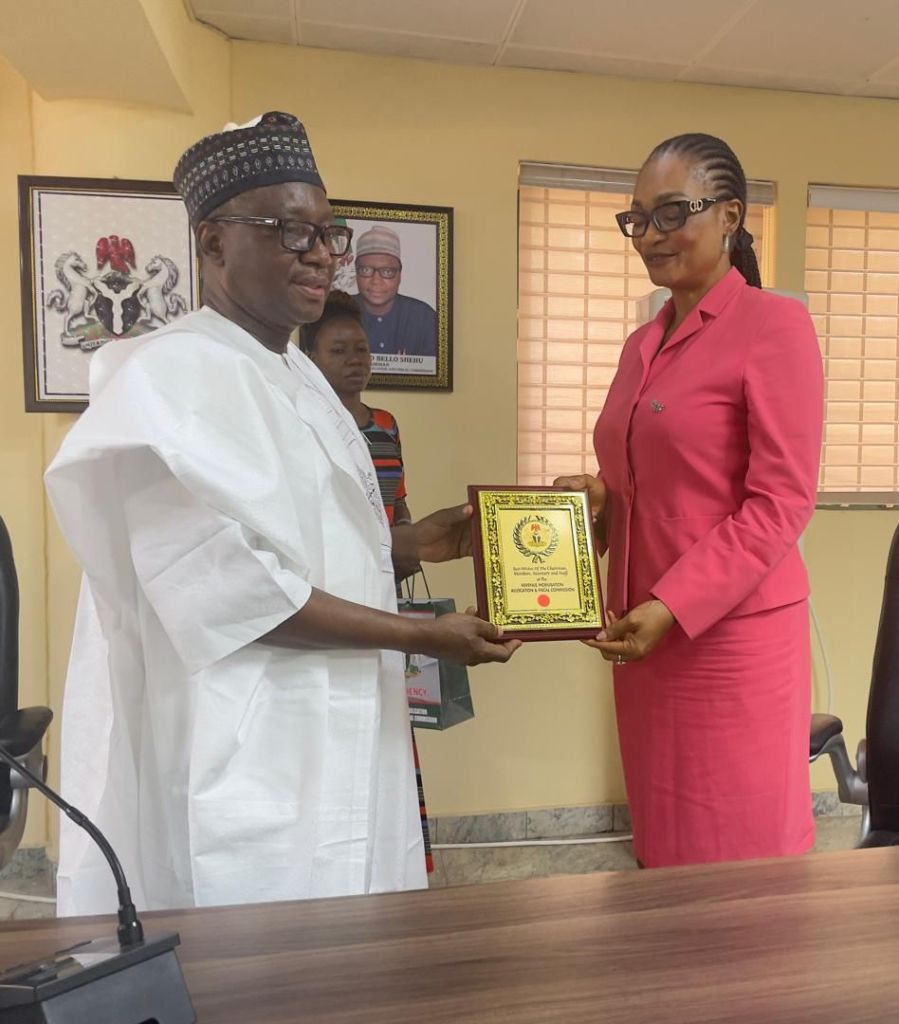
In a move that underscores the critical role of fiscal governance in Nigeria’s economic stability, the Secretary to the Government of the Federation (SGF), Sen. George Akume, on Tuesday, February 25, 2025, paid an official visit to the headquarters of the Revenue Mobilization Allocation and Fiscal Commission (RMAFC) in Abuja.

The visit, which coincided with the inaugural plenary meeting of the newly sworn-in Federal Commissioners, reinforced the administration’s commitment to strengthening fiscal policies, boosting revenue generation, and ensuring equitable distribution of national wealth.

Welcoming the SGF, the Chairman of RMAFC, Dr. Mohammed Bello Shehu,  reaffirmed the Commission’s pivotal role in Nigeria’s economic governance.

He emphasized that as a constitutional body, RMAFC plays a crucial role in ensuring fair and transparent revenue allocation across the federal, state, and local governments.

“This occasion provides a unique opportunity for direct engagement between the Commission and the highest coordinating office of the Federal Government,” Dr. Shehu stated.

“RMAFC remains committed to fiscal efficiency, revenue expansion, and supporting the Renewed Hope Agenda of President Bola Ahmed Tinubu.”

In his address, Sen. George Akume praised Dr. Shehu for his transformative leadership at RMAFC and congratulated the newly appointed Commissioners.

He highlighted the Commission’s critical function in national financial stability and called on them to work diligently in fulfilling their responsibilities.

“The Tinubu administration is committed to implementing bold fiscal reforms, diversifying revenue sources, and enhancing economic policies to reposition Nigeria for sustainable growth,” Akume stated. “The removal of fuel subsidies, exchange rate unification, and ongoing tax reforms are crucial steps toward fiscal stability. However, these policies will only succeed if institutions like RMAFC execute their mandates effectively.”

The SGF urged the Commission to focus on strengthening revenue monitoring, curbing financial leakages, prioritizing non-oil revenue generation, and expediting the review of the revenue allocation formula.

He emphasized the need for synergy between RMAFC, the National Assembly, the Ministry of Finance, and other key stakeholders to align with the administration’s economic transformation agenda.

“The nation expects results, and I am confident that this team will fulfill its responsibilities with diligence and excellence. Your work will shape the financial future of Nigeria, and together, we will build a stronger and more self-sufficient economy,” Akume added

In his vote of thanks, Hon. Ismail Mohammed Agaka, the Federal Commissioner representing Kwara State, expressed appreciation for the SGF’s visit, describing it as a significant step toward reinforcing collaboration between RMAFC and the Presidency.

“This visit has reinforced the synergy between RMAFC and the Presidency. We assure you of our unwavering commitment to national development and alignment with the administration’s policy direction,” he stated.

As Nigeria navigates economic reforms and revenue diversification efforts, the visit of the SGF to RMAFC signals a renewed focus on fiscal accountability, revenue growth, and economic transformation an agenda set to define the country’s financial future.

RMAFC Chairman Dr Mohammed Bello Shehu and the Secretary to the Government of the Federation (SGF), Sen. George Akume,