Nigeria has taken a fresh step to strengthen its defence architecture and expand international security partnerships following the signing of a Memorandum of Understanding (MoU) with the Hashemite Kingdom of Jordan aimed at boosting defence cooperation and intelligence sharing.
The agreement, signed in Amman on Sunday, 10th May 2026, is expected to deepen collaboration between both countries in critical areas including counter-terrorism, military capability development and defence innovation.
Nigeria’s Minister of State for Defence, H. E. Dr. Bello Muhammed Matawalle, MON, signed on behalf of Nigeria, while Major General Yousef A. Alhnaity, Chairman of the Joint Chiefs of Staff of the Jordanian Armed Forces, represented Jordan.
According to the Ministry of Defence, the MoU establishes a framework for cooperation covering intelligence exchange, defence capability enhancement, joint military training, defence research and industry, as well as mutual support in advancing regional and global peace and security.
Speaking at the signing ceremony, Dr. Matawalle described the agreement as a major milestone in bilateral relations between both countries and underscored the importance of strategic defence partnerships in responding to evolving global and regional security threats.
“Nigeria and Jordan recognise the value of mutually beneficial cooperation and remain committed to deepening defence ties to promote peace, security, and stability within our respective regions,” he said.
The Minister further highlighted the importance of technology transfer under the agreement, noting that plans for establishing a production line in Nigeria align with the provisions of the DICON Act and support broader efforts to strengthen local defence capacity.
The Ministry stated that the MoU reflects the shared commitment of Nigeria and Jordan to work in good faith, build stronger mutual trust and pursue coordinated action in addressing common security priorities.
The agreement is also expected to open new opportunities for defence collaboration and institutional partnerships between both nations in the years ahead.
Nigeria intensified its push for stronger international defence collaboration as the Honourable Minister of State for Defence, H. E. Dr. Bello Muhammed Matawalle, MON, led the country’s delegation to SAHA Expo 2026 in Istanbul, engaging global industry leaders and exploring strategic partnerships aimed at strengthening the nation’s defence capabilities.
The high-level engagement at the global defence and aerospace exhibition underscored Nigeria’s renewed focus on expanding indigenous defence production and deepening international cooperation to enhance the operational readiness of the Armed Forces.
Held from 5th to 9th May 2026, SAHA Expo 2026 attracted more than 1,700 companies, including 263 international firms, alongside over 30,000 defence and aerospace professionals from more than 120 countries.
Dr. Matawalle and members of Nigeria’s delegation participated in the official opening ceremony alongside the Special Guest of Honour, Mehmet Fatih Kacır, Minister of Industry and Technology of the Republic of Türkiye; Türkiye’s Minister of National Defence, Yaşar Güler; and other senior government and industry representatives.
Speaking at the opening, SAHA Expo 2026 Chairman, Haluk Bayraktar, described the exhibition as “a meeting point for minds that will dominate technology.”
As part of Nigeria’s participation, the Minister toured exhibition stands of prospective defence partners, including Nigeria’s indigenous Defence Industry Corporation of Nigeria (DICON), while also holding strategic engagements with key international stakeholders.
Among the notable meetings was an engagement with Vugar Mustafayev, Minister of Defence Industry of the Republic of Azerbaijan, focused on expanding defence cooperation and enhancing military capabilities.
The meeting was attended by the Chief of the Air Staff, Air Marshal S.K. Aneke, and centred on advancing the operational capacity of the Armed Forces of Nigeria through strategic partnerships involving DICON and other global defence firms.
Reaffirming Nigeria’s evolving defence strategy, Dr. Matawalle said the country was prioritising long-term industrial cooperation over transactional procurement. “Nigeria is moving from buying and selling to building solid partnerships with reliable defence partners,” he stated.
Queeneth Iheoma-Hart (CIO) disclosed the development on behalf of the Director, Information and Public Relations, Ministry of Defence, Abuja.
The Federal Government has reaffirmed its resolve to make hydrography a strategic national priority as part of efforts to strengthen maritime security, improve navigation safety and unlock greater economic opportunities within Nigeria’s blue economy.
The commitment was restated by the Honourable Minister of State for Defence, H. E. Dr. Bello Muhammad Matawalle, MON, during a courtesy visit by the newly appointed Hydrographer of the Federation and Chief Executive Officer of the National Hydrographic Agency (NHA), Rear Admiral O.O. Fadahunsi, and his management team to the Minister’s office in Abuja.
Dr. Matawalle said the Renewed Hope Administration of President Bola Ahmed Tinubu, GCFR, remains committed to supporting the National Hydrographic Agency and expanding Nigeria’s hydrographic capabilities to improve data generation and strengthen maritime operations.
According to the Minister, hydrography remains a critical component of national development, especially in enhancing marine transportation, defence planning and the sustainable use of ocean resources. “The NHA plays a strategic role in advancing Nigeria’s and the Gulf of Guinea’s maritime capabilities. By facilitating the sustainable use of ocean resources, promoting maritime trade, and driving economic growth through innovative hydrographic solutions, the Agency is central to our blue economy agenda,” he stated.
He explained that discussions during the meeting centred on practical measures to expand Nigeria’s hydrographic capacity with the goal of improving navigational safety, reinforcing maritime security and promoting sustainable maritime development.
Dr. Matawalle further expressed confidence that with existing policy frameworks already in place, Nigeria is well positioned to assume a leading role in advancing hydrographic development across West Africa.
In his remarks, Rear Admiral O.O. Fadahunsi commended the Minister for what he described as visionary leadership and pledged the Agency’s readiness to deepen collaboration with relevant ministries, departments and agencies.
He assured that the National Hydrographic Agency would continue to pursue an integrated approach aimed at strengthening hydrographic resilience and delivering improved outcomes for the maritime sector.
Nigeria’s battle against terrorism and violent extremism cannot be won by military force alone but through deliberate investment in education and hope for vulnerable communities, the Honourable Minister of Defence, General Christopher Gwabin Musa (Rtd), OFR, declared on Sunday.
The Defence Minister said quality education remains one of the Federal Government’s strongest tools for countering radicalisation and dismantling the cycle of extremism, especially in underserved areas facing persistent security threats.
General Musa made the remarks while commissioning the Kaduna Christian Academy in Ungwan Sunday, Sabon Tasha, Chikun Local Government Area of Kaduna State a school constructed by the Department of State Services (DSS). Describing Nigeria’s security situation as an “asymmetric war,” the Minister said insurgents and extremist groups thrive on ignorance, misinformation and hopelessness, stressing that classrooms and learning spaces offer a more sustainable path to peace.
“As Minister of Defence, I view this school as a critical military asset without a single rifle,” he said. “True and lasting security is anchored on the defeat of ignorance and the conquest of hopelessness. This school is a weapon of mass instruction in the right hands.”
According to him, the commissioning goes beyond a ceremonial exercise and reflects a broader national strategy anchored on community resilience, inter-agency cooperation and human-centred security interventions.
The Kaduna Christian Academy was delivered by the DSS in collaboration with Nest Global Resources, Dan Oil Exploration Limited and Tantina Security Services.
General Musa noted that the project follows an earlier educational intervention by the DSS in Danbushiya, Chikun LGA, where a school was built for the Muslim community as part of efforts to promote inclusion and balanced development.
He commended the DSS for expanding its role beyond traditional security operations. “We see the DSS in a different light as builders of the future,” the Minister said. “By constructing this academy, the Service has shown that internal security is not just about surveillance and arrest. It is about winning the confidence of the people. A secure mind one that is educated and enlightened is the best defence against the merchants of chaos.”
Addressing the community, General Musa urged residents of Ungwan Sunday and Kaduna State to take ownership of the facility and safeguard it.
To students, he described the academy as “a sanctuary of hope” where values of citizenship, tolerance and critical thinking would be nurtured alongside academic learning. To parents, he said the project demonstrates government commitment to long-term social development and not just political cycles. For Kaduna State, he said the facility supports existing efforts to expand access to inclusive and quality education while strengthening the connection between security operations and grassroots development.
Although established to serve the Christian community, the Minister said the academy should stand as a symbol of inter-faith harmony, reflecting the earlier educational project delivered for the Muslim community.
He further charged the school management and teachers to uphold discipline and professionalism, while urging local youths to see the facility as a shared community asset. “See this school not as a target, but as your inheritance. Work with the DSS and other security agencies as partners in progress,” he stated.
The commissioning ceremony attracted officials of the Kaduna State Government, members of the clergy and traditional leaders.
Governor Uba Sani, represented by the Commissioner for Justice, Barr. James Kanyip, welcomed the initiative and reaffirmed the state government’s commitment to sustaining collaboration with security agencies and private partners in advancing development.
As Nigerians mark Democracy Day, the Civil Society Legislative Advocacy Centre (CISLAC) has reminded citizens that the freedoms enjoyed today were not handed down on a platter but earned through years of struggle, sacrifice, and resistance against oppression by courageous patriots who paid the ultimate price for democratic governance.
In a Democracy Day message released on June 12, CISLAC described the historic date as more than a public holiday, calling it a symbol of courage, resilience, and the relentless quest for justice, accountability, and the rule of law.
The organisation paid glowing tribute to the men and women whose sacrifices shaped Nigeria’s democratic journey, stressing that their legacies continue to inspire the ongoing struggle for a more transparent, inclusive, and accountable nation.
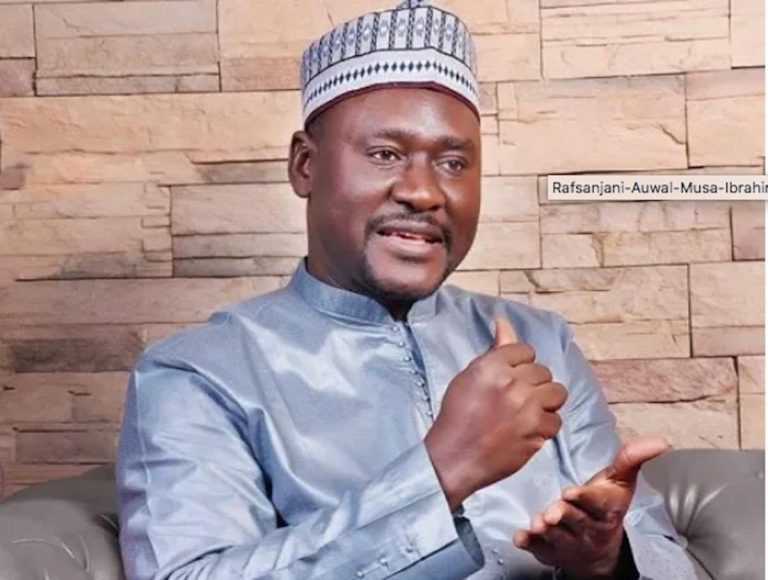
Signed by CISLAC Executive Director, Comrade Auwal Musa Rafsanjani, the statement honoured several prominent figures who played pivotal roles in Nigeria’s democratic movement. Among those remembered were Chief MKO Abiola, Hajia Kudirat Abiola, General Shehu Musa Yar’Adua, Balarabe Musa, Chief Gani Fawehinmi, Ken Saro-Wiwa, Prof. Eskor Toyo, Prof. Festus Iyayi, Comrade Chima Ubani, Barrister Bamidele Aturu, Comrade Emma Ezeazu, Dr. Yima Sen, Mallam Abubakar Sokoto, Professor Abubakar Momoh, Dr. Bala Jibrin, Joseph Mamman, Anslem Akele, Abdulrahman Black, Oby Nwankwo, Comrade Hassana Garba, Comrade Abiodun Aremu, Mr. Alao Aka-Bashorun,
Others include Innocent Chukwuma, Bagauda Kalthoum, Dr. Bala Yusuf Usman, Dr. Segun Osoba, Barrister Chris Abashi, Nelson Ananze, Bar. Hauwa Evelyn Shekarau, Comrade Christy Adambara, Farida Mustapha, Alhaja Raliat Daniju, Douglas Oronto, Hajiya Bilikisu Yusuf, Dr. Ola Oni, Mrs. Kehinde Ola Oni, Cosmos Attayi-Elaigu, Bene Madunagu, Dr. Tajudeen Abdulraheem, Comrade Ali Ciroma, Dr. Peter Ozo-Eson, Comrade Olaitan Oyerinde, Comrade Abiodun Ogunade (Revo), Comrade Basil Chianson, and Bello Aidoloje.
CISLAC also recognised the authors of the Minority Report of the 1978 Constitutional Conference, alongside numerous other unsung patriots whose efforts laid the foundation for democratic governance in Nigeria.
While commemorating the nation’s democratic milestones, the organisation expressed concern over what it described as growing threats to the country’s democratic gains, including worsening insecurity, widespread poverty, corruption, and weak governance structures.
According to CISLAC, although Nigeria has sustained 26 years of uninterrupted democratic rule and peaceful transitions of power, democracy must be measured by more than periodic elections. It noted that citizens expect democratic governance to deliver security, justice, economic opportunities, and improved living conditions.
The organisation raised alarm over escalating security challenges across the country, including terrorism, banditry, kidnapping, communal clashes, and farmer-herder conflicts.
It warned that democracy cannot flourish where citizens live in fear and called for comprehensive security reforms driven by intelligence, accountability, and preventive measures.
On the economy, CISLAC lamented the rising cost of living, inflation, unemployment, and the hardship facing millions of Nigerians. While acknowledging the objectives behind policy reforms such as fuel subsidy removal and exchange rate adjustments, it urged government at all levels to implement people-centred policies that protect vulnerable citizens and reduce inequality.
The group also identified youth unemployment as a major threat to national stability, warning that the growing number of unemployed and underemployed young people could fuel insecurity, social unrest, and irregular migration if urgent interventions are not implemented.
To address the challenge, CISLAC called for strategic investments in education, skills acquisition, entrepreneurship, agriculture, and industrial development to unlock the potential of Nigeria’s youthful population.
The organisation further described corruption as one of the greatest obstacles to democratic development, noting that it continues to erode public trust and divert resources away from critical sectors such as education, healthcare, and infrastructure.
It advocated stronger institutions, transparent procurement processes, protection for whistleblowers, and a more determined commitment to accountability and anti-corruption efforts without political interference.
On electoral reforms, CISLAC acknowledged improvements recorded in recent elections but expressed concern over persistent issues such as vote buying, electoral violence, low voter turnout, and the increasing influence of money in politics. It also criticised the lack of internal democracy within political parties, including candidate imposition and manipulated primary elections.
The organisation also highlighted the declining state of Nigeria’s education and healthcare sectors, citing inadequate infrastructure, manpower shortages, increasing costs, and the growing number of out-of-school children as evidence that urgent interventions are required.
Additionally, CISLAC voiced concern over shrinking civic space, declining public confidence in state institutions, and challenges affecting judicial independence and access to justice. It stressed the need for stronger democratic institutions capable of operating free from political pressure.
CISLAC maintained that while sustaining democracy for more than two decades is commendable, mere survival is not enough. It insisted that democracy must translate into better livelihoods, stronger institutions, enhanced security, social justice, and inclusive governance.
The organisation called on government, political leaders, civil society organisations, the media, and citizens to renew their commitment to transparency, accountability, participation, and democratic values, stressing that Nigeria’s democratic future will ultimately be judged not by elections alone, but by the dignity, safety, and prosperity of its people.
The push for a more transparent and efficient revenue administration system received a boost as the Revenue Mobilization Allocation and Fiscal Commission (RMAFC) and the Joint Revenue Board (JRB) renewed their commitment to strengthening collaboration towards successful implementation of ongoing fiscal reforms in Nigeria.
Chairman of RMAFC, Dr. Mohammed Bello Shehu, gave the assurance when he received a delegation from the Joint Revenue Board, led by its Executive Secretary, Mr. Olusegun Adesokan, during a courtesy visit to the Commission.
Dr. Shehu stressed that effective cooperation among revenue-generating institutions remained critical to achieving reforms that would promote fairness, accountability and improved fiscal outcomes for government institutions and taxpayers across the country.
He said the Commission remained committed to supporting initiatives that enhance transparency in revenue administration while ensuring that revenue allocation across the three tiers of government continues to follow existing legal frameworks. “The Revenue Mobilization, Allocation and Fiscal Commission remains committed to promoting transparency, fairness, and accountability in Nigeria’s revenue administration. As key stakeholders in the nation’s fiscal architecture, we must work together to ensure that ongoing revenue reforms protect the interests of taxpayers while guaranteeing equitable revenue allocation across all levels of government,”Dr. Shehu stated.
The RMAFC Chairman noted that policy harmonisation, continuous stakeholder engagement and institutional collaboration were essential to addressing emerging concerns surrounding the country’s evolving revenue framework.
He acknowledged concerns raised over aspects of the new tax regime, including refunds, revenue allocation and electronic transfer taxation, noting that sustained technical discussions would help build confidence and ensure fairness in the administration of the nation’s tax system.
According to him, with stronger cooperation between federal and subnational governments as well as revenue institutions, Nigeria could record significant improvements in revenue mobilisation and fiscal efficiency within the next five to six years.
R-L: RMAFC Chairman, Dr Mohammed Bello Shehu, OFR and Executive Secretary, Joint Revenue Board, Mr Olusegun Adesokan during the Courtesy visit of the Joint Revenue Board to the Commission .
Earlier, the Executive Secretary of the Joint Revenue Board, Mr. Olusegun Adesokan, said the visit was aimed at deepening collaboration between the JRB and RMAFC to ensure the effective implementation of Nigeria’s ongoing revenue reforms.
Adesokan explained that the new revenue reform framework was designed to promote equity, transparency and fairness in tax administration while creating clearer mechanisms for revenue allocation between the Federal Government and subnational entities.
He noted that stakeholders had raised concerns regarding electronic money transfer levies, stamp duties, revenue allocation, refunds and the treatment of advance tax payments, assuring that the Board would continue to engage relevant authorities to resolve such issues through consultations and technical discussions.
The JRB Executive Secretary said the Board remained committed to working with RMAFC and other stakeholders to ensure revenues were properly attributed to the appropriate states while protecting taxpayers under the emerging tax framework.
He also commended the Commission’s commitment to stakeholder coordination, expressing confidence that improved information sharing, collaboration and public education would strengthen revenue generation and compliance nationwide.
Adesokan pledged the continued support of the Joint Revenue Board towards initiatives aimed at improving Nigeria’s revenue administration system, adding that the Board would provide necessary technical inputs, reports and support for the success of the reforms.
The meeting ended with both institutions reaffirming their commitment to enhancing revenue administration, protecting taxpayers and strengthening Nigeria’s fiscal framework for sustainable national development.
The engagement was witnessed by the Chairman and Vice Chairman of the Nigerian Revenue Service Monitoring Committee of RMAFC, Hon. Daniel Kolade Abimbol and Hon. Abubakar Wamakko, as well as the Secretary to the Commission, Joseph Nwaze Okechukwu.
Other RMAFC officials in attendance included the Director, Federation Account Allocation Committee Department, Ahmed Rufai Gidado; Director, Inland Revenue Monitoring Department, Mohammed Hamis Ishaq; Ag. Director, Chairman’s Office, Gidado Muhammed Yahaya; Deputy Director, Inland Revenue Monitoring Department, Ali Sagir; and Special Assistant to the Hon. Chairman on Technical Matters, Professor Aliyu Idris.
The Executive Secretary of the JRB was accompanied by Mr. Matthew Emune and Mr. Collins Musu.
Inset: RMAFC Chairman, Dr Mohammed Bello Shehu, OFR; 2nd L: Executive Secretary, Joint Revenue Board, Mr Olusegun Adesokan; 1st L: Chairman Inland Revenue Service Monitoring Committee, Hon. Daniel Kolade Abimbola (FC Oyo State); 2nd R: Vice Chairman, Inland Revenue Monitoring Committee, Hon. Abubakar Wamakko (FC Sokoto State); 1st R: Secretary to the Commission, Engr. Joseph Okechukwu Nwaeze during the Courtesy visit of the Joint Revenue Board to the Commission
The statement was signed by Maryam Umar Yusuf, Head, Information and Public Relations Unit, RMAFC.
For two decades, Defence Health Maintenance Limited (DHML) has stood at the forefront of healthcare delivery for Nigeria’s military community, providing access to quality medical services for serving personnel, veterans and their families. As the organisation marks its 20th anniversary on June 11, 2026, stakeholders across the defence, healthcare and public policy sectors are gathering in Abuja to celebrate a legacy of service, innovation and commitment to the welfare of the nation’s armed forces.
The anniversary celebration, themed “Strengthening Military Health Systems for Universal Health Coverage Through Evidence, Innovation, and Strategic Partnership,” is more than a commemorative event. Thus, it provides unique opportunity to reflect on two decades of transformative contributions to military healthcare and to chart a course for the future of health service delivery within Nigeria’s defence sector.
Hosted by the Managing Director and Chief Executive Officer of DHML, Surgeon Rear Admiral Azeez Bayo Afolayan (Rtd.), the event is expected to attract senior military officers, policymakers, healthcare professionals, development partners and beneficiaries from across the country. The Honourable Minister of Defence, General Christopher Gwabin Musa (Rtd.), OFR, is the Special Guest of Honour at the event, while the Honourable Minister of State for Defence, Dr Bello Mohammed Matawalle, MON, who also doubles as the Chairman Board of Directors DHML will chair the occasion. Their participation underscores the strategic importance of healthcare in sustaining military readiness, operational effectiveness and personnel welfare.
Established in 2005 as a specialised Health Maintenance Organisation, DHML is a coporate entity jointly owned by the Ministry of Defence and the Armed Forces of Nigeria under the National Health Insurance Scheme (NHIS), DHML was created to provide accessible, affordable and sustainable healthcare services for military personnel, retirees and their eligible dependants. Over the years, it has evolved into one of Nigeria’s most distinctive healthcare management institution, playing a pivotal role in strengthening healthcare delivery within the military ecosystem.
From its inception, DHML has continued to pursue a clear mission: to ensure that both serving and retired military personnel and their eligible family members have access to comprehensive healthcare through an efficient and structured health insurance framework. In doing so, the organisation has maintained high standards of accountability, quality assurance and service. During a recent familiarisation visit by the Permanent Secretary of the Ministry of Defence, Mr Richard Pheelangwah, to the organization, the MD/CEO DHML disclosed that it currently partners with more than 935 healthcare providers (consisting of 230 military and 705 civilian) nationwide, serving a growing population of military personnel, veterans and their families. Today, DHML operates across the country through an extensive network of healthcare providers spanning primary, secondary and tertiary levels of care.
DHML impact is particularly evident in the care provided to veterans. Its record indicates that DHML currently provides healthcare coverage for more than 110,000 veterans and their dependants through a robust military-civilian healthcare network. Among its many accomplishments, DHML has distinguished itself through consistent compliance with national healthcare regulatory standards. The organisation has repeatedly earned recognition for meeting stringent accreditation requirements and maintaining quality assurance benchmarks within Nigeria’s health insurance sector.
Notably, DHML was acknowledged as the only Health Maintenance Organisation to fully satisfy all re-accreditation requirements during a major National Health Insurance Scheme assessment exercise in 2018. Such achievements have strengthened its reputation as a benchmark institution in Nigeria’s managed healthcare industry. The leadership of the military has increasingly recognized that healthcare is not merely a welfare service but a critical component of national security. A healthy and resilient military force remains essential to operational effectiveness, mission readiness and long-term strategic capability.
Health experts and defence stakeholders have consistently emphasised that the physical and mental wellbeing of military personnel directly influences operational performance. As security challenges become more complex and deployments more demanding, the need for robust and responsive healthcare systems within the defence sector has become even more imperative. This reality aligns closely with the anniversary theme, which highlights innovation, evidence-based practice and strategic partnerships as key drivers of universal health coverage within military communities.
Like many healthcare institutions globally, DHML faces challenges ranging from funding constraints to specialised healthcare access and beneficiary awareness. In response, the organisation has consistently advocated for improved funding mechanisms and stronger collaboration among stakeholders to enhance service delivery for serving personnel and veterans alike.
Recent engagements have also highlighted opportunities for expanding telemedicine services, improving healthcare logistics and deepening partnerships with tertiary healthcare institutions to ensure timely access to specialised medical care. These initiatives reflect DHML’s determination to adapt to evolving healthcare realities while remaining focused on its core mandate of protecting the health and wellbeing of Nigeria’s military community.
As DHML celebrates 20 years of dedicated service, the milestone offers an opportunity not only to celebrate past achievements but also to envision a stronger future. The organisation’s leadership under Surgeon Rear Admiral Azeez Bayo Afolayan rtd has consistently emphasised the need to strengthen military healthcare systems in alignment with Nigeria’s broader pursuit of Universal Health Coverage.
For thousands of military personnel, veterans and family members who have benefited from its services over the years, DHML’s story is one of care, commitment and continuity. It is a story of an institution that has helped safeguard those who dedicate their lives to safeguarding the nation.
As stakeholders converge at the Nigerian Army Conference Centre in Abuja to commemorate this important milestone, the celebration will serve as a reminder that behind every effective military force stands a dependable healthcare system committed to preserving the lives and wellbeing of those who serve.
Twenty years after its establishment, DHML continues to fulfil that mission strengthening lives, supporting military operational readiness and effectiveness while advancing healthcare excellence across Nigeria’s Armed Forces community.
Nigeria’s quest to overcome its security challenges received a fresh boost on Thursday as the Minister of Defence, General Christopher Gwabin Musa (Rtd), OFR, challenged innovators, startups and researchers to develop indigenous technologies capable of strengthening the country’s defence architecture.
Speaking at the Omniverse Africa 3.0 Summit in Lagos, General Musa declared that modern security demands more than conventional military hardware, urging Nigeria to transition from being a consumer of defence technology to becoming a producer of homegrown solutions. The Minister’s remarks were contained in a statement signed by Leah Katung-Babatunde, Special Assistant (Media) to the Honourable Minister of Defence.
Delivering a keynote address titled “The 70/30 Rule: Why Nigeria’s Security and Innovation Agendas are the Same National Project,” the Defence Minister said the future of national security would be driven by technology, industrial capability and innovation alongside military strength. “The future requires us to complement courage with technology, foresight, industrial capability, and innovation,” he said. “We must secure the nation today, but we must also build the capabilities that will secure the nation tomorrow.”
General Musa disclosed that the Ministry of Defence is already restructuring its doctrine, procurement processes and training systems to prioritise critical areas such as unmanned systems and robotics, surveillance technologies, cybersecurity, secure communications, artificial intelligence governance, data-driven decision-making tools and advanced domestic manufacturing.
He explained that the initiative aligns with President Bola Ahmed Tinubu’s Renewed Hope Agenda on industrialisation, adding that ongoing reforms at the Defence Industries Corporation of Nigeria (DICON) are designed to create an ecosystem where defence investments stimulate economic growth, generate high-tech jobs, support university research and open new commercial opportunities.
As part of efforts to deepen collaboration between the military and technology ecosystem, the Minister launched the Defence Futures Lab Pathway, a side event convened by Kryterion.
He, however, cautioned participants against viewing the initiative as a procurement platform, stressing that its primary objective is to foster capability development, innovation and long-term strategic planning for the defence sector. “This is an opportunity to think ahead, organise better, and explore practical ways of strengthening the wider defence ecosystem,” he stated.
Participants at the roundtable session agreed to reconvene in three months to review progress, assess emerging technology concepts and align future actions with the Federal Government’s indigenous defence strategy.
The Nigeria Female Youths Organization (NFYO) in collaboration with Michelle’s youth initiative for Sustainable Development (MYiSD), has sought the partnership and support of the Federal Ministry of Finance for the proposed First National Female Youth Conference 2026, a landmark gatering expected to bring together more than 1,000 young women leaders from across the 36 states and the Federal Capital Territory to discuss governance, financial inclusion, leadership and national development.
The request was made during a courtesy visit by a delegation of the organization, led by its President, Princess Mimi Peters, to the ministry in Abuja. The visit provided an opportunity for discussions on the objectives of the proposed conference and possible areas of collaboration ahead of the event scheduled to hold from August 6 to 8, 2026.
Receiving the delegation on behalf of the Honourable Minister of Finance and Coordinating Minister of the Economy, Mr. Taiwo Oyedele, the Director of Special Duties, Sani-Yusuf Fatima, assured the group that their requests and proposals would be conveyed to the minister for consideration.
Fatima noted that President Bola Ahmed Tinubu remains committed to the development and empowerment of the girl child, stressing that young women possess enormous potential to drive economic growth, innovation and national transformation when provided with the right opportunities and support.
She emphasized the need for deliberate interventions aimed at addressing emerging social and behavioural challenges among young people while promoting positive values, leadership development and productive civic engagement.
According to her, youth-focused conferences and initiatives that encourage education, entrepreneurship, financial literacy and civic responsibility are critical to building a more responsible, productive and globally competitive generation.
the Director of Special Duties, Sani-Yusuf Fatima
The ministry also underscored the importance of financial inclusion and economic empowerment, noting that young women must be equipped with the skills, knowledge and resources required to participate meaningfully in the nation’s economy and contribute to sustainable development.
The delegation commended the Honourable Minister of Finance and Coordinating Minister of the Economy, Mr. Taiwo Oyedele, for the ministry’s prompt response to its request for engagement, describing it as a demonstration of commitment to youth and women development.
Princess Peters noted that the visit came barely two weeks after the organization submitted its letter seeking collaboration with the ministry, a response time she described as commendable considering the volume of requests received by government institutions.
According to her, the swift invitation reflected a leadership style that values constructive engagement and recognizes the importance of creating opportunities for young women to contribute meaningfully to national discourse and development.
She said the development had strengthened the confidence of members of the organization in the government’s willingness to listen to the concerns, aspirations and contributions of young Nigerians.
Princess Peters stated that the proposed conference aligns strongly with President Bola Ahmed Tinubu’s Renewed Hope Agenda, particularly its focus on economic empowerment, human capital development, entrepreneurship, financial inclusion and youth participation in nation-building.
According to her, the conference is designed to complement ongoing government efforts by equipping young women with practical knowledge, leadership skills and access to opportunities that will enable them contribute meaningfully to national development.
She explained that the conference, themed “Her Voice, Her Future: Nigeria Female Youths Shaping National Action,” was conceived in response to the limited participation of young women in economic and policy decision-making processes despite their growing population and contributions to national development.
Princess Peters noted that Nigeria has more than 60 million young women between the ages of 15 and 35, yet only about 35 per cent are financially included while less than 10 per cent participate in formal economic policy spaces.
She said the conference aims to strengthen financial literacy, encourage entrepreneurship, promote national cohesion and create direct engagement between young women and key government institutions on policies affecting their future.
Beyond economic empowerment and leadership development, she explained that the conference is also intended to address the growing social vices involving young people across the country.
According to her, participants will be equipped with the knowledge, values and advocacy skills needed to promote responsible citizenship, ethical leadership and positive behavioural change within their communities.
She noted that women and girls occupy strategic positions within families and society and can play a significant role in influencing positive attitudes among young people, including the boy child. “We believe that empowering women and girls with the right knowledge and leadership tools will enable them to become agents of positive change in their homes, schools and communities. Through this conference, we hope to inspire a generation that will help reduce social vices such as drug abuse, cultism, cybercrime, violence and other negative behaviours affecting our youths,” she said.
Princess Peters stated that the organization is seeking collaboration with the Ministry of Finance in areas including a keynote address on financial inclusion, technical sessions on access to finance, participation of ministry experts in capacity-building programmes and the establishment of a platform for sustained engagement between young women and policymakers.
She expressed confidence that the conference would produce practical outcomes, including the training of over 1,000 delegates on financial literacy, leadership development, civic responsibility and government empowerment opportunities.
Princess Peters further expressed optimism that collaboration with the Ministry of Finance would help translate discussions from the conference into actionable programmes and policy recommendations capable of improving the economic prospects of young women and contributing to national development.
She added that the conference would provide a unique platform for interaction among policymakers, development partners, private sector leaders and young women from diverse backgrounds, fostering collaboration and generating innovative solutions to challenges affecting women and youths nationwide.
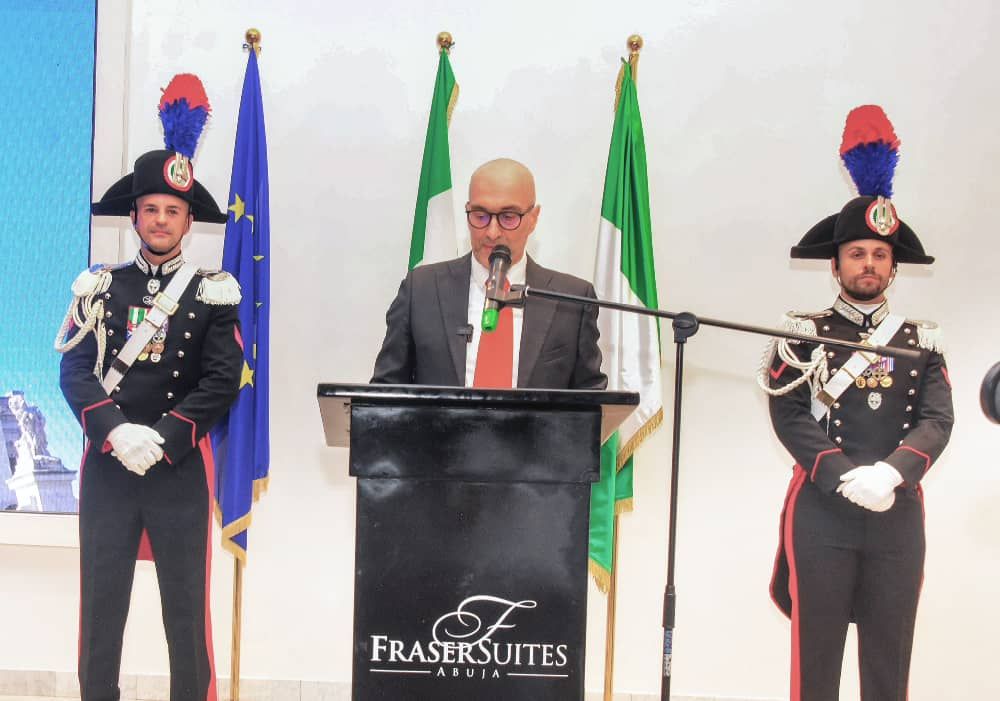
Italy has reaffirmed its commitment to deepening economic, educational and diplomatic ties with Nigeria, expressing confidence that the resolution of the long-standing controversy involving ENI will unlock fresh investments and strengthen bilateral relations between both countries.
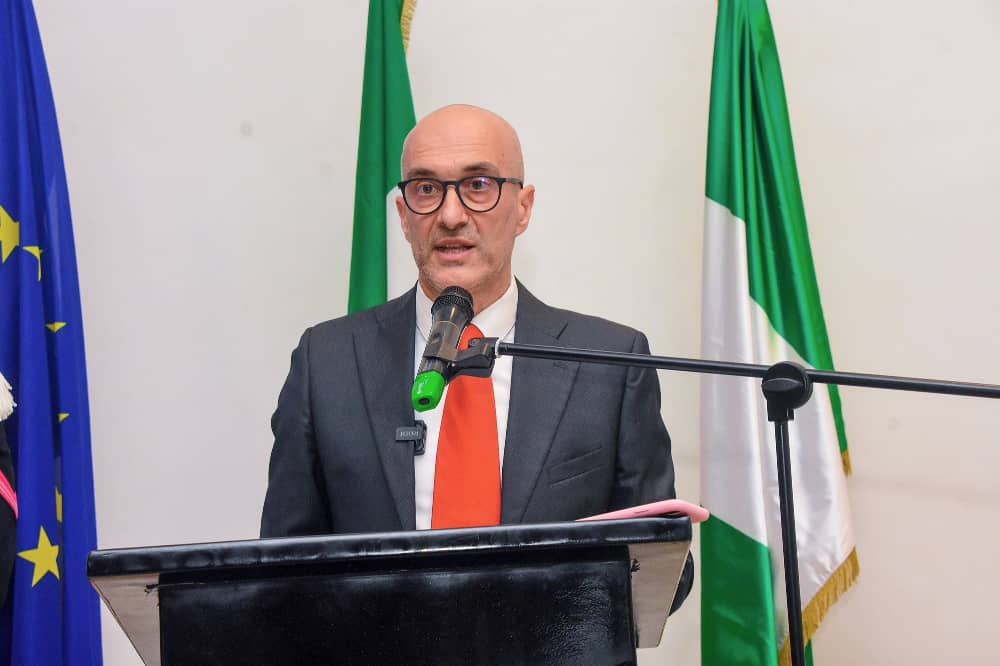
Speaking at a reception to mark the 80th anniversary of the Italian Republic in Abuja, the Ambassador of Italy to Nigeria, H.E. Roberto Mengoni, said Italy remained committed to supporting Nigeria’s democratic development, security and socio-economic progress while encouraging greater commercial engagement between the two nations.
Mengoni noted that Italian businesses have played significant roles in Nigeria’s development over the decades, citing companies such as AGIP, now known as ENI, Salini, B-Stabilini, Cappa D’Alberto and Orobica. He expressed optimism that more Italian companies and citizens would be encouraged to invest in Nigeria. “We are sure that the resolution of the long pending controversy with ENI, thanks to the efforts of the Nigerian government, will bring more investments and interest from Italy,” he said.
The ambassador also highlighted growing cooperation between the two countries at the international level, recalling that President Bola Ahmed Tinubu attended an international conference on the fight against terrorism in Rome last year, where he met with Italy’s Prime Minister Giorgia Meloni.
According to him, Nigeria and Italy will later this year jointly chair the international conference for the replenishment of the Global Partnership for Education, a major global initiative aimed at supporting education, particularly across Africa.
Mengoni further acknowledged the contributions of Nigerians living in Italy, revealing that as of 2025, about 132,000 Nigerians were legally resident in the European country, working across transportation, industry, agriculture, hospitality and commerce while contributing to economic growth and social development.
He cited Paola Enogu, captain of the Italian women’s volleyball team that won gold at the Paris Olympics, as an example of the positive contributions of Nigerians and their descendants to Italian society, noting that she was born and raised in Italy to Nigerian parents.
The envoy used the occasion of Italy’s Republic Day celebration to reflect on the country’s democratic journey since June 2, 1946, when Italians voted to establish a republic in the aftermath of World War II.
Describing the Italian Republic as “imperfect, troubled and beloved,” Mengoni said the country emerged from the devastation of war determined to reject fascism, colonialism, oppression and discrimination, while building a society founded on democracy, equality and inclusion. He drew attention to Article 3 of the Italian Constitution, which guarantees equality before the law regardless of gender, race, language, religion, political opinion or social condition, and mandates the state to remove obstacles that limit citizens’ freedom and equality.
The ambassador also devoted a significant part of his address to the progress of women in Italy, recalling that women voted for the first time on June 2, 1946, and subsequently played key roles in drafting the country’s post-war constitution and rebuilding the nation.
He recounted how decades of activism by Italian women helped dismantle discriminatory laws and social barriers, allowing women greater freedom and participation in public life.
Quoting former minister Tina Anselmi, Mengoni said: “When women commit to change, their victories are victories for the whole society.” Despite the progress made, he acknowledged that challenges remain, including gender inequality in political representation, employment opportunities, wage levels and violence against women.
On global affairs, the ambassador stressed the importance of international cooperation and adherence to international law in addressing conflicts and global challenges. Referencing remarks by President Mattarella, he warned against the dangers of division and hostility, saying nations must choose between preserving international law and embracing confrontation that could lead to prolonged conflicts.
Looking ahead, Mengoni said Italy viewed Africa as a neighbour and partner in addressing shared challenges such as terrorism, international crime, poverty and climate change. “Italy does not teach lessons,” he said. “We can only offer to Nigeria our imperfect example of a country that through decades of hard work has changed for the better.”
He added that the democratic journey that began in Italy 80 years ago remains a continuing process, driven by a commitment to peace, democracy, solidarity and social justice.