Maryam Aminu
Nigeria has again recorded a low performance on the 2025 Corruption Perceptions Index (CPI), scoring 26 out of 100 for the second year running, as the country slipped further down the global ranking, Transparency International (TI) and its Nigerian chapter, the Civil Society Legislative Advocacy Centre (CISLAC), have disclosed.
According to the latest CPI released on Tuesday, Nigeria fell from 140th position in 2024 to 142nd out of 180 countries assessed in 2025, underscoring persistent public concerns over corruption and slow progress in governance reforms.
The CPI measures perceived levels of public sector corruption based on assessments from reputable independent institutions.
Transparency International describes the index as the most widely recognised global benchmark for tracking corruption trends worldwide.
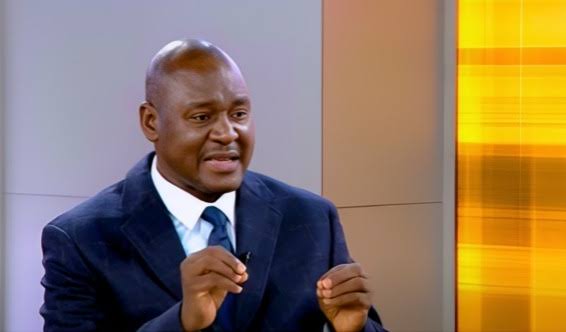
In a statement signed by CISLAC Executive Director and Head of Transparency International Nigeria, Comrade Auwal Musa Rafsanjani, the organisation said Nigeria’s unchanged score reflects stagnation in anti-corruption outcomes rather than a direct assessment of the performance of specific anti-graft agencies.
CISLAC noted that several anti-corruption institutions continue to demonstrate commitment despite operating within a system challenged by weak structures and political interference.
The organisation highlighted notable gains in asset recovery efforts as one of the factors that helped Nigeria avoid a further decline in its CPI score.
It disclosed that the Economic and Financial Crimes Commission (EFCC) recovered more than ₦566 billion, $411 million and 1,502 properties between October 2023 and September 2025.
Similarly, the Independent Corrupt Practices and Other Related Offences Commission (ICPC) was said to have recovered ₦37.44 billion and $2.353 million in 2025 alone.
CISLAC also pointed to improved international cooperation, citing the January 2026 agreement by the UK Crown Dependency of Jersey to repatriate over $9.5 million in corruption-linked assets for deployment in critical infrastructure projects in Nigeria.
Nigeria’s removal from the Financial Action Task Force (FATF) grey list in October 2025 was further described as a major milestone, following the implementation of a 19-point action plan to strengthen anti-money laundering and counter-terrorism financing frameworks.
The organisation commended civil society groups and the media for sustaining public scrutiny, describing them as indispensable to accountability and democratic governance.
Structural Challenges Persist
Despite these positives, CISLAC warned that deep-seated weaknesses continue to undermine Nigeria’s anti-corruption drive. It listed judicial corruption, allegations of bias, nepotism in public appointments, and declining public trust in the justice system as major concerns.
The report also flagged persistent oil theft and subsidy-related fraud, referencing the 2022 Auditor-General’s report published in September 2025, which alleged that the Nigerian National Petroleum Company Limited (NNPCL) failed to fully account for significant oil revenues.
Other issues raised include shrinking civic space, corruption in the power sector, insecurity linked to compromised security institutions, weak opposition politics ahead of the 2027 general election, and widespread non-compliance with the Freedom of Information Act.
CISLAC further disclosed that no fewer than 86 incidents of attacks and harassment against journalists, activists and citizens were recorded in 2025, posing serious threats to democratic accountability.
The organisation called for stronger institutional independence for anti-corruption agencies, transparent judicial appointments, security sector reforms, full digitisation of public procurement, and public disclosure of recovered assets.
It also urged the National Assembly to pass the Whistleblower Protection Bill, amend the Electoral Act to mandate electronic transmission of election results, and ensure strict adherence to constitutional provisions on budgetary transparency.
CISLAC reaffirmed its readiness to collaborate with government institutions and stakeholders in advancing transparency, accountability and democratic governance across Nigeria.

 Africa Security Investigation News