By Maryam Aminu
Long before the first flood alert, crop failure or flight disruption makes the headlines, Nigeria’s climate signals are already speaking and on today in Abuja, those signals were formally decoded.
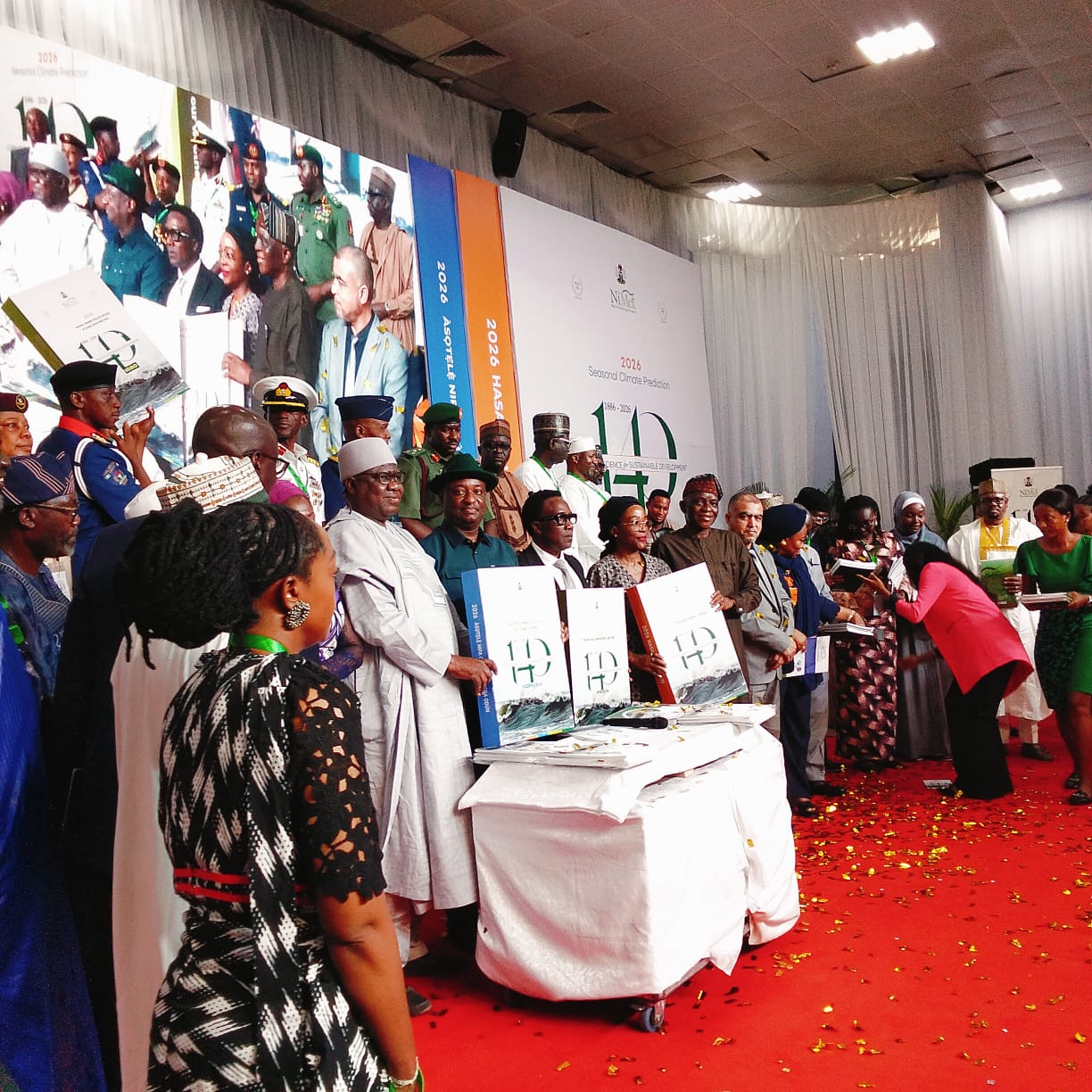
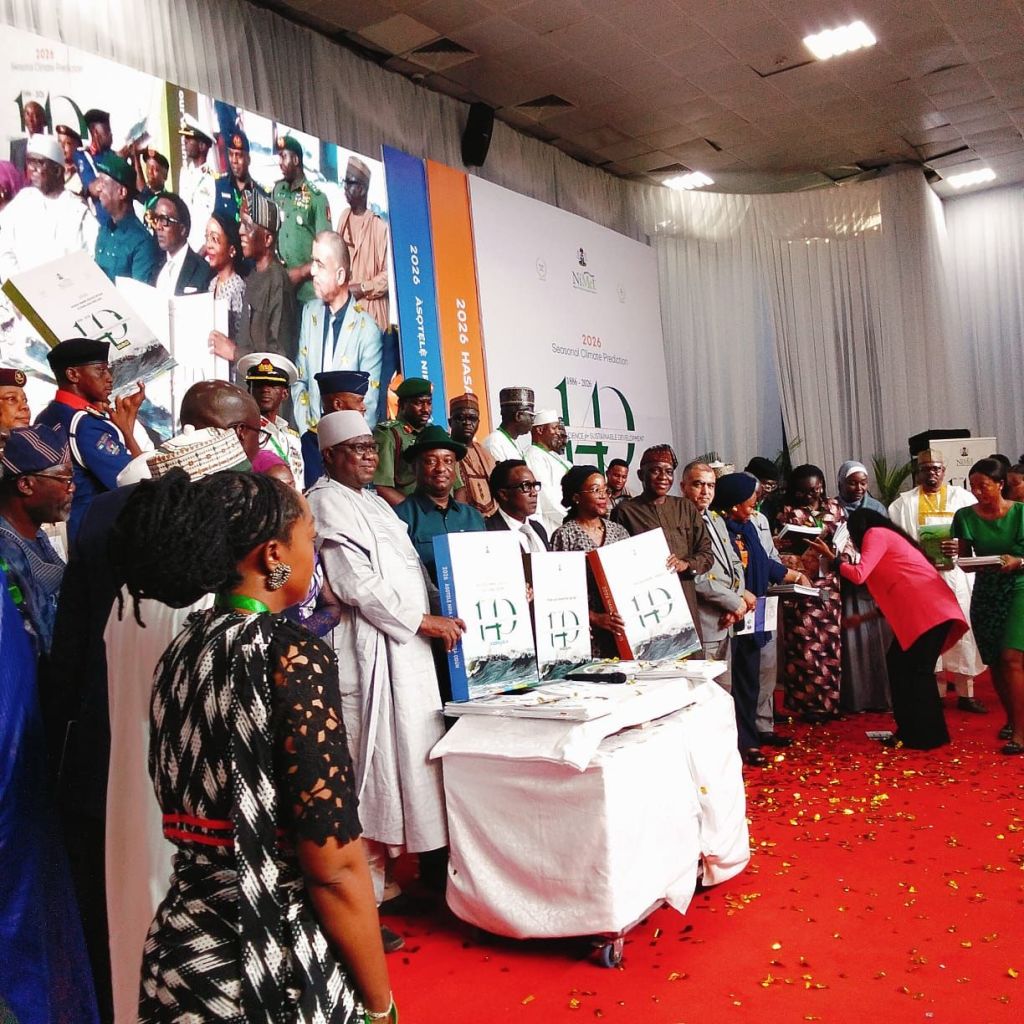
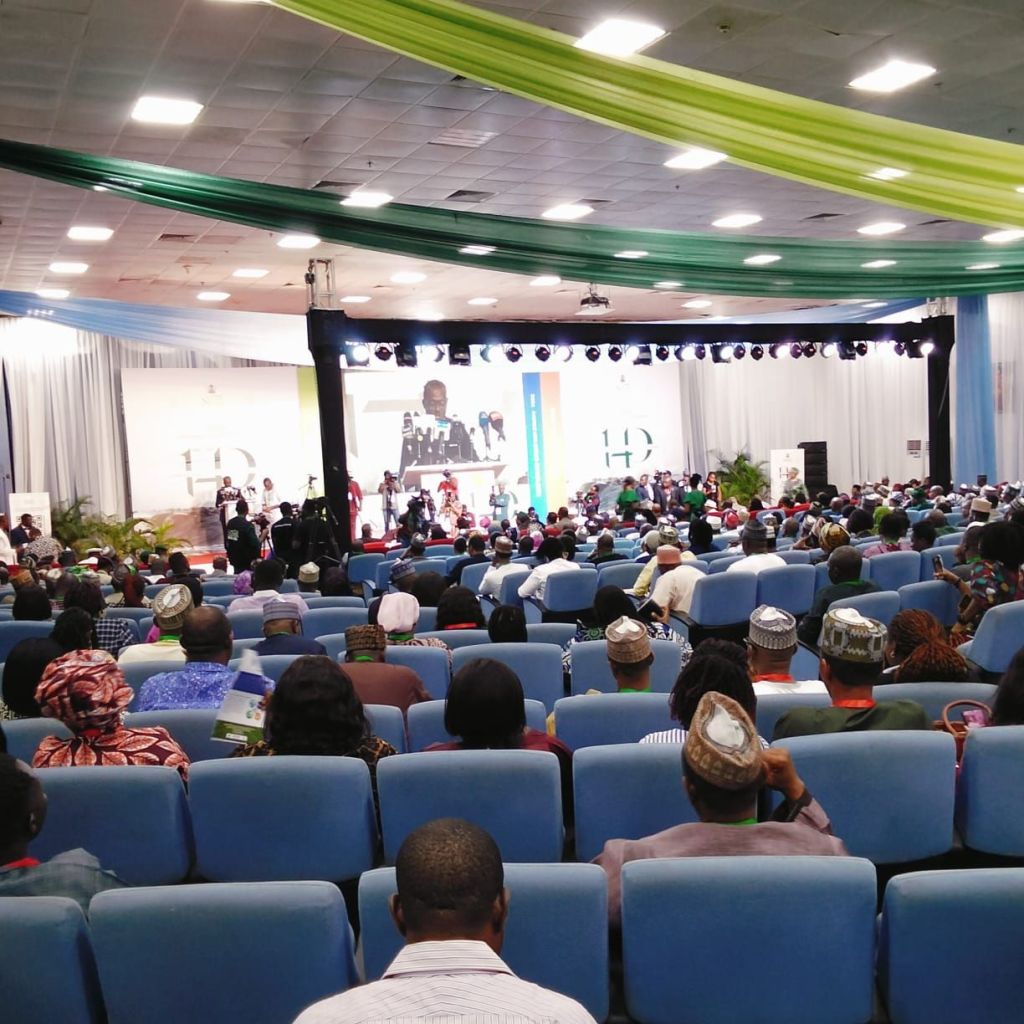
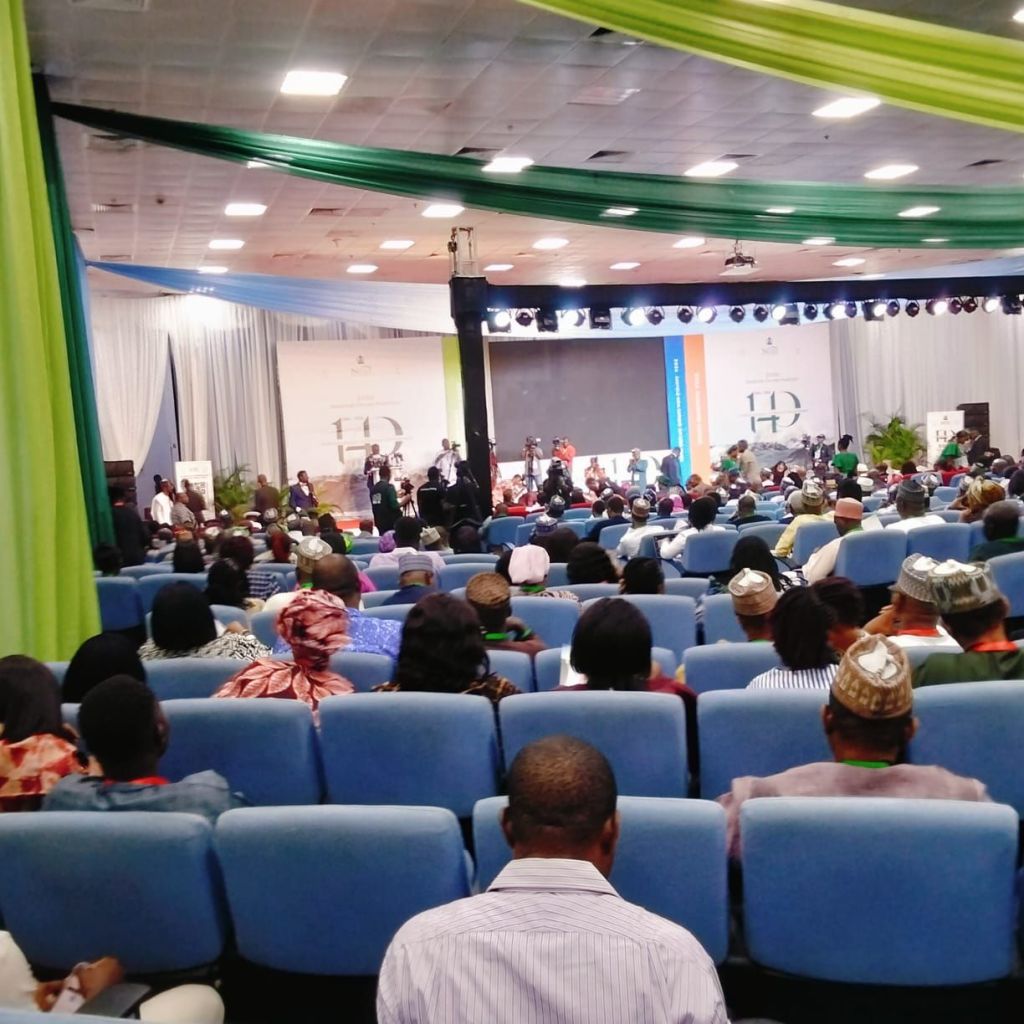
At the NAF Conference Centre, Kado, the Nigerian Meteorological Agency (NiMet) unveiled its 2026 Seasonal Climate Prediction (SCP), a document government officials say has moved beyond scientific theory to become a tool for survival, planning and national resilience in a country increasingly shaped by extreme weather.
Presenting the forecast, the Minister of Aviation and Aerospace Development, Festus Keyamo, SAN, said climate variability and change were no longer distant threats but “daily realities” influencing aviation safety, food security, infrastructure planning and economic stability across Nigeria.
“This is science for action,” Keyamo said, describing the SCP as a strategic instrument that translates complex climate data into guidance decision-makers can actually use.
He noted that the Federal Government, under President Bola Ahmed Tinubu, now treats weather and climate information as a strategic enabler of governance, rather than an optional advisory, stressing that early warnings from NiMet have already contributed to improved crop yields and reduced disaster risks in recent years.
According to the forecast, Nigeria is expected to experience largely normal annual rainfall in most parts of the country, though with notable regional variations that could affect farming calendars, flood risks and water availability.
NiMet projects above-normal rainfall in states such as Borno, Sokoto, Kebbi, Kaduna, Enugu, Cross River, Abia, Ebonyi, Akwa Ibom, and the Federal Capital Territory, while below-normal rainfall is expected in parts of Katsina, Zamfara, Kwara, Oyo and Ogun States.
Early onset of rainfall is anticipated in Bayelsa, Rivers, Akwa Ibom, Cross River, Benue, Kogi, Nasarawa, Oyo, and parts of Kebbi, Niger, Jigawa, Katsina, Kano, Adamawa and Taraba, while Borno State is likely to experience a delayed onset.

NiMet also warned of early rainfall cessation in parts of Ogun, Osun, Ondo, Imo, Rivers, Akwa Ibom, Kogi and Niger, with a delayed end of season expected in Lagos, Ogun, Anambra, Enugu, Cross River, Benue, Nasarawa and Kaduna States.
Of particular concern is the prediction of severe dry spells, including episodes lasting up to 21 days in parts of Bauchi, Borno, Gombe, Jigawa, Katsina, Kano, Kebbi, Plateau, Sokoto, Yobe and Zamfara during the June–July–August period.
The August Break, also known as the Little Dry Season, is forecast to be severe and prolonged over Lagos, Ogun, Ekiti and parts of Oyo, lasting between 28 and 40 days.
Both daytime and nighttime temperatures are expected to be warmer than the long-term average across most parts of the country in early 2026.
Keyamo explained that the 2026 forecast was developed using global climate drivers, including the El Niño–Southern Oscillation (ENSO) and the Indian Ocean Dipole (IOD), both of which currently indicate a predominantly neutral ENSO phase a condition with significant implications for rainfall patterns and sector-specific risks.
“This scientific robustness is what makes the SCP a trusted national reference document,” he said.
Earlier, NiMet’s Director-General and Chief Executive Officer, Prof. Charles Anosike, said the Agency was strengthening its forecasting capacity through the integration of artificial intelligence and digital advisory services to improve the reach and usability of climate information.
As climate risks intensify, Anosike said reliable weather data has become indispensable for protecting lives, livelihoods and investments, adding that NiMet is working with partners to downscale climate information for local farmers and communities.
He called on state governments and private sector actors to deepen collaboration with the Agency to ensure that climate data reaches those who need it most.
In his welcome address, the Permanent Secretary of the Ministry of Aviation and Aerospace Development, Yakubu Adam Kofarmata, described the SCP as more than a scientific document, urging stakeholders to actively apply the information in policymaking, investment planning and disaster preparedness.
“The true value of the seasonal climate prediction lies in its application,” Kofarmata said.
As Nigeria braces for another climate-defined year, officials insist the message is clear: the warnings are available ignoring them is no longer an option.



 Africa Security Investigation News