Maryam Aminu
As Nigeria intensifies efforts to rebuild public trust in law enforcement, the Rule of Law and Empowerment Initiative, widely known as Partners West Africa Nigeria (PWAN), has called on the media to take a frontline role in shaping accountability-driven police reforms through responsible and gender-responsive reporting.
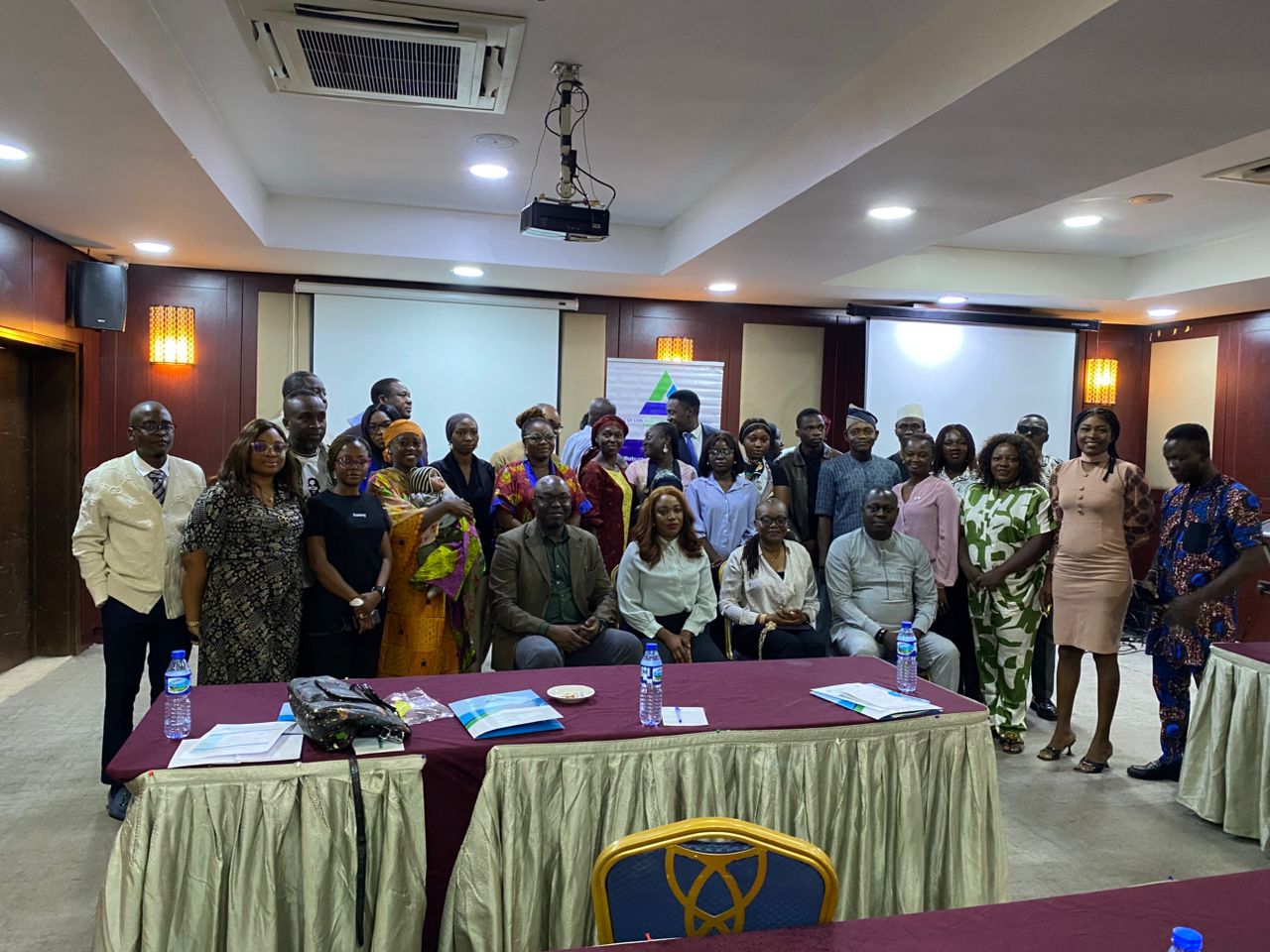
This call was made on Monday in Abuja by the Executive Director of PWAN, Ms. Kemi Okenyodo, during her opening remarks at a one-day sensitisation workshop for media practitioners on reporting police reform and accountability issues.
Speaking on behalf of the Board, Management, and staff of the organisation, Okenyodo welcomed participants to the workshop, describing the media as a critical partner in advancing transparent, professional, and people-centred policing in Nigeria.
PWAN, a women-led non-governmental organisation, is dedicated to strengthening citizens’ participation, improving security governance, and enhancing protection systems across Nigeria and West Africa.
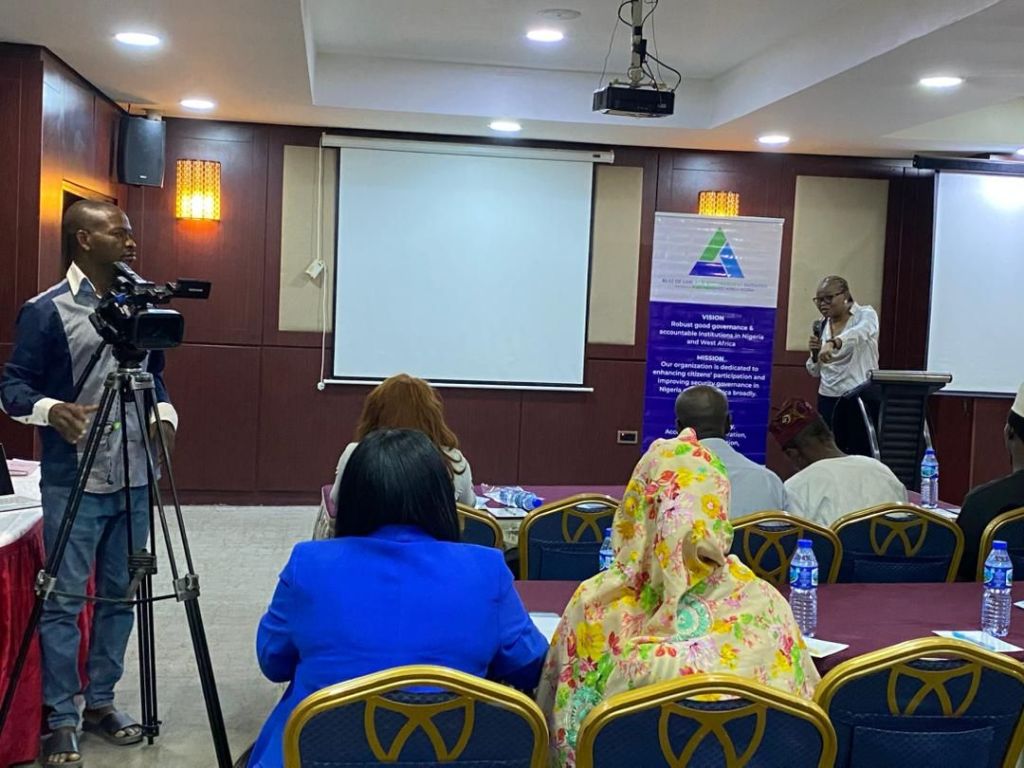
According to Okenyodo, the organisation’s work is rooted in the belief that effective security governance must be accountable, inclusive, professional, and responsive, particularly to the needs of women, youth, and other vulnerable groups.
She disclosed that the workshop forms part of PWAN’s ongoing project, “Enhancing Public Trust and Gender Responsive Policing in Nigeria Through Effective Implementation of the Police Act 2020 across the Six Geopolitical Zones,” being implemented with the support of the Foreign, Commonwealth and Development Office (FCDO).
The project, she explained, is designed to strengthen police reform efforts by promoting institutional accountability, gender responsiveness, and improved public trust in the Nigeria Police Force (NPF). By increasing public awareness of the Police Act 2020, the initiative seeks to reduce rights violations and foster a more citizen-responsive policing culture.
Okenyodo noted that the media sensitisation workshop aims to equip journalists with the knowledge, skills, and ethical tools required for accurate and impactful reporting on police reform, accountability, and gender-responsive policing.
She added that the engagement would also strengthen collaboration between the media and law enforcement, promote transparency, and deepen public understanding of the Police Act 2020 particularly its provisions on citizens’ rights, police accountability, professional conduct, and gender inclusion.
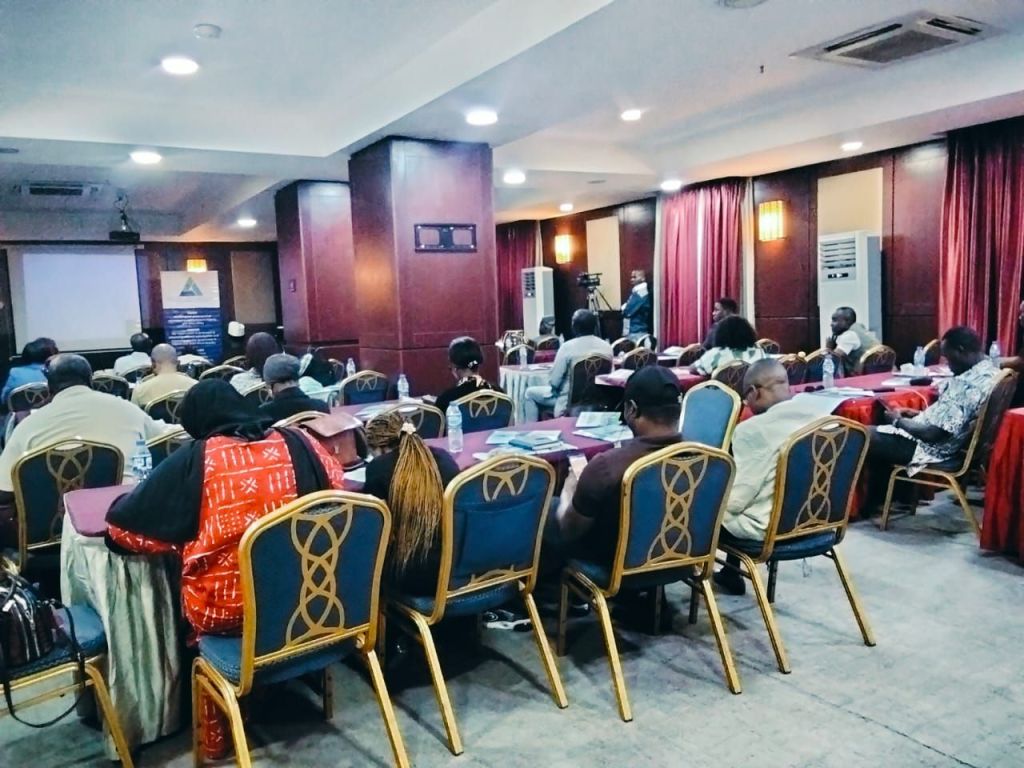
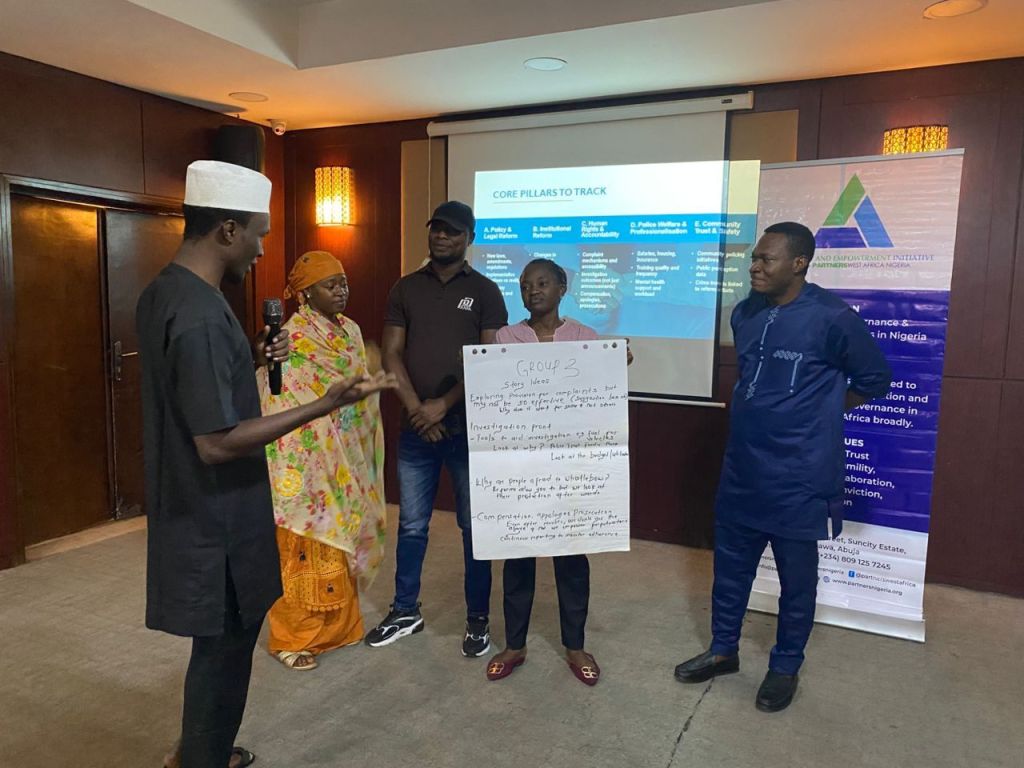
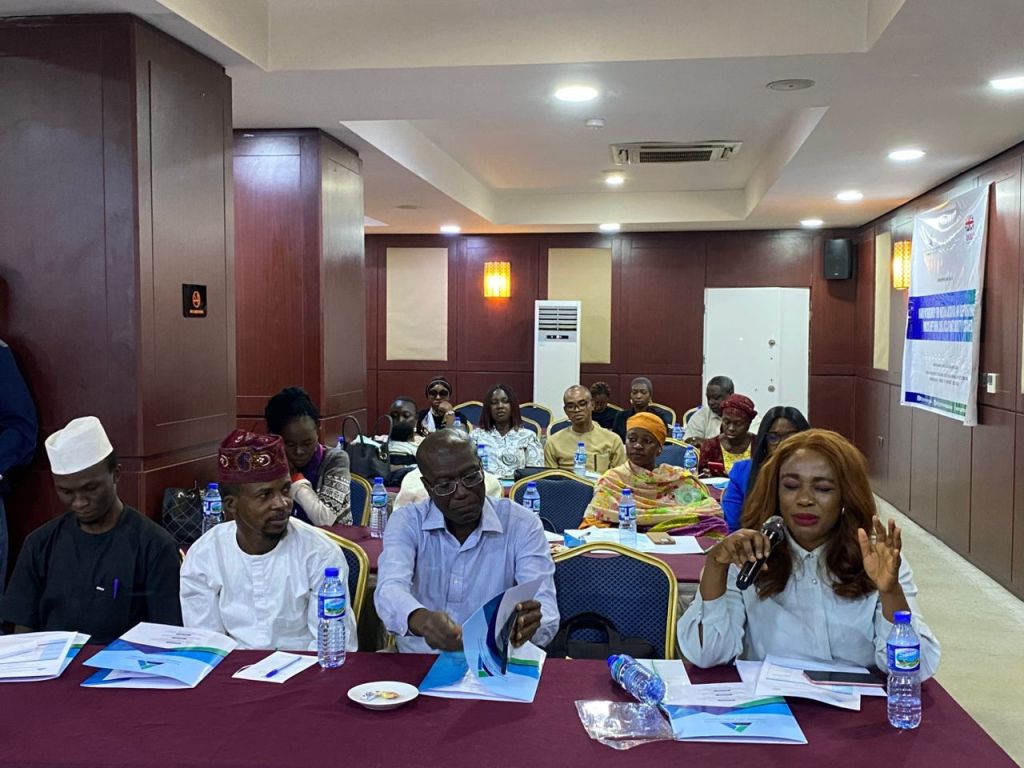
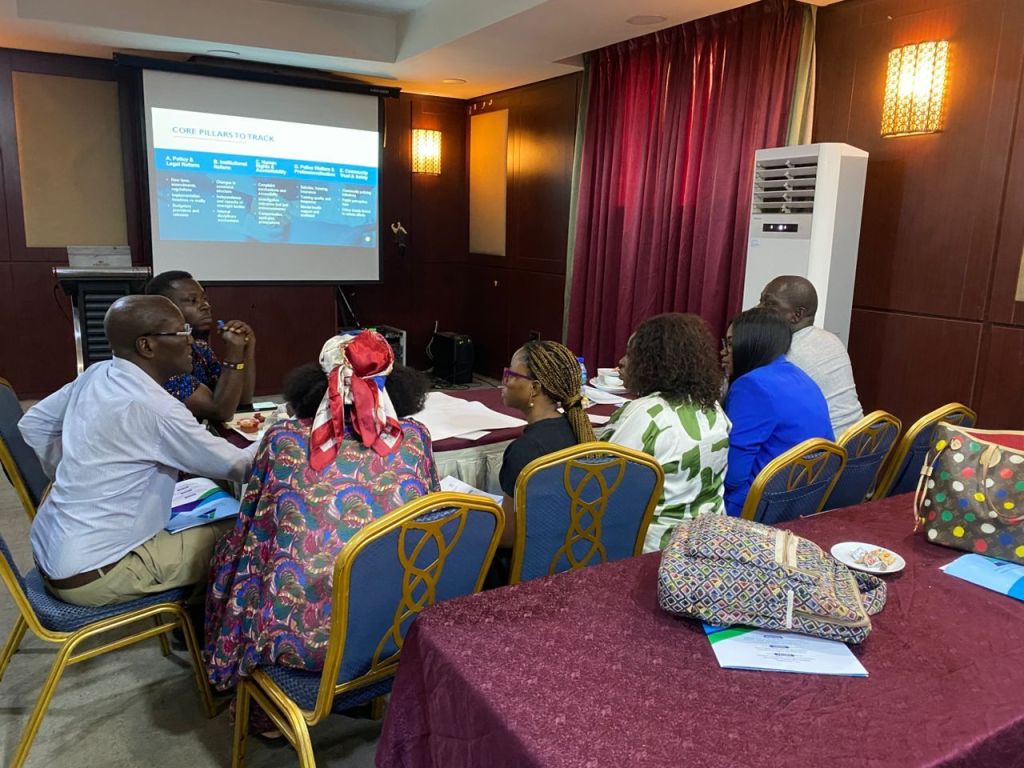
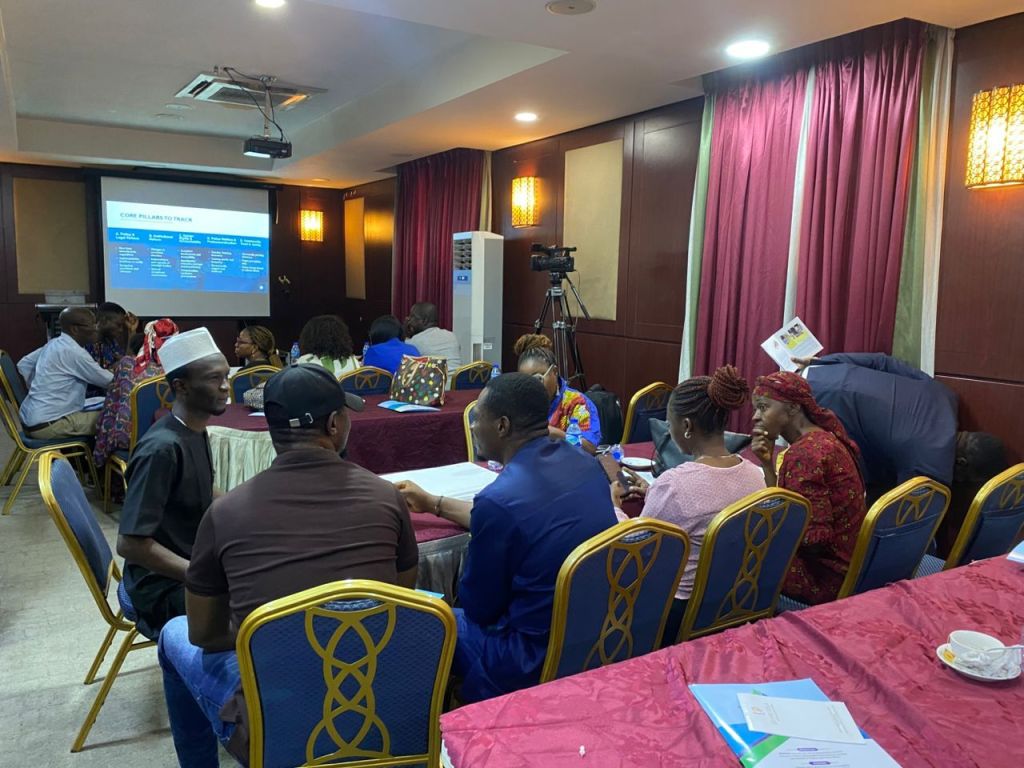
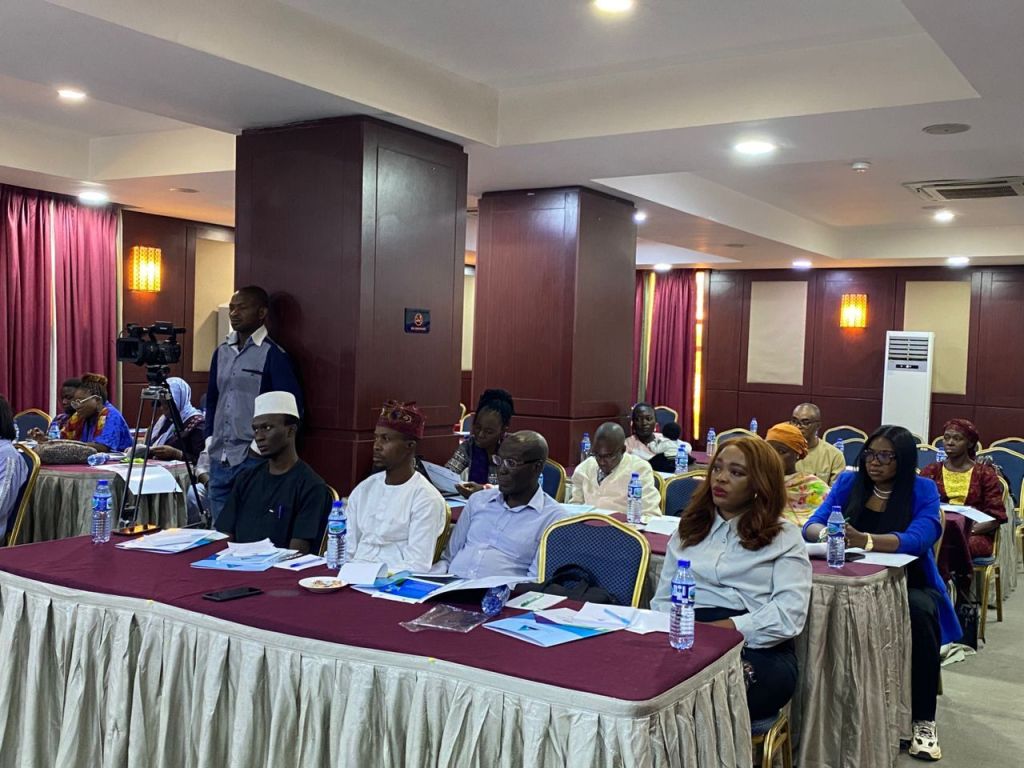
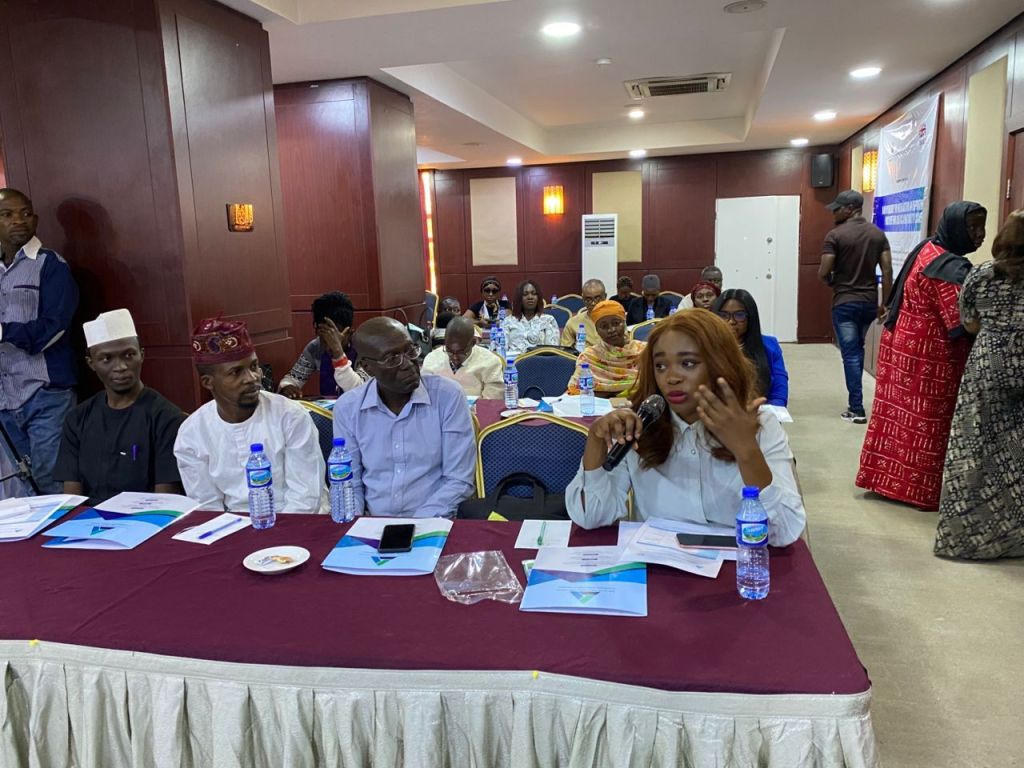
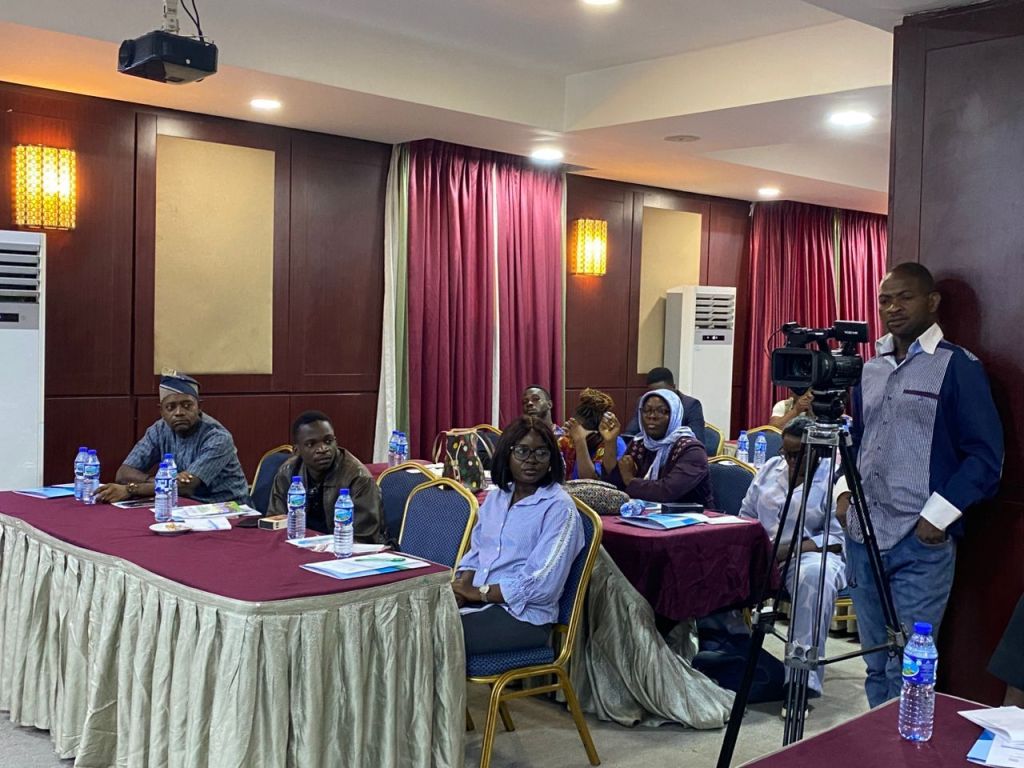
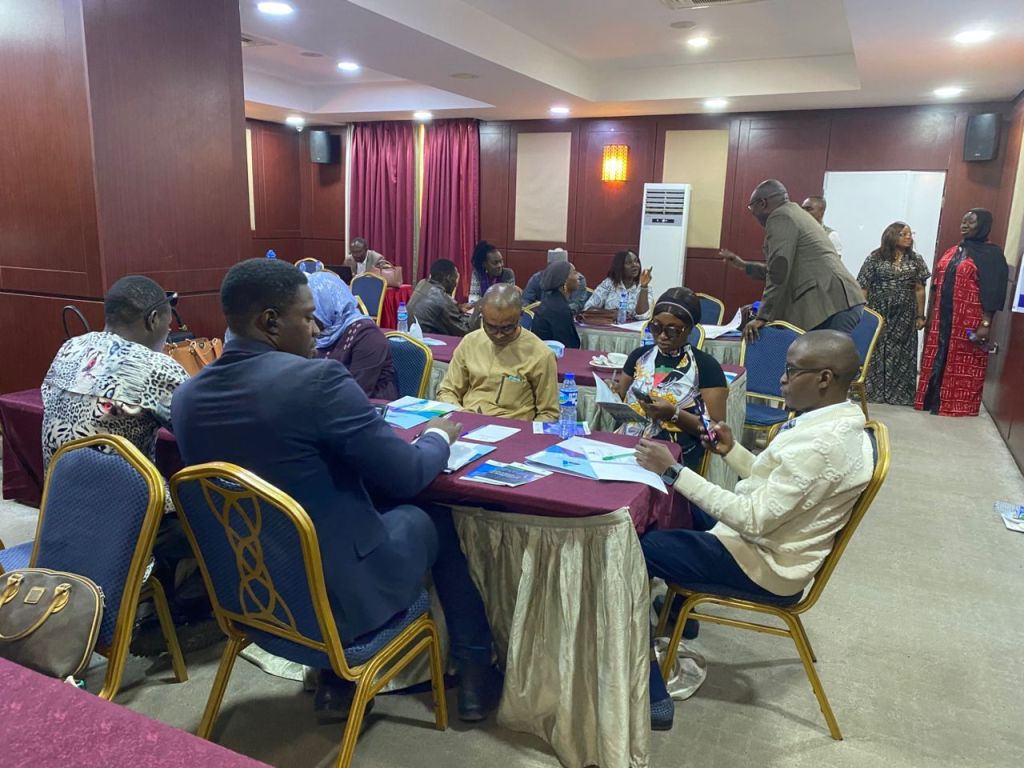
Beyond capacity building, the PWAN Executive Director described the workshop as a safe and inclusive platform for media practitioners to share experiences, voice concerns, and propose practical recommendations for improving trust and cooperation between communities and the Nigeria Police Force.
She urged participants to engage actively in the discussions, share diverse perspectives, and contribute meaningfully to conversations aimed at strengthening police accountability and democratic policing in Nigeria.
Okenyodo expressed optimism that the session would be productive and impactful, thanking participants for their commitment to advancing justice, transparency, and the rule of law.

 Africa Security Investigation News