Maryam Aminu
In a decisive move that could redraw Nigeria’s oil revenue map and calm long-running disputes among oil-producing states, the Federal Government has commenced the plotting of coordinates for disputed and newly drilled oil and gas wells across the country.
The exercise, driven by the Revenue Mobilisation Allocation and Fiscal Commission (RMAFC), marks a critical step toward determining the true ownership of oil and gas resources that underpin billions of naira in derivation funds.
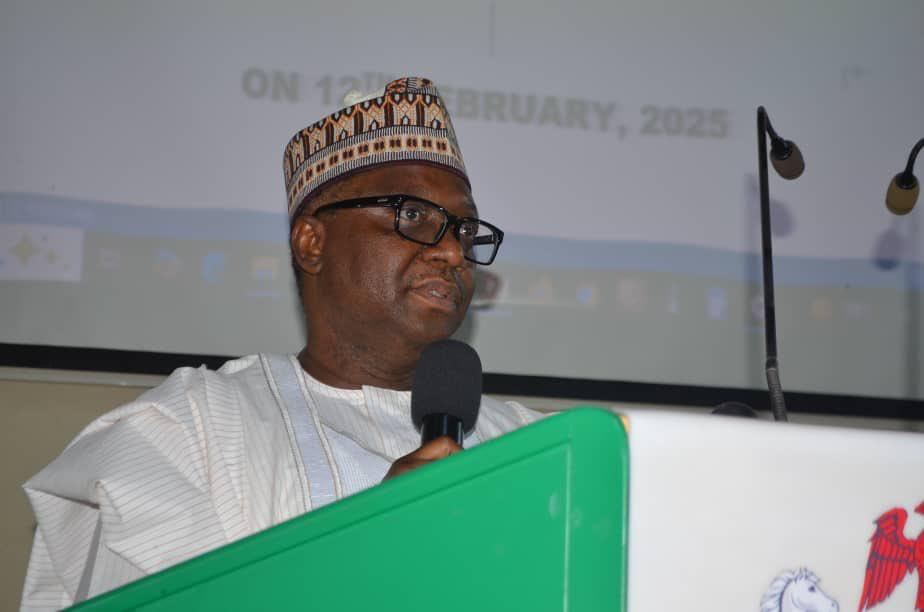
Speaking at the flag-off ceremony in Abuja on Monday, the Chairman of RMAFC, Dr. Mohammed Bello Shehu, OFR, announced that the Inter-Agency Technical Committee (IATC) set up to verify the coordinates of the affected wells has concluded its fieldwork and is now moving into the plotting phase.
“The verification has been completed. The next and decisive step is the plotting of the coordinates, which will finally establish the exact location of these disputed and newly drilled oil and gas wells and attribute them to their rightful owners,” Dr. Shehu said.
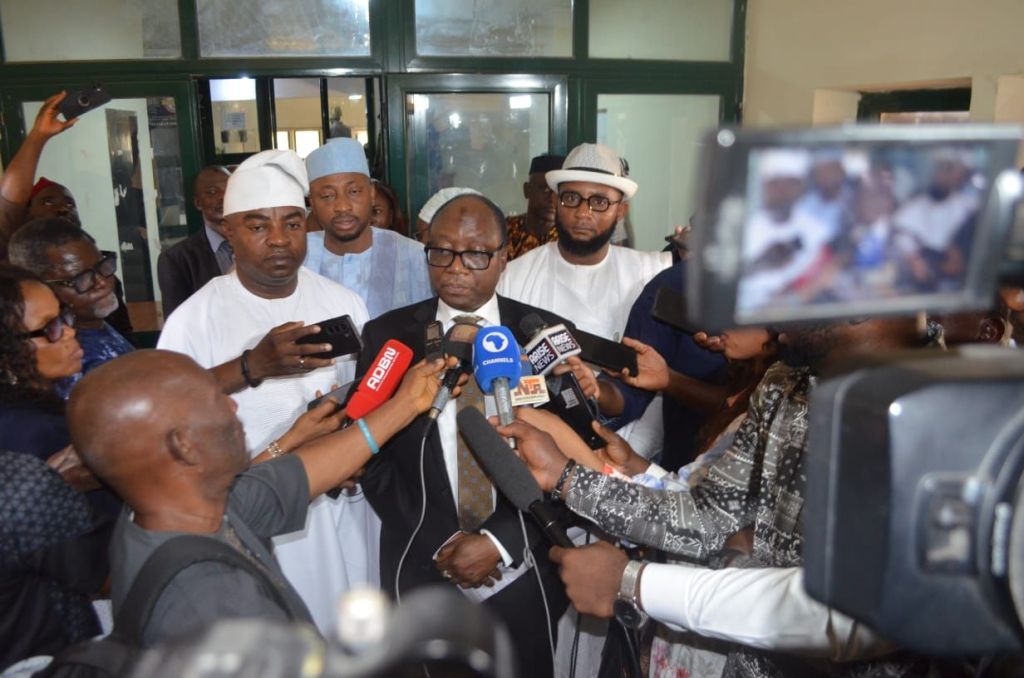
The IATC comprises representatives of the National Boundary Commission (NBC), the Office of the Surveyor-General of the Federation (OSGoF), the Nigerian Upstream Petroleum Regulatory Commission (NUPRC) and RMAFC. The committee was mandated to resolve ownership disputes that often erupt whenever new oil fields come on stream.
Dr. Shehu stressed that the exercise is not merely administrative, but constitutional. “The Constitution clearly provides that 13 per cent of revenue from crude oil and gas must go to the states where these resources are produced. Ensuring accuracy in location and ownership is therefore not optional it is a constitutional obligation,” he said.
According to the RMAFC Chairman, the exercise covers all oil-producing states, including Akwa Ibom, Cross River, Bayelsa, Ondo, Rivers and Delta, as well as offshore locations.
He noted that overlapping claims are common, but insisted that “facts on the ground not assumptions will determine who owns what, or whether ownership must be shared.”
To guarantee transparency and credibility, Dr. Shehu disclosed that extensive field operations were carried out between September 2025 and January 2026, spanning creeks, high seas and offshore terrains. Where physical access was impossible, drones were deployed to capture precise coordinates, with surveyors-general of the affected states present throughout the process.
“We went to the field ourselves, and all data collected were witnessed by representatives of the states concerned,” he said, assuring that RMAFC would remain “an unbiased umpire guided by justice, equity and fairness.”
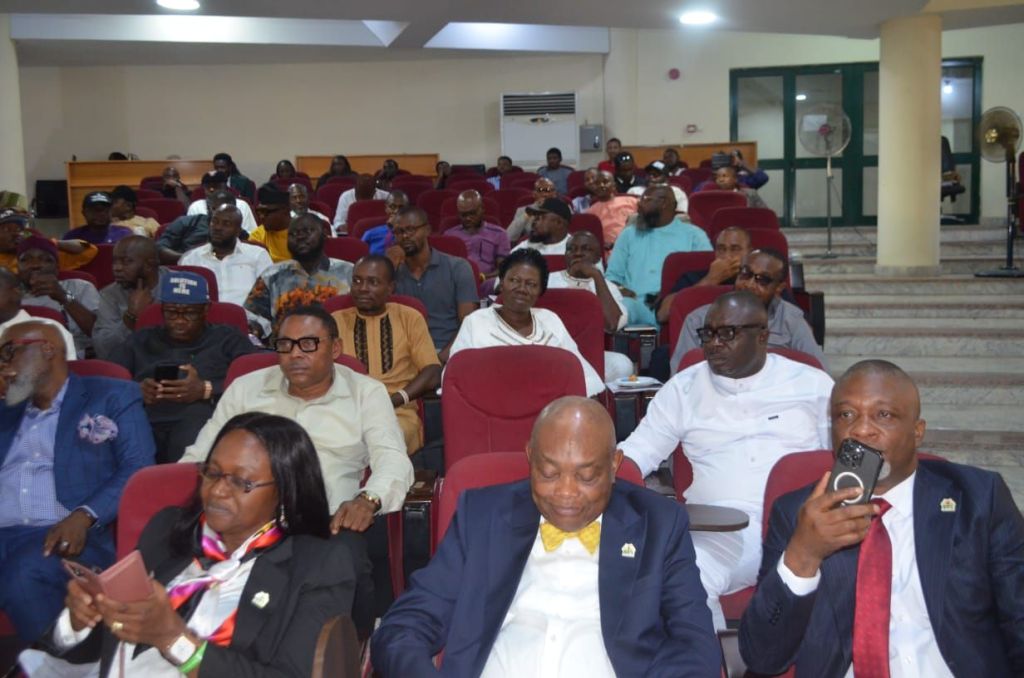
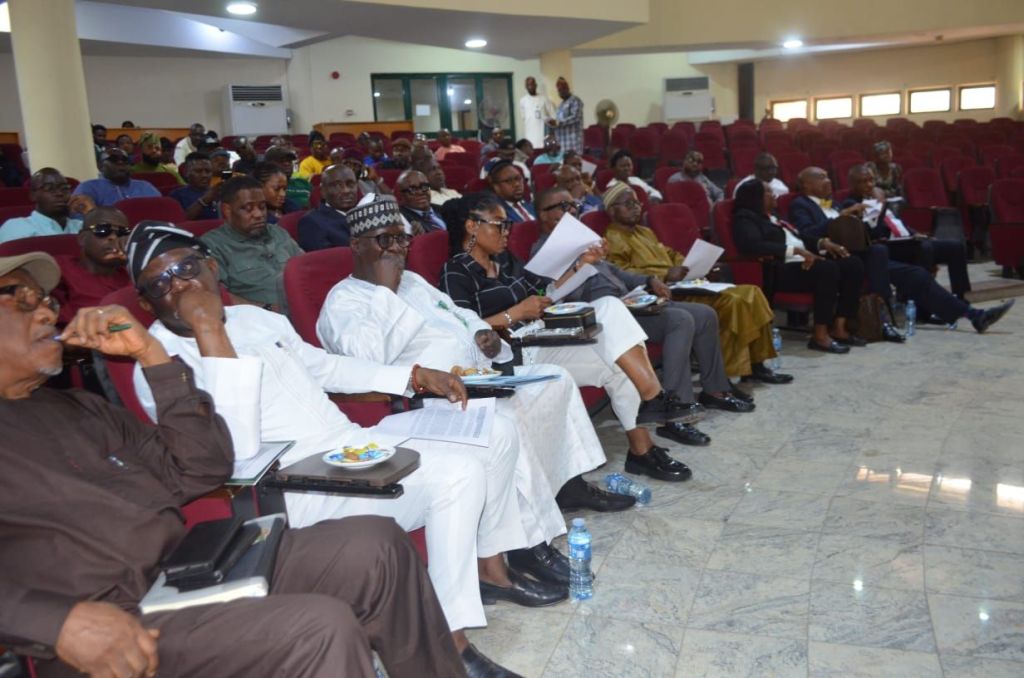
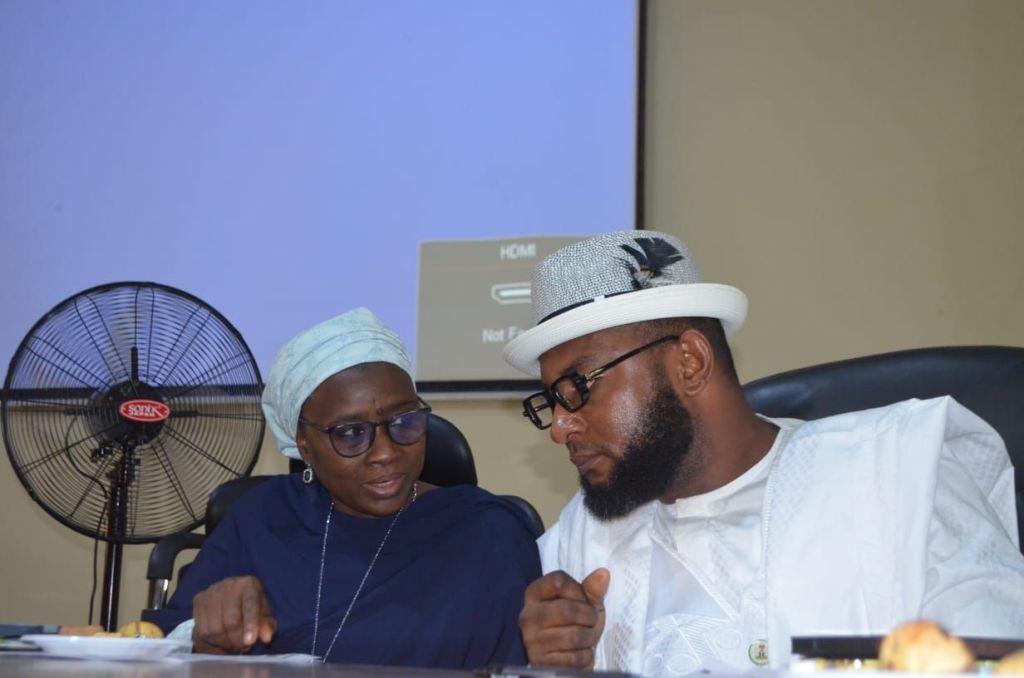
He expressed confidence that the outcome of the exercise would significantly reduce inter-state disputes and strengthen trust in the derivation revenue process.
The Chairman also commended Hon. Hakeem Amosu, Acting Chairman of the Crude Oil Monitoring Committee, and Hon. Rabiu Garba, Chairman of the Gas Monitoring Committee, for their leadership and support, which he said were crucial to the success of the assignment.
Earlier, the Secretary to the Commission, Joseph Okechukwu Nwaze, described the exercise as a testament to effective inter-agency collaboration, noting that its successful completion would reinforce confidence in
In her remarks, the Director of the Crude Oil Department, Dr. Khadija Kumo, said the exercise was timely and vital to the future of energy governance in Nigeria, urging sustained cooperation to support data-driven decision-making in the sector.
Also speaking, the Coordinator of the Inter-Agency Technical Committee, Prince Folorunsho Aderinwala, praised the RMAFC Chairman for providing the necessary support that enabled the committee to successfully carry out its mandate.
The current phase follows the October 2025 flag-off of the verification exercise in the Niger Delta, which was prompted by petitions from governors of Anambra, Delta, Imo, Edo, Ondo and Rivers states, seeking clarity on the ownership and boundaries of certain oil and gas assets.
With the plotting now underway, stakeholders across the Niger Delta and beyond are watching closely, as the results are expected to shape revenue flows, settle years of contention and redefine fiscal certainty in Nigeria’s oil and gas sector.

 Africa Security Investigation News