Maryam Aminu
For decades, Nigerians have heard promises about better healthcare. But for many families especially in rural or low-income communities those promises still feel far away. At the 2025 Health Equity Conference in Abuja, however, the tone was different. It wasn’t just about policies this time; it was about people and the urgent need to make fairness in healthcare a lived reality, not an abstract goal.
Healthcare professionals, policymakers, and private sector leaders on Thursday in Abuja gathered under one theme: “From Access to Impact.” But beyond the banners and speeches, there was a shared understanding that the true test of equity lies in the lives of ordinary Nigerians. The mother in Kogi who has to travel 40 kilometres to find a midwife, the diabetic patient in Enugu rationing insulin, or the young nurse struggling to stay in the system due to burnout.
In his address, Dr. Yemi Ajao, CEO of OneBarrow International Ltd noted that health equity is not about policies on paper. It’s about the mother who can get safe care when she needs it, the youth who can afford medication, and the families who can trust the system that serves them,” he said.
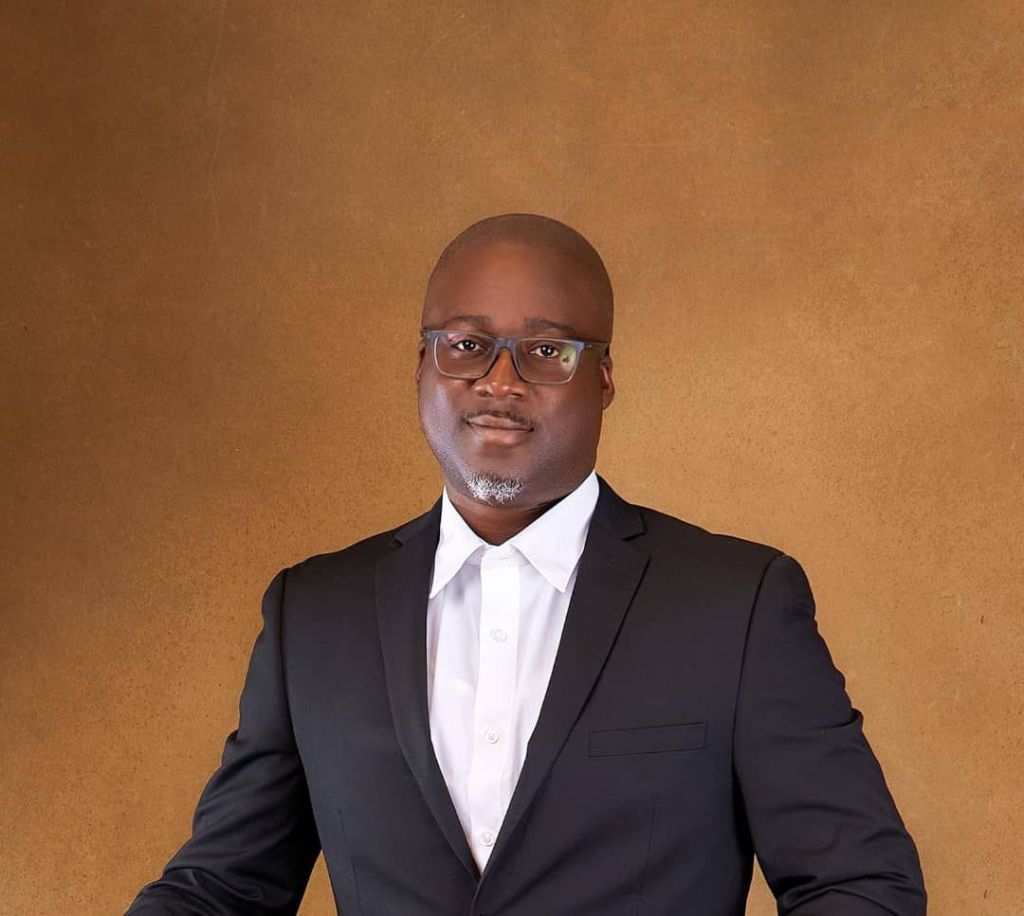
Dr. Ajao’s message resonated deeply with attendees, many of whom have seen the strain that unregulated health practices and poor coordination have placed on communities.
He emphasized that while access remains important, what Nigerians need most now is impact. Care that is consistent, safe, and delivered with accountability.
He also called for citizens to take a more active role in ensuring that the health services they use are licensed and regulated.
“Every Nigerian has the right to ask who is behind this clinic or pharmacy? Is it approved to provide care? Regulation protects lives,” he added.
Throughout the conference, the 13 Health Regulatory Councils shared a joint vision of building a more accountable system where the standards of care are the same for everyone whether in Abuja or a remote village in Zamfara.
They spoke about strengthening professional training, ensuring qualified health workers in underserved areas, and improving record-keeping so patients’ stories are not lost between facilities.
From the private sector side, speakers expressed a commitment to innovation,digital health platforms, telemedicine, and affordable diagnostics but they also called for regulatory clarity that allows businesses to grow while keeping patient protection at the centre.
Speaking further, Dr. Donald Ofili, Acting Registrar of the Medical Laboratory Science Council of Nigeria, reminded attendees that equity must move from dialogue to delivery.
“We cannot talk about equity in theory. Nigerians must see it in how their hospitals function, how their tests are processed, and how health workers are treated,” he said.
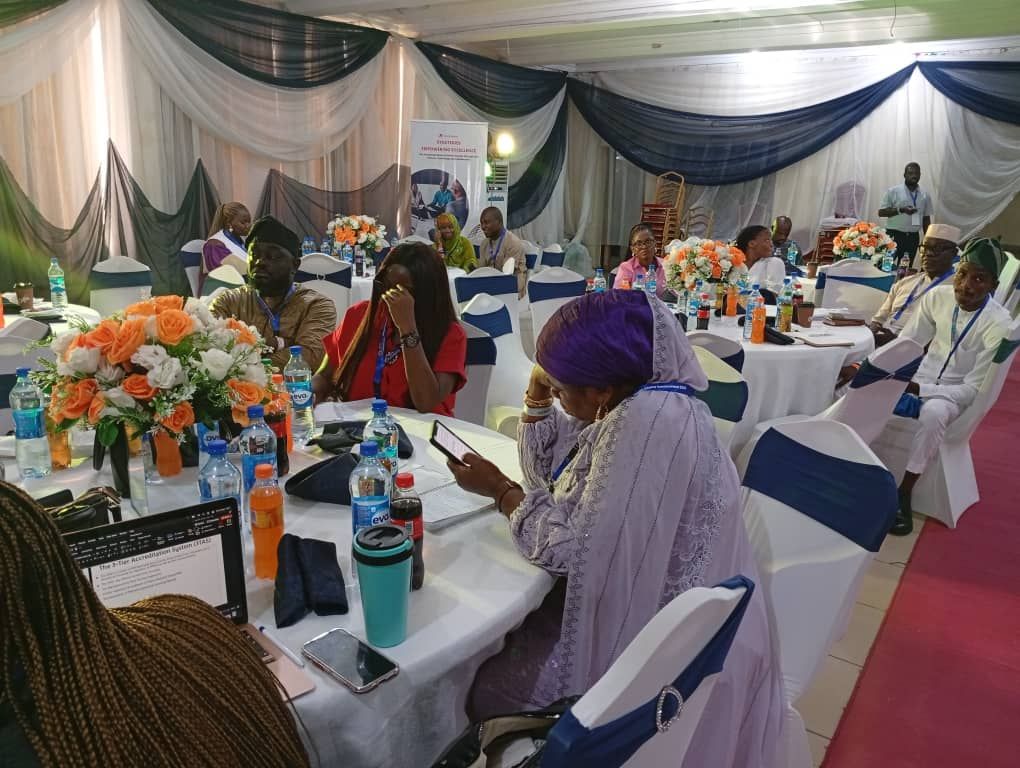
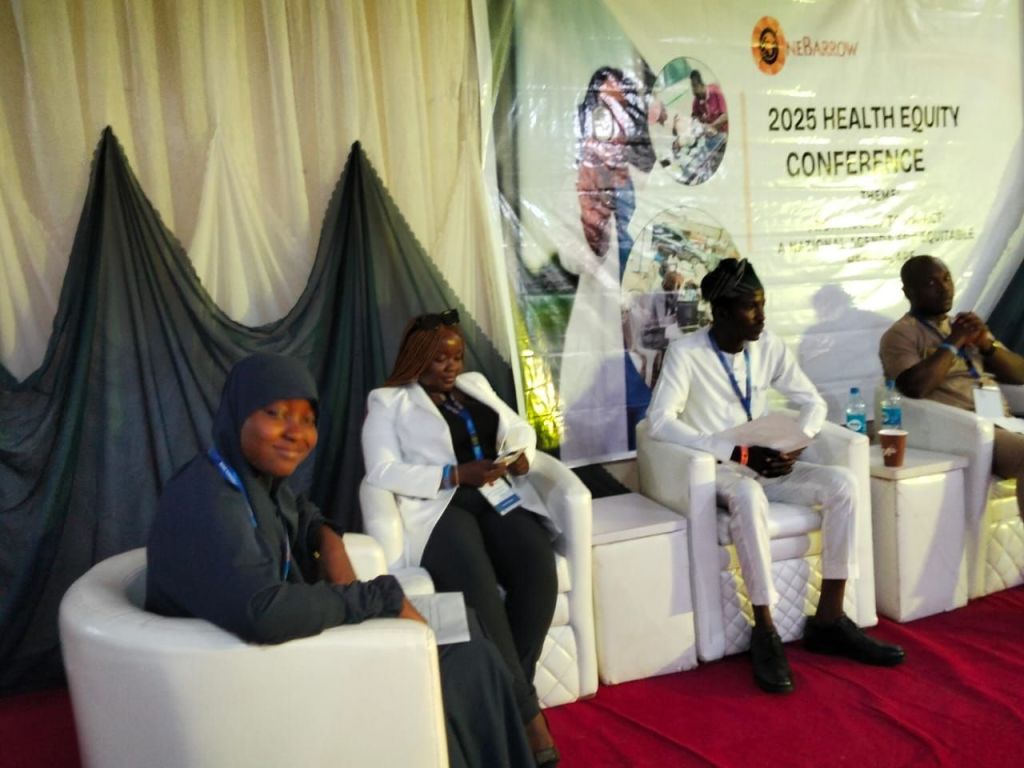



At the close of the conference, participants agreed on a joint communiqué that pledged to turn ideas into measurable reforms. Among the key steps are creating a shared monitoring framework and an annual stakeholder feedback session a move many described as the start of a new era of accountability in Nigeria’s health sector.
For Dr. Ajao and his team at OneBarrow, this marks the beginning of a long but hopeful journey.
“Our role is to keep connecting the dots between doctors, labs, pharmacies, regulators, and communities,” he said. “That’s how we bring healthcare closer to people and make health equity more than a slogan.”

 Africa Security Investigation News