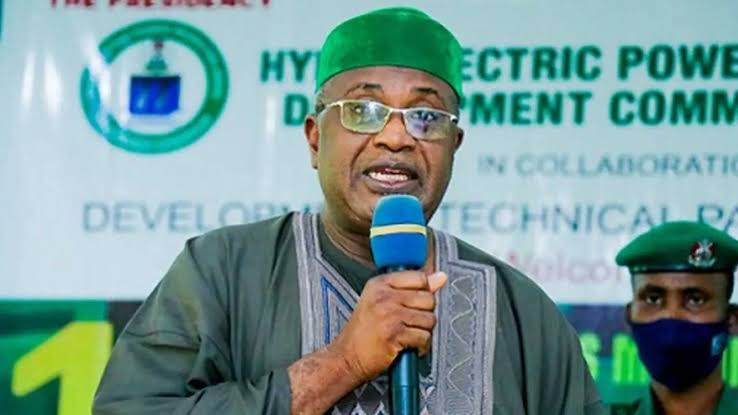
In recent years, the Hydro-Electric Power Producing Areas Development Commission (HYPADEC) has served as a vital institution aimed at improving the lives of communities affected by hydroelectric projects in Nigeria. The commission was established to address the socio-economic impacts of power generation on local populations, but it has continued to face numerous challenges in its efforts to enact meaningful developments.
A turning point for the commission came when it had Alh. Abubakar Sadiq-Yelwaa at its helm of affairs and this marked a significant turn around for HYPADEC, particularly when compared to the previous leadership that had struggled with bureaucratic inefficiencies and faced challenges in balancing government directives with the urgent needs of local populations. Another evident challenge was the inconsistent ineffectiveness of the commission over the years. Critics often pointed out a lack of clear direction, inadequate funding, and poor stakeholder engagement as key factors inhibiting its progress. During the previous leadership, many projects were either abandoned or poorly executed, leading to dissatisfaction among the communities it was meant to assist. Reports demonstrating the frustration of local communities highlight this disconnect.

However, the commission, Hydroelectric Power Producing Areas Development Commission was established by an Act of the National Assembly to address ecological challenges from the operations of Hydroelectric Dams, its Act was passed and signed in 2010 while in 2013, the act was amended to include Benue and Plateau states and replaces 30% revenue derived from the total revenue accruing to the companies or authorities operating in the host communities with 10% revenue derived from concessioning of the hydro plants and royalties paid to the Federal Government. In 2016, Amendment II of the HYPPADEC Act took place by reducing the percentage from 30% to 10%, on the total revenue deductible from revenue generated by any company or authority from the operations of any hydroelectric dam, in any member state of the Commission. In 2020, President Muhammadu Buhari, GCFR, constituted Governing Council for the Commission which was inaugurated in December, 2020.
The Mission of the commission is to harness resources in the most transparent, acceptable and cost-efficient manner towards ameliorating the negative effects of hydroelectric dam operations in HYPPADEC member states, with its vision to bring equitable and sustainable development that will impact positively on HYPPADEC member states and its core responsibility of formulating policies and guidelines for the development of hydroelectric power producing areas and managing ecological menace due to operations of dams and other hydroelectric power activities.
When Alh. Abubakar Sadiq-Yelwaa assumed leadership of HYPADEC. His tenure presented an opportunity for revitalising the commission through strategic vision and inclusive policies. Sadiq-Yelwaa, with a background in community development and extensive experience collaborating with numerous stakeholders, prioritised a more interactive and responsive approach to leadership.
He has immeasurably contributed to the harnessing of resources in the most transparent, acceptable and cost-efficient manner towards ameliorating the negative effects of hydroelectric dam operations in HYPPADEC member states, led the formulation of result oriented policies and guidelines for the development of hydroelectric power producing areas, conceived and executed some of the plans aimed at enhancing the commission’s efficiency in accordance to the ethics of his job, projects and programmes for the development of hydroelectric power producing areas, carried out and still carrying out numerous surveys of hydroelectric power producing areas in order to ascent the measure which are necessary to promote its physical development, prepared and still preparing schemes designed to promote the physical developments of hydroelectric power producing areas and estimate the cost of implementing such schemes, implementing measures approved for the development of hydroelectric power producing areas by the Federal Government, identifies factors inhibiting the development of the hydroelectric power producing areas and assist states in the formulation and implementation of policies to ensure sound and efficient management of the resources of the hydroelectric power producing areas, assess and report on any project being funded or carried out in the hydroelectric power producing areas while tackling ecological problems that arise from overloading of dams in the hydroelectric power producing areas and advise federal government on the prevention and control of floods and environmental hazards as well as executing such other work and perform such other functions which in the opinion of the commission, are required for the development of the hydroelectric power producing areas and their people, and obviously carrying out such other functions as the president directs.
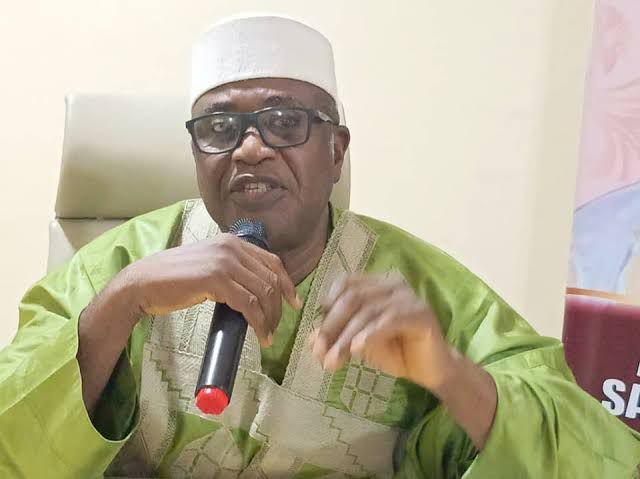
One of the most significant changes under Sadiq-Yelwaa’s leadership has been the implementation of policies that align more closely with the needs and concerns of member states. For example, the “One Community, One Project” initiative aims to address distinct challenges faced by each local area, ensuring that developmental efforts are tailored and effective. This initiative contrasts sharply with the previous regime, where projects often lacked community input and cohesion, leading to disjointed and ineffectively managed initiatives.
In testimony to these changes, a recent evaluation of ongoing projects under Sadiq-Yelwaa noted that over 30 new developmental projects have been initiated since he took office. These encompass various sectors, including healthcare, education, capacity building, skills acquisition empowerments and infrastructure, further underscoring a comprehensive strategy to alleviate poverty and improve living standards within affected communities.
Another pivotal area of improvement has been community engagement. Under Sadiq-Yelwaa’s leadership, there has been a concerted effort to involve local stakeholders in decision-making processes. This approach not only empowers the communities but also fosters a sense of ownership and responsibility towards the developmental projects being implemented. Previously, many initiatives were dictated by external leaders, resulting in resistance or lack of participation by community members.
For instance, one of the significant achievements reported of Sadiq-Yelwaa’s tenure was regular stakeholder meetings, allowing community voices to influence project designs. This shift towards inclusivity represents a substantial step forward from the past, where community concerns were often overlooked in favour of top-down directives.
Sustainability has become a focal point of HYPADEC’s operations under Sadiq-Yelwaa. Recognising that hydroelectric projects significantly alter the environment and the livelihood of surrounding communities, the new leadership has integrated environmental considerations into the planning and execution phases of all projects.
One standout project is the reforestation programme initiated in several member states, aimed at restoring degraded areas that were adversely impacted by power generation activities. This is a clear contrast to past practices, where environmental degradation often went unaddressed while pursuing rapid development. Such initiatives not only address ecological concerns but also create job opportunities for local populations, thereby contributing to economic growth.
Despite these significant advancements under Alh. Abubakar Sadiq-Yelwaa, challenges persist. Financial constraints continue to plague HYPADEC, limiting the scope and scale of projects that can be undertaken. Additionally, some areas still experience resistance towards new initiatives, with a lingering mistrust of authorities stemming from previous leadership failures.
However, Sadiq-Yelwaa’s proactive approach to communication and transparency has already begun to mitigate such issues. By fostering an environment of trust and building strong relationships with community leaders, the foundation for overcoming these hurdles has been laid.

In comparing the HYPADEC of the past under previous leadership with the present commission under Alh. Abubakar Sadiq-Yelwaa, it is clear that significant strides have been made in policy implementation, community engagement, and sustainable development. The improved focus on local needs has revitalised the commission, bringing hope and tangible benefits to member state populations. As challenges remain, the trajectory under Sadiq-Yelwaa indicates the potential for ongoing improvements that will further enhance the lives of those impacted by hydroelectric power projects in Nigeria.

 Africa Security Investigation News