By Adejoh Bilkisu
As the world marks International Anti-Corruption Day 2024, the Civil Society Legislative Advocacy Centre (CISLAC) has issued a powerful call for renewed collective action to combat corruption in Nigeria, citing its devastating effects on security, the economy, and essential services.
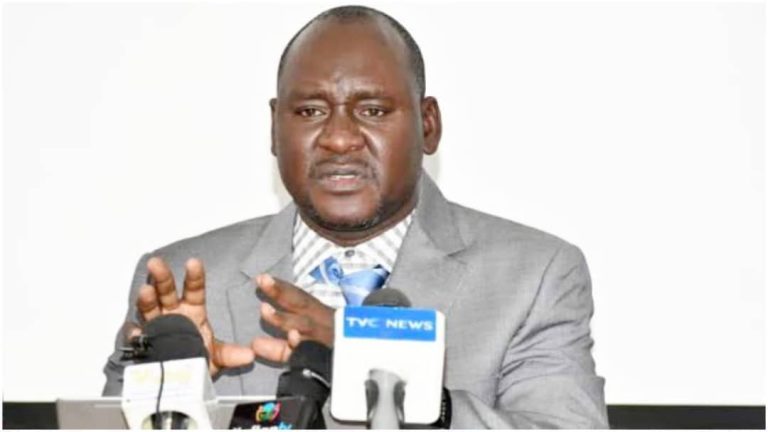
In a statement, CISLAC’s Executive Director, Auwal Ibrahim Musa Rafsanjani, praised the resilience of Nigeria’s anti-corruption agencies despite facing challenges such as political interference, inadequate resources, and personal risks.
He emphasized the urgent need for nationwide support to empower these agencies and sustain their fight against corruption.
CISLAC raised alarm over corruption’s crippling effect on Nigeria’s security architecture. Billions of naira meant for counterterrorism operations have been misappropriated, leaving troops ill-equipped while insurgent groups like the Lakarawas continue to gain ground.
A joint report by CISLAC and Transparency International exposed $8.9 million in diverted military funds, further eroding public trust. Additionally, more than 4.3 million internally displaced persons (IDPs) remain trapped in deplorable conditions due to prolonged insecurity, with limited access to food, healthcare, and sanitation.
“This endless cycle of corruption not only endangers national stability but exacerbates poverty and weakens governance,” Rafsanjani stated.
Highlighting the dire state of public services, CISLAC noted that only 5% of Nigeria’s national budget is allocated to healthcare, leaving the sector grossly underfunded. Millions of Nigerians lack access to clean water, while over 20 million children remain out of school the highest global figure.
CISLAC also decried the abandonment of critical projects like Kano’s Hasiya Bayero Pediatric Hospital and the failure to provide potable water for over 70 million Nigerians.
“The mismanagement of funds intended for healthcare, water, and education deepens inequality and perpetuates poverty,” the organization warned.
Economic Corruption and Oil Theft
The statement shed light on Nigeria’s massive economic losses, including $1.5 billion lost monthly to oil theft and $4 billion annually to tax evasion by multinational corporations.
CISLAC highlighted the theft of 400,000 barrels of oil daily and called for stricter oversight of the banking sector to curb money laundering and terrorism financing.
CISLAC called for robust enforcement of the Public Procurement Act to ensure transparency and fairness in government contracting. The organization also advocated for regulatory frameworks to monitor constituency projects and ensure that allocated funds benefit local communities.
Corruption in the judiciary, political interference, and the erosion of civic space were also flagged as major concerns.
Rafsanjani urged the government to repeal laws that stifle free speech and to protect journalists, activists, and whistleblowers who expose corruption.
CISLAC proposed comprehensive reforms, including strengthening anti-corruption legislation, promoting transparency, and fostering civic engagement.
Rafsanjani stressed the importance of public awareness campaigns to educate citizens about their rights and available reporting mechanisms.
“Corruption remains Nigeria’s greatest obstacle to socio-economic progress. It is time for all Nigerians to unite against this menace and demand accountability from public officials,” the statement concluded.

 Africa Security Investigation News