Maryam Aminu
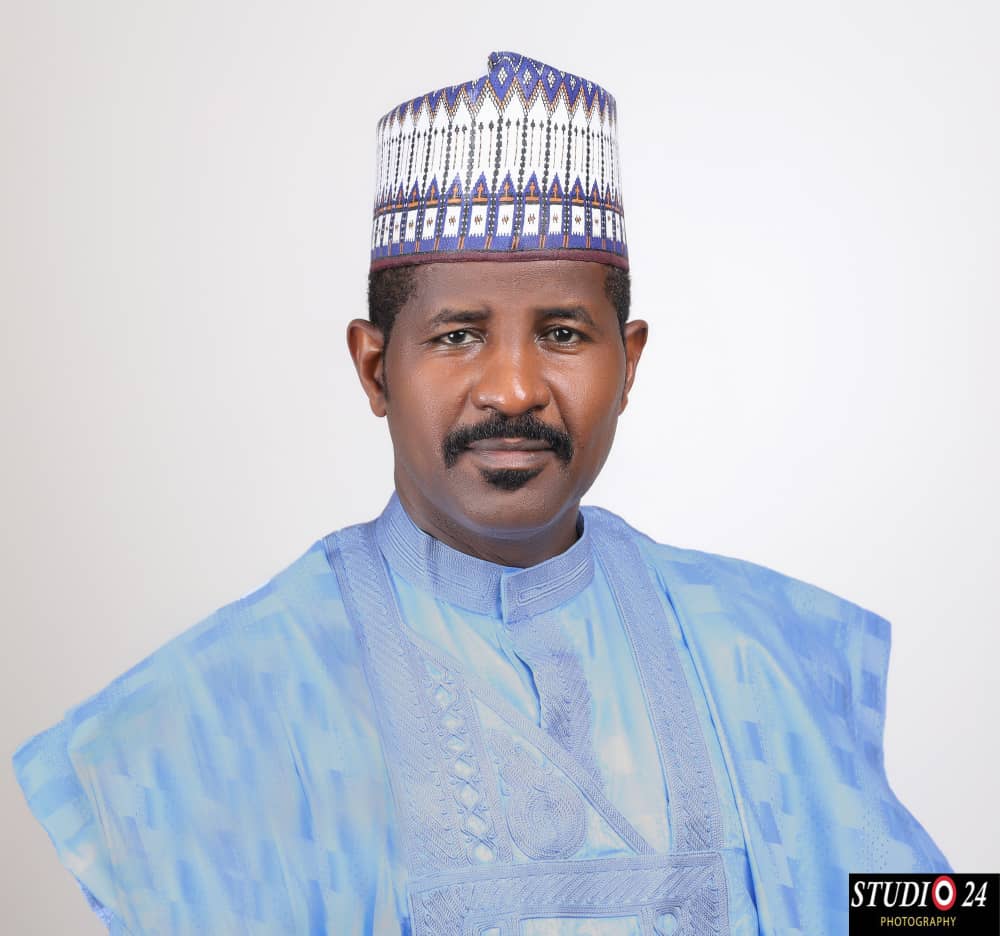
In an impassioned appeal at the 2024 Sub-Saharan Spectrum Management Conference in Nairobi, Kenya, Dr. Bashir Gwandu, a leading authority in telecommunications and former head of Nigeria’s National Communications Commission (NCC), urged African nations to come together to secure the 600MHz spectrum a powerful frequency range that could revolutionize mobile connectivity in rural Africa.
“The digital future waits for no one,” he declared, emphasizing that unity in Africa’s spectrum strategy could be the key to bridging the urban-rural digital divide and tapping into an estimated $130 billion economic boon by 2030.
Dr. Gwandu, an Independent Spectrum Expert and a respected figure in global telecommunications, urged African representatives at the World Radiocommunications Conference 2027 (WRC-27) to present a united front in advocating for spectrum resources vital to rural connectivity.
Addressing the 600MHz band, he warned that Africa risks losing out if it fails to resolve internal conflicts that have hampered collaborative efforts.

“When we meet as a family, we must be honest with ourselves. We, as Africans, too often fight each other for the back seat, neglecting each other’s interests,” he stated, calling for an end to the division undermining Africa’s telecommunications goals.
In recent years, the 600MHz spectrum has gained international attention as a key frequency for extending 4G and 5G coverage in underserved areas.
Many countries in ITU Regions 2 and 3 have already assigned this band for mobile use. While some African countries are prepared to allocate it to mobile broadband, others are more cautious a situation Dr. Gwandu argues requires flexibility and understanding.
“The world is moving toward IMT in the 600 MHz band,” he emphasized, adding that nations ready to proceed should not be held back by those who aren’t.
Citing a recent example from the WRC-23 conference, where Egypt secured its allocation of the 600MHz band despite opposition from several African nations, Dr. Gwandu criticized the lack of unity that blocked similar progress for countries like Nigeria, Sudan, and Senegal.
He urged African nations to adopt a cooperative spirit that respects each country’s unique challenges and economic goals.
Dr. Gwandu also highlighted Africa’s urgent connectivity gap, particularly in rural areas, where low-frequency bands like 600MHz offer a cost-effective solution. With the GSMA forecasting $130 billion in economic gains from 5G by 2030, he argued that Africa could exceed this projection if it embraces a cohesive spectrum policy.
As WRC-27 approaches, Dr. Gwandu’s calls for Pan-African Unity to Unlock Billions in Rural Connectivity Potential

 Africa Security Investigation News