
Maryam Aminu
In a resounding affirmation of youth engagement, the Honourable Minister of Youth Development, Comrade Ayodele Olawande, announced the federal government’s unwavering commitment to adopting policies developed by Nigerian youth.
The Minister made the declaration at the National Assembly Complex during the Valedictory sitting of the 5th Session of the Nigerian Youth Parliament (NYP), which underscored the nation’s commitment to fostering youth-driven governance.
Comrade Olawande, who emphasized President Bola Ahmed Tinubu’s focus on youth-centric policies, highlighted the Nigerian Youth Parliament’s pivotal role in amplifying young voices and bridging the gap between the nation’s future leaders and government.
He noted, “The Nigerian Youth Parliament is a flagship initiative, inaugurated in 2008 under the late President Umaru Yar’Adua, to provide young Nigerians with the legislative skills and platform for meaningful contributions to governance. Over the years, it has trained over 436 youth in collective decision-making and policy advocacy.”
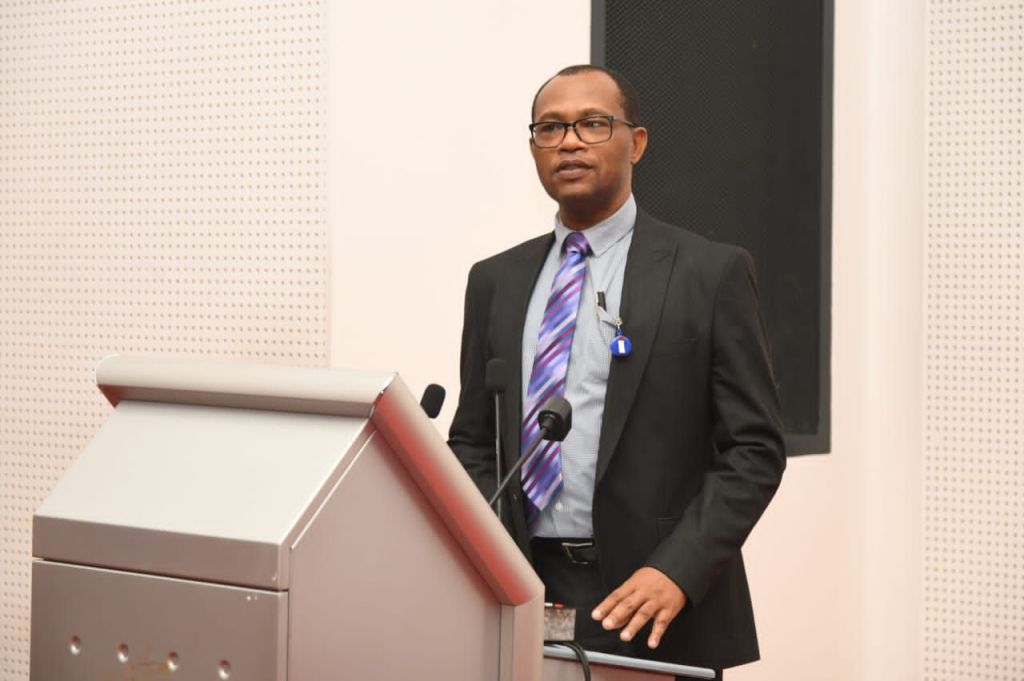
Addressing the departing members, represented by the Permanent Secretary of the Ministry, Mr. Olubunmi Olusanya, Olawande urged them to maintain their commitment to advancing youth rights, promoting inclusivity, and being exemplars of patriotism.
He pointed to the administration’s ambitious 30% quota for youth and women in governance as evidence of the President’s dedication to empowering young leaders and fostering diversity in government.
The Minister further affirmed the government’s plans to foster a nurturing environment for youth development through increased opportunities in empowerment and skill-building.
He underscored that the Ministry’s initiatives aim to create platforms for young Nigerians to thrive, take on leadership roles, and contribute meaningfully to the country’s socio-economic progress.

The 5th Session’s outgoing Speaker, Rt. Hon. Dr. Azeezat Yishawu, articulated a set of key recommendations for deepening youth inclusion across sectors, particularly in governance, employment, healthcare, and security.
Dr. Yishawu’s appeal underscored the importance of embedding youth perspectives in national policies and called for enhanced skill development programs and job creation tailored to today’s labor market.
“We must continue advocating for young people’s inclusion in decision-making processes, not just as participants but as leaders shaping the nation’s future,” Dr. Yishawu stated.
She also highlighted the importance of securing youth in their communities and providing accessible healthcare and health education to safeguard their well-being.
With these commitments, the Tinubu administration signals a shift toward a more inclusive approach, aligning governance with the aspirations and insights of Nigeria’s youth furthering a legacy that seeks not only to engage but also to empower young Nigerians nationwide.


 Africa Security Investigation News