By Emmanuel Huleji Daudu
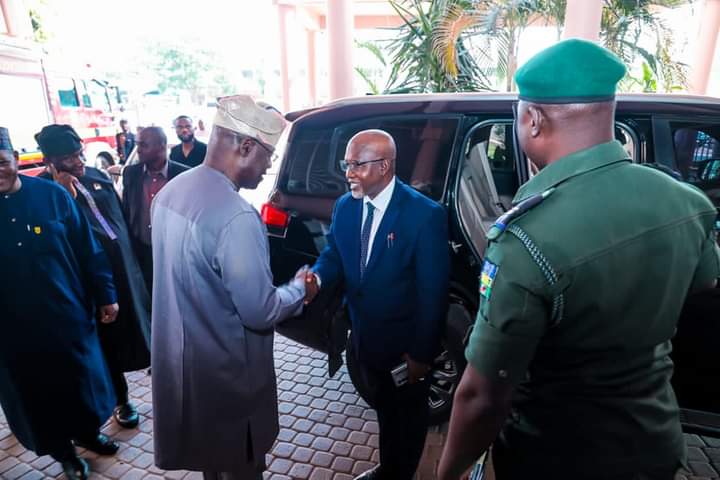
In recent years, the issue of poverty alleviation has gained significant attention globally, particularly in Nigeria, where the need for effective humanitarian services is increasingly pressing. The statement made by Dr. Yusuf Tanko Sununu, the Honorable Minister of State at the Federal Ministry of Humanitarian Affairs and Poverty Alleviation (FMHAPA), during the welcoming reception organized in his honour on Thursday 31st October, 2024 in Abuja at the ministry is a hope alive for Nigerians especially the downtrodden.
The statement encapsulates a new ethos of inclusivity and cooperation aimed at tackling the multifaceted challenges faced by the nation. Dr. Sununu’s assertion that “Mr. President must have reasons for posting two Ministers to the Ministry on which he believes reaching out to the poor people must be inclusive” is a clarion call for unity, shared responsibility and innovative solutions in addressing the needs of Nigeria’s most vulnerable. This states that by fostering a collaborative environment within the ministry, encouraging open dialogue, and facilitating partnerships with various stakeholders, Nigeria can effectively enhance its humanitarian efforts and make a lasting impact on poverty alleviation.
Dr. Sununu’s emphasis on the need for inclusivity in humanitarian initiatives cannot be overstated. Poverty is not a one-dimensional issue; it encompasses economic, social, and cultural dimensions that must be addressed comprehensively. The appointment of two ministers to oversee the ministry underscores a commitment to tackling the complexities of poverty from multiple angles. According to a report from the World Bank, Nigeria accounts for a significant percentage of the global extreme poor (World Bank, n.d.). The gravity of this situation necessitates a concerted effort not only from the government but also from civil society, non-governmental organisations (NGOs), and the private sector.
Inclusivity in humanitarian efforts promotes diverse perspectives and experiences, which can lead to more effective interventions. As stated by the United Nations Development Programme (UNDP), inclusive development ensures that marginalised groups are heard and their needs addressed. By fostering an environment where ministry staff feel valued and empowered to contribute through “advice, suggestions, and opinions,” as Dr. Sununu suggests, the FMHAPA can develop more targeted and effective poverty alleviation strategies.
This collaborative approach can ensure that the policies formulated are reflective of the realities on the ground, leading to better outcomes for those in need.
Dr. Sununu’s call for mutual cooperation among staff members resonates deeply with the principles of effective communication in achieving humanitarian goals. He states, “the door of my office is open to you all,” signalling his commitment to transparency and accessibility. Open communication within the ministry can help in breaking down silos that often hinder effective collaboration. Research conducted by the Harvard Business Review highlighted that organisations with strong communication practices are more productive and experience lower employee turnover (Harvard Business Review, 2017).
In the context of FMHAPA, fostering a culture of open dialogue means that staff can share insights gleaned from their interactions with vulnerable communities. This can lead to the identification of specific needs and barriers that traditional poverty alleviation programmes might overlook. For instance, engaging local community leaders can provide invaluable context on the cultural and societal factors influencing poverty in various regions. Thus, the minister’s invitation for ongoing dialogue can pave the way for more responsive and adaptable humanitarian strategies.
The urgency of the poverty crisis in Nigeria necessitates collaborative efforts beyond government agencies. Dr. Sununu’s call for collaboration is timely as it aligns with the need for partnerships with NGOs, community-based organisations, and private sector entities. Each of these actors brings unique resources and capabilities that can enhance the effectiveness of humanitarian initiatives.
According to a study by the Overseas Development Institute, partnerships between governments and NGOs have proven beneficial in reaching underserved populations and implementing sustainable solutions (Overseas Development Institute, 2018). NGOs often have a deeper understanding of local contexts and can mobilise resources more effectively, whilst the government provides the legal framework and funding necessary to scale initiatives. By working together, these stakeholders can create a more holistic approach to poverty alleviation that leverages the strengths of each entity.
Additionally, establishing partnerships with the private sector can drive innovation in service delivery. Businesses can contribute through Corporate Social Responsibility (CSR) initiatives that align with the ministry’s goals. For instance, partnerships in agricultural development can enhance food security for impoverished communities, while collaborations in education can improve access to quality schooling for children in need.
As Dr. Sununu rightly points out, accountability is crucial; all partners must measure their contributions to ensure that the humanitarian services rendered have a tangible impact on the lives of Nigerians.
Accountability is a significant theme in the humanitarian framework proposed by Dr. Sununu. His insistence on mutual cooperation and shared responsibility implies that all actors involved in the provision of humanitarian services must be held accountable for their actions and outcomes. A culture of accountability ensures that resources are utilised effectively and that beneficiaries are treated with dignity and respect.
Incorporating robust monitoring and evaluation mechanisms can enhance accountability in humanitarian efforts. The Global Humanitarian Response Plan emphasises the need for systematic assessments and feedback loops to understand the efficacy of interventions (Global Humanitarian Response Plan, 2020). By continuously evaluating the impact of their initiatives, the ministry can make informed decisions about resource allocation and identify areas for improvement. This commitment to accountability also builds trust with the communities served, fostering a sense of ownership and partnership between beneficiaries and service providers.
Dr. Sununu’s vision for the FMHAPA also includes an implicit acknowledgment of the importance of capacity building within the ministry and its partners. Empowering staff with the skills and knowledge necessary to implement effective programmes is critical for long-term success. The capacity to analyse data, engage communities, and manage projects effectively can greatly enhance the ministry’s ability to combat poverty.
Training programmes and workshops can be designed to equip staff with the tools required for effective service delivery. According to a report by the International Federation of Red Cross and Red Crescent Societies, investing in capacity building has proven essential in building resilient communities (IFRC, 2019). By ensuring that ministry staff are well-trained and informed, the FMHAPA can enhance its operational efficiency and responsiveness to emerging needs.
The statement made by Dr. Yusuf Tanko Sununu serves as a powerful reminder of the importance of inclusivity, communication, collaboration, accountability, and capacity building in humanitarian services. As Nigeria grapples with the challenge of poverty, the proactive stance taken by the Honorable Minister of State sets a transformative tone for the FMHAPA. By embracing a collaborative approach that brings together diverse voices and resources, the ministry can develop innovative solutions that effectively respond to the needs of the poor.
However, if Nigeria is to make significant strides in poverty alleviation, it must foster an environment where all stakeholders are encouraged to collaborate, share ideas, and work cohesively towards a common goal. As Dr. Sununu aptly emphasised, we can only achieve meaningful change if we work together as “brothers and partners.” By doing so, we can realise the vision of a more inclusive and equitable society for all Nigerians.

 Africa Security Investigation News