Adejoh Bilkisu
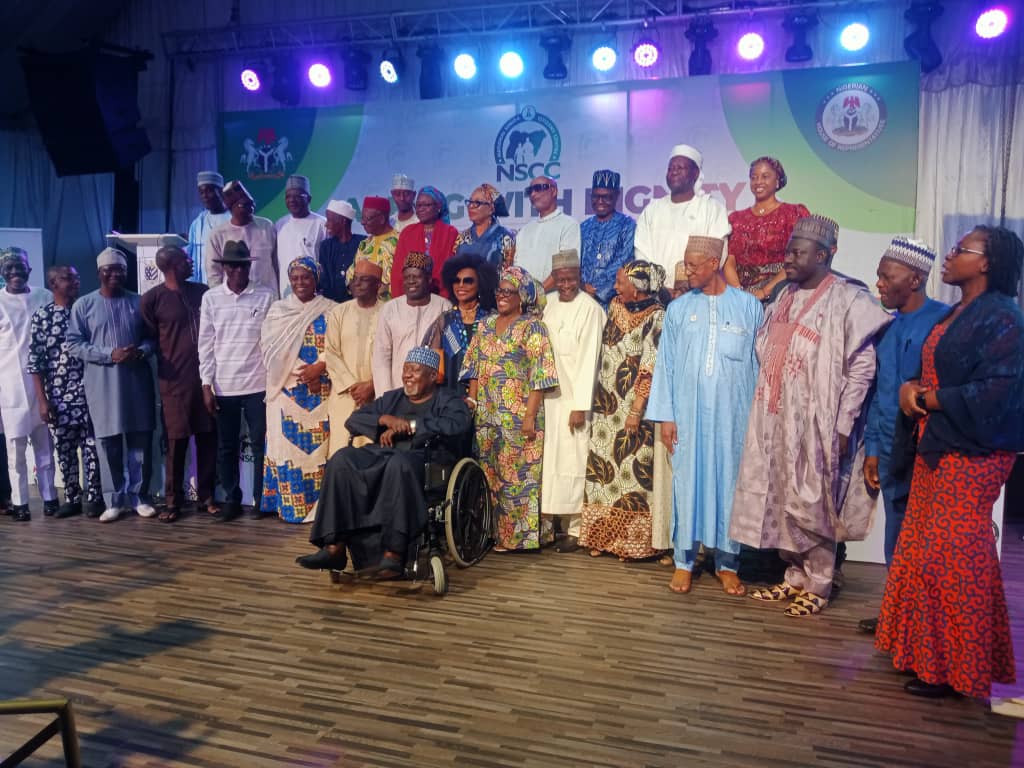
In a powerful call for action, the Director-General of the National Senior Citizens Center (NSCC), Dr. Emem Omokaro, has urged the government and society to amplify the contributions of older persons to national development.
Speaking during the Age-Friendly Places and People, a part of the ongoing five-day celebration in Abuja, organized by NSCC, Dr. Omokaro highlighted the critical need to dismantle ageist stereotypes and include older individuals in key policy frameworks.
The event, themed “Celebrating Older Persons and the Role They Play in the Community,” also marked the observance of the International and National Day of Older Persons.
Dr. Omokaro shed light on the persistence of ageism in Nigerian society, noting that while the Universal Declaration of Human Rights has been in place for 75 years, its values of equality, dignity, and participation are often denied to older citizens.
“Ageism perpetuates damaging stereotypes, prejudices, and discrimination, which undermine the invaluable contributions of older persons. This harmful narrative leads to a misconception that older people are non-contributing members of society or, worse, a burden on the economy,”said Dr. Omokaro.
She emphasized that the NSCC is actively engaged in reversing these biases, particularly through initiatives aimed at recognizing older persons as vital contributors to sectors such as geriatric care and community development.
Dr. Omokaro further underscored the importance of celebrating older persons as part of recognizing ageing as a development issue, shifting away from outdated views that position older people as objects of pity or merely recipients of welfare.
“The celebration of older persons is a recognition that they are crucial to the sustainability of our nation’s development. As Nigeria’s youth population grows, we must ensure that these future seniors are integrated into economic and social systems that respect their rights and promote their participation,” she remarked.
Dr. Omokaro called for targeted policies that would ensure older citizens benefit from economic growth, social investments, and access to emerging technologies. “Equity is achieved when older persons have the systems and support to reduce poverty, improve health outcomes, and participate fully in society,” she added.
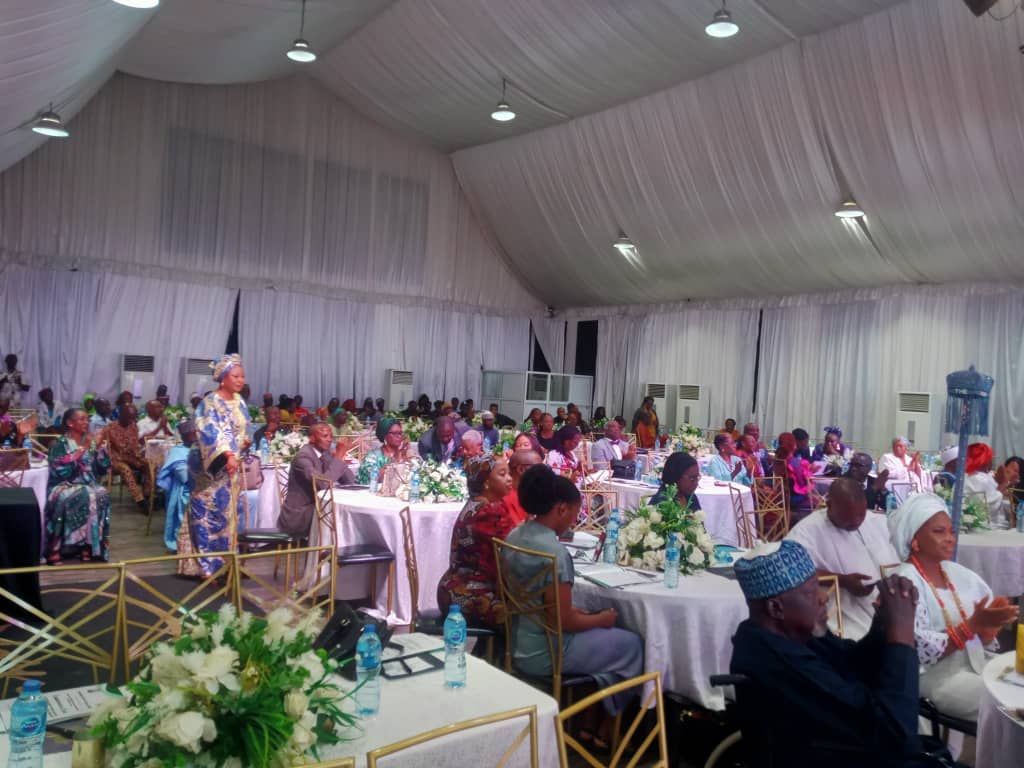
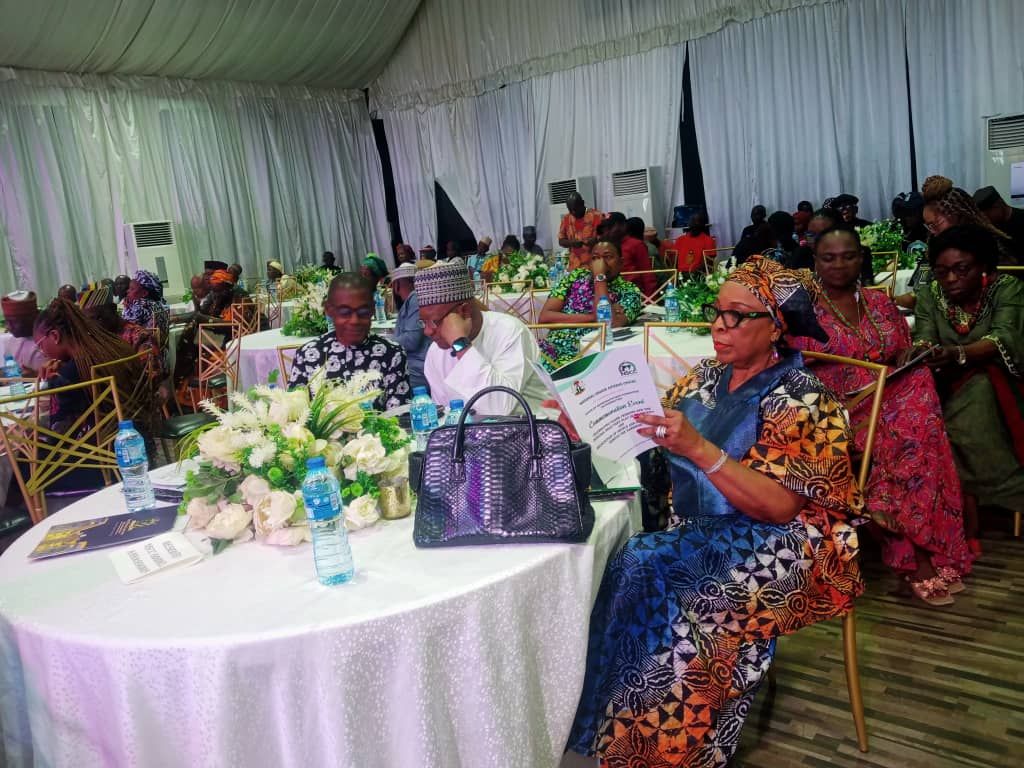
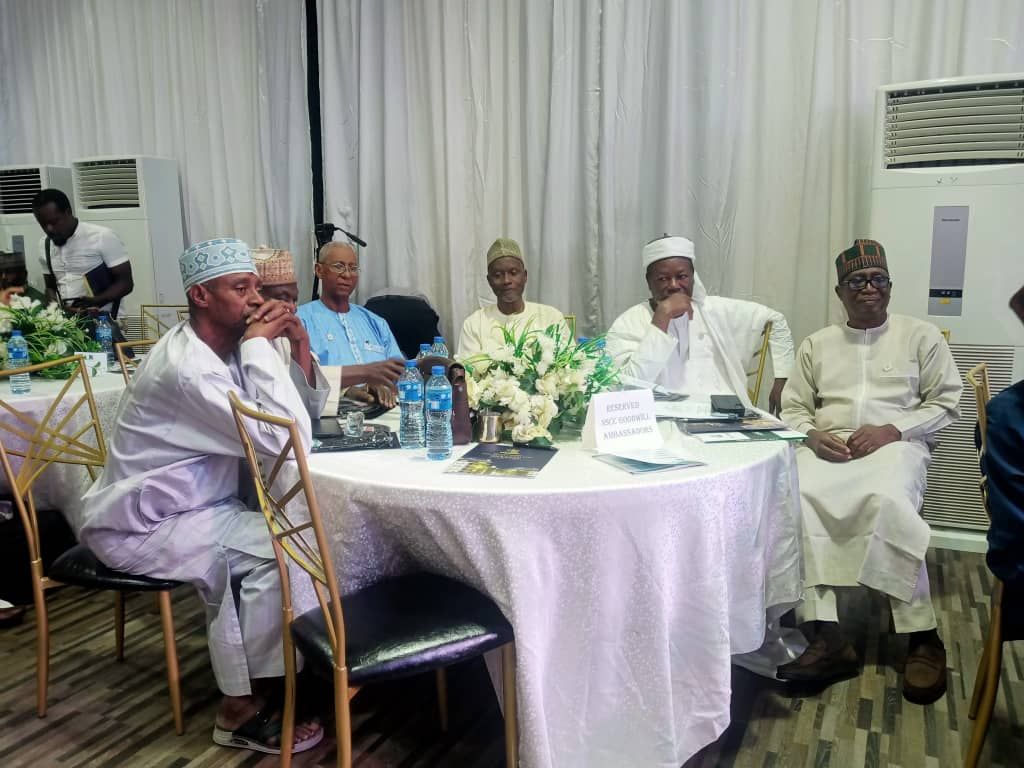
The celebration also featured speeches from prominent policymakers, including Hon. Dr. Bashiru Daudu, Chairman of the House of Representatives Committee on Disabilities.
Dr. Daudu emphasized the urgent need for the passage of the Older Persons’ Rights and Privileges Bill, which is currently awaiting its second reading in the National Assembly.
He highlighted the significant role that older persons play in nation-building and advocated for swift legislative action to protect their rights.
“We must recognize the value older citizens bring to our communities and the economy. The Older Persons’ Rights and Privileges Bill is a step toward ensuring their contributions are celebrated, not diminished,” said Dr. Daudu.
A major highlight of the event was the unveiling of the NSCC’s Goodwill Ambassador for Age-Friendly Services and Elder Justice Advocacy, led by Dr. Salma Ibrahim Anas, Special Adviser to the President on Health.
Dr. Anas lauded the NSCC’s efforts in advocating for age-friendly services, emphasizing the need for cross-sector collaboration to protect the rights and dignity of older persons.
“The work being done by the NSCC is pivotal in ensuring that older Nigerians have access to services that meet their needs. It is important for us to expand these efforts across the country and ensure that age-friendly services are accessible to all,” Dr. Anas said.
The ongoing 5-day celebration serves as a crucial platform to reframe the narrative surrounding ageing in Nigeria. With key government figures and stakeholders pledging their commitment, the event signals a promising shift toward a more inclusive and supportive environment for older persons.
This event highlights not only the growing recognition of older persons’ rights but also the urgent need for systemic changes that empower them to thrive as active members of society.
As policymakers push for the passage of critical legislation, the future for Nigeria’s senior citizens looks brighter than ever.


 Africa Security Investigation News