
Maryam Aminu
The Federal Government, through the Minister of Transportation, Senator Said Ahmed Alkali, has urged journalists to embrace balanced media reporting that highlights the critical role of the transportation sector in bolstering the economy and advancing President Bola Ahmed Tinubu’s Renewed Hope Agenda.
At the 4th edition of the annual workshop organized by the Abuja Transport and Aviation Correspondents Association (ATACA) on October 3, 2024, the minister, represented by Dr. Shuaib Danwaka, Technical Adviser in the Ministry of Transportation, emphasized the importance of the media’s role in promoting the sector’s services.
The workshop, themed “Harnessing the Aviation, Railway, Marine and Blue Economy Sectors for Sustainable Transportation in Nigeria”, gathered industry experts to address key challenges and opportunities.
Alkali commended ATACA for choosing a timely and relevant theme, stating, “It is my hope that this event will address the critical issues hindering the effectiveness of land, air, and marine transportation in Nigeria.”
He highlighted the sector’s vital role in economic growth, urging the media to remain professional and dedicated in informing the public about the government’s efforts in transforming the transportation sector.
He further noted that the workshop’s timing, during Nigeria’s 64th independence anniversary, provides an opportunity to showcase innovative ideas and advancements within the sector.
He called for more effective communication strategies to ensure the public understands the milestones being achieved.
Earlier speaking, ATACA Chairman Oru Leonard Oru, in his opening remarks, explained that the seminar was designed to explore investment opportunities and emerging technologies shaping Nigeria’s transportation future, such as compressed natural gas (CNG), liquefied natural gas (LNG), and non-fuel-based transport options like cycling.
Leonard stressed the need for proper funding and global collaboration in the land transportation and railway subsectors, adding that safety and security are key to the success of the entire system.
He also urged the relevant authorities to strengthen their efforts in enforcing transportation safety and security regulations.
Leonard proposed that ministry budgets should include provisions for media engagement, training of press unit staff, and the inclusion of ATACA members in field inspections and regular media discussions.
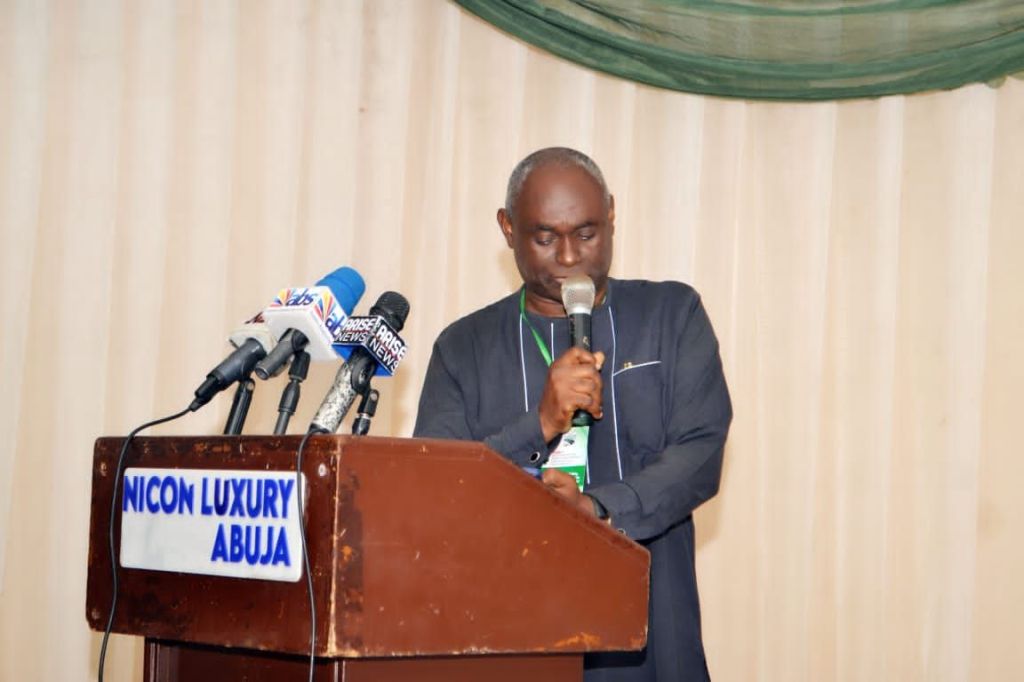
In addition, Oru Leonard emphasized the importance of continuous investment in capacity-building for transport journalists, stressing that keeping them informed about the latest trends and innovations is vital to their ability to communicate effectively with the public.
He noted that the media plays a crucial role in shaping public perception and understanding of the government’s policies, and well-trained journalists can help bridge the gap between policymakers and citizens.
“Empowering journalists with the right tools and knowledge will enable them to provide more insightful and impactful reporting,” Leonard remarked.
He also called for a closer partnership between the transportation industry and the media, suggesting that this collaboration could help uncover untapped opportunities within the sector.
Leonard pointed out that the media, as a watchdog, can hold the sector accountable while also promoting its successes, ensuring that both challenges and achievements are adequately covered.
“Through mutual engagement, we can build a robust narrative that fosters growth and public trust in Nigeria’s transportation system,” he added.
Speaking also, Arc Bob Achanya, President of the Nigeria Bangladesh Business Technology Forum and Ajaokuta Chamber of Commerce, emphasized the potential of multimodal transportation systems within Nigeria’s emerging blue economy.
He noted that the integration of aviation, railway, and marine sectors would create a seamless transportation network, enhancing connectivity, reducing costs, and boosting logistics efficiency.
Achanya further highlighted some of the Tinubu administration’s key transportation projects, such as the expansion of Murtala Muhammed International Airport in Lagos, new terminals at Nnamdi Azikiwe International Airport in Abuja, and the Lekki Deep Sea Port project, which is set to become the largest deep-sea port in West Africa.
He also mentioned initiatives like the Nigeria-Kenya Integrated Blue Economy Strategy Forum, aimed at strengthening the blue economy sector.
Achanya noted that the integration of multimodal transportation systems would position Nigeria for sustainable economic growth, leveraging the strengths of its various transportation sectors to create a resilient network that drives national prosperity.

 Africa Security Investigation News