Maryam Aminu
The Federal Government of Nigeria has announced a groundbreaking initiative to develop a robust ecosystem for the production of military hardware in Nigeria, leveraging the vast resources of the Ajaokuta Steel Plant.
This move is part of a broader strategy to strengthen the nation’s defense capabilities and stimulate economic growth.
The Ajaokuta Steel Plant, sprawling over 24,000 hectares, is set to play a central role in this initiative by supplying the essential raw materials required for the production of military equipment from small arms to advanced defense systems, the plant’s output is expected to meet the diverse needs of the Nigerian Armed Forces.
The Minister of State for Defence, Dr. Bello Matawalle, announced a significant stride towards indigenous arms manufacturing, stating that producing arms and ammunition locally will ease the pressure on Nigeria’s currency and improve its value in the foreign exchange market.
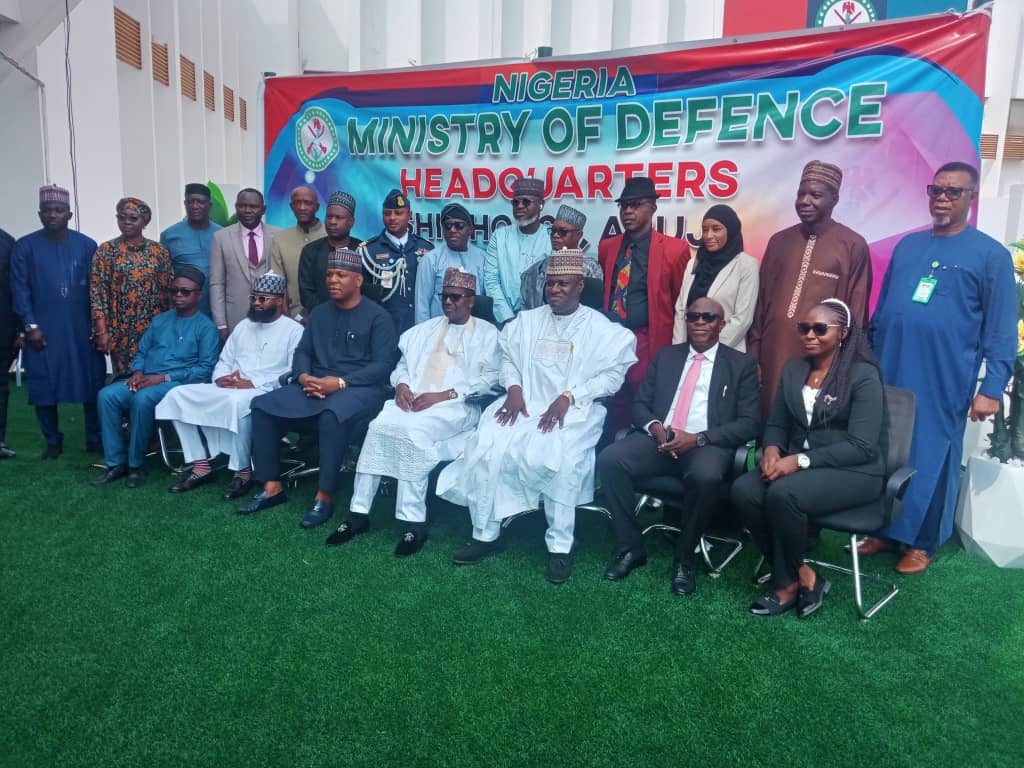
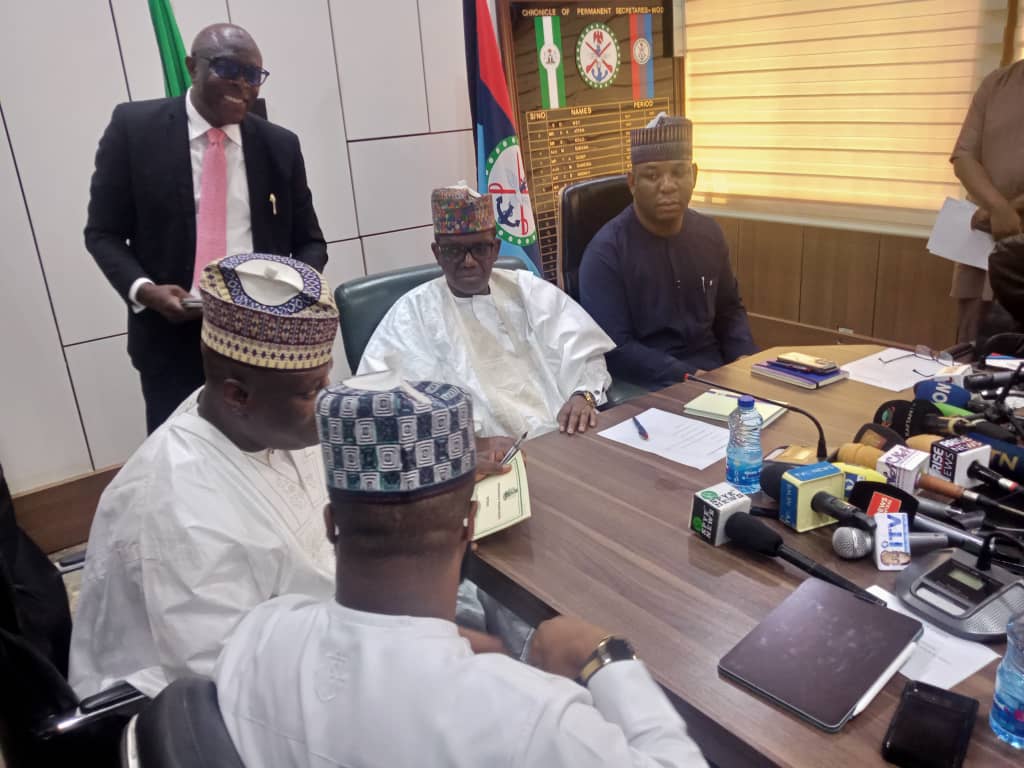
Speaking on Wednesday 14th August,2024 during the signing of a Memorandum of Understanding (MoU) between the ministries of Defence, Steel Development, and the National Agency for Science and Engineering Infrastructure (NASENI), Dr. Matawalle highlighted the country’s pressing need for ammunition. The Nigerian military alone requires approximately 200 million rounds annually, with the total demand rising to 350 million rounds when the needs of paramilitary forces and the police are included.
The Minister noted the MoU aims to facilitate the large-scale production of arms and ammunition within Nigeria through the military industrial complex, a significant step towards reducing dependence on foreign imports.
Dr. Matawalle expressed optimism that the revitalized Defence Industries Corporation of Nigeria (DICON) is on track to begin exporting military hardware in the near future.
“I made a promise to Mr. President that, as long as we are in the Ministry of Defence, before the expiration of these four years, DICON will be exporting its military capability. If we are manufacturing even 60 or 70 percent of our military hardware and ammunition, the ministry’s or military’s need for foreign exchange for importation would reduce significantly,” said Dr. Matawalle,
The Minister who also serves as the board chairman of DICON further explained that if the military industrial complex achieves its projected production volume, the pressure on foreign exchange markets would decrease as local security agencies would purchase ammunition in naira, reducing the need to source forex.
Also speaking, the Minister of Steel Development, Shuaibu Audu, emphasized the strategic importance of Ajaokuta in this collaboration.
“Ajaokuta provides the perfect platform for the military industrial complex. With its vast resources and existing infrastructure, it has the capacity to support the production of helmets, vests, rifles, bullets, and even military tanks,” he stated.
Audu highlighted that this collaboration would not only enhance Nigeria’s defense capabilities but also boost the economy by creating jobs and reducing reliance on foreign imports.
Ibrahim Kana, the Permanent Secretary of the Ministry of Defence, underscored the significance of the partnership with the private sector in establishing a self-reliant defense industry.
“This initiative will lay a solid foundation for a defense industry that can meet the needs of our armed forces while contributing to Nigeria’s economic growth,” Kana said.
Also, the Executive Vice Chairman of the National Agency for Science and Engineering Infrastructure (NASENI), Khalil Suleiman Halilu, stressed the national imperative of the Military Industrial Complex (MIC).
“In a rapidly evolving global security environment, it is crucial for Nigeria to position itself to address emerging threats with homegrown solutions,” Halilu stated.
He further noted, “Today, we are embarking on a journey that will redefine Nigeria’s defense landscape and secure our nation’s future. This partnership between NASENI and the Ministry of Defence is a testament to our commitment to harness Nigeria’s scientific and engineering expertise in the service of national defense.”
The partnership is expected to lay the foundation for a self-sufficient defense industry that will not only equip the military with the best tools to defend the nation but also contribute significantly to Nigeria’s economic development.


 Africa Security Investigation News