Maryam Aminu
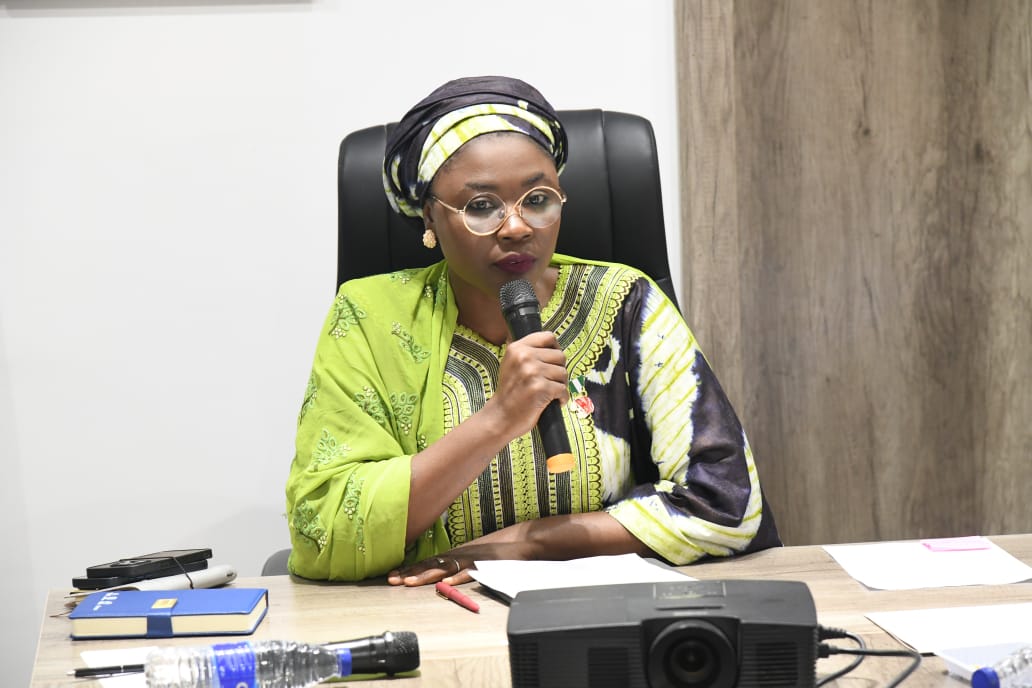
The Minister of Youth Development, Dr. Jamila Bio-Ibrahim, has reiterated the pivotal role of the National Youth Service Corps (NYSC) in fostering national unity and integration, despite ongoing calls for its discontinuation.
Speaking at the inauguration of the Reform Committee for the restructuring of the NYSC in her office, Dr. Bio-Ibrahim highlighted the enduring impact of the scheme since its inception over 60 years ago.
“Since the establishment of the scheme, we have seen modern advancements and initiated various programs that have significantly transformed the lives of young people,” she stated.
The Minister acknowledged the divergent opinions on the scheme, noting, “There have been calls to scrap the NYSC, yet it stands as a symbol of national unity and integration. It is a vital and impactful scheme that has served as a model for other countries around the globe.”
Dr. Bio-Ibrahim emphasized the international recognition of the NYSC, citing its influence beyond Nigeria. “From North to South of the African continent and across the globe, we have seen other countries modeling the NYSC. This really shows that it’s a scheme we need to be proud of, something we are doing right, and we must sustain it even if there are calls for its discontinuation.”
The Minister announced the formation of a committee to conduct a comprehensive review of the NYSC in response to the current agitation for its scrapping.
She stressed that the goal is to realign the NYSC with contemporary economic and social needs, transforming it into a dynamic skills center that significantly contributes to multinational development and youth empowerment.

Prince Oyekunle Oyewumi, the Chairman of the newly formed committee, expressed the committee’s commitment to delivering a thorough and impressive outcome.
Speaking also, the Permanent Secretary of the Ministry, Olubunmi Olusanya urged the committee to work diligently for positive results.
“The review and restructuring of the NYSC aim to ensure the scheme remains relevant and beneficial to Nigerian youth and the broader society in the face of changing economic and social landscapes.” He said

 Africa Security Investigation News