By Emmanuel Daudu
As the population in Nigeria continues to age, it is crucial to provide adequate social care for older adults to ensure their well-being and quality of life.
One of the primary focuses of geriatric social care in Nigeria is to provide support for the physical, emotional, and social needs of elderly individuals. This includes access to healthcare services, assistance with daily living activities, and social engagement opportunities. The goal is to promote healthy aging and enable older adults to live independently for as long as possible.
In Nigeria, geriatric social care services are typically provided through a combination of public and private initiatives. Government programs aim to provide affordable and accessible healthcare services for older adults, including regular health check-ups, medication management, and treatment for age-related diseases. Private organizations, non-governmental organizations (NGOs), and community-based programs also play a crucial role in delivering social care services to older adults.
Some of the key components of geriatric social care in Nigeria include:
Healthcare Services: Access to healthcare services is a fundamental aspect of geriatric social care. This includes regular check-ups, screenings, and treatment for age-related conditions such as hypertension, diabetes, and arthritis. Specialized healthcare facilities for geriatric care are also essential to ensure that older adults receive appropriate and tailored medical attention.
Home-Based Care: Many older adults prefer to age in their own homes rather than in institutional settings. Home-based care services provide assistance with activities of daily living (ADLs), such as bathing, dressing, meal preparation, and medication management. Home care professionals, including nurses, caregivers, and therapists, offer support to older adults while enabling them to maintain their independence.
Social Support: Loneliness and social isolation can significantly impact the mental health and well-being of older adults. Geriatric social care in Nigeria includes initiatives to combat social isolation through community programs, recreational activities, and support groups specifically targeted towards the elderly. These enable older adults to participate in social and leisure activities, establish social connections, and maintain their cognitive abilities.
Advocacy and Policy Development: Geriatric social care also involves advocating for the rights and needs of older adults and influencing policy development at both the government and community levels. This ensures that the unique challenges faced by older adults are addressed in healthcare policies, resource allocation, and the implementation of social care services.
While geriatric social care in Nigeria has made significant strides, there are still challenges to overcome, including inadequate healthcare infrastructure, a lack of trained personnel, and limited financial resources. However, with increased awareness and efforts from both the government and civil society, the provision of geriatric social care in Nigeria can be improved, ensuring a better quality of life for elderly individuals in the country.
As Nigeria’s population continues to age, with estimates suggesting that by 2050, the number of people aged 60 and over will surpass 40 million, hence the demand for effective geriatric social care services is increasingly pressing.
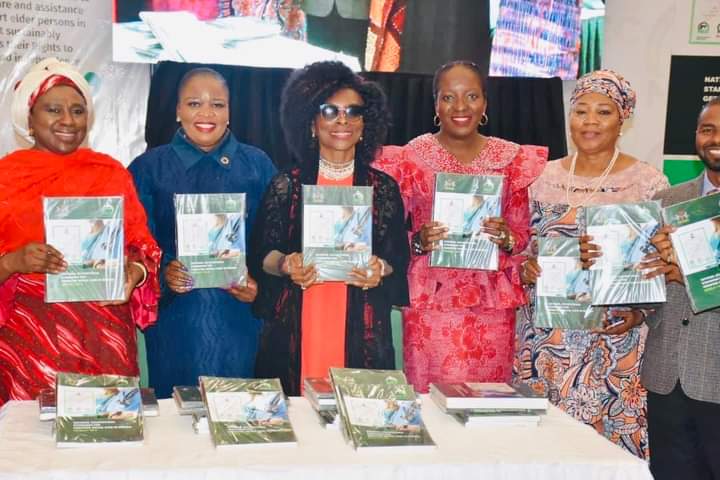
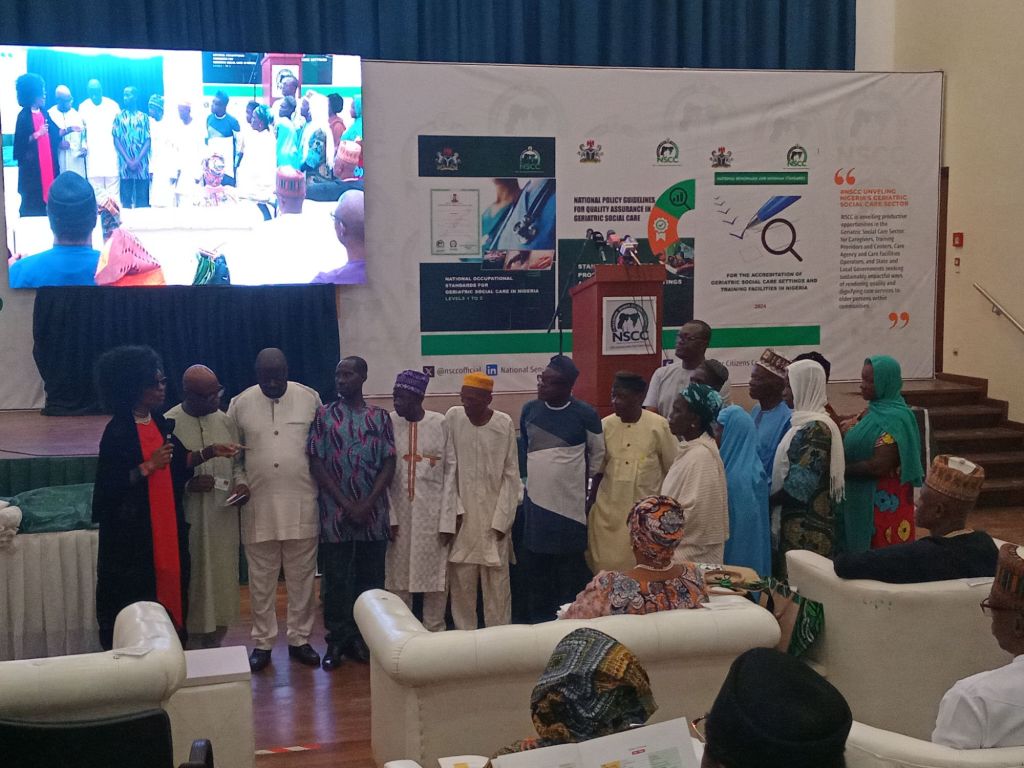
It is on this background that the National Senior Citizens Center (NSCC), on Wednesday 15th May 2024, in Abuja unveiled the groundbreaking geriatric development aimed at improving geriatric social care across the country.
The unveiling ceremony, held in collaboration with various government agencies, non-governmental organizations, and healthcare providers, marked a significant milestone in Nigeria’s efforts to address the needs of its aging population.
In her opening remarks, Dr. Emem Omokaro DG (NSCC) stated that the geriatric social care came at a crucial time as Nigeria’s elderly population continues to grow, highlighting the urgent need for specialized care and support services.
She noted that today marks the foundation laying of what would be a journey to building an expansive Geriatric Social Care Quality Assurance System which is the bedrock of a very multidimensional care industry.
“Nigeria by this development aims to ensure that the care workforce has the knowledge, skills and competencies crucial to enable workers to practice older-person centered care while also building a paid quality social care workforce to ensure reduction of negative stereotypes about caregiving to older people”, she said.
Furthermore, Dr. Omokaro stated that the development is in line with the Job creation, improved productivity, inclusion and equity priority pillars and deliverables by the Renewed Hope Agenda of President Bola Ahmed Tinubu.
Dr. Omakaro stated that NSCC seeks support, budget inclusion and partnership in the following areas: Promoting, training and certification of caregivers; Promoting the Agency Model of Care which accredits Care Agencies, homes within communities where care is requested thus strengthening families to care, promote cultural and religious values and Ageing; Granting access to skilled home caregivers and certified options for residential care; Assisted living facilities; Respite homes and Universal Health coverage; Innovate financing of home and facility-based care with social insurance via the NHIA-Vulnerable Group Funds Integrating ICOPE in Primary health Care systems.
She further disclosed that the National Senior Citizens Centre (NSCC) Strategic Plan 2022-2032 and the National Plan of Action on Ageing, detailed in clear terms the development of a paid skilled workforce for the geriatric social care sector, the development of National benchmark and minimum standards in training and certification of care givers, care agencies and the development of career opportunities for identified competencies.
According to her, “The initiative focuses on providing comprehensive social care services tailored to the unique requirements of elderly individuals, including healthcare, social support, and community engagement”.

 Africa Security Investigation News