
By Emmanuel Daudu
Affordable, durable, and flexible, plastic pervades modern life, appearing in everything from packaging to clothes to beauty products. But it is thrown away on a massive scale: every year, more than 280 million tonnes of short-lived plastic products become waste.
This excessive plastic waste has severe consequences for the environment and human health. Plastic takes hundreds of years to break down, leading to the accumulation of landfill waste and pollution of the oceans. Marine animals often mistake plastic debris for food, leading to ingestion and entanglement. Moreover, when plastic does break down, it releases harmful chemicals into the environment, further damaging ecosystems.
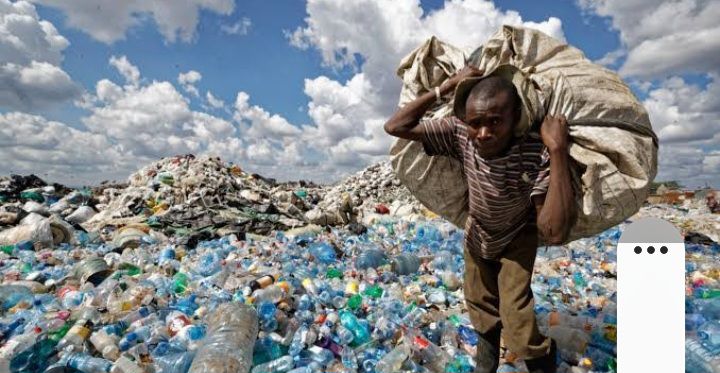
The production of plastic also contributes to greenhouse gas emissions, exacerbating climate change. Plastic is primarily made from fossil fuels, such as crude oil and natural gas, leading to the release of carbon dioxide and other greenhouse gases during extraction, refining, and manufacturing processes.
Reducing plastic waste requires a multi-faceted approach. Firstly, there is a need for improved waste management systems. Many countries lack proper infrastructure to collect and recycle plastic waste effectively. Investments in recycling facilities and public awareness campaigns are crucial in encouraging responsible plastic disposal.
Secondly, there is a need for sustainable alternatives to single-use plastics. Many disposable plastic items, such as straws, bags, and cutlery, have readily available alternatives made from more eco-friendly materials like paper, bamboo, or biodegradable plastics. Encouraging the use of these alternatives can help reduce the demand for virgin plastic production.
Furthermore, governments and businesses should consider implementing policies and regulations to limit the use of unnecessary plastics. This could include banning certain single-use plastic items or introducing taxes on plastic products to discourage their use. Additionally, promoting the concept of a circular economy, where products are designed for reuse and recycling, can significantly reduce plastic waste.
Individuals also have a role to play in reducing plastic waste. By adopting sustainable habits like using reusable bags, water bottles, and utensils, as well as properly segregating and recycling plastic waste, individuals can significantly contribute to the reduction of plastic pollution.
To tackle the plastic waste crisis, it requires collective efforts from governments, businesses, and individuals. By prioritizing sustainable practices and promoting responsible consumption, we can work towards a future with less plastic waste and a healthier environment for all.
Overall, 46 per cent of plastic waste is landfilled, while 22 per cent is mismanaged and becomes litter. Unlike other materials, plastic does not biodegrade. It can take up to 1,000 years to break down, so when it is discarded, it builds up in the environment until it reaches a crisis point. This pollution chokes marine wildlife, damages soil and poisons groundwater, and can cause serious health impacts.
Is pollution the only problem with plastic?
No, it also contributes to the climate crisis. The production of plastic is one of the most energy-intensive manufacturing processes in the world. The material is made from fossil fuels such as crude oil, which are transformed via heat and other additives into a polymer. In 2019, plastics generated 1.8 billion metric tonnes of greenhouse gas emissions – 3.4 per cent of the global total.
Where is all this plastic coming from?
The packaging sector is the largest generator of single-use plastic waste in the world. Approximately 36 per cent of all plastics produced are used in packaging. This includes single-use plastic food and beverage containers, 85 per cent of which end up in landfills or as mismanaged waste.
Farming is another area where plastic is ubiquitous: it is used in everything from seed coatings to mulch film. The fishing industry is another significant source. Recent research suggests more than 100 million pounds of plastic enters the oceans from industrial fishing gear alone. The fashion industry is another major plastic user. About 60 per cent of material made into clothing is plastic, including polyester, acrylic and nylon.
I have heard people talk about microplastics. What are those?
They are tiny shards of plastic measuring up to 5mm in length. They come from everything from tires to beauty products, which contain microbeads, tiny particles used as exfoliants. Another key source is synthetic fabrics. Every time clothing is washed, the pieces shed tiny plastic fibres called microfibres – a form of microplastics. Laundry alone causes around 500,000 tonnes of plastic microfibres to be released into the ocean every year –the equivalent of almost 3 billion polyester shirts.
What is being done about plastic pollution?
In 2022, UN Member States agreed on a resolution to end plastic pollution. An Intergovernmental Negotiating Committee is developing a legally binding instrument on plastic pollution, with the aim of having it finalized by the end of 2024. Critically, the talks have focused on measures considering the entire life cycle of plastics, from extraction and product design to production to waste management, enabling opportunities to design out waste before it is created as part of a thriving circular economy
While this progress is good news, current commitments by governments and industry are not enough. To effectively tackle the plastic pollution crisis, systemic change is needed. This means, moving away from the current linear plastic economy, which centres on producing, using and discarding the material, to a circular plastic economy, where the plastic that is produced is kept in the economy at its highest value for as long as possible.
How can countries make that a reality?
Countries need to encourage innovation and provide incentives to businesses that do away with unnecessary plastics. Taxes are needed to deter the production or use of single-use plastic products, while tax breaks, subsidies and other fiscal incentives need to be introduced to encourage alternatives, such as reusable products. Waste management infrastructure must also be improved. Governments can also engage in the Intergovernmental Negotiating Committee process to forge a legally binding instrument that tackles plastic pollution, including in the marine environment.
What can the average person do about plastic pollution?
While the plastic pollution crisis needs systemic reform, individual choices do make a difference. Such as shifting behaviour to avoid single-use plastic products whenever possible. If plastic products are unavoidable, they should be reused or repurposed until they can no longer be used – at which point they should be recycled or disposed of properly. Bring bags to the grocery store, and if possible, striving to purchase locally sourced and seasonal food options that require less plastic packaging and transport.
Should I lobby governments and businesses to address plastic pollution?
Yes. One of the most important actions individuals can take is to ensure their voice is heard by talking to their local representatives about the importance of the issue and supporting businesses that are striving to reduce single-use plastic products in their supply chains. Individuals can also show their support for them on social media. If people see a company using unnecessary plastic (such as single-use plastics covering fruit at a grocery store) they can contact them and ask them to do better.
END
Project sponsored by Zenith Global Media Services & Consultancy

 Africa Security Investigation News