Bilkisu Adejoh
Population affects every facet of societal development yet open, deliberate discussion around population remains uncommon in Nigeria.
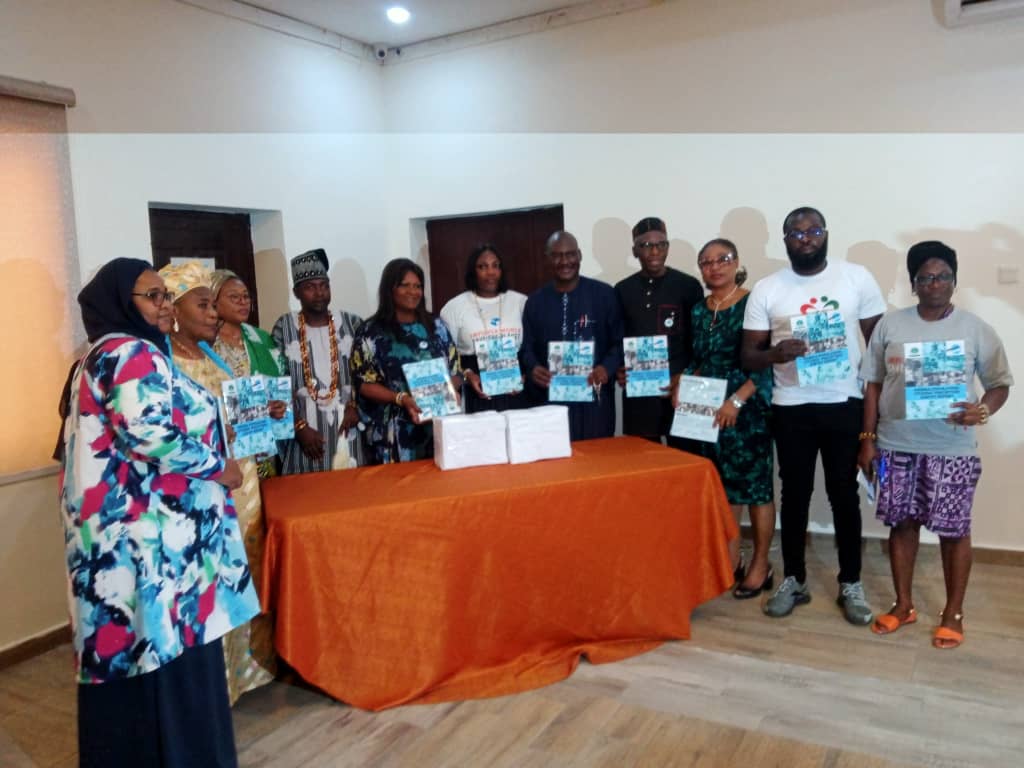
Speaking at the Nigerian Population Conversation Seminar organised by Population Matters in partnership with Civil Society Legislative Advocacy Centre (CISLAC) on Tuesday in Abuja, the Executive Director CISLAC and Head of Transparency International, Auwal Ibrahim Musa Rafsanjani,
said it is time Nigerians begin to embrace the idea of smaller family to boycott ravaging poverty, youth unemployment, child mortality and other socio-economic upheavals.
Rafsanjani disclosed that Nigeria’s population is projected at 400 million in 2050
He noted that Nigeria has a record of 20 million out-of-school children.This is as about 53.40 per cent of youths are unemployed.
He decried the rate of out-of-school children adding that it exposes the nation to most of the social crimes perpetrated by youths including the accelerated level of prostitution, armed robbery, rape and all facets of violence.
He expressed that the Nigeria population conversation project is necessitated by the need to engender people- oriented participation and harvest perception on population to shape policy direction for well-informed national planning to achieve the overall demographic advantage
Rafsanjani expressed that the greatest challenge to population is illiteracy as most Nigerians don’t know the impacts of it on their well-being.
The rate of out-of-school children exposes the nation to most of the social crimes perpetrated by youths including the accelerated level of prostitution, armed robbery, rape and all facets of violence
“Nigeria has a record of 20 million out-of-school children. This is as about 53.40 per cent of youths are unemployed.”
He added that a significant function of girl child education in Nigeria is to provide her with diverse basic knowledge, skills, and training which contribute to personal development and the overall national development, disclosing that more than 50% of girls are not attending school at the basic education level, while 1 million girls drop out between the first and last year of primary school.
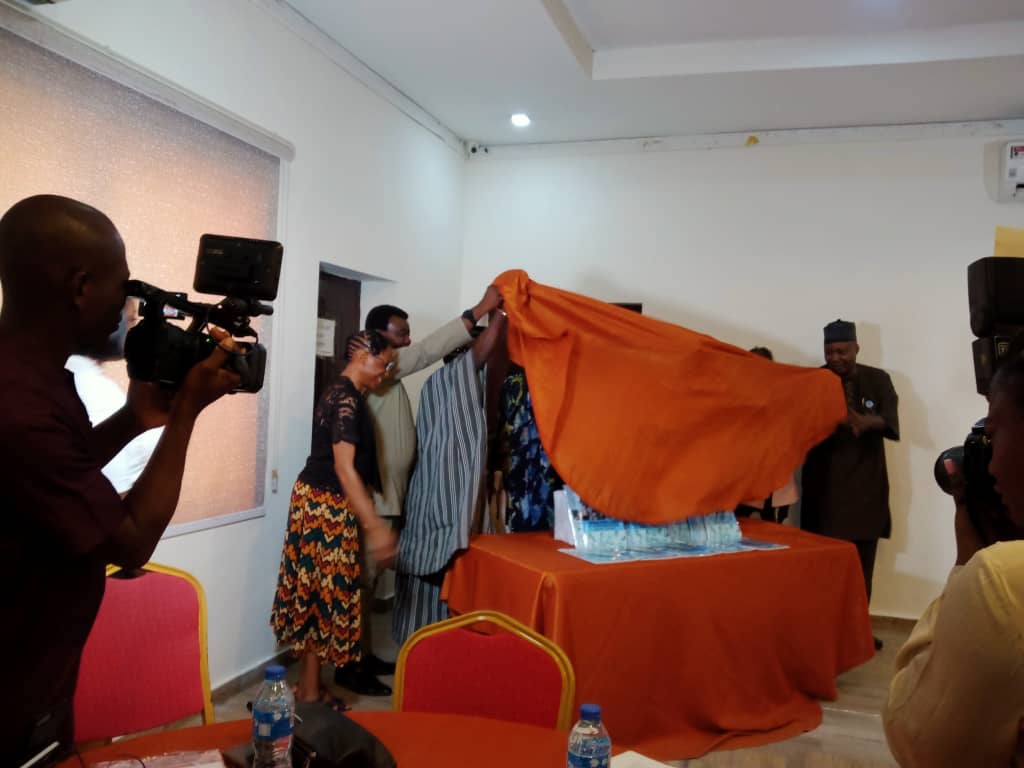
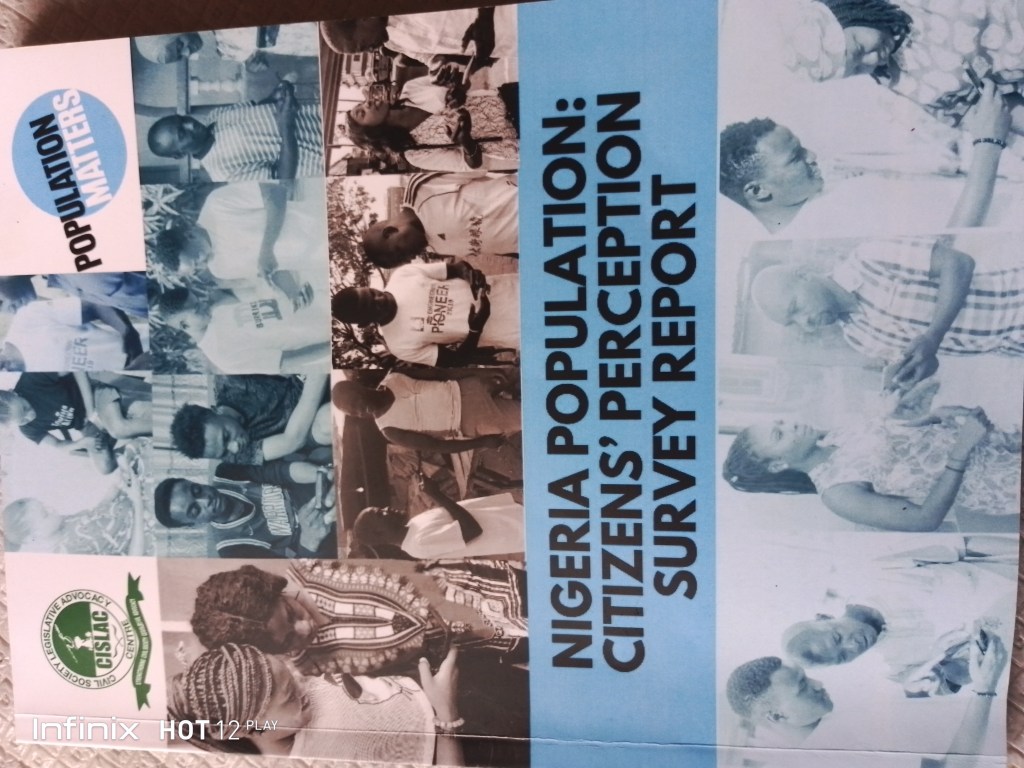
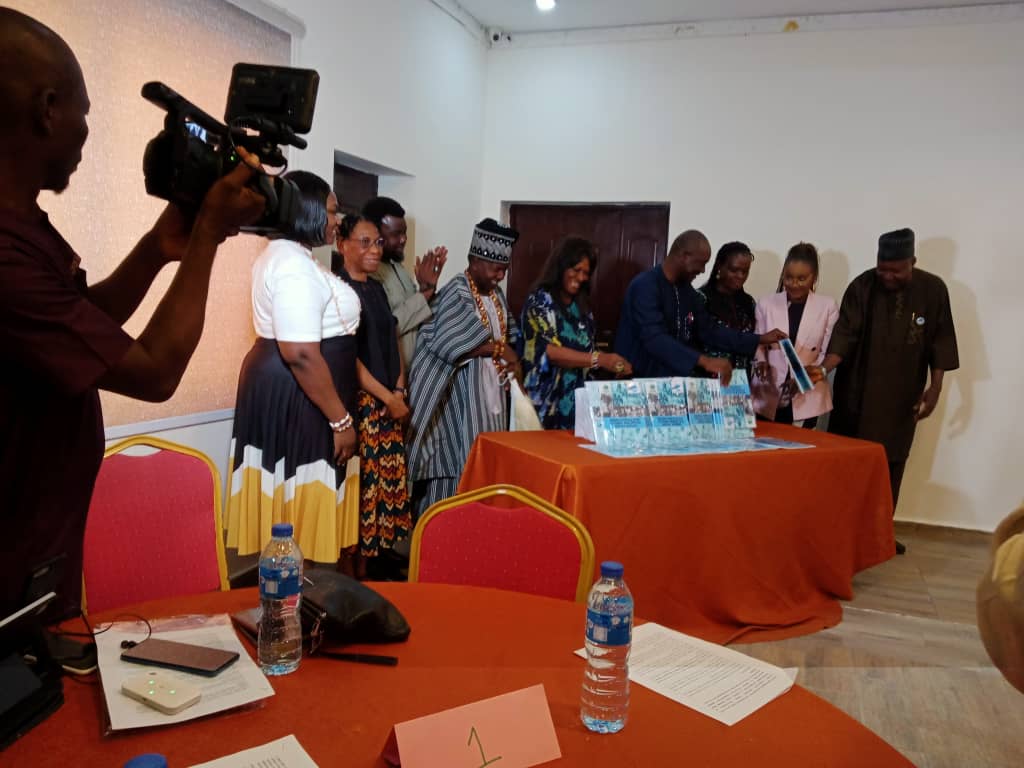
“It is worthy of a note that active participation by Nigerians across the six geo-political zones in the Population Perception Survey report that will be launched here today is a clear indication of citizens’ readiness for constructive conversation on population and its impacts on their well-being as well as living standards. This without doubt will serve as a baseline for further conversation on population at all levels in Nigeria and beyond.
“We are hopeful that fact-findings from the report would be leveraged by relevant state and non-state actors in amplifying conversation on population, while shaping policy decision and direction towards inclusive planning and development in Nigeria
Speaking also, the Head of Campaigns and Communication Population Matters, Alistair Currie expressed with delight their partnership with CISLAC/TI-Nigeria and other Nigerian partners to launch the groundbreaking survey details
She disclosed that people across the whole of the country was able to share their views and knowledge on the vital questions connected with Nigeria’s population growth
“It is no surprise to learn that they are concerned, with the majority surveyed believing that this growth does not bring benefits”
Currie added that what is clear already from the survey is that the solutions which present themselves are positive ones which will empower people, tackle gender discrimination, improve health and economic prospects and help protect Nigeria’s environment
Speaking further, Member of the Advisory Board, Population Matters, Dr Mrs Edu Effiom expressed how human population affects the environment, adding that maintaining the ecosystem in its natural form is critical for human wellbeing in a rapidly warming world.
Effiom expressed that unless urgent and concerted action is taken, it would worsen in the face of population growth, unprecedented consumption, increasingly globalised economy and climate change.She said there was the need to address slowing down population growth to ease off pressure on the living environment and also empower women and their families.She said: “This is because women are the worst hit in situations like these, so we have to rethink girl child marriage and empower the girl child through good education.

 Africa Security Investigation News