
By Emmanuel Daudu
As the risks facing our natural world increases by the day, environmentalists are always looking for new ways to tackle issues such as flooding, deforestation, climate change, and carbon emissions. Whilst many organizations are busy rallying volunteers to bang the drum for the environment, there is perhaps an unsung hero patiently waiting on the sidelines – the mangrove tree. Planting mangroves has been proven to help with environmental issues.
Mangroves are magical. Planting more of them could help restore the health of the planet’s lands, seas, and climate.
It is against this backdrop Compassionate Advocacy For The Poor Initiative, CAPI, in collaboration with the Ministry of Environment, Bayelsa State embarked on a two days mangrove planting exercise in Opume Kingdom to curb future flooding in the State.
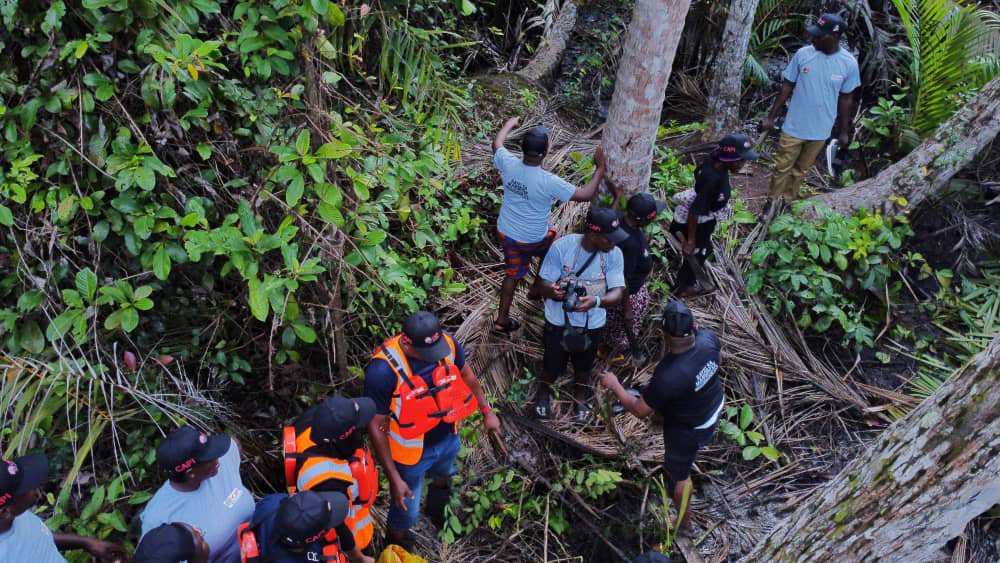
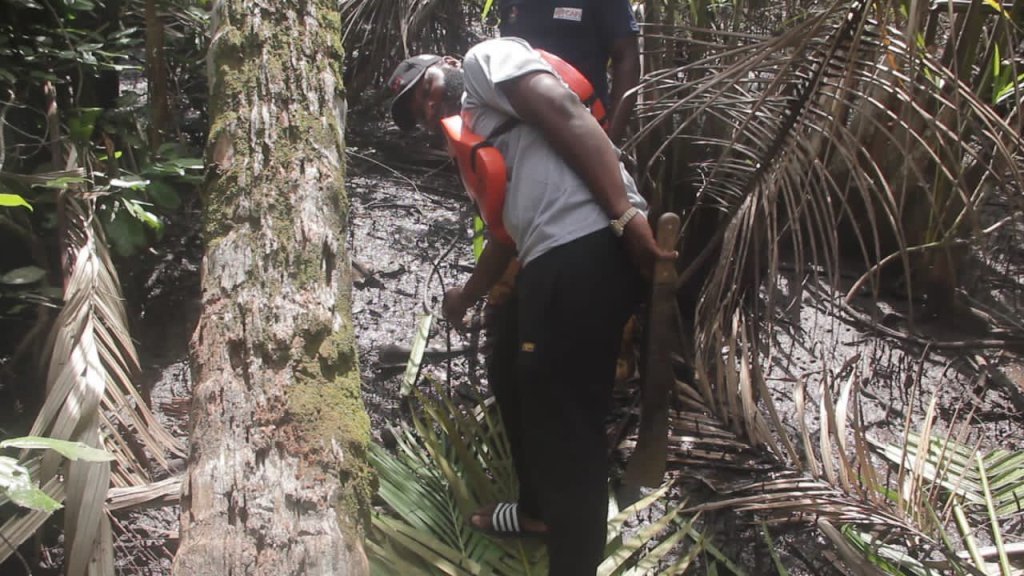
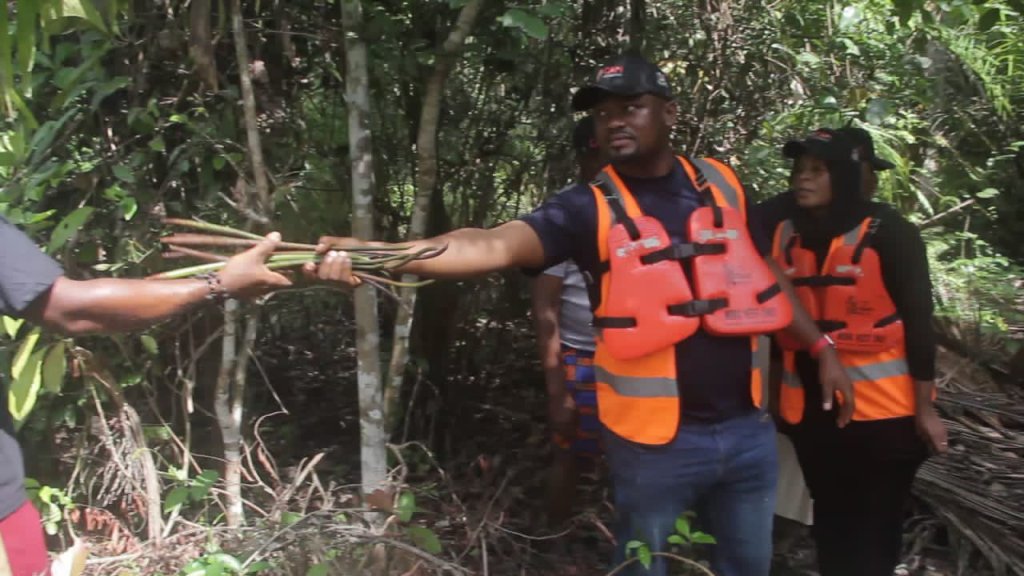
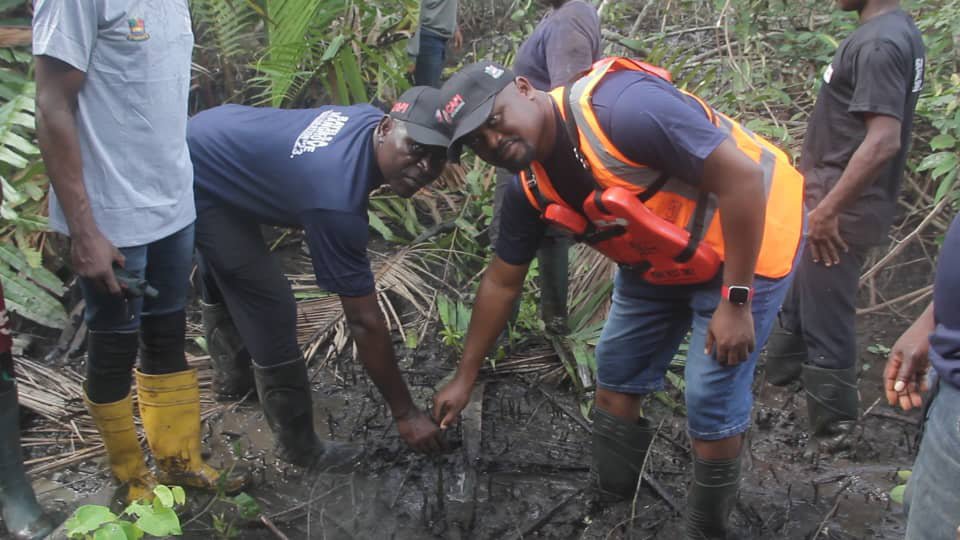
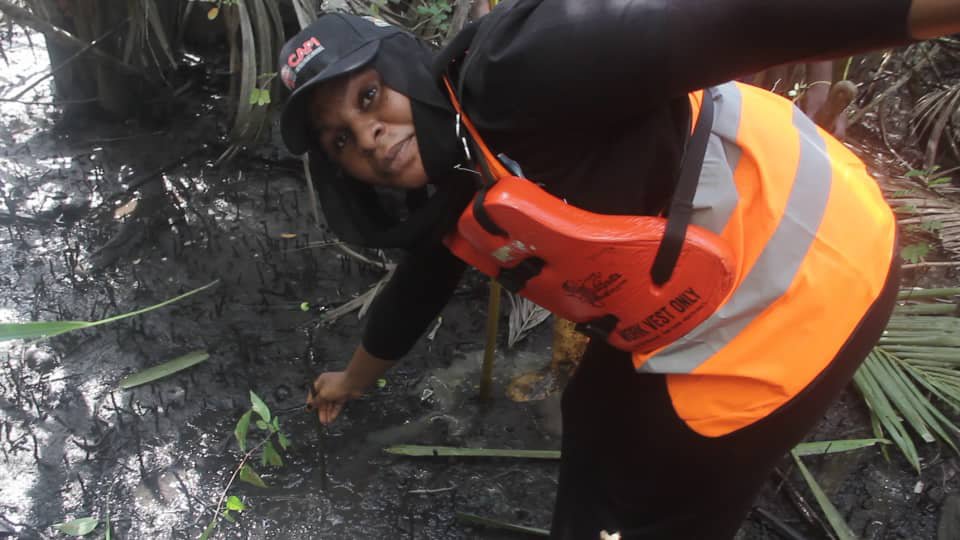
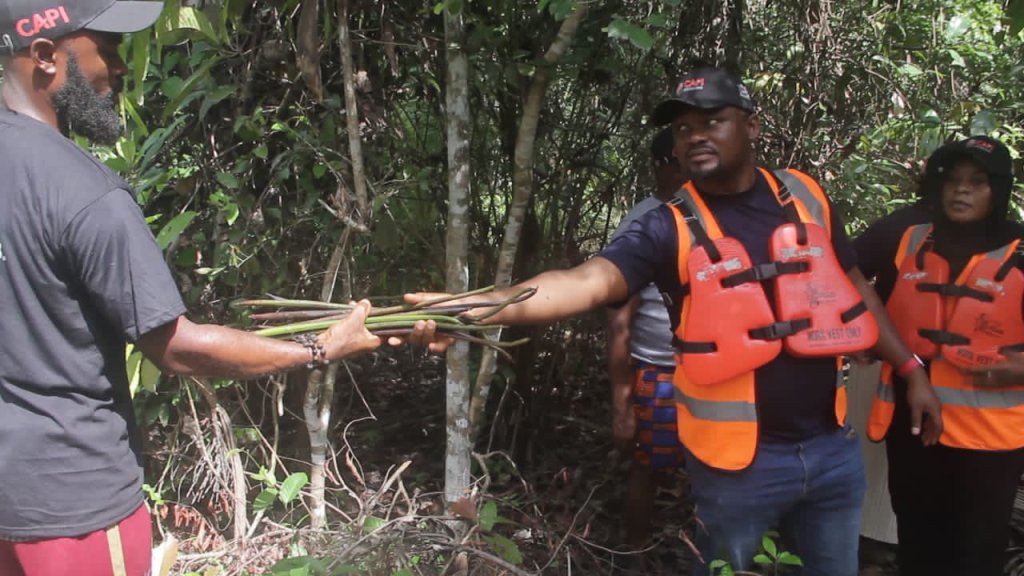
The event which commenced on the 9th to 10th June 2023 is aimed at enhancing living on land as one of CAPI’s aims and objectives is to protect the former and serve as a frontline defense for the people and property along the coasts.
While declaring the event open in Bayelsa State, the founder and Executive Director, of Compassionate Advocacy For The Poor Initiative, CAPI,
Dr. Edet Umoh, stressed the need for the help the federal government and international organizations to come to the aid of Bayelsa State statistically stating that over 1.3 million people have been displaced over the years.
The first day which was characterized by community engagement activities, and stakeholder dialogues on a series of topics around flooding mitigation exposed lots of challenges the Bayelsa state indigenous people are going through and lots of lives and properties lost over the years.
Also speaking, the Director Climate Change/
Programs, CAPI, Rukaiya Mahmoud, has this to say, “The black mangrove is a species of tree that can typically be found growing in coastal areas. It is characterized by its dark leaves and deep, knotted roots, which help anchor it firmly in the muddy soil of tidal flats and mangrove swamps.
“But why is this tree so important? Well, for one thing, black mangroves provide vital habitats for many different types of animals. Fish, birds, and other wildlife rely on the shelter of mangrove forests to survive, and many species use the trees as nesting sites, feeding grounds, and breeding areas.
“But the benefits of black mangroves go beyond just providing homes for animals. These trees play a crucial role in reducing coastal erosion and protecting against storm surges and other natural disasters. They also help to filter and purify the water in which they grow, removing pollutants and other harmful substances.
“In addition, mangroves are known to sequester large quantities of carbon, making them a valuable tool in the fight against climate change. By capturing and storing carbon dioxide from the atmosphere, mangroves help to reduce greenhouse gas emissions and slow down global warming.
‘Unfortunately, black mangroves and other species of mangrove trees are under threat from a variety of human activities, including deforestation, pollution, and development. As we continue to expand and encroach upon these fragile ecosystems, we risk irreparably damaging some of the most important ecosystems on the planet.
“That’s why we must take steps to protect and preserve these vital ecosystems. We must work to reduce our carbon footprint, prevent pollution, and promote sustainable development that balances the needs of people and the environment.
“So let us remember the important role that black mangroves and other mangrove species play in supporting life on our planet. And let us commit ourselves to doing all that we can to protect and preserve these precious habitats for future generations”.
The representative of the Ministry of Environment, Mr. Wakedei Davidson Ere, Director of Climate Change hampered on the need for stakeholders engagement stating that it is essential for success in any sphere of life.
“By involving all parties affected by decisions, we build trust, foster transparency, and improve outcomes. A structured approach that regularly checks in with stakeholders is essential, and we must commit to ongoing collaboration to achieve common goals”, he said.
The 2nd day which was Mangrove planting witnessed a lot of participants including community leaders out of which were Festus Egba Director of Forestry, Ministry of Environment, Bayelsa State, Diete-Spiff Michael O., Director, Mitigation, Ministry of Environment, Bayelsa State, Frank Azibaobeh, CAPI staff, Susan Enemughan, Asst Director, Forestry, Ministry of Environment, Bayelsa State amongst many others.

 Africa Security Investigation News